REVIEW · CUSCO
Ausangate Trek 5 Days
Book on Viator →Operated by Vidal Expeditions · Bookable on Viator
From the first morning, this trek feels otherworldly. You’ll hike above Cusco toward Apu Ausangate, crossing high passes and chasing color-changing glacial lakes. What I liked most was the small group size (max 10) and the all-in meals that keep you fueled all day. One consideration: you’re hiking at big altitude, with the route topping out around 5200m, so you’ll want to take the pace seriously.
The best part is how the landscape and culture share the same space. You don’t just walk from point to point—you also stop for hot spring recovery in places like Upis and Pacchanta, then end with a local family ceremony featuring food and weaving. The main drawback is logistics around gear: camping equipment is included, but you’ll need your own sleeping bag and you should plan for cold nights at altitude.
In This Review
- Key highlights worth getting excited about
- Cusco to Tinke to Rondoca: Day 1 sets the altitude tone
- Why this first day matters
- Arapa Pass and the twin Puqa Q’ocha lagoons on Day 2
- What to expect physically
- Palomani Pass at 5200m: the ceremony moment on Day 3
- Why this day feels different
- Deep blue lagoons and Pacchanta hot springs on Day 4
- The value of this reset
- The last day loop around Ausangate: culture with local families
- Why the ending matters
- Price and what you actually get for $660
- Team support, gear, and the real meaning of small-group hiking
- What to pack (based on what’s missing)
- Who this trek suits best
- Should you book the Ausangate Trek 5 Days?
- FAQ
- What time does the trek start in Cusco?
- How many people are in the group?
- Are meals included?
- Do I need a sleeping bag?
- Is there an entrance fee?
- What happens if weather is bad?
Key highlights worth getting excited about
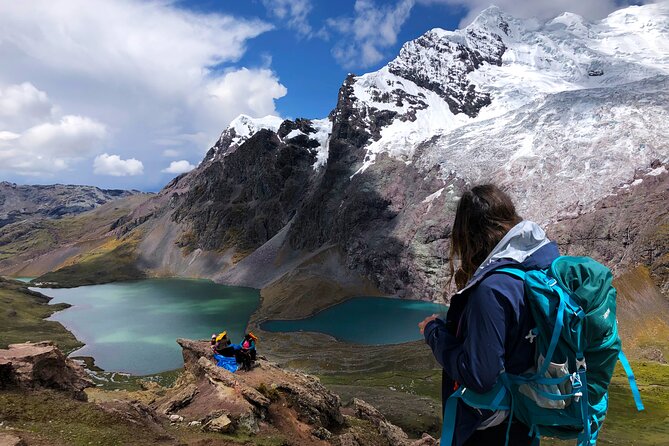
- Apu Ausangate views up close: glacier-to-glacier scenery framed by intense high-Andes lagoons
- High passes with big payoffs: Arapa (4850m), Apacheta (4980m), and Palomani (5200m)
- Hot springs on two days: soak in Upis first, then Pacchanta later
- Meals that cover the hard hours: lunch every trekking day, plus dinners and breakfasts in camp
- Culture built into the hike: Apu ceremony at the highest pass and a local family food-and-weaving session on the final day
Cusco to Tinke to Rondoca: Day 1 sets the altitude tone
Your day starts early, with pickup and a private ride from Cusco toward Tinke. You’ll stop along the way to grab last-minute supplies and have some breakfast before continuing to Rondoca, where you connect with the rest of the trekking team—typically including the cook and the horse driver, so your gear moves with you without becoming a full-on backbreaking mule workout.
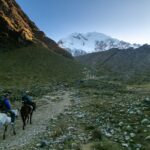
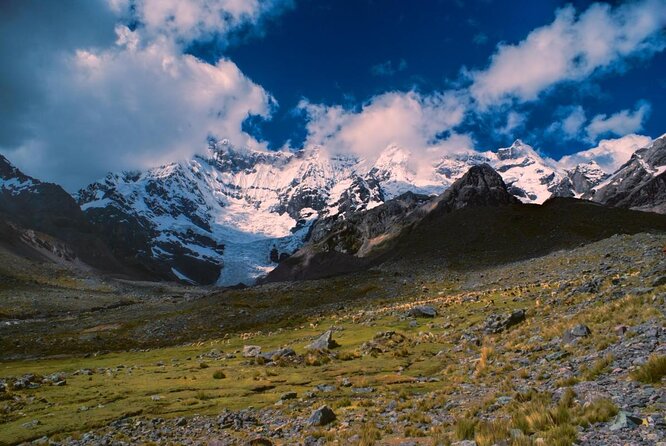
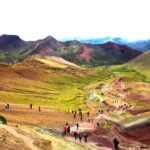
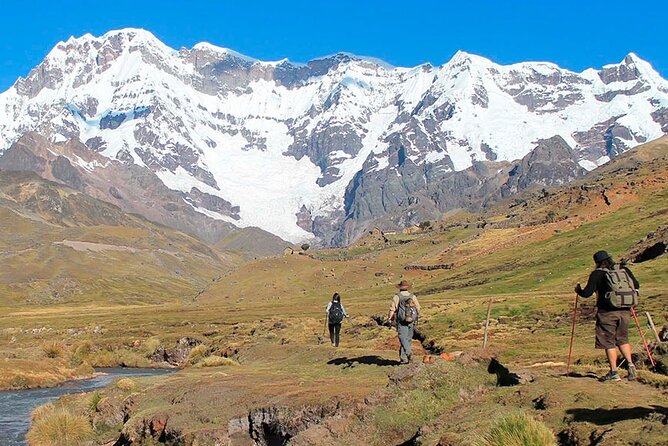
Then you begin the first hike, about two hours, with a first big visual hook: the trek’s views of Apu Ausangate. After lunch, the hike continues another stretch to reach your first camp near 4200m. This first day is shorter than what comes later—around 3 to 4 hours of hiking time over about 8km—so it works well as a slow ramp-up.
In camp, the real treat is recovery. You’ll reach the village area of Upis, where you can soak in the hot springs and drink coca tea while your muscles cool down. One practical takeaway from the way this route is planned: on Day 1 you’ll still feel the altitude, so don’t try to “win” the hike. Let your body learn the rhythm while the day is still friendly.
You can also read our reviews of more hiking tours in Cusco
Why this first day matters
This is where you decide how you’ll pace. At elevations roughly 3800m to 4200m on Day 1, your breathing will change even if your legs feel okay. If you start too fast, you’ll pay for it later when the passes get serious.
Arapa Pass and the twin Puqa Q’ocha lagoons on Day 2
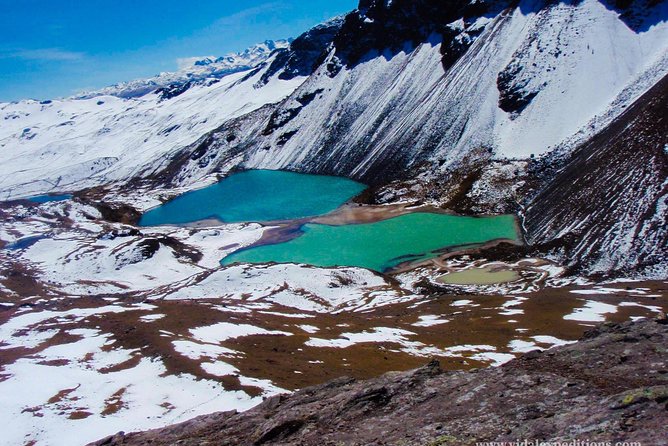
Day 2 is the first long, full-on trekking day. You’ll wake up to hot coca tea, have breakfast, then start crossing the Arapa pass at 4850m. That climb matters because it’s not just altitude—it’s your first real test of steady effort.
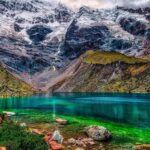
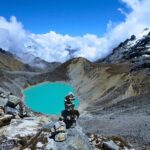
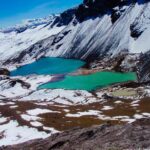
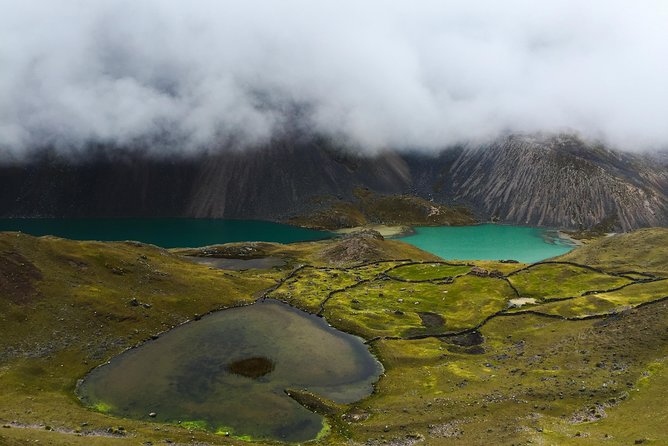
After the pass, the route descends into the valley and brings you to the lakes. You’ll pass the green lake of Puqa Q’ocha, then continue toward the turquoise Lake Jatun Puqa Q’ocha. Lunch happens near the lake with wide views of Ausangate, giving you a chance to slow down and let the scenery do its job.
From there, you head to the second pass of the day: Apacheta at 4980m. Even with the time being tight, this is the kind of stop where you’ll want to pause and look back over what you’ve already climbed. Afterward, you descend about an hour toward Ausangate Qocha and camp for your second night.
What to expect physically
This day is listed at about 7 hours of hiking time over roughly 12km. Elevation goes up to around 4930m and back down toward 4700m, so your body gets a “high, then settle, then high again” pattern. If you’re the type to hike hard uphill, try switching to shorter steps and slower breathing here.
Palomani Pass at 5200m: the ceremony moment on Day 3
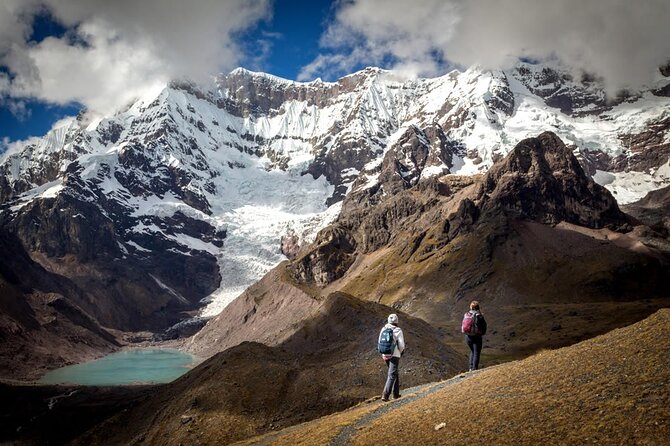
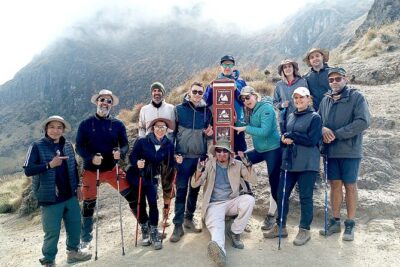
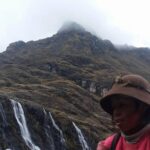
Day 3 is the day you earn bragging rights—without needing to force it. After breakfast you climb to Palomani pass at 5200m, about a two-hour hike upward. This is also where your guide leads a ceremony for Apu Ausangate, and you’ll feel the spiritual side of the mountains rather than treating them like scenery only.
Once you’ve reached the pass, you descend for about an hour to have lunch at Uchuy Phinaya. The afternoon then adds a couple more hours of hiking to your next campsite.
You can also read our reviews of more tours and experiences in Cusco
Why this day feels different
The ceremony isn’t just a cultural add-on. It’s a pause at the highest point where the group naturally quiets down. It changes the way you look at the landscape—you’re not just moving through it, you’re acknowledging it.
Also, because this is the highest pass of the trek, your pacing here matters for your remaining energy. Take your time on the final climb and aim for steady, not fast.
Deep blue lagoons and Pacchanta hot springs on Day 4
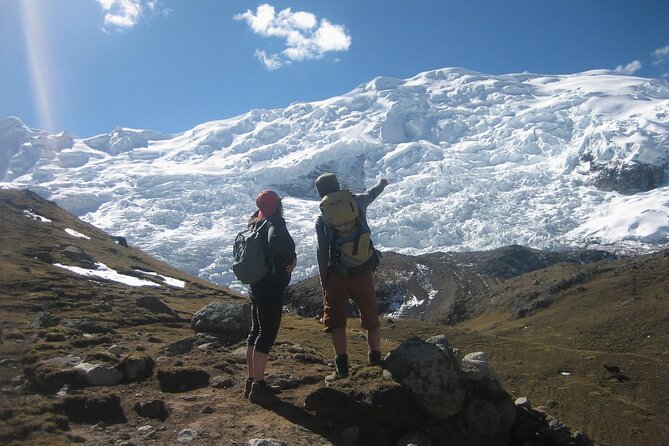
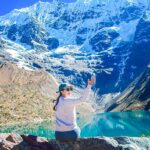
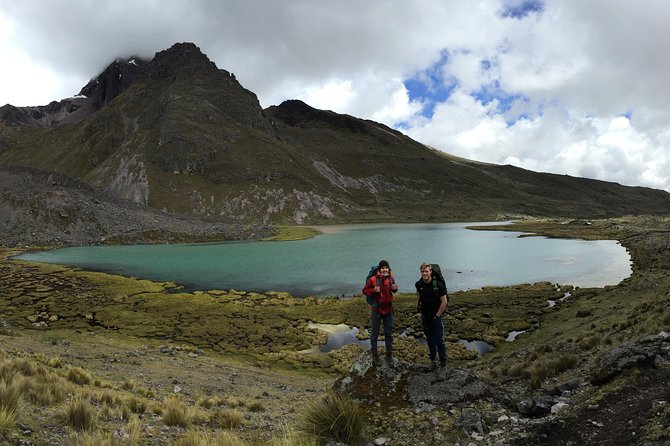
Day 4 keeps the route moving but uses the scenery as the main event. You have only one pass to cross today, and the plan is to take your time with deep blue lagoons and alpine glacial-colored lakes along the way. If you’re brave enough, you can jump in to cool off—just know the water is cold, and you’ll want to judge conditions for yourself.
Ausangate views continue, but from a new angle, with looks toward Pacchanta Valley as well. Your goal for the day is the hot springs of Pacchanta, where you can soak and cool down with the mountain still towering above you.
The day is listed at about 6 hours hiking time over roughly 15km, and you camp at around 4300m (after descending). That “descending, then soak” setup is smart: it helps you reset your legs and gives you a real reward that isn’t just a photo.
The value of this reset
If you’ve ever hiked and felt your body start tightening up halfway through, you’ll appreciate this kind of planned recovery. Hot springs are doing more than relaxing you—they’re helping you bounce back for Day 5.
The last day loop around Ausangate: culture with local families
Day 5 is shorter, both in hiking style and overall pace. After breakfast, you complete the final section around Ausangate Mountain. Then you shift from hiking to culture with a ceremony hosted by a local family.
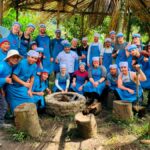
This family session is focused on traditions you can see and learn: local food preparation, plus weaving techniques. It’s the kind of stop that helps you understand the mountain life beyond the trail. After that, the group takes a bus back to Cusco, about 3 hours.
Why the ending matters
A lot of treks end with a bus and a tired smile. This one ends with a hands-on cultural moment before you head back down to the city. You’ll feel like you left with something more than sore calves.
Price and what you actually get for $660
At $660 per person for 5 days (approx.), this trek can feel like a serious spend—until you look at what’s bundled. You’re getting camping equipment and horses for equipment, plus meals that cover much of your daily needs: 5 lunches, 4 dinners, and 4 breakfasts.
That matters because food and logistics are often where mountain treks quietly get expensive. Here, meals are built into the schedule so you’re not hunting for supplies at altitude. You also have support roles in camp—cook(s) and a horse driver—so the experience stays focused on walking, soaking, and learning.
Two costs you should plan for:
- Entrance fee listed as 20 soles (not included)
- Sleeping bag (not included)
Then there’s the “hidden” value: group size. Maximum 10 travelers means you’re not lost inside a crowd. One review specifically praised how rare it felt to see other groups, which lines up with why small groups often feel more personal.
Team support, gear, and the real meaning of small-group hiking
This trek is capped at 10 travelers, which you’ll feel in everyday moments: quicker help when you’re adjusting pace, less crowding at scenic stops, and a better chance for your guide to explain what you’re seeing.
Support roles show up in the details. The horse driver takes care of equipment transport so you’re not carrying everything, and the cook and assistant cook handle camp meals. Names that come up in guides and crew include Chino, Urbano, Guillermo, Angel (horse driver), and Benigno plus Euden (kitchen team). You might not get the exact same lineup, but it’s a good sign that the operation is built around real people who know what they’re doing.
One practical caution: cold. Even when the days are bright, nights at camp can be very chilly at these elevations. One trekker compared the area to cold conditions they experienced elsewhere, and recommended bringing your warmest mountain gear. Don’t pack like it’s a mild spring walk.
What to pack (based on what’s missing)
The trip includes camping equipment, but not a sleeping bag. Since nights at around 4200m to 4630m and one camp near 4500m are part of the plan, treat sleeping bag choice as essential, not optional.
Beyond that, you should pack for big-altitude reality:
- Warm layers for evenings in the camps
- Layers that handle sun and wind during the hikes
- Weather-ready basics (you’re told the experience depends on good weather)
- Sun protection (high altitude lagoons and passes make glare intense)
If you want the trip to feel comfortable rather than miserable, underpacking is the usual mistake. People who come prepared tend to remember the views. People who don’t tend to remember shivering.
Who this trek suits best
This is a moderate physical fitness experience, but moderate here means you should be comfortable hiking for hours at high elevation. The trek includes several long days, including a pair of passes on Day 2 and a 5200m climb on Day 3.
This trek is ideal if you want:
- Small-group energy rather than a big group stampede
- All-inclusive camp meals and support
- Cultural stops tied to actual landscape moments
- Hot spring recovery included in the plan
It may be less ideal if you’re looking for a flat, easy walk, or if you hate altitude challenges. The landscape is dramatic, but the route is still a mountain route.
Should you book the Ausangate Trek 5 Days?
If you’re choosing between a standard high-altitude loop and something that feels more human, I’d book this. The small-group setup, included meals, and the way it builds in both hot spring recovery and culture sessions make it feel complete—not just scenic.
Book it if you:
- Are ready for altitude up to about 5200m
- Want a guided trek with real camp support (horses and cooking team)
- Care about culture and not only the photos
I’d pause before booking if:
- You don’t have a proper sleeping bag and you’d rather avoid cold nights
- You’re not willing to pace yourself on passes (especially Day 3)
If you’re prepared for the altitude and pack warm, you’re likely to come back with memories that feel bigger than a checkbox itinerary.
FAQ
What time does the trek start in Cusco?
The meeting point start time is 5:00 am.
How many people are in the group?
The maximum group size is 10 travelers.
Are meals included?
Yes. Lunch is included 5 times, dinner 4 times, and breakfast 4 times.
Do I need a sleeping bag?
Yes. Sleeping bag is not included.
Is there an entrance fee?
Yes. An entrance fee of 20 soles is not included.
What happens if weather is bad?
This experience requires good weather. If it’s canceled due to poor weather, you’ll be offered a different date or a full refund.