REVIEW · CUSCO
Cusco: Half-Day City Tour with Sacsayhuaman and Q’enco
Book on GetYourGuide →Operated by Machupicchu Adventour · Bookable on GetYourGuide
Cusco packs a lot into five hours, and it shows. This half-day city tour strings together the Inca sites just outside town, with standout views from Sacsayhuamán and plenty of time to ask questions. It’s a smart way to get your bearings fast without spending a full day on the move.
I love how well the pacing works for a short visit: you get guided stops at major places, plus breathing room to wander and take photos. I also like the human touch from guides like Wilson and Luis, who were patient, friendly, and good at keeping things understandable in mixed groups.
The main drawback is simple: it’s a bit of walking and climbing. If you’re short on stamina (or you’re sensitive to altitude), plan for a slower pace and comfortable shoes, and know that it’s not a fit for pregnant travelers or people with epilepsy.
In This Review
- Why This Half-Day Cusco Tour Works So Well
- Plan For Five Hours of Inca Landmarks (Morning or Late Shift)
- Meeting in Cusco Main Square: How Not to Get Stuck in the Crowd
- Coricancha: The Optional Start That Adds Context
- Sacsayhuamán: Fortress Walls and the Best Skyline Views
- Qenqo: Ceremonial-Earthwork With Astronomical Clues
- Puka Pukara: A Military Fortress You Can Walk Through
- Tambomachay: Carved Stone Water Channels and a Cooling Break
- What Makes the Guides Matter (and Why You Feel It)
- Transport and Timing: Comfortable Minivan, Short Connections
- What You Need to Bring (Because Cusco Weather Doesn’t Ask Permission)
- Tickets and Costs: The Real Budget Math
- Who This Tour Suits Best
- Should You Book This Cusco Half-Day Tour?
- FAQ
- How long is the Cusco half-day city tour?
- Where do we meet for the tour?
- Which sites are included?
- Is Coricancha/Qoricancha included in the price?
- What does the price include?
- Are the main entrance tickets included?
- What languages are available for the guide?
- What should I bring?
- Is this tour suitable for everyone?
Why This Half-Day Cusco Tour Works So Well
- Sacsayhuamán first: you start with a fortress and quick scenic payoff over Cusco.
- A tour built for questions: guides answer patiently in English and Spanish, and you’re not rushed.
- Big variety in one route: ceremonial/astronomical Qenqo, military Puka Pukara, and water-focused Tambomachay.
- Optional Coricancha: you can choose to add the temple experience (with the separate ticket).
- Good value for $13: you’re paying for transport and a professional guide, not just a bus ride.
- You return to town in time: the tour ends around Calle Plateros so you can keep your afternoon flexible.
Plan For Five Hours of Inca Landmarks (Morning or Late Shift)
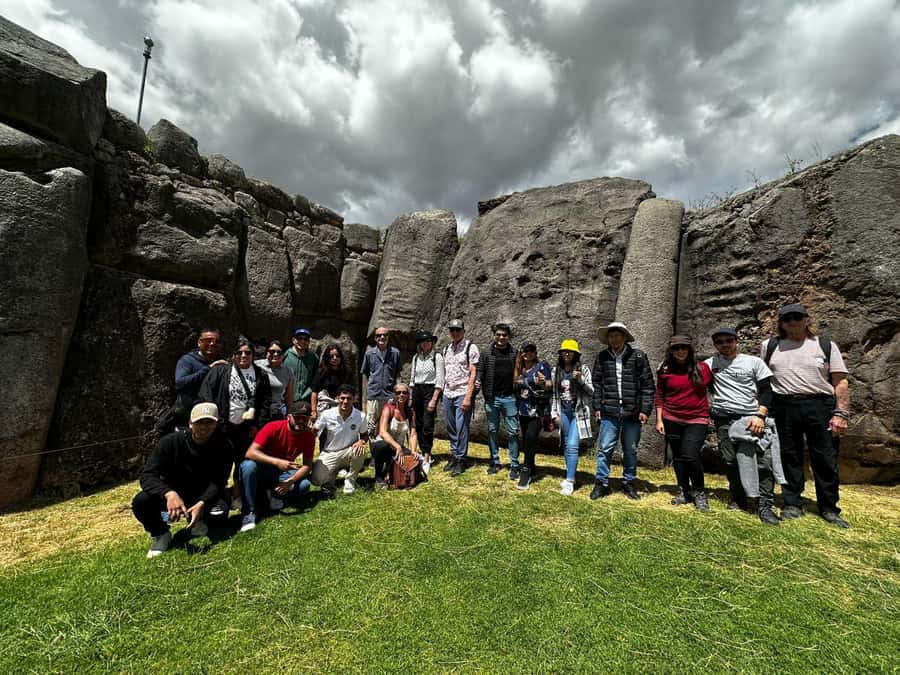
This tour runs about 5 hours, and you’ll see two common options: a morning shift from about 9:00am to 2:00pm, or a late shift from about 1:00pm to 6:30pm. That flexibility matters in Cusco because your altitude rhythm and daily plans can change fast—one day you feel great, the next day you’re slower.
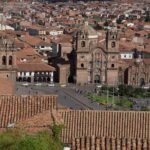
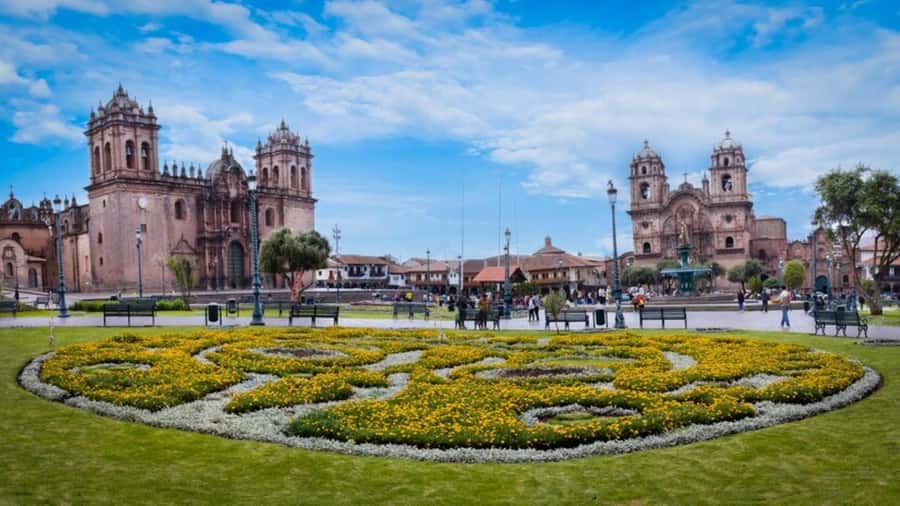
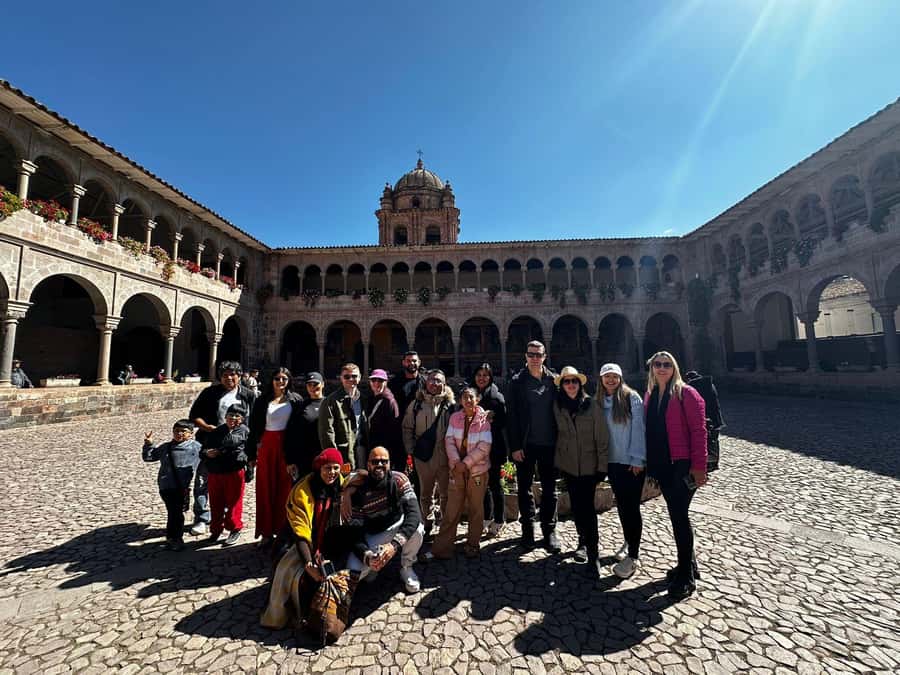
You meet at the Cusco Main Square by the fountain. Depending on the schedule, you may also be picked up at your hotel in the urban area of Cusco. The day moves by minivan between sites, so you spend less time navigating on your own and more time seeing.
One practical note: you’re doing multiple stops in one go. Even when each site visit is reasonably timed, the day can still feel like a workout, especially in the cooler air where your legs get stiff. I’d pack for a walking day, not a sightseeing lark.
You can also read our reviews of more city tours in Cusco
Meeting in Cusco Main Square: How Not to Get Stuck in the Crowd
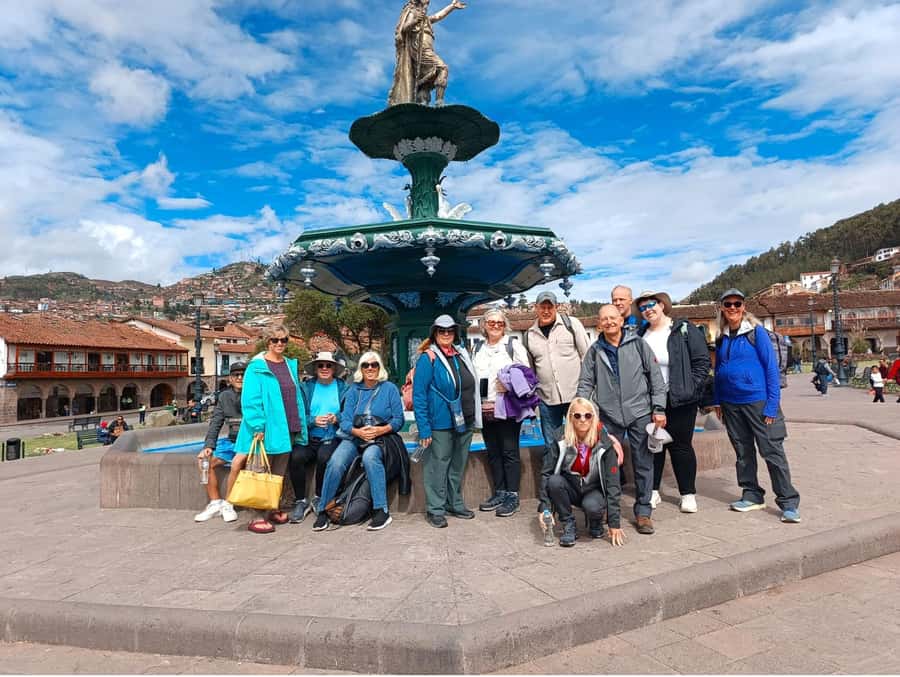
Meeting right in the main plaza is convenient, but it can be a zoo. The good news is that your guide should be easy to spot once you know what to look for: a small flag with the company logo and your name on a whiteboard.
If you’re prone to arriving late (my own weakness on vacation), give yourself extra buffer. Even a few minutes of delay can cost you the first stop time, and Cusco days are easier when you start calm.
Also, confirm with your operator ahead of time whether pickup is available for your neighborhood. If you’re not picked up, the fountain meeting point is the reliable option.
Coricancha: The Optional Start That Adds Context
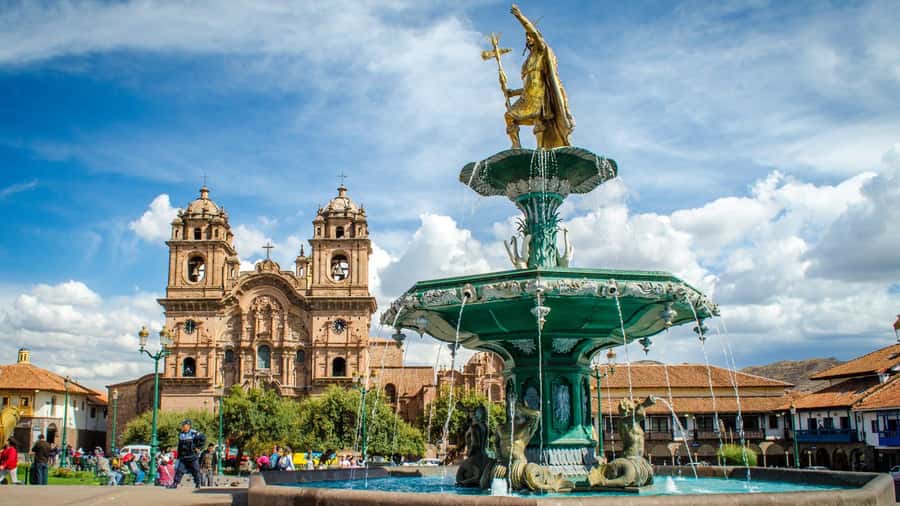
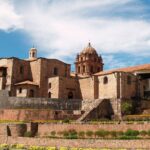
The tour can begin with Coricancha (also spelled Qoricancha on many signs). This part is listed as optional, and you’ll want to budget the separate entrance fee if you want to go in.
Why it’s worth considering: Coricancha helps you understand Cusco as a living religious center, not just as ruins on hills. When you later visit the outer sites, the “why” behind the stonework feels clearer. If you skip it, you’ll still get a great route—but Coricancha gives extra meaning to the day.
The stop here is about 1 hour, so it’s enough time for a guided visit plus photos.
Practical tip: if you’re paying for Coricancha on top of other tickets, have cash ready. The tour info doesn’t include meals, so this is also a moment to think about whether you want a snack before you start.
Sacsayhuamán: Fortress Walls and the Best Skyline Views
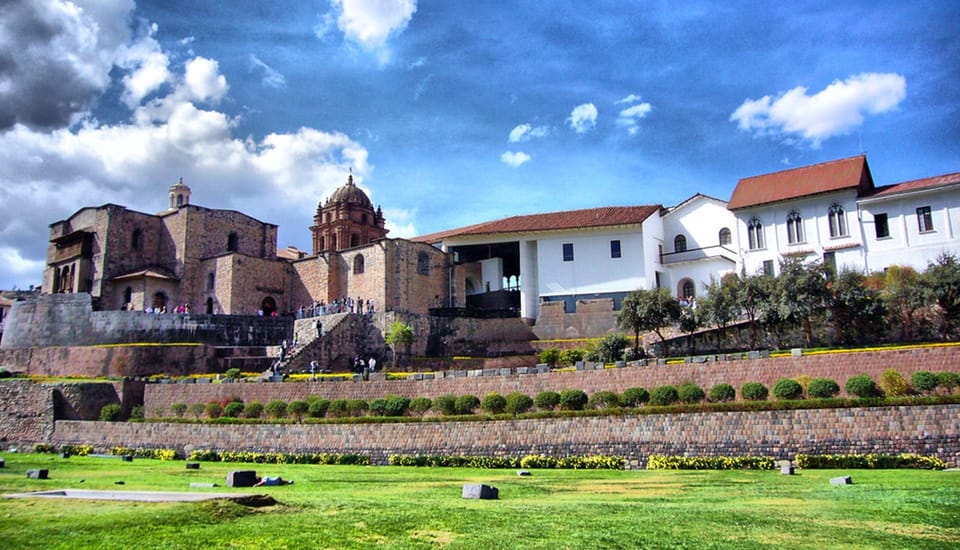
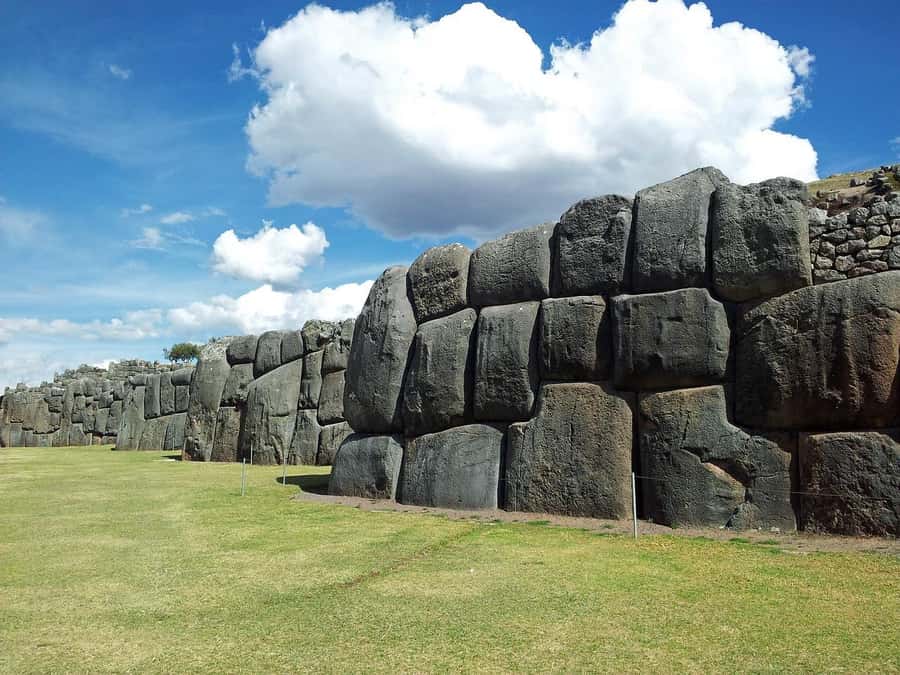
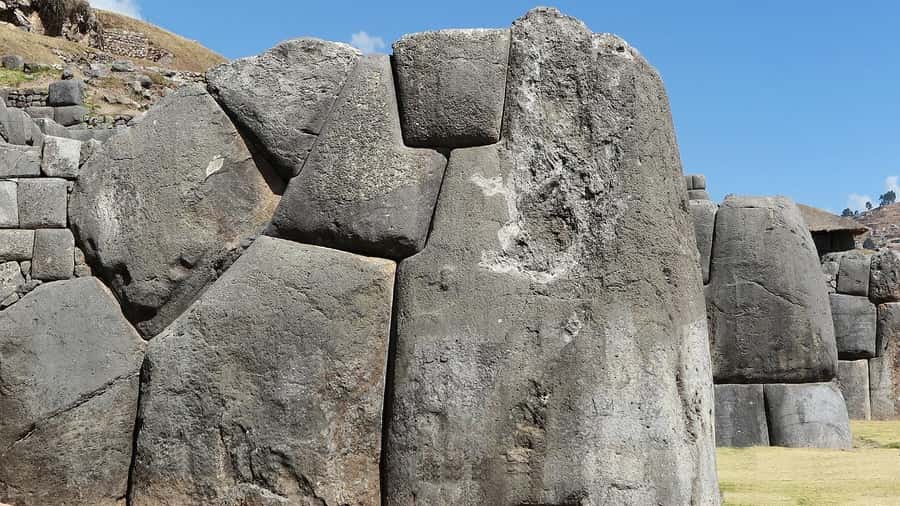
Sacsayhuamán is the heavy hitter on this route. You spend about 40 minutes here, with photo stops, guided touring, some free time, and scenic views on the way.
What you’re really seeing, beyond big stones:
- This fortress sits above Cusco, so the viewpoint is the payoff.
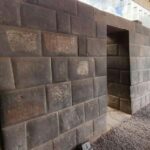
- The polygonal and massive masonry feels like a puzzle—your guide helps you connect the shapes to purpose and power.
The altitude factor is real. The walk up and around can take a little effort, but it’s one of those places where the view makes you forget you’re working. If you want the day to be easy, pace yourself, take breaks, and let the guide know you’d like slower time. In particular, one older traveler praised how their guide allowed extra time at Tambomachay, which tells you the operators can adjust when needed.
Qenqo: Ceremonial-Earthwork With Astronomical Clues
After Sacsayhuamán, you head to Qenqo, with a short minivan ride in between. Your time here is around 30 minutes, split between guided explaining, photos, and sightseeing.
Qenqo is described as an archaeological complex with mainly ceremonial use, including an astronomical connection. Translation: this isn’t just “pretty stone.” The layout is the point. You’ll likely hear explanations about how the Incas used alignments and ritual spaces tied to the sky.
This stop is good if you enjoy architecture with a purpose. If you’re the type who likes to understand what a place was for (not just what it looks like), Qenqo delivers.
You can also read our reviews of more tours and experiences in Cusco
Puka Pukara: A Military Fortress You Can Walk Through
Next is Puka Pukara (often written Puka Pucara). You get about 25 minutes here: photo stop, guided tour, and free time.
This site is framed as a military fortress, and you’ll see features like multiple environments and squares. The description also includes details such as bathrooms, aqueducts, walls, and towers. Even if you don’t catch every name on the first pass, the overall “functional” feeling comes through. It’s less about ceremonial grandeur and more about systems—water, walls, and space for organized activity.
If you’re wondering whether Puka Pukara is worth it: it is, because it shifts the story away from only religious monuments. You start to see how Cusco’s elite world included defense and infrastructure.
Tambomachay: Carved Stone Water Channels and a Cooling Break
Finally, you end at Tambomachay, with about 40 minutes on site. You’ll have a break for photos and guided touring, plus time to wander.
This place centers on water channels carved into stone, with the possibility that it was dedicated to the worship of water. That theme is powerful in Cusco because water was life—and the Incas engineered water with the same seriousness as their temples.
The bonus: this last stop is a chance to reset your legs. One traveler mentioned their guide let them take an unhurried pace to the top here, which matters if you’re visiting with slower companions or you’re just feeling the day.
When you’re done, the tour concludes back in central Cusco around Calle Plateros, which makes it easier to transition to dinner without a long scramble for transport.
What Makes the Guides Matter (and Why You Feel It)
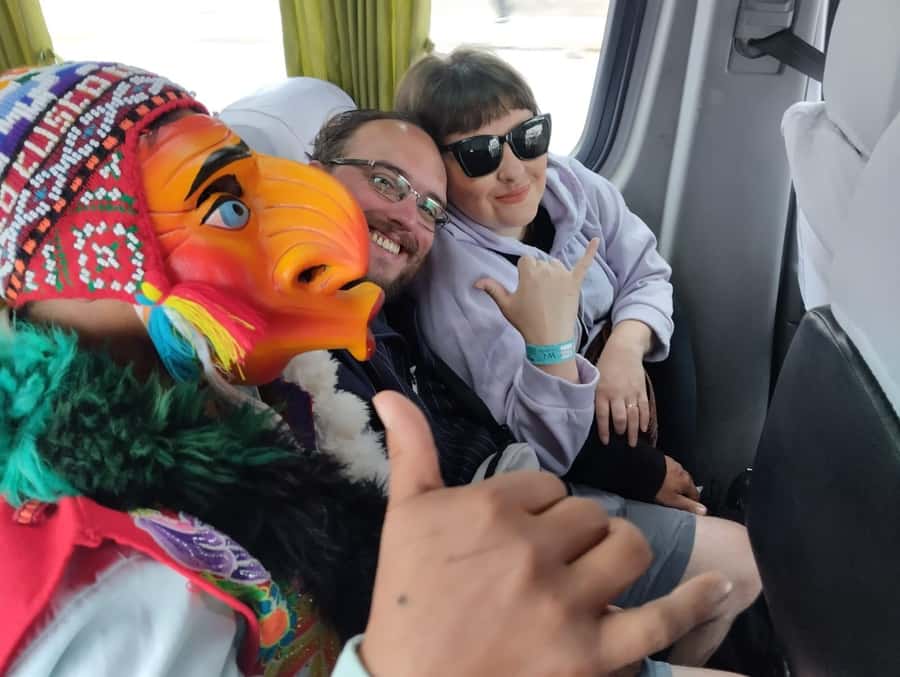
This tour’s biggest differentiator isn’t the route—it’s the people running it. Guides like Victor, Jared, Joel, Samuel, and William show up in the experience with a consistent pattern: they explain clearly, answer questions, and keep the tone friendly.
In practical terms, that means:
- You’ll get context that turns stone layouts into a story you can remember.
- You can ask follow-up questions when something clicks or doesn’t.
One traveler pointed out that some guides can be easier to understand for native English speakers than others, but the overall approach stays patient and question-friendly. If you care about clarity, the best move is to ask early—right at Sacsayhuamán—so you know how your guide’s explanations will land for the rest of the day.
Transport and Timing: Comfortable Minivan, Short Connections
Between sites you’ll use a minivan, with short bus rides that keep the schedule moving. The day includes transitions—so don’t plan to do anything urgent immediately after the pickup time.
The tour’s structure is designed around short guided sessions at each site, then a little free time for photos and wandering. Some people describe it as a whistle-stop day, and that’s fair: you’re covering a lot in five hours. Still, most visitors find the time per stop reasonable, especially when guides don’t bulldoze people along.
If you’re trying to decide between the morning and late shift, pick based on your energy. Morning can help you feel like you owned the day. Late shift can be kinder if you need extra altitude adjustment beforehand.
What You Need to Bring (Because Cusco Weather Doesn’t Ask Permission)
Cusco weather can switch quickly, and the sun can be sneaky even when it’s cool. Bring:
- Comfortable shoes for uneven ground
- Sun hat, sunglasses, sunscreen
- A camera
- Water and a daypack
- Cash (for entrance fees not included)
- Passport or ID card
Also: food isn’t included. If your tour starts before you’ve eaten, grab a light breakfast or a snack before meeting time. For many people, a small snack prevents the “cranky + low energy” spiral that can happen when altitude and walking team up.
Tickets and Costs: The Real Budget Math
The headline price is $13 per person, which is excellent for a guided, multi-site half day. But you should account for two extra costs listed as not included:
- Ticket to Qoricancha: S/20.00 (if you choose the optional temple visit)
- Tourist ticket: S/70.00
So the value depends on what you want to include. If you’re skipping Coricancha, you may pay only the tourist ticket. If you want the full story beginning with Coricancha, budget for both.
Still, even with those add-ons, this tour tends to price well compared to paying for transport and multiple guides separately. The math works best when you’re new to Cusco and want the major Inca landmarks above town in one go.
Who This Tour Suits Best
This is a great fit if:
- You want a first-time Cusco orientation to the Inca sites
- You like guided explanations that turn ruins into meaning
- You don’t want a full day of logistics and long travel time
It’s not a fit if:
- You’re pregnant
- You have epilepsy
- You need fully flat, low-effort walking (the sites involve walking and some elevation)
If you’re traveling with older adults, this route can still work, especially when your guide slows down and adjusts time. The best approach is to tell the guide at the start that you want a relaxed pace.
Should You Book This Cusco Half-Day Tour?
If you want a practical way to see the biggest Cusco-area Inca sites without spending all day away from town, this tour is a strong yes. The best part is the combination of big viewpoints at Sacsayhuamán, the structured stops at Qenqo and Puka Pukara, and the water-focused finale at Tambomachay—handled by guides who tend to be patient and clear.
Book it if:
- You’re short on time but still want guided context
- You want a morning or late shift option
- You’re happy to budget separate entrance fees for optional Coricancha
Skip it (or consider another format) if:
- You’re sensitive to walking/climbing
- You want a slower, more spread-out day with longer stays at fewer sites
FAQ
How long is the Cusco half-day city tour?
It runs for about 5 hours, with either a morning shift around 9:00am to 2:00pm or a late shift around 1:00pm to 6:30pm.
Where do we meet for the tour?
Meet at the Cusco Main Square by the fountain (coordinates: -13.516772, -71.9787231). Depending on the schedule, you may also be picked up at your hotel in the urban area of Cusco.
Which sites are included?
The tour visits Sacsayhuamán, Qenqo, Puka Pukara, and Tambomachay. Coricancha is offered as an optional first stop.
Is Coricancha/Qoricancha included in the price?
The Qoricancha ticket is not included. Coricancha is optional, and the ticket cost listed is S/20.00.
What does the price include?
It includes tourist transport and a professional guide. An audio guide is included in English and Spanish.
Are the main entrance tickets included?
No. A tourist ticket is not included (S/70.00), and Coricancha has a separate ticket price if you choose to visit.
What languages are available for the guide?
The live tour guide is available in English and Spanish, and the audio guide is also provided in English and Spanish.
What should I bring?
Bring passport or ID, comfortable shoes, sunglasses, sun hat, camera, sunscreen, water, comfortable clothes, cash, and a daypack. Food is not included.
Is this tour suitable for everyone?
It’s not suitable for pregnant women or people with epilepsy. Also note the tour has walking at archaeological sites.