REVIEW · CUSCO
Cusco City Sightseeing, San Pedro Market, Cathedral and Qorikancha Temple
Book on Viator →Operated by VIPAC Travel · Bookable on Viator
Cusco in a half afternoon? This tour helps. In about 3.5 hours you’ll tick off Qorikancha and the Cusco Cathedral, plus a real taste of daily life at San Pedro Market. I like the small-group size (max 15) and the included hotel pickup from select places, so you spend less time coordinating and more time actually looking around. The main drawback is that the schedule is tight, so if altitude hits or Cusco traffic slows things, some stops can feel quick near the end.
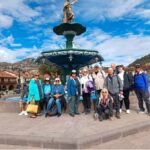
The route starts around 2:00 pm and moves through the Centro Histórico with a guide who explains what you’re seeing in both English and Spanish. I like that you’re not just handed a route map. You get the why behind the stones, paintings, and old Inca foundations under colonial walls.
At $59 per person, entrance tickets for the Cathedral and Qorikancha are included, which makes the price feel more reasonable once you’re on the ground. One consideration: if your group is mixed-language, you may still hear more Spanish than you hoped, even though the guide provides bilingual service.
In This Review
- Key highlights that make this tour worth your afternoon
- A 3.5-Hour Cusco Loop That Makes Your First Day Easier
- San Cristóbal Plaza Views and the San Blas Artisans’ Quarter
- Hatun Rumiyoc Street and the Twelve-Angled Stone
- Qorikancha (Temple of the Sun): Gold, Inti, and Reuse of Stone
- San Pedro Market: Where Cusco’s Daily Rhythm Lives
- Plaza de Armas and Cusco Cathedral: Colonial Art on a Sacred Hub
- Price and Logistics: Is $59 Good Value?
- Who This Tour Fits Best (and Who Should Think Twice)
- Altitude, Bathrooms, and What to Bring
- Should You Book Cusco City Sightseeing, San Pedro Market, Cathedral and Qorikancha Temple?
Key highlights that make this tour worth your afternoon
- Panoramic start at San Cristóbal Plaza so you get your bearings fast before church doors and market stalls
- Small-group feel (15 max) with enough flexibility to move at a relaxed pace
- Qorikancha’s Inca roots under colonial layers at the old Inca capital of Cusco
- San Pedro Market for real ingredients and local routines (potatoes, corn, regional breads, cheeses, and more)
- Plaza de Armas finish at Cusco Cathedral with colonial paintings and detailed woodwork
- Hotel pickup/drop-off from select areas that saves time in a city built for feet, not cars
A 3.5-Hour Cusco Loop That Makes Your First Day Easier
If you only have one afternoon in Cusco, this kind of highlights tour is a smart move. The trick is not trying to see everything. It’s seeing the right things with enough context that Cusco starts making sense.
This tour is built like a classic Cusco “greatest hits” circuit: viewpoints and old stone streets in the morning-ish light, then major Inca and colonial landmarks, ending in the busiest historic center area. You also get a built-in structure for pacing, which matters when altitude makes you want to slow down and sip tea instead of speed-walking.
The group size stays small. That usually means less waiting at transitions and more time for questions. It also helps you enjoy the stops instead of just collecting photos.
The one thing to keep in mind: you’re covering multiple iconic sites in a short window. It’s not a slow museum day. If you need extra time inside buildings or want longer market browsing, plan to add your own follow-up time later.
You can also read our reviews of more city tours in Cusco
San Cristóbal Plaza Views and the San Blas Artisans’ Quarter
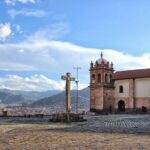
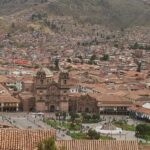
Your afternoon starts with a panoramic look over Cusco from San Cristóbal Plaza. I like this warm-up because Cusco can feel like a jumble at first—streets climbing, plazas tucked in, and viewpoints popping up like surprises. A quick overview helps you understand where you are before you start moving deeper into the historic center.
From there, you head to the artisans’ quarter in San Blas, where you’ll visit a church and admire the carved woodwork inside. This stop is quieter than the big-ticket monuments, but it’s a good reminder that Cusco’s story isn’t only about emperors and conquistadors. It’s also about craftsmen, workshop traditions, and the way religious art took local form.
Practical note: this is the part where walking and stairs can add up. The tour uses a mix of car transport and foot movement, so you’re not stuck doing everything on uneven stone. Still, wear comfortable shoes. Cusco’s old streets do not do gentle surfaces.
If altitude is already bothering you, pace yourself here. Take your time at photo points and let your guide know you want slower transitions.
Hatun Rumiyoc Street and the Twelve-Angled Stone
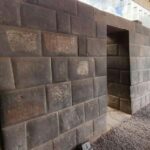
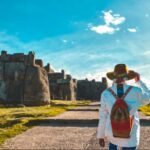
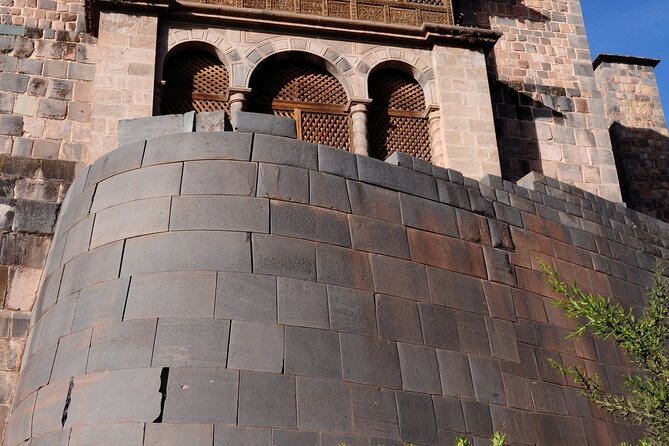
This is the “tiny stop” that feels surprisingly important: Hatun Rumiyoc Street and the Twelve-Angled Stone. The attraction is simple, but the payoff is big. You see how Inca stonework can look precise and deliberate, even when it’s integrated into later streets and buildings.
On the way, you also pass major historic street highlights, including the area of Inca Roca Palace, which is now the Archbishop’s Palace. That blend—Inca foundations and Spanish-era power—shows up repeatedly in Cusco. Even when you’re just walking by, your guide’s explanations make those connections click.
Why this matters for you: if you plan to explore on your own later, you’ll recognize the visual “tells.” You’ll start noticing stone shapes, building layers, and the way plazas and churches sit on top of earlier structures. That’s when Cusco stops being a list and starts becoming a map you understand.
Qorikancha (Temple of the Sun): Gold, Inti, and Reuse of Stone
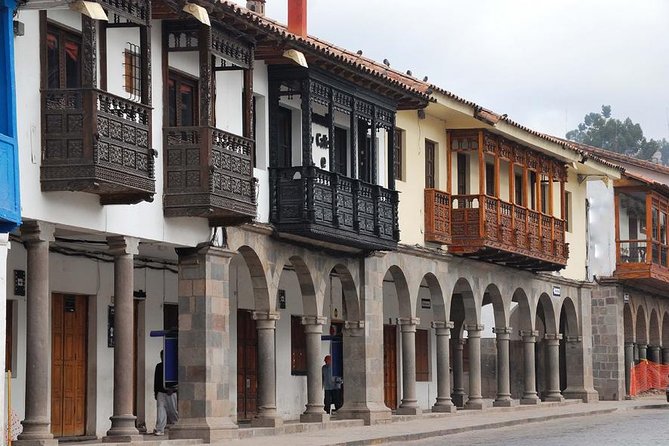
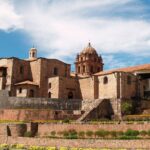
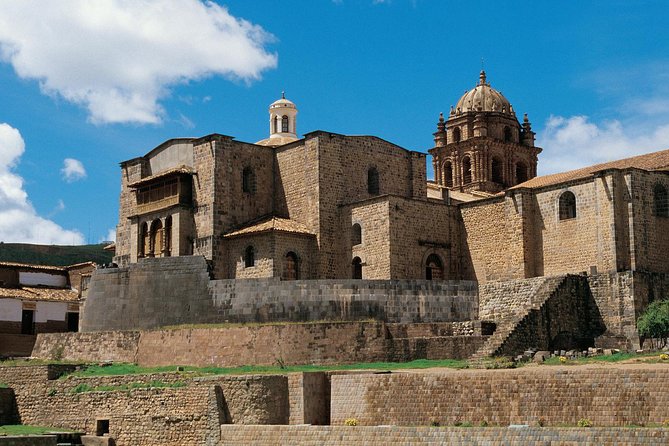
Then you get to Qorikancha, also known historically as Intikancha or Intiwasi, dedicated to Inti. This is the Inca heartland part of the tour, and it lands with real weight even if you’re not an archaeology expert.
Here’s the key story you’ll want to keep in your head: the site was mostly destroyed after the 16th-century wars with the Spanish conquistadors, and much of its stonework became part of the foundation of the Santo Domingo church and convent. That means you’re not only looking at ruins. You’re looking at transformation—how sacred space got repurposed rather than erased.
I like that the tour treats Qorikancha as both an Inca monument and a symbol of change. You see the stones, but you also understand why the setting feels layered: Inca precision under colonial rebuilding.
Plan for about an hour here. That’s enough time to see the main areas, take photos, and absorb the guide’s explanation without rushing you through like a conveyor belt. If you’re the type who wants extra time to study details, you might still want to return later. But for an afternoon overview, this stop is a strong use of your time.
San Pedro Market: Where Cusco’s Daily Rhythm Lives
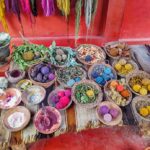
Next is Mercado Central de San Pedro, one of the best ways to understand Cusco beyond monuments. This isn’t a craft market for tourists. It’s the place where people buy groceries, ingredients, and everyday goods.
You’ll have around 45 minutes to explore. In that time you’ll see staples like potatoes, corn, regional breads (including oropesa bread), cheeses, and local produce. You’ll also notice the texture of market life: constant movement, goods stacked for display, and vendors focused on the task of selling to locals.
I love market time because it’s the easiest way to anchor Cusco culturally. You start connecting what you see in churches—fertility, seasons, offerings—with what people actually eat and buy.
Quick practical tip: markets are not always designed for cashless tourists. Bring some small bills and coins. And if you’re trying to plan bathroom breaks, keep in mind that some places charge a fee in Cusco. Having a few soles on you can save stress later.
You can also read our reviews of more shopping tours in Cusco



Plaza de Armas and Cusco Cathedral: Colonial Art on a Sacred Hub
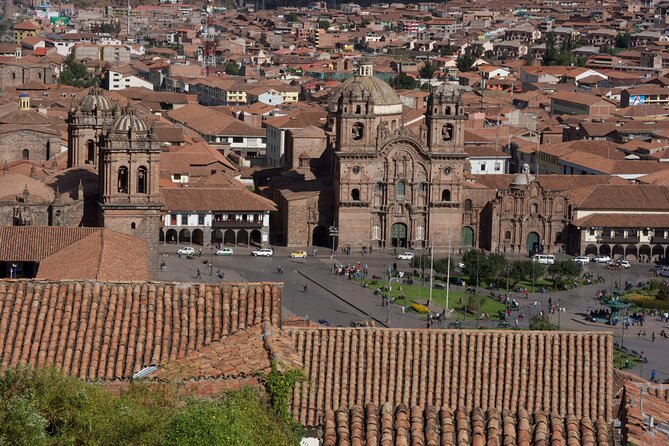
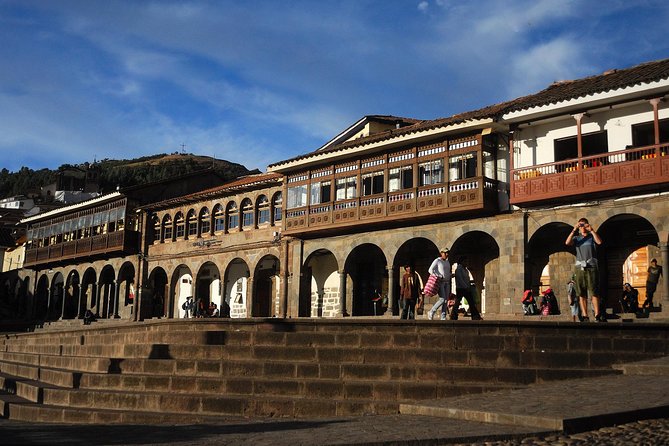
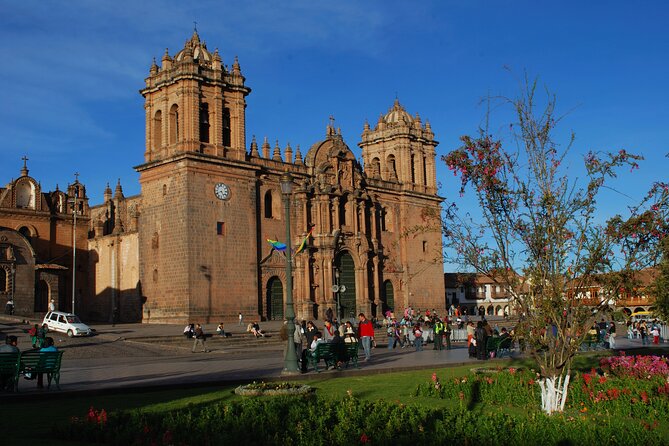
You end at the Plaza de Armas, Cusco’s central gathering point. It’s a great finish because it’s lively and easy to continue exploring on your own. From here, you can grab a meal, wander side streets, or pop into nearby shops after the tour winds down.
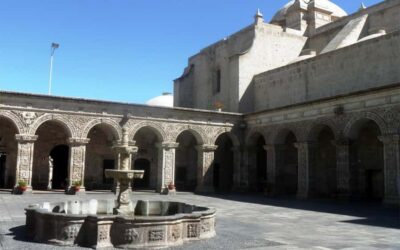
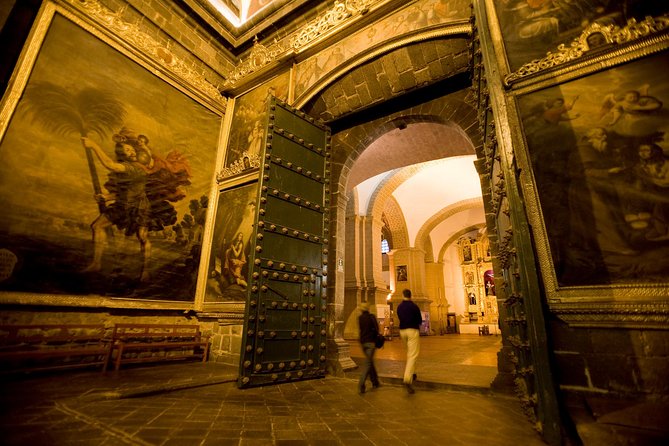
Your main stop is Cusco Cathedral—the mother church of the Roman Catholic Archdiocese of Cusco—built between 1560 and 1654. It’s a big colonial-era structure, and what stands out is the art and interior detailing, including colonial paintings and beautiful woodwork.
The timing works well: you’re not trying to fit cathedral time into a rushed morning. You arrive with your bearings already set from San Cristóbal and the earlier stops, so you can appreciate the cathedral as the political and cultural center it became.
If churches are your thing, this is where you’ll feel the payoff. If churches aren’t your thing, the good news is that your guide’s explanations can help you read the visuals instead of walking through as a spectator.
Price and Logistics: Is $59 Good Value?
For $59 per person, you’re paying for three things that matter in Cusco: guide time, transportation coordination, and entrance tickets for major sites. Entrance tickets are included for Cusco Cathedral and Qorikancha, and the market stop is built into the tour without paid admission.
For value, I think the strongest part isn’t just the math. It’s that the tour compresses the most important landmarks into one organized afternoon. You’re not guessing which order to do things in, and you’re not hiring separate guides or fumbling with ticket lines while your body is still adjusting to altitude.
The logistics are also designed to reduce friction. Hotel pickup and drop-off are included for select hotels, but some hotels are in areas where vehicle access isn’t allowed. That’s normal in Cusco’s center. It means you might walk a bit more than you expect depending on where you stay.
Pace and group dynamics are where you should calibrate your expectations. The tour is short enough to feel efficient, but long enough to feel satisfying. That said, a few past experiences have noted instances where timing got thrown off by late starts or traffic. If you’re traveling with tight dinner reservations, give yourself a buffer and keep plans flexible.
Who This Tour Fits Best (and Who Should Think Twice)
This tour is a great match if:
- You want a first-day orientation to Cusco’s Inca-to-colonial story
- You like seeing a mix of major landmarks plus daily life
- You prefer a small-group approach rather than solo wandering with a phone map
- You’d rather pay one fair price and get tickets handled for the Cathedral and Qorikancha
It might not be the best match if:
- You want very slow, deep time inside every building
- You’re extremely sensitive to altitude and need long breaks
- You’re counting on a perfectly timed finish for an exact hour dinner plan (this city can be unpredictable)
Altitude, Bathrooms, and What to Bring
Cusco’s altitude is real. Even if you feel fine on the first afternoon, it can hit hard once you’re climbing stairs or moving at a steady pace.
A practical approach that often helps: plan a little acclimatization time when you arrive. Easy food choices like soups or lighter meals can feel better. Some people also use local pharmacies for altitude-related meds. If you do, ask for guidance and follow the label directions.
Also, bring a few soles for bathrooms. Some public spots charge a small fee, and not everything has free facilities. It’s a small thing that can prevent a big mood-kill.
What to pack:
- Comfortable walking shoes
- A light layer (church interiors can feel cool)
- Water
- Small cash (soles) for market purchases and possible bathroom fees
And one more tip: take your first viewpoint photos slow. If you’re short of breath, that’s your body asking for a pause, not your ego asking for more pictures.
Should You Book Cusco City Sightseeing, San Pedro Market, Cathedral and Qorikancha Temple?
Yes—if you want a smart first-afternoon plan that hits Cusco’s headline story without wasting time. The combination of Qorikancha, the Cathedral, and San Pedro Market is a nice balance: sacred sites, colonial art, and real everyday life in one loop.
Book it especially if:
- You have only a few hours and want structure
- You like history explained in plain language by a live bilingual guide
- You appreciate a small-group pace with hotel pickup from select areas
Skip or supplement it if:
- You’re planning a very tight evening schedule and need guaranteed timing
- You want longer time per site, because this tour is designed for highlights, not slow study
My bottom line: this is a good value for your first taste of Cusco, as long as you treat it as an afternoon sampler and plan your flexibility around altitude and city traffic.