REVIEW · CUSCO
Cusco: Sightseeing Tour of the City on an Open-Top Bus
Book on GetYourGuide →Operated by Cusco Open Tour: Open Bus City Sightseeing Operator · Bookable on GetYourGuide
Open-top Cusco in 150 minutes. This open-top bus route is a smart intro to Cusco while you also catch a Pachamama ritual stop along the way.
I like that the day is built for views and understanding, not just sightseeing. The guide explains what you’re looking at as the bus rolls through the historic center and out toward the big viewpoints.
I like how the stops are paced so you get photo time plus short guided moments, including time at Plaza de Armas and a guided look at Sacsayhuamán. One drawback: this is a set route, not a true hop-on, hop-off bus, so you won’t be freely hopping off at every landmark.
Key points at a glance
- $12 gets you guided sightseeing plus open-top panoramas for about 2.5 hours
- Cristo Blanco viewpoint gives you that wide “Cusco-from-above” feeling
- Pachamama shamanic ceremony adds a real cultural moment beyond photos
- Alpaca wool weaving center helps you shop with better questions and better instincts
- Set itinerary format means limited stepping off the bus
In This Review
- Getting Oriented in Cusco Without Burning Your Day
- Open-Top Bus Views That Make the Altitude Feel Smaller
- Plaza de Armas to Coricancha: The City’s Core, Not Just the Big Stops
- Sacsayhuamán: Short Time, Big Wow
- Mirador From Cristo Blanco: The View You’ll Want to Revisit
- The Shamanic Center and Pachamama Ceremony: Respectful, Not Just Decorative
- Alpaca Wool Weaving Center: How to Shop Without Getting Fooled
- Timing, Pace, and the Set-Route Reality
- Who Should Book This Cusco Open-Top Bus Tour
- Price and Value: Why $12 Can Work Here
- Practical Tips That Make the Tour Smoother
- Should You Book This Cusco City Bus Tour?
- FAQ
- How long is the Cusco city sightseeing bus tour?
- What does the tour cost?
- Where do I meet the tour in Cusco?
- Is food or drinks included?
- Is the tour offered in English?
- Is this a hop-on, hop-off style bus?
Getting Oriented in Cusco Without Burning Your Day
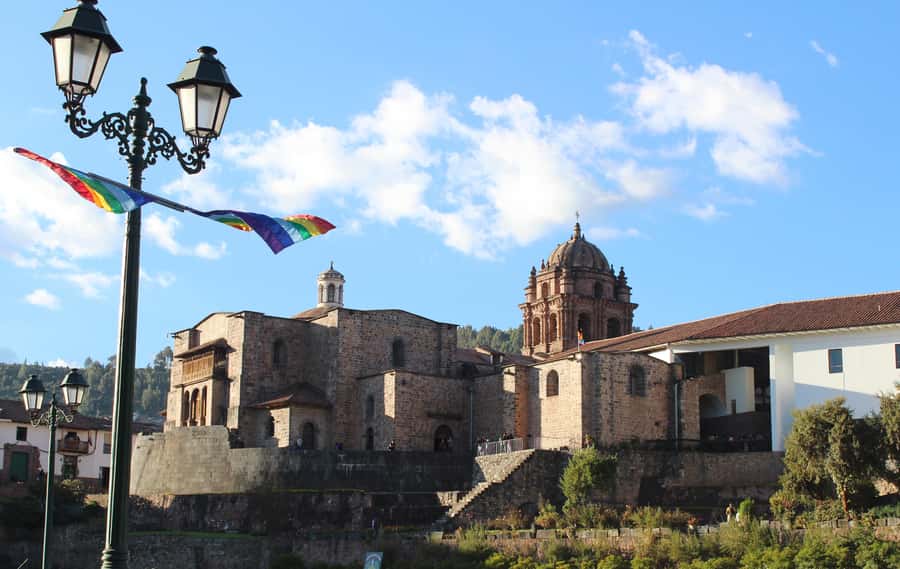
Cusco can feel like a lot on day one. The altitude has a way of making your “just walk around” plan turn into “okay, slow down.” This tour is built for that reality. You spend the bulk of the 150 minutes riding an open-top bus, so you’re not constantly fighting steep streets while you’re acclimatizing.
You also get something that’s hard to replicate on your own: a guide who explains why each place matters. That matters in Cusco, where Inca stonework sits right next to colonial churches, and the meanings aren’t always obvious from the sidewalk. I like tours like this because they help you start sorting out the layout of the city: where the big plazas are, where the major archaeological zone sits, and where the best overlooks are.
It’s also a practical way to decide what to do next. After seeing Sacsayhuamán and the Coricancha area, you’ll usually leave with a clearer sense of what you want to return to with more time and less pressure.
Open-Top Bus Views That Make the Altitude Feel Smaller
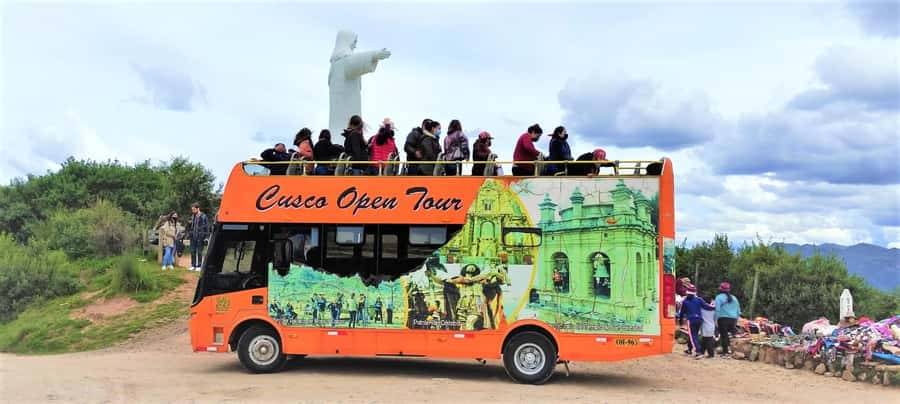
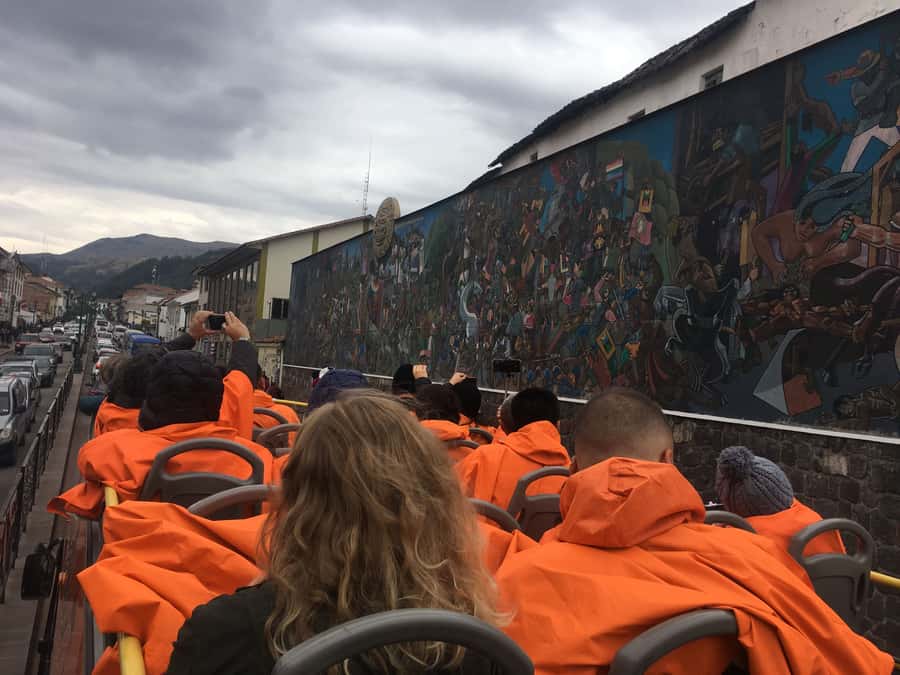
Let’s be real: the best part of an open-top bus in Cusco is the sky. You get broader angles than you would from street level, and the mountains make the whole city feel framed. From the top deck, the panoramic views are a big deal here, especially when the route turns toward the viewpoints.
Cusco weather can be moody. The tour runs rain or shine, so plan for quick changes: sunglasses and a sun hat help even on cloudy days because the UV can still be strong. Bring a jacket too. The wind on a higher road can make you feel colder than you expect, even if the sun is out.
For photos, the rhythm works well. You don’t just show up at a place, you get bus time in between that lets you look, point, shoot, and then listen while the guide ties the scene together. If you’re jet-lagged or headachy, this pacing can save your energy without cutting the fun.
Small note on comfort: this tour isn’t described as wheelchair-friendly or suitable for people with mobility impairments, so if walking or standing is tough for you, plan another strategy.
You can also read our reviews of more city tours in Cusco
Plaza de Armas to Coricancha: The City’s Core, Not Just the Big Stops
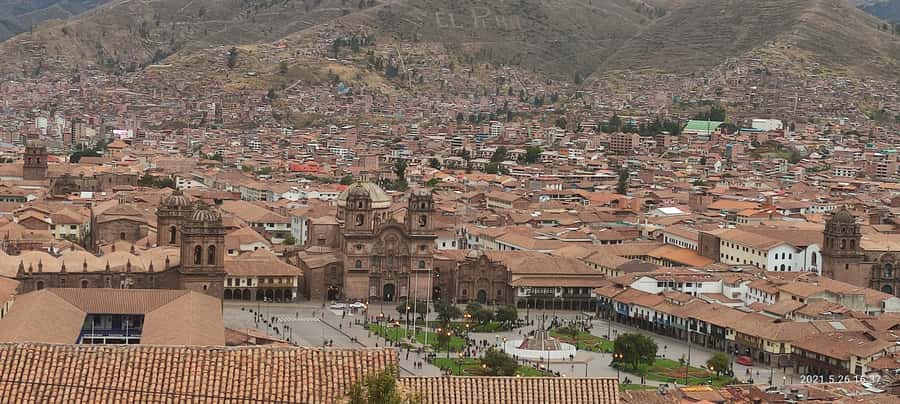
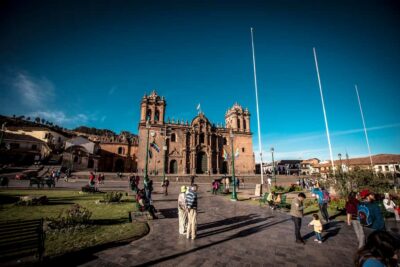
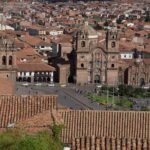
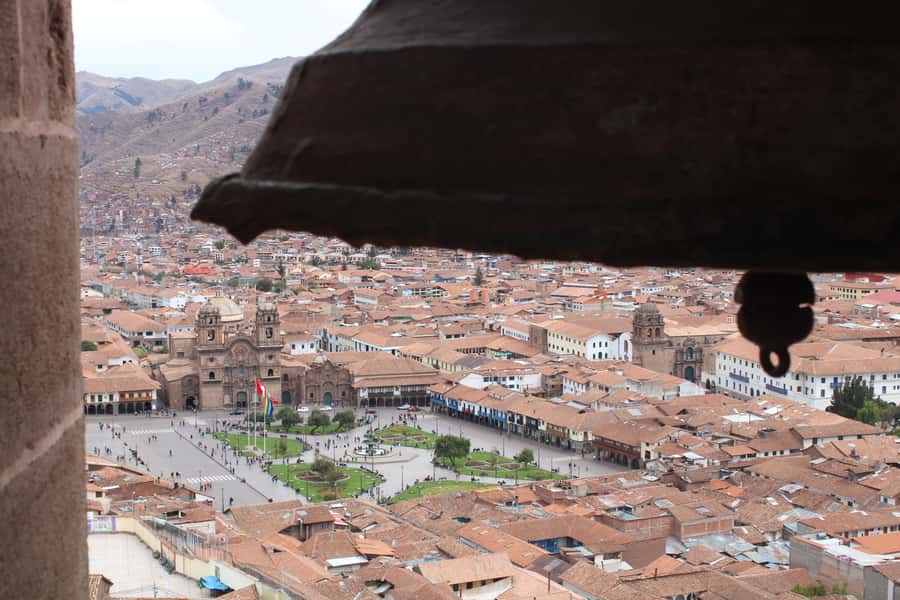
The tour begins from Sta. Catalina Angosta 120, with voucher exchange at the ticket counter before departure. Then you roll into Cusco’s historic center. You’ll pass through the areas around the main square and get a photo stop at Plaza de Armas, Cusco—the kind of quick window that helps you recognize Cusco later, even if you’re only in town for a short time.
From there, the itinerary keeps you moving without turning it into a marathon. You get a guided rhythm, and when you do pass through important points, it’s not just “look left.” It’s the guide explaining what you’re seeing and why it’s here.
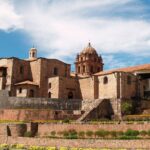
One of the more meaningful moments is Coricancha. This site helps you understand Cusco’s layered story—Inca spiritual space later marked by the colonial era. Even if you only see it in the sightseeing portion, it’s a key place to know about because it shows how belief and power were literally built into the city’s geography.
If you like learning as you go, this segment is where the tour feels most like a guided introduction and less like a sightseeing bus ride.
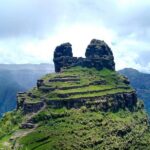
Sacsayhuamán: Short Time, Big Wow
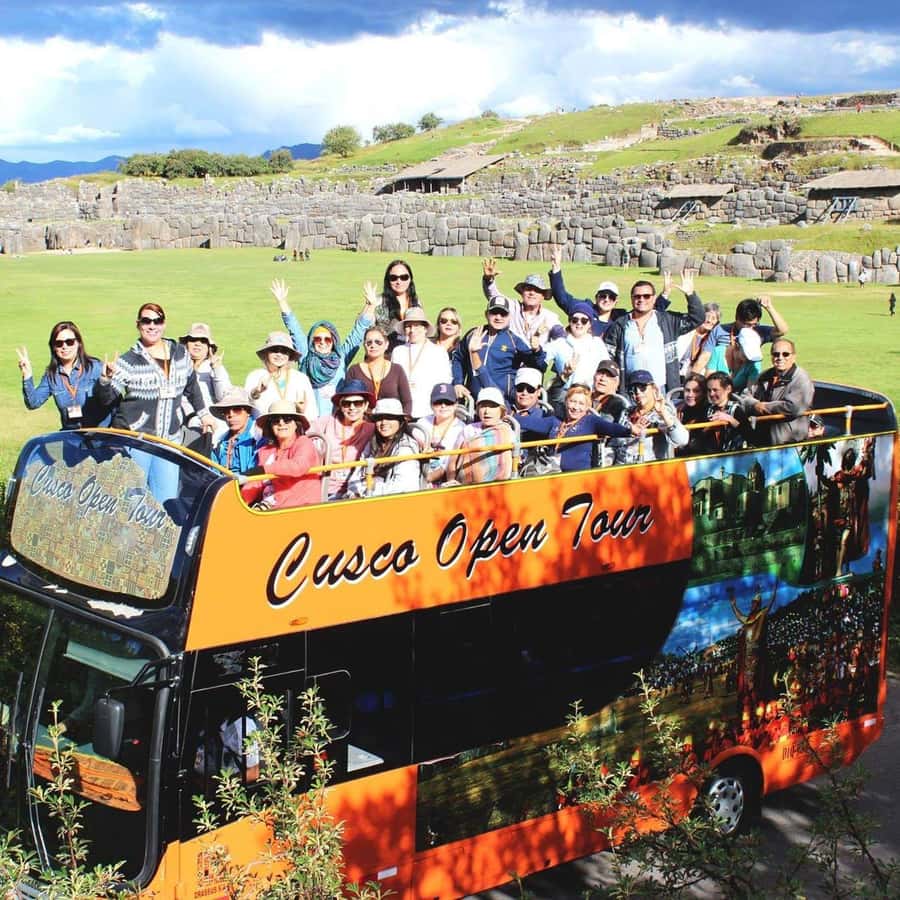
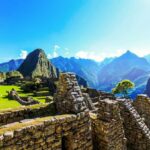
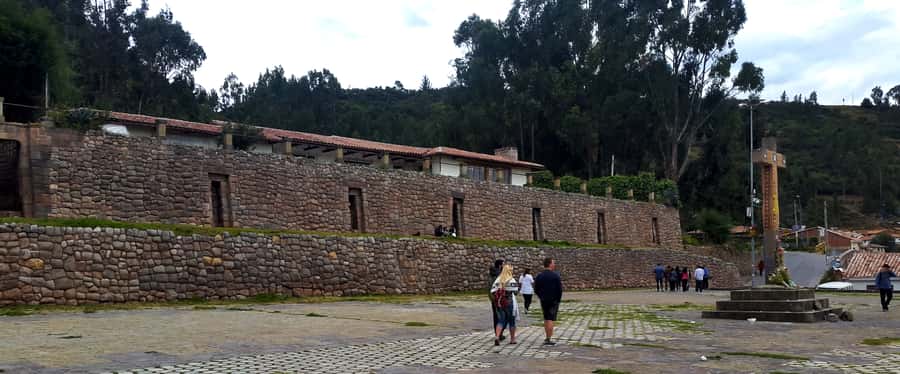
Sacsayhuamán is one of those names you’ve heard in advance, but seeing it from the right angle is another thing. Here, you’ll have a photo stop and a guided component, with sightseeing from the bus as part of the plan.
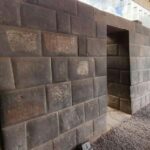
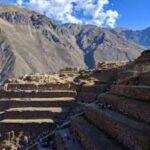
Even in a short window, Sacsayhuamán tends to land. The massive stonework and the sense of scale are the kind of visual lesson you don’t forget. If you’re curious about what makes Inca construction so distinctive—tight precision, dramatic shapes, and a “how did they do that” feeling—this is a good taste.
A useful caution: the tour is not designed as hop-off, wander-at-will time at every stop. You’re on a schedule with the group, so treat the Sacsayhuamán moment as a guided preview. If you want to linger, you’ll likely need to plan a separate visit afterward.
Mirador From Cristo Blanco: The View You’ll Want to Revisit
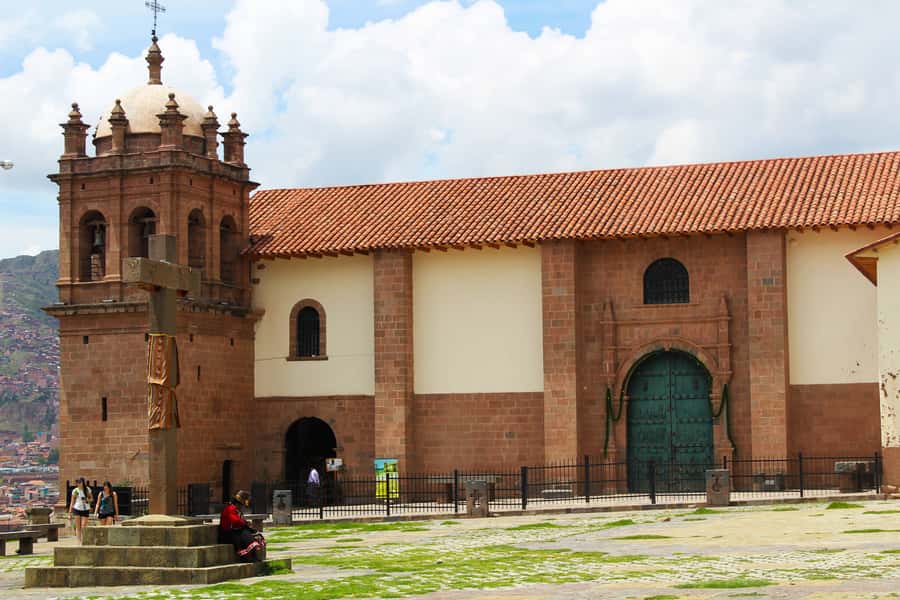
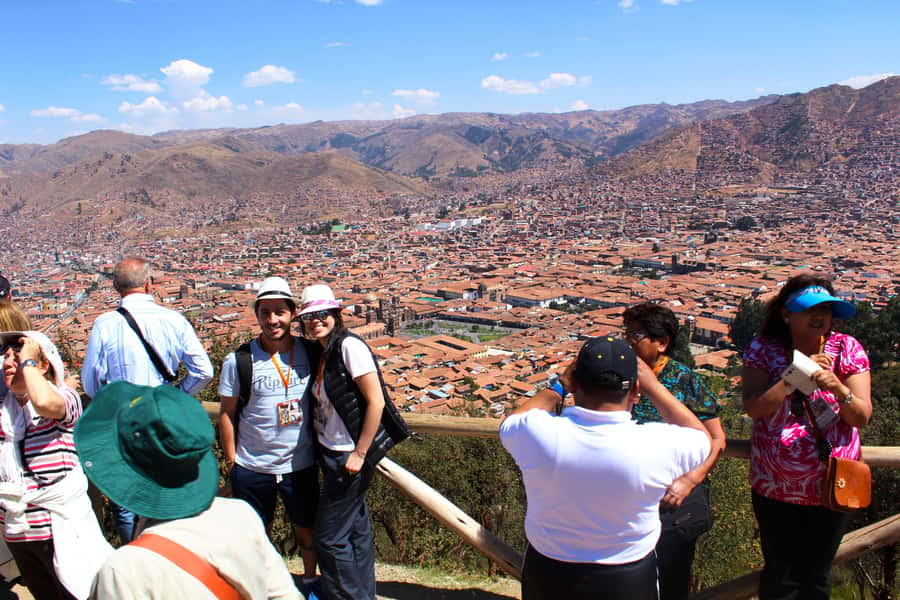
After the Inca site time, the tour heads for another kind of payoff: Mirador desde el Cristo Blanco. This is where Cusco opens up into a wide panorama. The viewpoint is on a hill overlooking the city, so you get the sense of how the city sits in relation to the surrounding mountains.
This is the spot that helps you connect the dots: the city layout makes more sense after you see it from above. It’s also the best “postcard but not cheesy” moment, because you’re seeing the physical reality of Cusco’s setting, not just a single landmark.
Timing is tight, though, so don’t count on unlimited wandering time. Bring your camera strategy: phone battery topped up, camera ready, and a quick plan for shots you want. The bus ride itself gives you extra angles, so you can shoot from the deck when you pass viewpoints, then get the main frames at the stop.
The Shamanic Center and Pachamama Ceremony: Respectful, Not Just Decorative
This tour goes beyond architecture with a cultural stop at a shamanic center. The experience includes a traditional Inca ceremony that pays homage to Pachamama (mother earth), the mountains, and the natural world.
In practical terms, what you’ll likely experience is a short ritual moment with guidance on what’s happening and why it matters. Some versions of the ceremony described include things tied to coca traditions—like coca leaf preparation or even leaf burning. Other versions focus more on wishes and cleansing intentions. Either way, it’s usually short, group-based, and meant to be observed and respected, not treated like a performance for your camera.
This is one reason the tour earns strong marks. People remember this part as more than a quick stop. It adds meaning to the archaeology and viewpoints—like you’re seeing Cusco as a living place, not only a museum of stones.
A respectful tip: dress for the setting, keep your phone away unless asked, and be ready to listen even if the translation on a given day is lighter. If you’re unsure what’s expected, watch first, then follow the guide’s cues.
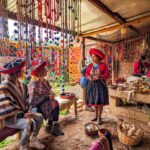
Alpaca Wool Weaving Center: How to Shop Without Getting Fooled
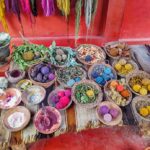
Another standout stop is an alpaca wool weaving center. You’ll get an explanation of the differences among wool types, and you’ll learn the basic cues that help you recognize authenticity while shopping for gifts.
This matters in Cusco because alpaca products are everywhere. With a quick guided explanation, you can shop with better questions, not just better bargaining skills. You’ll also understand why certain items look and feel different—useful knowledge when you’re comparing scarves, socks, and textiles back at home.
From a value perspective, the stop can save you money. Even if you don’t buy anything, learning what to look for means you’re less likely to pay full price for something that isn’t what the label claims.
Time inside a market-related stop can be the part where people feel rushed, because the goal is both education and selling. If you’re picky about textile quality, mentally set your expectations: this is a guided stop meant to help you understand options, not a deep workshop you can take your time in for hours.
Timing, Pace, and the Set-Route Reality
This is where you should calibrate expectations. This is not a true hop-on, hop-off model. It’s a set route with scheduled stops, and you generally step off only at a couple times with the group.
Some stops are more like “you see it from the bus” rather than “walk around freely.” Even if you’re aiming for quick landmark selfies, you’ll want to stay aware of when the group boards again. The tour is designed to fit everything into about 2.5 hours, so there’s little room for detours.
Also, Cusco traffic and roads can be unpredictable. On at least one run, the bus handled a serious traffic hold-up and needed a dramatic maneuver to get moving again on a narrow street. That’s not something you can control—but it’s a reminder to keep your schedule flexible and bring patience.
Where the pacing works: you still leave feeling like you covered major ground. Where it may feel tight: if you want maximum time at every site, you’ll likely want to pair this with at least one follow-up trip.
Who Should Book This Cusco Open-Top Bus Tour
This tour is best for:
- First-time visitors who want quick city orientation
- People who prefer less walking while acclimatizing
- Anyone who wants both the big name sights and one or two cultural stops that explain the “why,” not just the “what”
- Small groups or couples who like photos but don’t need hours of roaming
It’s probably not the best fit if you want independent wandering at every stop, or if you have mobility limitations. The open-top format and the set schedule both push the experience toward a specific style of sightseeing.
A nice bonus: the guide is Spanish and English, and some guides are specifically praised for English clarity and picture help. Names that show up in guide praise include Joshua, Paulo/Paolo, AJ, Joel, and Roxanna. Not every day is identical, but the range suggests you’ll often get someone who knows the route and keeps explanations moving.
Price and Value: Why $12 Can Work Here
At $12 per person for about 150 minutes with a live guide, this tour is a strong value for Cusco. You’re paying for:
- transport by bus
- guided interpretation at major stops
- access to multiple viewpoints in a short window
- a couple of cultural experiences that go beyond “stand and pose”
Food and drinks aren’t included, so plan to eat before or after. But compared to paying for multiple separate taxis and entry plans (varies by what you do next), the bus tour can be an efficient way to reduce decision fatigue early in your trip.
The biggest “value” point isn’t just the low price. It’s what you learn fast: where the sites are, what they look like from key angles, and which experiences feel meaningful to you personally so you can choose your next day wisely.
Practical Tips That Make the Tour Smoother
Bring what you can handle. This is high-altitude sightseeing with open-air exposure.
What to pack (based on what the tour recommends):
- Sunglasses
- Sun hat
- Biodegradable sunscreen
- A jacket
A few extra real-world tips that help:
- If your ears are sensitive to noise, stand where you can hear the guide during key moments. Open-top wind can drown out explanations.
- Have a hydration plan. Even if food isn’t included, water matters at altitude.
- For the ceremony stop, keep your phone away unless you’re invited to photograph. Follow the guide’s cues.
One more thing: if you’re a planner, show up ready to exchange your voucher and start on time. The meeting point is Sta. Catalina Angosta 120, and you’ll want enough buffer to find the counter and get on the bus without stress.
Should You Book This Cusco City Bus Tour?
Book it if you want an easy first-day strategy: major sights, big viewpoints, and a genuine cultural stop, all without turning your legs into mush on day one. The open-top views, the Pachamama ceremony, and the structured way the guide explains what you’re seeing are the core reasons it’s worth it.
Skip it (or replace it) if you need lots of free wandering at every landmark or if you have mobility constraints that make standing and stepping off buses difficult. Also, if you crave maximum flexibility like a hop-on, hop-off style in big European cities, this isn’t that format.
My call: if you’re in Cusco for a few days and you want to learn the map fast, this is one of the smarter $12 moves you can make.
FAQ
How long is the Cusco city sightseeing bus tour?
The tour duration is 150 minutes.
What does the tour cost?
The price is $12 per person.
Where do I meet the tour in Cusco?
You start at Sta. Catalina Angosta 120. You also exchange your voucher at the designated ticket counter before the tour begins.
Is food or drinks included?
No. Food and drinks are not included.
Is the tour offered in English?
Yes. The live tour guide provides Spanish and English.
Is this a hop-on, hop-off style bus?
No. It runs on a set route, and you only get limited times to step off with the group rather than hopping off and on freely at every stop.