REVIEW · CUSCO
Cusco: City Tour | Half-Day Tour to 4 Archaeological Sites
Book on GetYourGuide →Operated by www.iziperu.com · Bookable on GetYourGuide
Five major Inca sites, all in one run. This Cusco city tour packs the big hitters—Qoricancha, Sacsayhuamán, Q’enqo, Puca Pucara, and Tambomachay—into a tidy half-day with hotel pickup and a live English–Spanish guide. The main catch is simple: entrances are extra, including Qoricancha (20 soles), plus a tourist ticket that can run about S/70 to 120, so come ready with cash or your pass.
What I really like is the flow of stops: you start right in the historic center, then move through Inca stonework and sacred-function sites that explain how Cusco worked. Guides such as Luis and Maribel are a big reason this tour feels worth it—clear explanations, steady pacing, and enough time at each complex to look beyond the first photo.
In This Review
- Key things to know before you go
- Price and timing: is $29 actually a good deal?
- Where the tour starts: Plaza de Armas energy
- Stop 1: Qoricancha (Temple of the Sun) and the Santo Domingo twist
- Stop 2: Sacsayhuamán’s stone blocks and Inti Raymi context
- Stop 3: Q’enqo’s amphitheater feel and sacrifice references
- Stop 4: Puca Pucara as an entry-control surveillance post
- Stop 5: Tambomachay and the water-cult theme
- The guide quality is the difference between good and great
- Transportation, group flow, and how not to lose time
- What kind of traveler should book this?
- Should you book this half-day Cusco city tour to archaeological sites?
Key things to know before you go
- Hotel pickup from Cusco Centro Historico saves you time right at the start
- Bilingual English and Spanish guidance helps everyone follow the story
- Skip-the-line style security check can cut waiting at busy moments
- Qoricancha, Sacsayhuamán, Q’enqo, Puca Pucara, Tambomachay are the core five-site circuit
- Entrance fees are not included, so plan for the Qoricancha ticket and the broader tourist ticket
- The tour is short on paper (4 hours), but timing can stretch depending on conditions and the group
Price and timing: is $29 actually a good deal?
At about $29 per person for a half-day, the math works out if you want a guided route. You’re getting hotel pickup, tourist transport, and a bilingual guide included. That’s the big value piece in Cusco—getting a plan that’s hard to DIY when you only have a morning or afternoon.
The tradeoff is that the “tour” part and the “site entry” part aren’t the same thing here. You should budget for:
- Qoricancha entrance: 20 soles (not included)
- Tourist ticket: roughly S/70 to 120 (not included)
If you’re going to do more than one archaeological stop during your stay, that tourist ticket can pay for itself fast. One practical tip: buy it ahead rather than scrambling during your tight half-day window, and keep some cash on hand.
On timing, the stated duration is 4 hours, but real life includes traffic, late pickups, or rain that changes how long people want to linger. I’d treat the schedule as a best-case target and keep your evening flexible.
You can also read our reviews of more city tours in Cusco
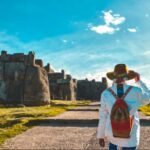
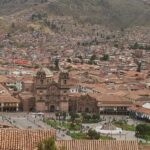
Where the tour starts: Plaza de Armas energy
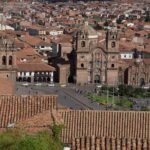
You’ll be picked up from your hotel in Cusco Centro Historico, then brought into the mix by starting near the main square in the imperial city. This matters more than it sounds. Cusco’s center is where the Inca-era planning and Spanish-era layout sit side-by-side, and being dropped into that setting first helps the later stops make more sense.
Also, starting at the center reduces friction. You’re not figuring out where to meet, where to park, or how to get to the first complex on your own. You just go.
Stop 1: Qoricancha (Temple of the Sun) and the Santo Domingo twist
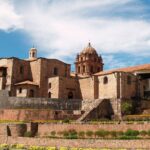
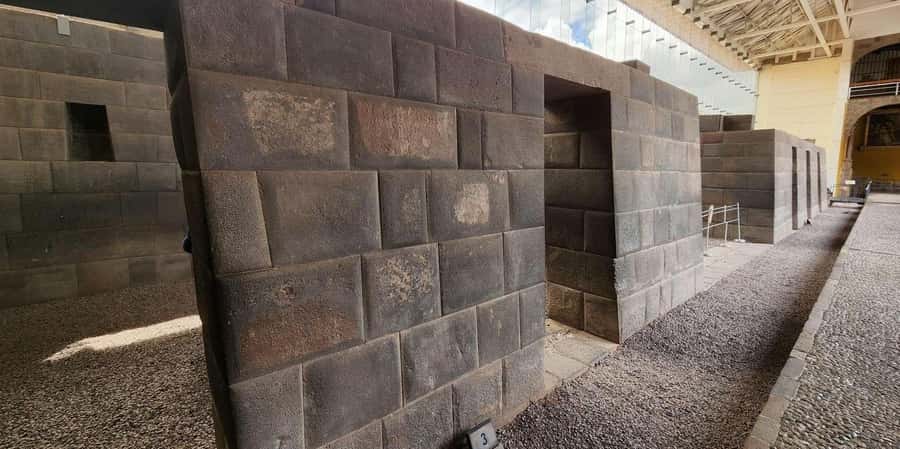
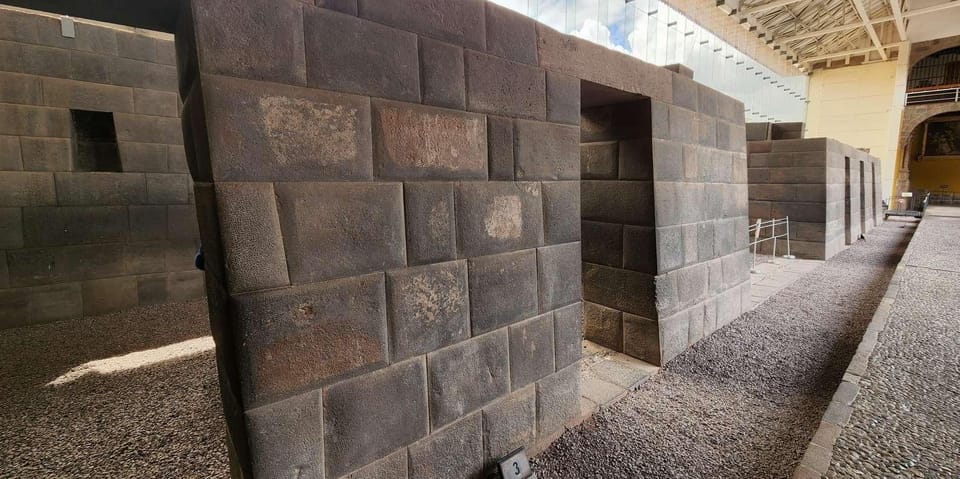
Your tour’s first major spiritual stop is Qoricancha, also associated with the Temple of Santo Domingo. This is the place people point to when they talk about Cusco as a religious and political engine—not just a city with ruins.
Here’s what makes it worth your attention:
- It was the Temple of the Sun in Inca times, and it was the most important of its kind.
- You’ll see how Inca engineering and later colonial layers created a complex religious site that still feels layered even today.
- Inside, there are paintings housed from the Cusquenian School tradition, so it’s not only stone—it’s also art and the way later periods interpreted earlier power.
Practical note: Qoricancha entrance isn’t included, so you’ll want the ticket ready before you lose momentum. If you arrive slightly unprepared, it can quietly eat into the time you planned to spend here.
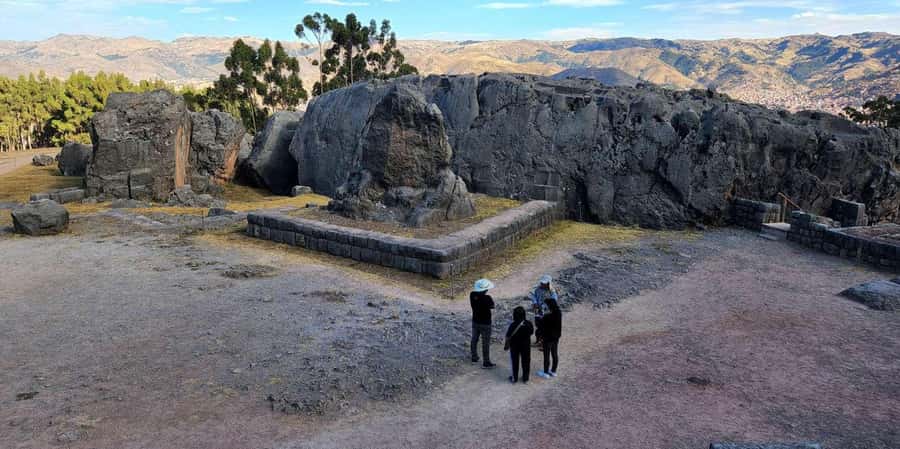
Stop 2: Sacsayhuamán’s stone blocks and Inti Raymi context
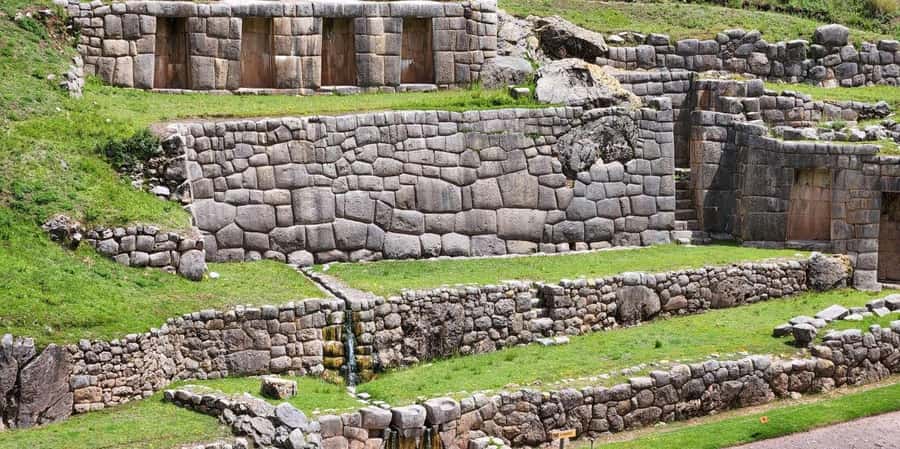
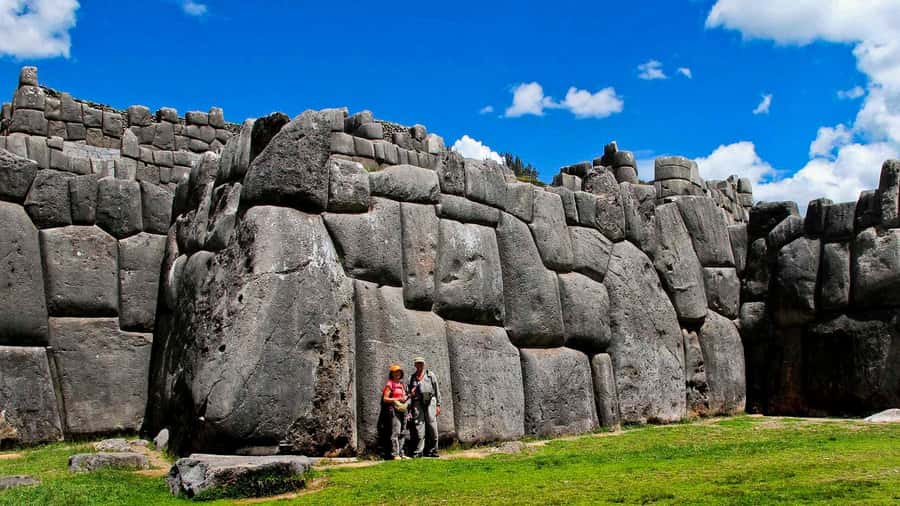
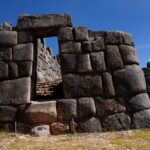
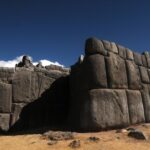
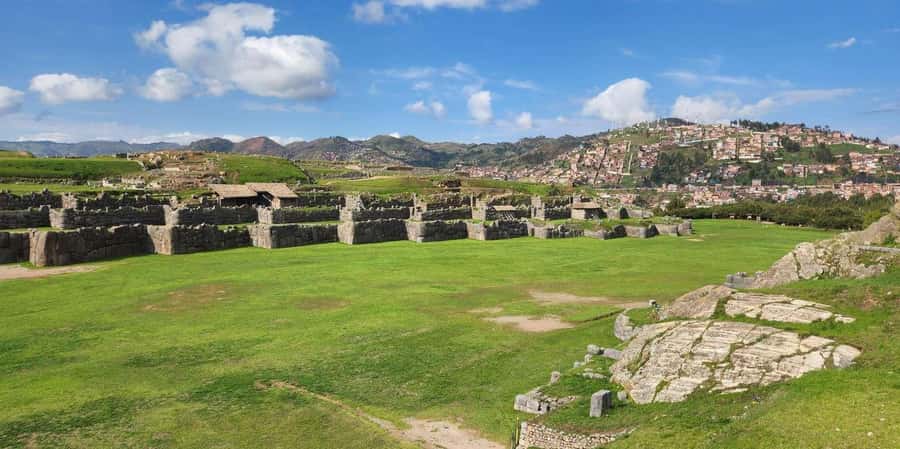
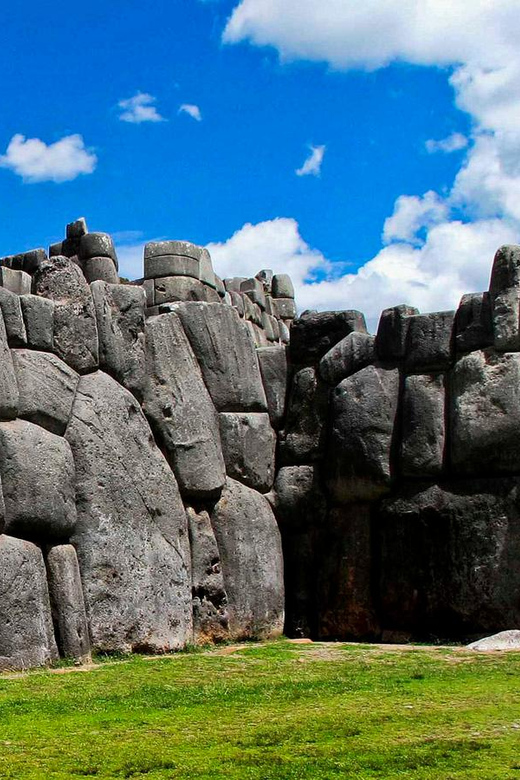
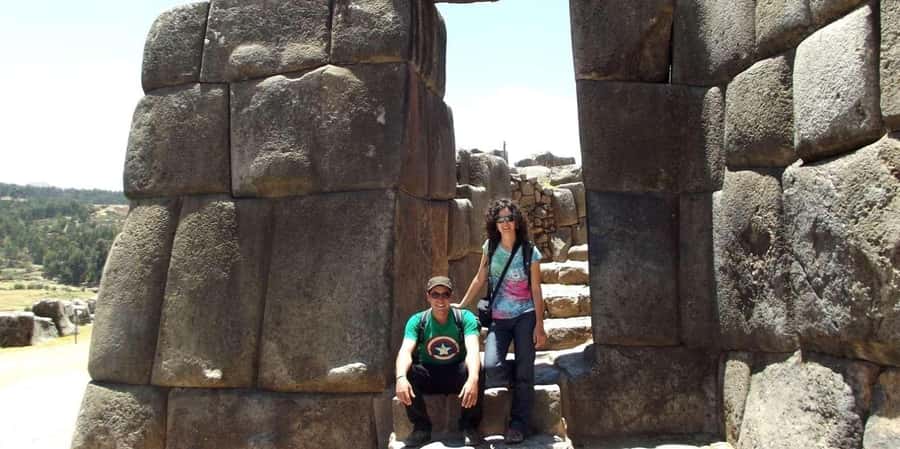
Next comes Sacsayhuamán, one of Cusco’s most dramatic “wait, how did they do this” complexes. The walls are built from massive blocks that fit together with stunning precision. The details matter:
- Some rocks are listed at around 9 meters (30 ft) high.
- Some are noted as weighing more than 350 tons.
That scale can feel abstract until you’re standing there looking up at the joining lines and the way the fortress sits over the city.
You’ll also get the cultural frame. Sacsayhuamán is tied to Inti Raymi (Party of the Sun), celebrated every 24th of June. Even if you’re not in Cusco for June, that date gives you a map for what the site meant in the Inca calendar—ritual, timekeeping, and public power.
Crowds are common here. So I’d focus on two things: the masonry and the viewpoints. If your guide is great at timing, you’ll get enough time to take in both without rushing through.
Stop 3: Q’enqo’s amphitheater feel and sacrifice references
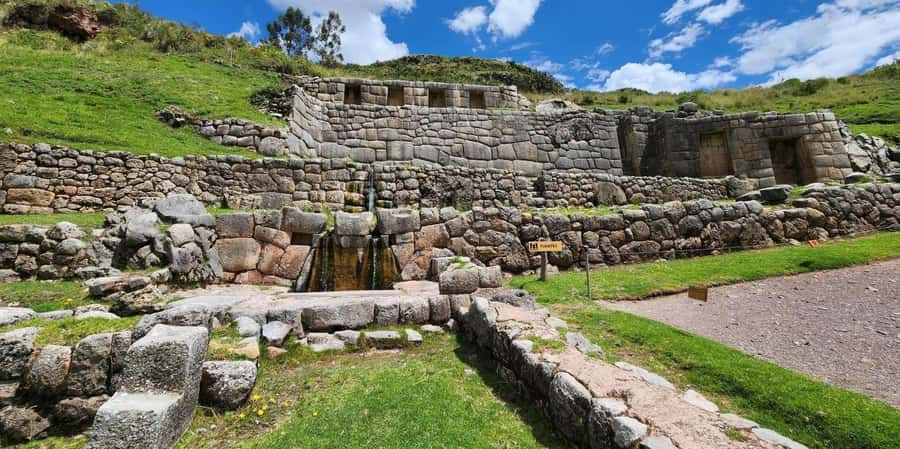
Then you’ll move to Q’enqo, described as a ceremonial and religious center where it was used like an amphitheater in Inca times. The guide will connect the space to rituals, including references to sacrifices.
Even if you don’t obsess over every interpretation, Q’enqo works as a mental change of pace. Compared to fortress walls and terraces, this site feels more like performance space. You’re looking at forms that help you imagine gathering, movement, and the psychology of spectacle.
This stop is also a good one for your photos—but don’t make it all about images. The stone shapes and paths are part of the story.
You can also read our reviews of more tours and experiences in Cusco
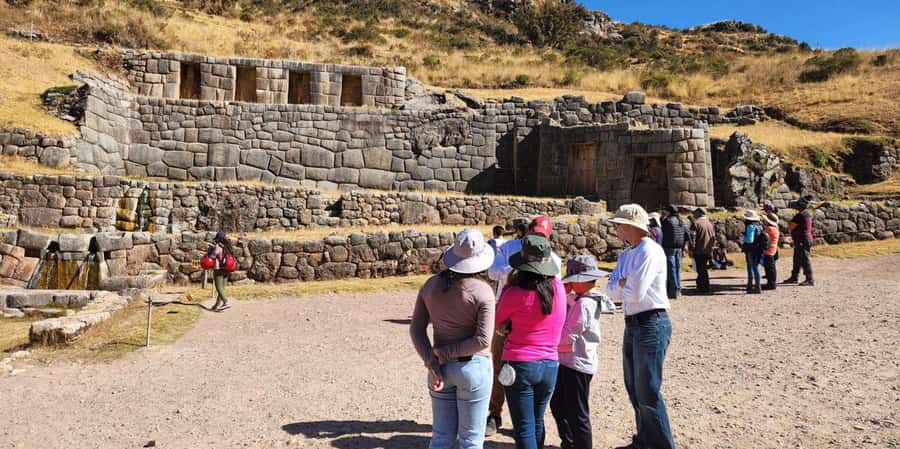
Stop 4: Puca Pucara as an entry-control surveillance post
Puca Pucara shifts the vibe again. It’s described as a former Inca surveillance post and an entry control point for the capital of the Inca state.
So instead of just thinking sacred, you start thinking logistics:
- Who watched?
- Who passed through?
- How was movement controlled?
That makes the stone steps and walls feel practical, not just decorative. If you’re the type who likes understanding how cities actually function, this stop usually lands well.
Stop 5: Tambomachay and the water-cult theme
Finally, you reach Tambomachay, described as a place of water worship and leisure. You’ll also hear the idea of it being linked to the waters of eternal youth.
What I like about ending here is that it broadens what people think about Inca sites. This isn’t only walls, temples, and battles. It’s also about water, ritual, and the way sacred practices could be tied to daily life.
Some people mention an especially nice end-of-tour view over Cusco around this stage, so keep a layer handy. Cusco can get chilly, and one of the easiest ways to enjoy the last stop is to dress for the temperature shift instead of powering through it.
The guide quality is the difference between good and great
This tour lives or dies by the person in front of you. The guide is bilingual (English and Spanish), and the best guides adapt without making one group feel second-class.
In particular, names like Luis, Maribel, Louis/Louie, Yenny, America, and Jonathan come up as strong examples of guides who:
- explain clearly in both languages,
- keep the group from feeling lost,
- and maintain a pace that still leaves room to look.
A fair caution: bilingual tours don’t always satisfy everyone equally. Some people find that translation timing can mean they miss a detail if they’re listening only in one language. If that’s you, ask questions early and don’t wait for the exact moment your language switches back on.
Also note a couple of small friction points I’d keep in mind:
- Some guides take a lot of photos or move quickly through scenic moments.
- There can be a bit of salesy talk near stops. If you don’t want it, you can still enjoy the site—just stay focused on your plan.
Transportation, group flow, and how not to lose time
You’ll use tourist transport between complexes, which is exactly what you want in a city like Cusco where walking everywhere would be slow and steep. Pickup is included, and the tour includes skipping line security in an express way, which helps on busy days.
Where time can still disappear is at the busiest gates. That’s why it helps to have your entry situation squared away:
- Qoricancha ticket ready
- tourist ticket handled
- cash prepared if needed
If you’re aiming to keep your evening intact, bring the kind of snacks you can eat quickly and keep a small bottle of water within reach.
What kind of traveler should book this?
This tour is a smart fit if:
- you want a guided Cusco overview with major archaeological highlights,
- you have limited time and want the “best route” packaged,
- you’d rather pay for convenience than spend hours planning logistics.
It may be less perfect if:
- you hate any extra stops that aren’t archaeology (some people reported an unexpected side visit),
- you’re very sensitive to pacing changes when the schedule runs long,
- you want every minute to be only your preferred language with zero translation gaps.
Should you book this half-day Cusco city tour to archaeological sites?
I’d book it if you want the classic Cusco circuit without the stress. For around $29, the included pickup, transport, and bilingual guide make it a strong value, especially for a first day in town. The sites are varied in function—sun worship, fortress defense, ceremonial space, surveillance control, and water ritual—so the tour doesn’t feel like repetition.
Just go in with the right expectations: entrance tickets are extra, and the route is tight. If you prep your tickets, dress for changing temps, and choose the tour because you want guidance (not silence), you’ll likely feel like you used your hours well.