REVIEW · CUSCO
Cusco: Half-Day City Tour
Book on GetYourGuide →Operated by Peru Andes Top · Bookable on GetYourGuide
Cusco in one smart half-day. I love how this route stacks Inca stone engineering with clear bilingual guiding, so the sights feel connected instead of random stops. The catch: depending on which departure you take, you may still need to budget for entrance fees and ticketed archaeological areas, and some itineraries can include a quick shop stop that isn’t the main reason you came.
For $17, you get hotel pickup in Cusco’s historic center, van transport, and guided visits that cover multiple “start of civilization” era sites. It’s a full 6 hours of walking and sun, so wear good shoes and be ready for stairs, uneven stone, and altitude pace.
In This Review
- Key Things I’d Focus On Before You Go
- Morning vs Afternoon: What Route You’re Actually Signing Up For
- Getting Oriented: Hotel Pickup, Van Ride, and a Smooth Start
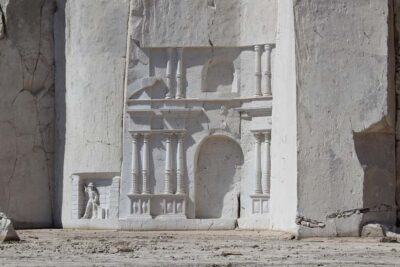
- Qenqo Archaeological Complex: Ceremonial Rock and Inca-Use Details
- Puka Pucara: Military Ruins and Why Guard Posts Matter
- Tambomachay: The Baths of the Incas and the Water Story
- Sacsayhuaman: Limestone Blocks and the Solar Shrine Idea
- Afternoon Add-Ons: Coricancha and the Cusco Cathedral
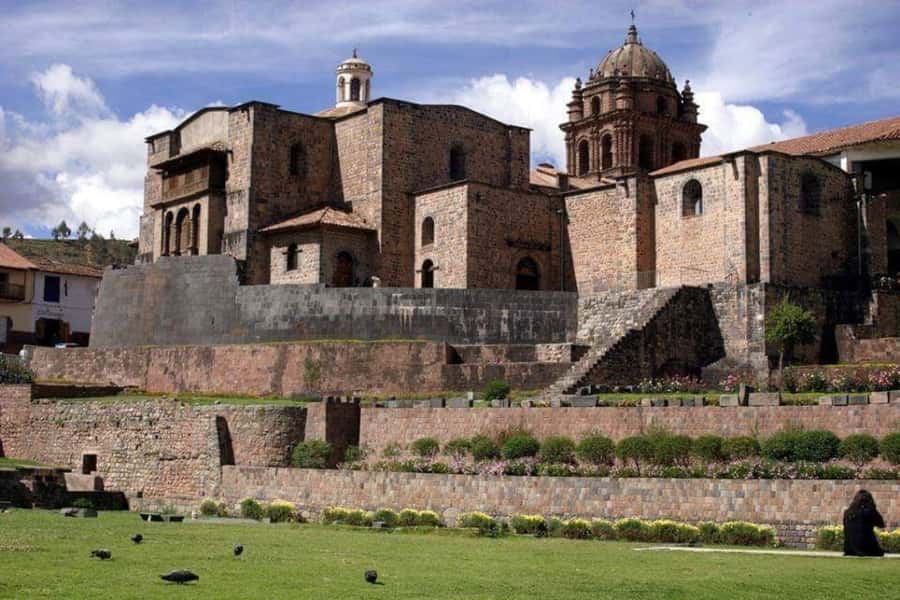
- Coricancha (Temple of the Sun’s Legacy)
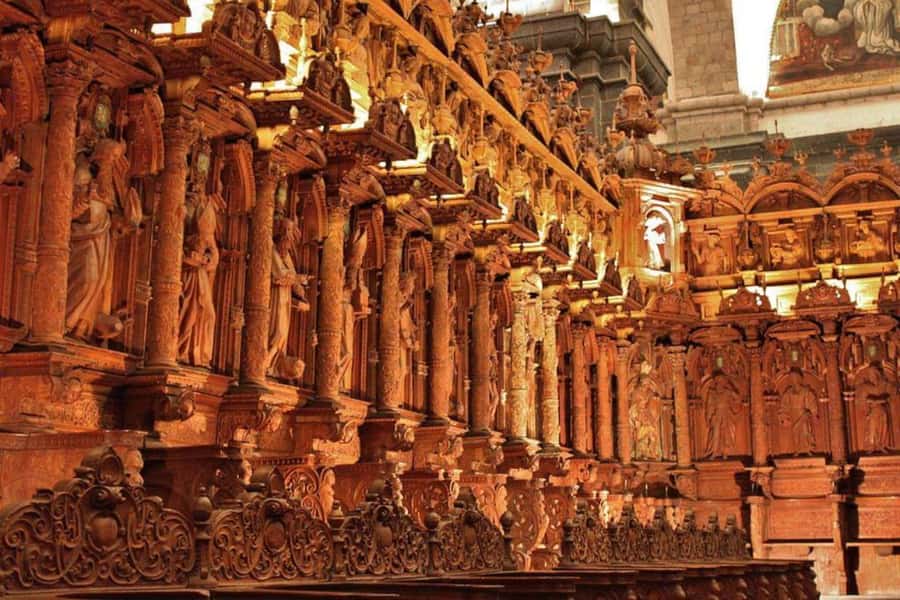
- Cusco Cathedral (Built in 1560)
- Price and Logistics: How the $17 Value Really Works
- What to Bring (and What Makes You Miserable if You Forget)
- Guide Quality: The Real Difference Between a Good Day and a Great One
- How Long You’ll Walk, and Why Pacing Matters at Altitude
- Finish Where Cusco Feels Alive: Plaza Mayor del Cusco
- Should You Book This Cusco Half-Day City Tour?
- FAQ
- How long is the Cusco half-day city tour?
- What sites are visited on the morning departure?
- Are the Basilica Cathedral and Coricancha included?
- What’s included in the $17 price?
- What entrance fees should I budget for?
- Where do you get picked up and where do you finish?
- What should I bring and what isn’t allowed?
Key Things I’d Focus On Before You Go
- Know your departure: morning hits the Inca ruins; afternoon can add Coricancha and the Basilica Cathedral.
- Great “engineering” payoff: you’ll see why Inca masons were famous for massive blocks and clever fits.
- Ceremony, defense, water: Qenqo, Puka Pucara, and Tambomachay each tell a different purpose story.
- Long-guided, not quick-drop: most stops are around 40 minutes with a guide, not a rushed photo stop.
- Price is value, but tickets add up: cathedral/coricancha have separate fees, and outside-city ruins can require a tourist ticket.
- Guide quality varies by group: English/Spanish is offered, and the experience can feel best with an engaged guide and small group pacing.
Morning vs Afternoon: What Route You’re Actually Signing Up For
This tour is marketed as a half-day, but think of it as a tight, packed “best-of Cusco” circuit that runs about 6 hours. The big decision is whether you’re going in the morning or the afternoon, because that changes what you’ll see.
On morning tours, you visit four archaeological complexes with guided time at each stop: Sacsayhuaman, Qenqo, Puka Pucara, and Tambomachay. That’s the strongest choice if your main goal is understanding Inca Cusco through the ruins.
On afternoon departures, you can add two major religious/architectural stops: the Basilica Cathedral and Coricancha (both UNESCO-listed). If you want the full mix of Inca precision and Spanish colonial stonework, the afternoon route is usually the better match.
You can also read our reviews of more city tours in Cusco
Getting Oriented: Hotel Pickup, Van Ride, and a Smooth Start
You’ll start with pickup from the Centro Histórico area. If your hotel isn’t reachable by vehicle, you’ll be pointed to the nearest meeting spot. Then you transfer by van—about 40 minutes—before your first guided archaeological stop.
This first transport leg matters more than you’d think. Cusco’s ruins are spread out, and timing is everything once you’re at altitude and the sun starts climbing. A scheduled ride means you aren’t spending your energy figuring out logistics right away. You also end up back in a convenient place: Plaza Mayor del Cusco is the finish point.
Qenqo Archaeological Complex: Ceremonial Rock and Inca-Use Details
Qenqo is the kind of stop where your brain shifts into “what did people do here?” mode. You’ll get a guided visit of about 40 minutes, and the setting helps: it’s a natural rock formation that became a ceremonial center.
This is a good first archaeological complex because the guide’s job is easiest here—ceremony and setting are easier to connect than, say, a purely defensive wall. You can expect the guide to explain how the area functioned in the Inca world, and you’ll also learn what to look for while you’re walking around (cuts, shapes, and the way the site’s features seem placed, not random).
Practical note: wear shoes with grip. You’ll be moving on stone surfaces that can be uneven, and Qenqo is a “look with your feet” kind of site, not just sightseeing from one angle.
Puka Pucara: Military Ruins and Why Guard Posts Matter
Next up is Puka Pucara for another guided 40 minutes. The name is tied to the idea of red fortification territory, but what you really get here is understanding the area as part of Cusco’s security system.
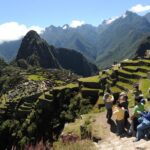
You’ll see the remains of military ruins—including guard posts, staircases, streets, houses, and courtyards. That list might sound academic, but it changes your mental picture. This isn’t just a ceremonial city. It was also a defended one, with planned points for control, movement, and lookout.
If you’re the type who likes clear explanations, this stop usually lands well because it’s easier to visualize. You can stand in places where people once controlled access and imagine how the layout supported that role.
Tambomachay: The Baths of the Incas and the Water Story
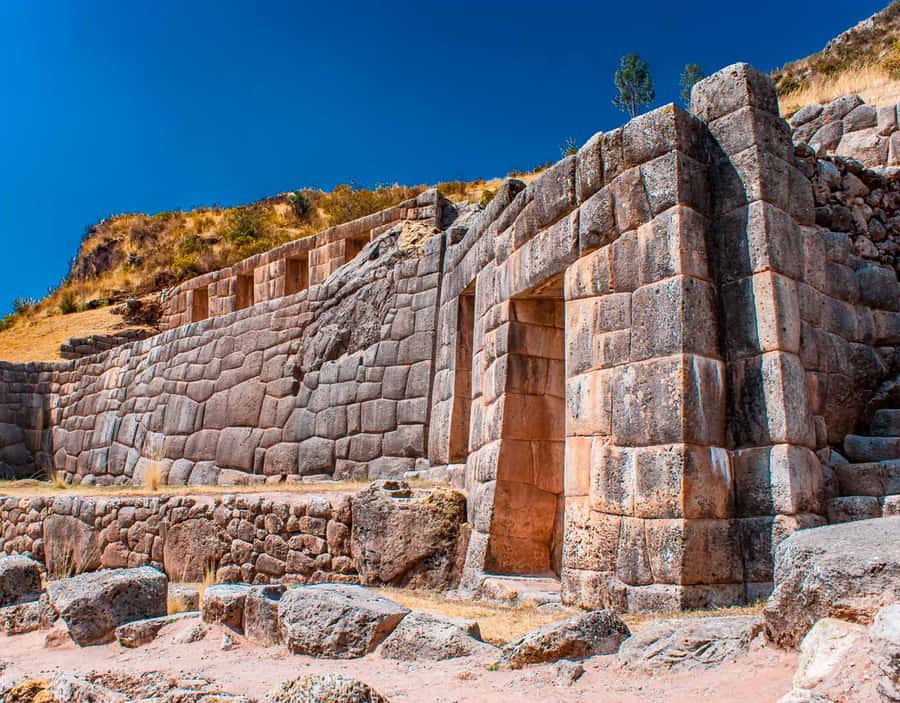
Then comes Tambomachay, located about 9 kilometers outside Cusco. You’ll have around 40 minutes for the guided visit. Tambomachay is famously linked to water—people often call it the baths of the Incas because of the shape and flow of its water source.
What I like about this stop is that it gives you two ways to interpret the site:
- a practical water function
- and a possible religious or purification function
Even if you’re not trying to “solve” the exact purpose, you’ll walk away with a better sense of why water mattered so much in the Andean world.
Bring water and plan for sun exposure here. Tambomachay can feel more open than the tighter urban complexes, and you’ll be walking while the daylight does its thing.
You can also read our reviews of more tours and experiences in Cusco
Sacsayhuaman: Limestone Blocks and the Solar Shrine Idea
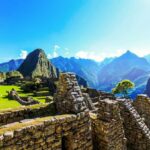
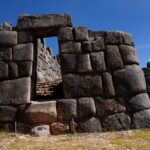
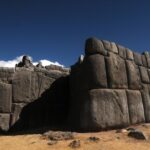
Sacsayhuaman is the headline stop for many people, and for good reason. You’ll spend about 40 minutes here with a guide. Chroniclers have described it as a solar shrine built by the last Inca dynasties, and the architecture supports the big-picture idea: huge limestone blocks, tight construction, and a layout that feels meant for power and visibility.
One of the strongest things you’ll hear about is why the engineering was so serious. The large blocks were used to protect the city from attacks from the east or Antis. In other words, it wasn’t built only for aesthetics. It was built to last and to defend.
Be ready for the physical side. Even with guided pacing, Sacsayhuaman involves walking around areas with steps and uneven ground. If you’re traveling with limited mobility, consider asking your guide how long you’ll be off flat paths before you commit.
Afternoon Add-Ons: Coricancha and the Cusco Cathedral
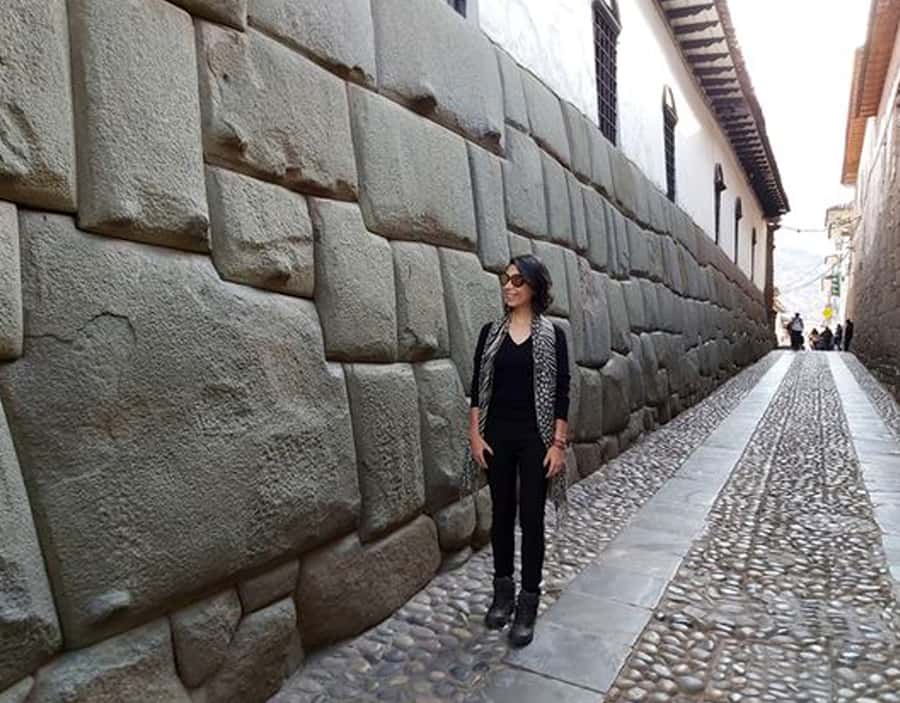
If you’re on an afternoon departure, the tour adds two major cultural anchors: Coricancha and the Cusco Cathedral.
Coricancha (Temple of the Sun’s Legacy)
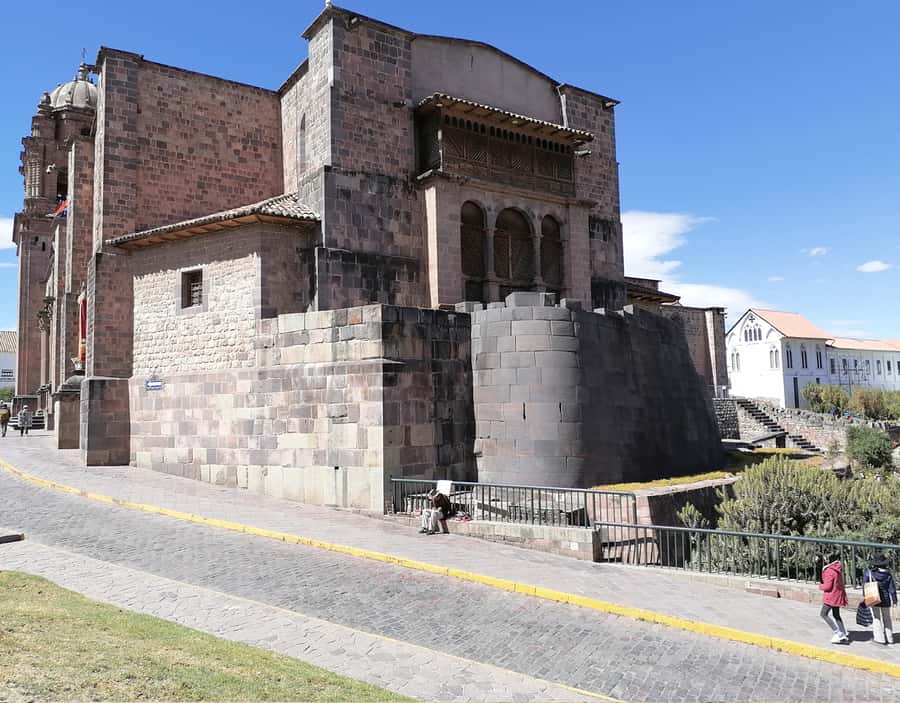
You’ll get about 1 hour at Coricancha with a guide. Coricancha is tied to the idea that it was the most important temple of the Inca empire. What makes it especially meaningful is the fusion of perfect Inca-style architecture and stone construction—then the way the later layers of history reshaped the space.
This stop is one of the best for understanding how conquest and devotion can overlap in the same physical place.
Cusco Cathedral (Built in 1560)
Then you’ll visit the Cusco Cathedral, guided for about 40 minutes. It was built in 1560, and the cathedral chapter adds context for what happened when Spanish religious power took hold in Cusco.
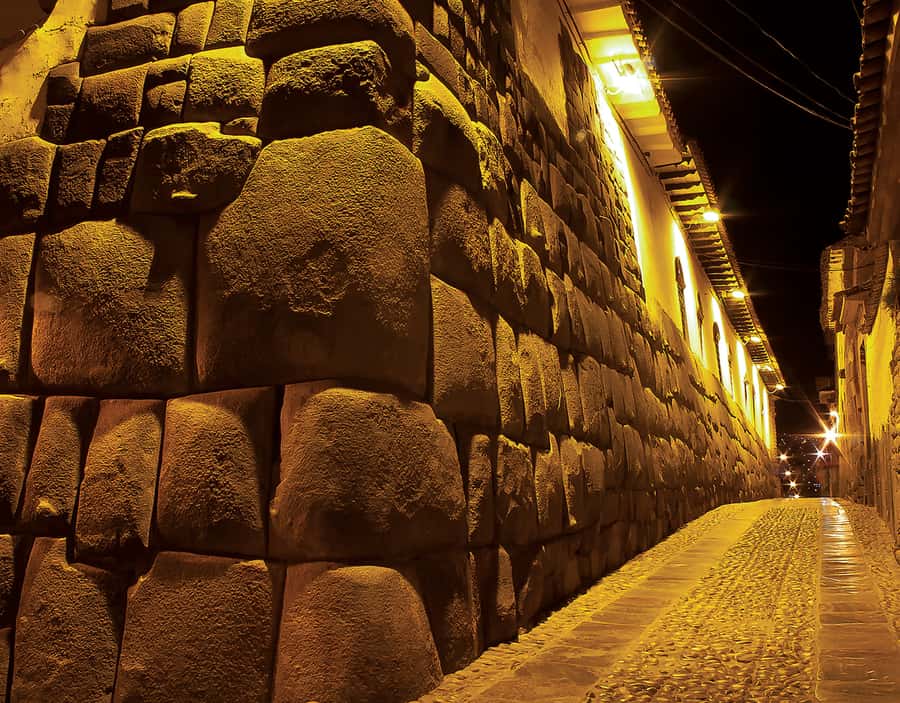
If you’ve been staring at stone that feels engineered to the millimeter at the Inca sites, the cathedral view hits differently. It shows how a city can keep its bones and still reinvent its meanings.
Price and Logistics: How the $17 Value Really Works
At $17 per person, the headline price is hard to beat. You’re paying for tourist transportation and a professional bilingual guide (English/Spanish). That’s the core value: someone else handles the routing, and you get structured time at each stop.
Now for the part you should budget so there’s no surprise moment: entrance fees are not included. Based on the tour details, you may need to plan for:
- Basilica Cathedral entrance: 40 soles
- Coricancha entrance: 15 soles
- Tourist ticket for archaeological sites outside the city: 70 soles
Whether you pay all of those depends on which departure you take and how the ticket coverage applies to the sites included for your schedule. Still, it’s smart to think: the $17 covers the guided tour experience; the soles cover the right to enter specific buildings and archaeological zones.
My practical rule: if you want the most value, pick the departure that matches your “must-sees.” If you’re mainly here for Inca ruins, the morning route keeps your spending simpler. If you want the Inca + colonial storyline, afternoon is worth it—just plan for the added paid entrances.
What to Bring (and What Makes You Miserable if You Forget)
This tour asks for simple basics, but Cusco punishes sloppy packing. Bring:
- Comfortable shoes with grip
- Water
- Passport
- Cash
And then go a step further with what’s recommended:
- Long pants and a sun hat
- Sunscreen SPF 30+
- A raincoat or waterproof jacket
Even if the morning starts clear, conditions can change. Also, rainfall on stone ruins isn’t charming—it’s slippery.
One more small heads-up: you’re not allowed luggage or large bags, and video recording isn’t allowed. Keep your day bag light so you can move without getting stuck behind other people.
Guide Quality: The Real Difference Between a Good Day and a Great One
The stops are fixed, but your experience depends heavily on the guide. This tour includes a professional bilingual guide, and the guide’s job is to connect the sites into a story you can hold in your head.
Names that come up with lots of praise include Silvia, Clara, Janet, Wally, and José—often noted for being patient, energetic, and strong on answering questions. If you’re traveling with kids, that patience matters more than you’d expect. If you’re the type who asks how something worked, you’ll likely appreciate guides who actually explain the why, not just the where.
One consideration: some groups may stop at a textiles shop. If you don’t want shopping time, treat it like a quick logistical pause, not the reason for the day. Also note that English coverage can vary by group setup; if you prefer a very strong English-only flow, it helps to confirm language needs when you book.
How Long You’ll Walk, and Why Pacing Matters at Altitude
Every stop is guided and timed—many are around 40 minutes, with a longer 1 hour segment at Coricancha. That structure keeps you from wandering, but it also means you should expect steady walking and standing.
Altitude plays into this even if you feel fine when you wake up. Your best move is to go slow on the first complex, drink water regularly, and don’t try to outrun the schedule. Half a day can still feel long if you’re sprinting from viewpoint to viewpoint.
A good strategy: focus on listening to the guide at each stop, then spend your own time later choosing a few spots to photograph and look around. That saves your legs and improves your photos.
Finish Where Cusco Feels Alive: Plaza Mayor del Cusco
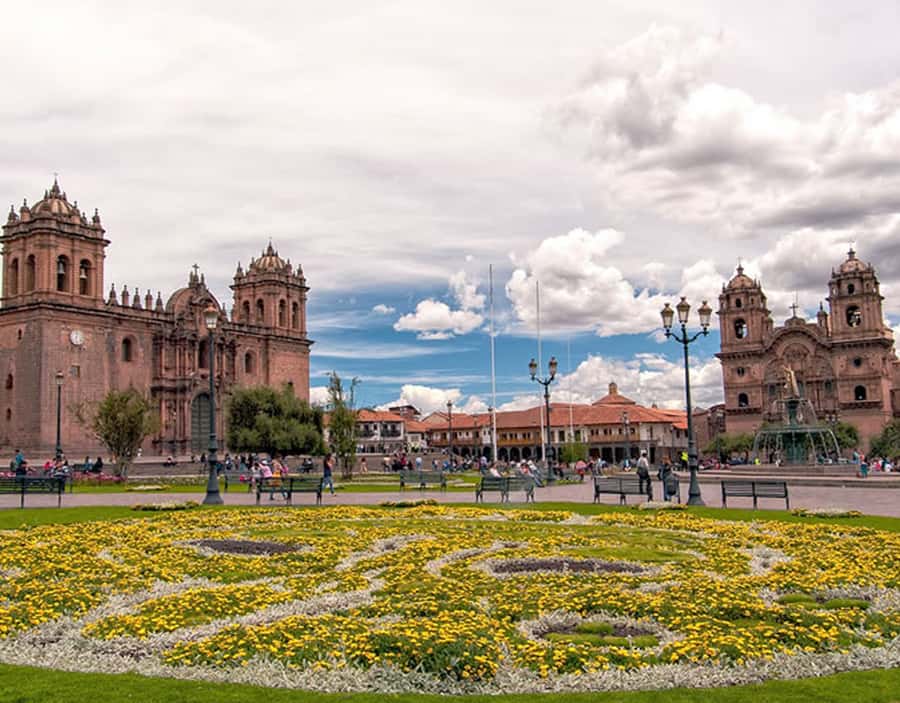
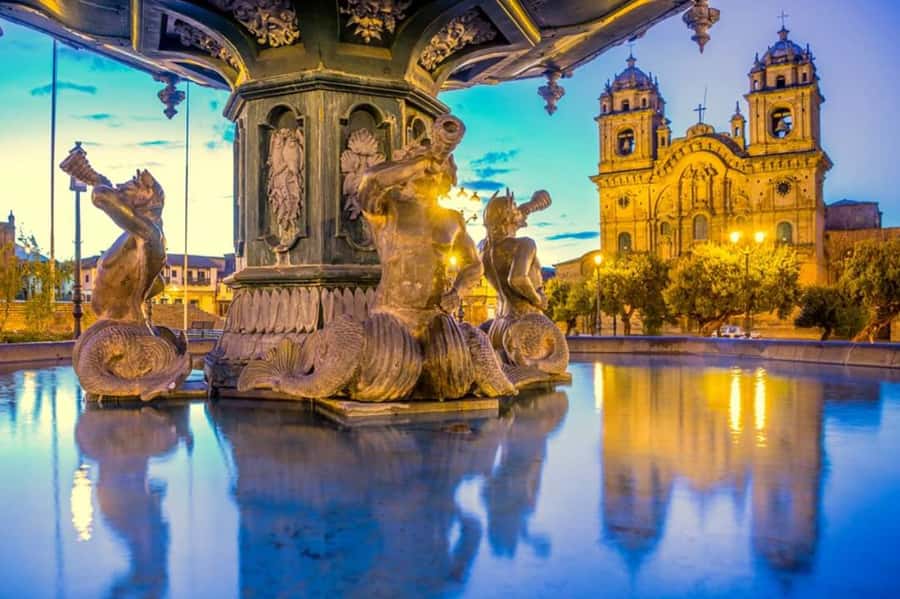
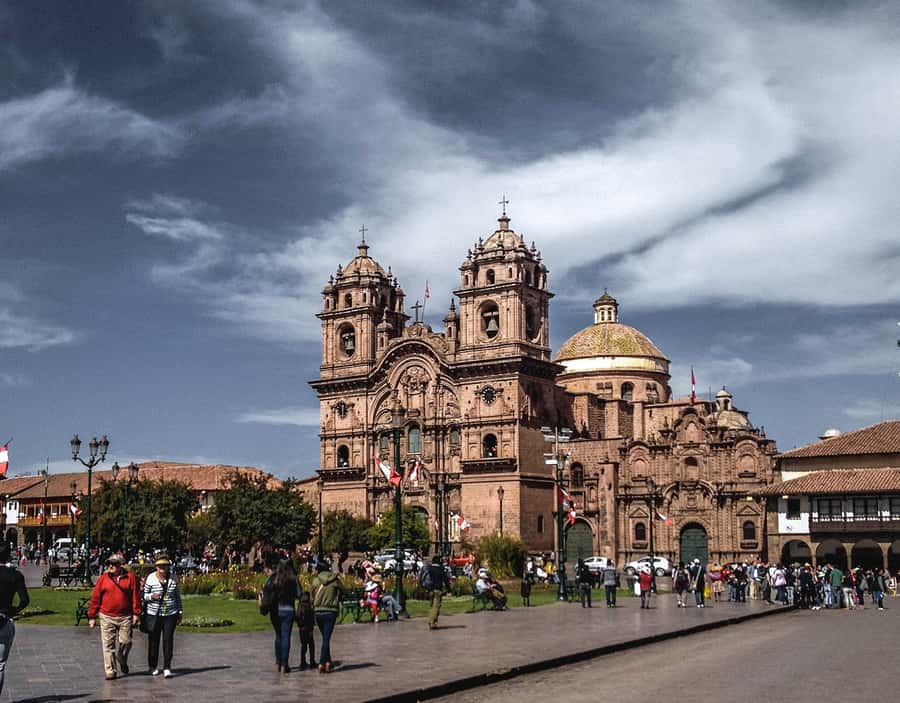
You’ll end back at Plaza Mayor. That’s a smart finish point because it lets you keep the day flexible after your tour. You can grab lunch nearby, browse without scrambling for transport, or just sit for a while and let your brain reboot after a concentrated archaeology day.
Should You Book This Cusco Half-Day City Tour?
Book it if you want:
- a high value Cusco introduction at a low base price
- Inca ruins explained in a way that makes them feel connected
- the option to add Coricancha and the cathedral if you go afternoon
Skip it or choose a different style if:
- you hate extra paid entrances and long “site time” (you may spend more once you add soles)
- you’re looking for a totally relaxed, low-walking day
- you strongly dislike any kind of shopping stop built into some itineraries
If you do book, do two things that make a big difference: wear grippy shoes and budget for entrance fees early. Then you’ll get what this tour is best at—an efficient Cusco day where the stones and stories start to make sense fast.
FAQ
How long is the Cusco half-day city tour?
The tour lasts about 6 hours.
What sites are visited on the morning departure?
Morning tours include guided visits to Sacsayhuaman, Qenqo, Puca Pucara, and Tambomachay.
Are the Basilica Cathedral and Coricancha included?
They’re available on afternoon departures, but entrance fees are not included. Morning tours do not include these visits.
What’s included in the $17 price?
The price includes tourist transportation and a professional bilingual guided tour (Spanish / English).
What entrance fees should I budget for?
Entrance fees are not included and may include 40 soles for the cathedral, 15 soles for Coricancha, and a 70-sol tourist ticket for archaeological sites outside the city.
Where do you get picked up and where do you finish?
Pickup is from the Centro Histórico area (your Cusco hotel if accessible). The tour finishes at Plaza Mayor del Cusco.
What should I bring and what isn’t allowed?
Bring comfortable shoes, water, passport, and cash. Don’t bring pets, luggage or large bags, and note that video recording isn’t allowed.