REVIEW · CUSCO
Cusco: Bean to bar chocolate workshop
Book on GetYourGuide →Operated by Uyuni Experience EIRL · Bookable on GetYourGuide
Chocolate starts on the cacao tree. In Cusco, this bean-to-bar workshop and museum turns cacao into real chocolate in about two hours, led by a live guide in English or Spanish. You get a hands-on look at the full chain from bean to bar, not just a slideshow.
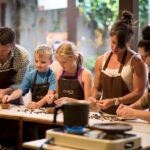
I especially like that you’ll do four core processing steps yourself—roast, remove the husk, grind the cacao nibs on a metate with a mano, and refine the paste in a melangeur. I also like that your class doesn’t end at the chocolate bar: you make hot chocolate too, and you get to try drinks with names like the Maya and the conquistadores.
One thing to keep in mind: this is a tight 2-hour format. If you’re hoping for lots of time to roam around Cusco’s broader sights during your chocolate stop, this workshop is all about the chocolate, and the clock moves fast.
In This Review
- Key things to know before you go
- Why Cusco’s cacao story feels practical, not just romantic
- The 2-hour bean-to-bar flow: what actually happens
- Roasting and husk removal: where aroma and texture begin
- Grinding cacao nibs on a metate with a mano
- Refining the cacao paste in a melangeur
- Your hot chocolates: made from what you processed
- Building your own organic chocolate bar with ingredient choices
- The museum piece: history you’ll remember because it’s tied to cacao
- What to expect from the guide and the pace
- Value check: why this feels worth your limited time
- Who should book this Cusco chocolate workshop
- Should you book this Cusco chocolate workshop?
- FAQ
- How long is the Cusco bean-to-bar chocolate workshop?
- What languages are available for the live guide?
- Is this workshop hands-on, or is it mostly watching?
- What are the four processes you learn in the class?
- Will I make hot chocolate, or only a chocolate bar?
- Can I choose ingredients for my chocolate?
- Can I take the chocolate home?
- What drinks will I try during the workshop?
- What’s the cancellation and reservation policy?
Key things to know before you go
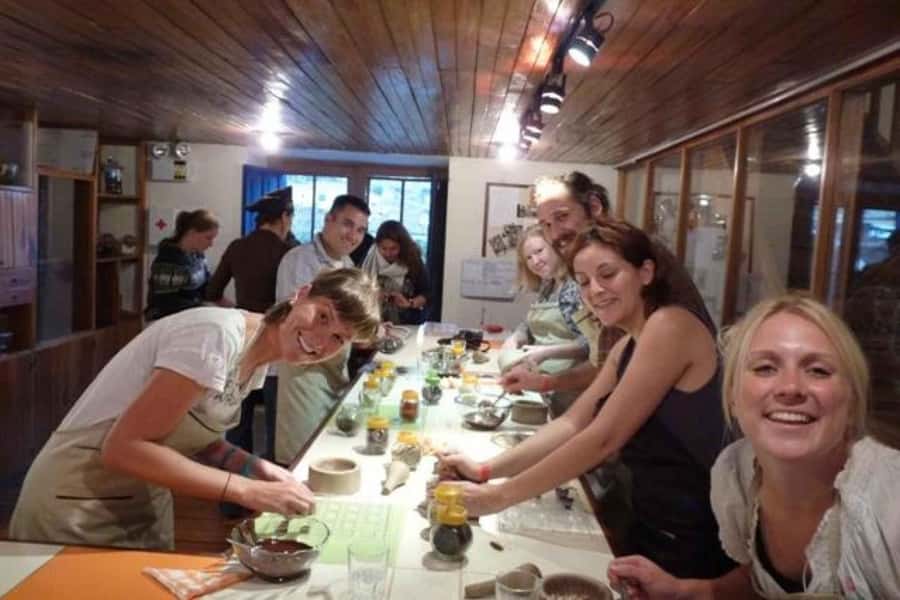
- Bean-to-bar, start to finish: you learn and make chocolate through the full process, not only tasting.
- Metate + mano grinding: you’ll work cacao nibs the same way the Aztecs did.
- Real hot chocolate making: you roast and peel and grind into paste for warm drinks.
- You customize your bar: choose ingredients so your chocolate fits your taste.
- Museum context included: you’ll hear why Cusco is known for top cacao beans.
- Try named chocolate drinks: like the Maya and the conquistadores.
Why Cusco’s cacao story feels practical, not just romantic
Cusco has a reputation for cacao that takes flavor seriously, and this workshop explains that in a way you can actually use. The tone is simple: cacao is a real ingredient with stages, not magic powder. By the time you’re done, you’ll understand what changes the flavor—heat, texture, grinding, and how the paste is refined.
You also learn the history behind the famous cacao beans, and how chocolate traveled and transformed over time. It’s not presented like a lecture marathon. It’s tied directly to what you’re about to do with your hands. That’s the big win. When a guide connects the why to the what, your brain keeps the information.
And because Cusco is the setting, you get that extra layer of meaning. Even if you’ve had chocolate before, you’ll leave thinking in stages: bean stage, nib stage, paste stage, and then bar stage. That mental map makes future chocolate tastings feel sharper and more fun.
You can also read our reviews of more drinking tours in Cusco

The 2-hour bean-to-bar flow: what actually happens
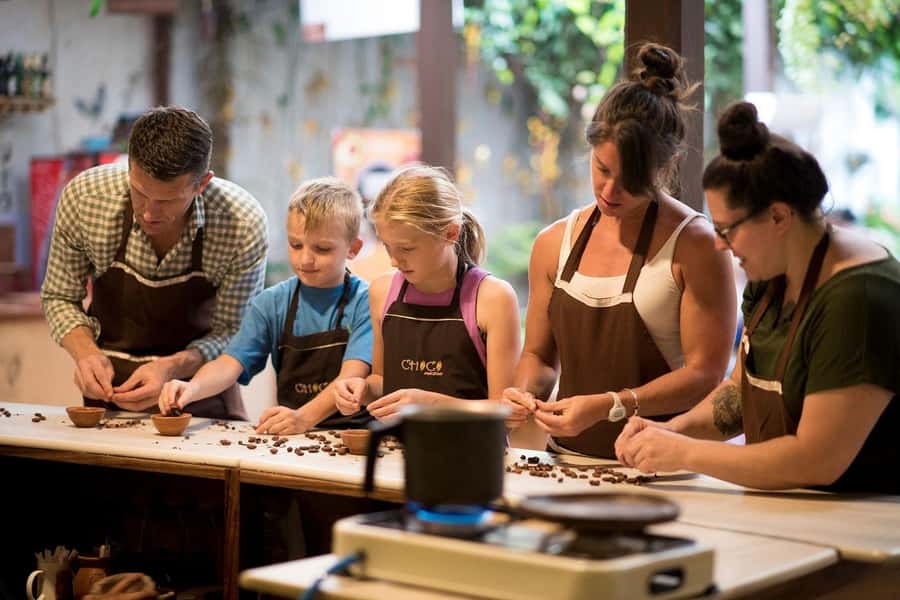
This class moves like a smooth cooking session: intro, hands-on processing, then making and molding. Since the duration is two hours, expect a steady pace where you do something almost every stretch of time. You don’t need previous experience. The guides lead you step by step.
In broad strokes, here’s the flow you’ll experience:
- You start with cacao basics and the overall story of how it becomes chocolate.
- Then you work through the four processes involved in making chocolate.
- After that, you create hot chocolate and form your own chocolate bar with your choices of ingredients.
- You finish by taking home your handmade organic chocolates—unless you eat them first (which is easy to do when the results are right there).
What makes this structure valuable is that you’re not only watching. You’re doing the key transformations that usually happen far away from the eater.
Roasting and husk removal: where aroma and texture begin
The first hands-on step is roasting the cacao beans. Roasting matters because it triggers the deeper chocolate flavors you recognize. Without it, you don’t get the same character, and the scent stays flat. In the workshop, roasting is treated like a foundation step, not a quick prelude.
Right after, you remove the cacao husk. This part is more than cleanup. The husk is the outer covering, and taking it away prepares the nibs—the edible part that you’ll grind next. If you’ve ever wondered why some chocolate tastes smoother than others, this is your first answer. The process removes what isn’t meant to carry flavor.
Practical note: this early stage is the part most people find both surprising and satisfying. You see that chocolate starts as something that doesn’t look like candy at all. Then, through roasting and peeling, it starts to become something you can actually imagine tasting.
Grinding cacao nibs on a metate with a mano
Then comes the step many people remember most: grinding the cacao nibs on a metate with a mano. The class does this in the same style associated with the Aztecs. That matters because it isn’t just theatrical. Hand grinding is slow, physical work, and it changes texture in a very direct way.
Here’s why you’ll care: grinding is where you turn solid pieces into paste potential. It’s also where you start to notice the difference between raw matter and chocolate-like matter. The motion, the friction, and the gradual softening are part of the learning. You’ll feel the transformation as you work, which makes the later steps easier to understand.
If you like tactile experiences—crafts, cooking, hands-on workshops—this section is your sweet spot. Even if you’ve cooked before, grinding cacao this way is unique.
Refining the cacao paste in a melangeur
After grinding, you’ll refine the cacao paste in a melangeur. A melangeur is used to improve the texture and consistency, helping the paste reach the kind of smoothness you want for real chocolate.
This step is important because most people think chocolate is either cocoa powder or candy. In reality, texture is a major part of flavor perception. When the paste is refined, it becomes more evenly processed, which supports a better bar and a more satisfying hot chocolate.
If you’re the type who normally buys chocolate and judges it by how it snaps, melts, or coats your tongue, this is where you’ll start connecting those sensory clues to process.
You can also read our reviews of more tours and experiences in Cusco
Your hot chocolates: made from what you processed
One of the best parts of this workshop is that the hot chocolate isn’t just a sip at the end. You’re making it from the process you worked on. In other words, you don’t only roast and grind for a bar—you also create roasted, peeled, and ground cacao paste for hot chocolate.
That’s a big deal because it shows you the practical outcome of the steps. When your drink tastes good, it’s not random. It’s the result of roasting, removing the husk, grinding, and refining.
You’ll also try drinks with names like the Maya and the conquistadores. The names add curiosity, but the point is the variety. You get a feel for how cacao preparations can shift in flavor and style even when the base ingredient is the same.
Building your own organic chocolate bar with ingredient choices
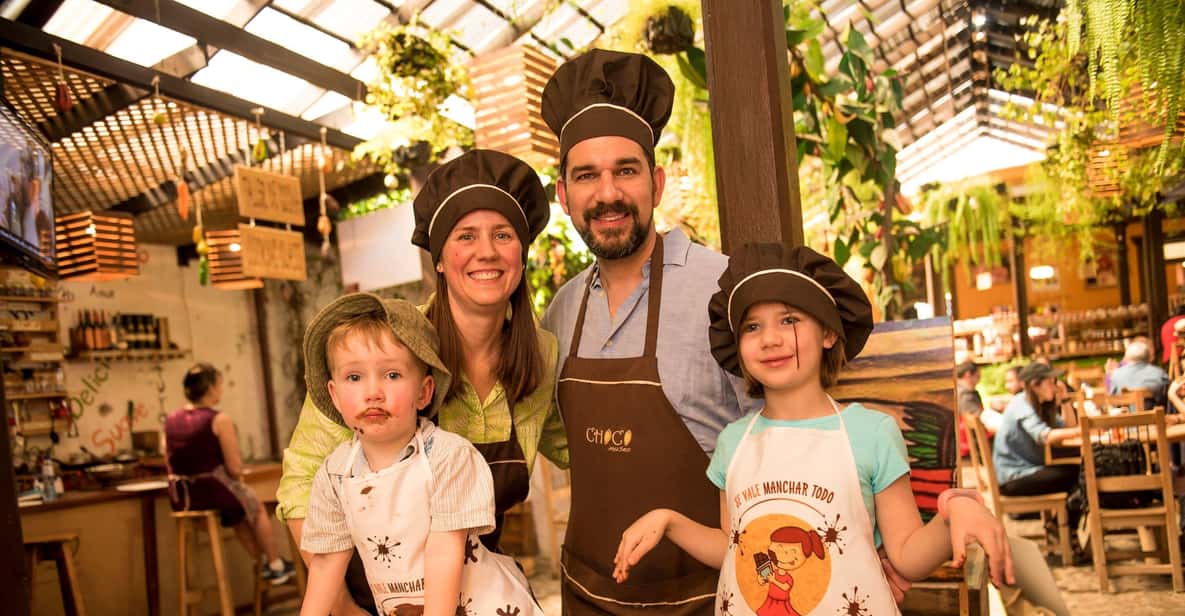
Then you get to the fun part: making your own bar. You’ll create organic chocolates and mold a chocolate bar using your chosen ingredients. That customization is how the workshop turns into a personal souvenir.
It’s also how the class stays educational. You see how ingredients can influence the end result, instead of treating chocolate like a fixed product. Even if you’re not a foodie, you’ll leave knowing that chocolate can be adjusted—sweetness level, flavor add-ins, and how the final product feels and tastes.
And yes, you’ll end up with something you can bring home. The workshop notes that you can take your handmade chocolates unless you’ve already eaten them.
The museum piece: history you’ll remember because it’s tied to cacao
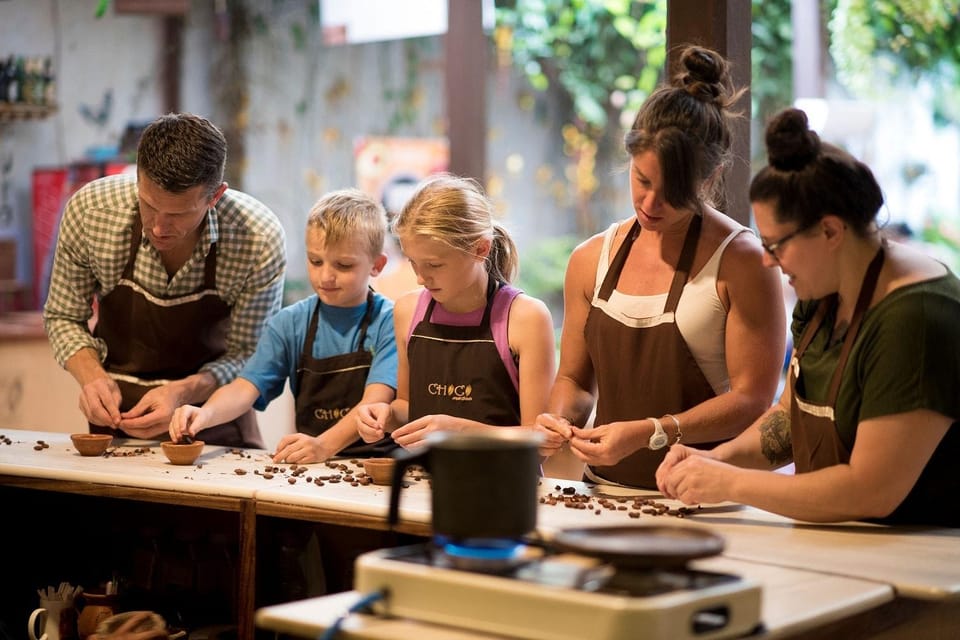
Alongside the workshop, there’s a museum element that explains the history behind famous cacao beans and why Cusco can produce some of the finest chocolate around the world.
This is one of those segments that’s easy to skip in other experiences. Here, it works because you’ve already seen the steps. When you hear the background after you’ve roasted and ground, the story clicks into place. You understand what people were adapting and why—especially as cacao moved across cultures and preparation methods evolved.
Think of this museum time as the why behind the class. You’ll get context for what you’re making and why the ingredient matters beyond dessert.
What to expect from the guide and the pace
You’ll have a live tour guide available in English and Spanish. That matters because chocolate workshops are easy to turn into confusing chatter. Here, the guide’s job is to keep the process clear and keep you moving through the four stages.
As for pace: the class is two hours total. Expect a hands-on rhythm where you’re not standing around too long. You do need to be comfortable with learning through doing, including some physical steps like grinding.
Group size isn’t listed, so I can’t promise a particular vibe. But with the structure you’re following, you’ll want to be engaged. This is not the kind of activity where you can put your brain in the background and still get full value.
Value check: why this feels worth your limited time
Even without a price listed here, you can still judge value by what’s included. This workshop gives you:
- A full bean-to-bar process (the real chain, not just one or two steps)
- Hands-on technique with roasting, husk removal, metate grinding, and melangeur refining
- Hot chocolate using the paste you help make
- Named tastings like the Maya and the conquistadores
- A customized chocolate bar plus organic chocolates you can take home
That combo is the difference between a demo and a craft experience. You’re not just consuming chocolate. You’re learning how chocolate becomes chocolate.
If you’re someone who likes to understand what you’re eating, this class is unusually efficient. In two hours, you learn how flavor and texture are engineered—then you get to taste the result.
Who should book this Cusco chocolate workshop
This experience is a great fit if you:
- Want a hands-on souvenir that tastes better than a postcard
- Enjoy cooking workshops where you can actually feel the process
- Like learning how everyday foods are made
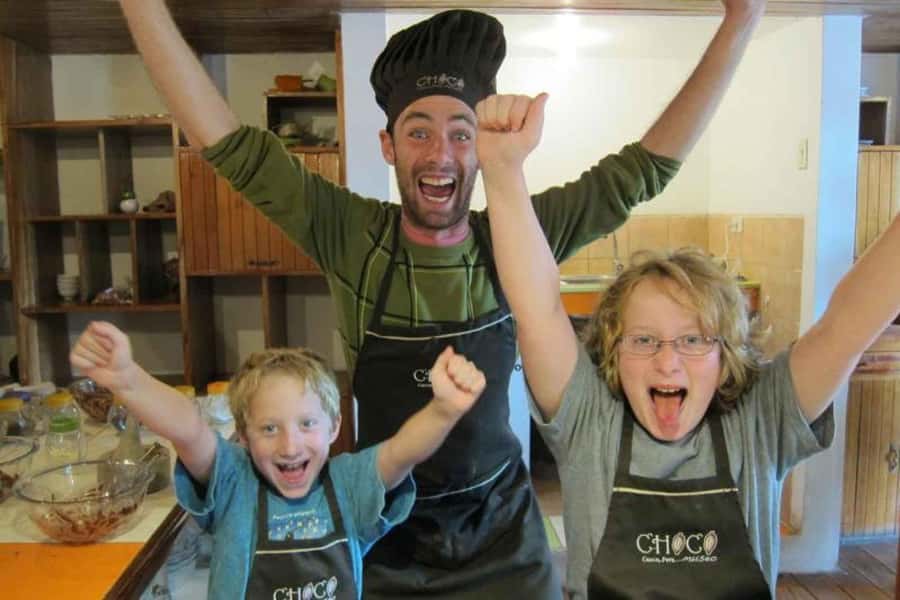
- Are traveling with kids or teens who would enjoy grinding and molding (as long as they can handle a short, focused session)
- Care about ingredients, and like the idea of organic chocolates with ingredient choices
It might be less ideal if you want a very laid-back experience with long breaks, or if your only goal is to taste chocolate without doing the process.
Should you book this Cusco chocolate workshop?
I’d book it if you want a compact, high-satisfaction way to understand Peruvian cacao and leave with something you made. The strongest reason is the hands-on chain: roasting and husk removal, then metate-and-mano grinding, and then refining in a melangeur. That’s the kind of learning you can’t fake, and it directly feeds into both hot chocolate and your own bar.
If you’re short on time in Cusco but still want a meaningful culture-food experience, this hits a sweet spot. Just go in ready to work a little, taste a lot, and keep your expectations focused on chocolate—not on a long day of sightseeing.
FAQ
How long is the Cusco bean-to-bar chocolate workshop?
The workshop lasts about 2 hours.
What languages are available for the live guide?
The live tour guide is available in English and Spanish.
Is this workshop hands-on, or is it mostly watching?
It’s interactive. You learn and help with the chocolate making process from cacao to the final chocolate bar.
What are the four processes you learn in the class?
The class covers roasting the cacao beans, removing the cacao husk, grinding the cacao nibs on a metate with a mano, and refining the cacao paste in a melangeur.
Will I make hot chocolate, or only a chocolate bar?
You make both. You create hot chocolates and also make your own chocolate bar.
Can I choose ingredients for my chocolate?
Yes. Your chocolate bar is made with your choice of ingredients.
Can I take the chocolate home?
Yes. You can take home your handmade chocolates unless you eat them during the class.
What drinks will I try during the workshop?
You can try drinks like the Maya and the conquistadores.
What’s the cancellation and reservation policy?
You can cancel up to 24 hours in advance for a full refund. You can also reserve now and pay later, keeping plans flexible.