REVIEW · CUSCO
From Cusco: Sacred Valley & Machu Picchu 2-Day Tour by Train
Book on GetYourGuide →Operated by FLY CUSCO PERU Travel Agency · Bookable on GetYourGuide
Two days can change your whole trip mood. This tour pairs Sacred Valley stops with a guided Machu Picchu circuit, then ties it together with train and transfers that keep you from wrestling schedules. I love the small-group feel (max 10) because you actually hear your guide, ask questions, and move at a human pace. I also love that pickups and drop-offs are handled door-to-door in Cusco, so the hardest part of the day is just showing up.
The main thing to think about is comfort level in Aguas Calientes. The hotel is included for one night, and in at least one case it was described as pretty basic, so pack with that reality in mind.
In This Review
- Key highlights you’ll feel right away
- Why this 2-day Cusco-to-Machu Picchu rhythm works
- Sacred Valley Day: Chinchero weaving, Moray terraces, Maras salt, Ollantaytambo
- Chinchero: alpacas, llamas, and weaving that’s still alive
- Moray: an Inca agricultural experiment you can actually picture
- Maras salt mines: the classic thousands-of-ponds photo
- Urubamba lunch: a buffet that covers different diets
- Ollantaytambo: Inca terraces, Spanish-era stress, and the train setup
- The train to Aguas Calientes: scenic, stress-free, and worth upgrading
- Choose Vistadome if you like views
- When things go off schedule, you still get looked after
- Machu Picchu morning: circuit access, first iconic photos, and a guided pace
- The first view and why the route matters
- What a great guide changes at Machu Picchu
- Lunch on your own
- Coming back to Cusco: how the timing reduces the stress
- Price and value: what $499 covers and what can cost extra
- What to bring (and what to leave behind)
- Who should book this, and who should skip it
- Should you book this Cusco to Machu Picchu train tour?
- FAQ
- Is Machu Picchu admission included?
- Do I need to pay anything at the Sacred Valley sites?
- What hotel is included for the night in Aguas Calientes?
- Is lunch included on both days?
- What train options are available?
- What does door-to-door service mean here?
- Do I need to bring my passport?
- Is there a luggage limit?
- What languages are the guides?
- Can I add Wayna Picchu?
Key highlights you’ll feel right away
- Small group (max 10) so your guide can keep things personal instead of rushing a crowd
- Door-to-door service in Cusco that reduces stress before you even hit the Sacred Valley
- Sacred Valley classics plus the main photo stops at Chinchero, Moray, Maras, and Ollantaytambo
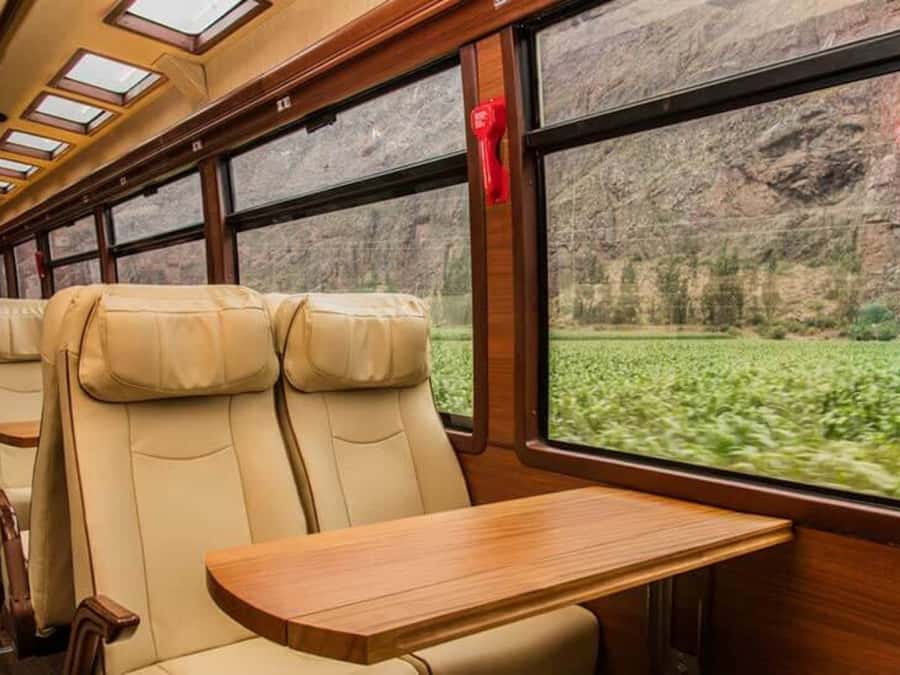
- Train upgrade option: choose normal service or Vistadome 360° panoramic for better scenery
- Guided Machu Picchu by circuit with a comfortable, paced walkthrough of the upper and lower sections
- One night in Aguas Calientes right by the station area, so your morning starts clean
Why this 2-day Cusco-to-Machu Picchu rhythm works
Machu Picchu is already a lot to process, so the smartest plan is one that handles the logistics and keeps you moving step-by-step. This format does exactly that: you’re not trying to plan Sacred Valley, train tickets, hotel, bus timing, and entry tickets all at once. You get a guided day of Inca-world sites first, sleep near the station, and then do Machu Picchu the next morning with a guide and a set route.
You’ll also appreciate that the group size is small. With fewer people, your guide can explain what you’re looking at without repeating the same points for 40 different headsets. That matters at places like Moray and the Maras salt ponds, where it’s easy to miss the “why” if you’re just taking photos.
As a time saver, the train-and-bus combination is worth it. It compresses travel into the two windows you actually want: scenic views on the way in, and a guided visit early enough to enjoy the site without feeling like you’re sprinting.
You can also read our reviews of more tours and experiences in Cusco
Sacred Valley Day: Chinchero weaving, Moray terraces, Maras salt, Ollantaytambo
Day 1 is built around variety, not just checklist stops. You start in Cusco and spend the morning and afternoon moving through Inca-linked landscapes and craft traditions before you board the train.
Chinchero: alpacas, llamas, and weaving that’s still alive
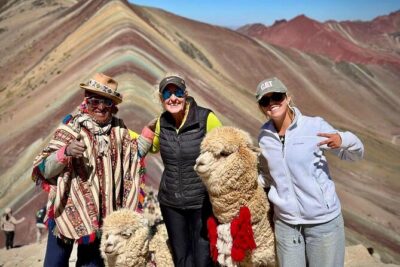
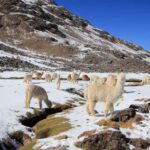
You’ll head out from Cusco early, then reach Chinchero about an hour later. This is where the tour turns from archaeology into everyday culture. In a local family setting, you’ll see how weaving traditions are kept alive and how alpacas and llamas are part of that story. You can take pictures, and you may even be able to feed the animals breakfast—small, but it makes the stop feel human rather than staged.
Practical upside: Chinchero is also a good “warm-up” stop. You’re not yet tired, you get your bearings, and your guide sets the tone for what Inca life depended on: agriculture, fiber, and careful use of local resources.
Moray: an Inca agricultural experiment you can actually picture
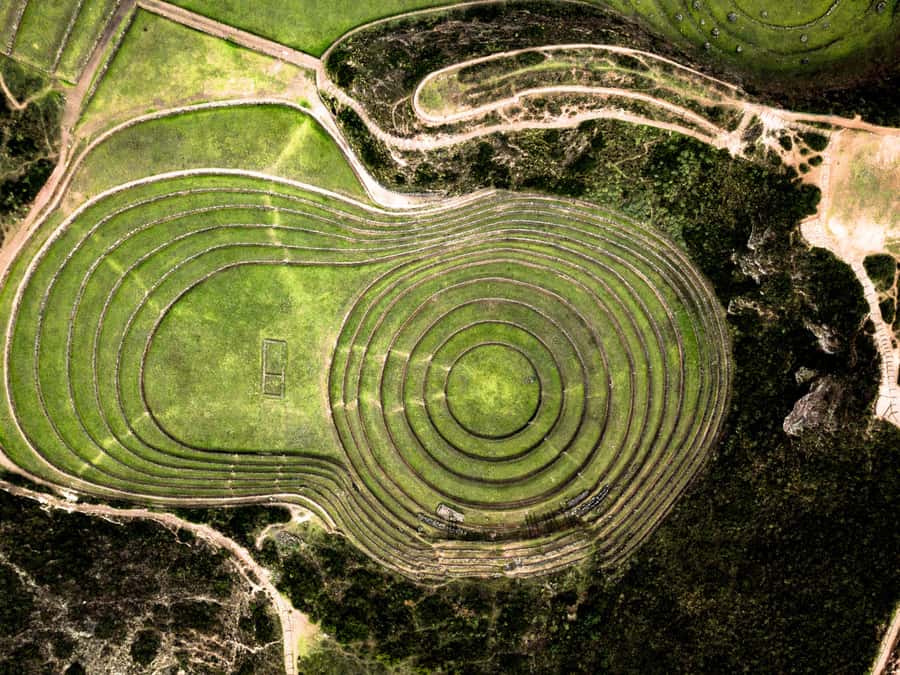
Moray is one of those sites where your guide’s explanation makes a huge difference. You’ll stand in front of terraced circles with the Andes in the background, and you’ll learn how the Incas used these terraces as a kind of agricultural laboratory—different conditions, different crops. Even if you’ve seen terrace photos before, it’s much easier to understand here because you’re surrounded by the structure itself.
The time on-site is relatively short, so you’ll want to wear shoes that handle uneven ground. Think “walk and look,” not “stroll on perfect paths.”
Maras salt mines: the classic thousands-of-ponds photo
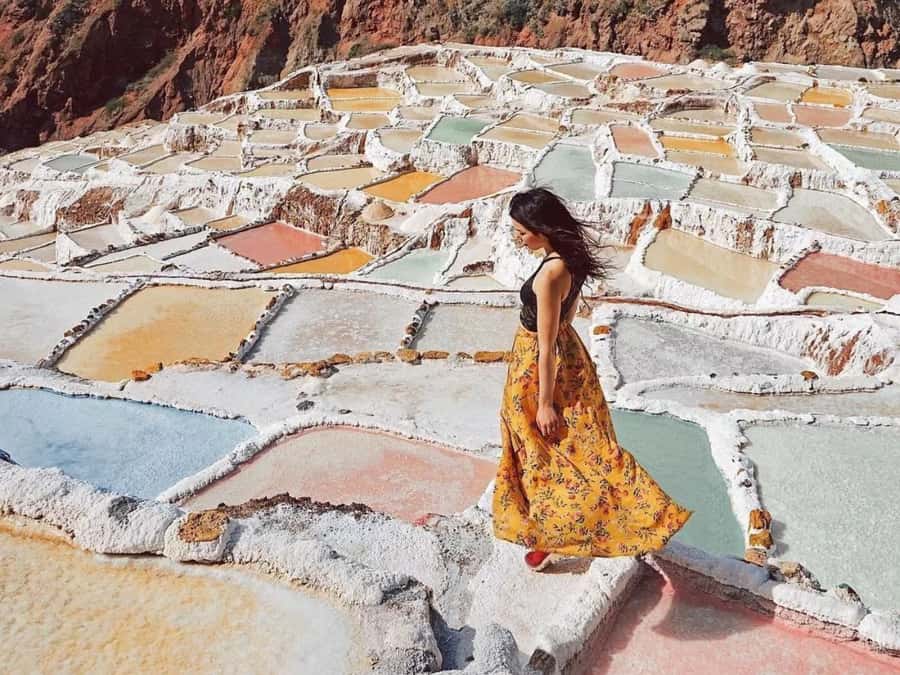
Next comes the Maras Salt Mines. This is where you’ll see thousands of small salt ponds still in operation. Your guide will point out the layout, and you get the kind of photo opportunity Maras is famous for. There’s also a built-in moment of freedom: you can pause, shoot, and soak in the scale.
The downside? This area can feel exposed. Bring sunglasses and sunscreen, and don’t underestimate sun/UV at this elevation.



Urubamba lunch: a buffet that covers different diets
You’ll stop in Urubamba for a buffet lunch. Vegetarian options are available, and the spread is more than just a token plate. It’s a real break in the middle of a full day of driving and walking, so you’ll want to fuel up here.
If you’re the type who forgets to eat until you’re starving, this lunch is a blessing. Day 1 is packed, and you’ll need energy for the final stop before the train.
Ollantaytambo: Inca terraces, Spanish-era stress, and the train setup
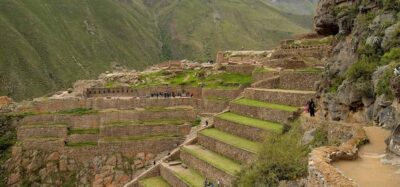
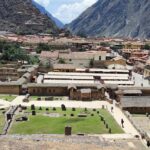
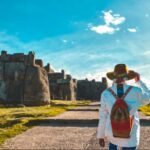
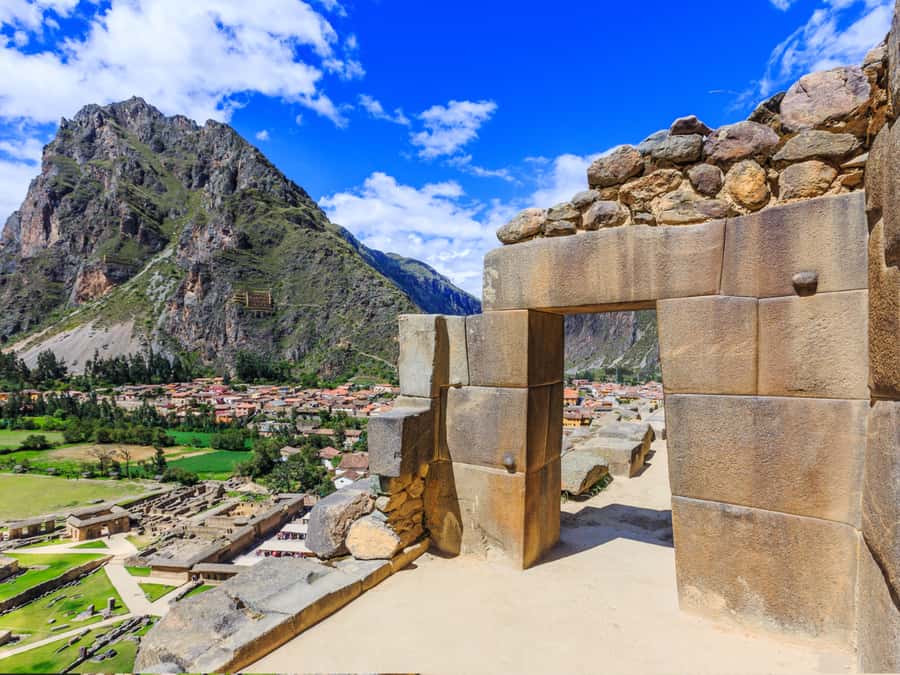
Ollantaytambo is both a sightseeing stop and a strategic one. You’ll see the terraces and ruins and learn why this area was heavily protected—because it served as an entrance to the road leading toward Machu Picchu.
There’s also a practical benefit: you’re preparing to board the train. The tour keeps this stop structured with guided context plus time to look around, take photos, and do a bit of shopping if you want.
By the time you reach the station, you’re not scrambling. That’s the big win of having transfers and timing handled.
The train to Aguas Calientes: scenic, stress-free, and worth upgrading
After Ollantaytambo, you’ll take a round-trip train between Ollantaytambo and Aguas Calientes. The journey time is about 1 hour and 45 minutes each way, and it’s part of the fun, not just transportation.
Choose Vistadome if you like views
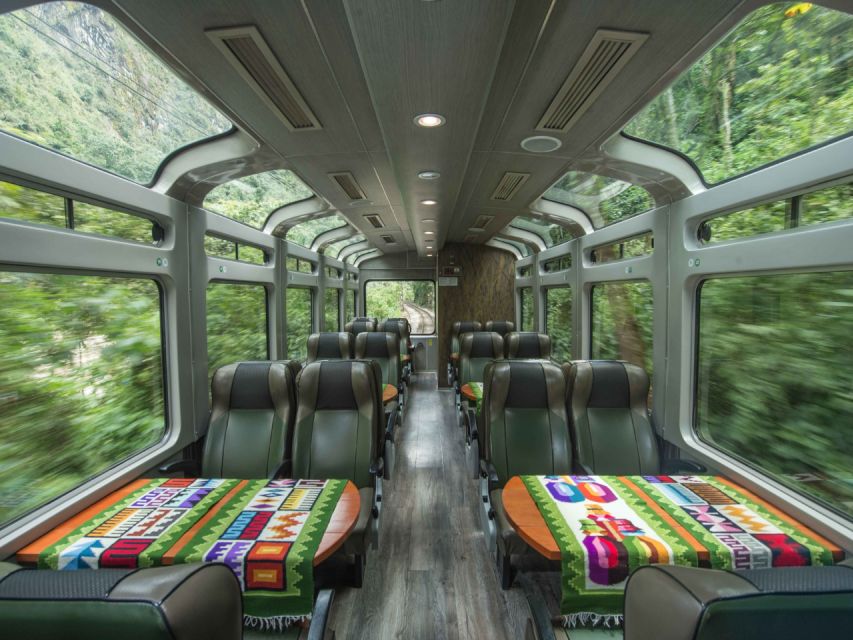
When you book, you can select either normal train service or the Vistadome 360° panoramic train. If you care about scenery, I’d lean toward Vistadome at least one direction. Reviews describe it as a standout experience, with the whole carriage enjoying the ride.
And even if you don’t buy the hype, the panoramic windows can still make the trip feel cinematic. You’ll be watching mountain terrain slide by while your brain shifts into Machu Picchu mode.
When things go off schedule, you still get looked after
Trains can be delayed for reasons outside the tour team’s control. In one documented case, the group handled a delay by bringing food and drinks to the station. That’s the kind of “small system” detail that matters when you’ve traveled all day and just want a smooth landing.
Even when everything runs on time, the organization itself is the value: you don’t manage ticket puzzles, seat confusion, or station navigation while tired.
Machu Picchu morning: circuit access, first iconic photos, and a guided pace
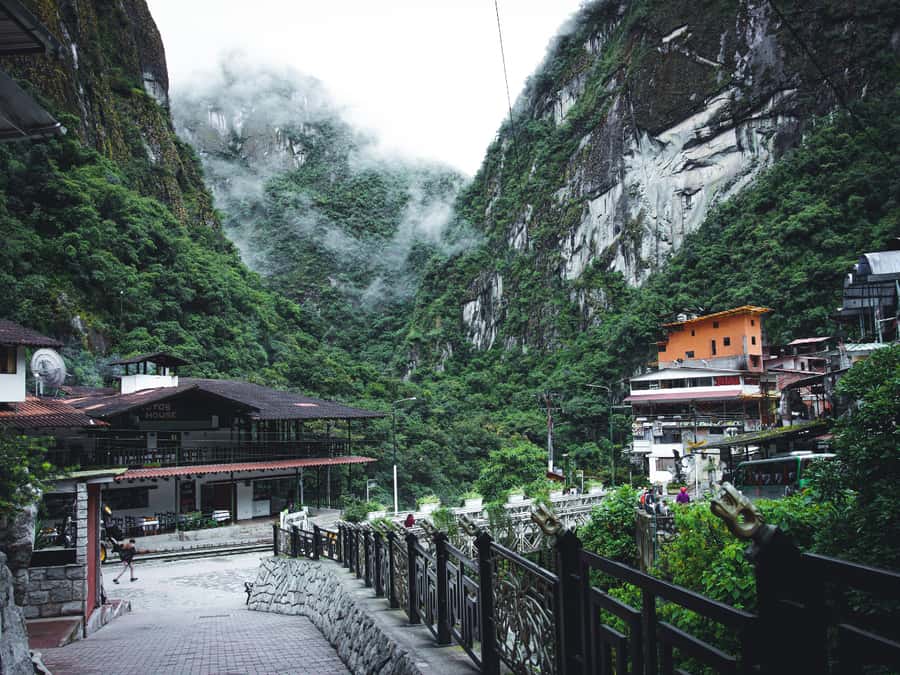
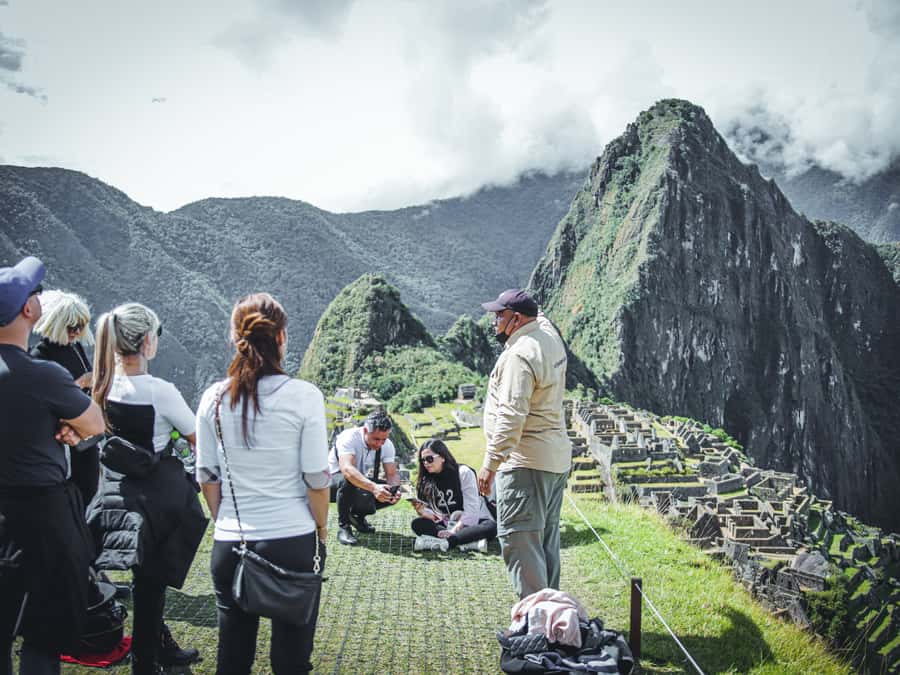
Day 2 starts early with breakfast, then a bus ride to the main gate in Aguas Calientes. You’ll begin your visit with a guided walkthrough that follows a set circuit (1, 2, or 3 depending on availability). That’s important: Machu Picchu isn’t a single loop where you wander freely. The circuit shapes your route and what you see in what order.
The first view and why the route matters
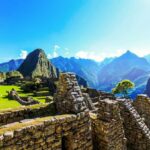
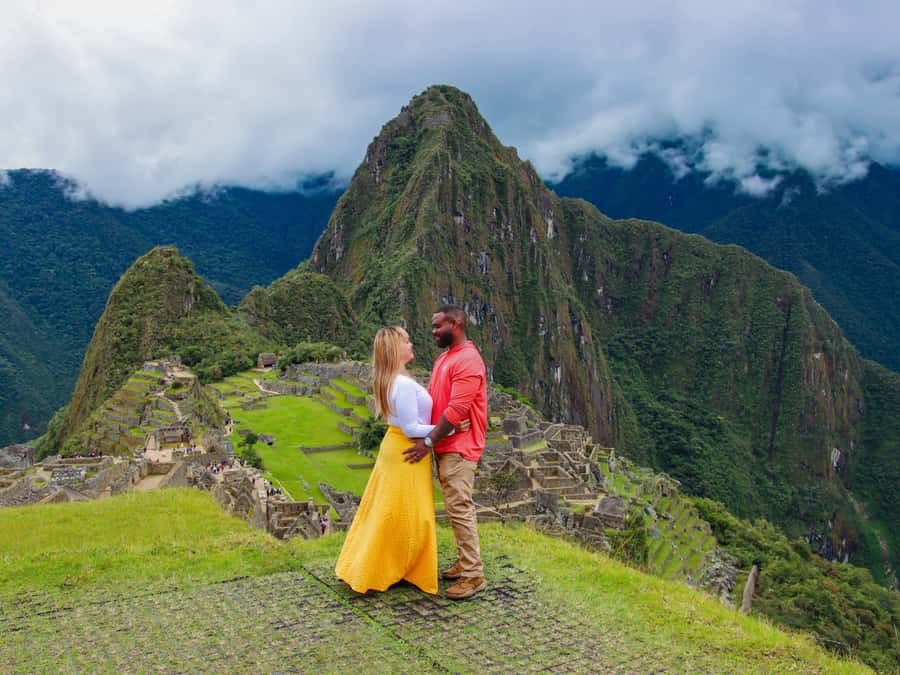
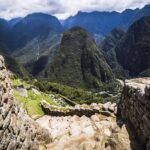
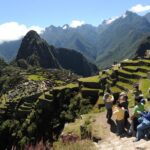
Your guide will help you with the classic early photo from the higher part of the site, then you’ll continue into the lower areas. This sequencing is smart. You get that postcard moment, then you move into the zones where details are easier to appreciate because you’re not stuck craning your neck for panoramic shots the entire time.
What a great guide changes at Machu Picchu
A standout theme in the experience is the way guides explain the site beyond facts. For example, guides such as Carlos and Martin are described as sharing history clearly and at a comfortable pace, including Quechua perspectives and ritual context. That kind of framing helps the site feel less like a stop on a map and more like a place with meaning.
You’ll also get a comfortable walking pace. Machu Picchu is physical work—stairs, uneven stone, altitude effects—so “steady and explained” beats “rush and hope.”
Lunch on your own
After the main part of the visit, you’ll return by bus to Aguas Calientes for lunch. Lunch isn’t included, so plan to grab something simple and filling rather than trying to hunt for the perfect place while you’re on a clock.
And then you’ll head back toward Cusco by train and transfer.
Coming back to Cusco: how the timing reduces the stress
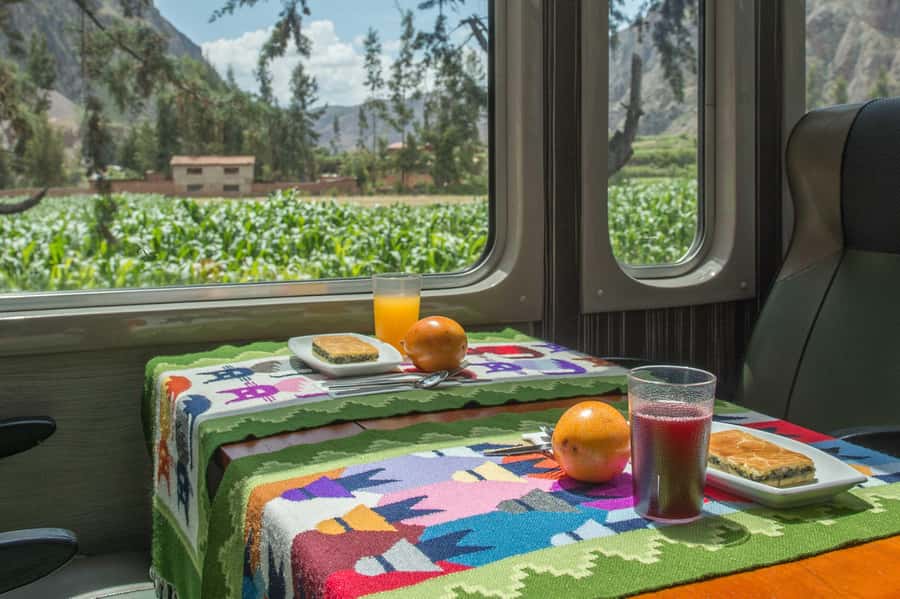
After you finish Machu Picchu, you’ll go back down to Aguas Calientes, then take the train to Ollantaytambo. From there, a transport will bring you back to Cusco, with an estimated arrival around 18:30.
This matters more than it sounds. A lot of Machu Picchu pain comes from the “what time do I need to leave” problem. Here, you’re given a path: bus back, train at the indicated time, and then transport. You don’t have to negotiate local buses or translate station procedures while your legs are tired.
Door-to-door service in Cusco means you finish at a drop-off near Plaza Regocijo (208), rather than needing to figure out your final leg in a strange place.
Price and value: what $499 covers and what can cost extra
At $499 per person, you’re paying for more than a ticket to Machu Picchu. The value comes from how many big costs are bundled:
- Hotel for 1 night in Aguas Calientes
- Door-to-door pickup and drop-off in Cusco
- Sacred Valley guided day
- Buffet lunch in Urubamba (vegetarian option available)
- Train tickets round-trip Ollantaytambo ↔ Aguas Calientes
- Bus tickets for Machu Picchu round-trip (Aguas Calientes ↔ Machu Picchu)
- Machu Picchu entrance ticket (circuit depends on availability)
- English-speaking guide
- One bottle of water
- A pre-departure briefing in your Cusco hotel lobby
Important fine print to budget for: entry to the Sacred Valley is not included and is paid in cash (90 Peruvian soles). Also, Wayna Picchu is optional and must be requested in advance if you want it.
If you’re traveling solo, prices are based on double occupancy but a solo traveler is included with a private room. That’s a meaningful quality-of-life benefit—one less “room-share compromise” on a trip where sleep matters.
The only other realistic variable is your expectations for Aguas Calientes lodging. Some hotels are described as lovely, but one review also flagged basic comfort (limited towels and pillows). If you’re picky about hotel basics, bring that into your decision.
What to bring (and what to leave behind)
This tour expects you to be ready for walking, sun, and altitude-adjacent days. Bring:
- Passport
- Comfortable shoes (non-negotiable for stone paths)
- Sunglasses and sun hat
- Sunscreen and insect repellent
- A light jacket (you’ll be glad for it even if the day looks sunny)
- Reusable water bottle and a power bank
- Camera
Don’t bring luggage or large bags. The tour notes that large items aren’t allowed, so plan to travel light.
Also, one very practical step: you must provide passport details (full name, passport ID, date of birth, nationality) for the 2-day tour. You’ll be asked for this after reservation, and it’s the kind of admin task that’s easy to delay until the last minute—so do it quickly.
Who should book this, and who should skip it
This tour fits people who want guided structure and fewer moving parts. If you like learning as you go and you don’t want to micromanage trains, station timing, and entry logistics, this is a solid match.
It also helps that the group stays small, so you’re less likely to feel lost in a crowd.
It’s not suitable for:
- Pregnant women
- People over 95 years
- People over 70 years
And realistically, you should expect moderate walking at multiple stops (Chinchero, Moray, Maras salt mines, Ollantaytambo, and Machu Picchu circuits).
Should you book this Cusco to Machu Picchu train tour?
I’d book it if you want Machu Picchu without turning your trip into a spreadsheet. The mix of Sacred Valley highlights plus a guided Machu Picchu circuit, all tied together with train rides and door-to-door transfers, is a high-value way to do it in just two days.
I’d hesitate if you’re extremely sensitive to lodging comfort, because Aguas Calientes hotel quality can vary. If you’re okay with that trade-off to get everything handled for you, you’ll likely feel the benefit immediately when you’re not juggling tickets, timing, and transport.
One extra tip: if you care about crowds, keep your expectations flexible. In at least one experience, the group received an early Machu Picchu entry time around 6 AM, which helped make the morning calmer. Even if you can’t guarantee that timing, the guided route still helps you get your bearings fast.
FAQ
Is Machu Picchu admission included?
Yes. Your Machu Picchu entrance ticket is included, and the circuit (1, 2, or 3) depends on availability.
Do I need to pay anything at the Sacred Valley sites?
Yes. Entry to the Sacred Valley is not included and is 90 Peruvian soles paid in cash.
What hotel is included for the night in Aguas Calientes?
You’ll stay one night in a 2-, 3-, or 4-star hotel of your choice at booking. The tour notes certain examples of 2-star and 3-star properties, plus 4-star options.
Is lunch included on both days?
Buffet lunch in Urubamba is included on Day 1. Lunch on Day 2 (after returning to Aguas Calientes) is not included.
What train options are available?
You can choose between normal train service and the Vistadome 360° panoramic train.
What does door-to-door service mean here?
It means hotel pickup and drop-off in Cusco are included, with free pickup within the historic city center.
Do I need to bring my passport?
Yes. You must bring your passport, and you’ll be asked for passport details (full name, passport ID, date of birth, nationality) after reservation.
Is there a luggage limit?
Large bags or luggage are not allowed.
What languages are the guides?
Guides are provided in Spanish, English, and Portuguese.
Can I add Wayna Picchu?
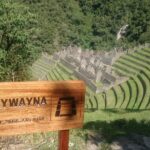
Wayna Picchu is optional, but you must request it a few months in advance if available.