REVIEW · CUSCO
Manu National Park Tour 4days/3night
Book on Viator →Operated by Amazon Trip Peru · Bookable on Viator
Manu jumps straight from Cusco into the wild. In four days, you’ll move through the Manu River area with a private guide, plus birdwatching, jungle hikes, and hot springs time. It’s built for people who want the Amazon feel without getting swallowed by a big tour crowd.
I love how private the experience is in practice: you’ll travel with a bilingual native guide and use binoculars and a telescope for wildlife spotting. Guides like Symond, Saulo, Simone, and David are named in the trip chatter, and the consistent theme is sharp eyes plus friendly energy.
I also like the overnight setup. The eco-lodge includes private rooms with mosquito nets, showers, and toilets (and you’ll have private bungalows with Wi‑Fi), so you get jungle access without living like it’s 1890. One consideration: first-day breakfast isn’t included, and you may also have a long road transfer before the jungle routine kicks in.
In This Review
- Key Things to Know Before You Go
- Entering Manu From Cusco: Why This Route Works
- Private Guide Power: Telescope Time With Real People
- Manu River Boat Trip: Go Slow for Better Wildlife Odds
- Birdwatching and Jungle Hikes: What You’ll Really Be Doing
- A note on what you might see
- Hot Springs in the Middle of the Jungle
- Eco-Lodge Comfort: Jungle Nights Without the Suffering
- Tambopata, Cusco, Machu Picchu, and the Inca Trail: How the Whole Package Fits
- Price and Value: Is $470 Fair for What’s Included?
- Logistics That Can Make or Break Your Day
- Transfers and timing
- Meals and diets
- Wildlife gear and footwear
- Communication in remote areas
- Service and Team: Small Details, Big Comfort
- Should You Book This Manu Tour?
- FAQ
- Where does the tour start and end?
- How long is the Manu National Park tour?
- How much does it cost?
- What’s included for meals?
- Is first-day breakfast included?
- Are binoculars and a telescope included?
- What about boat transportation?
- What kind of lodging do you get?
- Are rubber boots included?
- Does the itinerary include places beyond Manu?
- What’s the cancellation rule?
Key Things to Know Before You Go
- Private guiding with telescope and binoculars so wildlife spotting isn’t random wandering
- Manu River boat time for calmer animal watching and better odds than walking nonstop
- Hot springs plus jungle hikes gives you both recovery and movement
- Eco-lodge comfort that’s real: private rooms, mosquito nets, showers, toilets
- Three meals a day with flexible options (vegetarian, vegan optional) plus snacks
- Radio communication all trip for safer coordination in remote areas
Entering Manu From Cusco: Why This Route Works
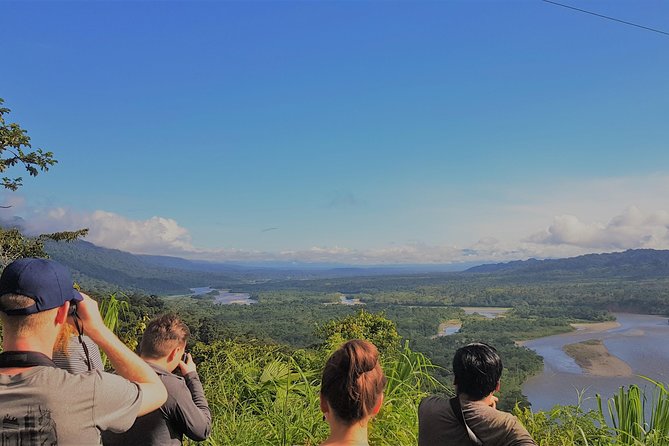
Most Manu trips start with a big shift: one day you’re in the Andes rhythm, the next you’re trading altitude views for humid air and river sounds. This tour is designed for that change of pace. After transfer time from Cusco, you get straight into the jungle experience instead of spending your days only commuting.
Manu National Park is the reason people come, but the way you get there matters. A private setup with a dedicated team means fewer wasted hours playing catch-up with other groups. You also get a more personal feel during wildlife walks, where stopping to look closely is the whole point.
You can also read our reviews of more tours and experiences in Cusco

Private Guide Power: Telescope Time With Real People
The best moments in Manu are usually quiet and short—one movement in the trees, one call you can’t place, one bird perched exactly where your eyes want to drift away. That’s where a guide who uses a telescope and binoculars makes a real difference for your day.
You’ll be traveling with a bilingual native guide, and names like Symond, Saulo, Simone, and David show up as strong matches for this kind of work. One traveler highlighted Symond’s hawk-like focus, and another described Saulo quickly finding toucans and getting them into focus with a scope from far away. That’s the value: you aren’t just hoping the forest cooperates.
Also, if you’re traveling with kids or you want your day to feel relaxed, pay attention to how guides handle pacing. Saulo is specifically mentioned as patient and playful with a 5-year-old, which tells me this trip can be flexible, not just rigid checkboxes.
Manu River Boat Trip: Go Slow for Better Wildlife Odds
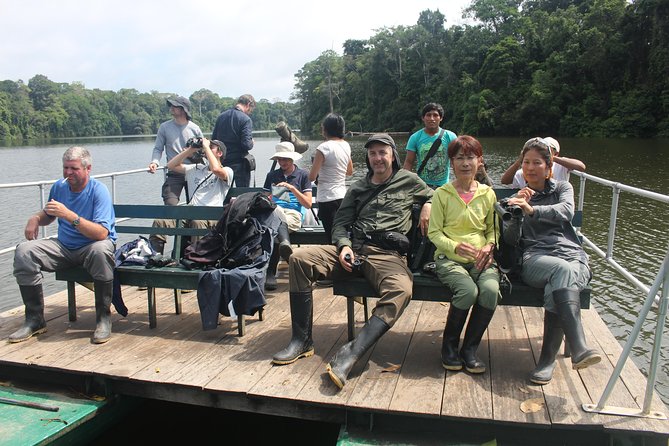
After the transfer, you’ll spend time on the Manu River by private boat. The river is one of the easiest ways to “read” the Amazon without exhausting yourself. Boats let you cover distance while keeping your noise down, and that helps when animals are using the edges of the water for feeding and resting.
A private boat also tends to mean you can actually hear what’s going on. In a place full of calls, that matters. One of the best practical habits here is to stay still for a bit when your guide points something out. Let your eyes adjust. The first few minutes after a stop often feel confusing. Then it clicks, and you start seeing details that your brain usually filters out.
Birdwatching and Jungle Hikes: What You’ll Really Be Doing
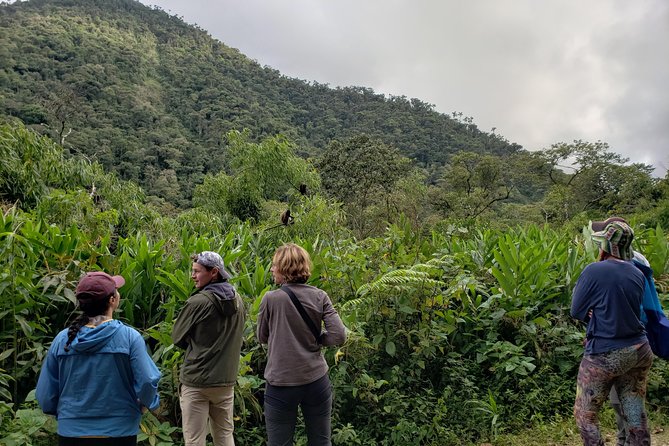
Your days are built around a rhythm: birdwatching, hikes, and then time to reset. Birdwatching is more than spotting something pretty. With binoculars and a telescope in play, you’re learning how to track—from call to movement to shape and color.
Then you hike. Jungle hikes in Manu aren’t about stacking distance for a workout badge. They’re about walking slowly enough to catch wildlife and safely navigate muddy trails. Rubber boots are included, which is a big deal because this isn’t the kind of trip where you want to wear your best shoes.
One practical takeaway: pack the attitude that the jungle controls the schedule. Some sightings happen fast, some don’t. If you’re the type who needs a guaranteed list of animals, you may feel impatient. If you’re the type who enjoys the soundscape and the constant small surprises, this style fits you well.
A note on what you might see
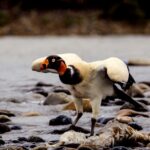
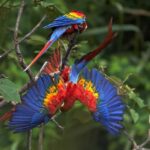
Based on the trip stories connected to this experience, you may spot species like toucans and even larger mammals such as a speckled bear. That doesn’t mean you’ll see them every time, but it does suggest the route and timing can deliver real wildlife, not just “you’ll see nature.”
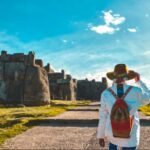
Hot Springs in the Middle of the Jungle
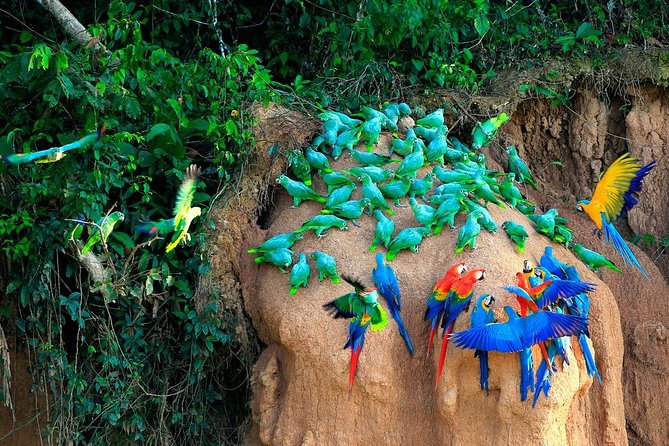
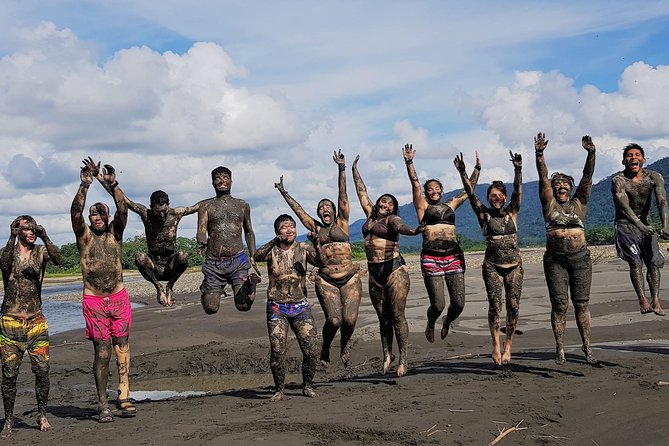
After active jungle time, you’ll unwind at hot springs. This is the kind of stop that makes a multi-day jungle trip feel possible. Instead of only accumulating fatigue, you get a warm, slow reset that helps your legs and your mood.
Think of hot springs as part of the logistics. When you hike and boat over several days, you want recovery built in. This itinerary does that, and it gives you a more balanced day structure—movement, wildlife watching, then a release valve.
Eco-Lodge Comfort: Jungle Nights Without the Suffering
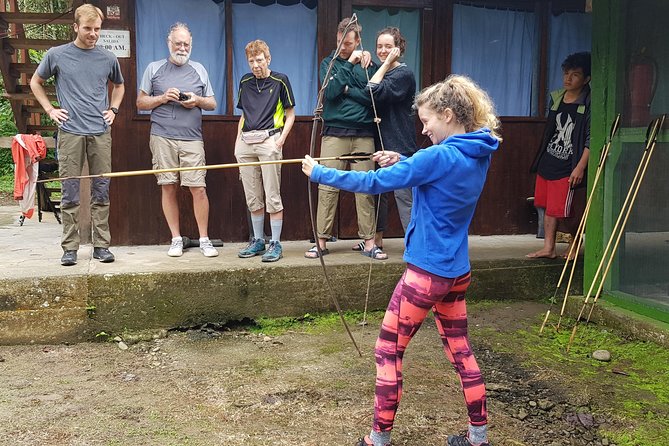
The eco-lodge is one of the big reasons this tour holds a high rating. You get private rooms, towels, mosquito net, and toilets plus showers. That’s not “luxury,” but it’s the comfort level you want after muddy hikes and early starts.
Night in the jungle comes with its own soundtrack. Mosquito nets help you sleep through it, and private rooms help you recharge without sharing space with strangers. Wi‑Fi is mentioned in connection with private bungalows, so if you need a check-in (or want to post a photo before it disappears from your brain), you’re not completely offline.
In one account, the first lodging was described as very simple, while a later jungle lodge was much better. That tells me you should treat the lodging as “jungle functional,” not all-identical, but still comfortable in the basics that matter: sleeping, washing, and bug protection.
Tambopata, Cusco, Machu Picchu, and the Inca Trail: How the Whole Package Fits
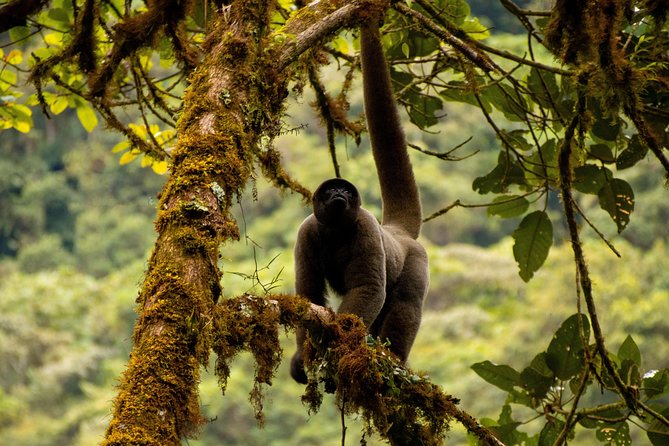
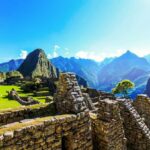
This booking isn’t just “Manu, then back.” The route you’re shown includes Tambopata National Reserve, plus Peru icons like Machu Picchu, Cusco, and the Inca Trail. In practical terms, that means you’re mixing rainforest days with highland adventure.
Two things matter when a tour stacks regions:
- Expect your travel days to be more packed than a single-destination trip.
- Keep your energy flexible. You’re going from river and jungle conditions to Andean scenery and different altitudes.
The upside is variety. You get the Amazon experience plus the classic Peru highlights, without having to coordinate separate tickets and guides yourself. The trade-off is that you can’t treat it like a slow, single place vacation. It’s a “see a lot” itinerary.
Price and Value: Is $470 Fair for What’s Included?
At $470 per person (for roughly 4 days / 3 nights), you’re paying for the jungle logistics people often underestimate. This price comes with several key inclusions that usually cost extra on less organized tours:
- private guiding with telescope and binoculars
- private boat with an efficient team and security
- park ticket for Manu National Park
- three meals per day plus snacks (vegetarian, vegan option)
- rubber boots
- eco-lodge basics: private room, mosquito net, showers, toilets
- radio communication during the whole trip
That’s a lot of operational stuff, not just “someone drove us around.” If you’ve ever tried to self-organize in the jungle, you know why guided private trips cost what they do.
There’s also a timing clue: this tour is commonly booked about 114 days in advance. That often means people plan thoughtfully, especially for rainforest travel where schedules can fill up.
The one value check I’d do before you go is clarify meal inclusions for the first morning. First-day breakfast isn’t listed as included, and one report tied extra costs to a breakfast situation. Even if that ends up being an exception, it’s an easy fix: eat before pick-up, or ask your provider to confirm exactly what’s on day one.
Logistics That Can Make or Break Your Day
Transfers and timing
A long road transfer from Cusco is part of the reality. One report described a 7-hour van ride and suggested the timing wasn’t clearly communicated upfront. Even if your schedule feels smoother, I’d still plan for “we’re traveling before we’re exploring.”
If you hate surprises, ask two questions when you book:
- What time do we leave Cusco?
- Where is the first included meal (if any) after arrival?
Meals and diets
The tour includes three meals per day, semi buffet, with vegetarian options and vegan optional. Snacks are also included. This is a real advantage if you want jungle travel without bargaining for food choices.
Just remember: first-day breakfast is not included. That means you should treat your first morning as a “get fed before the jungle rhythm starts” situation.
Wildlife gear and footwear
Rubber boots are included, which is excellent because muddy trails are part of the story. Bring lighter layers under the boots if you run hot. Your feet will stay comfortable longer, and you won’t spend your day adjusting blisters instead of watching birds.
Communication in remote areas
Radio communication during the whole trip is listed. That’s a quiet reassurance. In a remote environment, it typically means your guide and drivers can coordinate stops and safety faster.
Service and Team: Small Details, Big Comfort
One thing that shows up in the trip stories is the human side of the operation. People mention quick responses on WhatsApp to confirm items like a life vest and boot sizes for a child. They also highlight chefs like Rosalio for meals that are described as delicious and well presented.
Even if your experience isn’t with the exact same staff, these details point to how the team works: you get help when you have questions, and meals aren’t treated as an afterthought.
Also, the private tourism bus round trip is included. That helps with stress. You’re not hunting taxis or waiting around while everyone else figures out their own plan.
Should You Book This Manu Tour?
If you want Manu National Park with fewer crowds, a private guide, telescope-based wildlife spotting, and real eco-lodge comfort, this is a strong match. The hot springs and meal setup add a lot of practical value for a multi-day jungle trip.
Book it if:
- you care about wildlife spotting quality, not just checking off a destination
- you want private boat time and jungle walks with guidance
- you prefer showers and mosquito nets after a day outside
Think twice or ask more questions if:
- you’re very strict about day-one meals and timing
- you hate long transfer days without clear schedules
- you expect a perfectly identical lodging standard every night
FAQ
Where does the tour start and end?
It starts at Pl. Haukaypata 172, Cusco 08002, Peru, and ends back at the same meeting point.
How long is the Manu National Park tour?
It’s listed as 4 days (approx.), with 3 nights.
How much does it cost?
The price is $470.00 per person.
What’s included for meals?
Three meals per day are included (semi buffet), with vegetarian options and vegan optional, plus snacks.
Is first-day breakfast included?
No. First day breakfast is listed as not included.
Are binoculars and a telescope included?
Yes. The tour includes a bilingual native guide with telescope and binoculars.
What about boat transportation?
You’ll have a private boat with an efficient team of motorists and security.
What kind of lodging do you get?
You’ll stay in a jungle eco-lodge with private rooms, towels, mosquito net, showers, and toilets. Private bungalows with Wi‑Fi are also included.
Are rubber boots included?
Yes, rubber boots are included.
Does the itinerary include places beyond Manu?
Yes, the stops listed include Manu National Park, Tambopata National Reserve, Machu Picchu, Cusco, and the Inca Trail.
What’s the cancellation rule?
You can cancel for a full refund up to 24 hours in advance. The trip requires good weather, and if it’s canceled due to poor weather, you’ll be offered a different date or a full refund.