REVIEW · CUSCO
4 Day Inca Trail Trek to Machu Picchu Multi day tour
Book on Viator →Operated by Inca Trail Machu · Bookable on Viator
If you want Machu Picchu with effort behind it, this is the way. You start with an early Cusco hotel pickup, hike the famous route from Km 82 through passes and cloud forest ruins, then reach the Sun Gate for that first look before a guided visit to Machu Picchu. What I like most is how the trip is built around real human needs: a guide who keeps things moving and explains what you’re seeing (I’ve heard names like Nico Raul, César Pérez, and Plinio tied to strong pacing and good Inca context), plus a full camp setup with a chef producing meals in the Andes.
I also like the value of what’s wrapped into the price. You’re not just buying a hike—you’re getting permits, logistics, camping gear (including tents and a roll mattress), porters, and the transport web on both sides. The main drawback to think about is the fitness hit: you’ll climb to Dead Woman’s Pass (Warmiwañusca) at 4,215 m, and the trail is tough at altitude even if you’re not a hardcore athlete.
In This Review
- What this tour actually delivers (beyond the brochure)
- Key points to know before you go
- Where it starts: Cusco at 4:30 am and the Km 82 checkpoint mood
- Day 1 on the Inca Trail: Urubamba River walking and Llactapata’s world
- Day 2: Warmiwañusca (Dead Woman’s Pass) and Pacaymayo camp comfort
- Day 3: Runkurakay to Sayacmarca, then Phuyupatamarca and Wiñay Wayna
- Day 4: Sun Gate first, then Machu Picchu with a guide and real timing
- Camping setup and meals: why the chef and porters change your hike
- Price and logistics: is $930 really buying value?
- Who should book this Inca Trail trek (and who should reconsider)
- Practical packing you’ll actually need (based on what’s not included)
- Should you book this 4-day Inca Trail to Machu Picchu?
- FAQ
- How long is the Inca Trail trek?
- Where does the trek start?
- What is the highest point on the trek?
- What does Day 4 include at Machu Picchu?
- What’s included with meals and camping?
- Do I need a sleeping bag?
- What about hiking poles?
- How many people are in the group?
What this tour actually delivers (beyond the brochure)
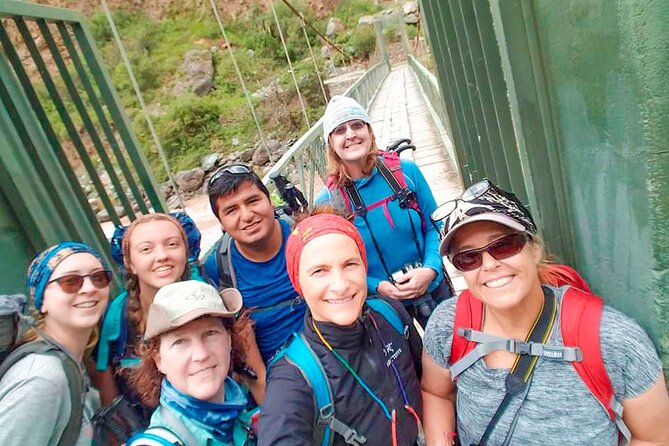
This is a 4-day, 42 km (about 26 miles) trek that mixes high altitude climbs, cloud forest walking, and downhill legs that still wear you out. The big picture is simple: you hike some of the best Inca-road sections, you sleep in camp with organized support, and you arrive at Machu Picchu in the right frame of mind—tired, grateful, and ready for the view at Inti Punku.
One more thing: this experience is non-refundable and cannot be changed, so treat booking like a real commitment once you pick your dates.
Key points to know before you go
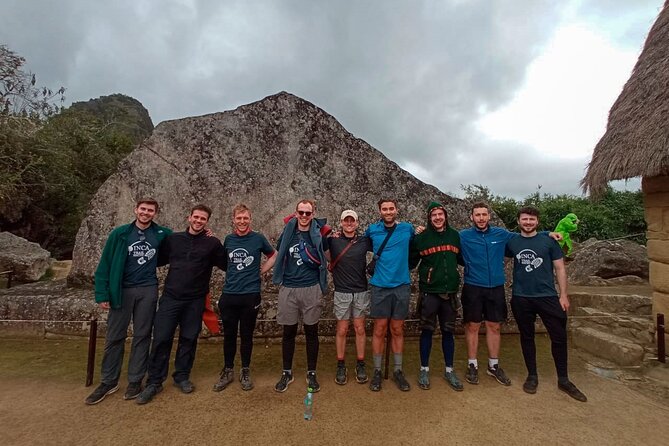
- Dead Woman’s Pass at 4,215 m is the mental test of the whole walk, not a side quest
- Max 16 travelers keeps the group manageable on narrow trail sections
- Your duffel bag up to 7 kg can ride with a personal super porter, easing your carry load
- Camp is not “bring your own chaos”: Eureka tents, kitchen/dining setup, and a chef handle the basics
- You get the Sun Gate (Inti Punku) first panoramic view, then a guided Machu Picchu visit
- The trip includes a full transport chain: bus + train + buses around Machu Picchu and Aguas Calientes
You can also read our reviews of more hiking tours in Cusco

Where it starts: Cusco at 4:30 am and the Km 82 checkpoint mood
Your day begins early—meeting time is 4:30 am for pickup from Cusco. Then you drive through the Urubamba Valley to the starting point at Km 82. This matters more than it sounds. The early start helps you beat the worst of the crowds on the trail and puts you on track before fatigue piles up.
Once you cross the Vilcanota River, you’re on the ancient road and the walking rhythm takes over. Day 1 is only the warm-up in distance terms, but it’s the moment altitude and effort start talking to your lungs.
What you’ll feel: early in the morning, the air can be sharp. Your body may feel “fine” until it doesn’t—so plan to keep a steady pace and avoid going out too fast on day one.
Day 1 on the Inca Trail: Urubamba River walking and Llactapata’s world
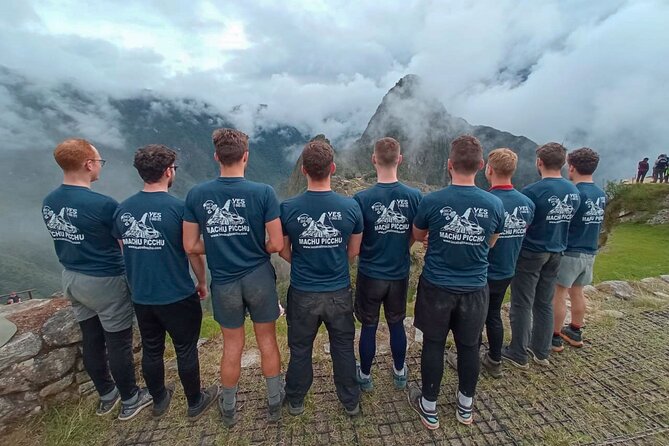
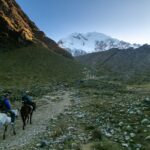
Day 1 covers about 7.5 miles (12 km) in a moderate effort range, with roughly 8 hours on the route. The path follows the banks of the Urubamba River, which gives you that classic Andes feeling: mountain views to your left, river and valley lines below, and a trail that keeps your attention from wandering too far.
You’ll pass through Huayllabamba, where you can interact with local people. I like these moments because they remind you the Andes aren’t just scenery. They’re a lived-in place with rhythm and relationships, not a museum set.
Along the way, you’ll also move past archaeological features that set the tone for the whole trek. The first big archaeological stop listed for this route is Llactapata. Even without getting lost in details, it’s a useful anchor: you’re not only hiking; you’re walking between Inca-built meanings.
Possible drawback: Day 1 can still leave you sore. The trick is to treat it as setting your pace, not proving stamina.
Day 2: Warmiwañusca (Dead Woman’s Pass) and Pacaymayo camp comfort
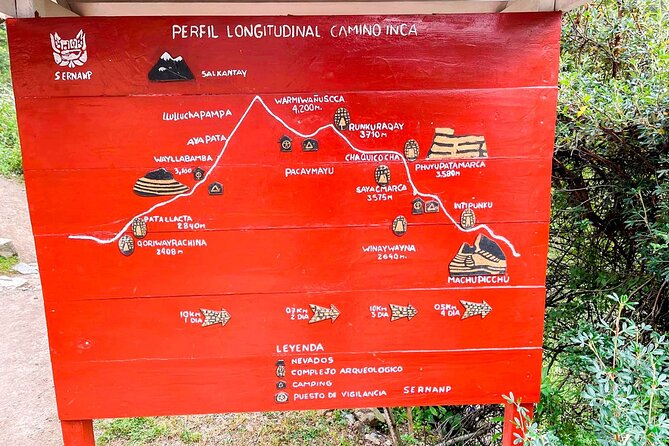
Day 2 is where the Inca Trail turns from pretty hike into real challenge. You wake up early, have breakfast, then start climbing toward Warmiwañusca, known as Dead Woman’s Pass, at 4,215 m. Expect about 8 hours for the day.
The ascent can feel brutal if you chase speed. But the reward is also real: the views from the top make the effort feel fair. Then you descend into the Pacaymayo Valley, where you camp for the night.
This day is also about changing environments. You move from high altitude grasslands down toward a more humid feel, entering cloud forest territory. Orchids and bromeliads are part of the mix, and even if you’re not the plant type, you’ll notice the shift in air and sound.
The camp at Pacaymayo sits at a lower elevation than the pass, so your body gets a chance to recover overnight.
Practical win: you’re not alone with the logistics here. You’re camping with a chef and team support, and water is provided at every campsite.
Day 3: Runkurakay to Sayacmarca, then Phuyupatamarca and Wiñay Wayna
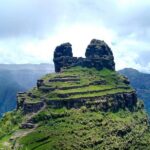
Day 3 brings the second pass and a lineup of ruins. It starts with an uphill push to Runkurakay at 3,970 m. After that, the trail descends into cloud forest and lands you in a concentrated day of archaeology and scenery.
Key stops on this day include:
- Sayacmarca at 3,624 m
- Phuyupatamarca at 3,670 m
- Wiñay Wayna at 2,650 m, with agricultural terraces and ritual baths
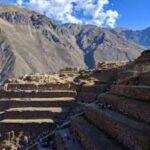
You’ll also pass smaller ruins along the route, which is one reason this day feels so packed. It’s not just “walk to one viewpoint.” You get repeated moments where the trail is basically a moving museum corridor.
At Wiñay Wayna, the elevation drop becomes part of the experience. You end the day lower, in a camp setting with a view back at the mountains. The ruins’ terraces also make a strong impression because they show how the Inca engineered usable farming on steep ground.
Possible drawback: the day can feel longer than it sounds. You’ve got climbing, then steady descending, plus you’re paying attention to ruins and stopping for checkpoints. That combination taxes your legs even when you’re not at the highest pass.
You can also read our reviews of more tours and experiences in Cusco


Day 4: Sun Gate first, then Machu Picchu with a guide and real timing
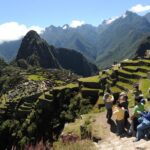
Day 4 is built for payoff. You start early with breakfast, then walk to the checkpoint that marks your final access to the Inca Trail. From there you go to Inti Punku, also called the Sun Gate, for the first major panoramic view of Machu Picchu.
This is the moment most people remember in exact detail. Not because it’s “just a view,” but because it reframes the whole hike. After four days of climbing and walking through Inca sites, Machu Picchu doesn’t feel random. It feels like the destination you earned.
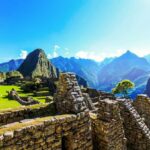
Then you head into Machu Picchu itself for a guided tour. The ruins were rediscovered by Hiram Bingham in 1911, and a guide helps connect what you’re seeing to the bigger picture rather than letting it be a list of stones.
After the guided visit, you take a shuttle bus down to Aguas Calientes for a celebratory lunch. Then the return logistics happen: train back to Ollantaytambo and a bus back to Cusco.
What to expect: day four includes walking plus a guided site visit and transit. It’s a full day, not a slow morning after a triumphant finale.
Camping setup and meals: why the chef and porters change your hike
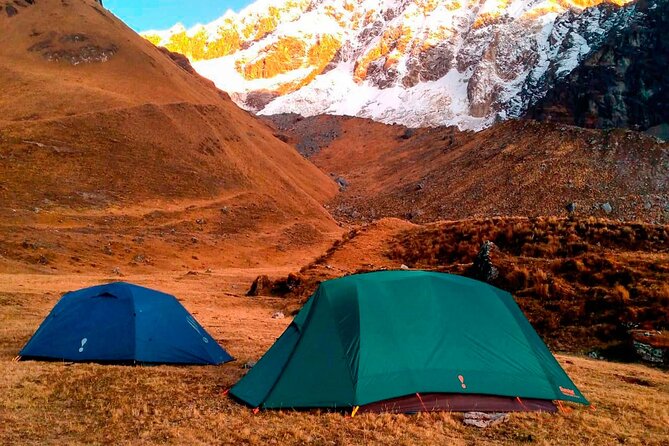
The biggest quality-of-life factors here are the people and the camp systems. This tour includes:
- 3 nights of camping
- Eureka tents with 2 people per tent (the tents are listed as 4-person tents, but you’re assigned as two per unit)
- A confort sleeping roll mattress
- A full kitchen and dining setup
- Toilet tent
- A professional trekking chef
- Super porters for food and cooking equipment
- A personal super porter carrying your duffel bag up to 7 kg
You’ll also get water at every campsite provided by the chef. That’s not a small detail on multi-day mountain trekking where hydration keeps altitude headaches and fatigue under control.
Food matters on this kind of trip. The reviews attached to this provider repeatedly highlight the chef’s ability to produce strong meals despite camping conditions, with names like Leo, Clemente, and Jesus/Jesús showing up in praise. Even better, they’re not just feeding you—they’re fueling you for the next day’s climbs.
Small note: a sleeping bag is not included. If you run cold at night, plan ahead and consider renting or buying one where you can.
Price and logistics: is $930 really buying value?
At $930 per person, this is not cheap. But when you break down what’s included, it starts to look like a bundled logistics solution rather than just paying for walking.
Included items that carry real cost or complexity:
- Inca Trail permit and Machu Picchu entrance fee
- Guided support and pre-trek briefing
- Camp setup and equipment (tents, mattresses, kitchen/dining)
- Porters and chef
- Emergency oxygen bottle included in the first-aid kit
- Rain poncho included
- The full transport chain: to Km 82, then shuttle bus down from Machu Picchu to Aguas Calientes, train to Ollantaytambo, and bus back to Cusco
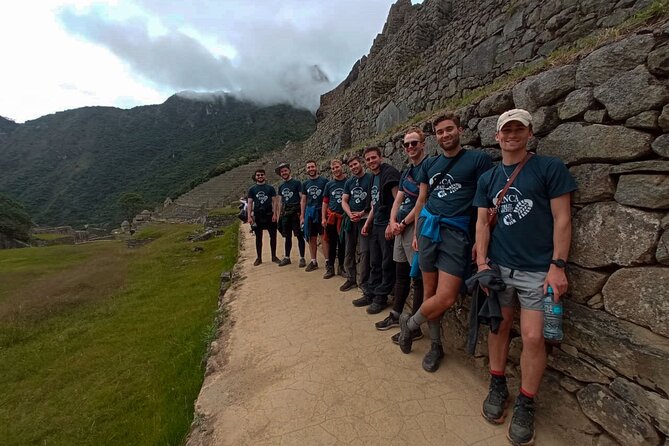
- A T-shirt to remember the trek
- Meals: 3 breakfasts, 3 lunches, 3 dinners
When you compare the cost of permits, guided access, camping logistics, and the transport chain—plus the staff needed to carry equipment—you’re not just paying for “the privilege of being there.” You’re paying for a working system that keeps the hike safe and timed.
What could add cost later: tips, souvenirs, and your own gear like a sleeping bag and (optionally) hiking poles. The tour lists hiking poles as not included, and it also mentions an optional inflatable rest mattress add-on for $20.
Who should book this Inca Trail trek (and who should reconsider)
This fits best if you’re:
- In good physical shape and comfortable hiking uphill and downhill at altitude
- Want a guided experience where you learn while you walk
- Appreciate camping with support instead of “survival mode”
It may be a rough match if you:
- Have serious altitude issues or health concerns and haven’t planned for them
- Want an easy stroll with minimal climbing
- Hate early mornings (this starts with a 4:30 am pickup)
I’ve also seen support for older hikers in the tour feedback, including people in their 60s who trained and found the pace manageable with the right guide. The key factor is not age. It’s how you handle the climbs and recover between days.
Practical packing you’ll actually need (based on what’s not included)
The tour includes a plastic rain poncho, but rain on the Inca Trail is never something to ignore. Bring the right attitude: keep layers for morning chill, and plan for wet ground.
From what’s explicitly not included:
- Sleeping bag (listed as $25)
- Hiking poles (listed as $20)
- An optional inflatable rest mattress ($20)
If you already own poles or a sleeping bag, you can usually use your own. If you don’t, make sure you don’t assume you can wing it. The trek includes camping, and comfort affects your next day.
Should you book this 4-day Inca Trail to Machu Picchu?
Book it if you want the full Machu Picchu experience with the trail as part of the meaning. The standout value here is how much is handled for you—permits, guides, camp gear, chef, porters, and the transit back to Cusco—so you can focus on doing the hiking safely.
I’d pause and plan carefully if you’re unsure about altitude or you dislike early starts and steep walking. This trek climbs to real height, and the passes are not optional drama. They’re the point.
If you’re the kind of traveler who likes walking into history rather than just seeing it, this is a strong pick. And if you want an even better trip, choose a guide who matches your pace—names like Nico Raul, César Pérez, and Plinio show up often in the tour feedback, and their job is to keep you moving without turning the hike into a race.
FAQ
How long is the Inca Trail trek?
The tour is 4 days and covers about 42 km (26 miles).
Where does the trek start?
It starts at Km 82.
What is the highest point on the trek?
The highest point is Dead Woman’s Pass (Warmiwañusca) at 4,215 meters (13,828 feet).
What does Day 4 include at Machu Picchu?
You walk to the Sun Gate (Inti Punku) for a panoramic view, then you get a guided tour of Machu Picchu, followed by lunch in Aguas Calientes and transport back to Cusco.
What’s included with meals and camping?
The tour includes 3 breakfasts, 3 lunches, and 3 dinners, plus 3 nights of camping with tents, a dining setup, and a toilet tent.
Do I need a sleeping bag?
Yes. A sleeping bag is not included (listed at $25).
What about hiking poles?
Hiking poles are not included (listed at $20).
How many people are in the group?
This trek has a maximum of 16 travelers.