REVIEW · CUSCO
4 Day Inca Trail To Machu Picchu – Private Service
Book on Viator →Operated by Valencia Travel Agency S.a.c. · Bookable on Viator
Dawn starts, and the trail gets real. This private 4-day Inca Trail hike from Cusco blends up-close Inca ruins, camp life in the Andes, and the big Sun Gate moment before Machu Picchu opens.
I especially like the undivided guide time. You get steady pacing, clear explanations of what you’re seeing, and real human support from guides that have been noted for care and strong English (names you may see in past service include Victor, Nico, Rene, Guido, Guillermo, Hugo, Felipe, Aldo, Frank, Wilbur Ramos, and Wilfredo). I also love that this trip takes camping seriously: tents, foam sleeping pads, a chef, and most meals are handled for you.
The main drawback is the commitment. This is an early start trek with serious altitude, including the climb to Dead Woman’s Pass, plus nights that can sit near 4–5°C depending on the season. If you want Huayna Picchu, plan ahead too, because the ticket times can affect your Machu Picchu visit flow.
In This Review
- Key takeaways before you go
- Private Inca Trail Service: What you gain with “just your group”
- Cusco departures at dawn: control points and Piscacucho
- Day 1: Cloud forest trekking, Huillca Raccay, Patallacta, and Wayllabamba camp
- Day 2: Dead Woman’s Pass to Pacaymayu and Runkurakay
- Day 3: Phuyupatamarca, Intipata steps, and Wiñay Wayna camp
- Day 4: Intipunku before sunrise and your first full view of Machu Picchu
- Price and value: what $1,395 is really covering
- Gear and camp comfort: tents, mattress pads, and porter support
- Huayna Picchu planning: when your ticket can tangle the schedule
- Who this trek fits best (and who should rethink it)
- Should you book this private 4-day Inca Trail?
- FAQ
- What time do we start on day 1?
- Where does the trek check-in happen on day 1?
- Are tents and sleeping gear included?
- What meals are included, and what’s not?
- Do I need to carry my own gear?
- Is Huayna Picchu included?
- What about oxygen and medical support?
- Is it refundable if I cancel?
Key takeaways before you go
- Private pacing with a dedicated guide: more time for questions and fewer “keep up” vibes.
- Camping gear included: tents, foam mattresses, tables, and staff support reduce what you carry.
- Cooks on the trail: meals are part of the plan, not an afterthought.
- Iconic stops across all 4 days: cloud forest ruins, passes, and the Wiñay Wayna area.
- Sunrise timing at Intipunku: you’re walking to Machu Picchu before the day gets loud.
- Be ready for steep climbs and cold nights: bring a realistic fitness plan and warm layers.
Private Inca Trail Service: What you gain with “just your group”
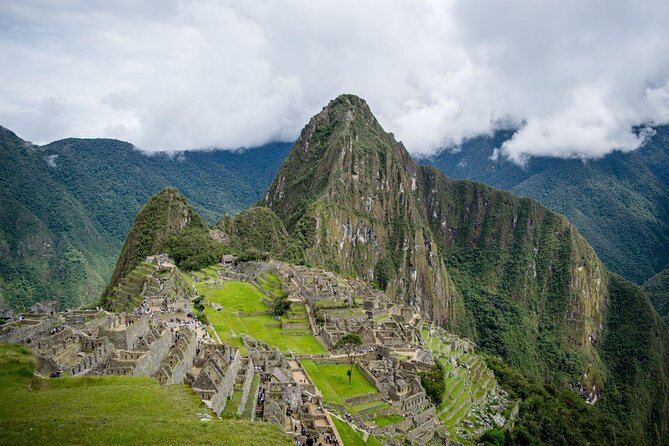
The big advantage of a private Inca Trail service is focus. You’re not just another person in a big line. Your guide can shape the pace around your group, explain what you’re walking past without rushing, and keep you feeling steady on the hardest parts.
This also matters on days when conditions change fast. You’ll start high, move through cloud forest, hit steep ascents, and then transition into long step-heavy segments. A private setup helps your group manage the rhythm: stop when you need, start again when you’re ready, and stay on schedule for the controlled trail access and Machu Picchu timing.
You can also read our reviews of more private tours in Cusco
Cusco departures at dawn: control points and Piscacucho
Your departure begins extremely early. The meeting point is at your Cusco hotel (around 4:30am), with the start time listed at 4:00am. After pickup, you continue to Piscacucho for check-in, where you’ll show your passport and tickets at the control point.
This part is not glamorous, but it’s important. Inca Trail access is limited, so the process is structured: you’ll want your passport ready, your documents organized, and your mindset set for an organized start rather than a casual morning stroll.
You’ll also want to use the restroom and do basic trail prep right here: sunscreen, insect repellent, and anything you’ll regret missing later on a steep climb. The first leg of the trek begins at about 2,720m / 8,923 ft, and you’ll head across the Vilcanota River on the right side.
Day 1: Cloud forest trekking, Huillca Raccay, Patallacta, and Wayllabamba camp
Day 1 is about getting your legs moving and soaking in the mix of Inca sites and Andean nature. The trail starts by dropping you into cloud forest, where the air feels different from Cusco and the views pop through the mist.
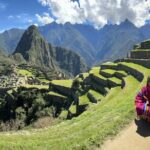
Early on, you’ll look for major Inca landmarks, including Huillca Raccay and Patallacta, plus big mountain sightlines across the Urubamba area. You’ll also catch views of the W’akay Willca peak (called Veronica in the route description), which towers above the valley.
One thing I like about day 1 is that it doesn’t treat the scenery like filler. You’re moving from site to site while the route climbs. The first day ends with arrival at Wayllabamba Camp near the small village of the same name, around 3,000m / 9,842 ft.
You’re camping by the evening with support: set-up is handled, and the route description notes night temperatures around 5°C depending on the month. This is a good day to understand how cold “camp cold” can feel once the sun drops.
Day 2: Dead Woman’s Pass to Pacaymayu and Runkurakay
Day 2 begins with breakfast made by the cooks, then it’s out into the cold and dark early enough to feel the altitude. The route starts at 5:30am, and you’ll need most of the daylight for what comes next.
The climb is the headline of day 2: Abra de Warrmihuañusca, also called Dead Woman’s Pass, at 4,200m / 13,779 ft. This is the kind of ascent that makes you slow down and focus on breath. You’re gaining altitude steadily, and the trail is described as part of the Inca pilgrimage route to connect with the apus, the mountains viewed as protectors.
After a rest at the pass, you descend toward Pacaymayu for lunch at about 3,550m / 11,646 ft. This stop is more than food. The route notes hummingbirds and native plants, including Polylepis, a tree that grows in cloud forest around 3,650m / 11,972 ft. If you’re the kind of person who likes noticing details instead of just checking boxes, this is your moment.
Then comes the second climb: about 2 hours steep uphill to Runkurakay Pass near 4,000m, followed by setting up camp by around 5pm. Night temps here are listed around 4°C.
Practical takeaway: you’ll feel your body working on day 2, so plan your energy like a smart mountaineer. Warm layers, steady breathing, and not rushing the steep parts make a bigger difference than you’d think.
Day 3: Phuyupatamarca, Intipata steps, and Wiñay Wayna camp
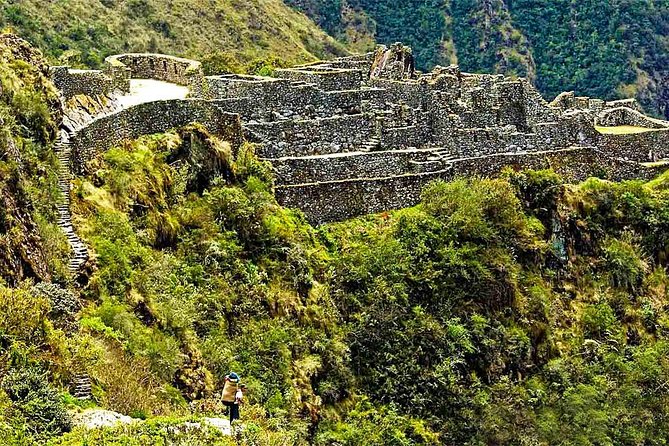
Day 3 is where the Inca Trail starts feeling like a sequence of engineered moments: viewpoints, cloud-forest walking, agricultural terraces, then ruins close to camp.
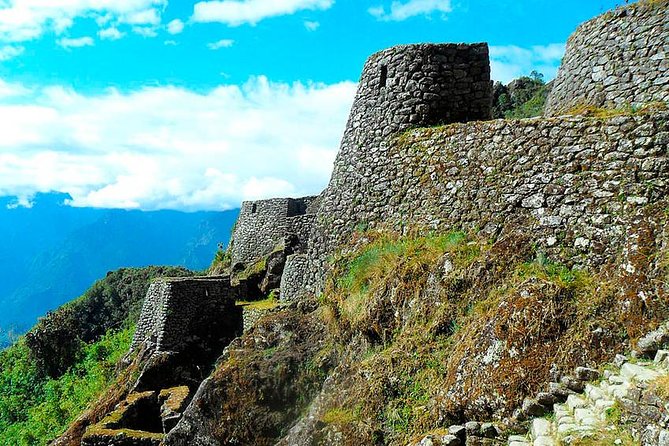
The total trek distance is about 10km, with around 5 hours walking. You start after breakfast and climb gently to Phuyupatamarca, meaning Town in the Clouds, at roughly 3,680m. The big payoff here is the view network: mountains, canyons, and the sense of scale across the Andes.
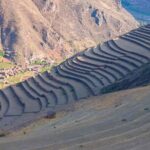
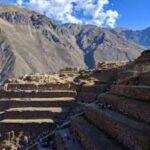
Then you continue toward more Inca sites and hit a famous workload: about 3,000 steps through cloud forest leading to Intipata, an agricultural Inca site. Step-heavy days can be mentally tough, but the payoff is real because you’re not just climbing for height—you’re walking through a place that was designed for human movement and agriculture at altitude.
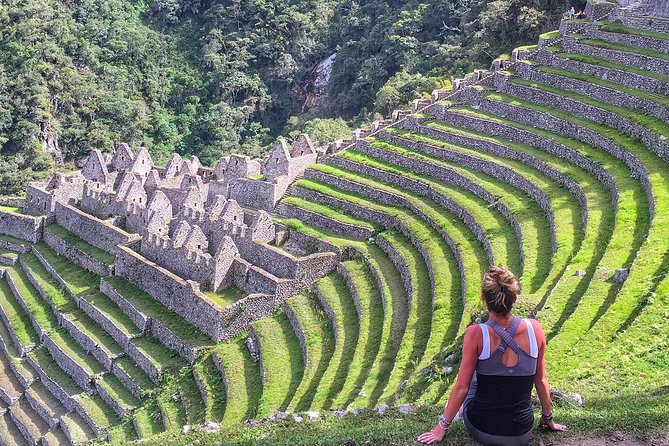
Later, you reach your third campsite, Wiñay Wayna, around 2,680m / 8,792 ft. The day is timed so you arrive by lunchtime, which gives you time to recover before the final push. And the route notes that the Wiñay Wayna Inca site is close to camp, making it a natural place to visit with fresh legs.
This is also where camp comfort matters more. Your tent setup, foam pad, and the team running camp logistics help your body rebound so you can handle day 4’s early sunrise walk.
You can also read our reviews of more tours and experiences in Cusco

Day 4: Intipunku before sunrise and your first full view of Machu Picchu
Day 4 is shorter on paper—about 5km and around 2 hours—but the timing makes it feel longer. You wake early, eat an early breakfast, and head out to Intipunku (Sun Gate) at 2,730m / 8,792 ft before sunrise.
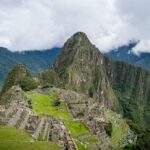
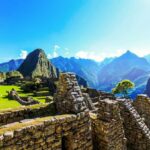
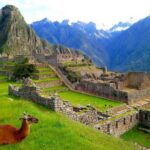
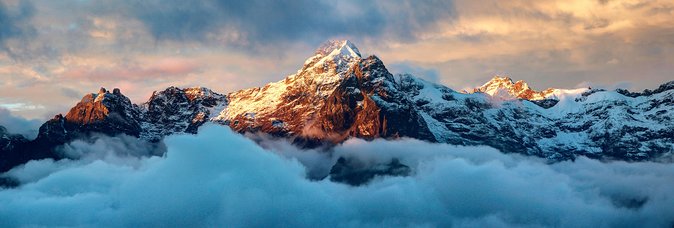
You’re walking into the moment the route is designed for: you’ll get your first major view of Machu Picchu at about 2,400m / 7,873 ft. This is the part many people remember most, because you’re not staring at ruins under harsh midday conditions. Instead, you’re arriving during the calm window when the day is just starting.
After that, the plan includes the next steps off the mountain system: you’ll use local transport, including the bus down from Machu Picchu to Aguas Calientes, and then the included train return service back to Ollantaytambo, with collection from the Ollantaytambo station on day 4.
If you’re thinking about pacing and how to enjoy Machu Picchu without feeling rushed, this early route plan is a big reason this private service format is worth considering.
Price and value: what $1,395 is really covering
At $1,395 per person, you’re paying for much more than “someone leads the way.” This is a full trekking operation: guide support, camp setup, equipment, food service, and the Machu Picchu transfer structure.
Included items that directly affect value:
- Professional bilingual guide (plus an assistant guide for groups of 9 or more)
- Transportation to kilometer 82 and then train back to Ollantaytambo
- Bus from Machu Picchu down to Aguas Calientes
- Camping setup: tent with tables, 4-man tents (per 2 people), and foam sleeping mattresses
- Porters for cooking and camping equipment
- Personal porter to carry up to 7kg of your personal effects
- Oxygen bottle and a first aid kit
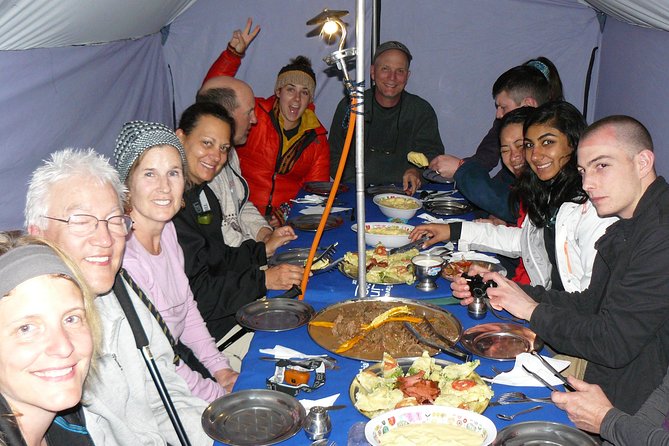
- Most meals: the included list covers breakfast (3), lunch (3), and dinner (3), while the not-included notes say specific meals on the last day are not included for the Inca Trail portion
So what’s the catch? The not-included list is important if you’re budgeting tightly. Single supplement is $60. Huayna Picchu is not included, and entrance fees (including Huayna Picchu) are separate. Also, the Inca Trail notes say first breakfast, lunch, and dinner on the last day are not included, so you’ll want a little cash or card-ready budget for that portion.
For many people, the cost feels high until you add up the equipment, staff, and food service. This trek handles a lot of the “basecamp” work for you, so you can focus on walking, resting, and enjoying the places you’re passing.
Gear and camp comfort: tents, mattress pads, and porter support
One of the best parts of this style of trekking is that your pack doesn’t control the whole experience. The route includes a personal porter for up to 7kg, plus additional porters carrying cooking and camping equipment.
You also get the core camp comfort:
- A dining tent with tables and chairs
- 4-man tents with space for 2 people per tent segment
- Foam sleeping mattress
- First aid kit and an oxygen bottle
Warmth matters because nights can be cold. Day 1 and Day 2 camp temps are described around 5°C and 4°C respectively depending on the month. This isn’t Arctic cold, but it’s enough that a good layer system changes everything. Since walking sticks are not included, if you like using them for the steep step sections, bring your own.
Huayna Picchu planning: when your ticket can tangle the schedule
If you want Huayna Picchu, tickets need to be booked well in advance. The info provided lists two time windows: 7am–8am or 10am–11am. If you secure the 7am–8am session, you may probably have to miss the guided Machu Picchu tour portion.
So here’s the practical decision: pick what matters more to you—Huayna Picchu views from that steep viewpoint, or a guided tour of Machu Picchu itself. Either choice can be great, but mixing them without paying attention to the timing can lead to compromises.
Who this trek fits best (and who should rethink it)
This is listed as suitable for people with moderate physical fitness and a minimum age of 10 years. The trek includes steep climbs like Dead Woman’s Pass and heavy step sections (including the big step count toward Intipata on day 3).
If you’re someone who handles hills and stairs without panic, you’ll likely enjoy the whole arc: ruins on day 1, major altitude effort on day 2, a step-heavy day 3 into a close-to-ruins camp, then a short-but-early day 4 to Machu Picchu.
If you’re dealing with medical limitations related to altitude, you should talk with your doctor before committing. Even with an oxygen bottle and first aid kit, altitude affects everyone differently.
Should you book this private 4-day Inca Trail?
I’d book it if you want the Inca Trail experience without turning the trek into a logistics puzzle. The combination of private service, included camp infrastructure, and staff support (porters, cook, oxygen bottle, first aid) is exactly what makes this kind of trek feel doable and still exciting.
Skip or rethink if you know you’ll struggle with early starts and steep climbs, or if you’re not willing to plan for Huayna Picchu ticket timing. Also remember that it’s not a casual pace trek: you’re walking in the Andes with real altitude.
If you’re aiming for value, this option tends to make sense because much of the expensive “extras” are already covered. You’re buying time, comfort, and a guided route designed around the controlled Inca Trail schedule and Machu Picchu sunrise approach.
FAQ
What time do we start on day 1?
You’ll meet very early, with the start time listed at 4:00am and the meeting point at your hotel around 4:30am.
Where does the trek check-in happen on day 1?
The group continues to Piscacucho for check-in, and you’ll need to show your passport and tickets at the control point.
Are tents and sleeping gear included?
Yes. You get dining tent access with tables and chairs, 4-man tents (for 2 people), and foam sleeping mattresses.
What meals are included, and what’s not?
The package includes breakfast (3), lunch (3), and dinner (3). For the Inca Trail, the first breakfast, lunch, and dinner on the last day are not included.
Do I need to carry my own gear?
Not all of it. You’ll have porters for cooking and camping equipment, plus a personal porter to carry up to 7kg of your personal effects. Walking sticks are not included.
Is Huayna Picchu included?
No. Huayna Picchu entrance is not included, and you need to book it well in advance if you want to climb.
What about oxygen and medical support?
An oxygen bottle and a first aid kit are included.
Is it refundable if I cancel?
No. This experience is non-refundable and cannot be changed for any reason.