REVIEW · CUSCO
Classic Inca Trail 4 days to Machu Picchu
Book on Viator →Operated by Quechuas Expeditions · Bookable on Viator
The Inca Trail still feels like magic. This 4-day Classic Inca Trail routes you from Cusco to UNESCO-listed Machu Picchu via the most beautiful approach—Sun Gate—while handling the big logistics like transport, permits, camping setup, and most meals.
Two things I really like here are the way your guide and porters keep you moving (with camping gear carried for you), and the fact that permits and tickets for Machu Picchu are part of the package. The one thing to keep in mind is that operational details can be uneven—so I’d plan to bring your own water treatment and be ready for basic camp comforts, based on past experience with this provider.
In This Review
- Key highlights to know before you go
- Cusco to km 82: your day starts with the logistics already handled
- The classic 4 days on foot: what the hike is really like
- A note on the “dense jungle” feel
- Camping setup and meals: the part that keeps morale from collapsing
- Vegetarian option: real and included
- Two names to remember: Freddy and Armando
- Permits, tickets, and why Sun Gate is part of the value
- The Machu Picchu day: the arrival moment and the real logistics after
- Toilets and treated water: bring your own backups
- Train expedition back: leaving the mountain feels smoother with the right connection
- Price and value: is $1,050 a good deal for a 4-day Classic?
- What to pack (and what matters most for this route)
- Who this Classic Inca Trail suits best
- Should you book this 4-day Classic Inca Trail?
- FAQ
- FAQ
- How long is the Classic Inca Trail to Machu Picchu?
- Where does the trek start?
- Is pickup from my Cusco hotel included?
- Does the tour include a professional guide?
- Are meals included?
- Is there a vegetarian option?
- Are Inca Trail permits and Machu Picchu tickets included?
- How does the return to Cusco work?
- What is the maximum group size?
- What should I bring for the trip?
- Can I change or cancel after booking?
Key highlights to know before you go
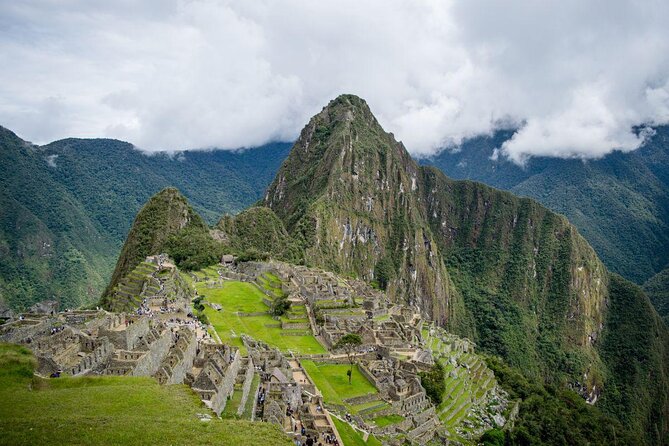
- Sun Gate arrival: the moment the view opens up before reaching Machu Picchu
- Porter support for camping gear: you carry a day pack, not the whole camp
- Meals built into the trek: with a vegetarian option included
- Permits and Machu Picchu tickets included: less guesswork, fewer bottlenecks
- Max 16 travelers: smaller group energy than the big multibus tours
- Train + bus return: expedition back from Aguas Calientes to Ollantaytambo, then on to Cusco
Cusco to km 82: your day starts with the logistics already handled
Your trip begins with pickup from your Cusco hotel and a transfer to km 82, the trailhead. That matters more than it sounds. The Inca Trail isn’t just a hike; it’s a schedule made of permits, timed entry, and connections. Having the transfer set means you can focus on the first steps instead of losing time to finding the right bus or meeting point.
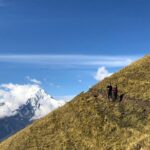
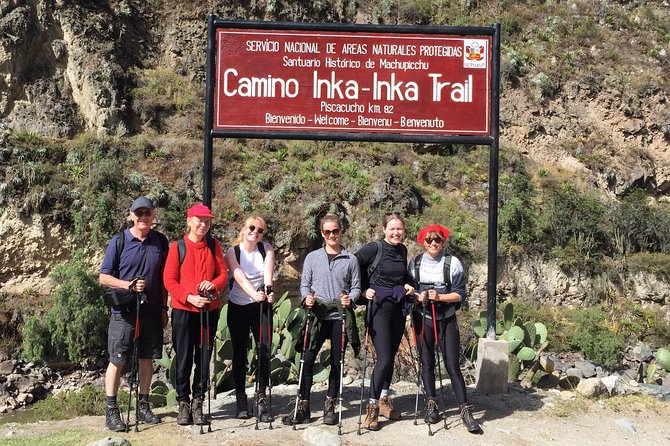
Once you’re at the trailhead, the vibe shifts fast. The trail leaves the roads behind and moves into the dense jungle feel of the route. This is the part where you’ll notice two practical things: you’ll walk more than you think, and the weather can change without asking your opinion. The best preparation here is simple—rain gear that you can actually use, and shoes you trust.
If you’re the type who likes to be prepared, you’ll appreciate that the package includes camping infrastructure: tents, air mats, cooking tents, and even portable chairs and tables. That doesn’t turn the trek into a hotel. It just makes camp life easier to manage when you’re tired.
You can also read our reviews of more tours and experiences in Cusco

The classic 4 days on foot: what the hike is really like
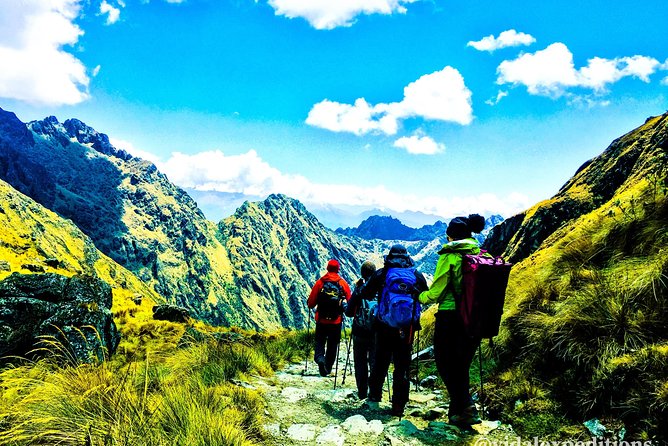
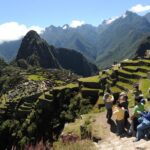
This Classic Inca Trail is famous for a reason: it combines major Incan sights with long, varied trekking through changing scenery. You’re not just walking toward Machu Picchu—you’re moving through layers of history, stonework, and viewpoints that built travelers’ reputations for this route over decades.
Here’s the rhythm you should expect across the four days, in human terms:
Day 1 is about getting underway and settling into the pace. You start from the trailhead, hike through the jungle section, and pass by Incan sites along the way. You’ll also feel how the trip is designed around guided timing: you don’t stop randomly; you pause when it helps the group and the route.
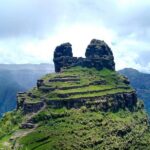
Day 2 tends to be more about endurance. You’re still surrounded by dense jungle vegetation for much of the route, and you’ll feel the daily build-up. The payoff is that you’re walking through places that feel like they were made for slow attention—Incan remnants appear as you crest sections and move between valleys.
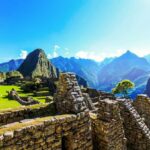
Day 3 is the big day. The highlight is the final approach that leads to Sun Gate, the famous dramatic entrance to Machu Picchu. This is where the trek stops feeling like training and starts feeling like arrival. If you’ve ever seen photos of Sun Gate before Machu Picchu, this is the moment people mean—the view opens, and you’re suddenly in the final chapter.
Day 4 is mostly your transition day back. After Machu Picchu, you connect onward to Machu Picchu Pueblo (Aguas Calientes) and then catch the included train expedition back toward the Sacred Valley area, landing in Ollantaytambo. From there, there’s bus back to Cusco. It’s a different kind of walking day—more about moving efficiently with your group than pushing uphill.
A note on the “dense jungle” feel
Your clothing matters here. You’ll likely deal with wet trails, damp air, and sudden rain. I’d treat rain gear as essential, not “maybe.” The packing guidance for this trip includes a rain poncho or rain jacket, plus wind/rain pants, and a windproof layer.
Camping setup and meals: the part that keeps morale from collapsing
Let’s talk camp, because camp is where tours either feel organized—or not.
This package includes camping equipment: tents, air mats, cooking tents, and portable chairs and tables. Add in the fact that porters carry the camping equipment and food, and you can keep your load reasonable. That’s a big deal on the Inca Trail, because your body already has enough opinions.
Meals are built into the trek with 4 breakfasts, 4 lunches, and 3 dinners listed in the included coverage. The one clear gap called out is that breakfast on day 1 and lunch on day 4 are not included. Translation: eat before you start on day one, and plan for a meal situation on day four.
Vegetarian option: real and included
If you eat vegetarian, you’re covered. The vegetarian option is included at no extra cost. When food is planned for a trek, it usually means you’ll spend less time worrying about what’s available and more time enjoying the walk.
Two names to remember: Freddy and Armando
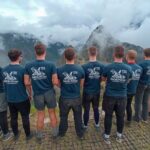
The human side matters, too. One guide name you’ll hear in connection with this route is Freddy, praised for strong knowledge of Quechuan history and culture. Another name, Armando, comes up as a cook whose meals were prepared with camp cooking equipment and described as worthy of a fine restaurant.
That combination—guide who can explain what you’re looking at, and a cook who can feed you well—turns a tough hike into a story you remember.
Permits, tickets, and why Sun Gate is part of the value
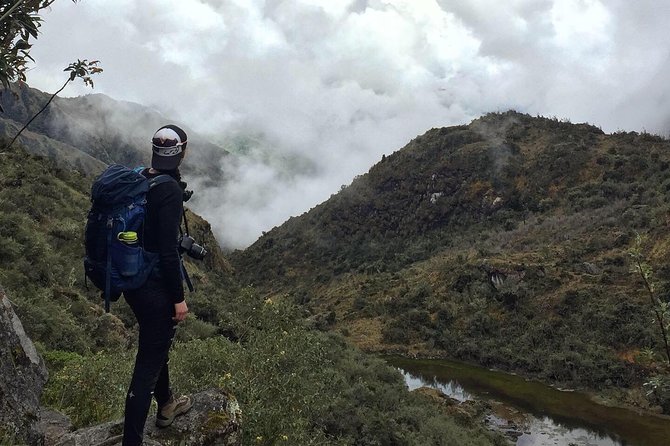
Machu Picchu tickets are not a “nice to have” add-on. They’re the core of the whole trip. This package includes the Inca Trail and Machu Picchu permits and tickets, which reduces the risk of scrambling when schedules shift.
Then there’s the access route. This Classic option is known for arriving at Machu Picchu via Sun Gate, described as the most beautiful sungate approach. In practical terms, it means your day isn’t only about walking; it’s timed so you reach Machu Picchu at the right moment rather than arriving tired and late.
Also, the trek is guided. Your guide walks you through dense sections and also helps connect the dots with what you’re seeing. That matters because Machu Picchu isn’t just scenery. It’s a site where context changes how you experience the stones.
The Machu Picchu day: the arrival moment and the real logistics after
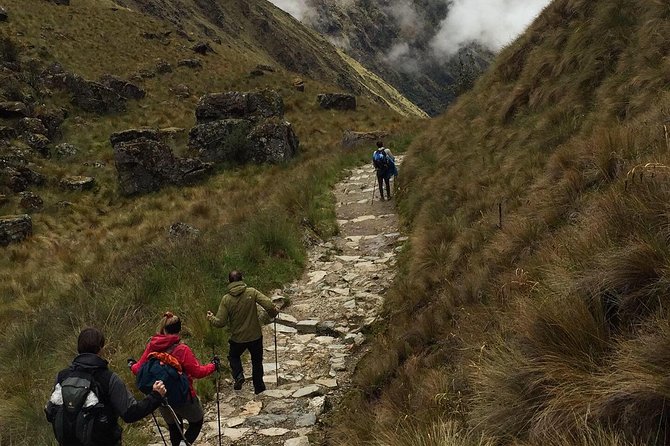
On day three you’re on the move toward Sun Gate, then you arrive at Machu Picchu as the final destination. This is the emotional payoff part of the trek. It’s also the part where details outside the main hike can make or break your day.
Here’s the balanced bit: the overall idea is smooth—your guide leads the way on the trail, and the permits and tickets are included. But there have been past reports of guide coverage not extending all the way to your hotel follow-through after Machu Picchu. The practical risk is that you might need to handle parts of getting settled in Machu Picchu Pueblo on your own—like train and bus coordination and locating equipment left by porters.
That doesn’t mean the trip is a disaster. It means you should manage your expectations and prep your questions. When you confirm the plan, ask exactly when your guide is with you and what you’re responsible for after the Machu Picchu portion.
Toilets and treated water: bring your own backups
Two logistical issues worth planning around:
- Toilet situation: there have been reports of no clean portable toilet provided, forcing people to use worse facilities along the trail.
- Water: there have also been reports that treated or filtered water wasn’t provided, requiring travelers to rely on their own filter.
Even if those issues don’t happen to every group, you can reduce stress by bringing your own water treatment solution. The packing guidance even includes water sterilizing tablets (Micropur). I’d treat that as a baseline, not a backup.
Train expedition back: leaving the mountain feels smoother with the right connection
The return is included in the package. After your time in Aguas Calientes, you take the train expedition back to Ollantaytambo, then a bus ride back to Cusco.
This part is valuable for one simple reason: you don’t have to negotiate or hunt for connections while you’re tired. After four days on your feet, efficiency is comfort.
Also, keep in mind that this portion can feel like a shift from active hiking to travel transitions. Your best move is to stay organized with your essentials: ID, cash for small incidentals, and anything you need access to quickly (phone battery, meds, a small snack if you’re delayed).
Price and value: is $1,050 a good deal for a 4-day Classic?
At $1,050 per person, this tour sits in the “serious trek” price range. Whether it’s a good value depends on what you compare it to.
Here’s what you’re paying for that’s hard to piece together yourself:
- Permits and Machu Picchu tickets included
- Professional tour guide
- Porters carrying camping equipment and food
- Camping gear provided (not just advice)
- Round-trip transport coverage: Cusco pickup and the train + bus return
- A meal plan that covers most of the trip (with the specifically noted exceptions)
That’s not cheap. But it reduces the big hassles that can turn a dream hike into a logistical headache. For many people, the cost feels easier to justify once they realize how much is bundled: you’re buying time saved, planning reduced, and route authorization handled.
Where you might want to be extra picky is not the price. It’s the operational details—water handling, toilet support, and whether your guide’s role continues through the full post-Machu Picchu transfer flow.
Also note the group size limit: maximum 16 travelers. Smaller groups can mean more manageable pacing and less chaos during meal and camp setups.
What to pack (and what matters most for this route)
The trip comes with some key camping items, but you still bring a lot. The packing guidance includes the kinds of gear you’ll need for rain, cold at night, and long walking days.
Here are the essentials I’d treat as non-negotiable for comfort:
- Rain protection: rain poncho/jacket and wind/rain pants
- Warm layers: a wind stopper layer and lightweight sweater
- A sleeping bag rated to -11 C / 12 F
- Walking poles (2 are advised in the guide list)
- Headlamp (for camp timing and early starts)
- UV protection: sunhat and good UV sunglasses
- Water treatment: sterilizing tablets like Micropur, plus your own plan if you’re cautious
You’ll also want proper socks and gloves. The guidance calls for wool or synthetic socks, and gloves plus a fleece or wool hat.
One more practical tip: pack a day backpack for the things you need to access quickly. If your load is too bulky, it’s not fun, and you’ll notice it on day two and three.
Who this Classic Inca Trail suits best
This trip is aimed at people with strong physical fitness. That phrase is doing a lot of work. You’re signing up for four days of trekking where your pace and endurance matter.
It’s also a good fit if you want a guided, structured experience—where you’re not figuring out camp logistics or ticket timing. If you prefer to spend your mental energy on the views and the Incan sites, this kind of bundle is the right style.
It may be less ideal if you’re the type who needs polished, hotel-level smoothness in every single detail—especially around toilets, water treatment, and who exactly handles what after Machu Picchu.
Should you book this 4-day Classic Inca Trail?
If you want a once-in-a-lifetime trek with Sun Gate arrival, and you value having permits, tickets, guiding, and portered camp setup handled, I think this Classic option is worth considering.
I’d book only if you’re comfortable doing two small things in advance:
- Confirm how post-Machu Picchu logistics work—especially what your guide does and what you handle.
- Plan your own water backup and don’t assume treated water is always provided.
If those boxes are checked, the core experience—Inca Trail hiking, the Sun Gate approach, and reaching UNESCO-listed Machu Picchu—has the kind of payoff you can’t really fake with a shortcut.
FAQ
FAQ
How long is the Classic Inca Trail to Machu Picchu?
It runs about 4 days.
Where does the trek start?
The included transfer takes you from Cusco to km 82, the trailhead.
Is pickup from my Cusco hotel included?
Yes. Pickup from your hotel and the transfer from Cusco to km 82 are included.
Does the tour include a professional guide?
Yes. A professional tour guide is included.
Are meals included?
Meals are included for most of the trek. Breakfast on day 1 and lunch on day 4 are not included.
Is there a vegetarian option?
Yes. A vegetarian option is included with no extra cost.
Are Inca Trail permits and Machu Picchu tickets included?
Yes. Inca Trail and Machu Picchu permits and tickets are included.
How does the return to Cusco work?
You take the train expedition from Aguas Calientes to Ollantaytambo, then a bus back to Cusco.
What is the maximum group size?
The tour activity has a maximum of 16 travelers.
What should I bring for the trip?
The provided gear guidance includes items like rain poncho or jacket, wind/rain pants, walking poles, a headlamp, UV sunglasses, and a sleeping bag rated to -11 C / 12 F, plus personal essentials like toiletries, medicines, and a day backpack.
Can I change or cancel after booking?
No. This experience is non-refundable and cannot be changed for any reason.