REVIEW · CUSCO
Salkantay Trek 4 Days to Machu Picchu by Glamping Sky Lodge Dome
Book on Viator →Operated by Quechuas Expeditions · Bookable on Viator
Cold mornings, big mountains, clear plan. This 4-day Salkantay trek finishes at Machu Picchu with glamping-style Sky Lodge domes, not basic ground tents, plus a full crew to keep you moving and fed. I especially like the early start structure (you’re up and on the trail when the light is good) and the way meals and warm drinks are handled so you’re not guessing how you’ll fuel for altitude.
One thing to think about: this is still a serious high-altitude hike. The route includes a top pass around 4650m, nights can be very cold, and Day 2 is the longest push.
In This Review
- Key highlights (the stuff that matters)
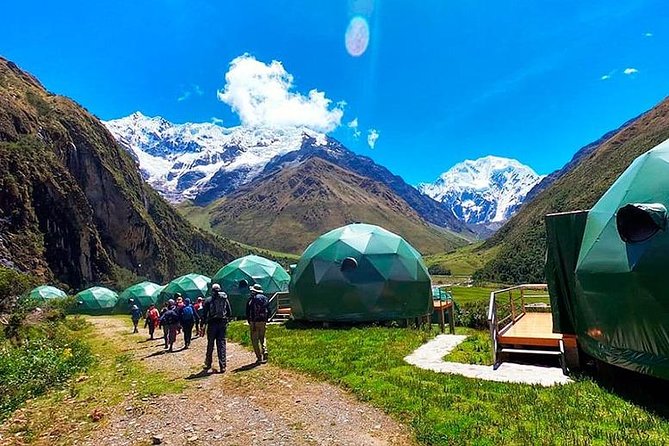
- Dome Comfort on the Salkantay-to-Machu Picchu Route
- The Crew and Group Size That Make It Feel Manageable
- Day 1: Cusco Morning Transport, Mollepata Start, and Cruzpata Views
- Day 2: The Highest Pass (4650m), Possible Snow, and Cloud-Forest Descent
- Day 3: Upper Jungle Walk to La Playa With Waterfalls and Tropical Finds
- Day 4: Sunrise-Style Machu Picchu Arrival and a Guided First Look
- What the Sky Lodge Domes Actually Change
- Food, Hot Teas, and Why the Chef Matters at Altitude
- Gear and Packing: What to Bring for Cold Nights and Real Rain
- Price and Logistics: Does $761.91 Really Cover What You Think It Covers?
- Who Should Book This Salkantay Trek With Dome Lodging?
- Should You Book It?
- FAQ
- Is pick-up included from my hotel in Cusco?
- How long is the trek, and when does Machu Picchu happen?
- Are meals included?
- What lodging is included during the trek?
- Is a hotel included in Aguas Calientes?
- Do I need special trekking gear?
- Is Machu Picchu entrance included?
- Are there extra fees for Salkantay/Humantay?
- How do we travel after Machu Picchu?
- What if I need to cancel?
Key highlights (the stuff that matters)
- Dome glamping on the trail with a real sleeping setup and less fuss than tent camping
- Small-group feel with a stated max of 19 travelers
- Day 2 pass views with a real chance of snow near the top
- Hot teas and strong meals (vegetarian is included) to keep energy steady
- A guided Machu Picchu walk after an early start, plus time to explore on your own
- Emergency-ready support including a first-aid kit with emergency oxygen
Dome Comfort on the Salkantay-to-Machu Picchu Route
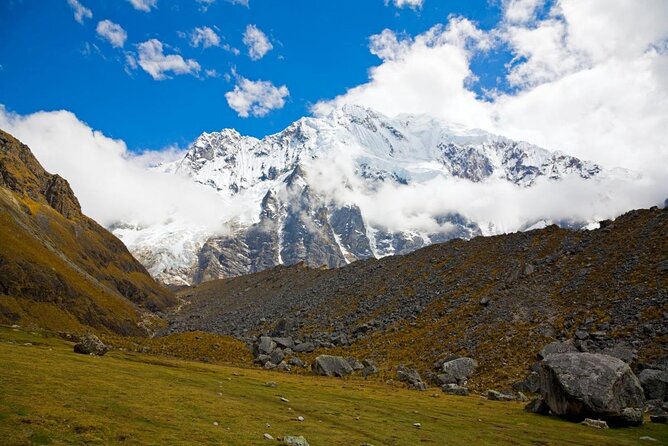
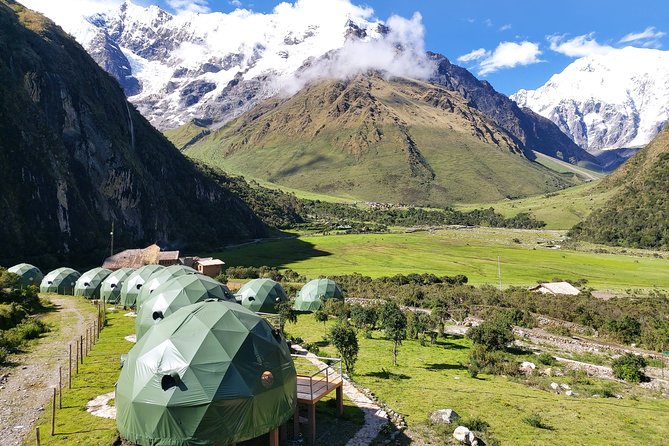
Salkantay has a reputation for being tough. This version keeps the adventure, but upgrades the day-to-day comfort in two key ways: you’re sleeping in Sky Lodge domes and you get proper recovery time with a hotel night in Aguas Calientes (private shower and bathroom included).
Why that matters for you: a trek like this is won or lost in the “in-between” moments. When you’re dealing with altitude and cold, comfort isn’t a luxury. It’s what helps you wake up functioning for the next climb. The dome setup also makes nights feel more like a base camp than survival mode—still chilly, but far less miserable than ground tent life.
Also, you’re not doing this as a solo project. A professional guide leads the group (English & Spanish), plus an assistant guide for larger groups and a crew that includes a cook and horseman/porters.
You can also read our reviews of more hiking tours in Cusco
The Crew and Group Size That Make It Feel Manageable
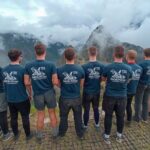
This trek runs with a maximum of 19 travelers, and that’s a sweet spot for staying organized without feeling like cattle. You’ll also get a briefing the night before, which is underrated. For Salkantay, the biggest risk is going out too fast. A good briefing helps you start calmer on Day 1 and pace smarter on Day 2.
You may meet guides such as Fernando, Nildo, Jose, and supporting staff like Steven and Adela (names come up in the trek’s past groups). Across those accounts, the consistent theme is clear: guides focus on safety at altitude and explain what you’re seeing—mountain features, local culture, and how the Andes work day to day. One guide detail worth noting: Fernando is mentioned as providing coca leaves, which some people use for altitude comfort.
And yes, the food crew is part of why this feels good. A strong cook matters when you’re hiking hard. More than one past group praises the chef’s meals and warm soups that come at the right time—after cold and effort, not hours later.
Day 1: Cusco Morning Transport, Mollepata Start, and Cruzpata Views
Day 1 begins early. You’re picked up from your hotel around 4:30 a.m., and you’ll ride for about 3 hours toward the start point (Mollepata is named as the launch area). There’s also an included tourist bus portion from Cusco to Challacancha (trailhead)—so expect early transfers before you’re fully on foot.
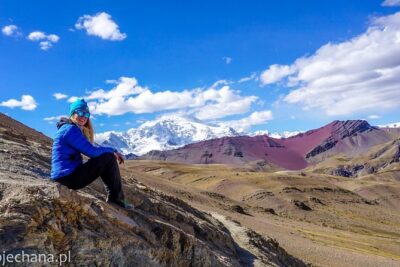
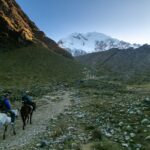
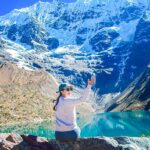
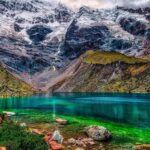
Once you arrive near Mollepata, you’ll have breakfast while the cook and the horseman pack gear for trekking camp. Then you start hiking. The first three hours include a bit of uphill work to get to Cruzpata, where you stop for lunch with big panoramic views. The mountains called out here are Humantay (4120m / 13,500 ft) and Salkantay (6271m / 20,575 ft). Even though Day 1 isn’t the hardest day, this lunch stop sets the emotional tone: you’re already looking at the real stars of the show.
From there, you continue to your first campsite: Soraypampa (3800m / 11,750 ft). It’s described as the highest and coldest campsite of the trip. That’s a useful detail for you when packing. If you plan to wear the right layers, Day 1 night is your first test—before the big pass.
Practical takeaway: keep your expectations realistic. Day 1 feels like a warm-up, but the elevation and cold are not imaginary.
Day 2: The Highest Pass (4650m), Possible Snow, and Cloud-Forest Descent
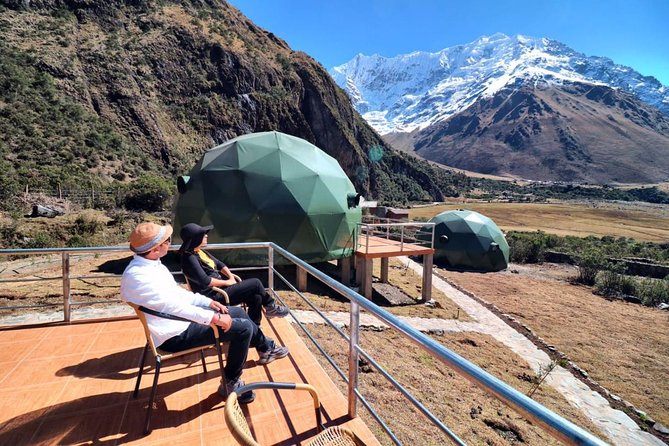
This is the day that earns the Salkantay reputation. You begin walking around 5:30 a.m. after breakfast. The first part is uphill for about four hours to reach the highest point of the trek at 4650m / 15,200 ft.
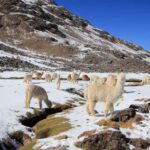
The pass sits halfway between Salkantay and Tucarhuay. That positioning matters because you get dramatic, wide views in both directions once you’re near the top. The route description also notes a possibility of snow. You don’t need to panic about that, but you should plan for it with the clothing listed by the operator (more on packing below).
After the pass, you’re rewarded with a downhill route through cloud forest. The idea is simple: go down, keep moving, and let your legs recover while your eyes keep working. Lunch is at Huayracpunku.
Then the trek continues toward the start of the jungle. The plan includes reaching Chaullay, where you take local transportation for 1 hour to the next campsite: Loreta La Playa Coffee Campsite. That transfer is a real quality-of-life piece. It breaks the hike into manageable sections rather than forcing the whole day to be on foot.
Practical consideration: if you’re thinking, “I can do altitude, but my knees complain,” Day 2 is where you’ll feel it. Bring trekking poles if you can. They help on the steep sections and can save you from paying for the pass later.
Day 3: Upper Jungle Walk to La Playa With Waterfalls and Tropical Finds
Day 3 starts at 6:30 a.m. after breakfast. You’ll hike through the upper jungle, crossing the Lluskamayo River and moving past little brooks along the way. The total walk time is about six hours, and the description emphasizes valleys, waterfalls, and tropical plants and fruits.
This is often the day hikers describe as more “moving meditation” than “big effort,” even though it’s still strenuous. The terrain tends to feel different—less like a high alpine grind and more like living, wet, green terrain. Your guide and team also help here, because you’re usually walking with wet gear, cold patches, and constantly changing ground. Having a team that’s prepared for that keeps you from overthinking.
By the end of the hike, you reach La Playa. From there, the trek’s full plan continues toward your final Machu Picchu day (including your hotel night in Aguas Calientes with private facilities).
You can also read our reviews of more tours and experiences in Cusco
Day 4: Sunrise-Style Machu Picchu Arrival and a Guided First Look
Day 4 starts very early: you wake around 4:00 a.m., then breakfast is at about 4:30 a.m. After that, you head toward Machu Picchu.
You have two options on how to get up:
- Walk up: about 1.5 hours to Machu Picchu
- Catch the first bus: leaves around 5:30 a.m., with a 25-minute ride so you can arrive during sunrise and catch the city in early light
If you care about photos and first impressions, I’d lean toward the bus option. It’s faster, and it gives you more time inside the site before crowds fully form.
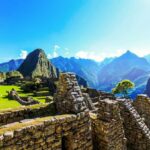
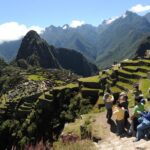
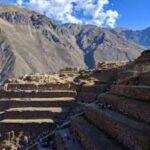
Once you arrive, there’s a walking tour of about 2 hours guided by your leader. After that, you can explore on your own. This is your window to linger—on the terraces, in the views, and in the little corners you’d miss if someone kept steering you onward.
The trek also includes Machu Picchu entrance fees, so you’re not scrambling at the last moment. And the itinerary includes the plan to return after: train from Aguas Calientes to Ollantaytambo, then bus back to Cusco.
One timing note from prior groups: getting up early for sunrise and planning for Circuit 2 is specifically called out as a smart move.
What the Sky Lodge Domes Actually Change
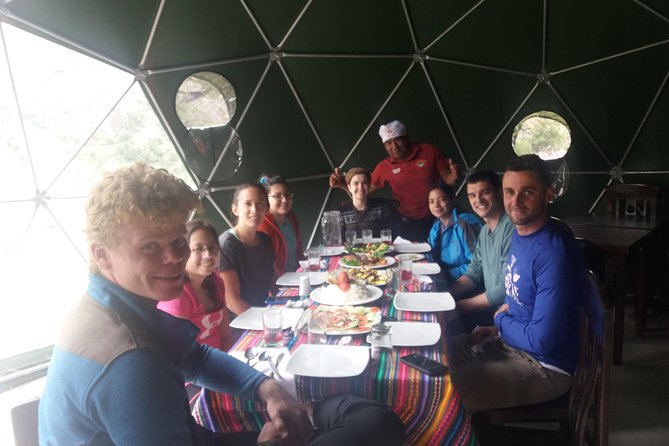
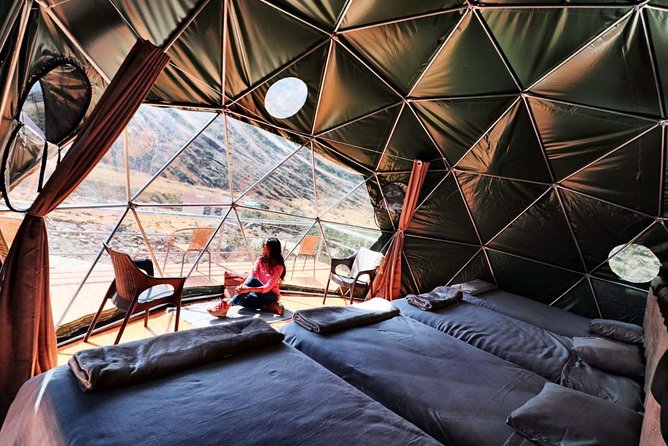
Calling this glamping is fair, but here’s what you should focus on: domes reduce the “camp chaos.” You’re not wrestling with a tent in wind and cold, and you’re not sleeping like a field survivor.
Based on the operator info, you’ll get:
- Dome accommodation for the group configuration you request (two-bed / three-bed / four-bed options depending on availability)
- Private shower and bathroom included for the Aguas Calientes hotel night
- Rain ponchos provided
- A duffel bag for personal belongings
- A sleeping bag rated to -11°C / 12°F
Hot water is mentioned in past groups as available. That matters on cold nights. It makes the next day feel possible.
The trade-off: domes don’t mean you’re in a warm cabin. You’ll still be at high elevation. If you show up with weak insulation, you’ll feel it. So use the sleeping bag rating seriously, not casually.
Food, Hot Teas, and Why the Chef Matters at Altitude
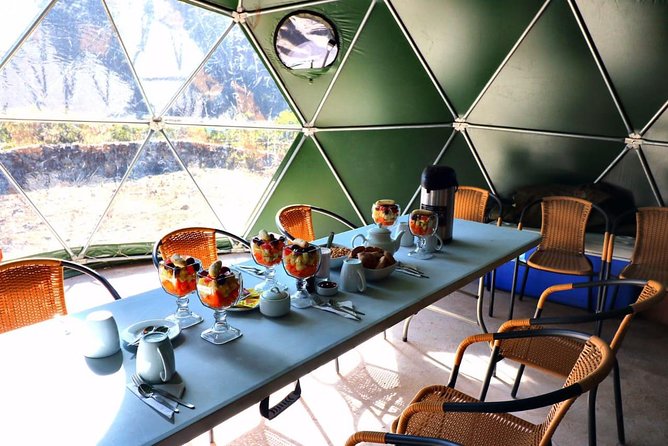
This trek includes meals in a predictable rhythm: 3 breakfasts, 3 lunches, 3 dinners, plus 3 afternoon hot teas. Vegetarian options are included with no extra cost.
The practical value is that you’re not trying to buy snacks every few hours or wondering if you’ll get enough salt and calories. With altitude, steady intake helps you keep pace and keeps headaches and sluggishness from turning into a spiral.
Past groups specifically praise warm soups and the chef’s ability to produce high-quality meals in mountain conditions. When the day ends at a cold altitude, warm food changes your entire mood.
One small catch: breakfast on Day 1 and lunch on Day 4 are listed as not included. So you’ll want to be ready for Day 1 with what the team provides after pick-up, and you’ll want a plan for Day 4 lunch if you’re the type who hates waiting.
Gear and Packing: What to Bring for Cold Nights and Real Rain
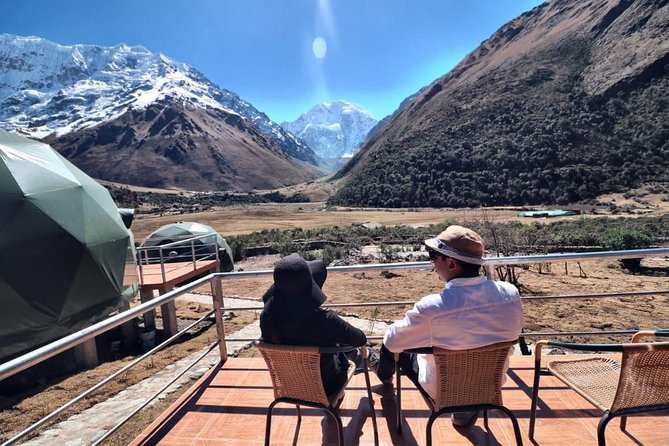
The operator recommends standard trek gear with good-quality items and gives a clear checklist. Here’s what I’d treat as non-negotiable for comfort and safety:
- Sleeping bag rated to -11°C / 12°F
- Warm top layers: poly/fleece wind stopper jacket and at least one light sweater layer
- Rain protection: a rain poncho (preferred) or rain jacket
- Wind/rain pants (like Gore-Tex or similar)
- Trekking poles (recommended)
- Headlamp (or torch)
- Gloves, hat, and UV glasses for high sun and cold
- 4 pairs of wool or synthetic socks
- Used trekking boots that are broken in
- Water bottle plus optional water sterilizing tablets (Micropur is mentioned)
Also: plan for your pack weight. The horsemen/porters carry gear and personal belongings up to 7 kg for you. You’ll still want a day pack for water and layers.
If you get choice in sleeping arrangements, remember: being too cold or too uncomfortable on the first night can snowball. Prioritize warmth over style.
Price and Logistics: Does $761.91 Really Cover What You Think It Covers?
The price is listed at $761.91 per person, and it’s only a good deal if you compare it to what you’d otherwise have to book yourself.
Included items that usually cost real money and time on your own:
- Professional guide (English & Spanish) plus assistant support for larger groups
- Cook and cooking equipment
- Horseman/porters (carry up to 7 kg)
- Duffel bag and rain ponchos
- Dome accommodation during the trek
- Hotel night in Aguas Calientes with private shower and bathroom
- Meals (breakfasts/lunches/dinners) plus hot teas
- Emergency-ready first-aid kit including emergency oxygen
- Train back from Aguas Calientes to Ollantaytambo and bus back to Cusco
- Machu Picchu entrance fee
Not included items you should budget for:
- Entrance fee to Salkantay & Humantay (listed as 20 soles / and also PEN 20.00 per person for admission fees)
- Breakfast Day 1 and Lunch Day 4
My take on value: if you want Machu Picchu plus a guided mountain trek with covered transport, lodging, and food, this price feels aligned with the hard parts you don’t want to coordinate alone. The only way it stops being good value is if you’re the type who enjoys doing logistics and meal planning yourself, or if you’re planning to spend effort on optional add-ons anyway.
Who Should Book This Salkantay Trek With Dome Lodging?
This trek fits best if you:
- Want a high-altitude challenge but still want real comfort at night
- Prefer a guided day-by-day plan instead of improvising
- Like history and mountain explanations (guides in past groups are praised for teaching and for patience at altitude)
- Want a group size that stays under the radar (max 19)
- Can handle cold, early mornings, and a long Day 2
You might rethink the choice if:
- You’re not prepared for the physical demand of the highest pass around 4650m
- Cold nights at altitude are a big issue for you (bring the recommended layers and sleeping bag)
- You’re extremely sensitive to early wake-ups (Day 4 is wake-at-4 a.m. territory)
Should You Book It?
I’d say yes if you’re aiming for the classic Salkantay experience but you also want your sleep and meals handled. The mix of dome comfort, food planning, and a guided Machu Picchu orientation makes it less chaotic than many budget trek packages.
Before you book, do three quick checks:
- Can you confidently hike uphill and downhill on Day 2?
- Are you ready for serious cold at night and possible snow near the top?
- Do you value guided pacing and interpretation enough to justify a guided package versus DIY planning?
If you said yes to those, this trek’s structure is exactly the kind of “hard but supported” trip that makes Machu Picchu land harder—in the best way.
FAQ
Is pick-up included from my hotel in Cusco?
Yes. The tour includes pick-up from your hotel, with departure around 4:30 a.m.
How long is the trek, and when does Machu Picchu happen?
The trek runs about 4 days. Machu Picchu is visited on Day 4, early in the morning.
Are meals included?
Yes. The package includes 3 breakfasts, 3 lunches, 3 dinners, and 3 afternoon hot teas. Breakfast on Day 1 and lunch on Day 4 are listed as not included.
What lodging is included during the trek?
You get accommodation in Sky Lodge Dome lodging during the trek, with the option of different bed configurations based on your request.
Is a hotel included in Aguas Calientes?
Yes. There is 1 night in a hotel in Aguas Calientes, including a private shower and bathroom.
Do I need special trekking gear?
No special equipment is required beyond normal trek gear of good quality. The packing list includes key items like a sleeping bag rated to -11°C / 12°F, rain poncho, layers, and trekking poles.
Is Machu Picchu entrance included?
Yes. Machu Picchu entrance fees are included.
Are there extra fees for Salkantay/Humantay?
Yes. Entrance/admission fees for Salkantay & Humantay are not included and are listed as 20 soles / PEN 20.00 per person.
How do we travel after Machu Picchu?
The package includes train back from Aguas Calientes to Ollantaytambo, plus bus transportation back to Cusco.
What if I need to cancel?
This experience is non-refundable and cannot be changed for any reason. If you cancel or request an amendment, the amount paid is not refunded.