REVIEW · CUSCO
From Cusco: Moray, Maras Salt Mines & Chinchero Weavers Tour
Book on GetYourGuide →Operated by Apu Ausangate Trek EIRL · Bookable on GetYourGuide
Cusco to the Sacred Valley in one clean loop. You’ll hit Chinchero textiles, Moray terraces, and the Maras salt mines—all in a half-day that feels full but not rushed.
I like the balance here: you get guided history plus enough time to look, photograph, and shop without feeling dragged. I also appreciate the practical comfort of hotel pickup and a bilingual guide to translate culture, not just facts. One thing to plan for: you’ll need extra cash for site entry, since Moray and the salt mines are not included.
In This Review
- Key highlights that make this tour worth your time
- Hotel pickup in Cusco: how the day starts (and why it matters)
- Chinchero weavers and natural dyes: textiles with a purpose
- Moray terraces at 11,318 feet: Inca engineering you can actually see
- Maras village: colonial streets, local pace, and a quick breather
- Salineras salt mines: 3,000 pools and a process that still runs
- Altitude, sun, and boots: how to stay comfortable on this half-day
- Price and logistics: is $15 really a fair deal?
- The guide makes the day: what you should look for
- Who should book this Sacred Valley combo (and who might not)
- Should you book this Cusco tour?
- FAQ
- How long is the Cusco: Moray, Maras Salt Mines & Chinchero Weavers tour?
- Where does pickup happen?
- Are Moray and the salt mines entrance fees included?
- What stops are included on this tour?
- What language is the guide?
- What should I bring for the day?
Key highlights that make this tour worth your time
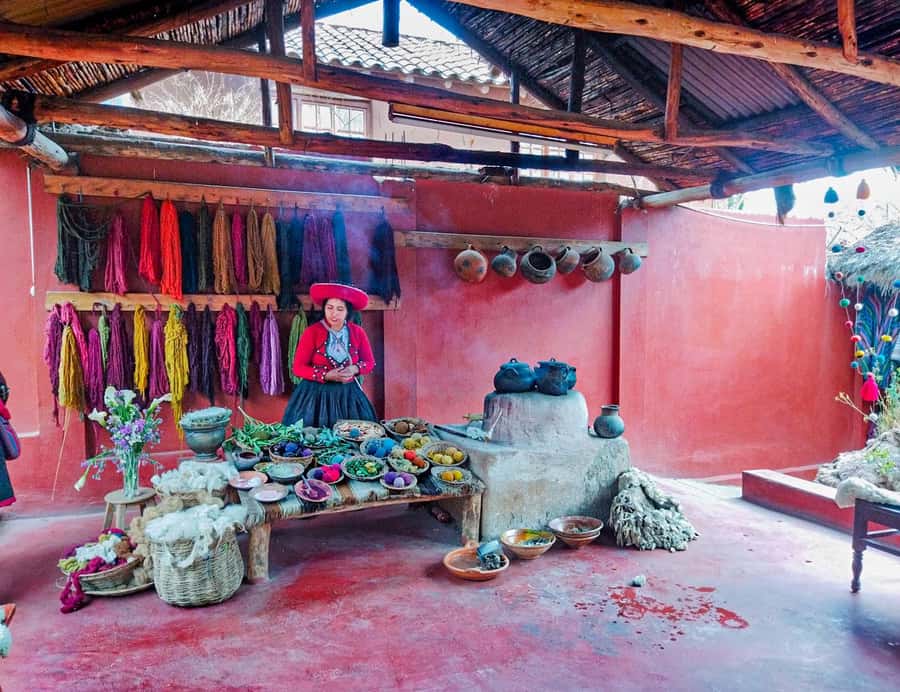
- A weaving workshop in Chinchero showing Quechua traditions and natural dye colors from Andean plants
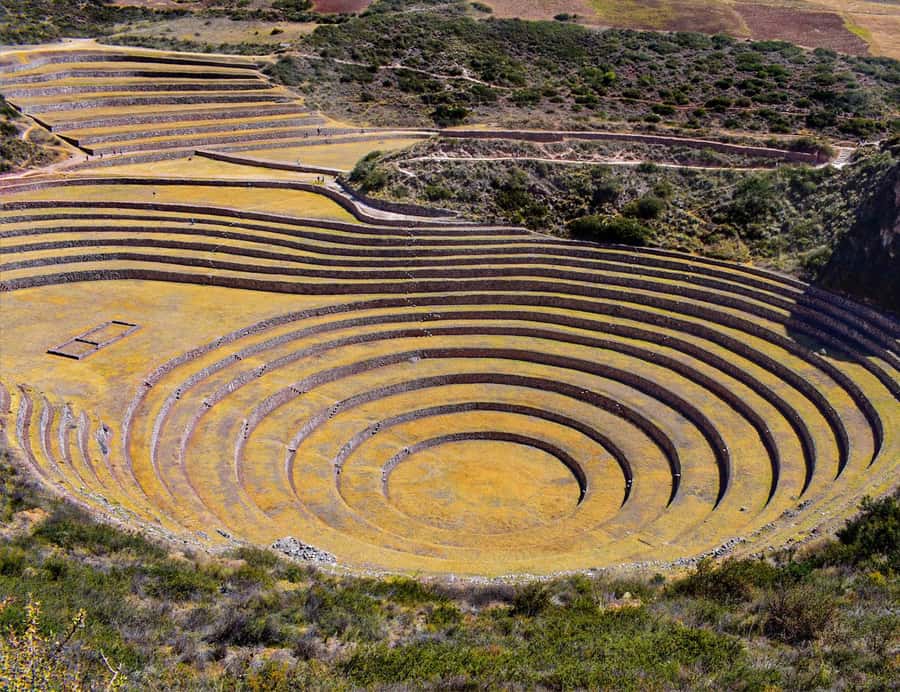
- Moray’s terraced farming complex with an irrigation system built into the landscape
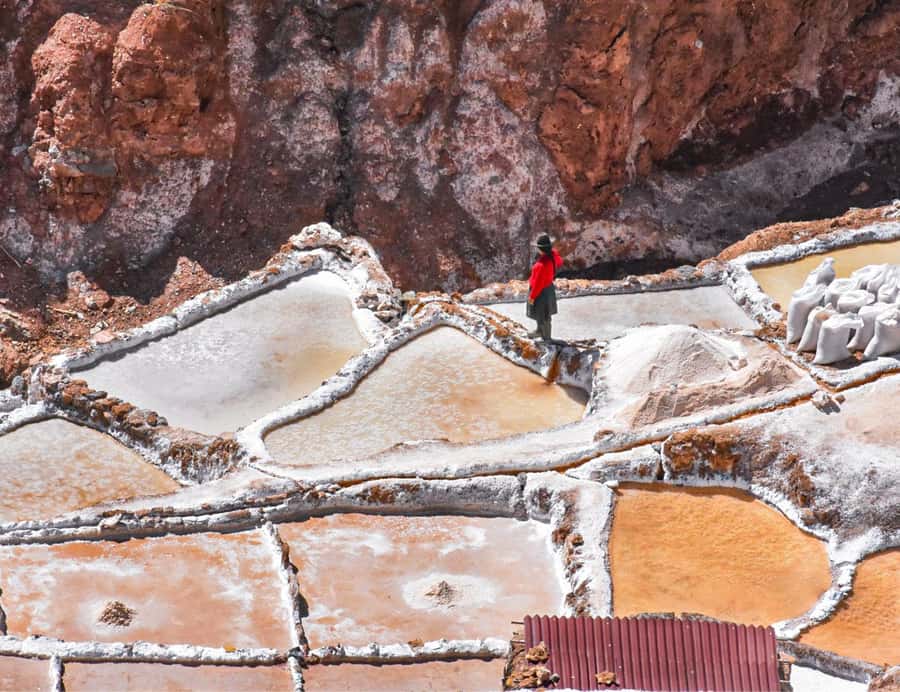
- Salt mines called Salineras—about 3,000 small salt pools still producing salt
- Short, timed walks (40 minutes each at Moray and the salt mines) that won’t crush your day
- Maras village free time with preserved colonial architecture and quick chances to shop
- Guides like Felipe, Julio, and Edi are often praised for clear explanations and helpful photo help
Hotel pickup in Cusco: how the day starts (and why it matters)
The tour begins with pickup from your hotel area in Cusco. You’ll need to be ready in the lobby about 10 minutes before your scheduled pickup, especially if your hotel is outside the Centro Histórico area.
This part is underrated: getting collected door-to-door keeps the morning stress low, which matters when you’re already adjusting to altitude. Cusco is high, and this route climbs further at Chinchero (3,762 meters / 12,350 feet), so starting calmly helps you enjoy the sights instead of scrambling.
Plan for timing like this: the day runs about 390 minutes total, and you’ll come back to the city in time to handle lunch on your own. In practice, you’re aiming for a relaxed early-afternoon finish, not an all-day marathon.
You can also read our reviews of more tours and experiences in Cusco.


Chinchero weavers and natural dyes: textiles with a purpose
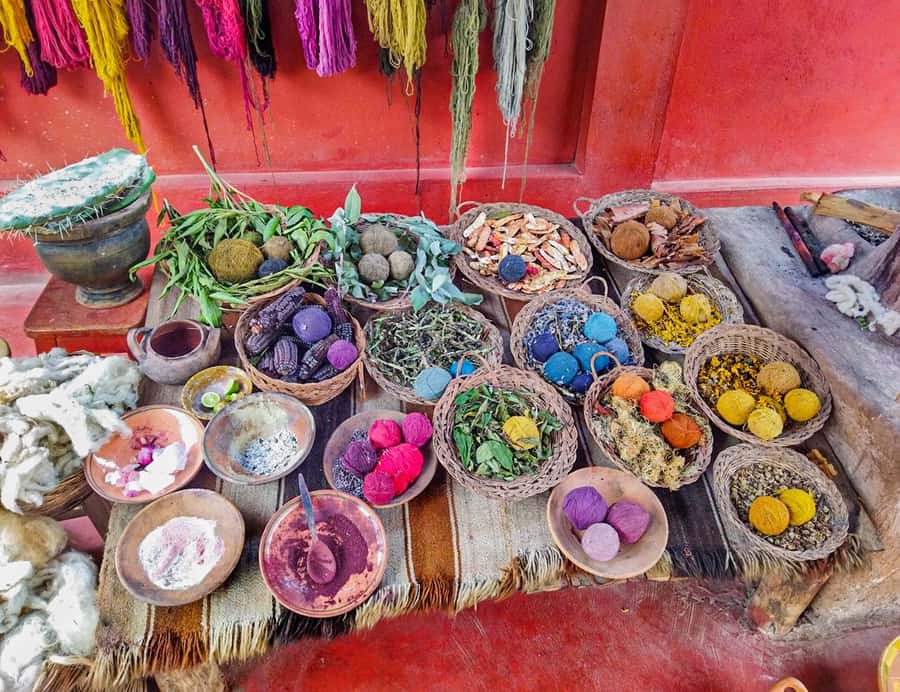
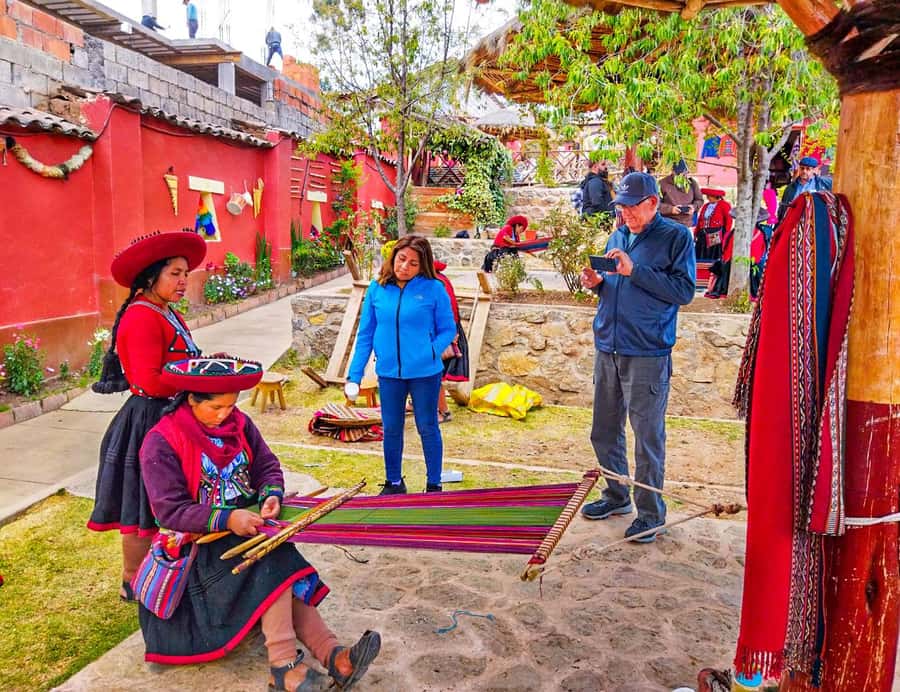
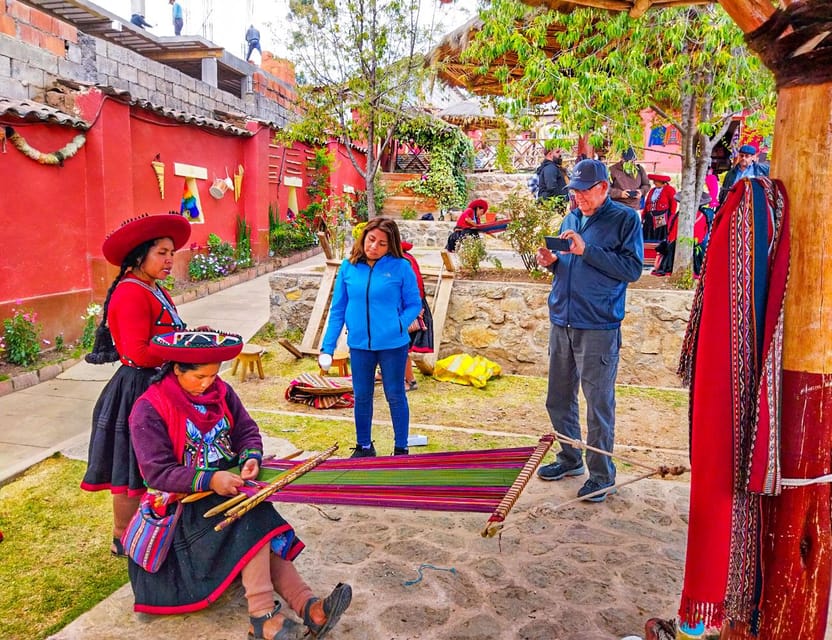
Chinchero is a strong first stop because it sets the theme: Andean daily life isn’t just monuments—it’s work, materials, and tradition. You’ll visit a weaving workshop for about one hour, plus a photo stop and time for shopping.
What I love here is the practical teaching. You can watch how local artisans continue Quechua textile traditions, including how natural plants are used to extract colors for Andean art. This turns the souvenirs aisle into something you can actually connect to—color choices stop feeling random.
You’re also gaining context before you move to Moray and Salineras. The Inca and pre-Inca story isn’t only stone and irrigation; it’s also how people lived, traded, and expressed identity through textiles.
A heads-up for comfort: Chinchero sits high and the sun can be intense. Even if the walking looks light on paper, you still want your sun hat and sunscreen ready from the start.
Moray terraces at 11,318 feet: Inca engineering you can actually see
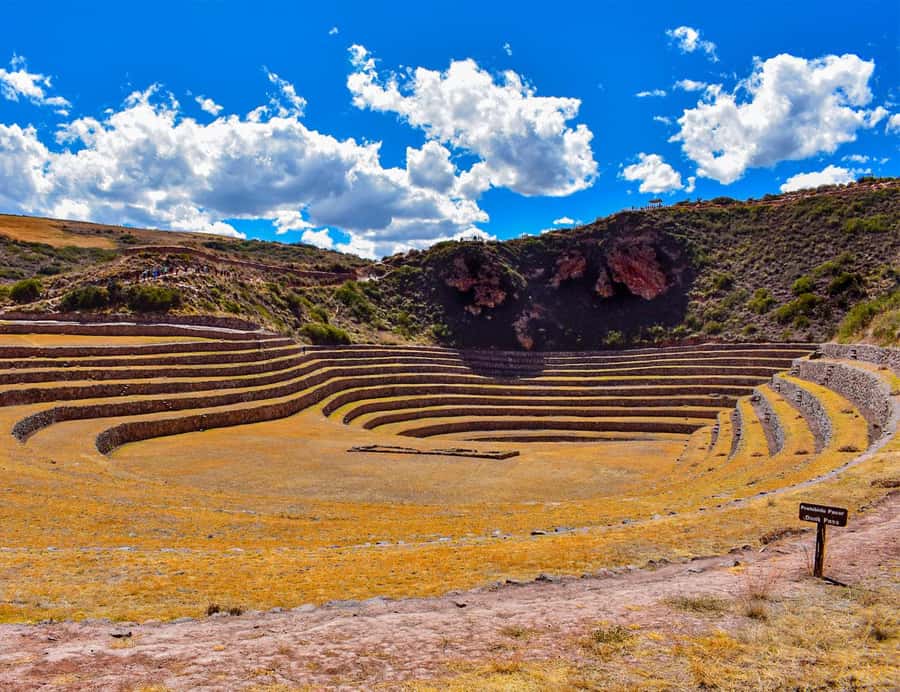
Moray is where the tour shifts from culture to science—though the Inca version of science is extremely visual. You’ll spend about 40 minutes there with a guided tour and a short walk, plus time for photos.
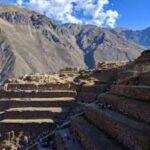
The big draw is the terraced agricultural design. Moray is famous for the ancient irrigation system and its striking network of terraces that takes advantage of variations in conditions across the site. At 3,450 meters / 11,318 feet, the views are part of the experience, not just a backdrop.
This is also one of the best places to slow down and look closely. The terraces aren’t random steps; the whole layout looks like it was planned to test and manage growing conditions. When your guide explains how the system worked, it clicks faster than reading about it later.
Cost note: the Moray entrance fee (70 soles) isn’t included. If you want to avoid surprise spending, plan to pay this separately on the day.
Maras village: colonial streets, local pace, and a quick breather
After Moray, you’ll go to Maras Village. This is not just a pass-through. You’ll have free time (about 20 minutes) and also a chance for additional shopping/workshop time there (also about 20 minutes, depending on how the day flows).
Maras is a nice contrast to the big spectacle of Moray and the salt mines. You’ll see preserved colonial architecture and thin-stoned buildings, and you get a moment to do something simple: walk a little, buy a small item, and reset your pace.
This stop also gives you a flexible buffer if you’re feeling altitude-heavy. Even if you don’t plan to shop, the extra breathing room helps. A tight route is fun, but only if you can pause without feeling behind.
No major tickets are listed for this village stop, so this is usually where your day feels most casual and personal.
Salineras salt mines: 3,000 pools and a process that still runs
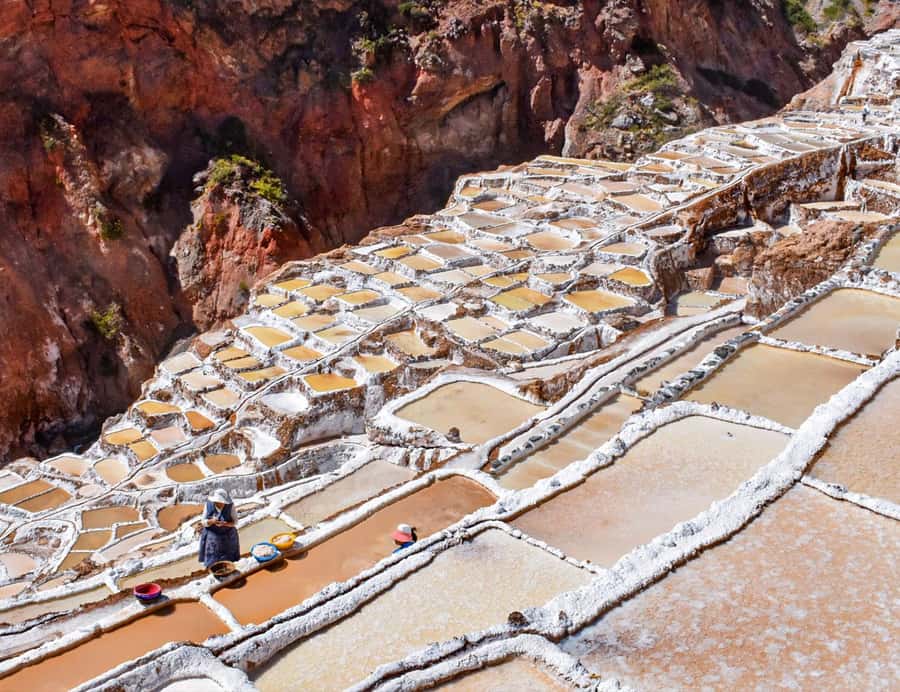
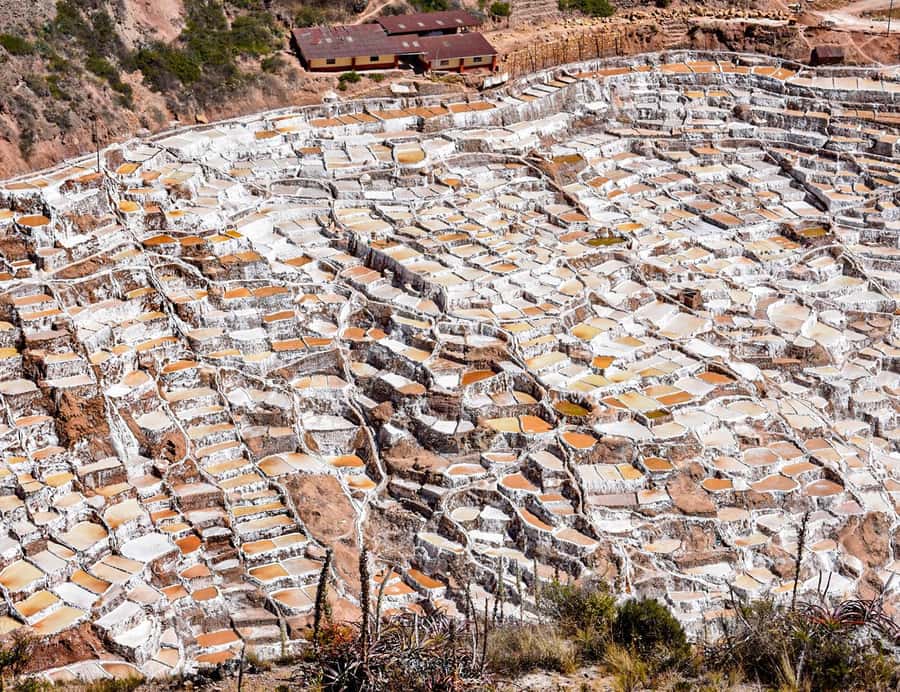
Then comes the star. The Salineras salt mines are made up of around 3,000 small salt pools, and the site is historic—dating back to pre-Inca times—while salt production continues today.
You’ll have about 40 minutes for a guided tour and walk. The walking is manageable, but it can feel exposed. Expect bright light and limited shade, which is why a hat and sunscreen really matter here.
This stop earns its place because it shows a living process. You’re not just viewing old infrastructure; you’re seeing how salt is harvested and then processed and distributed in the region. Your guide’s explanation makes the pools feel less like an art installation and more like a working system.
Cost note: the salt mines entrance fee (20 soles) isn’t included. If you budget cash for entry fees ahead of time, the experience stays smooth.


Altitude, sun, and boots: how to stay comfortable on this half-day
This tour runs in rain or shine, so pack for weather that changes fast. Even when skies look clear in Cusco, Sacred Valley light can turn harsh quickly.
Here’s how to think about comfort on this specific route:
- Bring a sun hat and plan to use it at Chinchero, Moray viewpoints, and the salt mines. Reviews repeatedly mention how hot it gets and how much walking is in sun.
- Sunscreen matters. You’ll likely want to reapply during the day, especially before the salt mines.
- Wear comfortable shoes with grip. You’ll do short walks at Moray and the salt mines, and you’ll want stable footing.
- Carry cash. Entrance fees for Moray and the salt mines are separate, and you’ll probably spot small shopping chances along the way.
- Stay hydrated, even if you don’t feel thirsty at altitude. Warm weather can sneak up on you.
If you’re altitude-sensitive, don’t treat this like a casual stroll—take it slow during transitions between viewpoints and don’t rush the walk sections.
Price and logistics: is $15 really a fair deal?
At about $15 per person, this tour is priced for value. That price works because you get a tight route with transportation, pickup, and a bilingual guide, instead of you trying to piece together multiple stops on your own.
What’s included:
- Pickup from your hotel
- Transportation
- A bilingual tour guide (English/Spanish)
- Private tour option if you choose it
What’s not included:
- Moray entrance (70 soles)
- Salineras salt mines entrance (20 soles)
- Hotel drop-off (you’ll be returned to city drop-off points)
So the real “value math” is simple: pay the entrance fees on top, then enjoy a guided half-day with multiple major landmarks. The guide part matters, too. People highlight guides like Felipe for being funny and deeply informative, Julio for thorough explanations, and Edi for friendliness and know-how—exactly what you want when you’re trying to connect engineering, agriculture, and salt production.
One more practical win: the pacing is repeatedly described as not feeling rushed. In a half-day format, that’s the difference between learning and just collecting photos.
The guide makes the day: what you should look for
A good guide turns these stops into one story. With this tour, the best guides connect the dots between textile dye plants, Inca agricultural experimentation at Moray, and salt harvesting at Salineras.
You’ll also want a guide who helps with photos and answers questions without shutting you down. Many bookings mention guides stepping in to help with pictures and making the day feel safe and easy—especially for solo travelers.
If you want extra culture beyond stone facts, consider that some guides add small touches. One guide, Felipe, is specifically praised for herb stories and even a short ritual during the experience. You can’t assume every guide will do the same extra piece, but it’s a clue that this company’s guides often go beyond basic talking points.
Who should book this Sacred Valley combo (and who might not)
This tour fits you if you want the big Sacred Valley themes—textiles, Inca agriculture, and salt production—without spending an entire day in a van. Solo travelers often like that they feel comfortable and taken care of.
It’s also a good match if:
- you’re planning a bigger trek later and want an easier acclimation-friendly day
- you care about history but don’t want to sit in one place for hours
- you want enough time for photos and quick shopping stops, but not a full shopping day
It may not be the best fit if:
- you dislike paying separate entry fees at multiple sites
- you need lots of downtime between stops
- you hate walking in full sun (even if walks are short)
Should you book this Cusco tour?
I’d book it if you want a high-value Sacred Valley sampler with smart pacing. The route hits three major anchors—Chinchero textiles, Moray terraces, and the Salineras salt pools—and it does it in a way that’s typically described as organized, relaxed, and not too rushed.
Go ahead and book if you’re prepared with the basics: hat, sunscreen, comfortable shoes, and cash for the Moray and salt mine entrances. If you want a half-day that teaches real context, not just photo stops, this one makes that kind of sense. If you want a slower, longer excursion, you might prefer a full-day route instead—but for many Cusco visitors, this is the sweet spot.
FAQ
How long is the Cusco: Moray, Maras Salt Mines & Chinchero Weavers tour?
The duration is 390 minutes.
Where does pickup happen?
Pickup is from your hotel in Cusco. Outside the Centro Histórico, you’ll be instructed to wait in the hotel lobby about 10 minutes before pickup.
Are Moray and the salt mines entrance fees included?
No. Moray entrance is 70 soles and Salineras (salt mines) entrance is 20 soles. Transportation, guide, and pickup are included.
What stops are included on this tour?
You’ll visit a Chinchero weaving workshop, then Moray, then Maras village, and finally the Maras Salt Mines (Salineras). You’ll also have time for photo stops and shopping.
What language is the guide?
The tour guide is bilingual: English and Spanish.
What should I bring for the day?
Bring your passport, sun hat, camera, sunscreen, comfortable shoes, and cash. The tour runs rain or shine.