REVIEW · CUSCO
Waqrapukara 1 day trekking + meals
Book on GetYourGuide →Operated by Amaru explorer SAC · Bookable on GetYourGuide
Your Cusco day starts before sunrise. This 1-day Waqrapukara trek pairs an ancient Inca stronghold with a real workout and that wow-final-view feeling. I love the chance to walk up toward the Fortress in the form of horn—plus the clear, guide-led look at temples and Inca enclosures you can still recognize. My only real caution: it’s a very early start and the day includes long stretches of driving and walking, so if you prefer a purely archaeological focus, you’ll want to manage expectations about extra stops.
Waqrapukara sits at 4,300 meters, so you feel the altitude even before you see the stones. I also like how the plan anchors you with meals in Sangará (breakfast first, lunch after the hike) rather than leaving you to hunt for food. One more consideration: conditions are described as sunny or weather-dependent, so dress for cold mornings even if the sky later looks friendly.
If you’re the kind of traveler who enjoys getting off the main path and moving at a steady pace, this is the sort of trip that makes Cusco feel bigger than the city streets. Transportation is handled from near the Plaza de Armas area, and you get a professional guide plus walking sticks for the hike. Do note that the Waqrapukara entrance fee is extra, so budget a little on top.
In This Review
- Quick highlights: what you’ll remember from this Waqrapukara day
- Why Waqrapukara works as a 1-day trek from Cusco
- Your morning routine: pickup, the Sangará breakfast stop, and altitude reality
- The walk up: what the 2-hour hike feels like and how to prep
- Arriving at Waqrapukara: temples, Inca enclosures, and the value of a guide
- The return plan: car back to Sangará for lunch and then Cusco by early evening
- Price and value: what $50 really includes (and what costs extra)
- Who should book Waqrapukara and who should skip it
- Small practical tips that make the day smoother
- Should you book this Waqrapukara 1-day trek with meals?
- FAQ
- What time do you get picked up in Cusco?
- Where do we stop for breakfast?
- How long is the walk to Waqrapukara?
- Is the entrance fee to Waqrapukara included?
- Are meals included?
- What should I bring for this trek?
- What languages is the guide available in?
Quick highlights: what you’ll remember from this Waqrapukara day
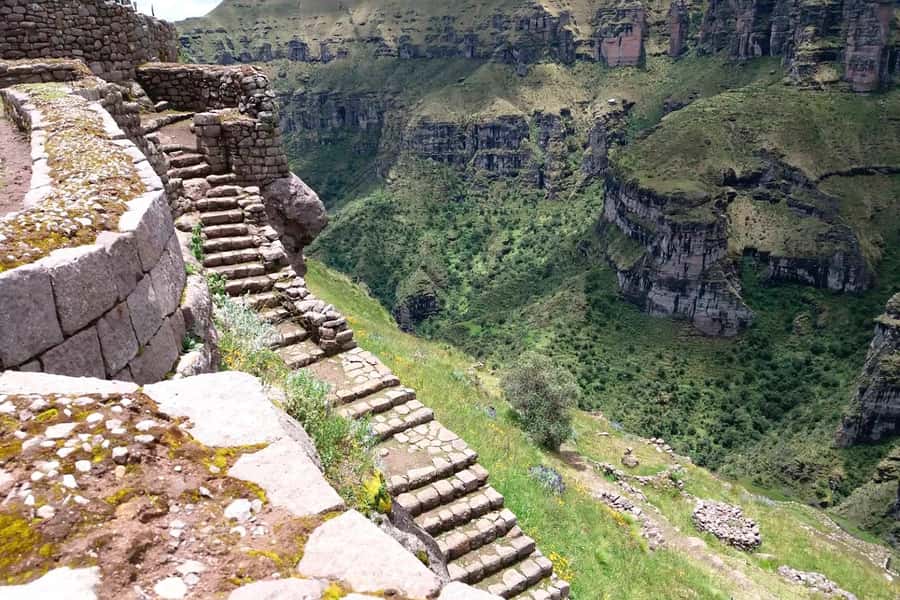
- Fortress of the horn (Waqrapukara): Inca nobility residence with visible temples and enclosure walls
- Altitude at 4,300m: short trek length, but real elevation effort and steady pace needed
- Sangará meals: breakfast and lunch are built into the day so you’re not scrambling for food
- 2-hour walk to the site: enough time to feel like you trekked, not a token stroll
- Early pickup (4:00–5:00 a.m.): you beat the busiest hours and start in cooler air
- Guide + walking sticks included: practical support for the climb and site navigation
Why Waqrapukara works as a 1-day trek from Cusco
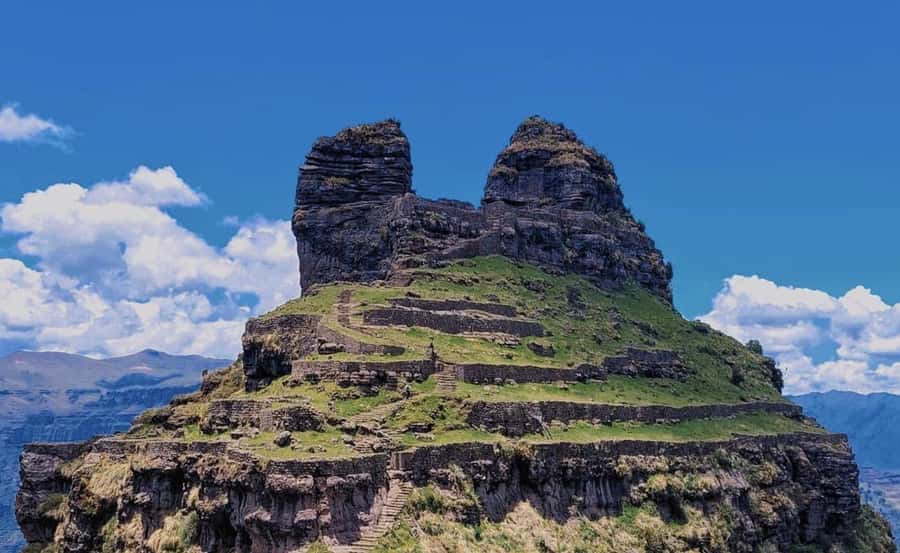
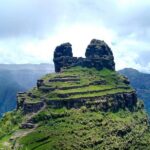
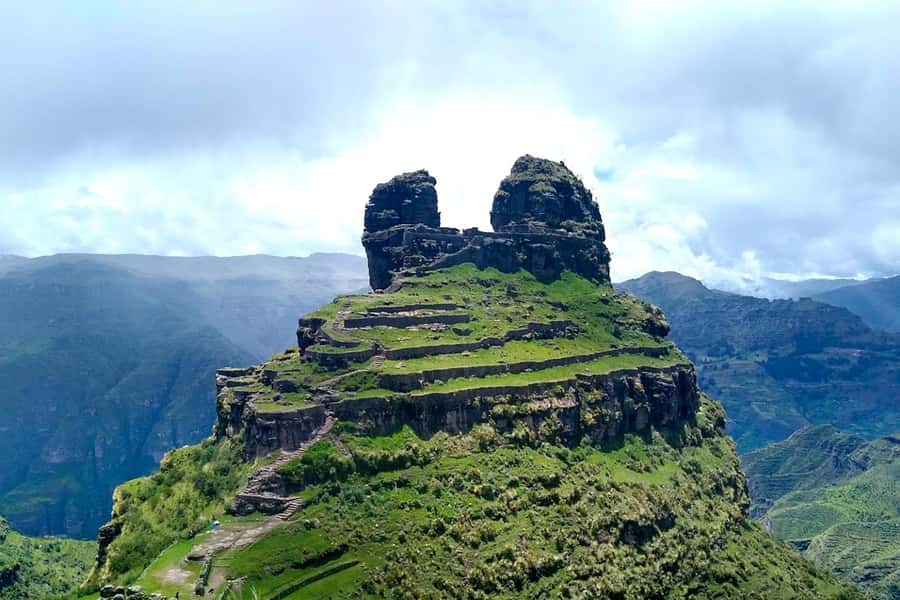
Waqrapukara is the kind of place that makes you slow down. From up above, you get the sense of why this area mattered to the Incas—this wasn’t just a random viewpoint. The name itself points you in the right direction: it’s often described as the fortress in the form of horn, and when you’re standing near the ruins you can see how the site’s shape and layout relate to the terrain.
I especially like that you’re not only dropped at the entrance and left to figure things out. You get a guide briefing when you arrive, and you’re given time to explore part of the area. That structure helps you focus on what you’re looking at: the Inca enclosures and temples you can still identify, rather than treating it like a scenic photo stop.
This is also a good format if you want a real hike without committing to a multi-day trek. The walking time is clearly stated as about two hours to reach the archaeological center, then you repeat the hike back. It’s a manageable plan for a day trip—assuming you respect altitude and take it slow.
You can also read our reviews of more hiking tours in Cusco


Your morning routine: pickup, the Sangará breakfast stop, and altitude reality
The day starts early—pickup from your hotel near or inside Cusco’s historical center is between 4:00 and 5:00 a.m. That matters more than it sounds. At 4,300 meters, your body is already working just by being there, so the cooler morning air and a steady start can make the hike feel more doable.
On the way, you’ll reach Sangará for breakfast, your first real fuel stop of the day. I like that the plan doesn’t wait until after the hike to feed you. It’s the kind of practical timing that helps with pacing, especially when you’re likely to feel a bit out of breath at altitude.
A helpful mindset here: treat the first part like a warm-up, not a sprint. Even if the trail feels straightforward, your breathing will change. Plan to keep your effort moderate and let the guide’s tempo set the pace. You’ll thank yourself on the return walk.
Also, bring layers. Even if the forecast turns sunny later, those first hours can be chilly. Warm clothing, a sun hat, sunscreen, and water are all specifically recommended, and I’d follow that list closely.
The walk up: what the 2-hour hike feels like and how to prep
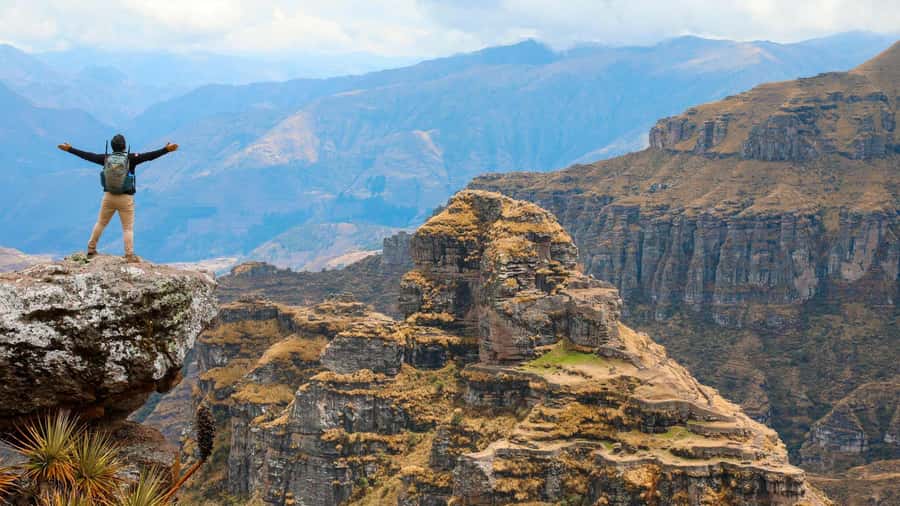
Once you reach the parking area, you start the 2-hour walk to the archaeological center of Waqrapukara. That’s the core physical part of the day, and it’s where your preparation pays off.
The tour includes walking sticks, which is a big practical win. They can save your knees on the downhill part of the return and help you steady your footing if the ground is uneven. If you tend to get tired quickly on climbs, walking sticks are one of those small extras that makes a noticeable difference.
What should you actually do during the hike?
- Keep your steps short and consistent.
- Sip water when you can (don’t wait until you feel wiped).
- Expect that your legs may feel fine while your breathing lags behind—altitude can do that.
Footwear is key. Hiking shoes are recommended, not casual sneakers, because you’re walking on a trail at elevation. If your shoes are worn thin or too flexible, you’ll notice it once the ground gets rough.
And yes, it’s part trek, part archaeological approach. As you walk in, you’re building context for what you’ll see later. It turns the ruins from something you visit into something you earn.
Arriving at Waqrapukara: temples, Inca enclosures, and the value of a guide
When you reach Waqrapukara, you get a brief guide orientation and time to visit part of the area. “Part of the area” is important: this is not described as an all-day on-site wander. The goal is to help you understand what you’re seeing, then give you enough freedom to explore without feeling rushed.
You’re looking for:
- Temples left by the Incas
- Inca enclosures—structured spaces that suggest how people moved, lived, or managed ceremonial activity
One of the strongest positives from recent feedback centers on the final viewpoint. If you’re the type who enjoys standing still for a few minutes to take it all in, this is the moment you’ll want to save your energy for.
But here’s the balanced part: the site is still ruins, and the day is designed around a hike and a controlled time window. If you want a deep, slow archaeological immersion, you might feel slightly limited. I’d treat it as a focused introduction you can pair with other Cusco-area sites later.
The return plan: car back to Sangará for lunch and then Cusco by early evening
After your time on site, you return to the car and go back to Sangará for lunch. This is another smart feature of the itinerary. It prevents the worst-case scenario where you’re hiking, hungry, and then forced into whatever is available on the road.
Lunch in Sangará acts like a reset: you can refuel before the ride back toward Cusco. The full return schedule is approximately drop-off near Plaza de Armas by around 6:00 p.m., so you’re still getting a long evening back in the city—not losing your whole day.
One thing to watch for based on what people sometimes experience with similar long day trips: keep an eye on any additional stops that aren’t clearly part of the included meals. Breakfast and lunch are included, but cash may still come into play if you choose snacks or additional viewpoints along the way. The tour info specifically reminds you to bring cash, so it’s worth planning for that.
You can also read our reviews of more tours and experiences in Cusco


Price and value: what $50 really includes (and what costs extra)
At $50 per person, this is priced to feel reasonable for a full day with transportation, guide time, meals, and basic hiking support. Here’s what’s included:
- Hotel pickup from near/inside the historical center
- Tourist transportation to and from the hotel
- Breakfast and lunch
- Professional guide
- Walking sticks
What’s not included:
- Entrance fee to Waqrapukara (S/ 15 or 5 USD)
- Food not mentioned
- Additional expenses
So, in practical budgeting terms, you should plan for the entrance fee on top of the tour price. The good news is that it’s clearly specified, so you won’t get surprised late in the day.
Where value can swing for you is how you like your time spent. If your ideal day is mostly walking and ruins, you’ll likely appreciate the guide-led stop at the site. If you prefer minimal stops and no extra spending, ask questions early—what else might be planned beyond breakfast, the hike, lunch, and the site visit? Some people have felt that certain parts of their day stretched longer than they expected. A simple check-in before you start helps you avoid disappointment.
Also remember: this is an all-weather-or-conditions type outing. If weather turns rough, the experience may feel less flexible than a self-guided stroll.
Who should book Waqrapukara and who should skip it
This works best for you if you:
- Want a 1-day taste of Inca-era ruins outside the city
- Are comfortable with a 2-hour hike at altitude
- Like having a guide explain what you’re seeing at the site
- Appreciate built-in meals so you’re not hunting for food in the middle of a trek day
It may not be the right match if you:
- Get altitude symptoms easily or don’t handle elevation well
- Hate very early mornings and long travel blocks
- Want an extended, slow archaeological walk (the on-site time is not described as all-day)
The trip also isn’t suitable for certain travelers: children under 6, pregnant women, wheelchair users, and people over 95. If you fall into any of those categories, you’ll need a different type of experience.
Small practical tips that make the day smoother
I’d treat this as a cold-morning-to-altitude hike, not a casual outing.
Bring:
- Warm clothing (layers beat one bulky jacket)
- Sun hat and sunscreen (sun can be strong at altitude)
- Hiking shoes (your feet will thank you)
- Water (you’re at elevation, so don’t skimp)
- Cash (useful for any extra items)
- A steady mindset: slow pace wins
Use the included walking sticks. Even if you consider yourself a strong hiker, the return can feel harder than the climb.
And keep your expectations grounded: this is a short, concentrated trek to a specific archaeological center. You’re not touring every ruin in the region in one day. Instead, you’re getting a focused route to a memorable site at 4,300 meters.
Should you book this Waqrapukara 1-day trek with meals?
Book it if you want a single-day plan that combines real elevation walking with guided time at Inca temples and enclosures, plus breakfast and lunch that are actually part of the schedule. The included transportation from near Plaza de Armas and the walking sticks make it feel like a well-supported outing for the price.
I’d think twice before booking if you’re extremely sensitive to altitude, dislike early starts, or only want maximum time at the ruins. In that case, you might feel like the day includes more driving or optional extras than you’d like.
If you do book, do one simple thing: ask your guide before you start about how the day’s stops will flow, and confirm that you’re clear on what’s included versus anything that might cost extra. That one conversation can turn a good day into a great one.
FAQ
What time do you get picked up in Cusco?
Pickup is between 4:00 and 5:00 a.m. from a hotel near or inside the historical center.
Where do we stop for breakfast?
Breakfast is made available in Sangará during the morning portion of the excursion.
How long is the walk to Waqrapukara?
After reaching the parking place, the walk to the archaeological center is about 2 hours.
Is the entrance fee to Waqrapukara included?
No. The entrance fee is S/ 15 or 5 USD and is not included in the tour price.
Are meals included?
Yes. Breakfast in Sangará and lunch in Sangará are included. Other food beyond that is not listed as included.
What should I bring for this trek?
Bring warm clothing, a sun hat, hiking shoes, sunscreen, water, and cash.
What languages is the guide available in?
The live tour guide works in Spanish and English.