REVIEW · NAZCA
From Ica or Huacachina: Flight Tour Nazca Lines | Overflight
Book on GetYourGuide →Operated by www.iziperu.com · Bookable on GetYourGuide
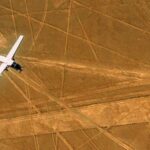
The Nazca Lines only make sense from above. This overflight is a smart way to see the big figures and the long lines in one short run, with the kind of angle you simply can’t get from the ground. I especially love the small plane setup, because the window-seat view helps you track the shapes without guessing.
I also like that the experience comes with real context, not just a quick stare-and-go. Before takeoff, you’ll watch a short informative video about the Nazca Lines, then a live guide shares what these designs mean in the story of the region—plus how to spot key figures during the flight.
One thing to plan around: the actual flying time depends on weather and air traffic, and you’ll have an average waiting time of about 40 minutes at the aerodrome. That doesn’t ruin the day, but it does mean the “10 hours” is mainly about the full schedule, not just time in the air.
In This Review
- Key highlights you’ll feel right away
- Nazca from the sky: why this short flight feels like a full story
- From Ica or Huacachina to Nazca: the day starts with the right kind of transfer
- María Reiche Aerodrome briefing: video first, then the view plan
- Onboard the small plane: how to make the 35 minutes count
- What you’ll see above Nazca: birds, animals, geometry, and the astronaut
- The “lines” themselves: why the geometry matters as much as the animals
- Value and price: what you pay for, what you don’t, and how to think about it
- Who should book this Nazca overflight, and who should reconsider
- Should you book this Nazca Lines overflight?
- FAQ
- How long is the Nazca overflight?
- How long is the entire tour from pickup to finish?
- Where does pickup happen?
- How many people are in the group?
- What languages are the live guides available in?
- What figures will I see during the flight?
- Are the Nazca lines tax and tourist ticket included in the price?
- What is the maximum passenger weight limit?
- What affects the flight timing?
- Can I cancel and get a refund?
Key highlights you’ll feel right away
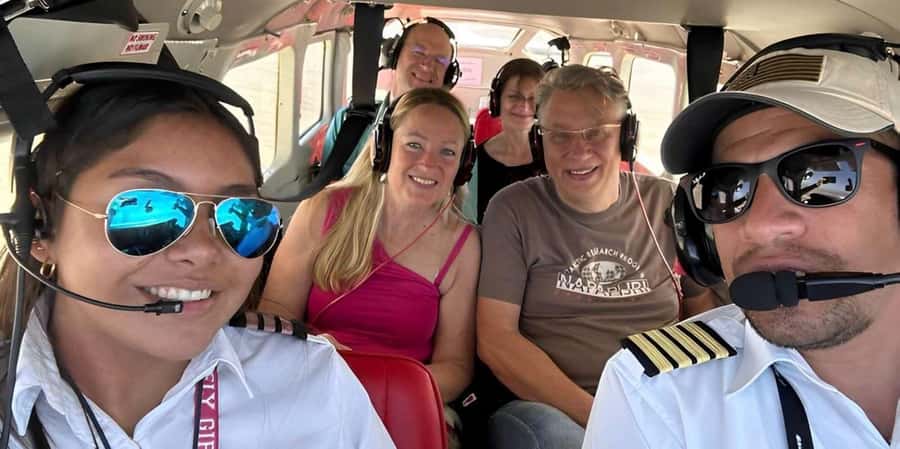
- Window seats on small planes: you can actually follow the figures instead of looking through a crowd.
- A short 35-minute overflight: enough time to spot major drawings and still keep the day moving.
- Up to 18 figures spotted from the air: birds, animals, plus the famous astronaut figure.
- A live guide in English or Spanish: you’ll get practical tips on what you’re seeing.
- 12 representative figures included in the viewing plan: not just random lines, but the most recognizable shapes.
Nazca from the sky: why this short flight feels like a full story
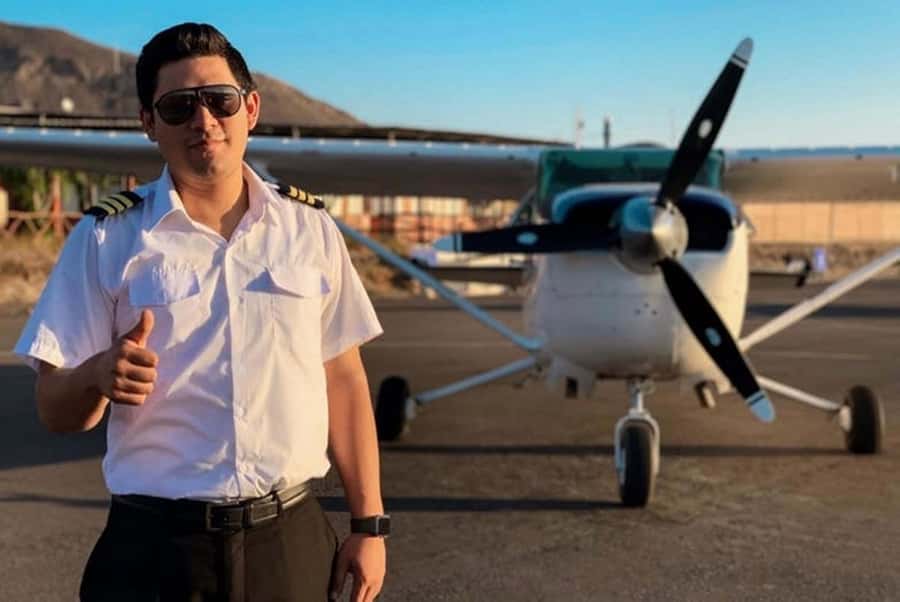
Nazca is one of those places where your brain keeps asking the same question: how did anyone make something this precise, so far out in the desert? The answer starts to click when you’re high enough to see how the lines connect and how the figures sit in the sand like giant artwork meant for the sky.
You’re in the air for only 35 minutes, so the goal is simple: spot the best-known geoglyphs, understand how they’re arranged, and leave with a clear mental map. With a small-plane window seat, you’re not fighting for sightlines.
The tour is designed around that reality. The day has some waiting and a careful flow at the aerodrome, but the overflight itself is the payoff—direct, focused, and built for visual comprehension.
You can also read our reviews of more tours and experiences in Nazca.
From Ica or Huacachina to Nazca: the day starts with the right kind of transfer
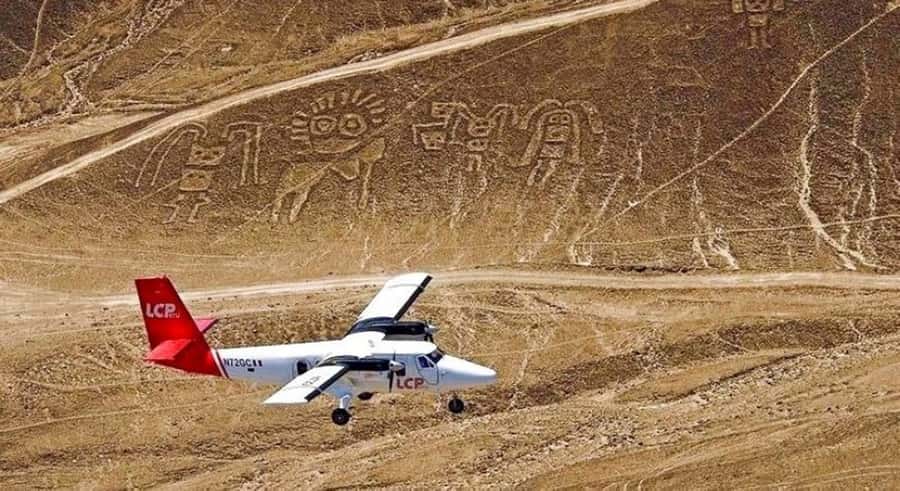
Most people start this outing from Ica or Huacachina, with hotel pickup included. It’s a convenient start because you don’t have to coordinate your own transport to Nazca, and that matters when your flight window is weather-driven.
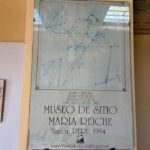
After pickup, you transfer to Nazca and check in at the María Reiche Aerodrome. You’ll register with a representative of the operator and get recommendations for the overflight. That part helps you arrive with fewer questions and better expectations before you ever board.
Also, there’s an added practical advantage if your trip continues south. If you’re heading on to places like Arequipa or Cusco, you can reserve a bus ticket with Cruz with night departures, and your luggage can be stored in the Nazca office while you wait.
María Reiche Aerodrome briefing: video first, then the view plan
Before the flight, there’s a short informative video about the Nazca Lines. That briefing is more than filler. If you’ve ever tried to understand Nazca from a brochure, you know the visuals can feel confusing from ground level. The video sets you up to recognize shapes quickly from above.
Then a live guide (English or Spanish) helps connect what you’re about to see to the broader story. The figures were created between 400 and 650 AD, and the most common interpretation is that they likely had ritual or religious purpose. You’ll also hear the popular alternative theory—people have suggested they might relate to extraterrestrials and even a UFO landing pad idea.
You don’t need to pick a “winner” in that debate to enjoy the flight. The useful part is learning what features to watch for, because from the air you can actually compare the theories with the physical layout: figures, lines, birds, animals, and the geometric bands.
Onboard the small plane: how to make the 35 minutes count
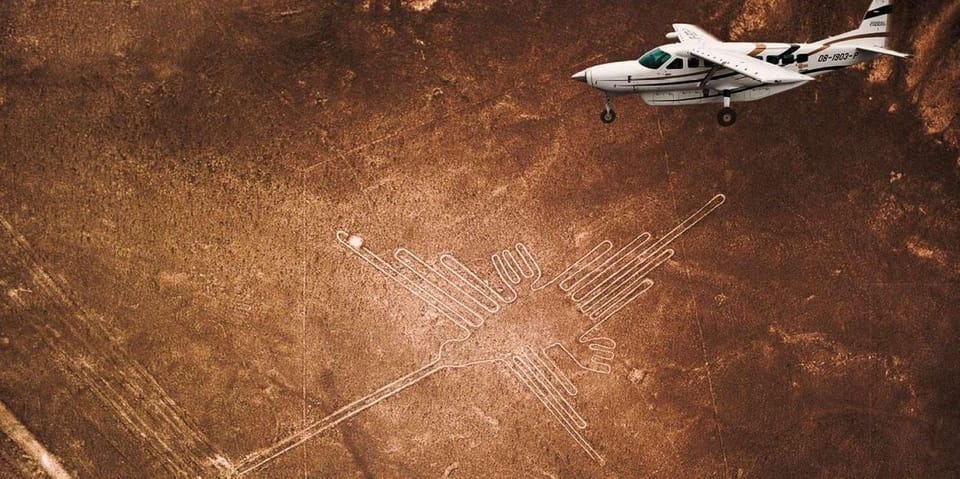
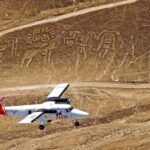
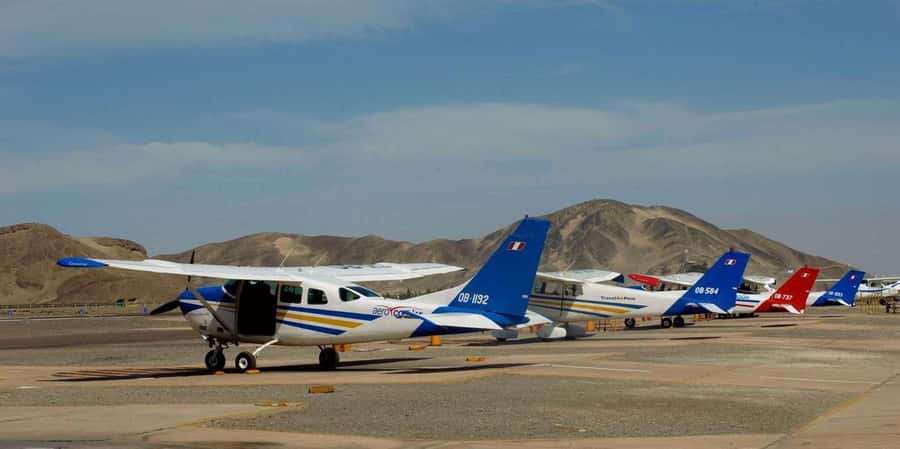
This is where the tour’s value really shows. The planes used are small, and you get a window seat, which is crucial for Nazca. From the air, tiny differences in angle can make a line look like it fades away—or look crisp and intentional. Window placement keeps you in the right view range.
The overflight lasts about 35 minutes, and the schedule can be affected by shifting approved by the aerodrome based on weather and air traffic. On average, plan for about 40 minutes of waiting at the aerodrome. That can feel long, but it’s also normal for aviation, and it keeps the flight safer and more manageable.
There’s also an operational perk: you can skip the line through an express security check. Small touches like that help protect your time, especially when your flight depends on timing and conditions.
One more practical note: there’s a maximum weight limit of 100 kg. If you exceed that limit, you must purchase an additional seat. It’s not a detail to ignore, because it affects how you book and how the flight is arranged.
What you’ll see above Nazca: birds, animals, geometry, and the astronaut
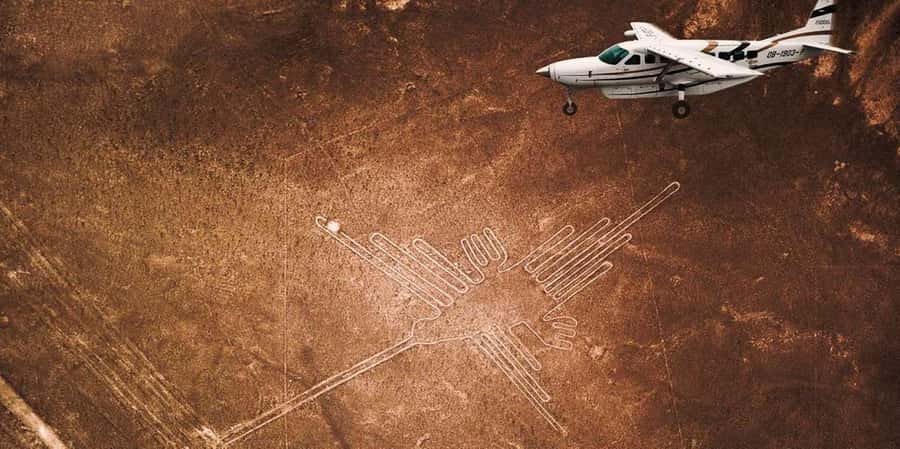
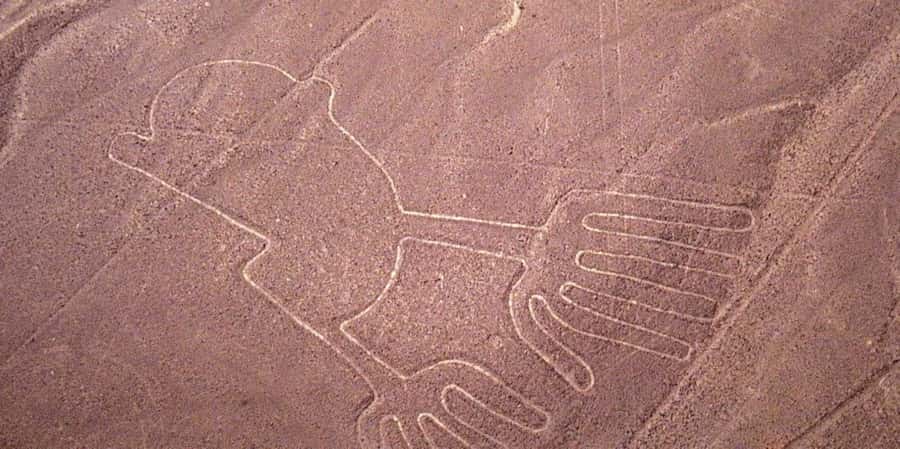
During the flight, you can observe up to 18 figures from the air. You’ll also see 12 of the most representative figures in the viewing plan, so even if certain lines aren’t as easy to pick out from your specific seat, you should still catch the core drawings.
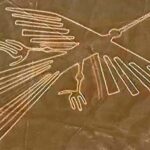
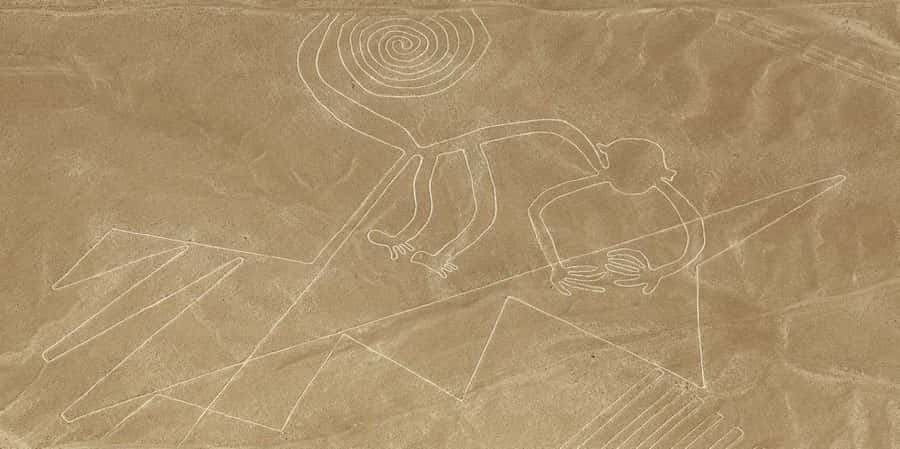
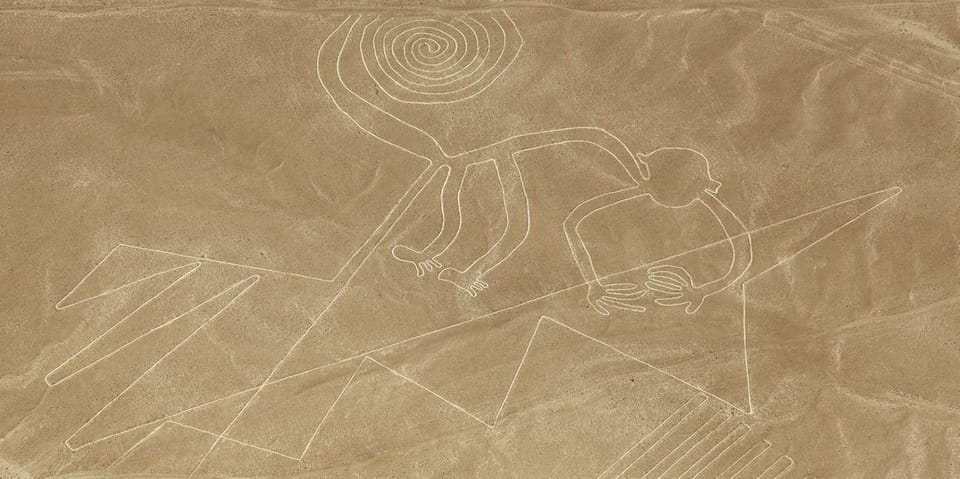
The list of figures includes birds like a condor, hummingbird, pelican, and parrot, plus other recognizable creatures such as a monkey, spider, whale, lizard, and the famous astronaut figure. You may also notice large geometric shapes that resemble enormous landing strips, along with hundreds of lines stretching across the desert.
Here’s the practical trick: don’t treat it like a scavenger hunt. Treat it like a guided scan. The guide helps you understand what to look for, and the window-seat view makes the geometry easier to grasp. Once your brain catches the rhythm of the lines—straight paths and large shapes—it gets much easier to follow what your eyes see.
And yes, it can be weirdly emotional. You’re looking at ancient figures that don’t make obvious sense until the aerial perspective arrives. That’s exactly why Nazca works as an overflight destination: the viewpoint is the point.

The “lines” themselves: why the geometry matters as much as the animals

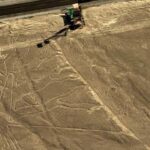
People often focus on the animals, but the lines and shapes are the structure. Those hundreds of lines across the desert aren’t random. From the air, you can see how they organize space and how the geoglyphs relate to each other.
That’s why the tour experience is designed around what you can spot quickly during the overflight. In a short flight, you won’t have time to study every line individually, but you will be able to see:
- long paths that cut across the desert
- large geometric shapes like landing-strip patterns
- the way figures sit in the larger system of lines
That viewpoint is what helps you leave with understanding, not just photos.
It also helps you appreciate why people keep theorizing about the purpose of the figures. If you believe they had ritual or religious meaning, the organization of lines becomes part of that message. If you’re curious about the UFO landing pad theory, the straight, patterned geometry still feeds the imagination. Either way, you can walk away knowing the drawings are intentionally made at a huge scale.
Value and price: what you pay for, what you don’t, and how to think about it
The price is $259 per person for a 10-hour day. The included parts are straightforward: pickup from your hotel in Ica or Huacachina and the flight to the Nazca Lines. You’re paying for the transport to the aerodrome and, most importantly, the aerial access to the figures.
What’s not included is important to budget correctly: the TUUA overflight tax and partial tourist ticket is S/ 77 soles per person. In plain terms, your final cost will be a bit higher than the headline price once you add that.
Does it feel like good value? If your priority is seeing Nazca in the most direct way possible, the “yes” case is strong. You’re getting a guided plan, a live guide in English or Spanish, and a window-seat flight over one of Peru’s most recognizable archaeological mysteries—all in one day. And because the group is small (limited to 12 participants), you’re not stuck in an overly crowded experience where sightlines and attention become a problem.
This is not the tour if you want a long, slow, on-the-ground educational day. It’s the tour if you want the view that makes Nazca click.
Who should book this Nazca overflight, and who should reconsider
This experience fits best if you:
- want the highest-impact Nazca view in a single day
- appreciate guided context, not just scenery
- like small groups and window-seat access
- are comfortable with the idea of weather and air-traffic timing affecting the schedule
It’s also good if you’re traveling through the area with onward plans, because you can coordinate southbound bus travel (and luggage storage) while you wait.
You might reconsider if you:
- hate waiting around for shifting flight times (your average wait at the aerodrome is about 40 minutes)
- are expecting the overflight itself to be much longer than 35 minutes
- need a schedule that never changes due to weather or air traffic
Should you book this Nazca Lines overflight?
If your main goal is to see the Nazca Lines in a way that actually makes sense—figures, lines, and geometry together—then yes, this is a strong choice. The combination of pickup from Ica or Huacachina, a small-group setup, and window-seat flight access is exactly what you want for Nazca.
I’d book it if you’re the type who can handle a short waiting window in exchange for the right viewpoint. Just plan your day with flexibility, bring patience for schedule shifts, and budget for the S/77 tax/ticket addition.
FAQ
How long is the Nazca overflight?
The flyover lasts about 35 minutes.
How long is the entire tour from pickup to finish?
The total experience duration is about 10 hours.
Where does pickup happen?
Pickup is included from your hotel in Ica or Huacachina.
How many people are in the group?
The group is limited to 12 participants.
What languages are the live guides available in?
The live tour guide is available in English and Spanish.
What figures will I see during the flight?
You may be able to observe up to 18 figures. The viewing plan includes representative figures such as a condor, hummingbird, pelican, parrot, monkey, spider, whale, lizard, the astronaut figure, and more.
Are the Nazca lines tax and tourist ticket included in the price?
No. The TUUA overflight tax and partial tourist ticket are not included, at S/77 soles per person.
What is the maximum passenger weight limit?
The maximum weight limit is 100 kg. If you exceed that, you must purchase an additional seat.
What affects the flight timing?
The overflight time depends on weather and air traffic, and flights operate in shifts approved by the aerodrome. The average waiting time is about 40 minutes.
Can I cancel and get a refund?
Yes. You can cancel up to 24 hours in advance for a full refund.