REVIEW · CHIVAY
Arequipa: 2-Day Colca Canyon Classic Tour return to Arequipa
Book on GetYourGuide →Operated by AREQUIPA EXPLORER Y ACTIVIDADES TURISTICAS · Bookable on GetYourGuide
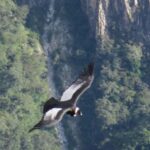
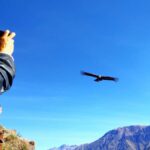
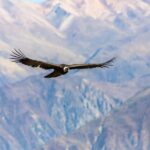
Seeing condors over the canyon is unreal. This 2-day Colca Canyon classic is a practical way to take in the big sights—especially the Cruz del Condor viewpoint—without turning your trip into a logistics puzzle. I also really like the rhythm here: one long scenic travel day, then time to soak at the Chacapi hot springs before you head back toward Arequipa.
One consideration before you book: not everything is truly included. The Colca entrance ticket is mandatory (priced separately), and the hotel in Chivay (or nearby) is on you. That doesn’t ruin the value—but it does mean you should budget for those add-ons up front.
You’re picked up in Arequipa and guided by a bilingual official guide. In real life, guides like Juan Pablo and Roy have been praised for explaining the history clearly (and patiently when questions pile up). You’ll move by tourist transport, with stops planned around viewpoints, small towns, and that early-morning condor window.
In This Review
- 6 things you’ll remember about this Colca Canyon tour
- Colca Canyon in two days: what you’re really signing up for
- Day 1 from Arequipa to Chivay: Yura Highway, volcano craters, and big-altitude views
- Chacapi hot springs: when your legs finally get a break
- Dinner with folkloric dance: cultural, but know what to expect on costs
- Day 2: the early start that makes Cruz del Condor worth it
- After condors: Pinchollo, Maca, Yanque, plus viewpoints over terraces and tombs
- Price and logistics: where the real value comes from (and what costs extra)
- Altitude and comfort: the small choices that keep the trip enjoyable
- Who this Colca Canyon classic tour suits best
- Should you book this 2-day Colca Canyon tour back to Arequipa?
6 things you’ll remember about this Colca Canyon tour
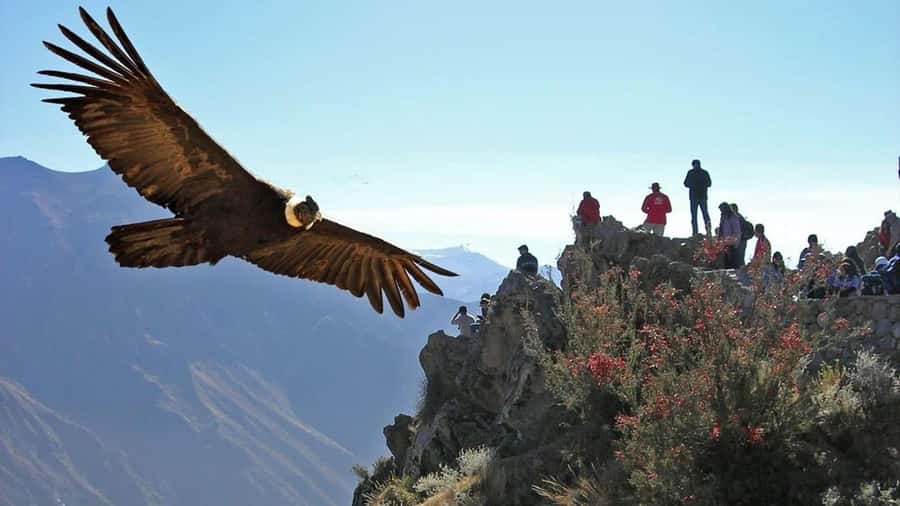
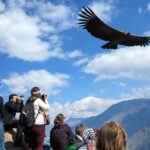
- Cruz del Condor at first light for the best chance at seeing the condor flight
- Wildlife stops on the way in the Pampa Cañahuas area (vicuñas, llamas, alpacas, and sometimes migratory birds)
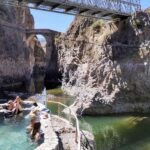
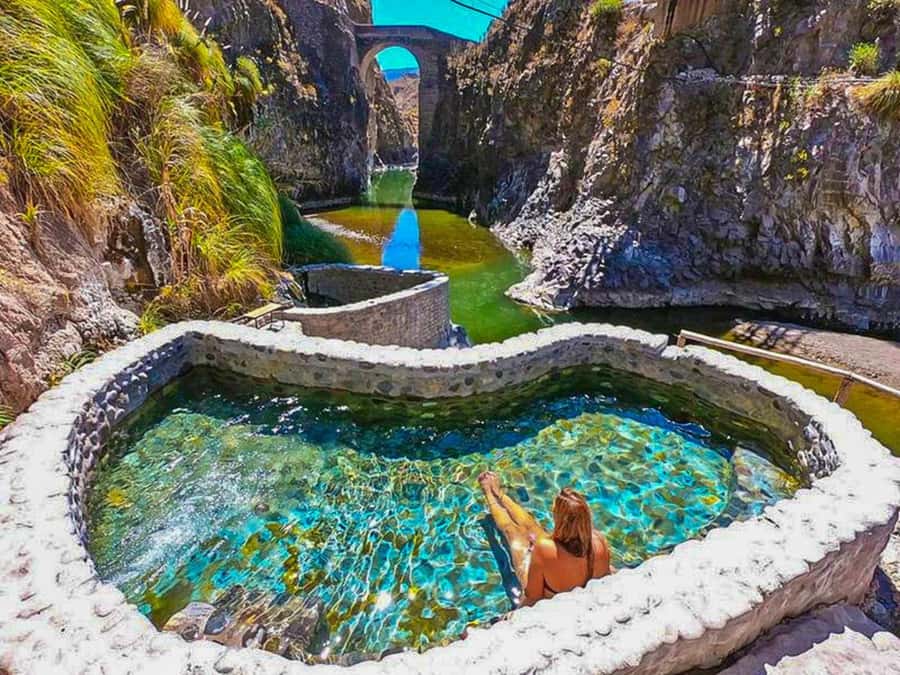
- Chacapi thermal baths (35–38°C) as your reset after a long day on the road
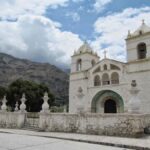
- Colonial towns with real churches in Pinchollo, Maca, and Yanque, plus church-and-terrace viewpoints later
- A short hike option near Cruz del Condor if the weather is decent
- Bilingual guiding in English and Spanish, with strong feedback on guide patience and clarity
Colca Canyon in two days: what you’re really signing up for
This is a classic “see the icons fast, but not frantic” format. You’ll get the Colca Canyon viewpoints, condor viewing, and a feel for the villages and churches along the valley—plus a thermal bath stop that’s more than a nice-to-have after altitude and long drives.
The pacing matters. Day 1 is mostly about getting to the canyon region and warming up your eyes to the terrain. Day 2 is the payoff day: you wake early, head to Cruz del Condor, and then you still make time for several viewpoints and town stops on the return.
If you like travel that’s structured—pickup, transport, stops, and a guide talking while the scenery changes—this tour style fits. If you prefer total freedom with zero early starts, you may find the schedule a bit “clock-driven.”
You can also read our reviews of more tours and experiences in Chivay
Day 1 from Arequipa to Chivay: Yura Highway, volcano craters, and big-altitude views
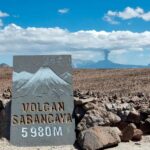
Your day begins with pickup from your hotel in Arequipa. You’ll then head toward the Colca region using the Yura highway, passing along the route that borders the snowy Chachani. The drive itself is part of the experience here, not just a transfer.
A few highlights I think you’ll appreciate:
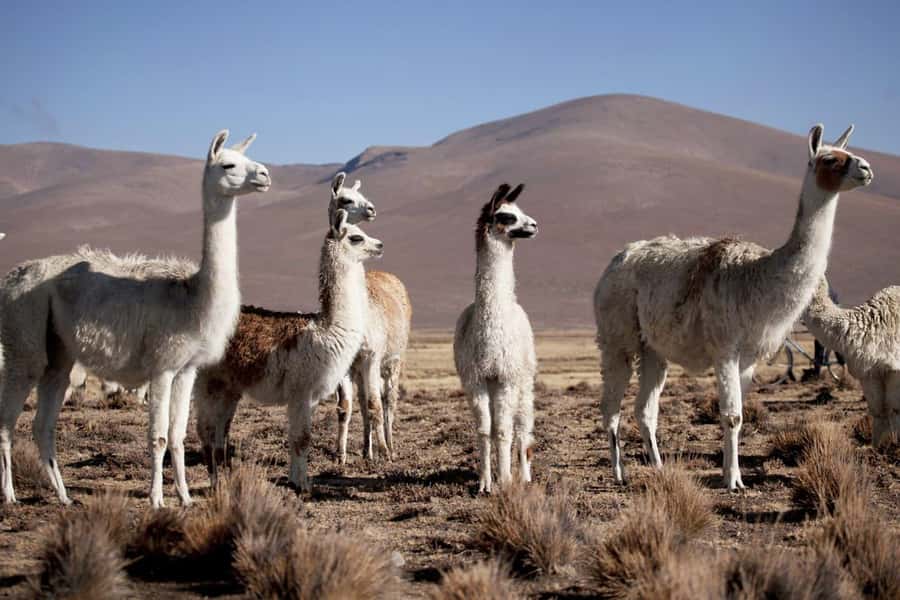
- Pampa Cañahuas / Aguada Blanca and Salinas National Reserve area: this is where the tour aims to show you South American camelids like vicuñas, llamas, and alpacas. If you’re lucky, you can also see migratory birds, with flamingos mentioned as a possibility.
- Tocra Bofedales (wetland area): this is a good moment to stop and look carefully. Even when animals aren’t obvious, the bird activity can be.
- Chucura crater (an extinct volcano): it’s a quick stop, but it gives you a sense of the region’s volcanic backbone.
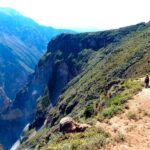
- A high viewpoint on the road (4,910 masl): you’ll appreciate the sweeping mountain views from the highest stretch of the route.
At some point you’ll arrive in the Colca Valley area and settle into your lodging in Chivay or around Yanque/Coporaque. Important practical note: the hotel cost is your responsibility, and if your hotel ends up outside Chivay town, you may need to pay extra for transportation.
After checking in, you’ll have lunch, then shift gears into relaxation with the thermal baths in Yanque (Chacapi).
Chacapi hot springs: when your legs finally get a break
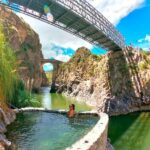
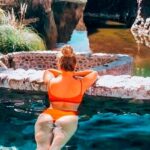
The Chacapi baths are set up as a recovery moment after all that altitude and road time. The waters are described as 35–38°C, which is warm enough to feel soothing without needing to treat it like a spa pool.
This is the kind of stop that’s easy to undervalue until you do it. One day of long drives and early viewing positions your body for a simple win: heat + a slower pace.
The tour also frames the hot springs as optional, so you can skip if you’re not feeling it. I’d still consider going at least for a short soak, especially if you plan to do the condor hike option the next morning.
Dinner with folkloric dance: cultural, but know what to expect on costs
After you settle in, you’ll have dinner with a folkloric show featuring typical dances from the area. The key practical detail: this is an extra cost paid by you.
That means your total trip cost won’t be just the quoted tour price plus the mandatory entrance ticket. If you’re traveling with a tight budget, I’d treat this as an optional add-on even if it’s part of the evening program.
If you do go, it’s a good way to round out the day. Condors are about nature, and hot springs are about your body. Dinner dancing is about local life and rhythm.
Day 2: the early start that makes Cruz del Condor worth it
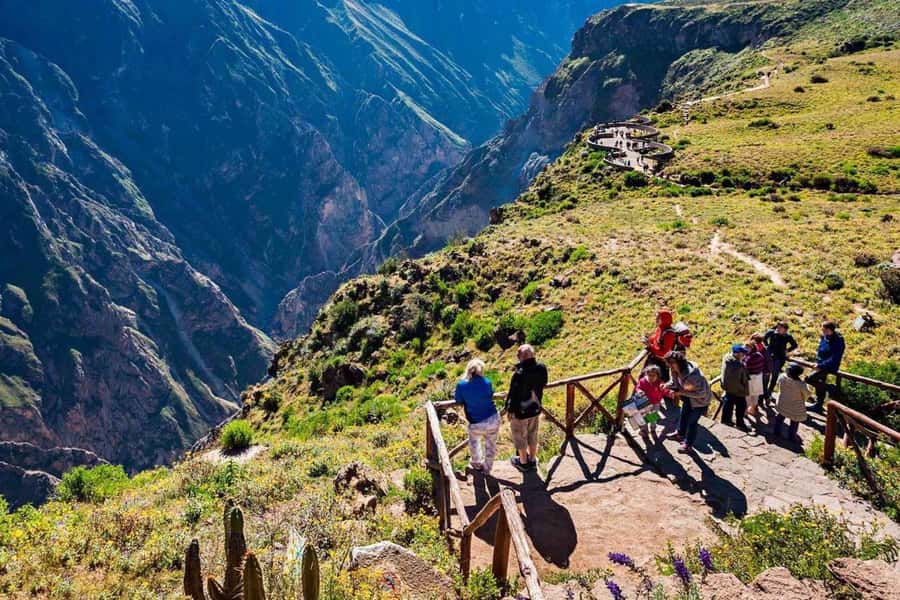
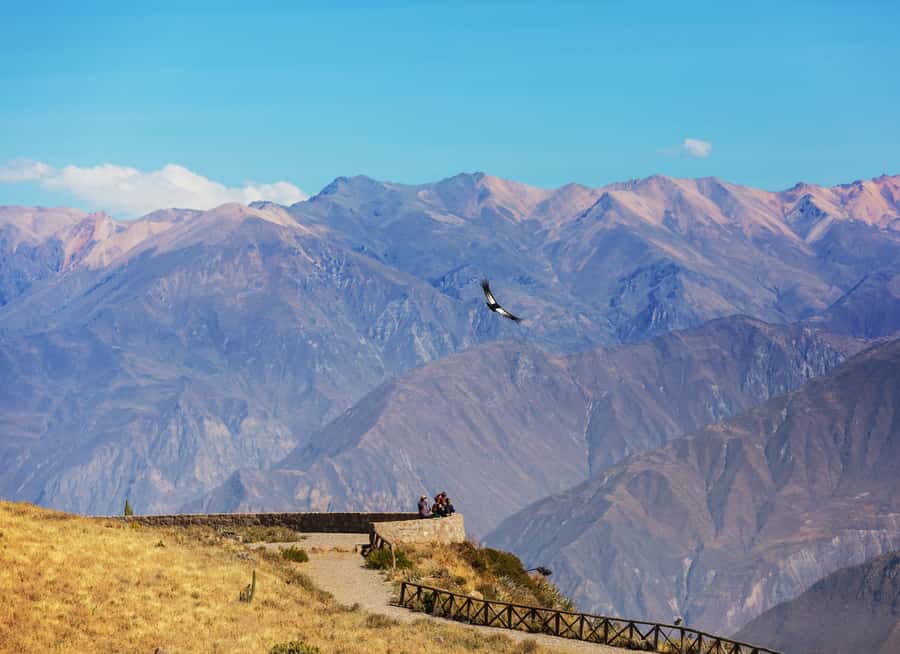
Day 2 begins early—scheduled for 6:30 am. The logic is simple: condors don’t wait for your sleep schedule. Start early, get to the best viewing point, and let the canyon do the rest.
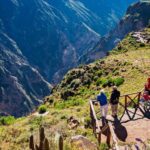
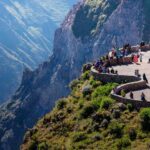
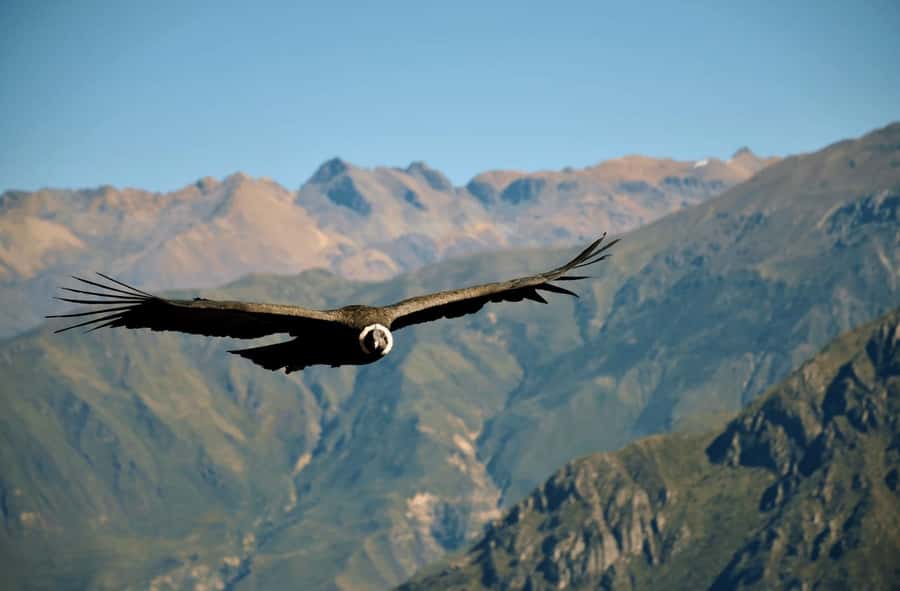
You’ll go to Cruz del Condor, a strategic observation point where the canyon creates updrafts that help condors glide. If weather allows, you can take a short hike up the hill around the viewpoint area. It’s listed as optional, so you can decide based on how you feel.
I like tours that give you a choice like this. You can keep it relaxed if your altitude adjustment is still in progress—or you can walk a little for better sight lines and a more “in it” feeling.
This is also where the guide quality really shows. A good guide helps you track what you’re seeing and when. People have praised guides for giving clear context, and that makes your condor spotting more than a random wildlife encounter.
After condors: Pinchollo, Maca, Yanque, plus viewpoints over terraces and tombs
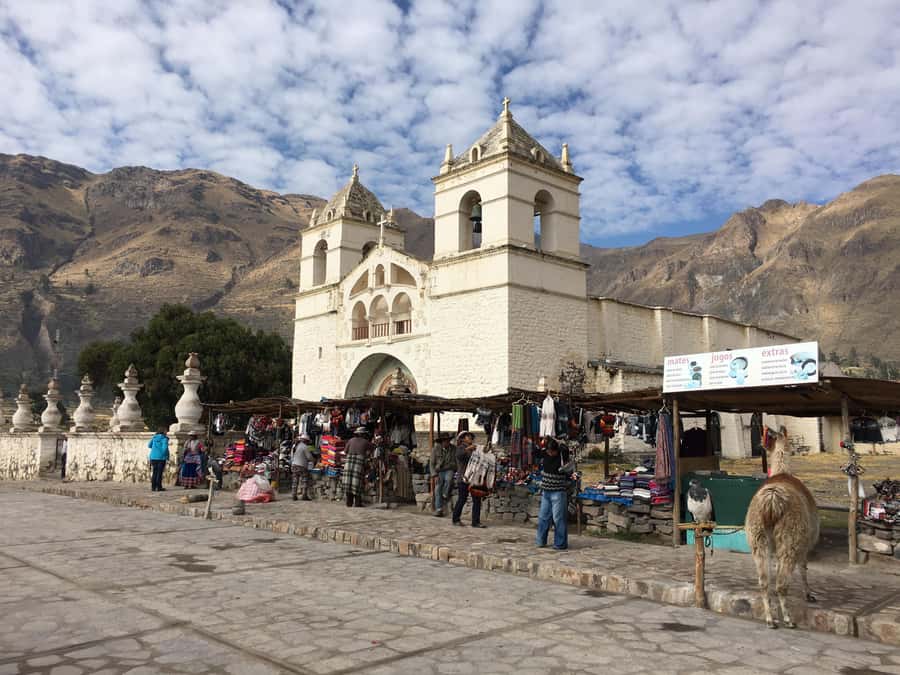
Once you’ve had the big viewpoint moment, the tour shifts to smaller, culture-anchored stops on the return route.
You’ll visit towns including:
- Pinchollo
- Maca
- Yanque
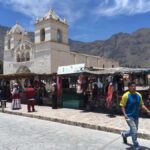
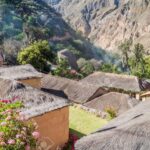
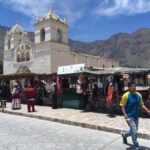
Each is known for colonial churches, and these stops are short but meaningful. You get the feel of how communities live against the canyon’s steep walls.
You’ll also stop at viewpoints such as Choquetico and Antahuilque, which are described as places to see:
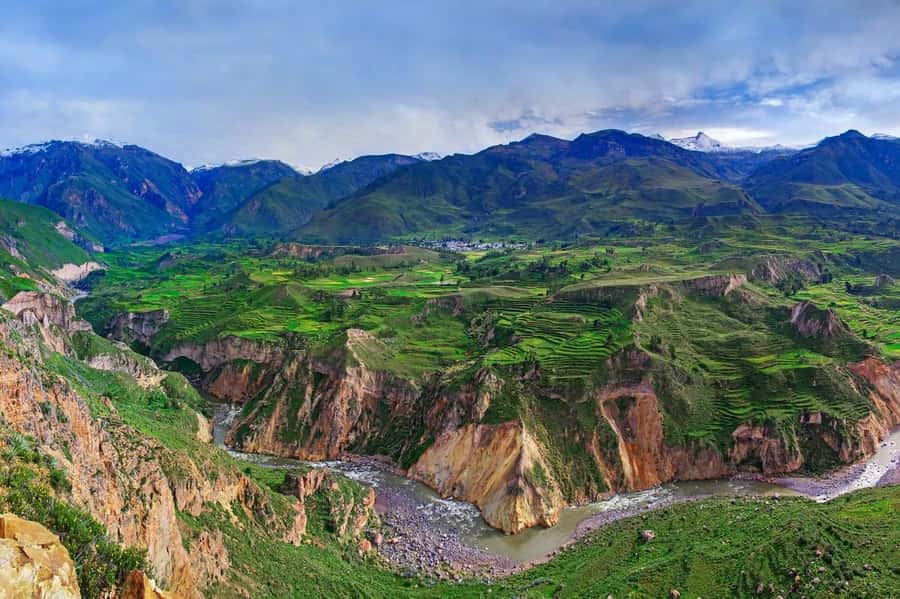
- impressive terraces in the valley
- pre-Inca tombs
- viewpoint models (small-scale reference points)
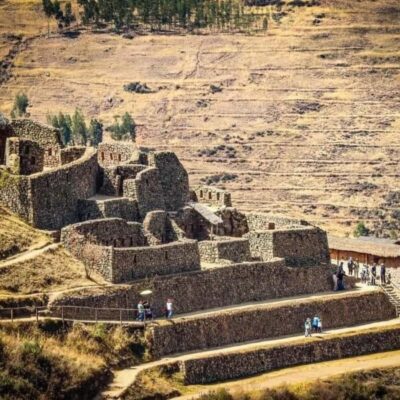
These aren’t the kind of sites where you need to “read a lot” to appreciate them. Terraces give you an instant understanding of how people worked this land long before modern roads. Tombs add weight and history, and the models help you connect what you’re seeing to how the valley is arranged.
Back in Chivay, you can find places to eat for lunch. Then you’ll return toward Arequipa, arriving around 4:30 pm (approximate).
Price and logistics: where the real value comes from (and what costs extra)
The tour price is listed at $35 per person and includes a lot of the “hard parts” you’d otherwise pay for separately: tourist transport, a bilingual specialized official guide, pickup from your Arequipa hotel, and the return to Arequipa.
But the bargain can be misleading if you only think in terms of that $35 number. Here’s what you should plan for:
- Colca Canyon entrance ticket is mandatory and not included. It’s listed as 70 soles for foreign visitors, with discounts for South Americans and Peruvians.
- Hotel in Chivay (or nearby) is not included.
- Meals not mentioned are not clearly part of the base price. Dinner with the folkloric show is explicitly described as extra cost. One guest even flagged that meals weren’t included as expected, so it’s smart to confirm what’s covered before you go.
- Hot spring is optional, even though Chacapi baths are scheduled.
So what’s the value? You’re paying for a guided, scheduled route that hits the key condor viewpoint and several town/terrace stops, while handling the navigation and timing. If you’d be doing this on your own, you’d spend time figuring out transfers, tickets, and which viewpoints are worth your daylight.
My advice: budget for three buckets—entrance ticket, your Chivay lodging, and any meals you want beyond what’s provided. Once you do that, this tour often becomes a very sensible way to see the canyon without stress.
Altitude and comfort: the small choices that keep the trip enjoyable
Altitude is mentioned as something you need to respect, so take it seriously. Even if you feel fine leaving Arequipa, you can still get hit while you’re at higher elevations.
For comfort, make your packing simple and practical:
- Warm clothing (even if the sun is strong)
- Hat
- Camera
- Snacks
- Sunscreen
- Water
- Comfortable clothes
Also, the rules are clear: no smoking and no alcohol/drugs during the tour. That makes sense when you’re doing early viewing and spending time at altitude.
If you’re prone to getting winded, don’t “test your limits” at Cruz del Condor. The short hike is optional, and it’s okay to keep it easy.
Who this Colca Canyon classic tour suits best
This tour fits best if you want:
- a guided route with minimal planning
- the key Colca Canyon moments in two days: Cruz del Condor, valley viewpoints, colonial churches
- one organized day followed by a recovery stop at hot springs
I think it’s a good match for couples, solo travelers, and small groups who don’t want to rent vehicles or negotiate transfers. It’s also a solid first Colca experience, since you’ll see the major viewpoints without needing local knowledge.
If you’re traveling with someone who hates early mornings or has trouble with elevation, you may want to consider the pacing carefully before committing.
Should you book this 2-day Colca Canyon tour back to Arequipa?
If you want a structured, good-value way to see the Colca Canyon icons, I’d say yes—as long as you plan for the add-ons. The condor viewing at Cruz del Condor is the main reason, and the Chacapi hot springs add real comfort after the road and altitude.
Book it if you’re okay budgeting for:
- the Colca entrance ticket
- your Chivay-area hotel
- any meals/show costs that aren’t included
Skip it or ask extra questions first if you need a trip where most costs are already included in the headline price, or if you strongly prefer not to do early mornings.
Either way, go prepared with warm layers, water, and snacks—and get ready for that moment when the canyon opens up and the condors start using the air.