REVIEW · CHIVAY
From Puno: 2-Day Tour to Colca Canyon ending in Arequipa
Book on GetYourGuide →Operated by PERÚ Signature · Bookable on GetYourGuide
Condors in the clouds, then a soak. This 2-day route connects Puno to Cruz del Cóndor and finishes in Arequipa, with high-altitude viewpoints and a stop-and-stare wildlife reserve built into the schedule.
I especially liked the hot springs at La Calera after a big travel day, plus the Andean wildlife time in the Salinas and Aguada Blanca Reserve. Our guide Rahul (bilingual English/Spanish) helped the whole thing run smoothly, and you feel it when the timing is tight and clear.
One thing to plan around: your Chivay hotel isn’t included, and a few key entrances and meals are optional add-ons. If you hate extra decisions, budget a little time up front.
In This Review
- Key things I’d circle before you go
- From Puno’s 6:00 a.m. start to Chivay: quick, efficient travel
- Salinas and Aguada Blanca: seeing wildlife where it actually lives
- Patapampa at 4,900 meters: the view that comes with effort
- Chivay arrival, optional lunch, and the La Calera hot springs reset
- Day 2: Maca church stop and Antahuilque terraces before the main event
- Cruz del Cóndor: where you watch the condor flight
- The ending: lunch option in Chivay and arrival in Arequipa around 5:00 p.m.
- Price and what you really get for $99
- Group pacing, timing, and comfort: the stuff that makes or breaks a 2-day tour
- Who this tour fits best (and who should think twice)
- Should you book this Puno to Colca Canyon tour ending in Arequipa?
- FAQ
- Where does the tour start and where does it end?
- What time does the first day begin?
- Do I need to book a hotel in Chivay?
- What language is the guide?
- Where is the best place to see the condors?
- Is the Colca Canyon entrance fee included?
- Are meals included?
- Are hot springs entrance fees included?
- What should I bring for this tour?
Key things I’d circle before you go
- Cruz del Cóndor gives you the best shot at condor flights during the day’s timing window
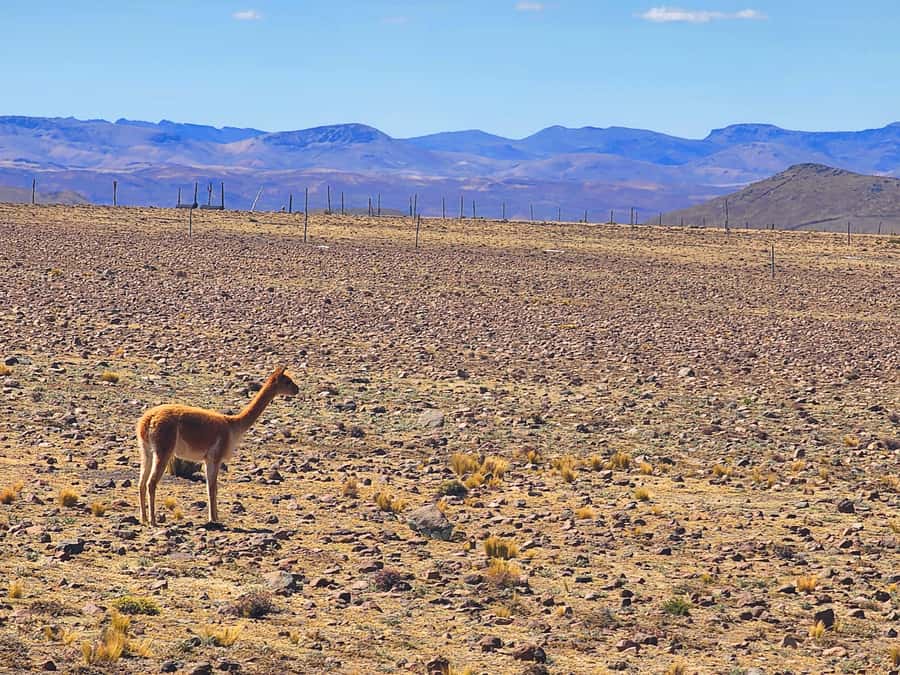
- Salinas + Aguada Blanca Reserve for vicuñas, llamas, and alpacas in open highland spaces
- Patapampa (4,900 m) is the high point where the views are great but the air gets thin
- La Calera hot springs are the easy reset button after altitude and road time
- Puno to Arequipa means you travel over two days instead of backtracking
From Puno’s 6:00 a.m. start to Chivay: quick, efficient travel
This tour starts early. Day 1 kicks off at 6:00 a.m. from your hotel in Puno, and the goal is simple: get you out to the highlands before the daylight and weather shift too much. You’ll ride toward Chivay, with viewpoint and reserve stops along the way, so the day doesn’t feel like one long bus drive.
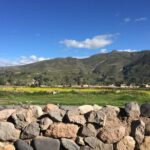
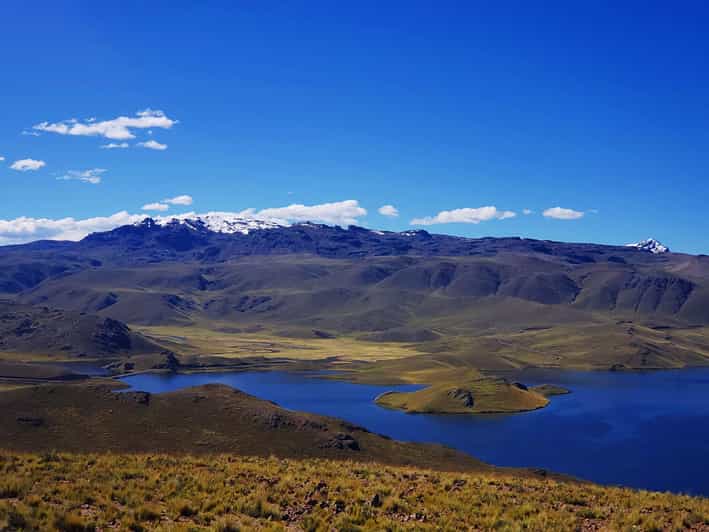
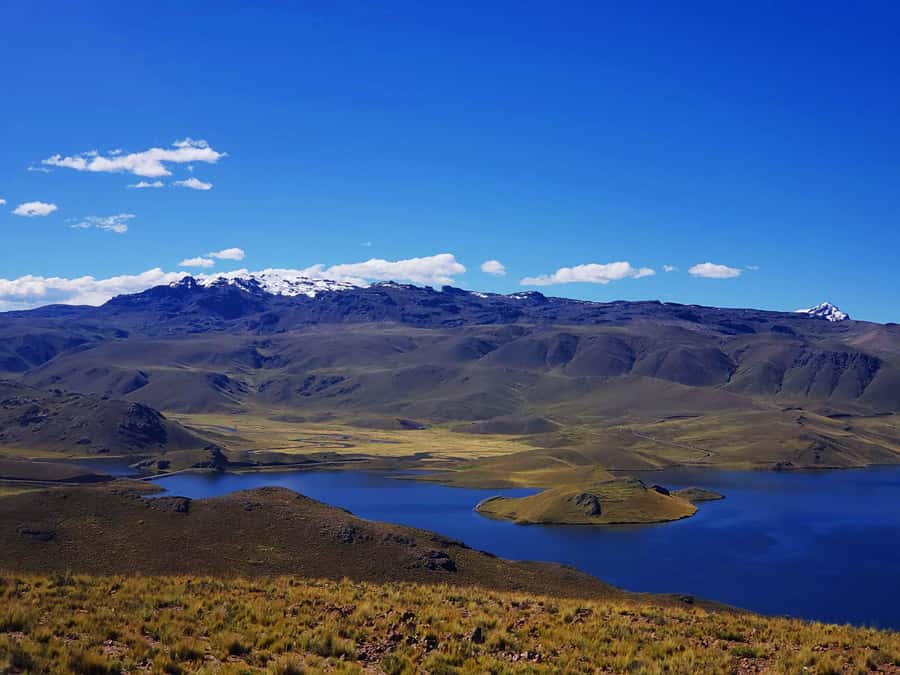
Along the route, you’ll hit the Lagunillas viewpoint, where the payoff is that classic altiplano view: broad highland terrain, thin air, and that quiet feeling you only get up here. It’s one of those stops where you don’t need a long stay; you need a few good minutes to look and then take a breath.
Practical note: you’ll be at high elevation quickly, and the day moves on schedule. Wear layers so you can adjust as the temperature changes. Also, comfortable shoes matter here—viewpoints and reserve areas aren’t always flat in the way you want.
You can also read our reviews of more tours and experiences in Chivay
Salinas and Aguada Blanca: seeing wildlife where it actually lives
After Lagunillas, the tour heads to the Salinas and Aguada Blanca National Reserve. This is where the experience turns from scenery to animals you can actually watch in their own space.
You’ll have time to look for vicuñas, llamas, and alpacas roaming freely. The reserve doesn’t feel like a zoo setup. Instead, you’re spotting wildlife the way you’d do on a self-guided walk—just with a guide to help you read the terrain and understand what you’re looking at.
I like that this stop is specific. Some tours promise wildlife but only offer quick photos from a bus window. Here, you get enough time to slow down, notice movement, and watch animals grazing and moving through open areas.
One consideration: wildlife spotting depends on conditions. If it’s windy or visibility is reduced, you may need a little patience. But that’s also part of why it feels real.
Patapampa at 4,900 meters: the view that comes with effort
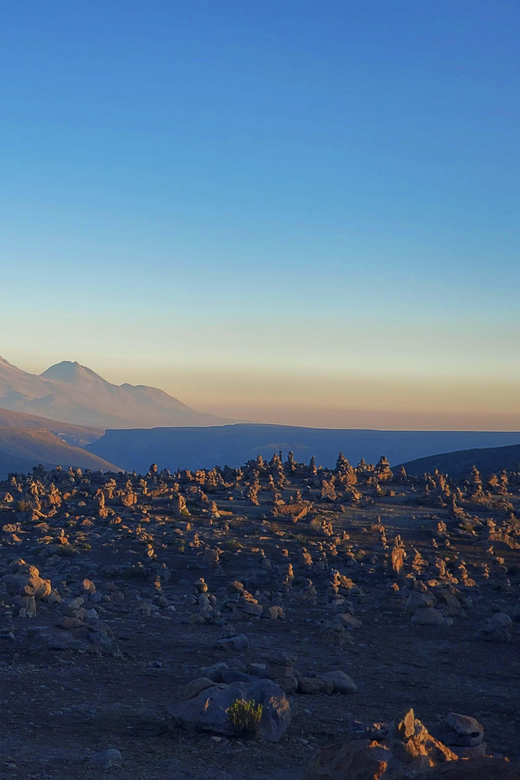
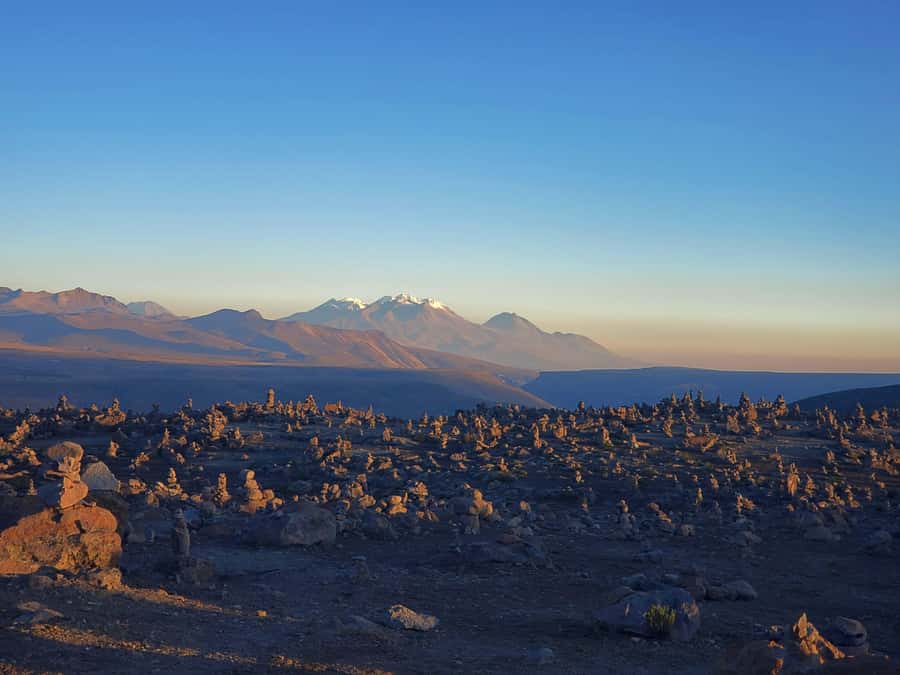
Next you’ll climb to Patapampa, the highest point on the route at about 4,900 meters. This isn’t just a fun fact for the brochure. It’s the kind of elevation where you’ll feel it in your breathing and your pace.
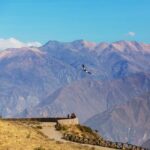
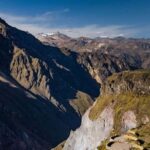
The good news: the viewpoint is worth slowing down for. You’ll get breathtaking views of the volcanic mountain range, and the sheer scale makes everything feel larger than maps do. Even if you’ve seen Andean mountains before, this one hits differently because you’re so high.
What helps most is treating Patapampa as a short, purposeful stop:
- Pause, look, take a few photos, then don’t rush the rest of the climb.
- Drink water if you can.
- Keep your breathing steady.
If you’re prone to altitude issues, plan to take it easy and follow your body. This tour is well organized, but elevation is elevation.
Chivay arrival, optional lunch, and the La Calera hot springs reset
Once you reach Chivay, the schedule gives you breathing room. You can enjoy an optional lunch, then you’ll be transferred to your hotel. That hotel break is important—Day 1 includes a lot of altitude and movement, and you’ll want a moment to cool down, change layers, and gather yourself.
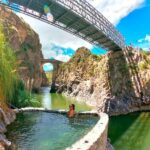
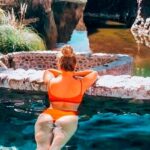
In the afternoon, the tour shifts into recovery mode with La Calera hot springs. This is the part I’d recommend to everyone, even if you’re not usually a hot-springs person. After a day of cold highland air and long viewpoints, soaking is the fastest way to feel human again.
You’ll also have the option to add an evening meal and a traditional dance show. Even if you’re not hunting for cultural performances, it’s a nice rhythm shift: you go from highland quiet to local energy without needing extra transportation.
Tip: pack a small kit. Even though the tour timing is structured, you’ll feel better if you’re ready for warm-water downtime—flip-flops, a dry layer, and something to keep your phone protected.
Day 2: Maca church stop and Antahuilque terraces before the main event
Day 2 starts early as well, and the next big idea is building toward your most famous moment: condor watching.
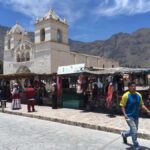
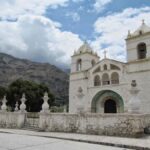
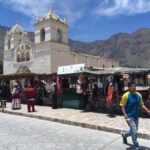
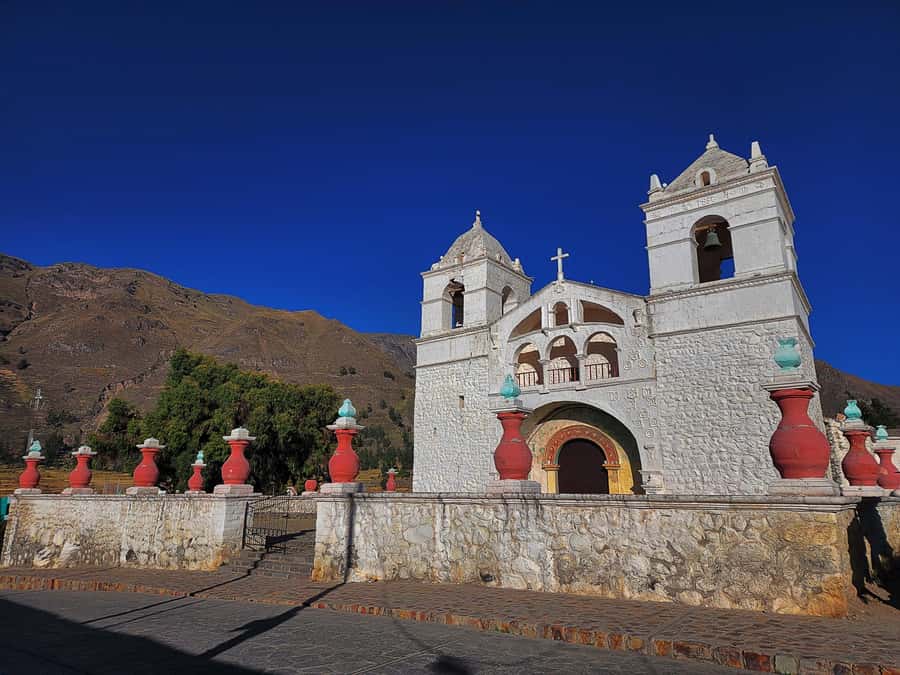
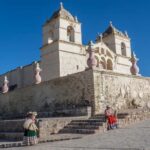
On the way toward Colca Canyon, the tour stops in Maca to visit its colonial church. This is a good breather stop. You swap mountain air and wide viewpoints for a calmer, local-feeling pause—an easy place to reset your eyes and energy before heading back out.
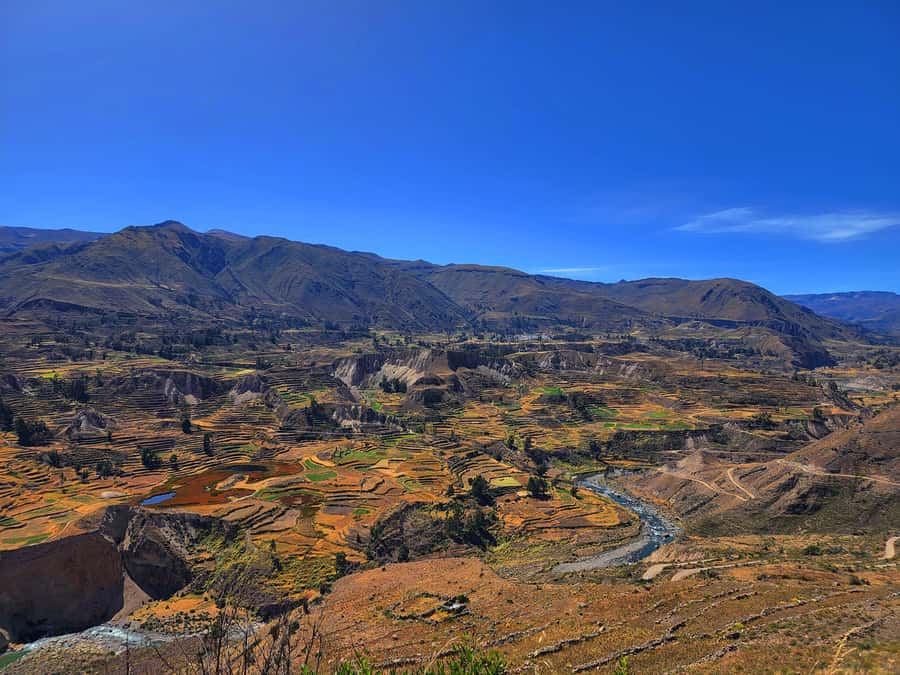
After Maca, you continue to the Antahuilque viewpoint, where you’ll see pre-Inca terraces. This stop changes the story of the day. You’re no longer only looking at nature; you’re looking at how people shaped the land long before modern roads and tourism.
The terraces add meaning to the canyon region. They help you understand the area as a lived landscape—agriculture, adaptation, and survival. Even if you only spend a short time there, the visuals stick.
Then it’s time for the final approach.
Cruz del Cóndor: where you watch the condor flight
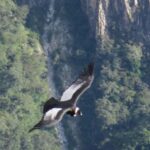
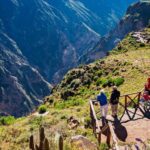
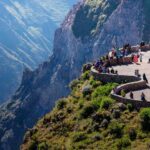
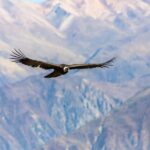
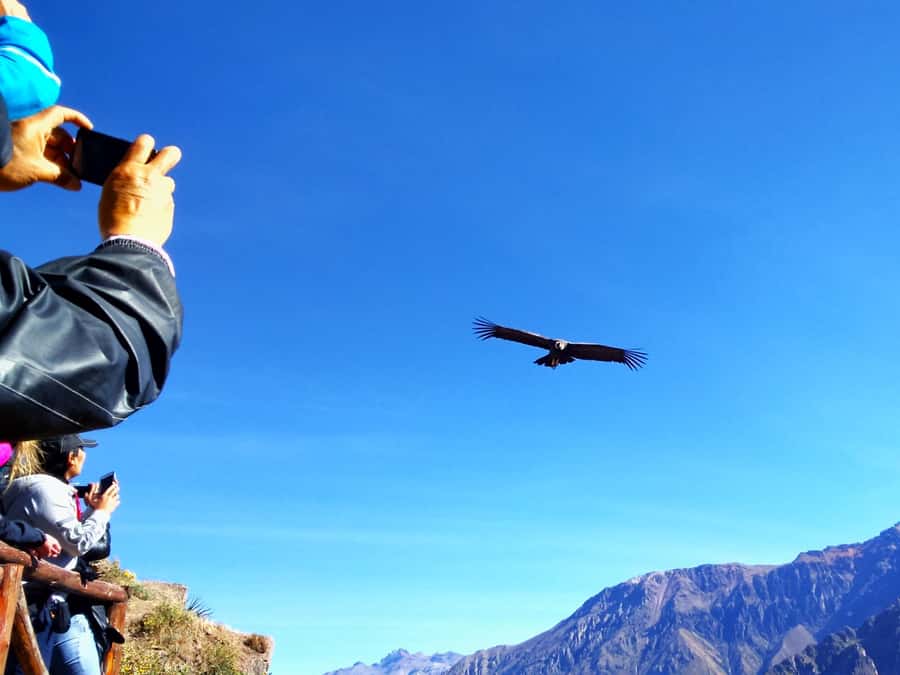
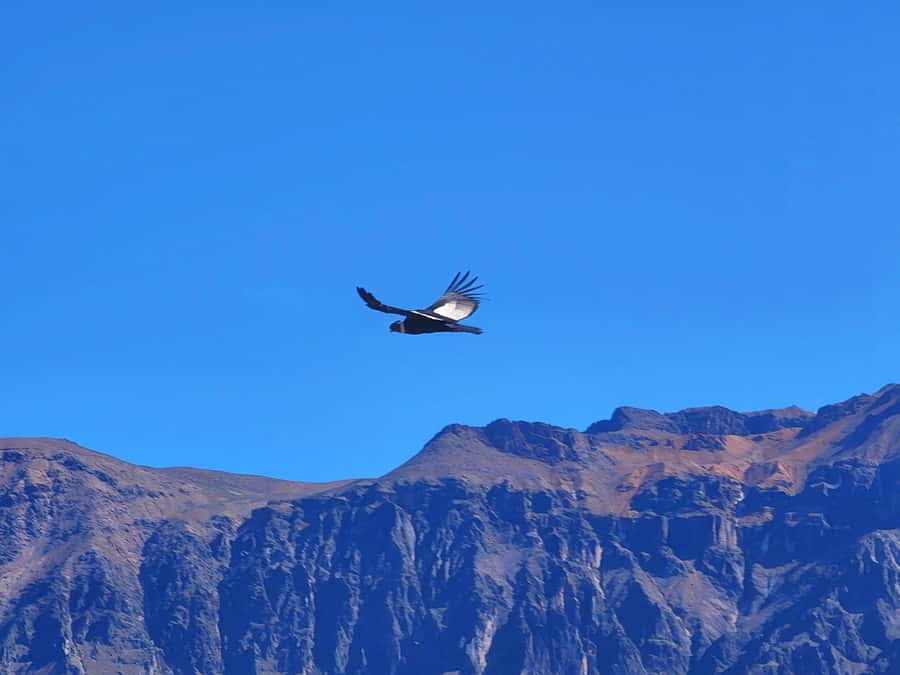
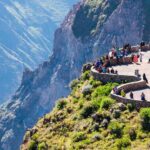
Finally: Cruz del Cóndor. This is the place most people want, because it’s where you can watch the flight of the Andean condor, described as the largest flying bird in the world. The experience isn’t just about seeing one bird—it’s about watching how it uses the air.
I like that the tour doesn’t treat this as a random stop. It’s the focus of the day, and the timing is built around that.
What to expect:
- You’ll arrive, position yourself for viewing, and then wait for movement.
- When the condors appear, you get that slow, powerful sense of flight that’s hard to capture in a photo.
Bring warm layers for this part of the day. Even if the sun is out, canyon wind can bite. And yes, you’ll likely spend time standing or sitting in one spot—comfortable clothing pays off.
The ending: lunch option in Chivay and arrival in Arequipa around 5:00 p.m.
After Cruz del Cóndor, the return drive starts. You’ll have an optional lunch in Chivay, then continue onward toward Arequipa.
The estimated arrival time is around 5:00 p.m. on the second day. The drop-off is in Arequipa downtown, which is a practical detail—less time figuring out transport when you’re tired.
One logistics note that matters: drop-off service within Colca Canyon doesn’t cover every lodging. The tour notes some establishments aren’t included, such as Colca Lodge, Casitas del Colca, El Refugio, and similar spots. If you’re staying in one of those areas, arrange a reliable taxi to your accommodation with staff help.
Price and what you really get for $99
At $99 per person for a 2-day tour, the value comes from what’s covered versus what you’ll pay separately.
Included:
- Hotel pick-up in Puno city
- Hotel drop-off in Arequipa downtown
- Professional bilingual guide (English and Spanish)
That’s the core value: transport + guidance across a route that’s tough to assemble on your own, plus the added confidence of a guide who knows where to stop and when.
Not included (important):
- Chivay accommodation (you book it)
- Colca Canyon entrance fee (available as an add-on during booking)
- La Calera hot spring entrance fee (available as an add-on)
- Lunches (Day 1 and Day 2) and Day 1 dinner (optional add-ons)
So the best way to look at the price is this: you’re paying for the route, the guide, and the main timed experiences. Then you top it up with a couple admissions and meals depending on what you choose.
If you already planned your Chivay stay and you don’t want to gamble on where to eat, budget for those add-ons at booking time and you’ll stay in control.
Group pacing, timing, and comfort: the stuff that makes or breaks a 2-day tour
This is a fast, focused two days. The schedule hits multiple high-altitude stops, and you’ll switch from viewpoints to wildlife reserve to hot springs to canyon terraces, all with limited dead time.
That pacing is a plus if you like efficient travel. It’s also the reason you’ll want to pack smart:
- Warm clothing for canyon and high elevation
- Comfortable shoes for uneven or viewpoint walking
- A way to keep warm even if the bus is toasty
Wheelchair accessibility is listed, and the tour includes pickup and handles big luggage in the transport (large suitcases are fine for the 2-day excursion). That’s helpful if you’re not traveling with just a daypack.
And if you’re traveling with kids: children under 2 years travel free of charge if they sit on their parents’ lap.
Who this tour fits best (and who should think twice)
This tour is a strong match if you want:
- Condor watching without doing logistics on your own
- Wildlife time at Salinas and Aguada Blanca
- A mix of nature stops plus a bit of human history (the Maca church and pre-Inca terraces)
- A convenient finish in Arequipa downtown instead of returning to Puno
It may not be ideal if:
- You want a slow, flexible pace with lots of free time in each town
- You don’t want to plan your Chivay hotel
- You prefer guided stops without optional meals or add-on entrance fees (you’ll still be offered the extras, but you control what you take)
Should you book this Puno to Colca Canyon tour ending in Arequipa?
If you want one efficient route that covers the main Colca Canyon highlights plus highland wildlife and a hot-spring break, I’d say yes—with planning.
Book it if you’re excited by:
- Cruz del Cóndor condor flights (this is the headline)
- Wildlife at Salinas and Aguada Blanca Reserve
- The practical convenience of hotel pick-up in Puno and downtown drop-off in Arequipa
Think twice if you hate cold mornings, struggle with altitude, or don’t want to manage Chivay lodging and optional add-ons. In that case, you can still enjoy the region—but you might be happier with a more flexible multi-night plan.
If you do book, do one simple thing: pack for altitude and cold wind, then let the schedule handle the rest. The route is tight, the guide-led stops are purposeful, and you’ll get exactly what you came for—condors, terraced history, and a very satisfying soak.
FAQ
Where does the tour start and where does it end?
It starts with hotel pick-up in Puno city and ends with hotel drop-off in Arequipa downtown on the second day (around 5:00 p.m.).
What time does the first day begin?
Day 1 begins at 6:00 a.m. departing from Puno.
Do I need to book a hotel in Chivay?
Yes. Accommodation in Chivay is not included, and you must book it yourself.
What language is the guide?
The guide is bilingual in English and Spanish.
Where is the best place to see the condors?
The tour’s condor viewing stop is Cruz del Cóndor.
Is the Colca Canyon entrance fee included?
No. The entrance fee to Colca Canyon is available as an add-on during booking.
Are meals included?
Lunch on day 1 and lunch on day 2 are available as add-ons, and dinner on day 1 is also an add-on. They are not included by default.
Are hot springs entrance fees included?
No. Entrance fees to the La Calera Hot Spring are available as an add-on during booking.
What should I bring for this tour?
Bring comfortable shoes and warm clothing, since the route reaches high elevations and canyon wind can be cold.