REVIEW · CHIVAY
Turist Bus Colca Canyon (Chivay) To Puno
Book on Viator →Operated by Nativa Express · Bookable on Viator
This ride turns into a mini Andes tour. You get an air-conditioned Chivay to Puno bus plus a bilingual guide who times the day around four real sightseeing breaks, not just highway miles.
I love the mix of viewpoints and animal country, especially the volcano panoramas at Abra Patapampa and the chance to spot camélidos grazing in open Andean terrain. One thing to plan for: don’t rely too heavily on the promised complimentary snacks, water, coffee, or Wi-Fi actually being handed to you in every moment—treat them as a bonus and keep your own backup plan.
In This Review
- Four Guided Stops That Break Up a Long Transfer in Comfort
- Where You Start in Chivay (And How the Timing Really Works)
- Abra Patapampa: Volcano Views, Apachetas, and the Amazon Headwaters
- Tocrapampa: Camélidos Grazing in Their Own Habitat
- Patahuasi (Pampa Cañahuas): Reserva Country, Herbal Drinks, Restrooms, and Crafts
- Laguna Lagunillas: Mirror-Like Lagoons and Andean Flamingos
- The Bus Setup That Makes Long Roads Tolerable
- Price and Value: Why This One-Way Transfer Often Feels Fair
- What the Best Moments Tell You About the Guide
- Things to Keep in Mind Before You Book
- Should You Book the Nativa Express Chivay to Puno Bus?
- FAQ
- Where do I meet the tour in Chivay?
- What time does the bus depart?
- How long is the Chivay to Puno transfer?
- What sightseeing stops are included?
- Are snacks, water, or coffee included?
- Is Wi-Fi available on the bus?
- Does the bus have a toilet?
- Will I be dropped at my hotel in Puno?
- Is this tour affected by weather?
- What is the cancellation policy?
Four Guided Stops That Break Up a Long Transfer in Comfort
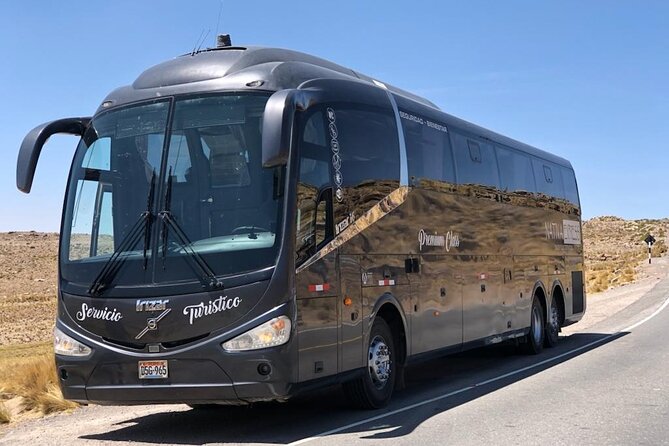
This is a one-way transfer from Chivay (Colca Canyon area) to Puno, typically about 6 hours 30 minutes on the road, with the day stretching longer if traffic or road conditions run behind. The format is simple: you board in Chivay, then make stops for photos and short walks, guided in Spanish and English.
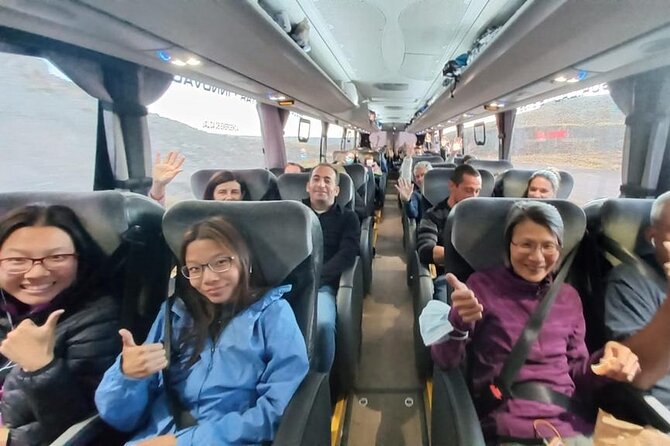
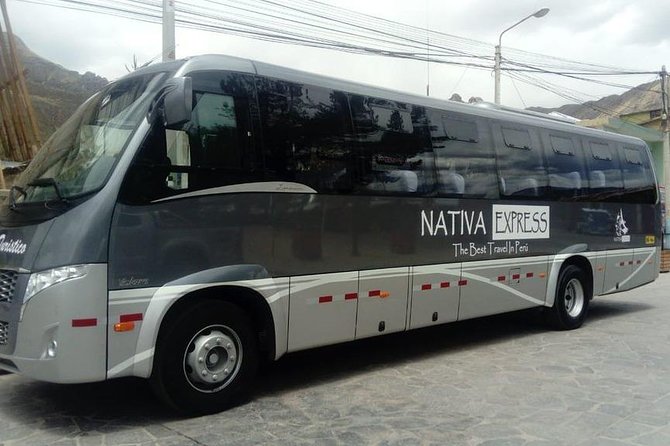
The bus is set up for the long haul. You get air-conditioning (or heating), Wi-Fi, an onboard toilet (chemical), and phone/tablet/laptop charging points. There’s also an individual reading light—small detail, but it helps when you’re trying to pass time without blasting your phone screen brightness.
Group size is capped at 40 travelers, which usually keeps things organized when you’re herding cameras and getting everyone back on schedule at each stop. If you’re traveling in the busy season, booking ahead helps; this option is commonly reserved about 56 days in advance.
Where You Start in Chivay (And How the Timing Really Works)
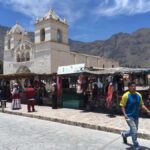
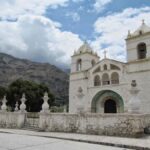
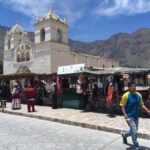
Meeting is in a very specific spot in the main square area. You’ll be expected at the office in Chivay next to the church on the Plaza principal, with arrival window from 12:30 pm to 1:10 pm. Departure is around 1:15 pm.
That timing matters. Even if you’re comfortable with buses, you’ll want to be ready before 1:15, since the drive starts immediately and the first stop comes soon after leaving town. In plain terms: treat the first 45 minutes as part of the tour, not as a warm-up.
When you reach Puno, arrival is typically around 7:00 to 7:30 pm. If your hotel is in the Centro Histórico, the driver may be able to direct you onward to your lodging—helpful after a long day when you’re tired and just want your room.
You can also read our reviews of more tours and experiences in Chivay.
Abra Patapampa: Volcano Views, Apachetas, and the Amazon Headwaters
The first major viewpoint is Abra Patapampa, where you stop for about 8 minutes. This isn’t a long hike. It’s a quick “get your bearings and grab photos” moment, timed by the guide.
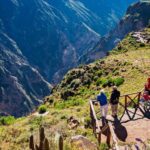
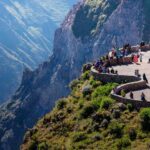
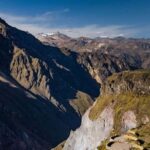
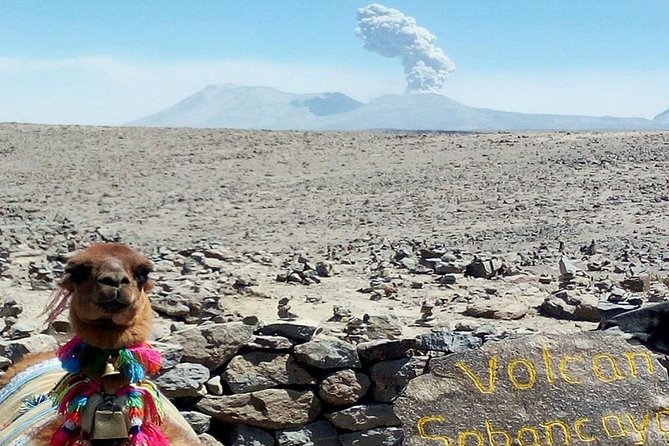
This stop is built around the famous panorama called the Mirador de los Andes. On a clear day, you’re looking out toward volcanoes including Ampato, Sabancaya, Hualca Hualca, and Mismi. Mismi is especially interesting because it’s described as the source where the Amazon River begins. You also get the wider Cordillera del Chila in the view.
The guide also points out apachetas—little stone-tower offerings travelers historically left on routes for their gods. It’s one of those details that turns a standard photo stop into something more meaningful: you realize you’re not just looking at mountains, you’re looking at a landscape layered with human routes and old travel customs.
Practical tip: because the stop is short, wear a warm layer and keep your camera ready before the bus stops. If you wait until you’re out of the door to hunt for a jacket, you’ll lose your best angle.
Tocrapampa: Camélidos Grazing in Their Own Habitat
Next up is Tocrapampa, a quick technical stop (time is shorter than the main viewpoint breaks). The goal here is less about monuments and more about wildlife spotting in the open Andean environment.
You’ll look for llamas and alpacas grazing naturally. With luck, you may also see vicuñas, which are often mentioned because their fiber is considered especially fine and valuable for textile production. Even if you don’t spot vicuñas, the scene still gives you a real sense of scale—Andes terrain where animals are part of the daily rhythm, not a zoo-style display.
This is also a good moment to stretch legs without overcommitting. The stop is structured to keep the transfer moving, so think short walk, quick photos, and back to the bus.
Patahuasi (Pampa Cañahuas): Reserva Country, Herbal Drinks, Restrooms, and Crafts
The third stop is Patahuasi, specifically the Pampa Cañahuas area, within the Reserva Nacional de Aguada Blanca. This is a longer-feeling break than the first one, about 15 minutes.
The viewpoint connects you to the volcano world again, with the description pointing to the area behind volcano Chachani. In this reserve setting, the focus is on camélidos—looking for vicuñas, llamas, and alpacas. Depending on the season and what the animals are doing that day, you might also notice zorros and guanacos farther out.
What I like here is that the stop is practical, not just scenic. You can warm up with hot drinks made from natural herbs, including chachacoma and muña. There’s also a chance to use restrooms here, which matters on a long transfer where timing between stops can be tight.
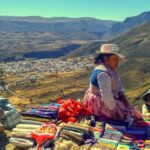
Then there’s the human layer: you can buy artesanías and souvenirs. You’re not trapped in a tourist market sprint—this is more like a quick browse opportunity before continuing.
Watch your schedule: fifteen minutes passes quickly at altitude. If you want a drink and also want souvenirs, decide what matters most. For many people, it becomes a choice between staying warm and taking a few last photos.
Laguna Lagunillas: Mirror-Like Lagoons and Andean Flamingos
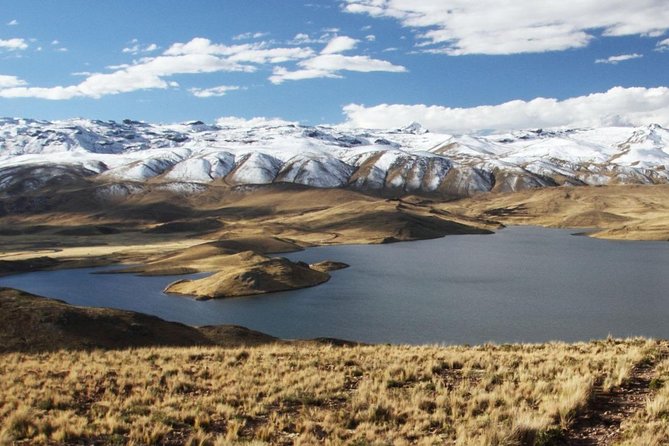
Your final sightseeing stop is Laguna Lagunillas, again around 15 minutes. This one is all about the view: small lakes laid out so they can reflect the sky, making the whole area feel like a series of mirrors.
It’s also a wildlife stop. Lagunillas is described as habitat for Andean flamingos and other birds depending on the season. Even when the flamingos aren’t right beside the viewing angle, the lagoon scenery still rewards you for the quick pause.
The photography potential is strong here because you’re getting both wide views and reflective water moments. Just keep expectations flexible: birds and exact angles depend heavily on what they’re doing and the day’s weather.
Then you ride the final stretch into Puno, with arrival typically 7:00–7:30 pm. This is the point where comfort and charging stations really pay off—your phone battery will want help after hours outdoors.
The Bus Setup That Makes Long Roads Tolerable
A lot of Chivay-to-Puno options exist, but the details on this one matter for fatigue.
Inside, you’ll have:
- Air-conditioning with heating option
- Onboard Wi-Fi
- Onboard chemical toilet
- Charging points for devices
- A reading light so you can keep screens dim
That toilet detail is worth more than it sounds. If you’re the type who hates awkward timing around rest stops, it’s reassuring to know you’ve got a backup on board.
Wi-Fi is included, but I’d still assume it may be inconsistent or slow at times—especially during moving stretches and in remote areas. If you plan to work, treat the connection as a bonus, not a guarantee.
Also, the day can run long. Even though the schedule is about 6.5 hours, road delays can push closer to 7.5 hours. Pack a buffer mindset. Think of it as a long scenic transfer day with stops, not a strict-to-the-minute commute.
Price and Value: Why This One-Way Transfer Often Feels Fair
At about $41.03 per person, you’re paying for a package: one-way transport plus guided breaks, a bilingual licensed guide, and the bus comfort setup. It’s not just sitting in traffic—your time on board is paired with four stops where you’ll get viewpoint explanations and a chance to see animals.
Value usually comes from what you would otherwise pay for separately:
- Guide interpretation you won’t get on a DIY bus
- Multiple timed sightseeing stops
- Comfort items (AC/heating, toilet, charging)
- Included essentials that are intended to reduce what you need to carry
That said, I’d still bring your own small safety supplies. Keep a simple snack in your bag and carry some cash for water or extras if the complimentary items aren’t part of your particular bus moment. It’s not about being negative—it’s about staying stress-free when you’re spending hours between towns.
What the Best Moments Tell You About the Guide
The guide is the heart of the experience. The strongest feedback centers on how helpful and competent the guide is, especially in handling traveler questions during the day. On the road, that can mean practical answers and calm guidance—things like clarifying next steps once you reach Puno.
The bilingual setup (Spanish and English) also helps. You’re not left guessing at what you’re seeing in the viewpoint pauses. And when you stop at places with cultural references like apachetas, having an explanation in a language you understand makes the difference between quick snapshots and real understanding.
If you like tours where you learn just enough to connect the dots—then this guide-led rhythm will suit you.
Things to Keep in Mind Before You Book
This tour is built around outdoor viewpoints. That means weather matters. The experience requires good weather, and if it gets canceled because conditions are poor, you’ll be offered another date or a full refund.
Also, you’ll be on a schedule. The stops are timed, so you shouldn’t plan on long walks or extended museum-style exploring. This is more like a moving sampler—very visual, very scenic, and paced for a single-day transfer.
One more consideration: because it’s an Andes route, it can feel chilly at viewpoints. Layering beats one bulky sweater. Even if Chivay feels warm when you leave, the stops can shift the temperature fast.
Should You Book the Nativa Express Chivay to Puno Bus?
Book it if:
- You want an easier one-way transfer that still includes real sightseeing stops
- You like the idea of guided stops at Abra Patapampa, Patahuasi, and Laguna Lagunillas
- You appreciate bus comfort: AC/heating, onboard toilet, charging points
- You’d rather spend one day doing stops than piece together separate transport and viewpoints
Skip it or think twice if:
- You need reliable Wi-Fi for work during transit
- You hate the idea that complimentary snacks/water/coffee might not show up at your exact moment
- You prefer a slower, more flexible day with longer stays at fewer places
If you’re traveling with a bit of flexibility and you want maximum scenery per hour, this is a solid way to go from Chivay toward Puno without losing the day to empty seats and wasted time.
FAQ
Where do I meet the tour in Chivay?
You meet at the tour office in Chivay next to the church in the Plaza principal. You arrive between 12:30 pm and 1:10 pm, and the bus leaves around 1:15 pm.
What time does the bus depart?
It leaves Chivay at approximately 1:15 pm.
How long is the Chivay to Puno transfer?
The duration is about 6 hours 30 minutes on average, though travel time can run longer depending on conditions.
What sightseeing stops are included?
You get four guided stops: Abra Patapampa, Tocrapampa, Patahuasi (Pampa Cañahuas), and Laguna Lagunillas.
Are snacks, water, or coffee included?
The experience description says complimentary snacks, water, and coffee are provided, and a water bottle is included. Extras are not included.
Is Wi-Fi available on the bus?
Yes. Free Wi-Fi is included.
Does the bus have a toilet?
Yes. There is an onboard chemical toilet, depending on the unit type.
Will I be dropped at my hotel in Puno?
You arrive in Puno around 7:00–7:30 pm. If your hotel is in the Centro Histórico, it may be possible to direct you to your hotel.
Is this tour affected by weather?
Yes. The experience requires good weather. If it is canceled due to poor weather, you’ll be offered a different date or a full refund.
What is the cancellation policy?
You can cancel for a full refund up to 24 hours in advance. If you cancel less than 24 hours before the start time, the amount you paid will not be refunded.