REVIEW · PERU
Cusco: Zipline in the Sacred Valley
Book on GetYourGuide →Operated by Amaru explorer SAC · Bookable on GetYourGuide
Four cables, one big grin. This Cusco zipline turns the Sacred Valley into your flight path, starting with a gentle cable and building up to speed, extreme positions, and canyon views. I love that it is a structured adrenaline ladder, not just one scary plunge.
What I also like is the full setup: you get harnesses, helmets, and gloves, plus safety instructions in English or Spanish before you launch. The main consideration is simple: it is not suitable for pregnant women, wheelchair users, or anyone with pre-existing medical conditions.
In This Review
- Key points to know before you fly
- Getting from Cusco to the Mirador de Racchi launch spot
- Gear, harness fit, and safety talk in English or Spanish
- The four-cable flight ladder over the Sacred Valley
- Cable-by-cable breakdown: soft start, max speed, Superman, and canyon views
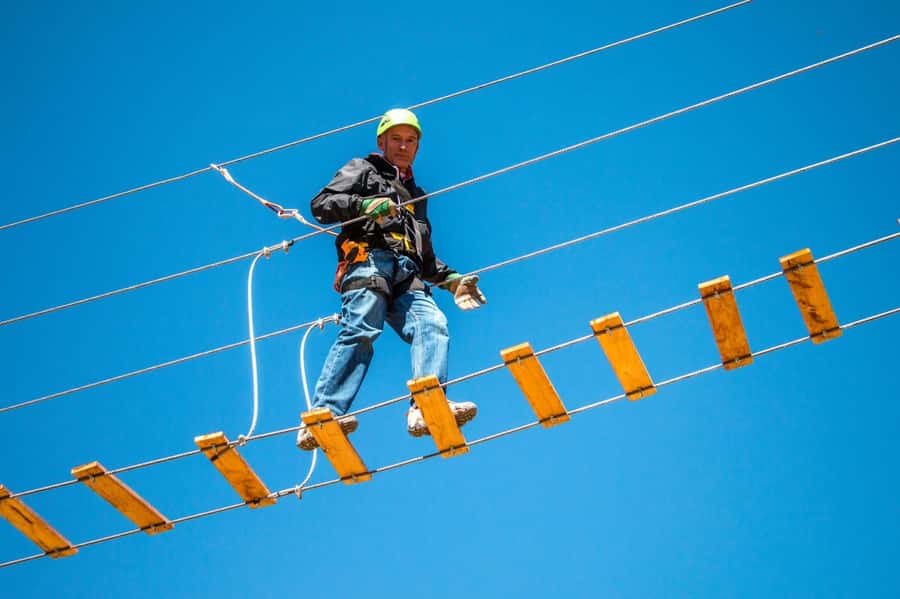
- Cable 1: the soft start for confidence
- Cable 2: fastest cable for the flying sensation
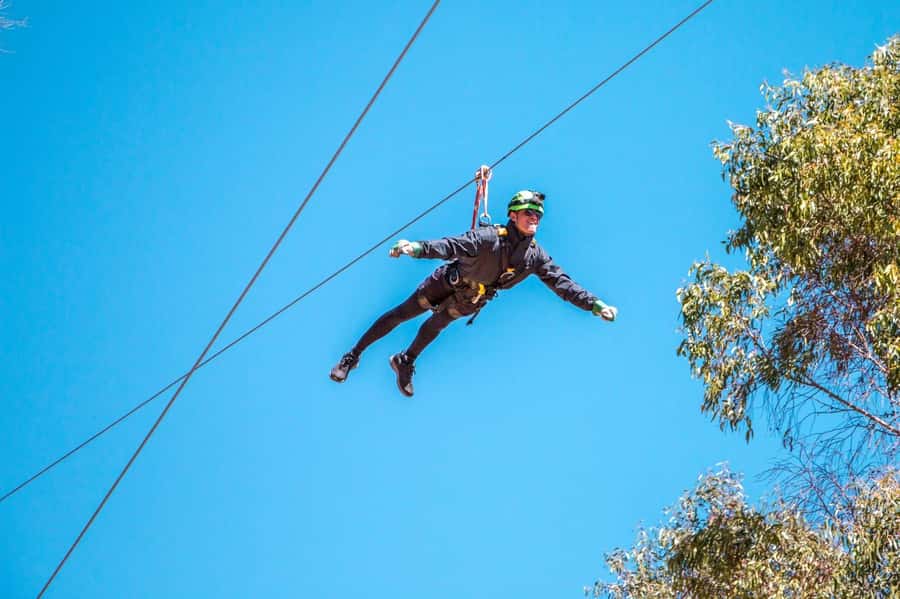
- Cable 3: extreme movement and Superman/Superwoman poses
- Cable 4: best views of the canyon, Sacred Valley, and snowy peaks
- How the 3-hour schedule fits into your Cusco day
- Price and value: what $45 really covers
- Who should book this Sacred Valley zipline (and who should skip)
- Practical tips that make the ride smoother
- Should you book this Cusco zipline in the Sacred Valley?
- FAQ
- How long is the zipline experience?
- Do you pick me up from Cusco?
- What is included in the $45 price?
- What should I bring?
- Is it suitable for wheelchair users or pregnant women?
- Can I cancel for a full refund?
Key points to know before you fly
- Mirador de Racchi base: A ~40-minute transfer from Cusco keeps the experience focused and smooth.
- Full gear provided: Harness, helmet, and gloves are included, so you show up ready.
- Four cables with different thrills: Confidence first, speed second, extreme moves third, best views last.
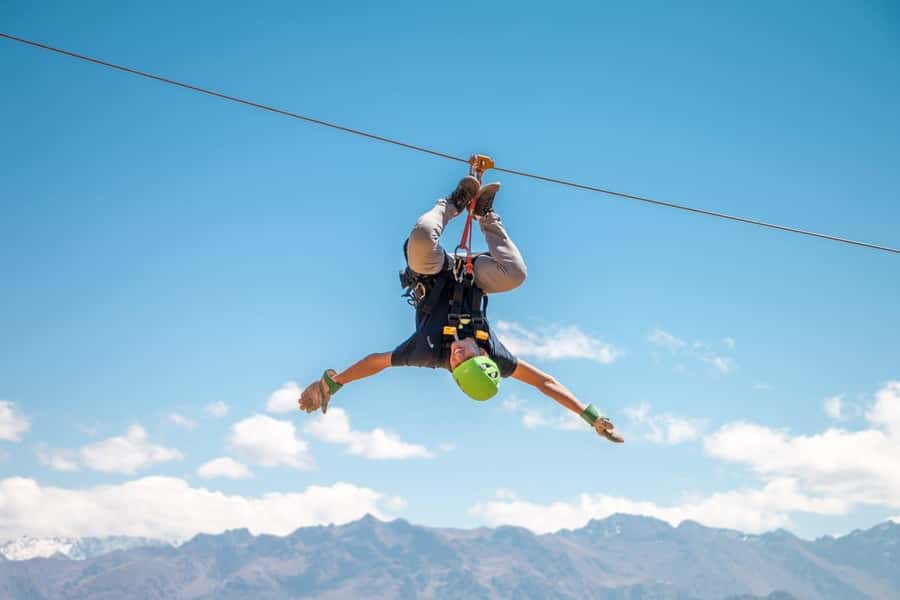
- Superman/Superwoman option: You might also spot people choosing an upside-down or monkey-style move.
- Spectacular Sacred Valley sightlines: Snowy peaks and canyon angles show up at the end of your run.
- Plan on 3 hours: Pickup, training, and all four cables fit into a half-day block.
Getting from Cusco to the Mirador de Racchi launch spot
Most days start with pickup from your hotel if it is near—or inside—the historic center. You then ride out for about 40 minutes to the activity base at the Mirador de Racchi. It is a good use of time: you are not stuck traveling for hours just to reach a starting platform.
That transfer matters because it sets expectations. You’re going from Cusco’s altitude atmosphere to open valley views, and the whole point is to make the most of the air time you’ll get once you’re suited up.
You can also read our reviews of more tours and experiences in Peru.


Gear, harness fit, and safety talk in English or Spanish
At the base, you’ll receive the safety gear: harnesses, helmets, and gloves. You’ll also get safety instructions before anything moves. This is not the type of activity you want to rush through, so I recommend paying attention during the briefing and asking questions if something feels unclear.
The operator for this experience is Amaru explorer SAC, and the experience is guided in English and Spanish. That language support is a practical win in Peru, because zipline rules can be very specific. The better you understand the steps, the more relaxed you’ll feel when you’re clipped in and waiting for your turn.
One more thing: bring a camera if you want it during the ride. The activity is about views, and the best moments happen right when you’re moving across the canyon and toward the valley angles.
The four-cable flight ladder over the Sacred Valley
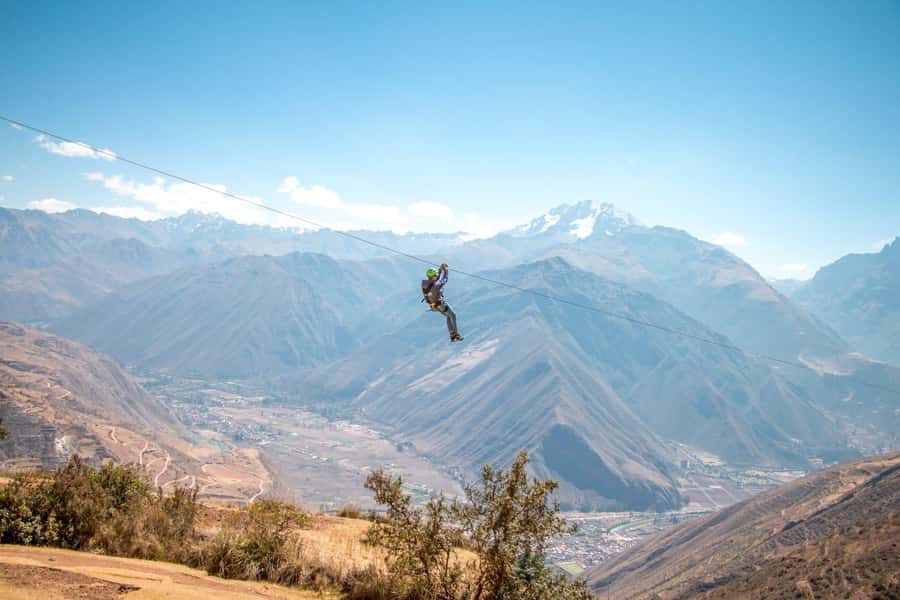
This zipline is designed around four separate cables, each with a different purpose. Think of it like training through adrenaline: you build confidence on the first line, then you get your fastest thrill, then you try more dramatic body positions, and finally you finish with the biggest vista.
The overall experience is about 3 hours, but the timing can vary. You’ll want to check availability to see your starting time. If your day in Cusco includes altitude hikes or a train ride later, this is one of those activities that helps to schedule carefully so you do not feel rushed afterward.
Cable-by-cable breakdown: soft start, max speed, Superman, and canyon views
Here is how the four cables work, and what they mean for your body and your nerves.
Cable 1: the soft start for confidence
The first cable is intentionally calmer. It is shorter and more forgiving, so participants can get comfortable with the harness, the ride position, and the sensation of being suspended. If you’re new to ziplining, this is the cable you thank later, because it teaches your brain what the activity feels like before you hit the harder parts.
This is also a smart psychological trick. By the time you reach the second cable, your confidence is already built.





Cable 2: fastest cable for the flying sensation
The second cable is the speed one. The description is clear: it is the fastest line and gives the maximum sensation of flying. If you came for adrenaline, this is likely where you’ll feel it most—your pace changes, your body reacts faster, and you get that classic zipline rush.
If you scare easily, keep your breathing steady and look ahead at where you’re going, not down at the canyon.
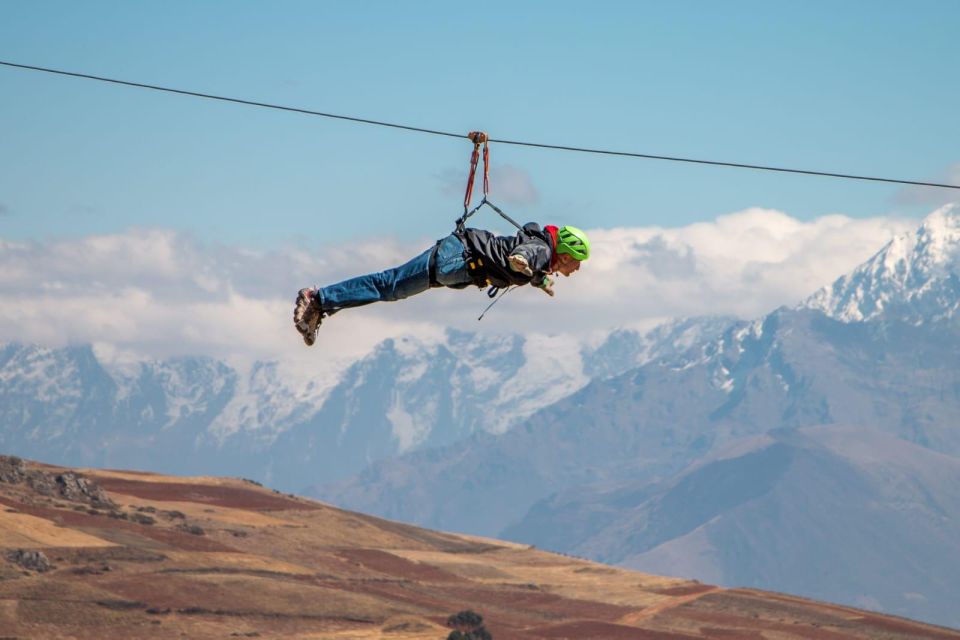
Cable 3: extreme movement and Superman/Superwoman poses
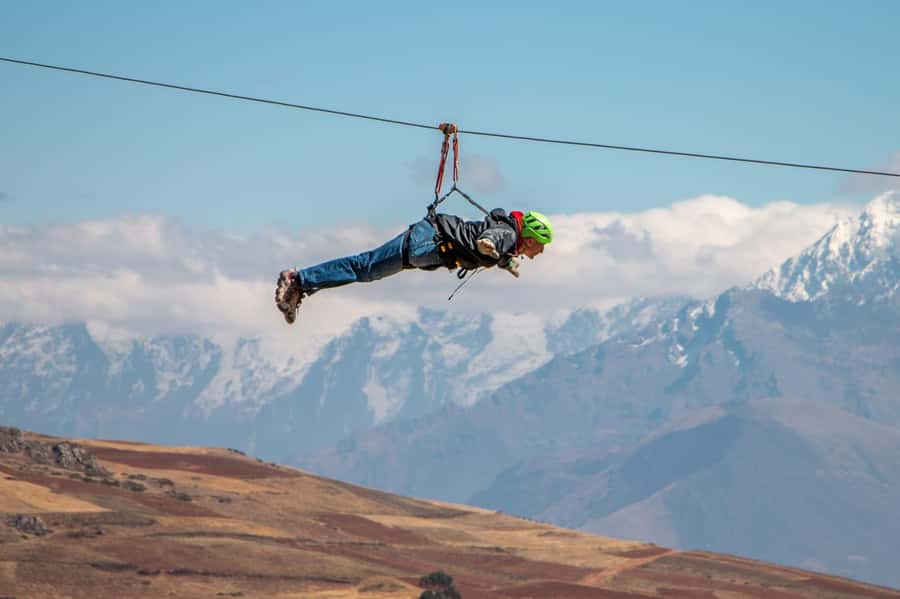
The third cable is described as ideal for extreme movements, including the Superman or Superwoman position. This is where people often choose a more dramatic posture during the ride.
You may also see an upside-down or monkey-style option. I would treat that as a bonus move the team helps with, not something you should assume you can do instantly. Even if you skip the tricks, this cable is still part of the thrill ladder.
Cable 4: best views of the canyon, Sacred Valley, and snowy peaks
The fourth cable is all about the scenery. It offers the best views of the canyon, the Sacred Valley, and the mountains, including snowy peaks. This is a great way to end: you get motion first, then you get the payoff—wide open visibility, strong photo angles, and that feeling of having a whole valley map hovering under you.
If you want photos, hold your camera readiness until the team signals the moment. If you are aiming for memories, this is the cable that tends to matter most.
How the 3-hour schedule fits into your Cusco day
The full experience is listed as 3 hours. That block includes pickup, the transfer to Mirador de Racchi, the gear and safety briefing, and the four cables.
In practice, the pacing is key. You’re not just walking in and instantly flying. You’ll spend time getting outfitted and listening carefully to the safety instructions. Then the fun happens in phases as you move cable by cable.
Plan your day with buffer time. After ziplining, you might feel that mix of adrenaline and muscle fatigue, especially in your arms and core from holding position during the ride. If you have a tight dinner reservation right after, schedule it with some cushion.
Price and value: what $45 really covers
The price is $45 per person. For that, you get round-trip transport (from your hotel area in Cusco), safety equipment (harness, helmet, gloves), and the zipline itself.
What’s not included is food, so you’ll want to handle meals either before or after. Extra expenses are also not included, so if you plan on buying snacks or drinks on-site, keep that in mind.
Is $45 worth it? For Cusco, it is a solid deal if you value:
- A guided, safety-first setup with gear provided
- Four cables instead of just one ride
- Transport handled for you from the historic center area
If you’re comparing options, focus less on whether it is “cheap” and more on whether it includes safety equipment and the full sequence of four cables.
Who should book this Sacred Valley zipline (and who should skip)
This activity is a great fit if you:
- Want adrenaline with a clear structure (confidence first, then speed)
- Love big views of the Sacred Valley and snow-capped mountain angles
- Are comfortable following safety instructions and staying attentive while clipped in
- Prefer guidance in English or Spanish
It is not suitable for:
- Pregnant women
- Wheelchair users
- People with pre-existing medical conditions
If you fall into any of those categories, it is worth choosing a different Cusco experience. Safety guidance is not the place to improvise.
Practical tips that make the ride smoother
A few small moves can make your experience feel easier.
Bring a camera and consider having some cash available. Cash is explicitly listed as something to bring, and you might find you want it for small purchases around the activity area.
Also, be ready for a harness-and-helmet setup. Wear clothes that you’re comfortable moving in, and keep accessories simple. Anything bulky or hard to secure is just one more thing to think about while your focus should be on the cables and the views.
Finally, if you’re the type who likes to know what to expect, mentally rehearse the four phases: gentle cable, fastest cable, Superman or Superwoman positions (plus possibly an upside-down or monkey-style option), then the final cable for canyon and snowy-peak panoramas.
Should you book this Cusco zipline in the Sacred Valley?
I’d book it if you want a classic Cusco adventure day that stays organized: pickup from your hotel area, a short transfer to Mirador de Racchi, gear and instructions, then four cables that build from confidence to big views. The price includes the equipment and transport, which makes it a straightforward value choice.
I’d think twice if you have medical concerns or you’re pregnant, or if you hate the idea of following safety rules while clipped in. And because food is not included, plan a meal around the ride so you’re not dealing with hunger mid-adventure.
If your schedule is flexible, you can reserve and pay later, so you can lock in a spot without immediate payment. Just check availability for starting times so you pick the slot that best fits your day in Cusco.
FAQ
How long is the zipline experience?
The activity duration is 3 hours. Starting times depend on availability, so you’ll want to check what’s offered when you book.
Do you pick me up from Cusco?
Yes. Pickup is included from hotels near or within the historic center, then you travel about 40 minutes to the base at the Mirador de Racchi.
What is included in the $45 price?
The price includes outward and return transport, safety equipment (harnesses, helmets, and gloves), and the zipline activity itself.
What should I bring?
Bring a camera and cash.
Is it suitable for wheelchair users or pregnant women?
No. It is not suitable for wheelchair users and it is also not suitable for pregnant women. It is not suitable for people with pre-existing medical conditions either.
Can I cancel for a full refund?
Yes. Free cancellation is available up to 24 hours in advance for a full refund.