REVIEW · CUSCO
Cusco: 3-Hour Peruvian Cooking Class
Book on GetYourGuide →Operated by ChocoMuseo · Bookable on GetYourGuide
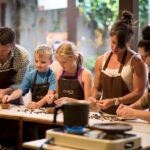
Cusco tastes better with your own hands. This 3-hour Peruvian cooking class in ChocoMuseo pairs a hands-on kitchen lesson with a market walk, so you understand what goes into classic Cusco-region flavor before you start chopping. I especially love the Peruvian Central Market ingredient scouting and the way you learn a real pisco sour, not just the idea of one.
The setup is friendly and small-group (up to 10), and instructors such as Miguel and Yil are known for step-by-step guidance. One thing to consider: if a past main dish component is cooked earlier, you might occasionally see parts of it come out on the cooler side.
In This Review
- Key reasons this cooking class works in Cusco
- Where the class begins: Cusco’s Central Market to ChocoMuseo
- Finding ChocoMuseo (and why location matters in Cusco)
- The market tour: what you’re really learning beyond ingredients
- Hands-on cooking in the kitchen: ceviche and your main course choice
- Starter: ceviche
- Main course: Lomo Saltado OR Ají de Gallina
- Knife skills and practical coaching
- The pisco sour lesson and chocolate fondue finish
- Pisco sour
- Dessert: chocolate fondue with seasonal fruit
- Eating what you cook: timing, temperature, and why it matters
- Vegetarian options and drink swaps (what you can request)
- Price and value: is $49 worth it in Cusco?
- Who this Cusco cooking class is best for
- Should you book this Cusco cooking class?
- FAQ
- How long is the Cusco Peruvian cooking class?
- What does the experience cost?
- Where do we meet for the class?
- What will we cook and eat?
- Can I request changes like vegetarian options or non-alcoholic drinks?
- How do you choose between Lomo Saltado and Ají de Gallina?
- How big is the group and what languages are used?
Key reasons this cooking class works in Cusco
- Market-to-menu learning: you shop ingredients first, then cook what you picked
- A real pisco sour lesson: technique and tasting, not just a quick pour
- Ceviche starter + a choice of mains: lomo saltado or ají de gallina based on the group
- Knife skills and cooking confidence: guided, practical coaching in the kitchen
- Dessert with local fruit: chocolate fondue paired with seasonal fruits
- Small group size: limited to 10 participants for more attention
Where the class begins: Cusco’s Central Market to ChocoMuseo
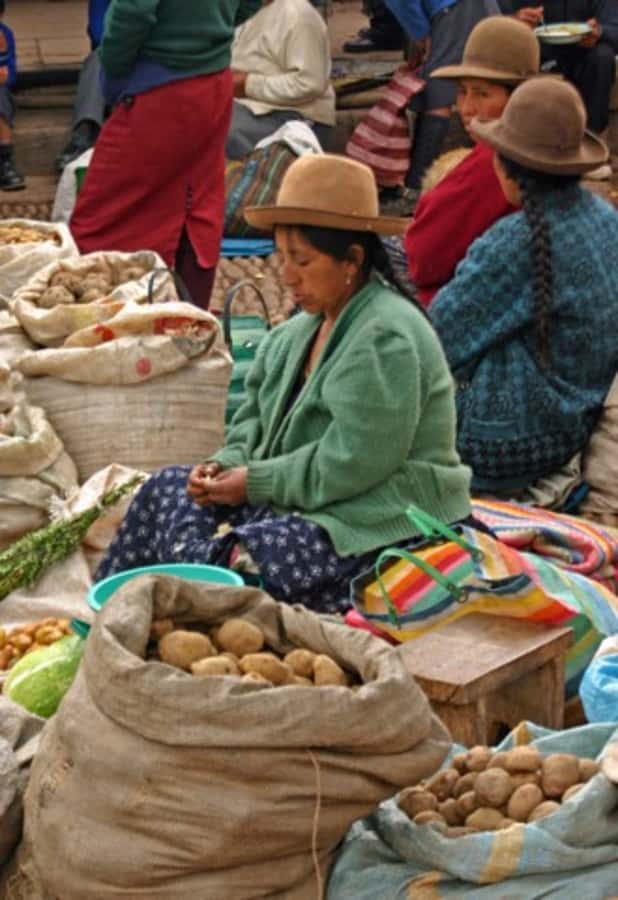
A cooking class can stay stuck in a classroom mindset. This one starts where food actually happens: a Peruvian market. You get to see produce, roots, and pantry ingredients that you might never recognize from a supermarket shelf at home. It makes the recipes feel less like instructions and more like a system you can repeat.
Then you shift to ChocoMuseo, the kitchen base inside the building at the corner of Plaza Regocijo. That change of scenery matters. It helps you connect flavors to ingredients first, and then connect ingredients to technique.
If you’re the type who likes to understand a place through everyday life, this is a strong use of your time in Cusco. You’re not just eating well. You’re learning the logic behind what’s on your plate.
You can also read our reviews of more cooking classes in Cusco
Finding ChocoMuseo (and why location matters in Cusco)
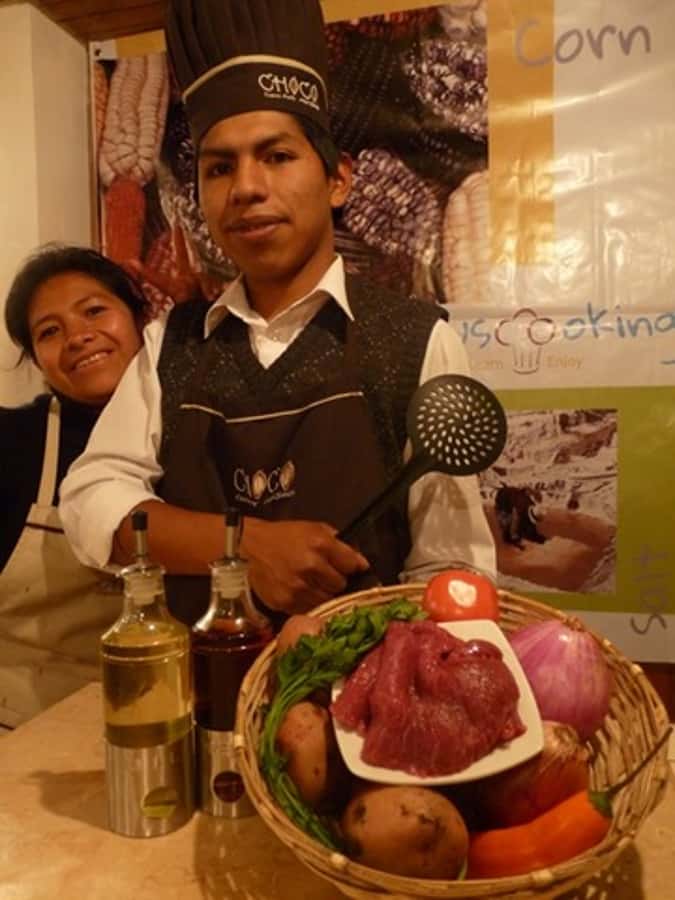
Meeting inside ChocoMuseo is simple once you know what to look for. Go to the corner of Plaza Regocijo and watch for the green and orange flags on the balconies.
The practical win here is timing and calm. Cusco is busy in its own way, especially in the historic center. Starting at a fixed, easy-to-find spot means less wandering and more cooking.
Also, because this is a small group, being on time helps your chef keep the kitchen flow moving. There’s only so much stovetop and prep space in a class format. Arrive a little early, get your bearings, and you’ll settle in faster.
The market tour: what you’re really learning beyond ingredients
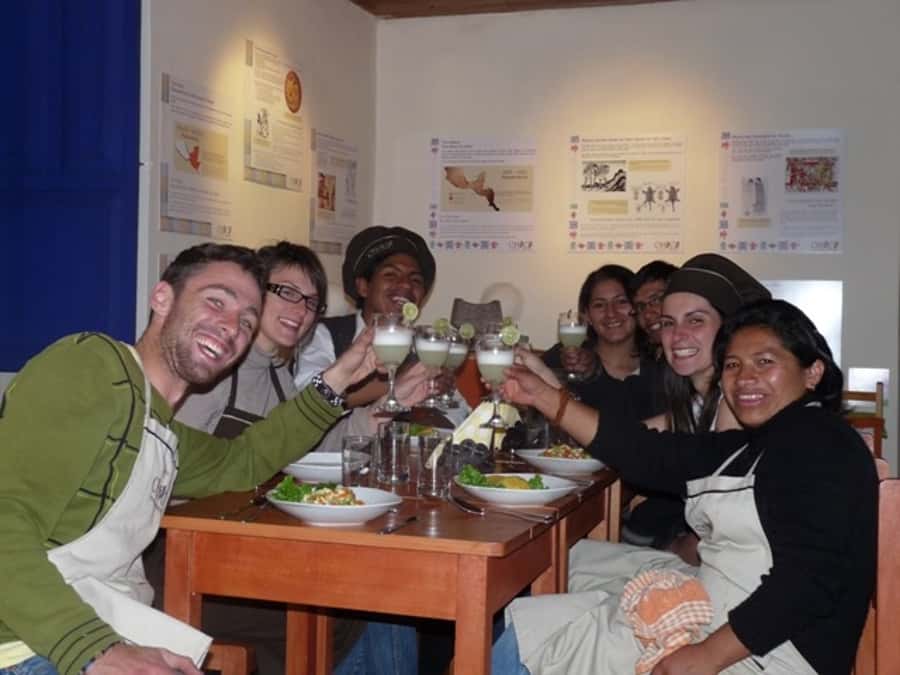
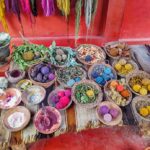
The market stop is not just photo time. You’re guided through what’s available and how those ingredients show up in Peruvian cooking. The best part is learning the origins and uses of what you’re seeing, so you understand why a recipe calls for one thing instead of another.
You’ll notice a few themes when you’re looking at the ingredients:
- You’re shopping for flavor layers, not just one main component
- You’re seeing how vegetables, herbs, and starches work together
- You’re learning what’s seasonal and what’s common in local meals
In past sessions, instructors like Miguel have explained where key ingredients come from and why they pair the way they do. Another instructor, Yil, has been praised for turning the market walk into a fun culture moment, with facts tied to what Cusco eats and values.
That cultural context is worth something in real life. It changes how you eat afterward. You stop thinking, This is food. You start thinking, This is how people solve hunger, taste, and available crops.
Hands-on cooking in the kitchen: ceviche and your main course choice
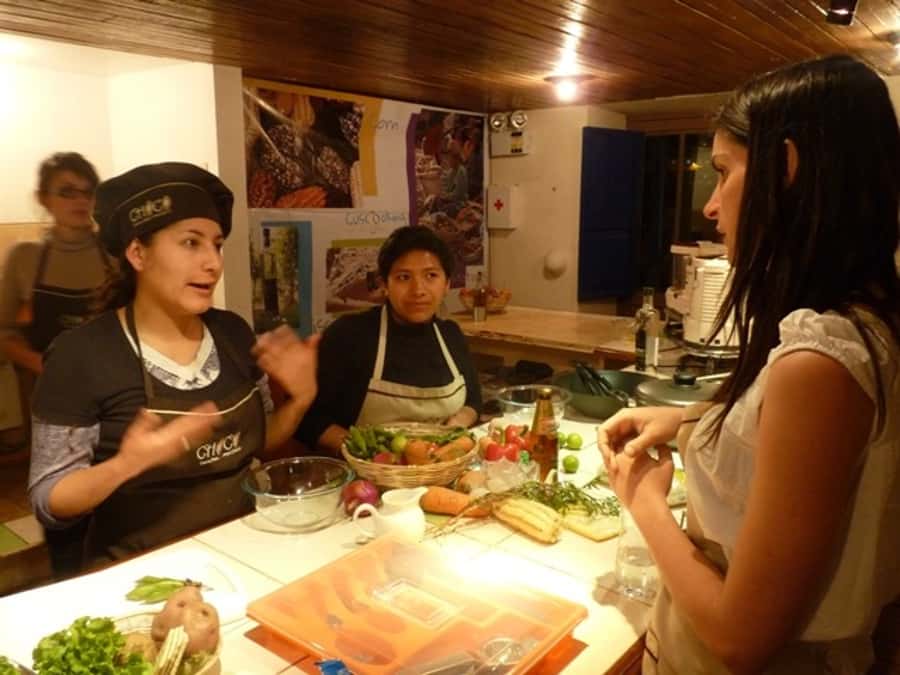
Once you’re back in the kitchen, you start cooking a menu built around classic flavors. The structure is clear: a ceviche starter, one main dish choice, then the drinks and dessert.
Starter: ceviche
Ceviche is the confidence-builder here. Even if you’ve had ceviche before, you’ll likely get a better feel for how it’s assembled and balanced. The class approach matters: you’re not left to guess. You’re guided while you work through the steps, so you can connect taste to technique.
You can also read our reviews of more tours and experiences in Cusco

Main course: Lomo Saltado OR Ají de Gallina
Here’s the key decision: the main dish is either Lomo Saltado (sauteed beef) or Ají de Gallina (chicken in a yellow pepper sauce). The first participant’s booking choice decides what the group cooks that day.
So if you have a strong preference, message the operator your favorite option when you book. But keep expectations flexible. In a small group, one choice reshapes the whole menu.
This is also why the class feels efficient. You’re cooking together, not splitting into separate menus. You learn the technique that matters for that specific dish—how the base flavors come together, how the sauce behaves, and how the dish lands on the plate.
Knife skills and practical coaching
One neat add-on: you may pick up handy knife skills during the prep. That’s not a gimmick. It helps you feel capable, and it makes the recipes easier to repeat at home.
Just remember: you’re in a class format, not a home kitchen with unlimited burners. So you’ll learn what to prioritize so you don’t fall behind the pace.
The pisco sour lesson and chocolate fondue finish
The class doesn’t just end with dinner. It ends with two crowd-pleasers: pisco sour and dessert.
Pisco sour
You learn how to prepare a famous pisco sour. In some cases, the style served is described as a chicha pisco sour, which gives the drink a local twist. Either way, the point is technique and understanding how it’s put together.
Also, there’s flexibility. If you ask, the pisco sour can be swapped for fresh fruit juice. That’s a smart option if you want the flavor journey without the alcohol.
Dessert: chocolate fondue with seasonal fruit
For dessert, you get chocolate fondue paired with local seasonal fruits. This is a great way to end a class because it mirrors Peru’s approach to eating: fruit isn’t an afterthought; it’s part of the flavor story.
And yes, you’ll actually taste what you made. You won’t be stuck watching someone else plate while you stand aside.
Eating what you cook: timing, temperature, and why it matters
At the table, you sit down in a relaxed, friendly environment. The meal format includes a Pisco sour and a multi-course dinner experience. One detail to note: the class wording can feel like a 4-course experience because the drinks are part of the structured serving, while the dinner is described as 3-course plus a pisco sour.
In plain terms: expect starter, main, and dessert, plus the pisco sour as the signature drink.
One practical consideration from past participants: if the main dish includes components that cook earlier in the process, you might run into parts of the dish that are cooler than you’d like. If you’re very picky about temperature, this is the one reason you might choose to set your expectations accordingly.
Vegetarian options and drink swaps (what you can request)
This class is flexible if you plan ahead. You can request vegetarian options, including replacing the meat portion with vegetarian ingredients. You can also request a swap so the pisco sour is replaced by fresh fruit juice.
Two tips to make this smooth:
1) Send your preference before the class, not the moment you walk in
2) Be ready for the final menu to depend on the group’s chosen main that day
Because this is a small-group class, the chef still needs to prep ingredients in a coordinated way. Your request is welcome, but it works best when you give it time to fit into the group plan.
Price and value: is $49 worth it in Cusco?
At $49 per person for about 3 hours, this lands in the mid-range for Cusco food experiences. What makes it feel like good value is that you’re paying for multiple layers in one package:
- Guided market time with ingredients you’ll actually use
- A chef-led cooking class (not just eating)
- Ingredients and cooking supplies included
- Water provided
- A meal with dessert plus a pisco sour
You’re also in a group capped at 10, which usually means more hands-on help and less waiting. That’s a real value factor. A cooking class where you only watch tends to feel expensive.
Wine isn’t included, though wine can be purchased separately. Gratuity is also not included. If alcohol isn’t your thing, you can request the juice swap, which helps keep the cost aligned with what you actually want to drink.
Overall, you’re paying for education plus a full food payoff. If you like practical cooking skills and ingredient understanding, the price makes sense.
Who this Cusco cooking class is best for
This works especially well if you:
- Like market-based travel, where you learn by shopping and cooking
- Want a more personal food experience than a typical sit-down restaurant
- Enjoy learning recipes you can actually recreate at home
- Prefer small groups where you can ask questions
It may be less ideal if you:
- Only want a short tasting with minimal prep work
- Are very rigid about one specific main dish every time (since the group choice decides lomo saltado vs ají de gallina)
- Are extremely sensitive to food temperature when dishes have multiple components
But for most visitors, it’s a fun, efficient way to connect Cusco to everyday Peruvian eating.
Should you book this Cusco cooking class?
If you want a hands-on Cusco experience that teaches you ingredients and technique, I’d book it. The market stop gives you context, and the kitchen lesson turns that context into something you can taste and repeat.
Book it sooner rather than later, too, because classes may need a minimum lead time to prepare properly. And if you care about the main dish, send your preference when booking since the first booking choice can control what the group cooks.
If you’re on the fence, here’s the deciding question: do you want your Cusco food to come with skills and understanding? If yes, this is a strong choice for a focused 3 hours in the center of town.
FAQ
How long is the Cusco Peruvian cooking class?
It lasts 3 hours.
What does the experience cost?
The price is $49 per person.
Where do we meet for the class?
You meet inside ChocoMuseo, on the corner of Plaza Regocijo. Look for the green and orange flags hanging from the balconies.
What will we cook and eat?
You’ll cook a menu that includes a ceviche starter, a main dish (either Lomo Saltado or Ají de Gallina), learn to prepare a pisco sour, and make a chocolate fondue dessert with local seasonal fruits.
Can I request changes like vegetarian options or non-alcoholic drinks?
Yes. Upon request, the pisco sour can be swapped with fresh fruit juice, and the meat can be replaced by vegetarian options.
How do you choose between Lomo Saltado and Ají de Gallina?
You should inform your favorite option when booking, but the first participant’s booking choice rules for which main dish the group cooks.
How big is the group and what languages are used?
The group is limited to 10 participants. The instructor speaks Spanish and English.