REVIEW · AREQUIPA
AREQUIPA BIKING CITY TOUR
Book on GetYourGuide →Operated by PERU NAT RED · Bookable on GetYourGuide
Bikes, viewpoints, and real Arequipa in three hours. This Arequipa bike tour rides you through historic streets and then up into the viewpoints that make Misti and Chachani so photogenic.
I love two things most: the smart mix of city landmarks plus Chilina Valley scenery, and the way the guide explains what you’re seeing as you ride. It’s also built for an easy effort level, with safety gear like a helmet and gloves.
One consideration: it’s not for everyone, since you must be able to ride comfortably and it comes with clear health and mobility limits.
In This Review
- Key things I’d put on your must-know list
- Why this Arequipa bike tour feels like a smart use of time
- Where you start: C. la Merced 125, just off the center
- The ride starts at Plaza de Armas: safety briefing first
- Chilina Valley: nature views with a guided rhythm
- Cloisters of The Company: architecture you can appreciate from the bike
- San Lázaro: a quick cultural stop, then back on the pedals
- Selva Alegre Park and Puente Chilina: where the scenery turns practical
- Yanahuara Scenic Overlook: the perfect photo pause
- The viewpoint plus a secret stop: where the day gets fun
- How hard is it? Easy pace, but real riding rules
- Bikes and comfort: modern equipment and what you should wear
- Value check: is $39 for three hours fair?
- Who this tour suits best (and who might prefer something else)
- Practical booking notes that affect your day
- Should you book the Arequipa Biking City Tour?
- FAQ
- What is the duration of the Arequipa Biking City Tour?
- How much does it cost?
- Where is the meeting point?
- What times are the tours offered?
- Is the tour guide available in English?
- What’s included in the price?
- What should I bring?
- Is there a group size limit?
- Who is the tour not suitable for?
Key things I’d put on your must-know list
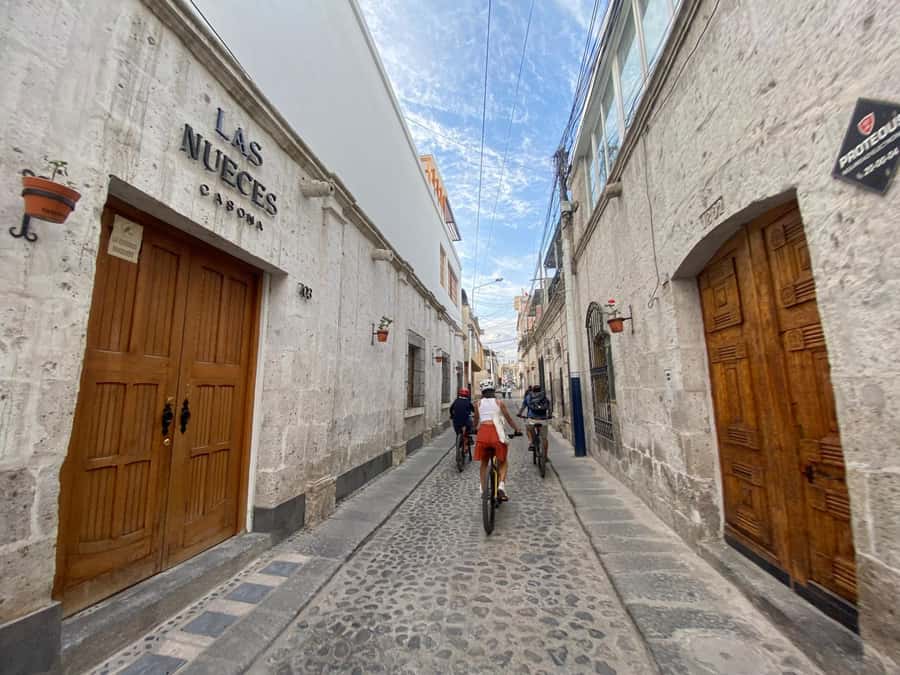
- Small group (up to 10): easier to keep a steady pace and ask questions.
- English live guide: the historical and cultural explanations land cleanly.
- Photo stops with volcano views: Misti and Chachani are part of the payoff.
- Modern bicycles + safety kit: helmet, gloves, and water keep you moving.
- Stops across very different terrain: city center to valley, parks, bridges, and lookouts.
- 3-hour timing: morning and afternoon windows let you fit it around other plans.
Why this Arequipa bike tour feels like a smart use of time
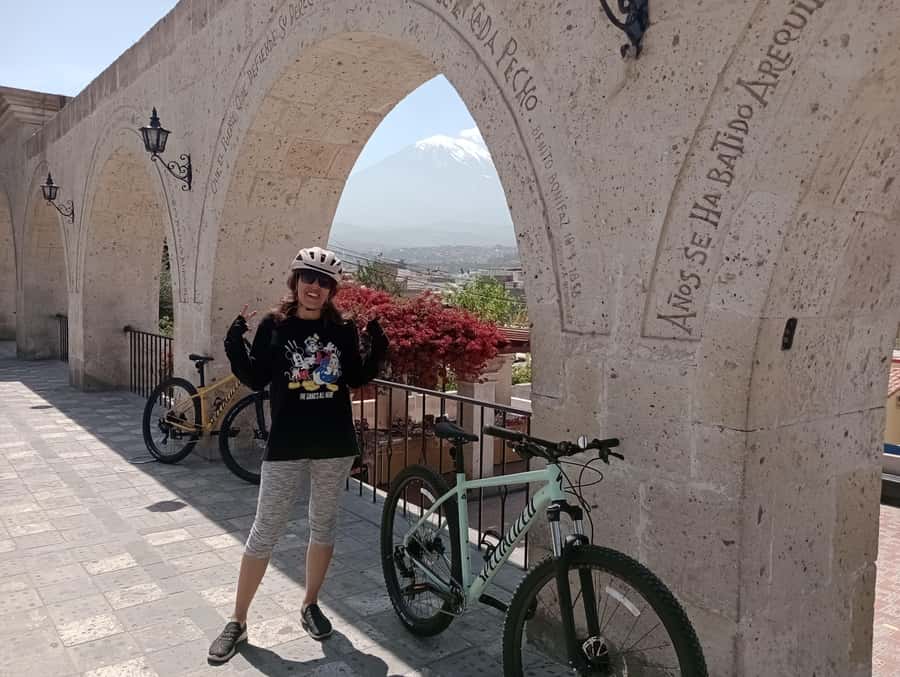
Arequipa can be a lot on foot. Streets are pretty, but distances add up fast. This tour uses a bike to compress the experience without turning it into a rush job.
You’ll start near Plaza de Armas, then shift from “look at buildings” to “ride through the city’s edges.” That change of scenery is exactly why I like bike tours here: you see more than the postcard center, and you still keep the ride manageable.
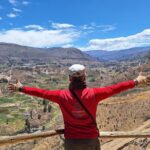
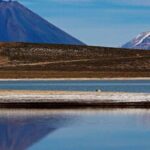
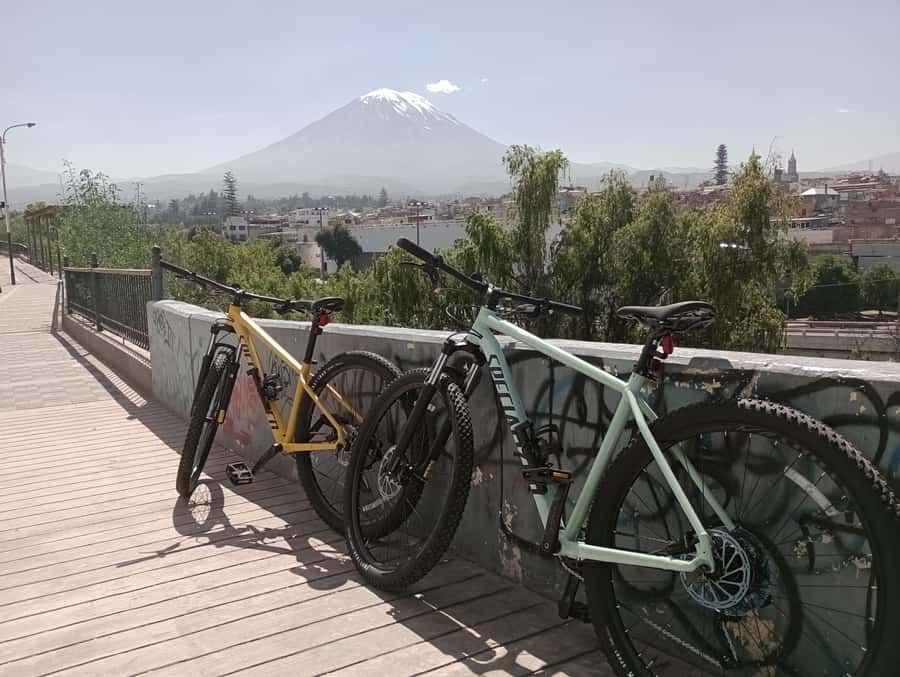
And yes, the view factor matters. You’ll make stops for photos of volcanoes, including Misti and Chachani, which are the kind of mountains you want to frame when the light is right.
You can also read our reviews of more cycling tours in Arequipa
Where you start: C. la Merced 125, just off the center
The meeting point is at C. la Merced 125, in front of the Santuarios Andinos Museum (also referred to as the Andean Sanctuaries Museum). It’s only a few meters from Arequipa’s main square, so you’re close enough to pair this with walking time before or after.
You get two schedules:
- Morning: 08:30 to 11:30
- Afternoon: 15:00 to 18:00
Bring a passport (a copy is accepted). You’ll also want sunscreen, and for the afternoon shift, a jacket makes sense. Ask yourself one simple question before booking: do you want your best light for photos in the late day, or do you prefer cooler morning riding?
The ride starts at Plaza de Armas: safety briefing first
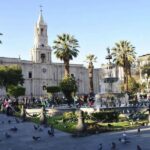
Your first stop is Plaza de Armas Arequipa. You’ll get a guided intro along with a safety briefing. This is the part that makes the rest of the tour feel smoother, because once everyone understands how you ride and stop as a group, the pace stays relaxed.
What you’re really doing here is getting your bearings fast. Arequipa is full of ornate façades and historic streets, but the details make more sense after someone gives you a quick map in words.
Chilina Valley: nature views with a guided rhythm
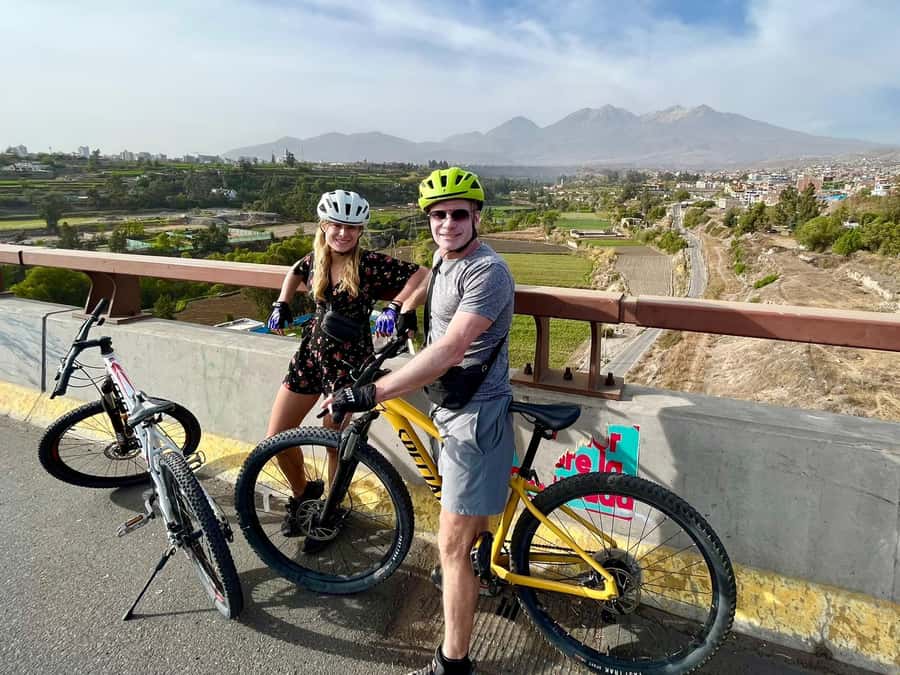
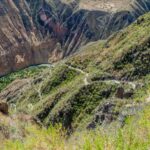
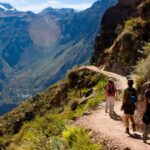
Next comes Chilina Valley. This is where the tour starts to feel like more than a city loop. Expect a break time, a photo stop, and a guided explanation as you ride and pause.
Why this stop works: the valley scenery gives you breathing room from the dense center. You’ll also be able to connect what the guide is saying with what you’re actually seeing—terrain, settlement patterns, and why certain viewpoints matter.
The terrain here also sets the tone for effort. You don’t need to be a serious cyclist. You do need to stay alert and follow the guide’s instructions, especially during photo stops when the group bunches up briefly.
Cloisters of The Company: architecture you can appreciate from the bike
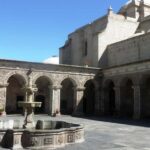
Then you reach the Cloisters of The Company. There’s another break and photo moment, but the real focus is the guided visit and explanation.
Cloisters aren’t just pretty to look at—they teach you how Arequipa’s past organized daily life. You’ll get context around historical and cultural themes, and you’ll also be in a spot where buildings and details stay in your frame while you pause.
One small advantage of doing this by bike: you arrive without needing to fight through slow foot traffic. You get a brief, focused stop that still feels thoughtful.
You can also read our reviews of more city tours in Arequipa


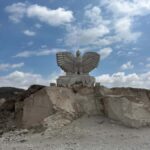
San Lázaro: a quick cultural stop, then back on the pedals
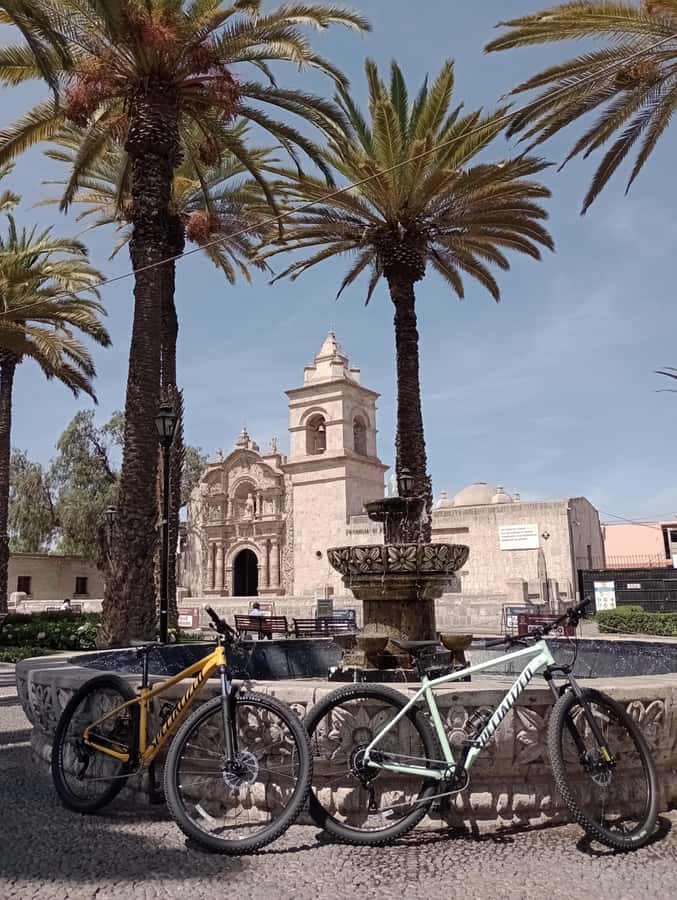
After that, the tour continues to san lazaro (spelled that way in the route notes you’ll receive). You’ll stop for photos and a guided visit, with time built in for breaks before moving on.
This is the kind of stop that adds texture. If your trip is mostly about big-name landmarks, these smaller sections can be what make the day feel real. You’re seeing how different neighborhoods and public spaces fit into the city’s story.
If you get impatient with long explanations, don’t worry—you still have plenty of riding time between stops.
Selva Alegre Park and Puente Chilina: where the scenery turns practical
At Selva Alegre Park, you’ll do another photo stop and guided visit. Parks in this region often feel like meeting points: locals move through them, and views open up.
Then comes Puente Chilina. You’ll have break time, another photo stop, and guided tour moments as you pass through and pause.
These stops matter because they’re not just “pretty spots.” They give you:
- a change in elevation and perspective
- a chance to rest your legs
- a view angle that’s different from the center
That combination is why bike tours work. You get movement, then a reason to stop, then movement again.
Yanahuara Scenic Overlook: the perfect photo pause
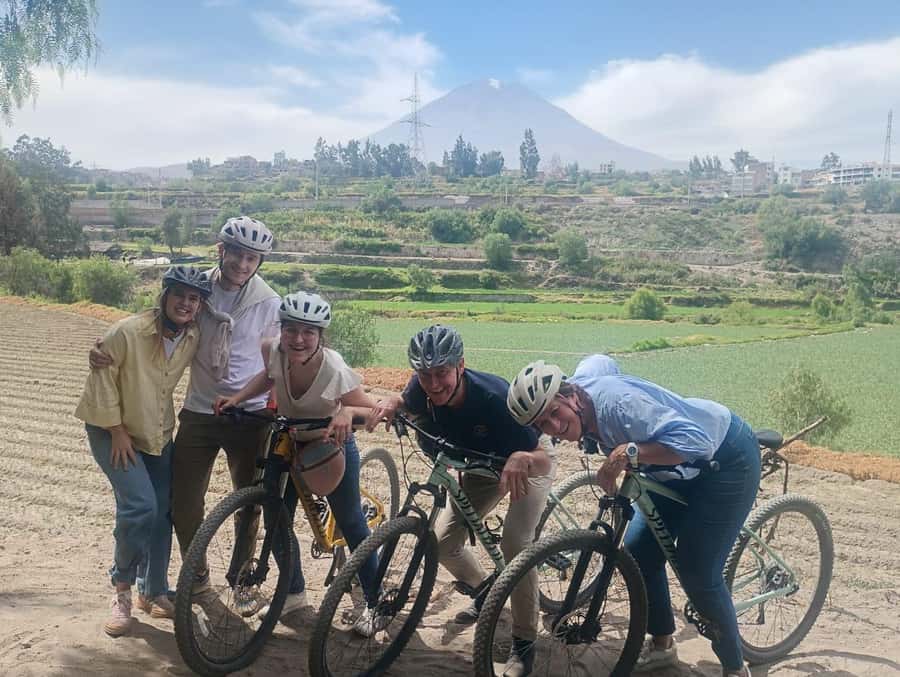
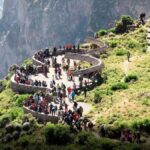
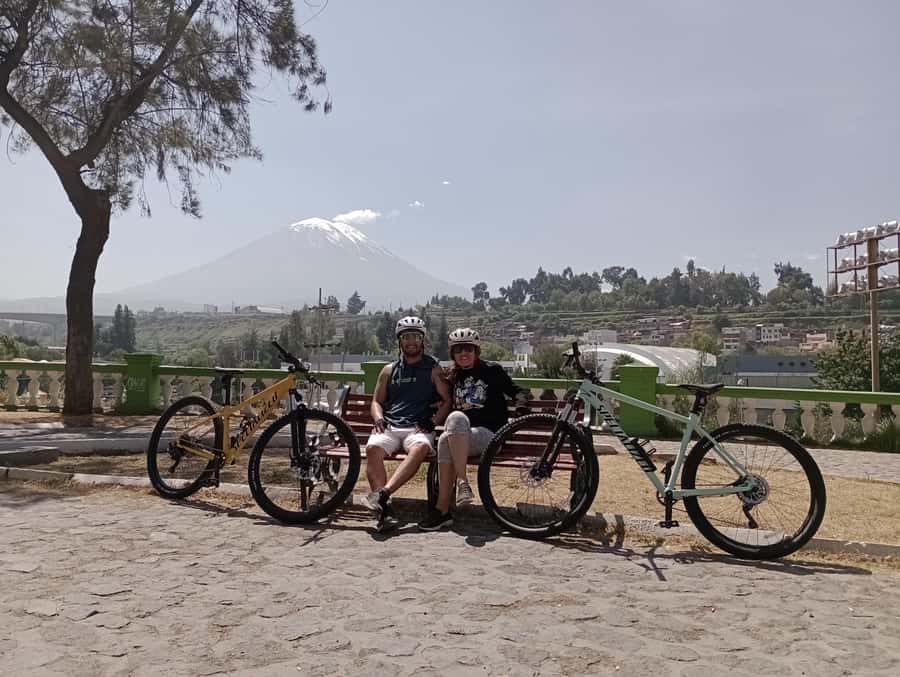
Next is Yanahuara Scenic Overlook. This is one of the most rewarding types of stops: the view does the selling, and the guide helps you understand what you’re looking at.
Expect break time, photo stop time, and a guided visit. The group stays small, so you can get positioned for photos without a giant crowd blocking the angles.
This is also where volcano views start to feel especially worth the effort. Recent tours on this route have specifically highlighted the chance to photograph Chachani and Misti.
The viewpoint plus a secret stop: where the day gets fun
After Yanahuara, you’ll reach another view point for a guided visit and riding time. Then there’s a secret stop with break time, photo stop, and guided tour moments before you head back.
Why I like these less-predictable pieces of the route: they break the loop. If you’re the type who hates doing five stops that all feel similar, these add variety. You’ll also end up with photos that don’t look like the exact same angle everyone gets from the central squares.
How hard is it? Easy pace, but real riding rules
This tour is described as easy level of demand, which makes it a strong option if you’re not trying to train. You’ll still be riding for the full 3 hours, so it’s not a sit-and-watch sightseeing program.
Safety equipment is included: helmet and gloves, plus a bottle of water. The guide also leads the group with a professional approach, and you’ll get safety briefings at the start.
Here’s the big reality check: it’s not suitable for people who can’t ride a bike, and it also lists restrictions for many conditions. The “not suitable for” notes include:
- children under 13
- pregnant women
- people with mobility impairments, wheelchair users
- people with heart problems, epilepsy
- visually impaired people
- people above the listed weight limits
- people over 75 years
- people with recent surgeries
Two weight limits are listed (100 kg / 220 lb and 130 kg / 287 lb). So if you’re near either number, you should confirm which limit applies before you go.
Also, you’ll need to provide participants’ heights ahead of time, so the bikes fit properly.
Bikes and comfort: modern equipment and what you should wear
You’ll ride modern bicycles. The tour also includes water, and the guide setup includes certified professional guidance.
What I suggest you wear:
- breathable clothes (you’ll be in motion)
- closed-toe shoes you feel confident pedaling in
- sunscreen, and a cap for the morning shift
- a jacket for the afternoon shift
One more practical tip: bring a copy of your passport. Even if you travel light, this matters here.
If you’re the kind of person who gets cold fast, the afternoon jacket note is a hint. If you run hot, you’ll still want sunscreen and water, because you’re out long enough to feel the sun.
Value check: is $39 for three hours fair?
At $39 per person for a 3-hour tour, this is priced like a solid city activity, not a luxury add-on. What you’re paying for isn’t just the bike ride—it’s the guide, the explanations in English, and the included safety kit.
You also get a real structure: a center start near Plaza de Armas, then a set of specific stops, including valley scenery and multiple viewpoints. If you’ve ever booked a cheap activity and then spent time figuring things out yourself, you’ll appreciate that this tour is designed to do the organizing for you.
Small group size (up to 10 participants) also helps value. You get more attention and less waiting around.
Who this tour suits best (and who might prefer something else)
This is a great fit if you:
- like active sightseeing
- want city center + viewpoints in one package
- care about photo stops and appreciate explanations while you’re moving
- prefer a guide-led route with safety gear and pacing
It’s less ideal if you:
- can’t ride a bike confidently
- fall into any of the health or mobility restrictions listed by the operator
- need a fully accessible format
Also, children under 13 are not included, so plan a separate outing if you’re traveling as a family.
Practical booking notes that affect your day
This tour is English-language with a live guide. The group is small and capped at 10. There’s also a minimum two participants required, so if your date is unlikely to fill, you might want flexibility.
They also offer a reserve-now, pay-later style option and free cancellation up to 24 hours in advance. If your other Arequipa plans might shift, those features can make the decision easier.
Should you book the Arequipa Biking City Tour?
Yes—if you want an easy, guided way to see more than the center, this is a smart pick. The route gives you both historic stops and scenery breaks in Chilina Valley and the viewpoint circuit, plus volcano photo time with Misti and Chachani in the mix.
Skip it only if the bike-riding requirement or the listed health and mobility limitations are dealbreakers for you. Otherwise, this is exactly the kind of short Arequipa experience that makes the city feel bigger, not just different.
FAQ
What is the duration of the Arequipa Biking City Tour?
The tour lasts 3 hours.
How much does it cost?
It costs $39 per person.
Where is the meeting point?
You meet at C. la Merced 125, in front of the Santuarios Andinos Museum.
What times are the tours offered?
There are two daily options: 08:30 to 11:30 in the morning, and 15:00 to 18:00 in the afternoon.
Is the tour guide available in English?
Yes, the tour includes a live guide in English.
What’s included in the price?
The tour includes modern bicycles, a professional guide, a helmet, gloves, and a bottle of water.
What should I bring?
Bring sunscreen, and a passport (a copy is accepted). For the morning shift, also consider a cap. For the afternoon shift, bring a jacket.
Is there a group size limit?
Yes. It is a small group limited to 10 participants.
Who is the tour not suitable for?
It is not suitable for children under 13, pregnant women, people with mobility impairments or who use wheelchairs, people with heart problems, epilepsy, recent surgeries, people who can’t ride a bike, visually impaired people, people under 140 cm, and people above the listed weight limits or over 75 years.