REVIEW · AREQUIPA
Tour to the Sillar Route from Arequipa | Half Day
Book on GetYourGuide →Operated by MachuPicchu Peru tours · Bookable on GetYourGuide
A short ride turns into real Arequipa geology.
On this Sillar Route half-day trip, you’ll see the material behind Arequipa’s famous white buildings and learn why this work is recognized as Intangible Cultural Heritage. It’s part viewpoints, part working quarry, and part canyon walk—then you finish with carvings whose meaning still isn’t fully solved.
What I like most is the mix of big-picture context and hands-on detail. You don’t just look at stone—you watch artisans at the Añashuayco Quarry and understand how carving shapes the iconic blocks used across the city. I also love the canyon timing: you get a walk inside the Quebrada de Culebrillas walls, where the scale hits fast because the cliffs rise up to 20 metres.
The only real downside to consider is pacing. This tour moves through several stops in about five hours, and you may feel there isn’t much time to linger on your own—plus you’ll want to be ready for canyon conditions like insects, since protection guidance isn’t always emphasized.
In This Review
- Key things to know before you go
- Entering Arequipa’s White-Stone Story
- 8:50 a.m. Pickup to Volcano Views: context in motion
- Añashuayco Quarry: where sillar carving becomes real
- Quebrada de Culebrillas: a short walk inside 20-metre walls
- Petroglyphs: the stop where you accept the mystery
- Timing and pacing: five hours, several very different settings
- Price and value: $25 plus entrance fees (plan for $35 total)
- Language and guide experience: how to make it work for you
- Who should book this half-day Sillar Route tour?
- Should you book the Arequipa Sillar Route Half Day tour?
- FAQ
- What time is pickup and when do we return?
- How long is the Sillar Route half-day tour?
- What is included in the $25 price?
- Are entrance fees included?
- What languages is the guide?
- What should I bring?
Key things to know before you go
- Start from your hotel at 8:50 a.m. and return around 1:00 p.m., so it’s great when you want something focused but not exhausting.
- Volcano viewpoint first gives you context for why Arequipa’s stone and history sit right in the middle of dramatic terrain.
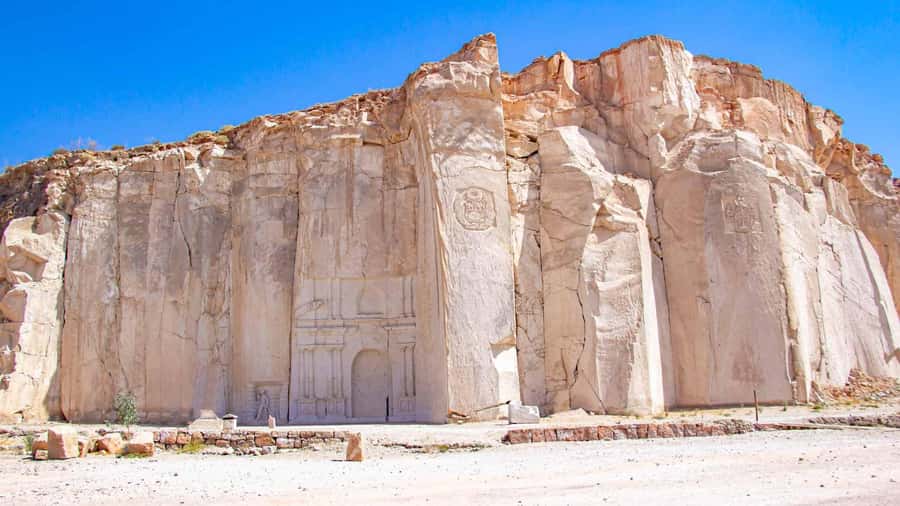
- Añashuayco Quarry is the “origin story” stop, where you see artisans working sillar and how the carved ashlar blocks come to life.
- Quebrada de Culebrillas is climb-free but impressive, with a roughly 20-minute walk through the canyon interior.
- Petroglyphs are the final mystery, with carved figures that still haven’t been deciphered.
- You’ll pay separate entrance fees on site: $5 for the Sillar Route and $5 for the Culebrillas Canyon.
Entering Arequipa’s White-Stone Story
Arequipa’s nickname, the White City, isn’t just a cute label. It connects directly to sillar stone, and on this tour you get the “where it comes from” part, not just the postcard version. The trip is also tied to traditional craft recognition—so the stone you see has meaning beyond geology. It’s cultural work passed along and practiced by real people, not a staged workshop.
You’ll come away understanding why the city’s look depends on what gets pulled from local quarries and how it’s cut. That’s the best kind of sightseeing: you see the object, then you see the process that produces it. This half-day schedule is built for that.
The vibe is straightforward. You’re moving between a viewpoint, two canyon-style nature stops, and a quarry stop that explains the craft. If you like learning quickly and seeing tangible results, this works.
You can also read our reviews of more tours and experiences in Arequipa.
8:50 a.m. Pickup to Volcano Views: context in motion
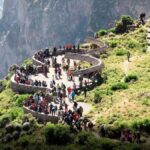
Your day starts with hotel pick-up in Arequipa at 8:50 a.m. From there, you head out toward the Ruta del Sillar, a historic Peruvian road associated with this stone and the communities around it. The first real payoff is the viewpoint, designed to orient you before you start learning the quarry and canyon details.
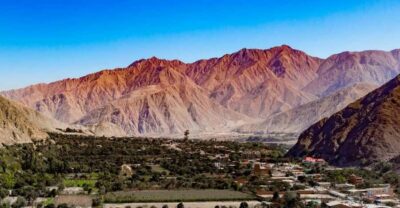
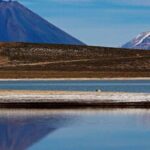
This stop matters because it changes how you see everything else. Once you understand the area’s volcanic surroundings, the stone origin story makes more sense. The rock and the terrain are not random—they’re part of the same landscape forces that shaped Arequipa’s setting.
Timing-wise, plan to settle in and get comfortable early. This is not a slow “wander all morning” tour. You’re going to be on the move, so keep your daypack light and your camera ready.
Añashuayco Quarry: where sillar carving becomes real
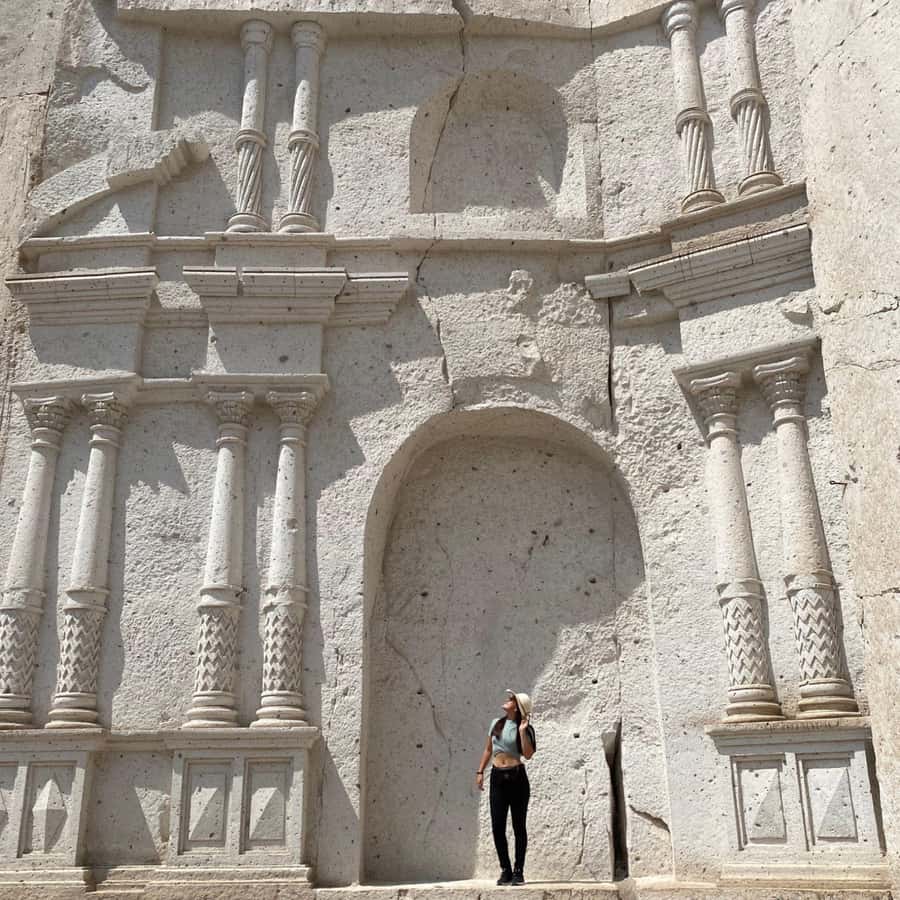
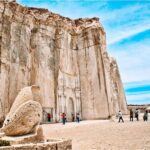
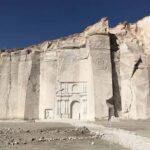
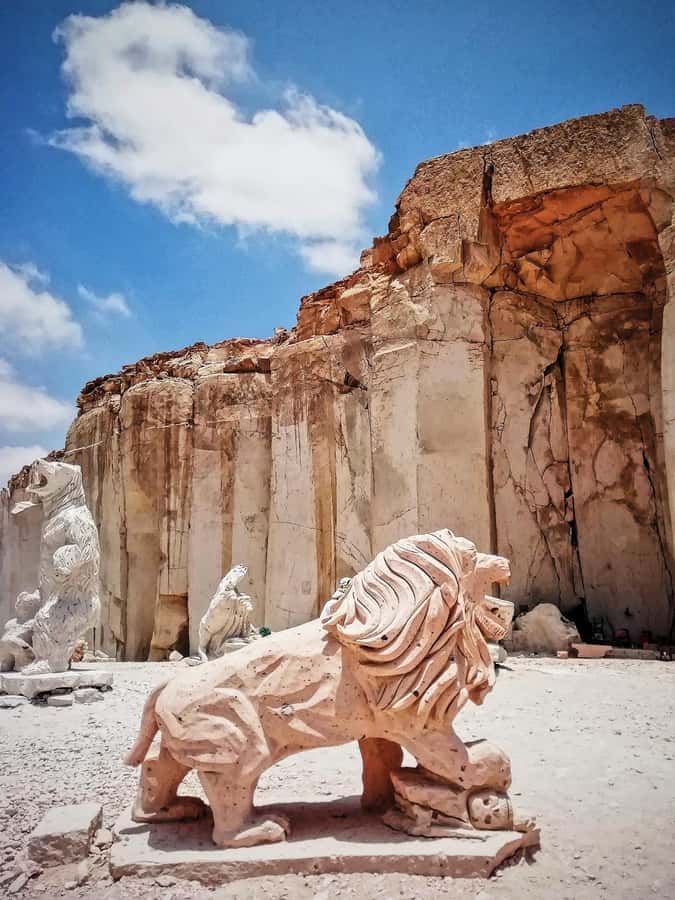
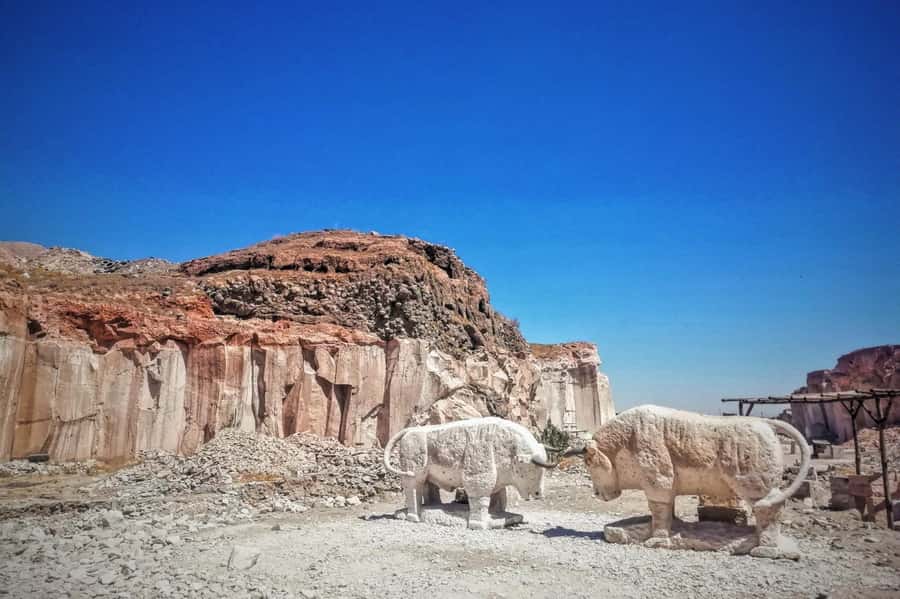
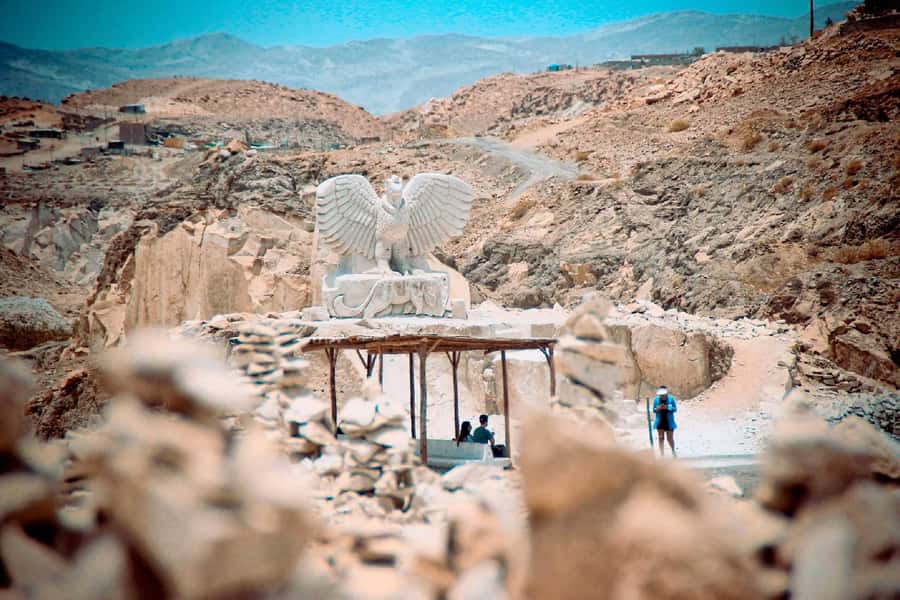
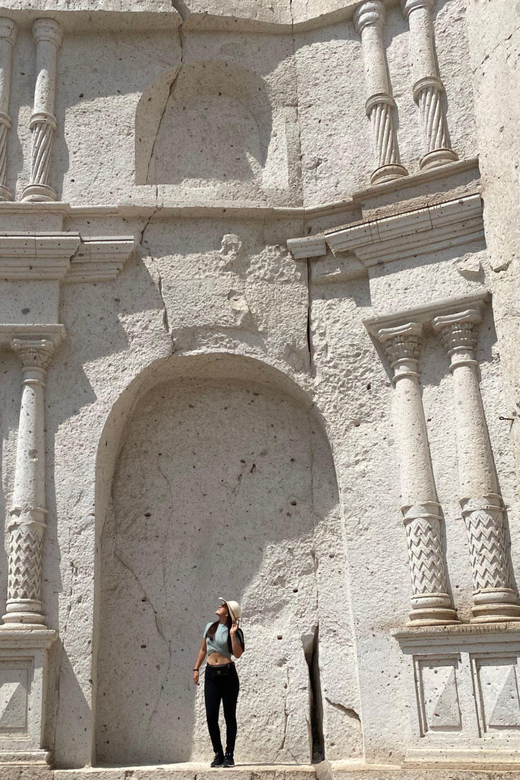
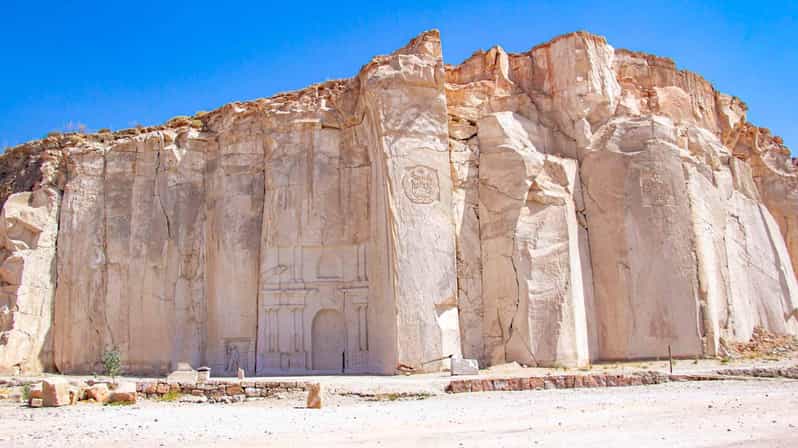
The first major stop after the initial viewpoint is Añashuayco Quarry. This is your craft lesson in the most direct way possible: you’ll observe local artisans working the stone and learn about the carving process. If you’ve ever wondered how a city’s building look can trace back to human skill and tools, this is where that question gets answered.
You’ll also be able to admire the canyon-like cliffs formed from quarrying ashlar. That’s important because it turns sillar from an abstract “white stone” idea into something physical you can map onto the environment around you.
A practical note: quarry stops can be visually busy, so it helps to listen closely during the explanation and then look around with intention. When you understand what you’re seeing—cut blocks, shaping work, and how the quarry changes the terrain—you’ll enjoy photos more and your brain will remember the shapes better.
Quebrada de Culebrillas: a short walk inside 20-metre walls
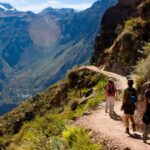
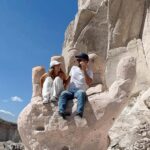
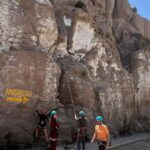
Next, you drive about 30 minutes to Quebrada de Culebrillas, and the canyon experience starts immediately. Here, the walls can reach up to 20 metres high, so even though you don’t do anything technical, the scale feels big. The tour then includes about a 20-minute walk through the canyon interior.
This is the kind of stop that rewards going at a comfortable pace. Since the walk is short, don’t get stuck in the “let’s take one perfect photo” loop. Take a few, look up, then look around again. Canyon interiors often change how light hits the stone, and that’s when you’ll notice the texture and color shifts.
Bring (or buy) bug protection. One practical gap you may encounter: guidance about mosquito protection for the canyon isn’t always emphasized. I’d rather you be the prepared one. You’ll also want your biodegradable sunscreen if you burn easily, because you could have sun before and after the shaded canyon sections.
Petroglyphs: the stop where you accept the mystery
Your last stop on the Ruta del Sillar focuses on canyon petroglyphs—mysterious figures carved into the stone. The key detail here is that the meanings are not yet deciphered, so you won’t leave with a neat “here’s the answer” explanation.
And honestly, that’s part of the appeal. This isn’t one of those tours where everything gets “solved.” You’re allowed to observe, compare, and wonder. If you like human curiosity—someone carved symbols into rock and left questions behind—this final stop lands well.
Because this is a mystery stop, keep expectations flexible. You’re not looking for a storyline with a single correct interpretation. You’re looking at evidence of past expression and trying to make sense of shapes. Even with an explanation, you’ll likely end up with your own theories.

Timing and pacing: five hours, several very different settings
This excursion is built for a 5-hour duration with a return to Arequipa around 1:00 p.m. (13:00). That means you’ll experience:
- a morning start from your hotel
- a viewpoint for volcano context
- quarry craft observation
- a canyon drive and interior walk
- a final petroglyph stop
- a relatively fast wrap-up back in town
The upside is convenience. You get a full “Arequipa white stone” story without consuming your entire day. The trade-off is that it’s not designed for long solo wandering at each location.
If you want extra time to explore on your own, go in with a plan: choose what you’ll prioritize at each stop. For me, that usually means moving quickly early for the big visuals (views and quarry) and then slowing down just enough at the canyon walk to enjoy the vertical scale.
Price and value: $25 plus entrance fees (plan for $35 total)
At $25 per person, this half-day tour can be good value—especially if you don’t want the hassle of coordinating transport and explanations yourself. You also get hotel pick-up, transport by bus or minibus, and a bilingual guide in English and Spanish, which matters because the craft and the stone features are easier to understand when you can ask questions.
But do budget for the on-site entrance fees. They’re not included:
- $5 per person entrance fee to the Sillar Route
- $5 per person entrance fee to the Culebrillas Canyon
That typically puts the tour cost around $35 per person before any extras you choose to add. For a half-day that includes multiple stops (viewpoint, quarry, canyon interior walk, and petroglyphs), I think that’s fair—especially because the quarry part is the main “learning engine” of the trip.
One more practical point: bring small essentials so you’re not stuck paying extra for basics once you’re out. The tour info specifically calls out passport or ID card, biodegradable sunscreen, personal medication, and a pen. Those details might sound minor, but having them saves time.
Language and guide experience: how to make it work for you
The tour includes a live guide in English and Spanish. That’s great, because you can follow the story without missing the details about stone carving and what you’re seeing at each stop.
Still, guide audio and pace can vary. If you’re sensitive to low volume or fast explanations, do two things: sit where you can hear easily and ask for clarification early—before you’ve already moved past the key points. The canyon walk is short, and the quarry lesson benefits from your full attention.
If you’re traveling with anyone who needs clear audio, it’s worth being proactive.
Who should book this half-day Sillar Route tour?
This works best if you want a focused day in Arequipa. I’d especially recommend it for:
- people who like process-based sightseeing (watching how the stone is shaped, not only seeing buildings)
- travelers curious about why Arequipa looks the way it does, and how local materials connect to city identity
- visitors with limited time who still want nature + culture in one morning
- anyone who enjoys petroglyphs and rock art, even when the meaning is uncertain
If you’re the type who wants hours of free time at each site, this might feel a bit tight. You’ll get a taste, not a marathon.
Should you book the Arequipa Sillar Route Half Day tour?
If you want a high-value morning that links Arequipa’s White City look to real craft and real stone, I’d say yes, book it. It’s not just “pretty rocks.” You see the quarrying process, you walk inside a canyon with big vertical scale, and you end with petroglyphs that keep the mystery alive.
My only “pause and prepare” advice is simple: go in knowing it’s tight timing, and bring your own comfort tools—especially bug protection and sunscreen—so the canyon stop stays enjoyable. If you do that, you’ll leave with a story you can explain to others: not only what the white stone looks like, but where it comes from and why it matters.
FAQ
What time is pickup and when do we return?
Pickup is at 8:50 a.m. in Arequipa, and the tour typically returns around 1:00 p.m. (13:00).
How long is the Sillar Route half-day tour?
The duration is listed as 5 hours.
What is included in the $25 price?
The price includes hotel pick-up, transport by bus or minibus, and a bilingual guide in English and Spanish.
Are entrance fees included?
No. There are separate entrance fees: $5 per person for the Sillar Route and $5 per person for Culebrillas Canyon.
What languages is the guide?
The guide is available in English and Spanish.
What should I bring?
Bring passport or ID card, biodegradable sunscreen, personal medication, and a pen.