REVIEW · AREQUIPA
Colca Canyon Plus
Book on Viator →Operated by Giardino Tour Operator · Bookable on Viator
Condors make the drive worth it. This Colca Canyon Plus trip strings together big-altitude viewpoints, wild vicuñas, and guided canyon time, plus an overnight in Chivay so you’re not just rushing through. You’ll also be heading to the famous Cruz del Cóndor area on Day 2 for prime condor-gliding viewing.
Two things I really like: the way Day 1 builds slowly from the Salinas y Aguada Blanca reserve (around 4,000m) to Abra Patapampa and then up to Pata Pampa at 4,910m. And once you reach the Colca Valley, the Coporaque stop isn’t just a look-and-leave—there are hands-on activities at La Casa de Mamayacchi, from learning a typical dish to trying on traditional costumes.
One consideration: altitude is real here. You’ll be at high elevations for multiple hours, and there’s even an optional walk in Coporaque that depends on how you feel.
In This Review
- Key highlights you’ll actually feel
- Entering the Colca route: how this tour gives you time where it counts
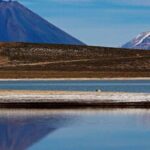
- Day 1: Salinas y Aguada Blanca reserve, volcano views, and vicuña spotting
- The altitude ladder: Abra Patapampa and Pata Pampa (up to 4,910m)
- Chivay and Coporaque: terraces, La Casa de Mamayacchi, and optional walking
- Day 2: Cruz del Cóndor at sunrise and the 1-hour canyon walk
- Pinchollo, Antahuilque, Choquetico, and the terrace model
- Colca Canyon towns and the drive back to Arequipa around 4 PM
- Price and value: what you pay vs. what you’ll likely budget extra
- What to bring for this altitude-heavy, cold-morning route
- Who this tour fits best (and who should think twice)
- Should you book Colca Canyon Plus?
- FAQ
- How long is the Colca Canyon Plus tour?
- Where does the tour depart, and where does it end?
- What’s included in the price?
- What is not included?
- Is the Mirador Cruz del Cóndor fee mandatory?
- How many people are in the group?
- What kind of physical condition do I need?
- How high do we go during the tour?
- What if weather is bad?
- Can I cancel and get a full refund?
Key highlights you’ll actually feel
- Vicuñas in their habitat at Salinas y Aguada Blanca National Reserve, with multiple photo stops
- Pata Pampa viewpoint (4,910m) for sweeping Andes views and volcano watching
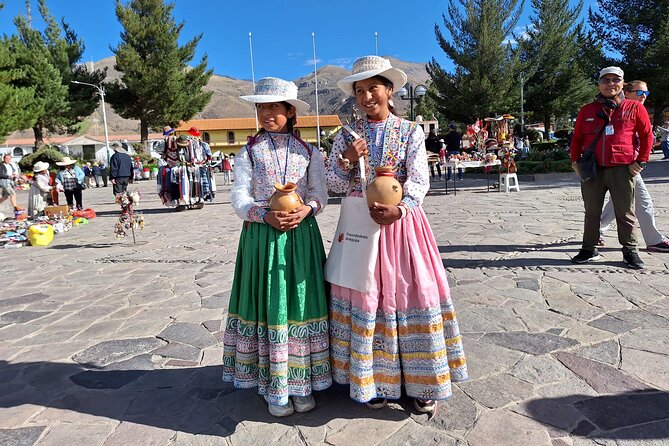
- Coporaque culture time at La Casa de Mamayacchi, including optional walking and lunch/free time
- Cruz del Cóndor early morning plus a short canyon-side walk for better spotting
- Terraces at Antahuilque and a model of the canyon terraces at Choquetico
Entering the Colca route: how this tour gives you time where it counts
This isn’t a “bus photo tour” that barely stops. It’s built around the timing that makes the canyon worth seeing: Day 2 starts early for condors, then you keep moving through key viewpoints and towns before heading back to Arequipa.
The group stays small, with a maximum of 14 travelers. That matters. When the viewing spots get crowded, you’ll be glad your group can spread out with less hassle and you can actually hear the guide.
Another value piece: the overnight is in the region (Chivay), not just a quick stop in town. Having that night means you can wake up for the good light and the condor time without feeling like you’re running on fumes.
You can also read our reviews of more tours and experiences in Arequipa.
Day 1: Salinas y Aguada Blanca reserve, volcano views, and vicuña spotting
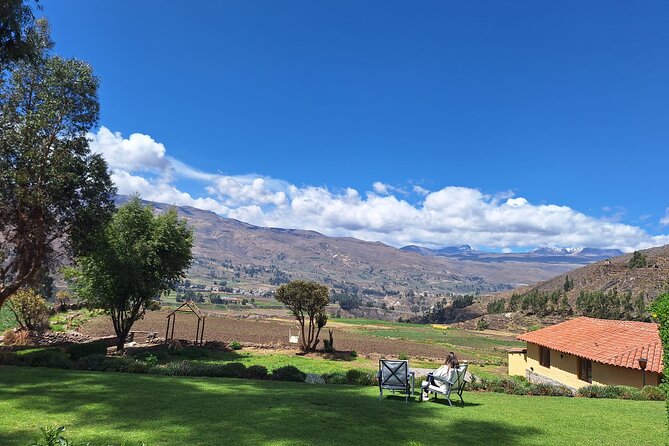
Your Day 1 starts with high-mountain scenery right away. Before you even settle into the reserve route, the drive includes sweeping views of the Misti, Chachani, and Pichu Pichu volcanoes. It’s a nice warm-up because it sets the tone: Colca isn’t a single viewpoint—it’s a whole system of heights, plains, and valleys.
Then the day shifts into the reserve area, where you’ll spend time in Pampa Cañahuas, part of Salinas y Aguada Blanca National Reserve. This is where you’ll look for wild vicuñas—one of the four types of New World camelids. You’ll get multiple transport stops for watching them in their natural habitat, and there’s time to take photos and just breathe in the scale.
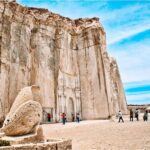
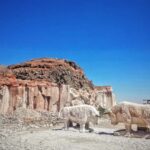
Next comes a detour to Puruña’s stone forest. The rock formations here give your eyes a break from the wide sky. You’ll also get panoramic views from this side of the reserve, which helps you “connect” the terrain before the day climbs even higher.
The altitude ladder: Abra Patapampa and Pata Pampa (up to 4,910m)
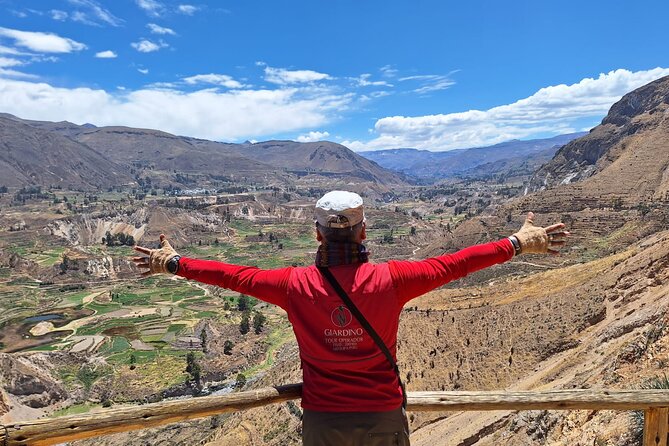
After the reserve, the route heads toward the high plains. You pass Tocra, described as a high plain above 4,400 meters. This is where the scenery starts shifting from grassland viewing to wetlands and birds—so you’re not only scanning for animals.
Abra Patapampa is the next big moment. At this stop, you’ll see lakes and wetlands with wild birds, plus a chance to photograph the Altiplano setting with llamas and alpacas in the distance. It’s a good reminder that you’re not far from where everyday life has to adapt to the altitude.
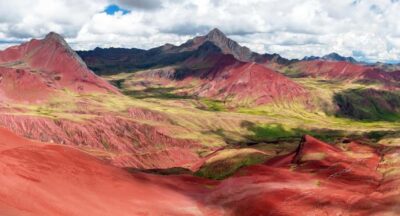
Then the tour reaches its highest point: Pata Pampa, also called the Viewpoint of the Andes, at 4,910 meters. From here, you’re set up to look at a cluster of volcanoes including Ampato, Sabancaya, Hualca-Hualca, and Mismi, along with the Cordillera de Chila. The key to making the most of this stop is simple: move slow, keep your breathing steady, and don’t let photo stops turn into sprinting. The oxygen is thin; your pace should match the altitude.
Chivay and Coporaque: terraces, La Casa de Mamayacchi, and optional walking
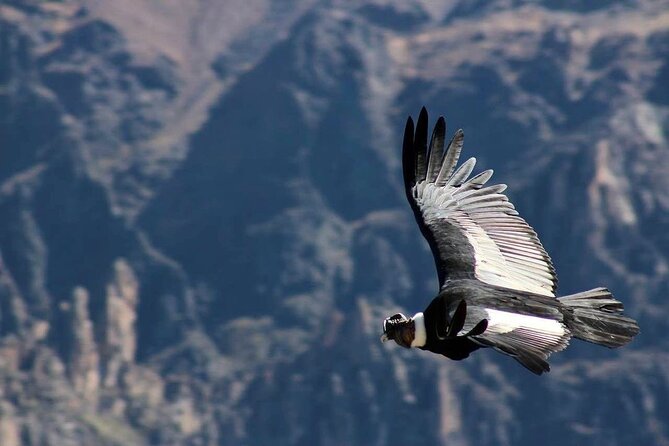
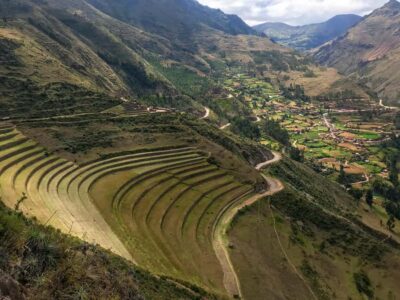
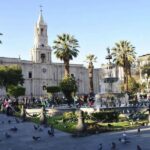
As you get closer to Chivay (listed at 3,651 meters), the Colca Valley terraces start showing up—multicolor bands that look like someone layered the mountains with careful pencil strokes. The tour includes a short visit to Chivay plaza, then continues along the right bank of the canyon to reach Coporaque.
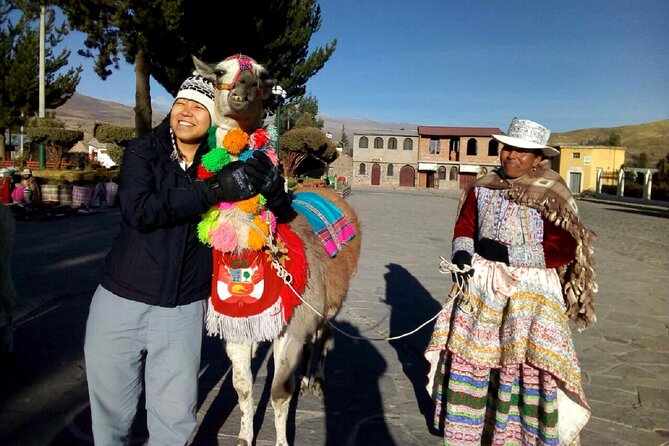
Coporaque is the cultural anchor of Day 1. You’ll visit the lodge La Casa de Mamayacchi, where there’s free time for lunch. What I like about this part is that it offers structured, local activities instead of leaving you stranded in a scenic town with nothing to do but wonder where to go.
Your guide supports activities at the lodge, including:
- learning how to prepare a typical dish
- trying on traditional costumes from the Colca Valley
- a walk through Coporaque town and the surrounding areas (about 1.5 hours), which is optional and depends on how you’re feeling due to altitude
That optional walk is important. This tour climbs hard earlier in the day, so the best approach is to take the “choose your comfort level” option seriously. If you feel good, take the walk. If you feel that altitude “tightness,” stick with shorter strolls and save your energy.
There’s also a thermal baths option in town. Transport can be arranged on request. It’s a smart add-on because it gives your body an off switch after a day of cold air and thin breathing.
You end Day 1 back at your hotel in Chivay for the overnight, in a double or twin room.
Day 2: Cruz del Cóndor at sunrise and the 1-hour canyon walk
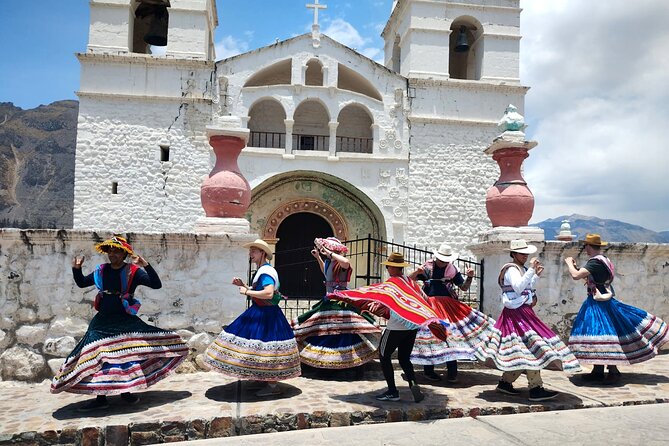
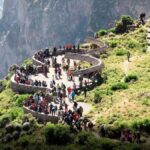
Day 2 begins with breakfast early, then you head out to Cruz del Cóndor. The route is described as driving on the leaf side of the Colca canyon, and you’ll arrive at the viewpoint with time to enjoy the scenery and take pictures.
This is the condor moment. The main draw here is the gliding flight of the Andean condor. Your guide coordinates the timing so you’re in the right place without wasting your whole morning.
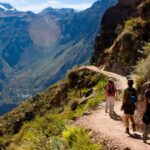
After enough viewing time, you’ll do a short walk near the canyon—about an hour. This is where you often get better angles for spotting condors and seeing the canyon’s depth from closer viewpoints. Again, keep your pace steady. You’re still operating at high altitude, and walking near a canyon means there’s no reason to rush.
Pinchollo, Antahuilque, Choquetico, and the terrace model
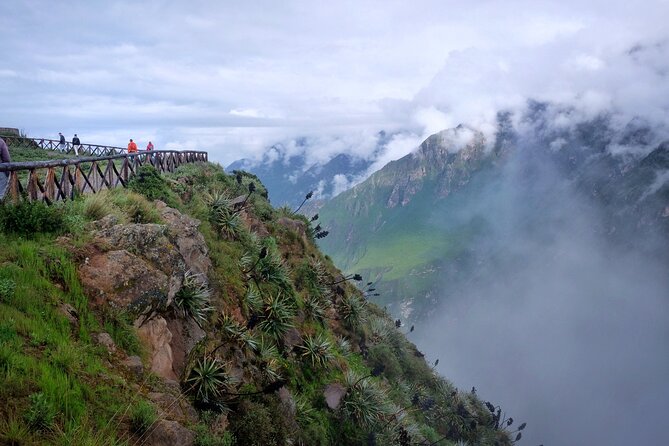
On the way back toward Chivay, you’ll hit several stops that help you understand what you’re seeing.
First is the traditional village of Pinchollo, paired with views from the Antahuilque viewpoint. This viewpoint is highlighted for terraces described as 1,500 years old. That kind of time depth changes how you look at the valley. Instead of seeing “pretty layers,” you start seeing a long-running agricultural landscape—built, maintained, and adapted across generations.
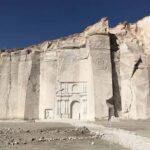
Next you pass the Choquetico look-out point and see a litomaqueta, a model of the canyon terraces carved into rock. It’s not the same as standing in the real place, but it helps your brain “map” what you’ve been driving past.
Colca Canyon towns and the drive back to Arequipa around 4 PM
After Cruz del Cóndor and the viewpoint circuit, the tour keeps rolling through towns. You’ll continue visiting Maca and Yanque, then return to Chivay around midday.
Lunch time is free in Chivay, and lunch is not included in the tour price. After lunch, you head back to your transportation and begin the drive to Arequipa.
You should arrive back in Arequipa around 16:00 (4:00 PM). The tour includes a transfer to your hotel.
There’s also an optional extra service mentioned: transfer from Chivay to Puno on Lake Titicaca. If you’re planning to connect onward, it’s worth checking since it can save time from arranging your own transport.
Price and value: what you pay vs. what you’ll likely budget extra
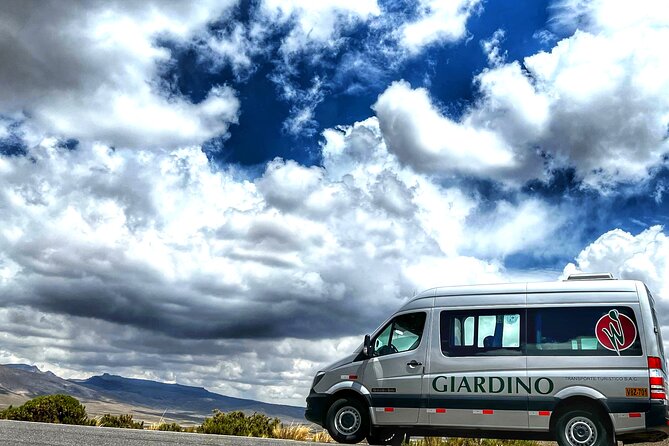
The tour price is $103.85 per person for approx. 2 days. For that amount, you’re getting a professional guide, tourist transportation, breakfast included, and hotel accommodation in Chivay.
That’s the real value: transportation and guidance across a route that includes multiple high-altitude stops and two long days. You’re not just paying for views—you’re paying for someone to keep the schedule sane and get you to the right places at the right times.
The big not-included item is the Mirador Cruz del Condor entrance fee, listed at $22.00 per person. So, for a more realistic budget, plan on the base price plus that fee. Lunch isn’t included either (and dinner is not listed as included), so you’ll need to budget for meals on both days.
What to bring for this altitude-heavy, cold-morning route
Since the itinerary reaches 4,000m to 4,910m and includes an early morning start for condor time, you’ll want to dress for cold air and quick weather swings—even if the sun feels strong during the day.
Bring layers you can peel on a climb and bundle when you stop. If you’ve ever regretted packing one too many thick sweaters for a desert day, this is a good time to test the opposite: pack light layers that stack.
Also, go easy on exertion during the highest point and during the canyon-side walk. Even if you’re fit, altitude can make stairs and slow walking feel harder than you expect. Your best tool is pacing.
Who this tour fits best (and who should think twice)
This works best for:
- you want a guided, structured route instead of DIY logistics
- you enjoy viewpoints and you like learning what you’re seeing
- you’re comfortable with moderate physical activity at high elevation
The tour notes moderate physical fitness. That’s enough for most people who can walk at a normal pace and handle a short canyon walk. The optional Coporaque walk is there as a built-in “listen to your body” option.
If you’re sensitive to altitude or you know you struggle with high-elevation travel, you’ll need to be more selective about your effort level and follow your guide’s pace.
Should you book Colca Canyon Plus?
I’d book this if you want a well-paced two-day Colca experience that includes an overnight in Chivay and puts you at the right place for Cruz del Cóndor early-morning viewing. The schedule makes sense: high-altitude viewpoints first, then culture time at Coporaque, then condors and terraces on Day 2.
I’d hesitate if altitude is a major risk for you or if you’re only interested in one specific spot. This trip gives you a lot of scenery and several stops. If you’d rather stay focused on just one viewpoint, you might prefer a shorter, more targeted option.
FAQ
How long is the Colca Canyon Plus tour?
It’s listed as approximately 2 days.
Where does the tour depart, and where does it end?
It’s based in Arequipa, Peru. On Day 2, you drive back and arrive in Arequipa around 16:00, with a transfer to your hotel.
What’s included in the price?
Included are breakfast, tourist transportation, a professional guide, and hotel accommodation.
What is not included?
Lunch and dinner are not included, and there is an entrance fee for Mirador Cruz del Condor ($22.00 per person).
Is the Mirador Cruz del Cóndor fee mandatory?
The fee for Mirador Cruz del Condor is listed as not included in the tour price, at $22.00 per person.
How many people are in the group?
The tour notes a maximum of 14 travelers.
What kind of physical condition do I need?
The tour states a moderate physical fitness level is recommended.
How high do we go during the tour?
Key high points listed include about 4,000m at Pampa Cañahuas, more than 4,400m at Tocra, 4,910m at Pata Pampa, and Chivay at 3,651m.
What if weather is bad?
The tour requires good weather. If it’s canceled due to poor weather, you’ll be offered a different date or a full refund.
Can I cancel and get a full refund?
You can cancel up to 3 days in advance for a full refund. Cancel at least 3 full days before the experience’s start time to get your money back.