REVIEW · AREQUIPA
Arequipa: Catarata de Pillones and Bosque de Piedras Tour
Book on GetYourGuide →Operated by GONDOLA TOURS SAC · Bookable on GetYourGuide
A waterfall and a stone-forest in one morning. This Arequipa day trip strings together Catarata de Pillones, a petrified-rock forest, and a wildlife stop under the Misti Volcano.
I love the way the schedule gives you real time at the falls, plus a careful walk that lets you see it from different angles. I also like the Pampa Cañahuas pause, because spotting vicuñas with the volcano behind them turns a simple photo stop into something memorable.
One consideration: altitude cold and a rocky descent mean this isn’t a casual stroll, and it’s not suitable for kids under 8, pregnant women, or anyone with mobility impairments.
In This Review
- Key points before you go
- Price and logistics that make sense for a day trip
- Meeting point: Cathedral area, or a hotel pick-up in the historic center
- Pampa de Arrieros: the old travel stop with new context
- Pampa Cañahuas National Reserve: vicuñas and Misti Volcano framing
- Patahuasi: tea, breakfast, and the altitude reset
- Catarata de Pillones: the 20-minute descent and 45-minute photo time
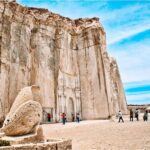
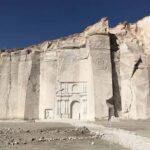
- Bosque de Piedras de Puruña / Imata: petrified-forest rock columns
- Lunch stop around 12:30: regional food, plan to pay
- Return to Arequipa: back near Plaza de Armas by 4:00 PM
- What you’ll actually like most (and why)
- Who should book this, and who should skip it
- Should you book the Arequipa Catarata de Pillones and Bosque de Piedras tour?
- FAQ
- How long is the tour?
- What does the tour cost?
- What time does the tour start?
- Where is the meeting point?
- What languages are available for the guide?
- What’s included in the price?
- Is lunch included?
- What should I bring?
- What are the age limits and who is it not suitable for?
- What is the maximum group size?
Key points before you go
- A real waterfall walk, not just a viewpoint: a rocky descent and a riverside approach
- Vicuñas at Pampa Cañahuas with Misti Volcano framing for easy, stunning photos
- Warm-up at Patahuasi with Andean teas, breakfast, and local snacks
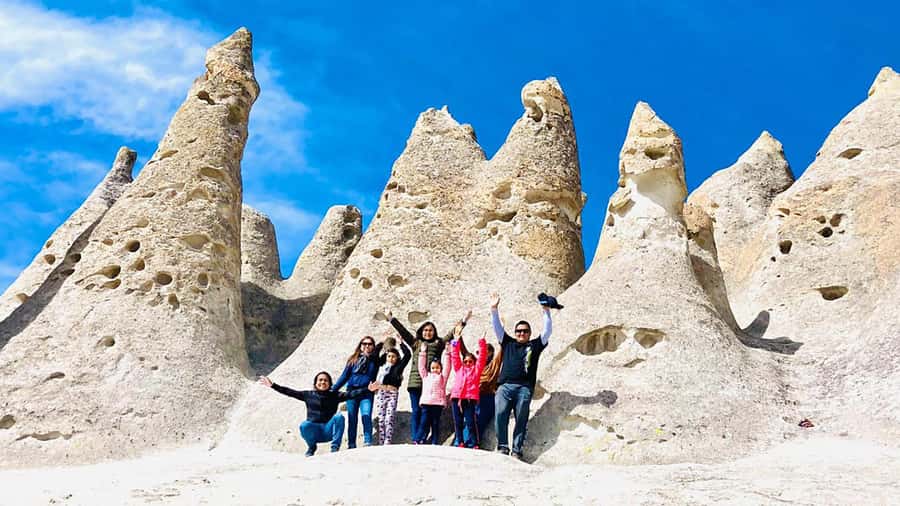
- Stone columns that look animal-like in the Bosque de Piedras area (Puruña/Imata names used)
- Small-group feel with a private tour setup capped at 19
- Value at $32 thanks to guide + transport (lunch is not included)
Price and logistics that make sense for a day trip
This tour costs $32 per person for a full day out of Arequipa. For that price, you’re not just paying for the sights; you’re also buying time-saving hotel pick-up, air-conditioned transportation, and a professional guide who keeps the plan moving and your stops purposeful.
The one line item to watch is food. Lunch happens at a local restaurant around midday, but lunch itself is not included, so plan on paying for your meal on the day.
The trip runs 1 day and starts early—6:00 AM. That early start is what allows you to hit the cooler, clearer morning light at higher elevations and still be back near Plaza de Armas by 4:00 PM.
You can also read our reviews of more tours and experiences in Arequipa.
Meeting point: Cathedral area, or a hotel pick-up in the historic center
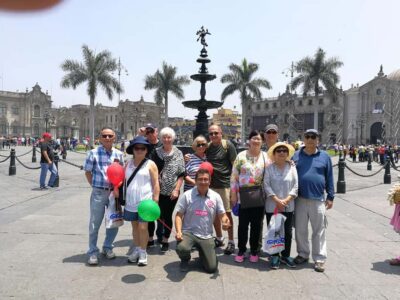
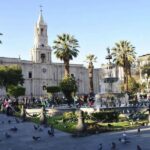
You’ll meet your guide around the main entrance of the Cathedral, which is right in the Plaza de Armas area. If you’re staying in the historic center, pick-up can be arranged at your hotel.
If you’re not in the historic core, the reference meeting option is at the company office on Jerusalén Street 515. In all cases, guides use the company uniform, and they’ll contact you by phone if you need to locate the group.
This matters because the schedule is tight. Showing up 10–15 minutes early helps you avoid stress, especially with morning cold at altitude.
Pampa de Arrieros: the old travel stop with new context
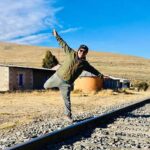
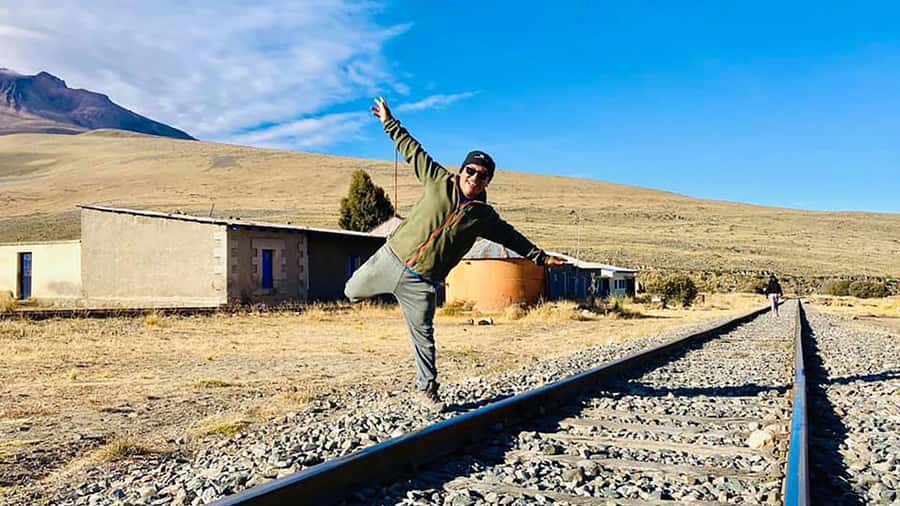
Your day begins with a stop at Pampa de Arrieros, described as an important station for people who arrived in the White City by train. Even if you’ve only learned Arequipa from the main square, this is a chance to see how travelers historically moved through the region.
You’ll have a photo stop plus a guided visit, so you’re not just passing by. The guide’s interpretation is the difference here: you’re learning what this spot meant, not just collecting a quick picture.
One practical benefit: this early stop breaks up the ride before higher-elevation viewpoints. It also gives you a moment to stretch your legs before the colder parts of the route.
Pampa Cañahuas National Reserve: vicuñas and Misti Volcano framing
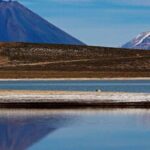
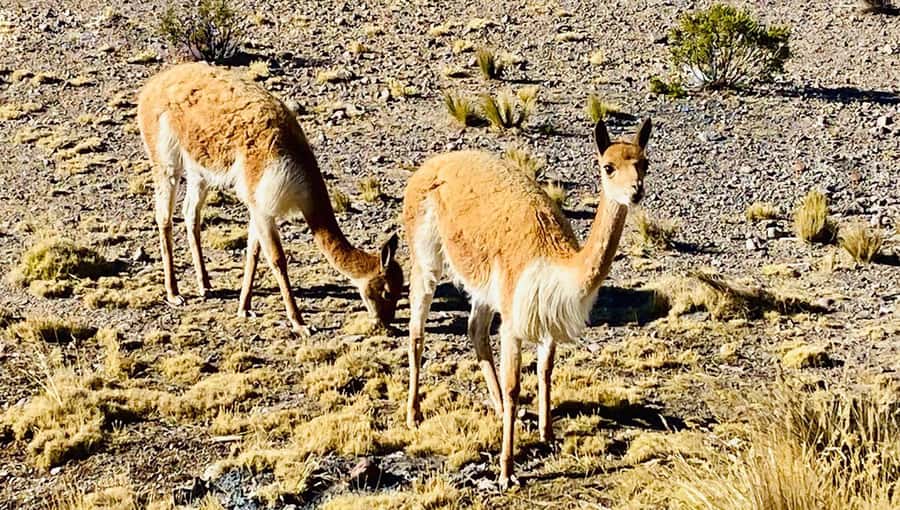
Next comes Pampa Cañahuas National Reserve, with both photo stop and guided tour time. This is one of the best parts of the day for sheer visual payoff: you get vicuñas against a dramatic backdrop of the Misti Volcano.
Even if you’ve seen “wildlife view” stops in other cities, I like this one because it’s paired with a specific setting. The reserve gives the animals a stage, and the volcano gives your photos scale.
Bring your camera ready, but don’t rush. You’ll want a couple angles—wide shots with Misti in frame, and tighter shots once the group has paused long enough to see movement.
Patahuasi: tea, breakfast, and the altitude reset
Before you head toward the falls, you stop at Patahuasi. This is your acclimatizing moment, and it’s not a throwaway stop: you’ll have tea, breakfast, and local snacks.
At around 4,000 meters above sea level, cold can sneak up on you fast. Even if you’re dressed for the day, hot tea and something small to eat help you feel steady when the walking starts.
I also recommend using this moment to check your gear: camera battery (cold drains it quicker), water situation, and whether you’ve got gloves or a warm layer accessible. This is the point in the morning when you can still adjust comfortably.
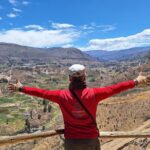
Catarata de Pillones: the 20-minute descent and 45-minute photo time
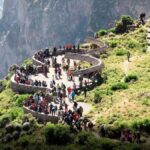
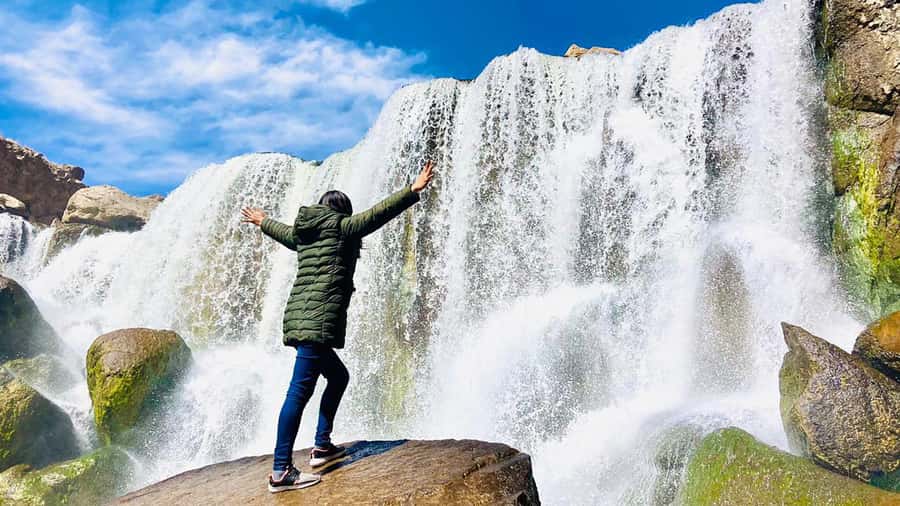
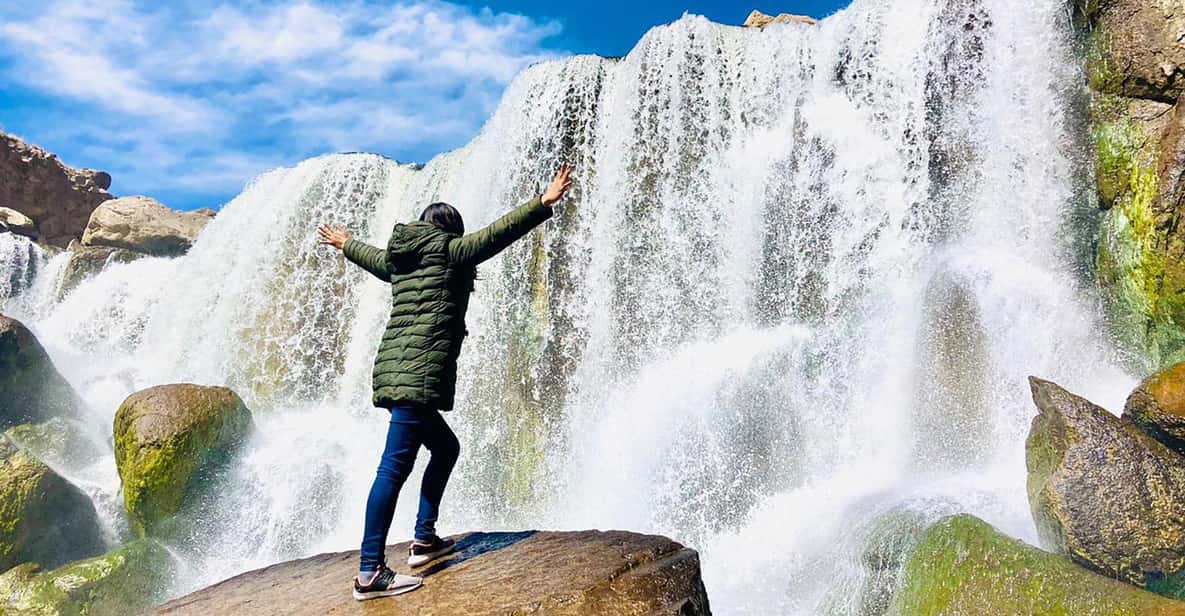
The main event is Catarata de Pillones, also referred to with the local pairing Pillone – Pauza. The waterfall sits amid erosion-shaped rocks, and the walk is part of the show.
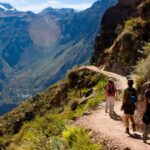
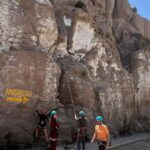
You’ll start with a 20-minute descent to reach the falls. The route includes a rocky slope descent followed by a walk along a river, so it feels active rather than passive. If you prefer less walking, it’s also possible to see the waterfall from above, but the full experience is down at the water.
Once you arrive, you get about 45 minutes at the waterfall. That’s a solid block for photos—wide views of the cascade, and close-up shots of the way water and time carved the surrounding stone.
Comfort note: the path is rocky. Comfortable shoes are non-negotiable. If you’re the cautious type, take it slow on the descent and you’ll enjoy the experience more.
Bosque de Piedras de Puruña / Imata: petrified-forest rock columns
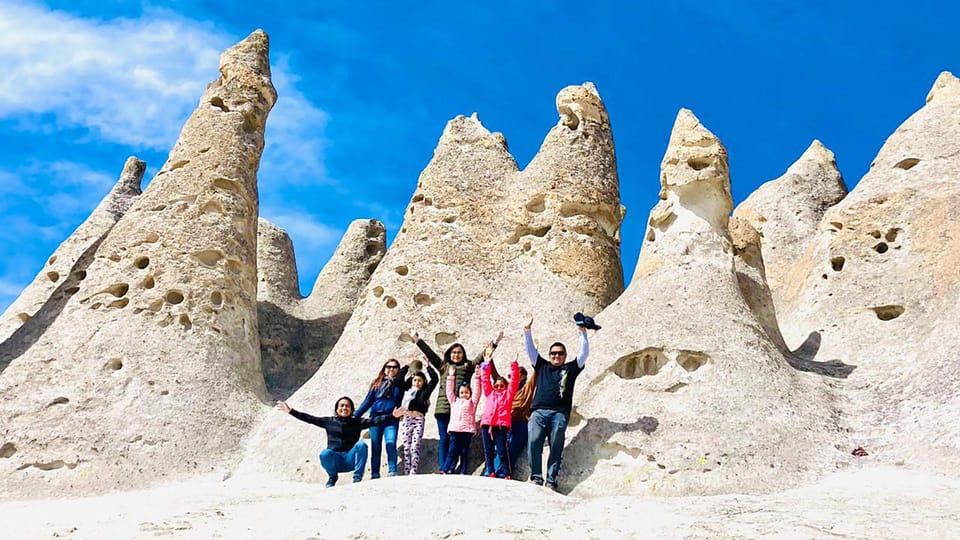
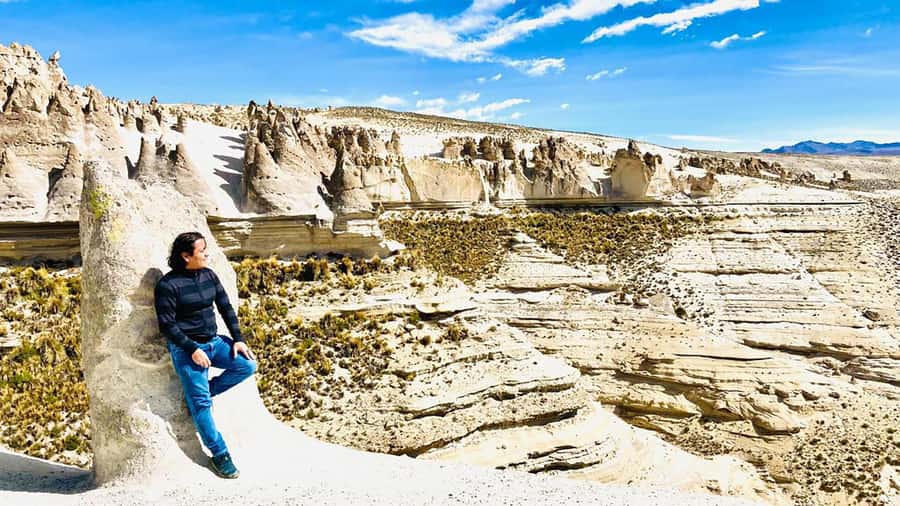
After the falls, the tour shifts at 10:30 AM toward the Bosque de Piedras area. In the details you’ll see the name Bosque de Piedras de Puruña in the highlights, and later Bosque de Piedras de Imata in the timing—either way, you’re exploring a stone-column world created by water erosion.
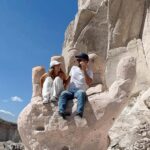
The rock formations can resemble prehistoric animals, and the effect is stronger in person than in photos. Without much vegetation, the rock shapes look more like sculptures. If you like geologic weirdness—water wearing down stone for ages—you’ll get a kick out of this stop.
You’ll have photo stop and guided tour time here as well. That guidance helps you notice patterns in the shapes and understand what you’re looking at beyond the wow-factor.
This is also a good spot for patience. The rocks can create interesting shadows, and it takes a little time for your eyes to connect the dots on what the formations resemble.
Lunch stop around 12:30: regional food, plan to pay
At about 12:30 PM, you’ll have lunch at a local restaurant. This is listed as a lunch stop, but lunch is not included in the tour price—so expect to pay for your meal on site.
I like that the day doesn’t leave you hunting for food after a long morning. You’re tired, cold, and hungry by then, and having a set restaurant reduces decision fatigue.
Since snacks and tea earlier help, you can treat lunch as the real reset. If you’re sensitive to altitude, eat at a normal pace and drink water through the meal.
Return to Arequipa: back near Plaza de Armas by 4:00 PM
The tour winds down after the stone forest stop and lunch. Your return to Arequipa is scheduled for 4:00 PM, ending near Plaza de Armas in the city center.
By the time you get back, you’ve basically wrapped a full day of high-elevation scenery into one smooth loop. The combination of waterfall + reserve + stone formations means you get multiple types of “wow” instead of repeating the same view again and again.
Practical tip: plan a low-key evening after you return. Your legs will feel it if you took the full descent at the falls, and the altitude can leave you tired even when you don’t realize you were exerting yourself.
What you’ll actually like most (and why)
The biggest strength is how the tour balances “big scenery” with hands-on walking. Catarata de Pillones is not just a distant card photo. You’re moving down, walking along the river, and then spending a meaningful 45 minutes at the falls.
Second, the itinerary uses the geography of the region instead of repeating viewpoints. You go from town stops to Pampa Cañahuas for vicuñas and Misti Volcano, then into Patahuasi for food and tea, then into the erosion-carved rock world at the waterfall and stone forest.
Finally, the tour gives you a guided layer. The plan includes learning about local culture and traditions of Arequipa’s people, so the day isn’t only about scenery. That context helps you connect the landscape to how people live around it.
Who should book this, and who should skip it
This tour suits you if you want a structured day trip with a guide and you’re comfortable with moderate walking on uneven ground. The age range is 8–50 years, and the experience is best for people who can handle cold weather at altitude.
It’s not suitable for:
- Children under 8
- Pregnant women
- People with mobility impairments
If you’re traveling with someone who has balance issues, reconsider. The rocky slope descent for Catarata de Pillones is the part that can feel risky, and the altitude adds an extra layer of effort.
Should you book the Arequipa Catarata de Pillones and Bosque de Piedras tour?
I’d book this if you want one day that mixes a dramatic waterfall, a petrified-rock scene that looks like it escaped a science-fiction movie, and a wildlife moment with vicuñas under Misti Volcano. The $32 price is strong value when you factor in guide + transport + pick-up and the time you get at the falls.
Skip it if walking on rocky paths makes you nervous, or if cold and altitude are a concern for your health or comfort. If you’re fit, ready with warm layers and sturdy shoes, this is a very satisfying way to see more than just Arequipa’s city sights.
FAQ
How long is the tour?
It’s a 1-day experience.
What does the tour cost?
The price is $32 per person.
What time does the tour start?
The tour starts at 6:00 AM.
Where is the meeting point?
You’ll meet near the main entrance of the Cathedral (in the Plaza de Armas area). Another reference point is the office on Jerusalén Street 515, and hotel pick-up is available if you’re in the historic center.
What languages are available for the guide?
The live guide is available in English and Spanish.
What’s included in the price?
Included are a professional guide, hotel pick-up, a private tour setup, air-conditioned transportation, and special activities.
Is lunch included?
Lunch is not included (even though the tour includes a lunch stop at a local restaurant around midday).
What should I bring?
Bring comfortable shoes, warm clothing, a camera, snacks, and water.
What are the age limits and who is it not suitable for?
The age limits are 8–50 years. It’s not suitable for children under 8, pregnant women, or people with mobility impairments.
What is the maximum group size?
The group size limit is 19 (private, with prior coordination).