REVIEW · AREQUIPA
Full-Day Colca Canyon Tour from Arequipa
Book on GetYourGuide →Operated by PVTravel · Bookable on GetYourGuide
In This Review
- A condor sighting beats any checklist.
- Key things I’d circle on your map
- Why a 3:00 AM pickup matters for Colca Canyon
- Pampa Cañahuas: your wildlife warm-up before the canyon
- Chivay breakfast: fuel for a high-altitude morning
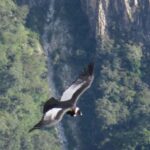
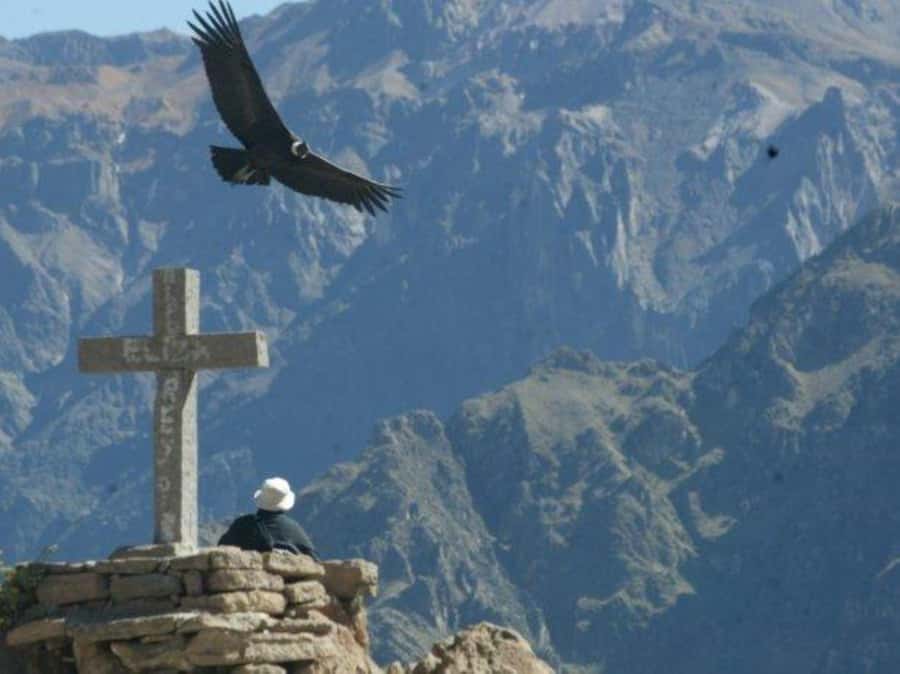
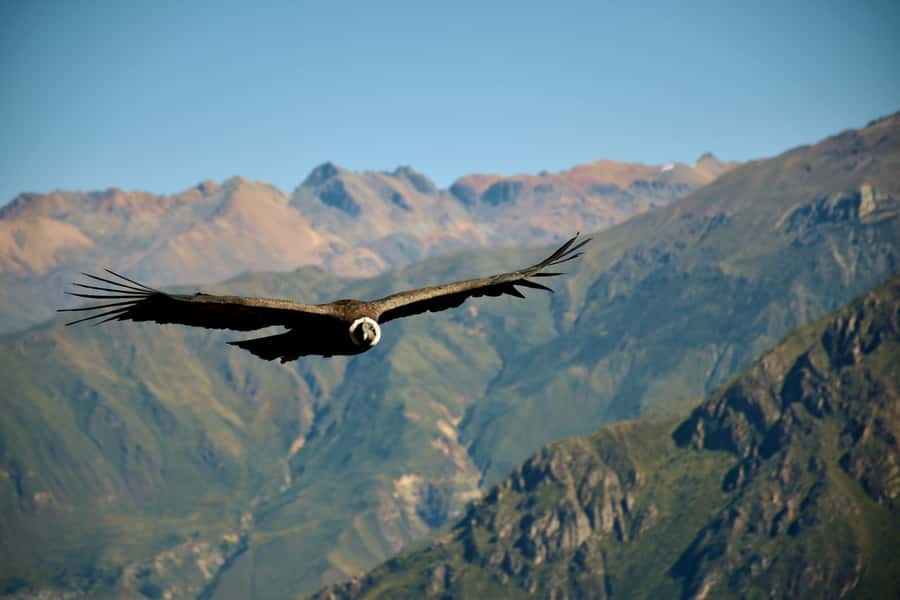
- The Cruz del Cóndor stop: where you go for the condors
- Village churches and valley viewpoints: more than just a bus ride
- Lunch and the Chivay reset before the afternoon drive
- La Calera thermal baths: worth it if you don’t mind the option
- Patapampa (around 4,800 m): the view stop that ties it together
- Price and value: what $39 covers, and what costs extra
- Who this Colca Canyon day trip fits best
- Should you book this Colca Canyon tour?
- FAQ
- What time is pickup from Arequipa?
- When do we arrive back in Arequipa?
- Is breakfast included?
- Is lunch included?
- Are entrance fees included?
- How much walking should I expect?
- What should I bring?
- Is the tour wheelchair accessible?
A condor sighting beats any checklist.
Colca Canyon calls for an early start, but this full-day tour is packed with the big visual hits: the condor flight from Cruz del Cóndor, plus wildlife time at Pampa Cañahuas where vicuñas graze. I also like how the day isn’t only about one viewpoint—there are stops in local villages and viewpoints where you can actually read the landscape (terraces, tombs, and old stone work). The main thing to keep in mind is that it’s a long day with limited walking, so if you’re craving a proper trek, this isn’t that kind of Colca experience.
You leave Arequipa before sunrise, drive high and far, and return around late afternoon. It’s a good fit if you want to see the essentials without planning multiple days, and it also helps that the tour includes breakfast in Chivay and a lunch option there too. One small drawback: the itinerary can feel tight, so you’ll spend more time on the road than you might expect for a “nature day.”
Plan for altitude, cold mornings, and comfort. You’ll be up around 4,800 meters at Patapampa on the way back, so bring warm layers and don’t travel with bulky luggage. If you know you’re sensitive to altitude, tell your guide early—one group I saw had real help from their guide when symptoms showed up.
Key things I’d circle on your map
- Condor viewing from Mirador de la Cruz del Cóndor, timed for when you have the best odds of seeing the birds
- Wildlife stop in Pampa Cañahuas (Aguada Blanca and Salinas National Reserve) for vicuñas spotting
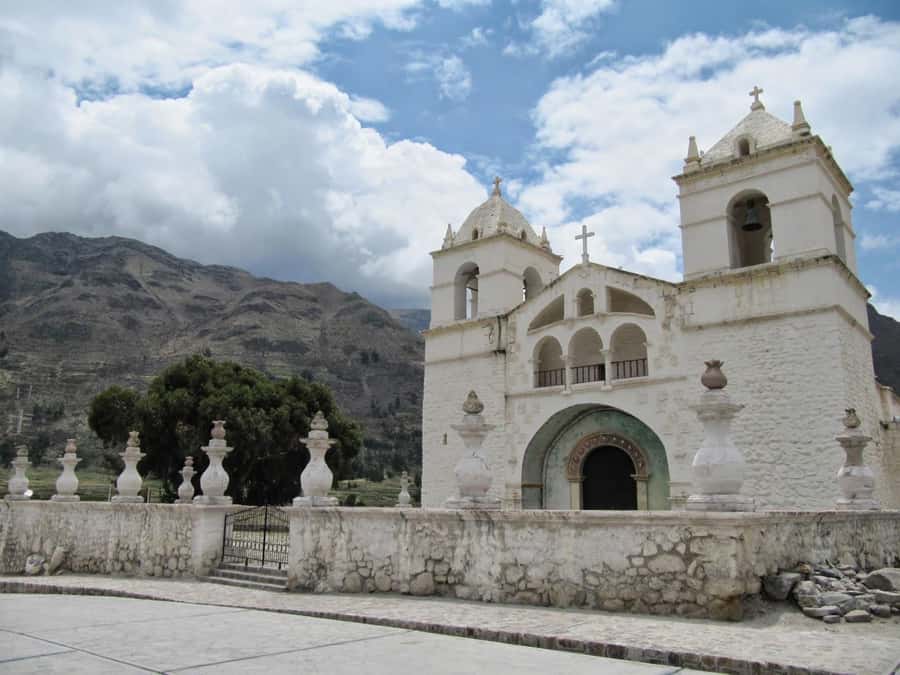
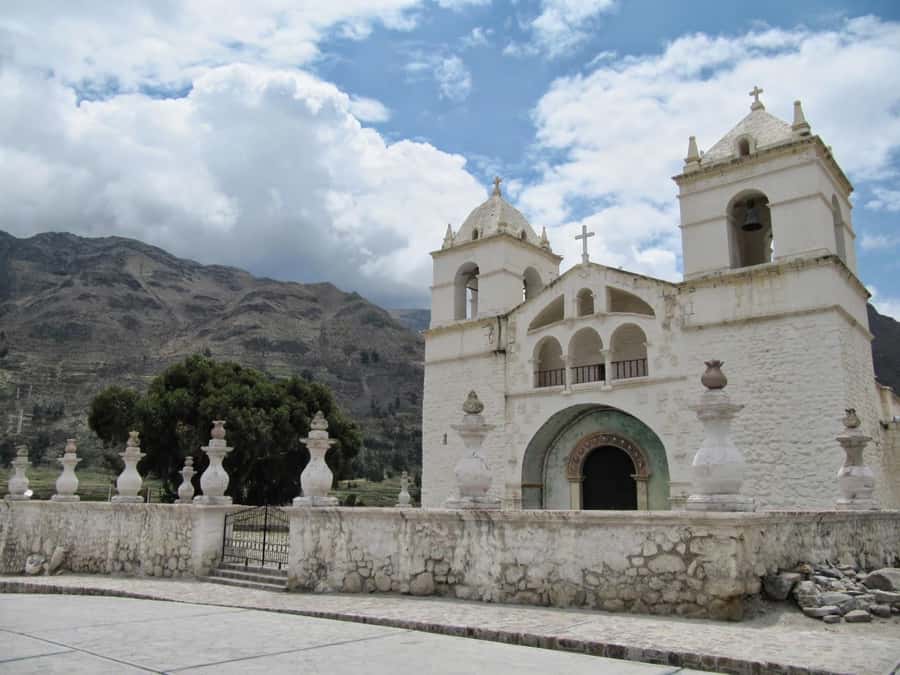
- Andean village route with colonial churches in Pinchollo, Maca, and Yanque
- Viewpoints over the valley at Choquetico and Antahuilque, where you can see terracing and pre-Inca elements
- Optional thermal stop at La Calera with hot springs around 35–38°C for a real reset
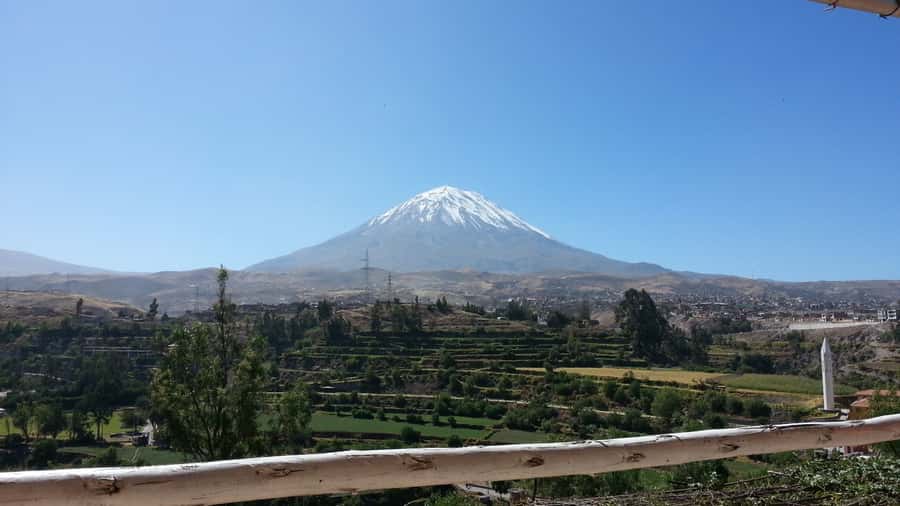
- Patapampa (about 4,800 m) for volcanic mountain views between Colca and Arequipa
You can also read our reviews of more tours and experiences in Arequipa
Why a 3:00 AM pickup matters for Colca Canyon
This tour starts with a pickup around 3:00 AM from central Arequipa. That’s not just an inconvenience—it’s the point. Colca Canyon is a place where weather, light, and timing affect what you can see, and early departure gives you enough hours to reach the main viewing areas and still get back in daylight.
On the road, you’ll travel along the Yura road and head toward the national reserve area. Expect a long, steady bus ride with high-altitude scenery gradually replacing the city world. If you’re the type who needs your bearings fast, bring water, a snack, and something warm for the first stretch. Even if you’re excited, your body will feel the hour.
Pampa Cañahuas: your wildlife warm-up before the canyon
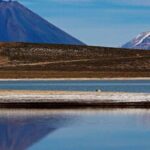
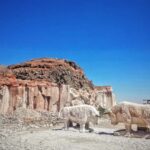
Around 6:00 AM, you’ll reach Chivay for breakfast, then continue driving about an hour toward the condor viewpoint area. The big wildlife moment happens on the way in the Pampa Cañahuas zone (Aguada Blanca and Salinas National Reserve), a habitat for the South American camelids—especially vicuñas.
This is one of the best parts of the day because it breaks up the canyon obsession with living animals. Instead of only looking down at a massive landscape, you’re watching creatures that actually belong to this altitude and this terrain. If you’ve only seen alpaca or llama in towns, you’ll appreciate the different feel of vicuñas out on open land.
Bring your patience and your camera settings. At these elevations, animals often look distant until you slow down and watch. Also, expect cool air, so you’ll want gloves or at least a warm layer you can keep on.
Chivay breakfast: fuel for a high-altitude morning
In Chivay, you’ll have breakfast before moving on. This matters more than it sounds. You’ll likely be awake for hours, you’ll be moving between elevations, and the day includes a lot of viewpoints where you’ll stand for short moments rather than stay seated the whole time.
The meals can vary in quality, and one detail that stood out from past experience is that breakfast sometimes feels a bit limited compared to what you’d hope for before a very long day. If you’re picky or you know you get hungry fast, pack a small snack anyway. The tour can be long enough that “good enough” becomes “not enough” if you’re not prepared.
The Cruz del Cóndor stop: where you go for the condors
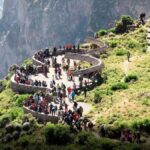
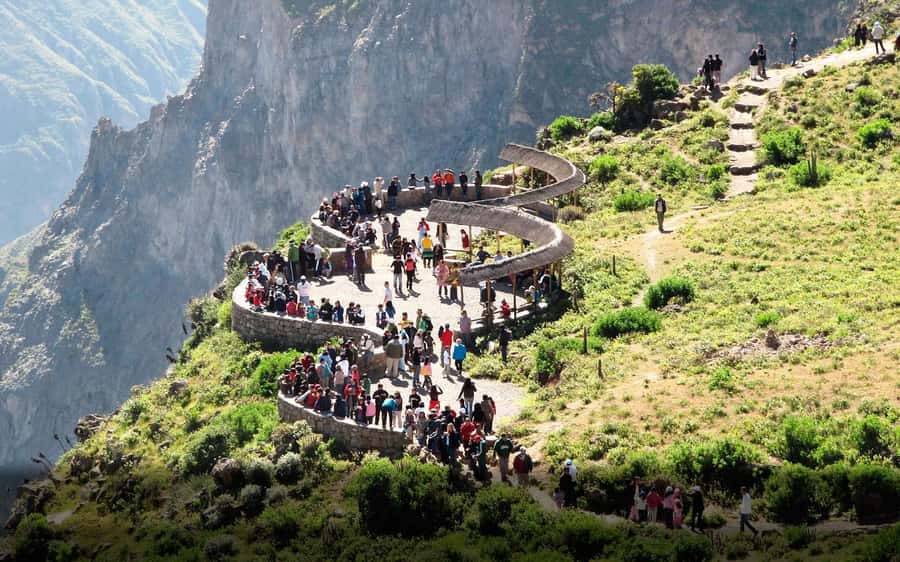
About an hour after leaving Chivay, you’ll reach Mirador de la Cruz del Cóndor, a strategic observation point where you’ll wait for the flight of the condor. This is the main reason most people book, and for good reason: the canyon isn’t just big—it’s a stage.
The practical advice here is simple: dress for cold and bring the right stance. You’ll likely spend time standing at viewpoints, and the temperature can feel sharper than you expect in the early morning. Keep your camera ready, and be ready for a sudden moment when a bird decides to turn the sky into a moving panorama.
Also, don’t assume you’ll get perfect timing every time. Condors aren’t on schedule like museum exhibits, but the payoff can be huge—people who’ve done this day trip often say they were surprised by how spectacular it was compared to expectations. If your group includes someone who needs help adjusting to altitude, a careful guide can make the stop easier.
Village churches and valley viewpoints: more than just a bus ride
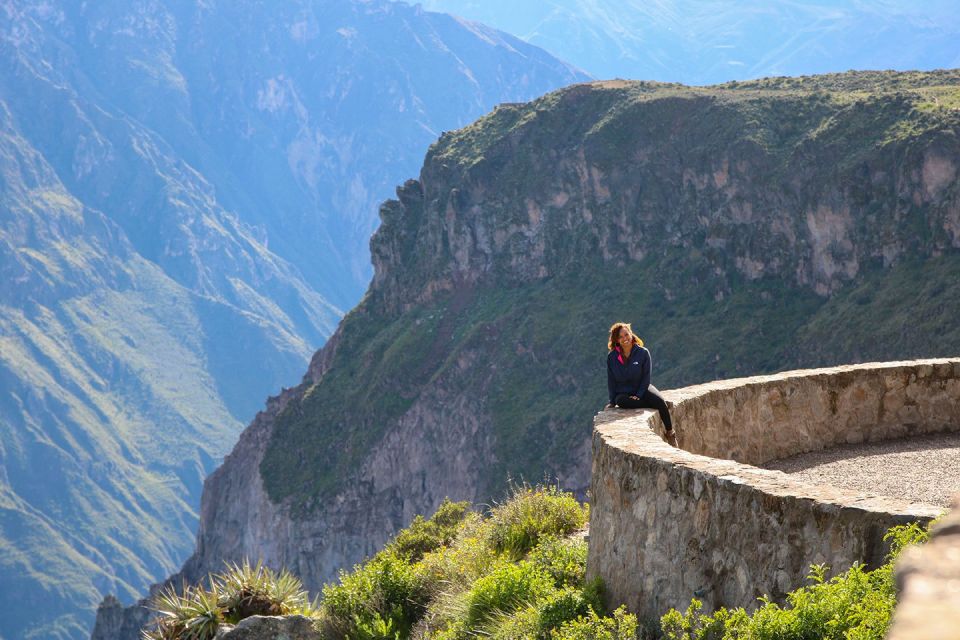
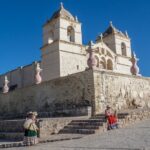
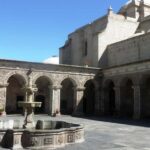
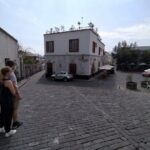
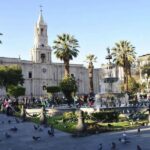
After the condor viewing, you head back and stop in a string of villages—Pinchollo, Maca, and Yanque—known for colonial churches. This part adds human scale. You go from sweeping canyon views to places where the culture is right in front of you: stone, architecture, and daily life in small Andean communities.
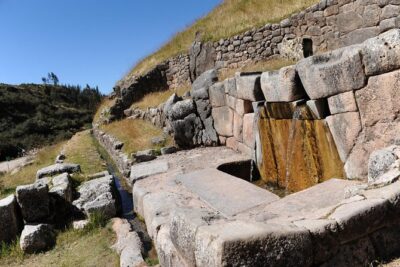
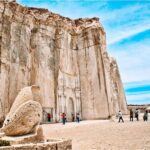
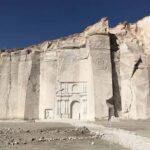
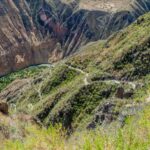
Then the tour leans back into landscape and history with viewpoints like Choquetico and Antahuilque. From these spots, you can look out over impressive valley engineering (think terracing), plus you can see pre-Inca tombs and a pre-Inca model of the area carved in stone. Even if you don’t read every detail, you’ll feel what the guide is pointing out: this canyon is not random scenery. People have shaped this place for a long time.
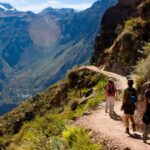
Walking here is typically limited. You might do short stretches, but don’t plan your day around trekking. If you want a full hike, you’ll need a different format—this is about seeing a lot, not covering a lot of trail.
Lunch and the Chivay reset before the afternoon drive
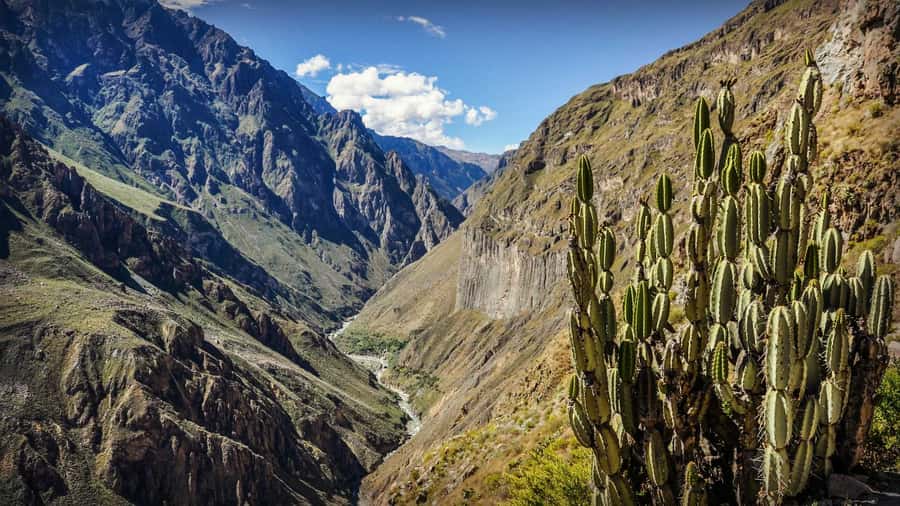
Back in Chivay, you’ll have lunch and a chance to rest while you walk through the small streets. This is your buffer time. Use it to warm up, recharge your phone, and take the kind of break you can’t get while standing outside for viewpoints.
If you selected lunch, expect a decent meal. One memorable meal pattern from past groups includes local options like alpaca and cuy, served buffet-style, and a dessert featuring tart fruit with whipped cream plus cookies and aguaymante (a small golden berry). Even if your meal isn’t exactly the same each time, lunch in Chivay is more than a token pause here.
If you chose not to add lunch, you’ll want snacks. The day runs long enough that skipping a real meal can leave you tired at the wrong time.
La Calera thermal baths: worth it if you don’t mind the option
After lunch and rest, you have the chance to enjoy thermal baths in La Calera (optional). The water is described as medicinal, sitting around 35–38°C, and you’ll stay about one hour.
This stop can feel like the best kind of “reset” on a long tour day. It’s also a smart altitude strategy in a small way—your body gets warm and relaxed again before you head back down and up roads once more.
One practical caution: not everyone wants the baths. If you end up in a group where some people skip it, you may notice waiting time for those not entering the water. If you’re unsure, decide early. If soaking is your thing, go. If you hate sitting around in line or you’re not comfortable in shared changing areas, skip it and use the time to rest.
Patapampa (around 4,800 m): the view stop that ties it together
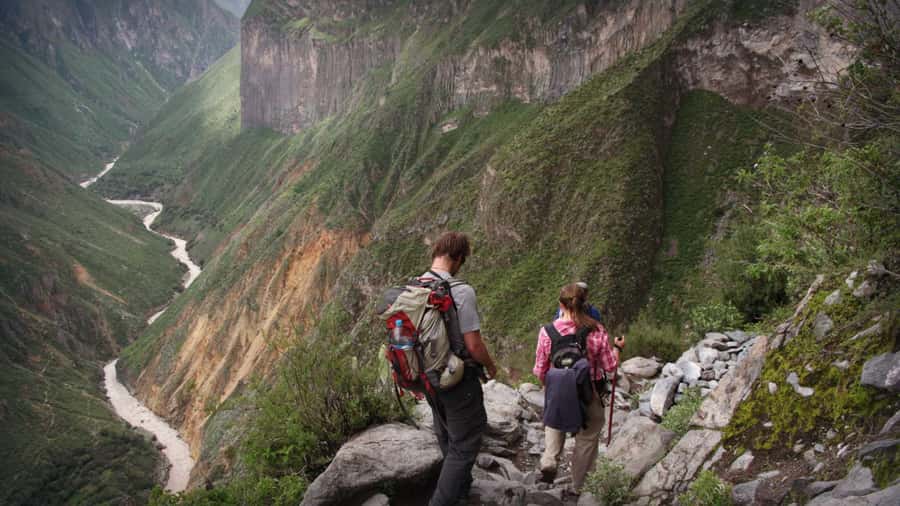
At around 2:00 PM, you start the drive back to Arequipa. Along the way, you’ll visit Patapampa, the highest point between Colca Canyon and Arequipa, at about 4,800 meters. Here, you get volcanic mountain-range views that remind you you’re in a living geological zone, not just a canyon carved in storybooks.
This is also where altitude can catch up with you. Even if you didn’t feel much earlier, the combination of cold air, thin atmosphere, and the time of day can make you more aware of your breathing. Take it slow. Sip water. If you start to feel unwell, tell the guide promptly.
You’ll be back in Arequipa around 5:00 PM, which is early enough to still do dinner plans without feeling like you lost an entire second day.
Price and value: what $39 covers, and what costs extra
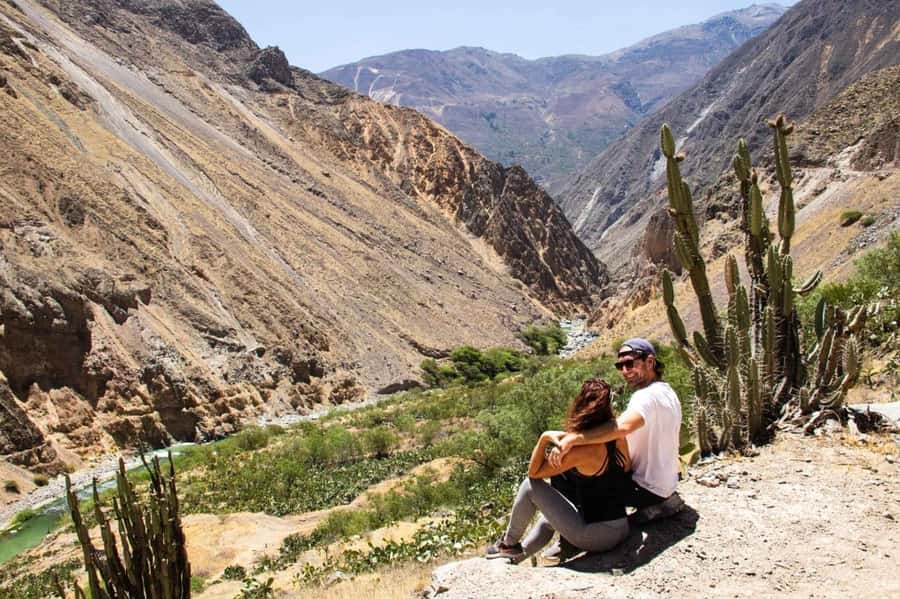
At about $39 per person, this is a budget-friendly way to see the iconic Colca highlights from Arequipa in one go. The tour includes hotel pickup and drop-off in central Arequipa, transportation, a professional guide, plus breakfast in Chivay. Lunch in Chivay is included only if you select that option.
Two items to factor into your total:
- Colca Canyon entrance fee is not included: S/70.00 per person
- Hot springs entrance fee at La Calera is not included
So the real value equation is: you’re paying for a full day of driving + guided stops + major viewpoints, while you handle a couple of local entrance costs. For the amount of ground covered, that’s usually a good deal—especially if you don’t want to arrange separate transport to hit all the key points.
Also remember: the tour doesn’t suit wheelchair users, and large luggage isn’t allowed. If you’re traveling light, you’ll feel more comfortable in the vehicle and at the stops.
Who this Colca Canyon day trip fits best
I think this tour works best if you:
- Want a one-day Colca experience with the main sights
- Care most about condors and scenic viewpoints rather than long hiking
- Prefer guided interpretation of terraces, tombs, and stone-carved historical features
- Like meeting friendly people in small villages and seeing how life continues outside the main tourist zones
- Need a clear structure and a guide to keep the day moving
It’s less ideal if you:
- Want a deep, multi-day trek style of Colca (this is more “see a lot” than “walk a lot”)
- Have very limited tolerance for long bus time and early mornings
- Plan to travel with bulky luggage
Should you book this Colca Canyon tour?
If your priority is checking the biggest Colca Canyon boxes—condor viewing, wildlife time in Pampa Cañahuas, village stops, and an added viewpoint route—this is an efficient, mostly comfortable way to do it. The early start is brutal for the first 30 minutes, but the payoff is real: you get a proper condor chance plus a string of stops that give the canyon context.
Book it if you’re excited by scenery, short walks, and guided explanations, and you pack warm layers for the cold mornings and high points. I’d pass or consider an alternative if you’re a serious trekker or if “long day on the road” sounds like your personal nightmare.
FAQ
What time is pickup from Arequipa?
Pickup is around 3:00 AM from accommodation in central Arequipa.
When do we arrive back in Arequipa?
You should be back in Arequipa around 5:00 PM.
Is breakfast included?
Yes. You’ll have breakfast in Chivay.
Is lunch included?
Lunch in Chivay is included only if you select the lunch option. Otherwise, lunch is not specified as included.
Are entrance fees included?
No. The Colca Canyon entrance fee (S/70.00 per person) is not included, and the hot springs entrance fee at La Calera is not included.
How much walking should I expect?
Plan for limited walking rather than a full trek. You’ll have short walks at viewpoints and stops, but the day is mainly focused on viewing from key areas.
What should I bring?
Bring comfortable shoes, warm clothing, snacks, a poncho (in case of rain), gloves, a sweater, hat or cap, sunglasses, sunscreen, insect repellent, a camera, and a water bottle. Bring your valid ID too.
Is the tour wheelchair accessible?
No. It is not suitable for wheelchair users.