REVIEW · CUSCO
Cusco City Sightseeing and Sacsayhuaman Archeological Park Tour
Book on Viator →Operated by VIPAC Travel · Bookable on Viator
Cusco has a way of rewiring your brain fast, in the best way. This small-group tour strings together the big Inca sites above the city with Cusco’s main cathedral stop, so you get context without bouncing around on your own. I love the relaxed max-15 group size and the clear guiding through the stories behind the stones.
What I like most is the “hit multiple sites in one afternoon” value, especially with round-trip hotel pickup and an air-conditioned vehicle for the drive up to Sacsayhuaman. The main drawback to plan for is entrance-ticket confusion: there are options with and without park/church admissions, and if you choose the wrong one for your needs, you may end up paying extra on the day.
In This Review
- Key things that make this tour work
- Cusco in half a day: why this route makes sense
- Comfort and practical tips: dress, altitude, and what the van fixes
- Sacsayhuaman: fortress stones and the view that sells the whole story
- Qenqo, Puca Pucara, and Tambomachay: ceremonial, military, and water worship
- Qenqo: a sacred altar space
- Puca Pucara: the former military outpost
- Tambomachay: aqueducts and water structures
- Qorikancha: the Sun Temple legend under Santo Domingo
- Plaza de Armas and Cusco Cathedral: late Gothic, Baroque, and the Senor de los Temblores
- Price and logistics: how to make the $79 add up correctly
- Guides matter: why the storytelling tone changes the tour
- Who should book this tour (and who might want something else)
- Should you book the Cusco City + Sacsayhuaman tour?
- FAQ
- How long is the tour?
- Is the group large?
- Does the price include entrance tickets?
- What are the rules for clothing and photos at Cusco Cathedral?
- Do you get hotel pickup and drop-off?
- What language is the guide?
Key things that make this tour work
- Small-group pace (up to 15 people) keeps it calmer and more conversational.
- Air-conditioned transport helps a lot in Cusco’s sun and sudden chill.
- Major Inca stops in one loop: Sacsayhuaman, Qenqo, Puca Pucara, Tambomachay, and Qorikancha.
- Cusco Cathedral stop with famous art like the Senor de los Temblores.
- Clear rules on clothing and photos at religious sites (no shorts; no photos inside the cathedral).
- Ticket options can change your total cost if admissions aren’t included.
Cusco in half a day: why this route makes sense
Cusco is compact, but the big sights around it are not “walkable in a hurry” without a plan. This tour is designed for people who want the main Inca context above Cusco, then transition into the Spanish-colonial world in the historic center. You’re not just ticking boxes—you’re moving through the same geography the Incas and later colonizers shaped.
I like that it feels like a guided storyline. You start with fortress-like stonework at Sacsayhuaman, then shift to ceremonial and military spaces on the hills, then finish with the religious centerpiece in the plaza. That flow helps your brain connect what you’re seeing.
You can also read our reviews of more city tours in Cusco
Comfort and practical tips: dress, altitude, and what the van fixes
The tour runs about 3 hours 30 minutes on paper, but you should plan for it taking longer if entries, walking, or weather slow things down. The good part is the vehicle: it’s air-conditioned, which is a real comfort factor when Cusco’s weather changes quickly.
Bring layers. Even if you start out warm, expect cool air on the hills. Also, pack a light rain layer. One of the consistent themes is that guides do their best to keep things moving when the weather shifts.
Important clothing note: you cannot enter religious sites wearing shorts, and photos are forbidden inside Cusco Cathedral. This matters because you’ll likely be standing around during the cathedral portion. Wear pants, and plan to enjoy the interior without a camera.
Sacsayhuaman: fortress stones and the view that sells the whole story
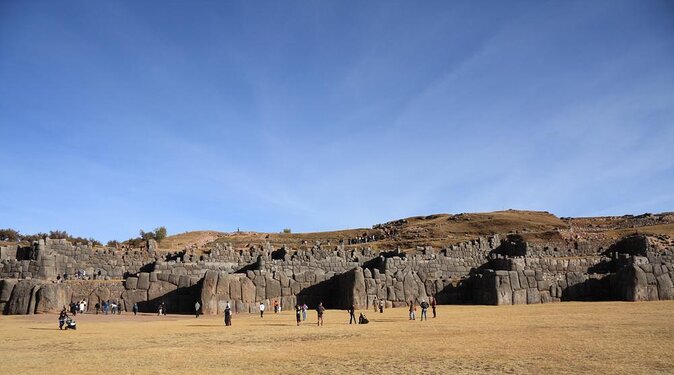
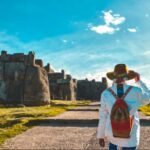
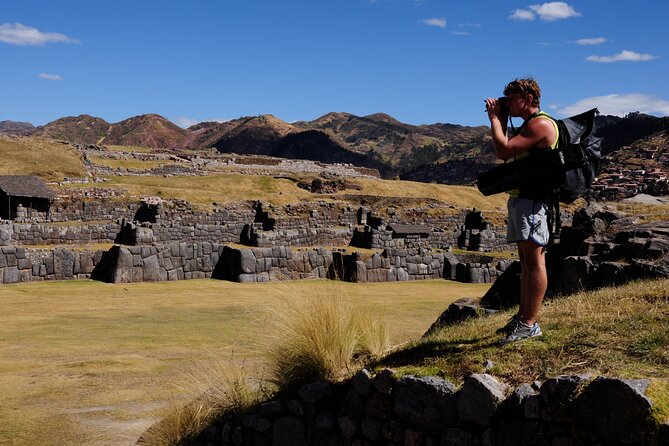
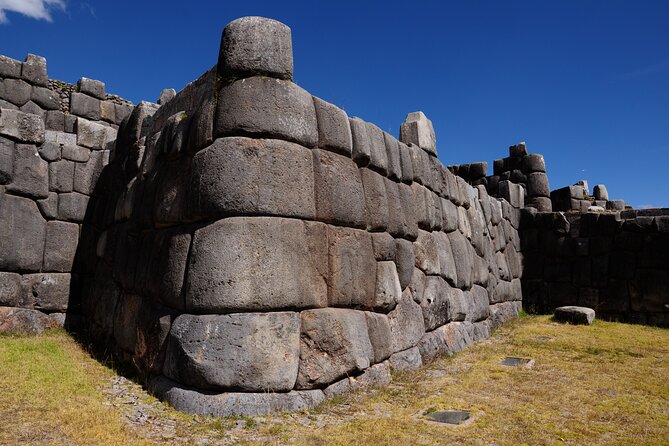
Sacsayhuaman is the showpiece for a reason. Perched on the northern outskirts of Cusco, it offers sweeping views over the city—and you’ll feel the scale the moment you arrive. This UNESCO-listed archaeological park includes massive stone blocks, some measuring up to 13 feet (4 meters) tall.
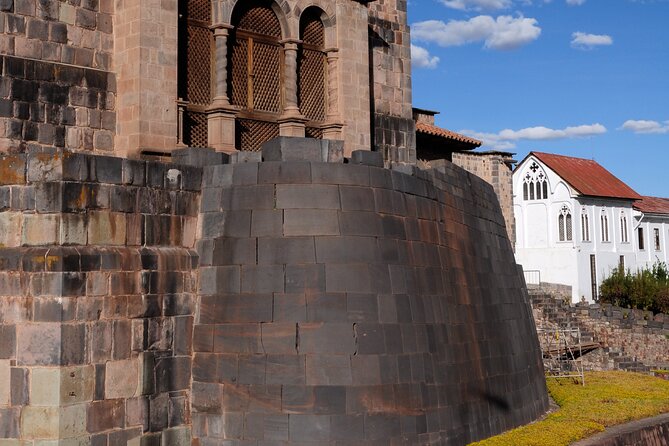
What really makes Sacsayhuaman click is how the stones fit so tightly together, creating a fortress-like feel without mortar. You’ll also learn to look for symbolic carvings tied to Inca beliefs—condor, puma, and snake imagery shows up in the stonework. Standing there, the site feels less like random ruins and more like intentional design meant to communicate power and worldview.
Practical note: plan on walking and taking your time. The site isn’t huge like some major parks, but it’s spread across uneven ground, and you’ll want a few moments at the viewpoints.
Qenqo, Puca Pucara, and Tambomachay: ceremonial, military, and water worship
After Sacsayhuaman, the tour keeps climbing into the hillside meaning of Cusco. Instead of repeating the same “look at stones” experience, you get different types of Inca spaces.
Qenqo: a sacred altar space
Qenqo is known for a ceremonial altar and sacred temple. You’ll see the ancient carved features, and you’ll hear how the area connected to worship and ritual. The site is strongly tied to the idea of sacred form—stone shaped into meaning.
Puca Pucara: the former military outpost
Then comes Puca Pucara, which shifts the tone. This is described as an atmospheric remains area tied to a former military outpost used for defense. The vibe changes from ceremony to strategy, and it helps you understand that Inca life wasn’t only religious spectacle; it was also governance and security.
Tambomachay: aqueducts and water structures
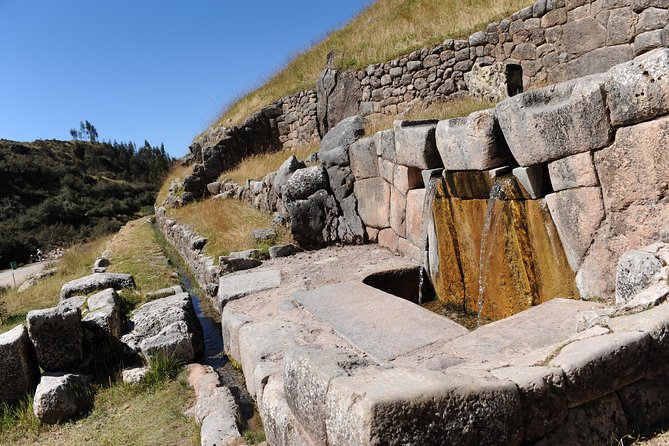
Finally, you reach Tambomachay, famous for aqueducts, channels, and stone structures. The water setup matters because it wasn’t just engineering for convenience. It connects to Inca ritual and water worship—and it’s described as a possible spa-like retreat for wealthy Incas.
If you’re the kind of person who enjoys practical design (how water was managed, how space was used), Tambomachay is where your brain may go quiet in a good way.
Qorikancha: the Sun Temple legend under Santo Domingo
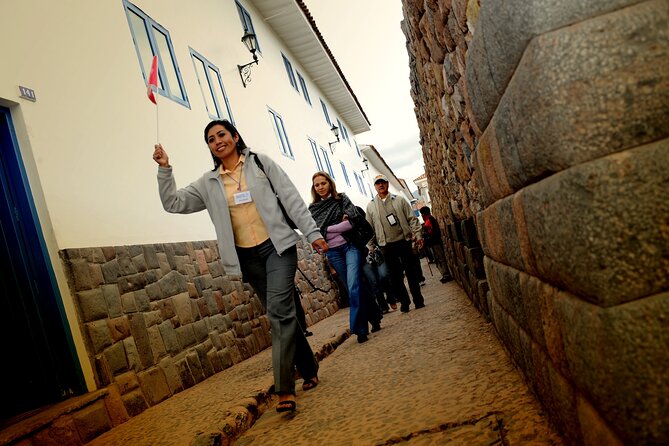
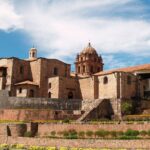
Back toward Cusco, you visit Qorikancha, the Temple of the Sun. This stop has a big historical twist: the Santo Domingo Convent was built over it. The legend says the original Inca temple was completely gold plated, which stunned early conquerors when they arrived.
Even if you know the basics, Qorikancha works because you’re watching layers of history overlap in real time. You’re literally standing in a place where Spanish construction sits on top of an Inca sacred center. It gives you a physical way to understand how Cusco became both Inca and colonial.
Plaza de Armas and Cusco Cathedral: late Gothic, Baroque, and the Senor de los Temblores
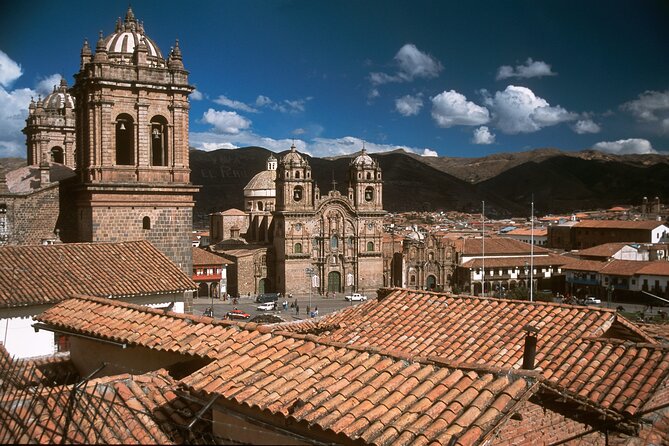
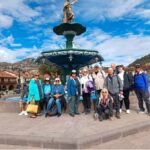
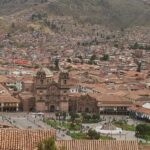
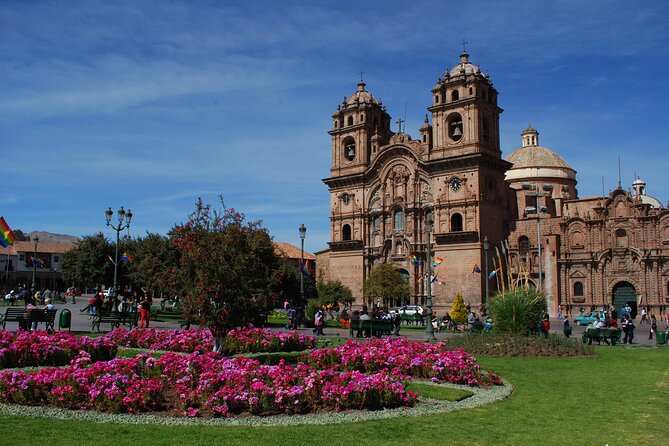
Once you’re back in central Cusco, the tour heads to the Plaza de Armas, the historic heart of the city. From here, you’ll see the two major church presences nearby, including Cusco Cathedral.
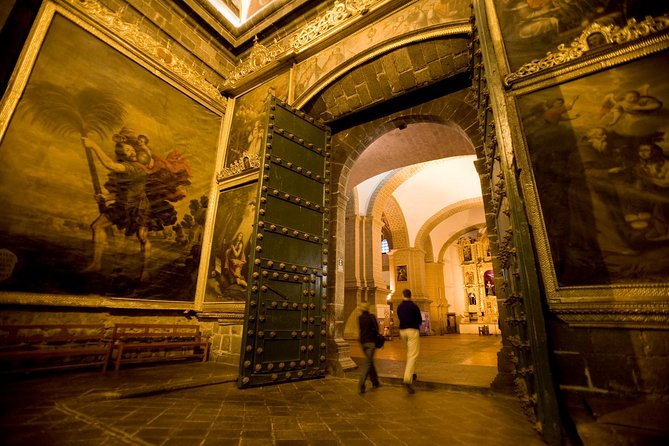
Cusco Cathedral is where the architecture shifts again: you’ll see late-Gothic and Baroque elements, along with colorful stained glass and colonial-era paintings. One highlight is the revered Senor de los Temblores artwork, described as the oldest surviving painting in Cusco.
Two practical reminders here:
- No shorts for entry.
- No photos inside the cathedral, so plan to look slowly instead of shooting fast.
This is also a good time to notice the contrast. Outside, you’re thinking in stone symbolism and Inca ritual spaces. Inside, you’re in a different tradition of sacred art and architecture that grew out of Spanish colonization.
Price and logistics: how to make the $79 add up correctly
The listed price is $79 per person, and you’re getting a lot for that: hotel pickup and drop-off (when your hotel is accessible), air-conditioned transport, a live bilingual guide service (Spanish/English), and admission tickets in at least one option.
But here’s the part that can surprise you: there are two purchase options, with and without entrance fees. Some people have ended up paying extra on the day when they expected admissions to be included. The additional amounts reported vary, including cases tied to 140 soles and other days showing 290 soles extra costs.
So before you go, do this checklist:
- Confirm whether your ticket includes admission to Sacsayhuaman, Qorikancha, and Cusco Cathedral.
- If you chose the non-ticket option, be ready to buy the needed admissions on-site.
- Bring some cash in soles just in case your situation requires quick payment.
Also, vehicle access can be limited. Some hotels are in areas where the vehicle can’t reach, so you may need to walk a short distance from a nearby pickup point.
Guides matter: why the storytelling tone changes the tour
In Cusco, the ruins can look similar until someone helps you see what to notice. This tour’s value often depends on the guide’s ability to explain stonework, symbols, and the “why” behind each location.
You’ll hear different guide styles, but the best ones tend to do three things well:
- They connect each site to the next stop so your attention doesn’t reset every time you change buses.
- They keep you focused on what to look for, like stone-fitting precision at Sacsayhuaman.
- They add human-scale details—how people lived, prayed, defended, and managed water.
Names that have shown up with high praise include Rommel, Julio, Abraham, Adrial, Yuber, Alvaro Jimenez, Alain, Aracely, Niko, and Clara. If you see one of them assigned and you care about lively storytelling, that’s a promising sign.
Who should book this tour (and who might want something else)
This tour is a strong fit if you:
- Want a half-day plan that covers the major surrounding Inca sites plus Cusco Cathedral.
- Prefer a small group over crowded bus tours.
- Want your first Cusco days to make sense before you go deeper into the Sacred Valley.
You might consider a different format if you:
- Want only the longest possible time at fewer sites (this is a “cover more ground” style tour).
- Care most about technical engineering explanations and detailed science angles at every stop. Some people felt the tour stayed more in the historical and cultural story lane than in the engineering question they expected.
That said, it’s still a smart “first compass” tour. It sets up your next day choices.
Should you book the Cusco City + Sacsayhuaman tour?
I’d book it if you want a fast, organized introduction to Cusco’s Inca-and-colonial layers without the stress of planning transport and timing yourself. The combination of Sacsayhuaman’s stone fortress feel, the ceremonial-to-military-to-water sequence on the hills, and the cathedral finale makes it a solid use of a short visit window.
Just do one thing before you pay: double-check the entrance-fee option you chose. That’s the main reason people end up frustrated. If you get that right, you’re likely to leave with the best kind of souvenir: a clearer understanding of what you just saw, plus an easier time navigating Cusco afterward.
FAQ
How long is the tour?
It runs for approximately 3 hours 30 minutes.
Is the group large?
No. The tour has a maximum of 15 travelers.
Does the price include entrance tickets?
There are two options: one that includes admission tickets and one that does not. You should check which option you selected, because the non-ticket option may require you to pay admissions on-site.
What are the rules for clothing and photos at Cusco Cathedral?
You are not allowed to enter religious sites wearing shorts. Also, taking photos is forbidden inside the cathedral.
Do you get hotel pickup and drop-off?
Yes, hotel pickup & drop-off are included. Some hotels are in areas where vehicle access isn’t permitted, so pickup may not happen directly at your hotel.
What language is the guide?
The service is bilingual, with live Spanish and English guidance.