REVIEW · URUBAMBA
Cusco: Sacred Valley and Salt Mines Ending in Ollantaytambo
Book on GetYourGuide →Operated by XPLORA AMERICA · Bookable on GetYourGuide
Four thousand salt wells in one day.
This is a fast, focused Sacred Valley route that packs in Chinchero, Moray, and the Maras Salt Mines—with big scenery and real local stops along the way. I especially liked how the day moves you across the Valley’s different farming and culture zones without wasting time, and how the guide I had, Johnathan, handled English and Spanish smoothly so nothing important got lost. The buffet lunch in Urubamba also kept things comfortable when the walking builds up.
One consideration: it’s a speedy day. If you want to linger at each place, you might feel a bit rushed from site to site, especially once the afternoon light starts dropping.
In This Review
- Key highlights you’ll feel right away
- From Cusco to the Sacred Valley: the ride is part of it
- Chinchero at 3,772 meters: church art, terrace views, and a real market
- Moray’s circular terraces: why an “experimental farm” still fascinates
- Maras Salt Mines: 4,000+ wells and the reality behind the salt
- Urubamba buffet lunch: the break you’re actually glad you planned
- Ollantaytambo fortress: arriving at the end of the story
- Price and logistics: why this $40 day can be a good deal
- Who should book this Sacred Valley route (and who shouldn’t)
- Practical tips I’d follow on day one
- Should you book this Cusco–Sacred Valley day?
- FAQ
- What’s included in the tour price?
- Is the buffet lunch included?
- Are entrance fees included for Moray and Maras?
- How long is the tour?
- Where does the tour end?
- What languages are the guides?
- How much walking should I expect?
- What should I bring?
- Is there free cancellation?
- Is pay later available?
Key highlights you’ll feel right away
- Chinchero market and textiles: you get a look at Andean weaving traditions and barter-style shopping
- Moray’s circular terraces: an agricultural experiment that still feels surprisingly technical
- Maras Salt Mines (4,000+ wells): salt production on an industrial scale, but in a mountain landscape
- Urubamba buffet lunch: a solid meal stop that doesn’t leave you scrambling
- Ollantaytambo drop-off near the station: easy setup if you’re continuing toward Machu Picchu
From Cusco to the Sacred Valley: the ride is part of it
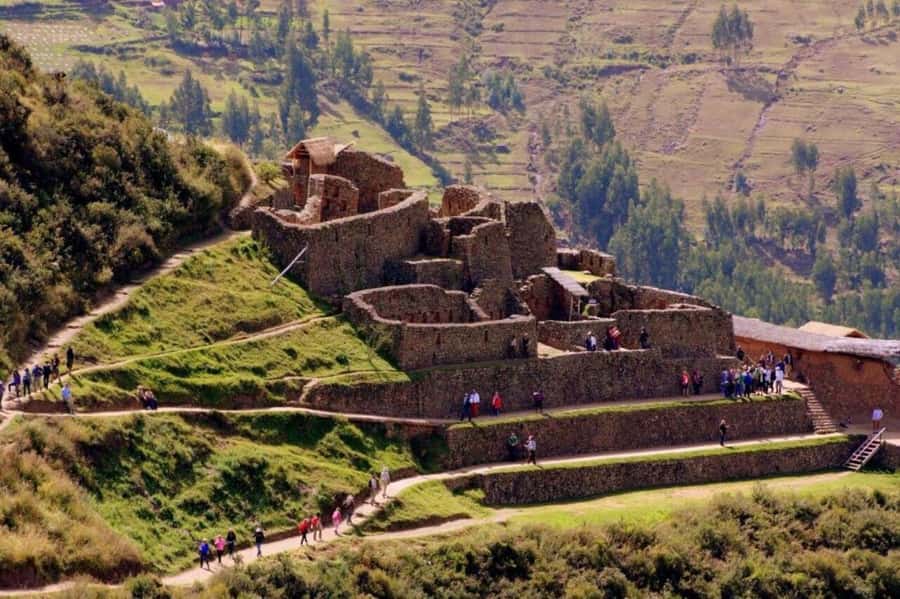
Most full-day Sacred Valley tours feel like a checklist. This one feels more like a guided cross-section of how the Incas—and the Andes—work. You start with hotel pickup in Cusco, then head out toward the Valley with transport and a live guide.
Why I like this format: you’re not just collecting photos. You’re learning what you’re seeing as you pass through crop fields, villages, and mountain backdrops that change as you gain and lose elevation. And because it’s only 12 hours, you can do a lot without turning your whole trip into one long “tour mode” day.
Do plan for movement. Even when stops are well organized, you’ll still be stepping on and off vehicles, walking between viewpoints, and adjusting to altitude. Bring your own pace even if the group schedule is tighter.
You can also read our reviews of more tours and experiences in Urubamba.

Chinchero at 3,772 meters: church art, terrace views, and a real market
Chinchero is the first big taste of the Valley’s culture. The town sits at 3,772 meters above sea level, so it’s not just pretty—it can also be a little breathy if you’re still acclimating. I’d treat this as your warm-up step: slow down, drink water, and let your body catch up.
Here’s what you can expect:
- A focus on the archaeological and cultural side of the town
- A 17th-century colonial church with canvases associated with the Cusco School
- Time in the local market where bargaining is part of the experience
- Traditional textiles made by Andean women, with an emphasis on handmade work
The practical value is huge. Chinchero gives you context before the more dramatic landscapes of Moray and Maras. You’ll see how weaving traditions and village life connect to the region’s identity, and you’ll have a place to buy something meaningful without it feeling like a last-minute souvenir sprint.
If you don’t love markets, you can still enjoy Chinchero for the church art and the views—but keep an eye on your comfort level at altitude. A hat and sunscreen aren’t optional here; the sun reflects off the surroundings.
Moray’s circular terraces: why an “experimental farm” still fascinates
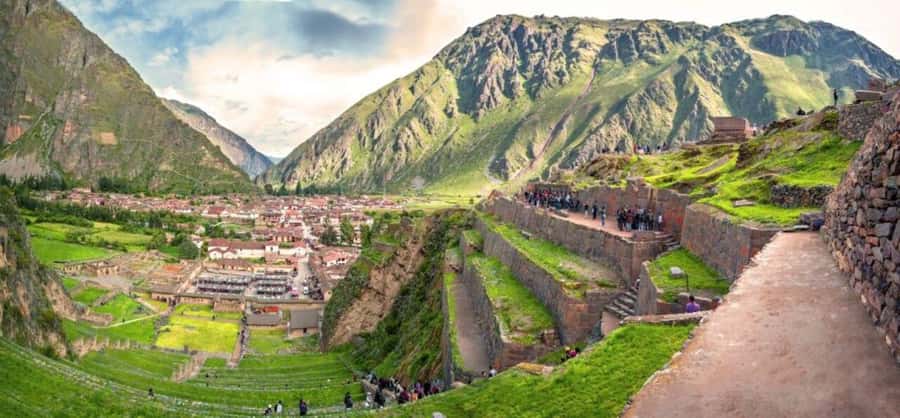
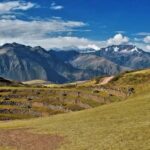
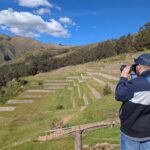
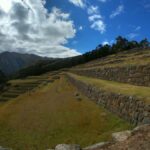
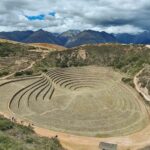
After Chinchero, you go to Moray, famous for its circular agricultural terraces. Even though the site looks like an ancient amphitheater, it’s really about farming technique. Moray is often described as an experimental agricultural center, and that theme changes how you look at the terraces.
What makes Moray worth your time:
- The layout is geometric and unusual, so it’s easier to follow than many ruins
- You can understand the idea that different conditions can be created within a controlled environment
- The setting frames the terraces like a science project set into the Andes
Time at Moray matters. The main drawback of a full-day route shows up here: if you like to read every sign, you’ll probably want more than the scheduled viewing. But if you enjoy understanding the “why” behind the site, you’ll find the guide’s explanation is the real payoff.
Entrance fees to Moray are not included, so it’s smart to budget a little extra in advance.
Maras Salt Mines: 4,000+ wells and the reality behind the salt
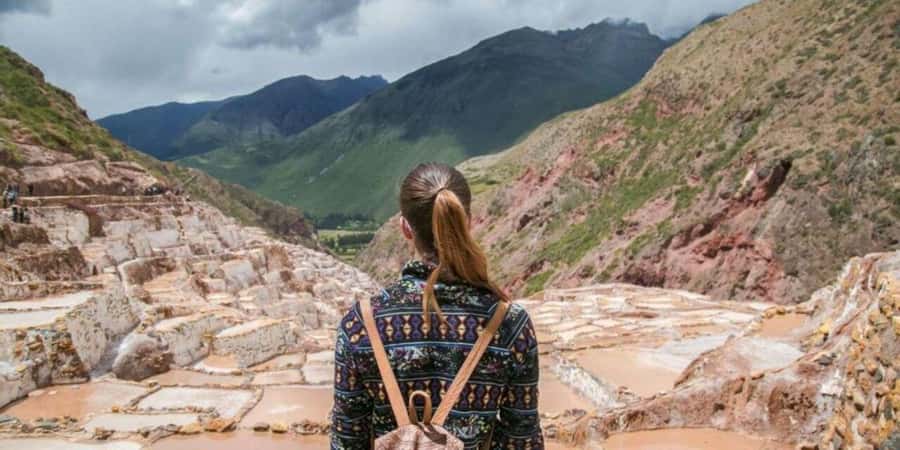
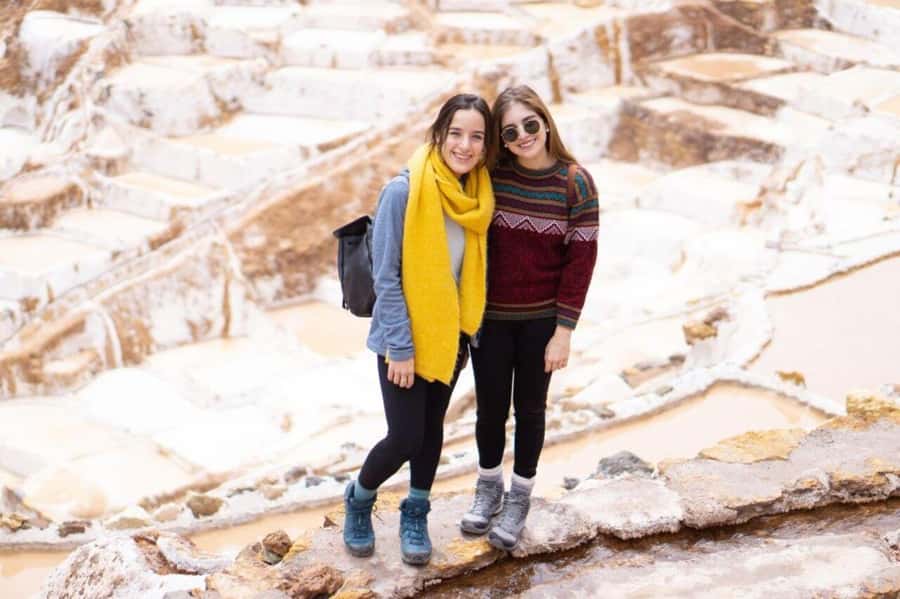
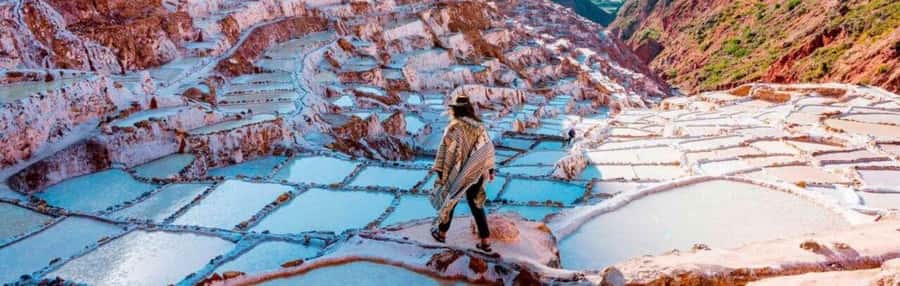
Then comes the showstopper: Maras Salt Mines with more than 4,000 wells. The mines look like a landscape of small basins stacked into the hillside, and that’s exactly why they stick in your memory. It doesn’t feel like a single monument—it feels like an operating system.
Why this stop is so compelling:
- You’re seeing a production process, not just an ancient site
- The scale (4,000+ wells) is hard to imagine until you’re standing near it
- The setting turns a commodity into something visual and dramatic
Practical tips for this part of the day:
- Wear shoes that grip well. You’ll be walking where footing can be uneven.
- Bring water and keep an eye on sun exposure. Even when it’s cooler higher up, the light can be intense.
- If you’re the type who likes photography, arrive ready to shoot quickly. Scenes change as you move along the viewing areas.
Like Moray, Maras entrance is not included, so confirm what you’ll need to pay on the day. Still, even with added entrance fees, this stop is one of the best values in the itinerary because the “wow” factor is immediate.
Urubamba buffet lunch: the break you’re actually glad you planned
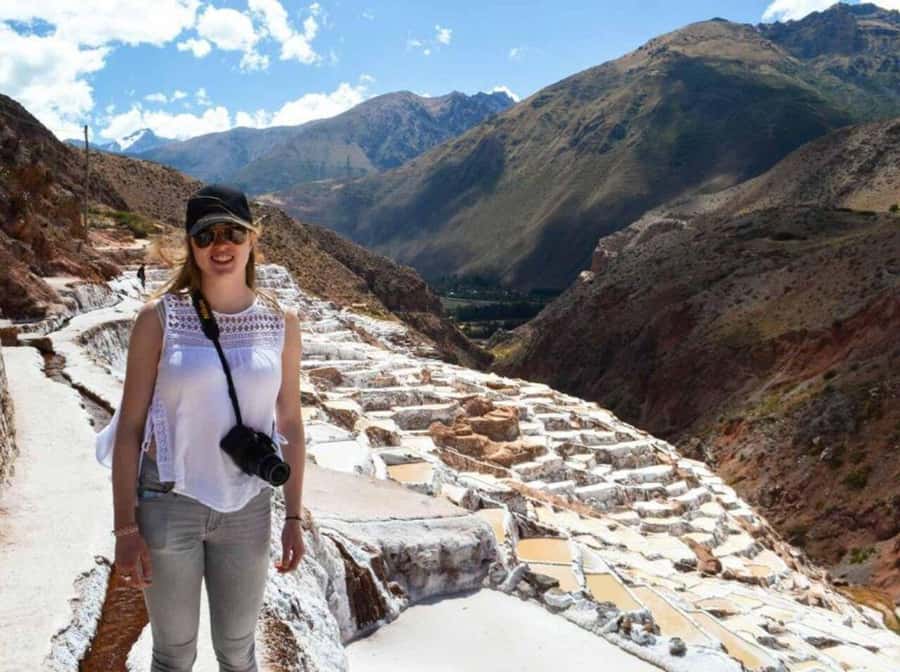
Between archaeological sites and viewpoints, lunch can make or break your day. This tour includes a buffet lunch in Urubamba, at a typical local restaurant.
I like this kind of meal stop for one reason: it gives you calories and a reset without turning lunch into a second project. You’re not hunting for food on your own, and you can eat at a time that keeps the schedule moving.
What to expect from the buffet itself isn’t described in detail, but the key point is that it’s built for a group day—fast enough to stay on track, and varied enough to satisfy different tastes. If you’re sensitive to altitude or just tired of snack bars, this is the moment to refuel.
After lunch, you head onward toward Ollantaytambo, where the tone shifts from landscape and agriculture to a living Inca settlement.
Ollantaytambo fortress: arriving at the end of the story
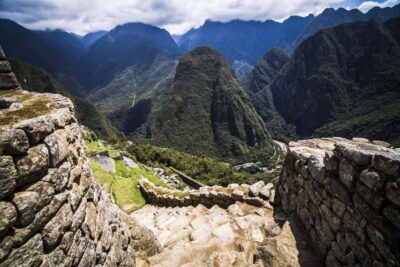
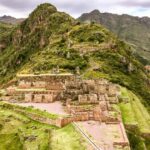
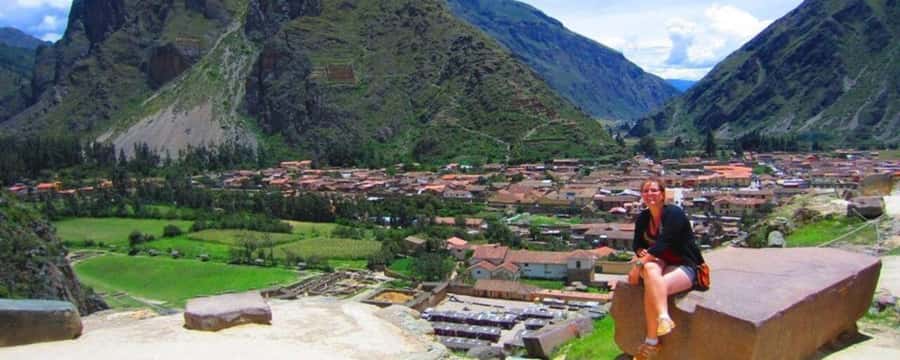
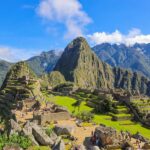
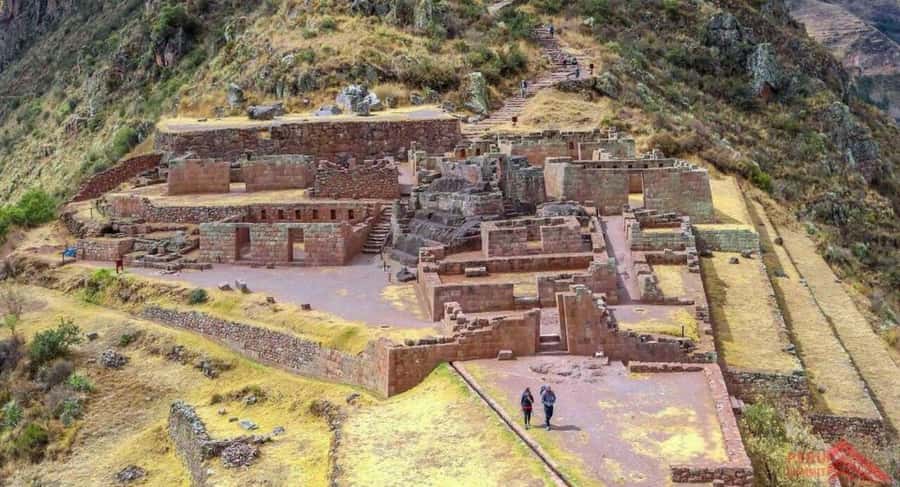
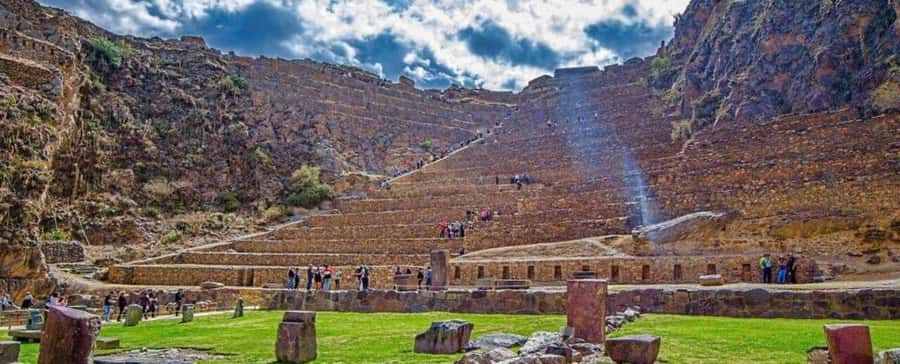
Your day ends at Ollantaytambo, a “living Inca city” with a strong defensive identity. You’ll admire its military fortress, known for protecting the Sacred Valley from potential invaders.
What makes Ollantaytambo a smart ending:
- It ties the day together: earlier stops show agriculture and industry (farming terraces and salt extraction), and this one shows protection and settlement
- You finish with a strong sense of place, not just another viewpoint
The tour ends around 3:30 PM, when transport drops you near the Ollantaytambo train station. That timing is helpful if you’re continuing onward. It also gives you a few hours to wander on your own rather than dragging through the day until evening.
Tip: plan footwear and a small pacing strategy for this last stretch. The day is already long, so don’t treat Ollantaytambo like a “sprint to see everything.” Focus on the fortress views and the immediate area you’re dropped near.
Price and logistics: why this $40 day can be a good deal
At about $40 per person for a 12-hour guided route, this tour can feel like a bargain—especially if you’re squeezing Sacred Valley into a limited schedule. You’re not only paying for transport. You’re paying for:
- A guided flow that connects sites (so they make sense together)
- Hotel pickup in Cusco
- A buffet lunch in Urubamba
- A structured day that ends in a useful place: Ollantaytambo near the station
The trade-off is speed. You get lots of highlights, but you don’t get unlimited time at each stop. If you’re the type who reads every panel and wants slow photo breaks, you might end up wishing for a longer version.
Also budget for entrance fees to Moray and Maras, since they’re not included. That’s not a reason to skip the tour, but it’s part of the real cost picture.
Who should book this Sacred Valley route (and who shouldn’t)
This works best for you if:
- You want to see the top Sacred Valley highlights in one day
- You’re traveling on a schedule and need your time to end in Ollantaytambo
- You prefer guided interpretation over self-driving and guessing
- You like meeting local culture quickly—like Chinchero’s market and textiles—without committing to a longer trip
I’d consider a different style of tour if:
- You dislike feeling rushed between sites
- You want deeper time at fewer places (especially if you’re very into archaeology)
- Altitude makes you cautious early on; Chinchero’s elevation (3,772 m) can hit people differently
The key is matching your pace. This tour is built for momentum.
Practical tips I’d follow on day one
Bring the basics listed by the operator seriously. This is high-altitude, high-sun country and the walking adds up:
- Comfortable shoes with grip
- Hat and sunscreen
- Water you can actually drink throughout the day
- A camera (you’ll want it at Moray and Maras)
A couple extra “make it easier” moves:
- Start early in your own mind. Even if pickup is set, plan to be ready to leave at the moment you’re picked up.
- At Chinchero, give yourself permission to slow down. Altitude isn’t about bravery; it’s about pacing.
- For shopping in Chinchero, treat it like a conversation. The market culture includes barter, and the experience is often better when you’re patient.
Should you book this Cusco–Sacred Valley day?
If your goal is one efficient day that hits Chinchero, Moray, Maras, Urubamba lunch, and Ollantaytambo with a guided explanation, this is a smart pick—especially at this price level. I also appreciate the inclusion of hotel pickup and the buffered lunch stop, because they remove stress from a long day.
If you hate rushing, choose a slower-paced option or plan a follow-up day to revisit the place you like best. But if you’re okay with a packed itinerary and you want the Sacred Valley highlights in a single shot, booking this kind of day trip is the practical way to use your time.
FAQ
What’s included in the tour price?
It includes hotel pickup in Cusco, tourist transport, a guided tour, visits to Chinchero, Moray, Maras Salt Mines, and Ollantaytambo, and the buffet lunch in Urubamba.
Is the buffet lunch included?
Yes. You’ll have a buffet lunch in Urubamba included in the tour.
Are entrance fees included for Moray and Maras?
No. Entrance fees to Moray and Maras are not included and must be paid separately.
How long is the tour?
The tour is listed as 12 hours.
Where does the tour end?
It ends in Ollantaytambo, with transport dropping you off near the train station at about 3:30 PM.
What languages are the guides?
The live tour guide offers English and Spanish.
How much walking should I expect?
You should be ready for walking at multiple stops, including Chinchero and the viewpoints at Moray and Maras Salt Mines. Comfortable, grippy shoes matter.
What should I bring?
Bring comfortable shoes, a hat, camera, sunscreen, and water.
Is there free cancellation?
Yes. You can cancel up to 24 hours in advance for a full refund.
Is pay later available?
Yes. You can reserve now & pay later and keep travel plans flexible.