REVIEW · URUBAMBA
Classic Sacred Valley full day
Book on GetYourGuide →Operated by ADVENTURES BY BEETLE · Bookable on GetYourGuide
Sacred Valley feels like a highlight reel in motion. This Classic Sacred Valley day packs the big Inca stops between Cusco and the river towns—Pisac’s mountain site, Ollantaytambo’s stone terraces, and Chinchero’s textile and archaeological centers—so you get the meaning of the region without planning five separate outings. I like that the itinerary is built around a logical route by bus, with a scenic pause at Taray for a panoramic look over the Sacred Valley.
The other win is the human side: you get professional bilingual guides in English or Spanish, accredited by the Peruvian government, plus true tourist support during the day. One thing to consider: the price includes transport and guiding, but key site entry and your Urubamba meal are listed as not included here, so you’ll want a bit of extra cash for the S/.70 partial ticket and food.
In This Review
- Key Reasons This Tour Works So Well
- Price and Value: What $20 Really Buys in One Day
- Morning Departures From Cusco: The 07:30 Start That Sets the Pace
- Taray Viewpoint Stop: A Quick Panoramic Read of the Sacred Valley
- Pisac: Mountain Archaeological Site First, Then the Artisan Market
- Visiting the Archaeological Site of Pisac
- Pisac Artisan Market: Buying Local Mineral Work
- Urubamba Lunch Stop: A Break for Fuel (and How Costs Work)
- Ollantaytambo: Terraces, Temple of the Sun, and Princess Baths
- Chinchero After Ollantaytambo: Textiles Plus the Archaeological Center
- Getting Back to Cusco: Ending at Plaza de San Francisco
- Who This Tour Suits Best (and Who Should Rethink It)
- What to Bring and Simple Rules That Keep the Day Smooth
- Booking Notes: Cancellation and Paying Later (Quick, Practical)
- Should You Book This Classic Sacred Valley Full Day?
- FAQ
- What time does the tour start and end?
- What languages are the guides available in?
- Is pickup included for all hotels in Cusco?
- What is included in the tour price?
- Do I need the partial tourist ticket?
- Is lunch included?
- Who is this tour not suitable for?
Key Reasons This Tour Works So Well
- Bilingual English/Spanish guidance: you won’t miss the stories behind Pisac and Ollantaytambo.
- Taray panoramic viewpoint stop on the way to Pisac: great for a first look at the Sacred Valley layout.
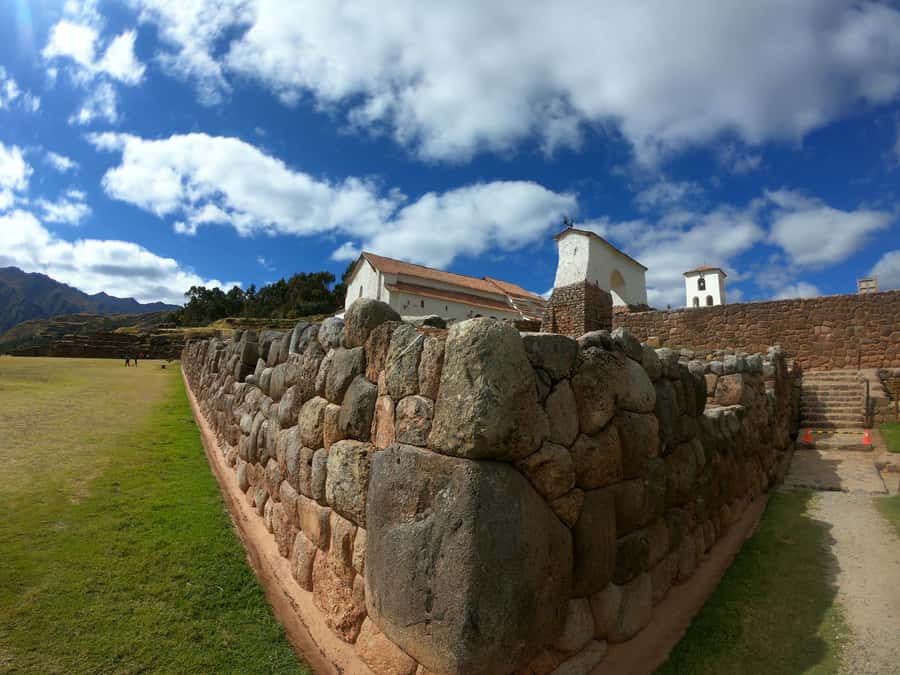
- Pisac archaeological site + artisan market: ruins in the morning, then a practical chance to shop local work.
- Ollantaytambo focus on the Temple of the Sun and Princess Baths fountain: the tour targets recognizable stone features.
- Chinchero textiles and archaeology: you finish with culture you can see and understand, not just stone ruins.
Price and Value: What $20 Really Buys in One Day
At $20 per person, this tour is positioned as a value-priced way to hit several Sacred Valley landmarks in a single day. The trade-off is that the day trip price covers the big backbone pieces—hotel pickup/drop-off in central Cusco, authorized transportation, and a government-accredited guide. It does not cover everything you’ll likely want once you’re there.
Here’s where the value shows up for you. If you’re trying to cover Pisac + Ollantaytambo + Chinchero without juggling multiple tickets, schedules, and meeting points, a single guided loop can save time and stress. It also helps you move through the sites with context. Inca architecture is easier to read when someone explains what you’re looking at, and that’s exactly what this day trip is built around.
Now the realistic part: the partial tourist ticket (S/.70) is not included, and the listing also marks lunch as not included. Water and alcoholic drinks are also listed as not included. So the best way to judge the total cost is to treat the $20 as the guide/transport fee, then budget for site entry and your meal.
You can also read our reviews of more tours and experiences in Urubamba
Morning Departures From Cusco: The 07:30 Start That Sets the Pace
Your day starts early with pickup from your hotel at 07:30 AM (waiting in the lobby about 10 minutes early is requested). The tour then transfers you from Cusco by bus with the group, heading into the Sacred Valley.
That timing matters. Starting in the morning usually means you spend less time stuck in the middle of the day rush and more time enjoying each stop at a steadier pace. Also, this itinerary is tightly packed: Taray, Pisac, a market break, lunch in Urubamba, Ollantaytambo, then Chinchero before returning to Cusco.
The day is planned to end around 6:00 PM, and the tour drops you back in the center of Cusco, around Plaza de San Francisco at approximately 6:30 PM. So you’re not just touring the Sacred Valley—you’re also committing to a long, full-day timeline. If you’re sensitive to long days, this is the main thing to weigh.
Taray Viewpoint Stop: A Quick Panoramic Read of the Sacred Valley
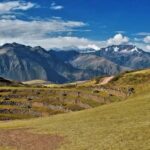
On the way to Pisac, you make a stop in Taray, described as a beautiful tourist viewpoint. This is one of those small-but-smart breaks that helps your brain connect the dots before you reach the archaeological sites.
Why it helps: Sacred Valley is not just “pretty mountains.” It’s a network of valleys, settlements, and routes that the Incas used, and it can look confusing until you see the overall layout from above. Taray is where the region starts making sense visually—especially if this is your first time in the area.
Practical note: you’ll want your camera ready and your time organized. Viewpoint stops are typically short in day trips, and this one sits between bus travel legs, so don’t count on much slack time.
Pisac: Mountain Archaeological Site First, Then the Artisan Market
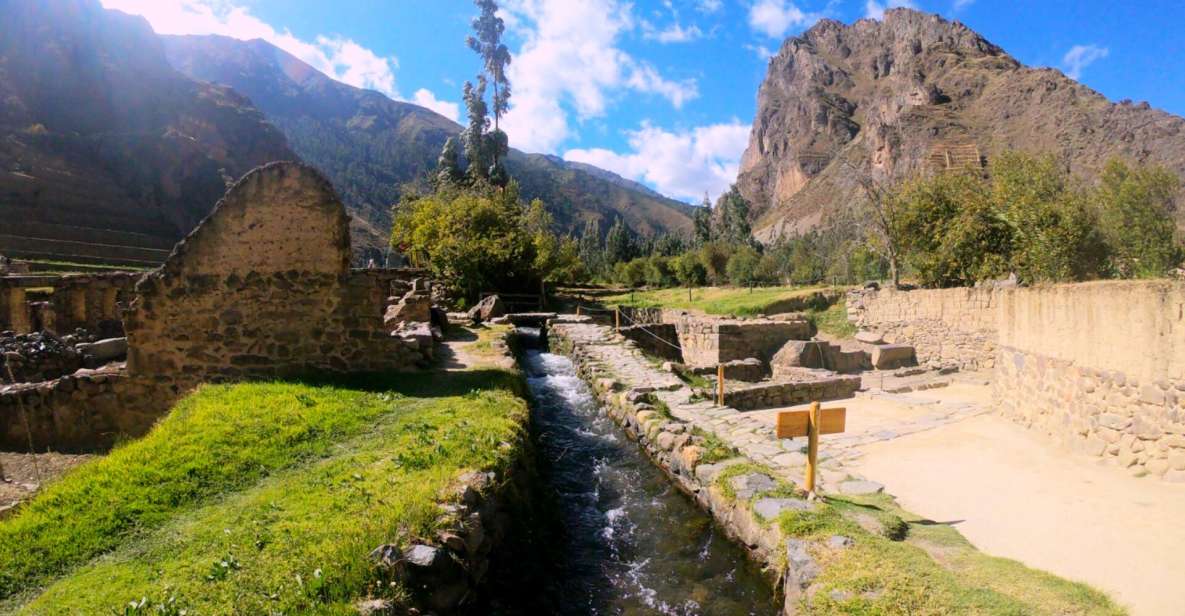
Pisac is split into two experiences: the archaeological site of Pisac and then the town’s artisan market.
Visiting the Archaeological Site of Pisac
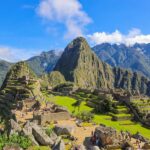
The tour ascends to the archaeological site, built on top of a mountain. That elevated placement is part of why Pisac feels so impressive: you’re looking at ruins that were designed with distance and visibility in mind.
What I like about this stop for you is the way the tour sequence is set. You’re taken there after Taray, so you can connect the viewpoint overview with the actual site location. Once you’re at Pisac, your guide can explain what you’re seeing in the context of the Sacred Valley.
Possible consideration: the “built on a mountain” detail implies some uphill movement and time spent at altitude. If you’re not feeling great physically, plan to take it slow when you arrive and listen to your guide’s guidance.
Pisac Artisan Market: Buying Local Mineral Work
After returning to Pisac town, you visit the picturesque artisan market. The description calls out local residents who are experts in working with minerals, and you’ll have a chance to make purchases there.
This is where the tour becomes more than stone-and-history. It’s a chance to take something home that’s connected to local craft, not just a souvenir stand. It’s also a good moment to slow down—markets are easier than archaeological climbs because you can move at your own rhythm.
Tip that comes from how this stop is positioned: treat it like a browse window, not a shopping mission. You can compare items and prices as you walk rather than rushing into a purchase the moment you see something you like.
Urubamba Lunch Stop: A Break for Fuel (and How Costs Work)
Around noon, the tour continues through the Vilcanota River banks to a restaurant in Urubamba. You’re set up for a buffet lunch of Peruvian cuisine.
But here’s the key detail: in the “Not Included” section, food/buffet lunch is listed as not included, and water is also not included. That means you should plan to pay for lunch on the day, even though the day schedule describes it as part of the flow.
This lunch break is still valuable for you. A guided Sacred Valley day is long, and Urubamba gives you a reset before the afternoon archaeological blocks. Also, Peruvian cuisine can be a welcome change in a day trip where everything else is mostly sightseeing.
What to do ahead of time: carry some cash or a payment method you can use at the restaurant, and don’t count on water being provided.
Ollantaytambo: Terraces, Temple of the Sun, and Princess Baths
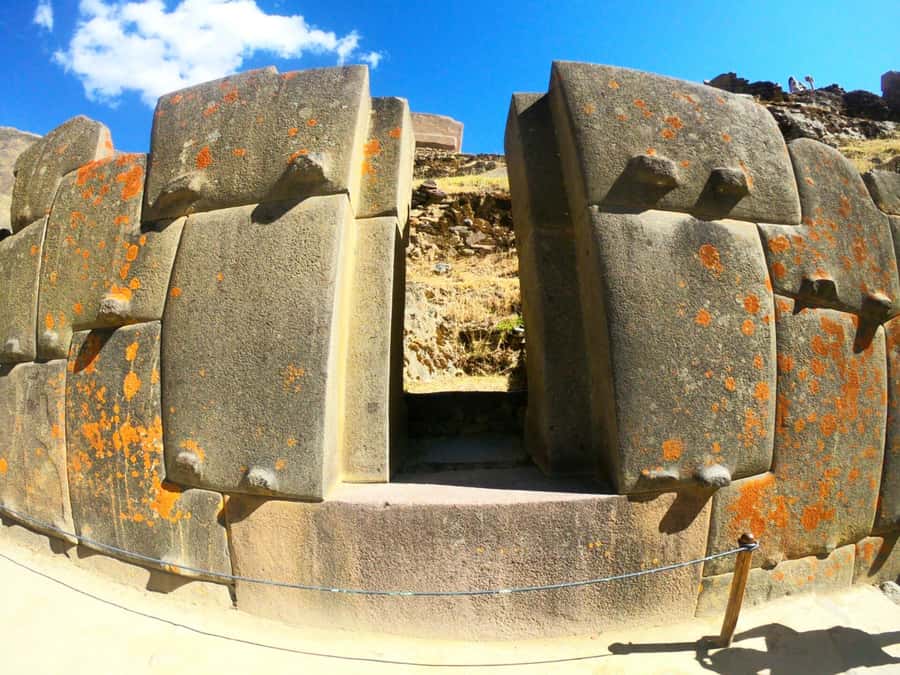
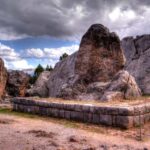
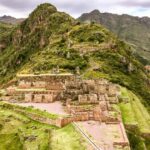
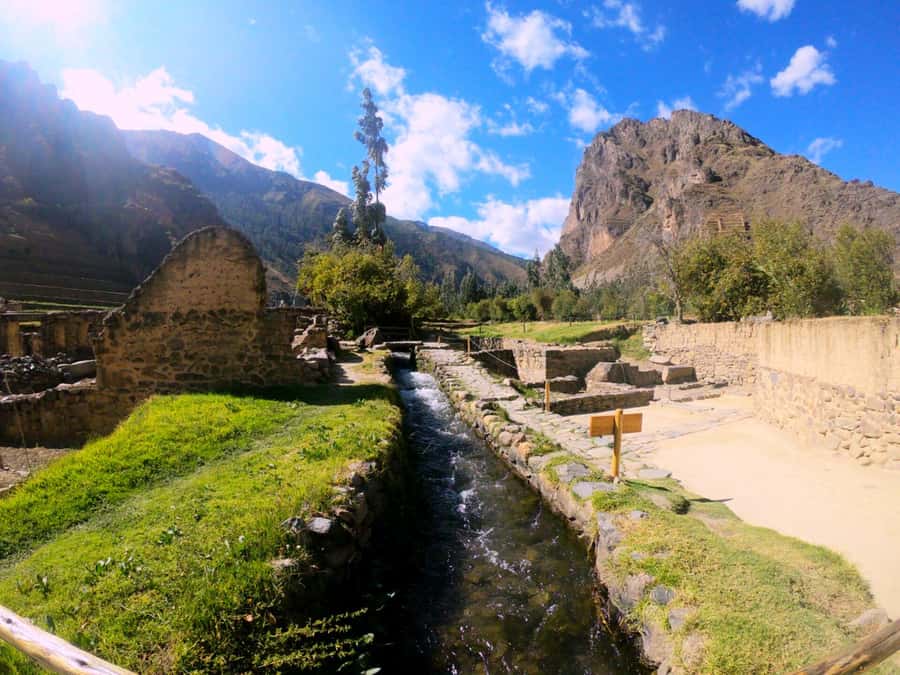
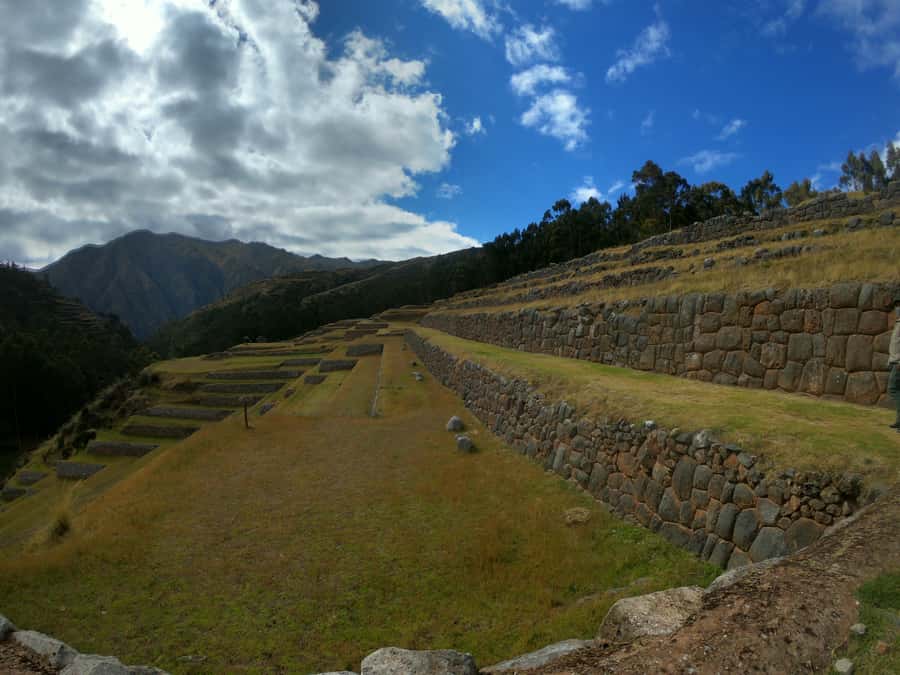
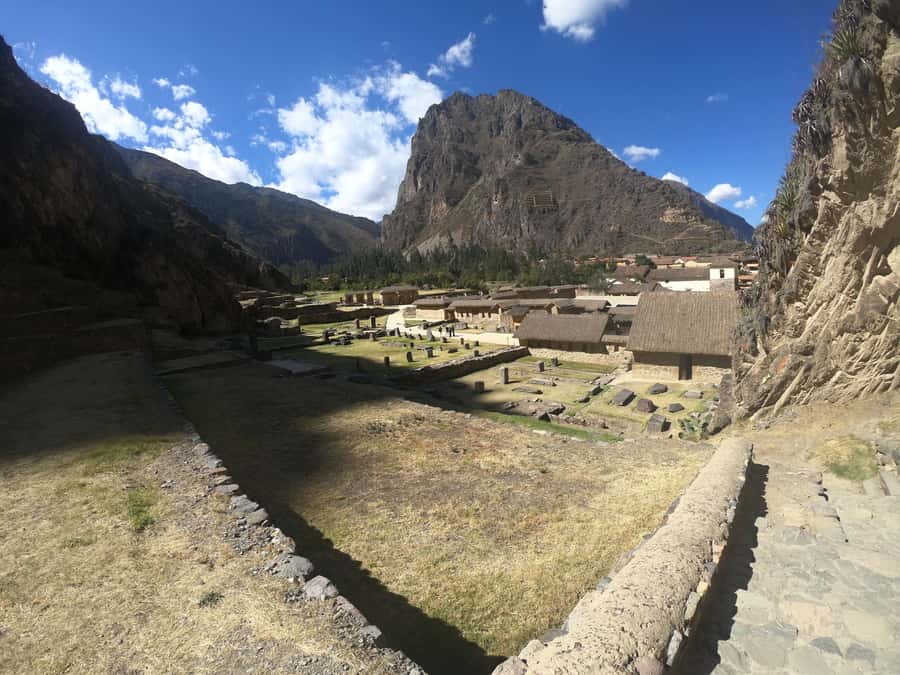
After lunch, you head to the archaeological site of Ollantaytambo. The tour frames it as a tambo (a place to rest) in Inca times, and it also notes Ollantaytambo as the starting point to reach the Sanctuary of Machu Picchu.
Ollantaytambo is one of the best-known stops on the Sacred Valley circuit, and this tour focuses on the features you’ll actually want to remember:
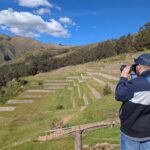
- Large stone terraces
- Temple of the Sun
- Princess Baths fountain
Why this list is useful: when you hear those names from your guide, you can “read” the site instead of wandering through it. Terraces make sense as engineered space; the Temple of the Sun gives you a clear anchor point; and the Princess Baths fountain is a specific, recognizable structure that helps you visualize how water and ritual could connect in Inca design.
Possible drawback: because this is a major highlight, you’ll likely spend a good chunk of the afternoon here. It’s a tour highlight, but it’s also time you’ll want to handle with calm energy. If you’re prone to getting tired, take your breaks during the explanations rather than waiting until you feel worn out.
Chinchero After Ollantaytambo: Textiles Plus the Archaeological Center
On the return to Cusco, the tour goes to Chinchero. This is where you shift from Inca stone sites to local living culture.
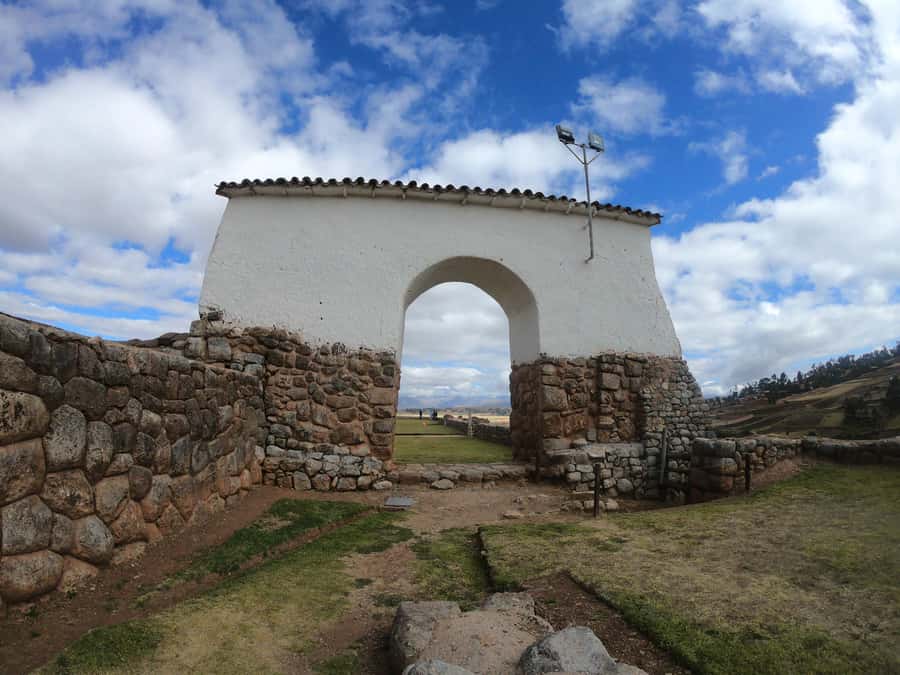
You visit a local community and stop at the Textile Interpretation Center. The description also says you’ll get to know the Archaeological Center of the place. So Chinchero gives you both:
- a way to understand textile traditions through a dedicated center
- a look at the local archaeological context
For you, this is a smart ending portion of the day. By the time you reach Chinchero, you’ve already seen major ruins. Chinchero helps the day feel more grounded and human—less “museum” and more “people and place.”
If you’re the kind of traveler who likes shopping only when it has meaning, Chinchero can deliver. Textiles are not just objects; they’re part of cultural knowledge. Your guide’s bilingual explanations can help you avoid guessing what you’re looking at.
Getting Back to Cusco: Ending at Plaza de San Francisco
The tour finishes by returning to Cusco, ending in the Plaza de San Francisco around 6:30 PM (approximate). That’s a practical detail because it places you back in a central area where you can find food, walk around, or head to your next plan without needing another transfer.
Also, because the pickup and drop-off are included, you don’t need to solve logistics in the middle of the day while you’re tired.
Just be aware: you’re carrying a full day’s worth of movement. Plan a light evening after the tour.
Who This Tour Suits Best (and Who Should Rethink It)
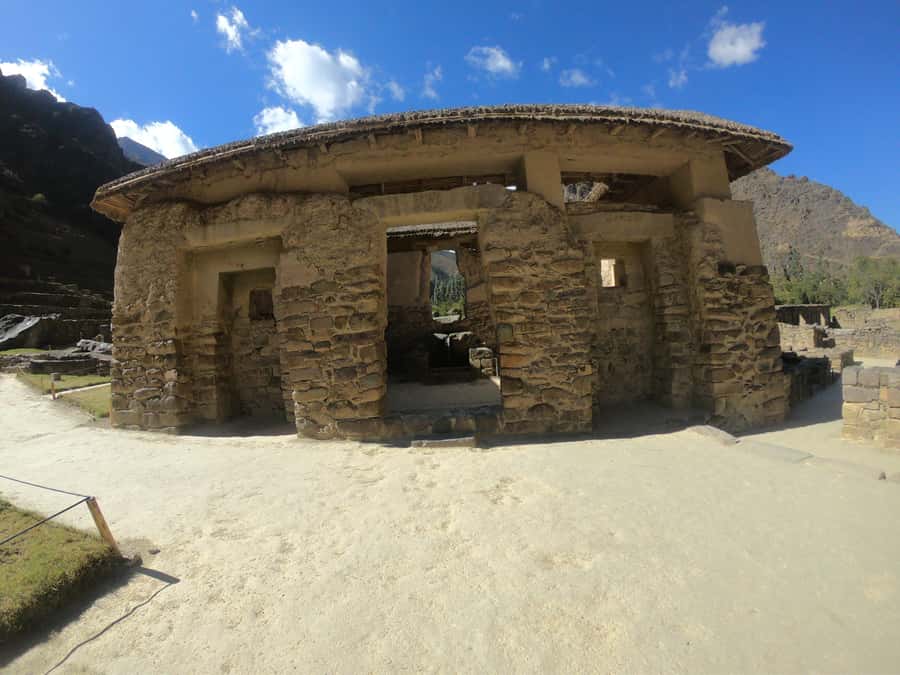
This Classic Sacred Valley day is a strong fit if you:
- want the core Sacred Valley highlights in one organized loop
- value guided explanations in English or Spanish
- like mixing archaeology with local markets/culture (Pisac and Chinchero do both)
It’s not a good fit if you:
- are pregnant (this is listed as not suitable)
- have heart problems (also listed as not suitable)
- strongly prefer fully independent travel with no set time schedule
What to Bring and Simple Rules That Keep the Day Smooth
The tour lists specific items and restrictions for a reason.
Bring:
- Biodegradable sunscreen
- Goggles
Not allowed:
- Alcohol and drugs
Those details might sound minor, but in practice they help you get through the day comfortably. Sunscreen is requested, and goggles can matter for dust or bright outdoor conditions, especially on viewpoint and transport legs.
Booking Notes: Cancellation and Paying Later (Quick, Practical)
If your plans are still shaky, this experience offers free cancellation up to 24 hours in advance for a full refund. There’s also a reserve now & pay later option, which is useful if you want to lock in your spot and sort out timing.
Should You Book This Classic Sacred Valley Full Day?
I’d book it if you want a guided, time-efficient Sacred Valley circuit that hits Pisac, Ollantaytambo, and Chinchero in one go. The big selling points for me are the accredited bilingual guides and the way the route is arranged to build understanding as you travel from viewpoints to sites to culture centers.
I’d hesitate only if your budget is tight and you don’t want to add extra costs for the S/.70 partial tourist ticket plus your lunch, because those are explicitly listed as not included. Also think twice if long days aren’t your thing, since pickup is 07:30 AM and you return around 6:30 PM.
If you’re ready for a packed day and you want the essentials without the planning headache, this is a solid choice.
FAQ
What time does the tour start and end?
Pickup is at 07:30 AM in central Cusco. The tour ends around 6:00 PM, with drop-off in the center of Cusco around 6:30 PM at Plaza de San Francisco.
What languages are the guides available in?
The live guide offers Spanish or English.
Is pickup included for all hotels in Cusco?
Pickup is included if your hotel is located in the city center.
What is included in the tour price?
The tour includes hotel pickup (central Cusco), authorized tourist transportation, a government-accredited professional guide, guided tour in English or Spanish, and drop-off back in the center of Cusco.
Do I need the partial tourist ticket?
Yes. A partial tourist ticket (Boleto Turístico Parcial) for S/.70.00 is listed as not included and is used for a single tourist circuit.
Is lunch included?
Food and buffet lunch are listed as not included, even though lunch in Urubamba is part of the day’s schedule.
Who is this tour not suitable for?
The tour is not suitable for pregnant women and people with heart problems. Alcohol and drugs are also not allowed during the activity.