REVIEW · URUBAMBA
Machu Picchu: historical and photographic guided tour
Book on GetYourGuide →Operated by Ericson · Bookable on GetYourGuide
Machu Picchu is better with a plan. This private 3-hour guided experience gets you from your pickup point to the best viewpoints, with a guide who mixes photography strategy and archaeology so you leave with both meaning and memorable shots.
I especially like two things: first, you start high and focused, so the pictures you came for actually happen. Second, you get clear historical and scientific explanations while you walk, not just a fast stop-and-point photo walk.
The one drawback to consider is timing: at 3 hours, it moves quickly, and Machu Picchu tickets, bus tickets, and water/food aren’t included, so you need to show up organized (passport ready, plus your own snacks and water).
In This Review
- Key things that make this tour worth it
- Price and what you really get for the money
- Pickup and entry: where the day either flows or gets stressful
- The highest viewpoint first: classic postcard photos without the guesswork
- Photo coaching that makes your images look intentional
- Archaeology and astroarchaeology talk as you walk the terraces
- Exploring every corner, plus a smart lunch plan
- What to bring, what to skip, and how to show up ready
- Should you book this Machu Picchu photo-and-history tour?
- FAQ
- What’s included in the tour price?
- What’s not included?
- Where do you get picked up?
- Do I need a passport?
- How long is the tour?
- What languages are offered?
- Is it private?
- Is the tour accessible?
Key things that make this tour worth it
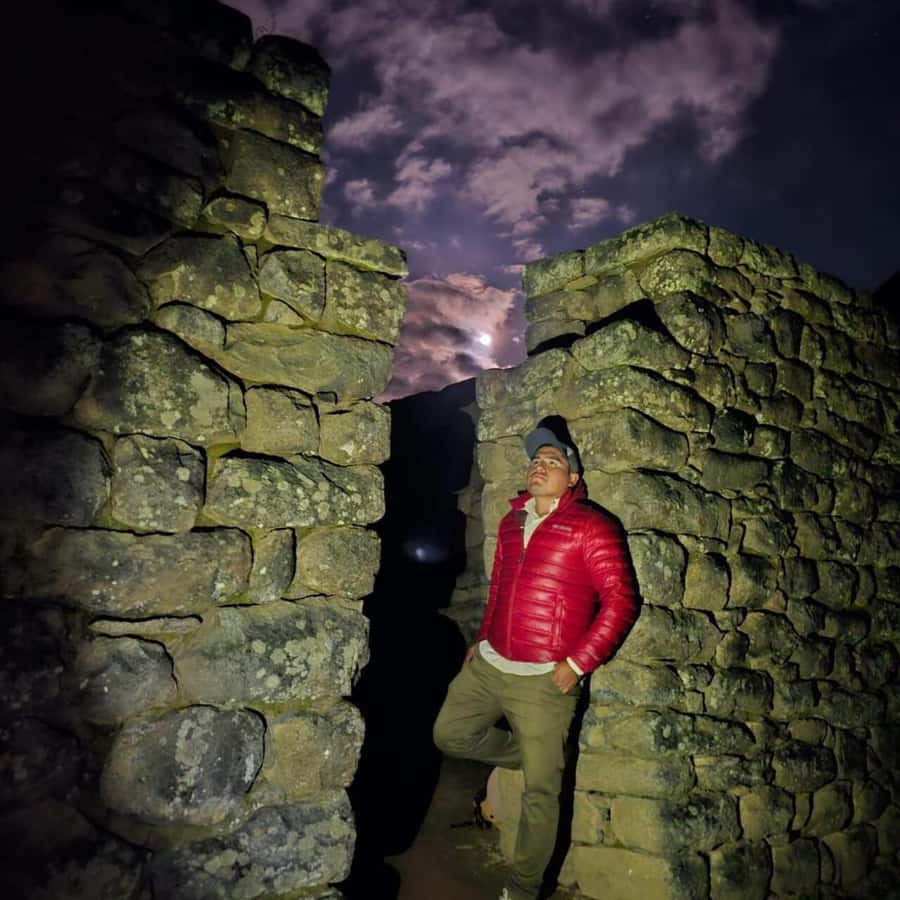
- Private group up to 10: easy pace and room for questions.
- Pickup from Aguas Calientes or Machu Picchu station with transfer included to the site.
- First stop at the highest viewpoints for classic postcard angles.
- Photo help that goes beyond pointing: guidance for framing, plus portraits and memorable moments.
- Archaeology and astroarchaeology training that turns ruins into stories you can picture.
- Lunch guidance afterward so you don’t scramble on an empty stomach.
Price and what you really get for the money
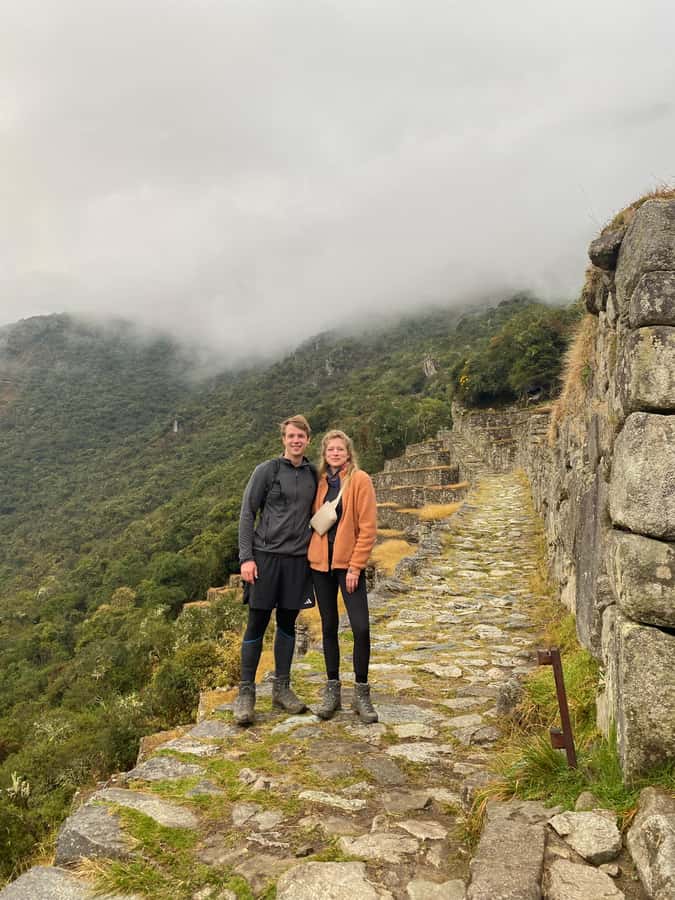
This tour lists at $80 per group (up to 10 people) for about 3 hours on site. That pricing matters because you’re not paying “per person” in the normal way. If you come as a small group, it’s still good value because the guide isn’t just walking with you—this is photo-first plus history-forward, and you also get included transport from your pickup point to Machu Picchu.
If you’re traveling solo or as two, it won’t feel like a bargain compared to big-group tours. But if you care about getting strong photos and understanding what you’re seeing, it can be money well spent—especially at Machu Picchu, where the light, crowds, and timing can make an unplanned visit feel chaotic.
Also, English and Portuguese are available, and the tour is wheelchair accessible, which helps with comfort and planning if you need it.
You can also read our reviews of more guided tours in Urubamba
Pickup and entry: where the day either flows or gets stressful
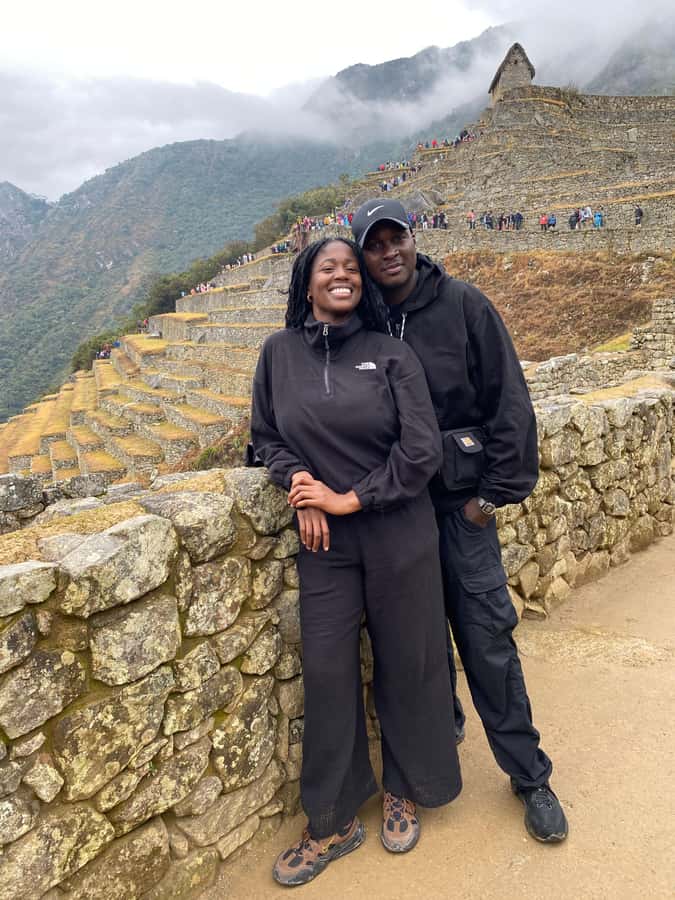
Your day starts with a pickup from either your hotel area or your train station area (the common options include Aguas Calientes and the Machu Picchu station). From there, you take the bus up to Machu Picchu—about 30 minutes—then you’ll handle the site check-in: show your Machu Picchu ticket and passport before you head in.
This matters more than it sounds. At Machu Picchu, small delays become big delays because your time on the ground is limited. If your passport is easy to reach and your ticket is ready, you start strong and don’t waste your best light on admin.
Once inside, the tour keeps you moving: photo stops first, then guided exploration. You’re not left guessing where to go next, which is a big deal when you’re on uneven stone paths with changing views.
The highest viewpoint first: classic postcard photos without the guesswork
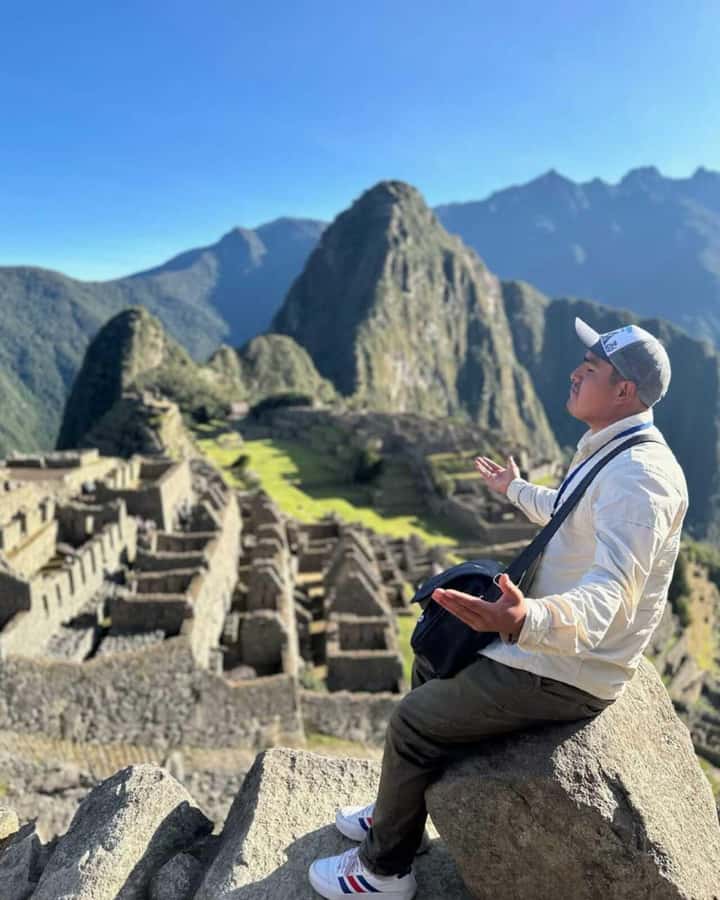
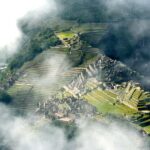
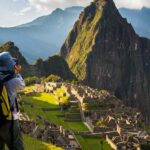
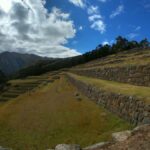
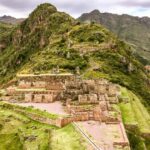
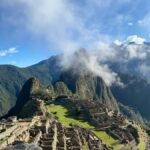
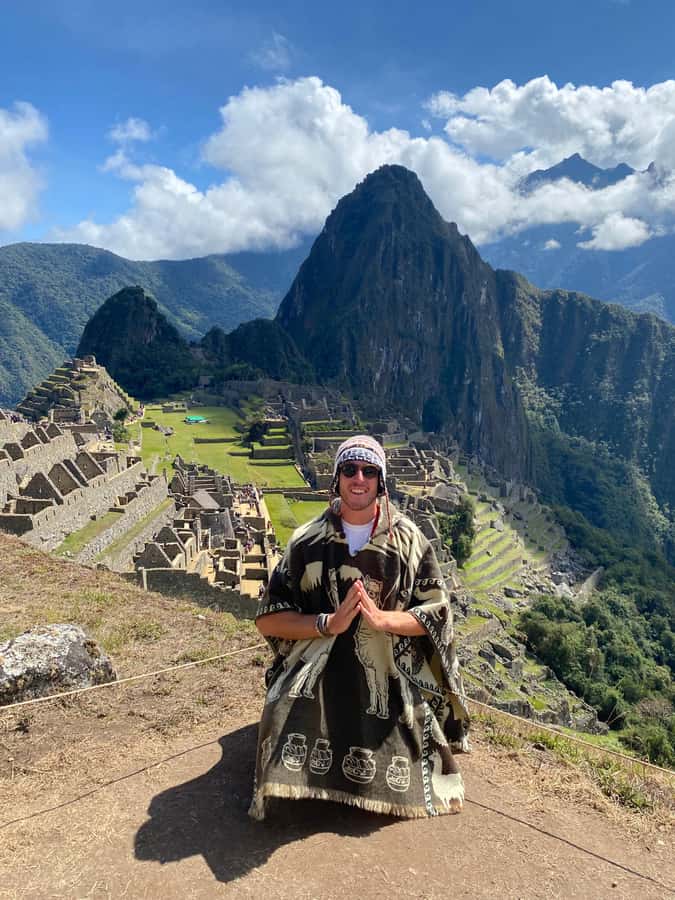
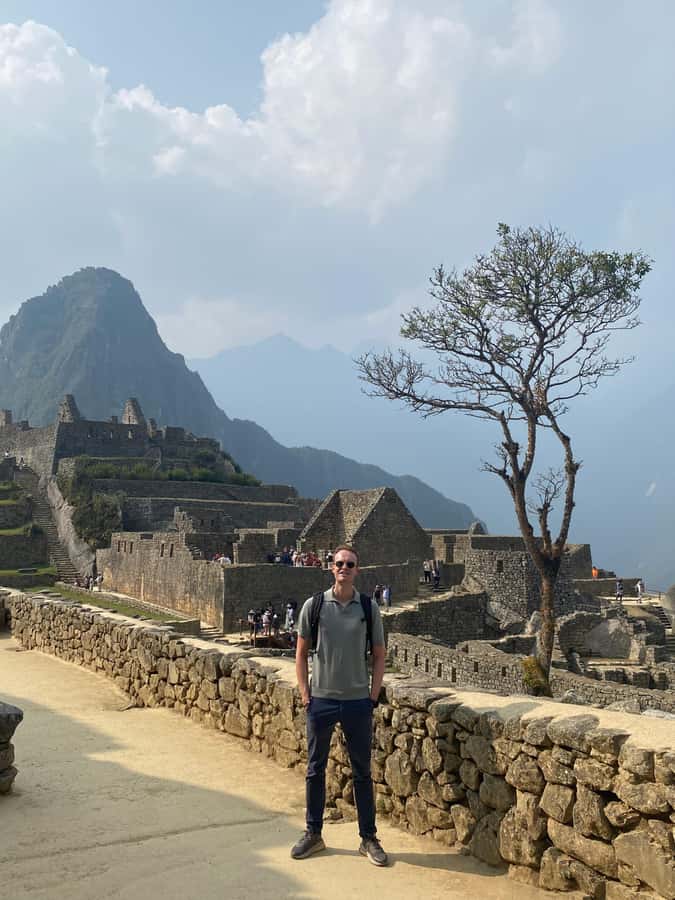
A key part of why this tour works is the order. You head toward the highest point of Machu Picchu early, specifically to grab those top “postcard” angles. That’s where the ruins look most dramatic, and where framing can make or break your photo.
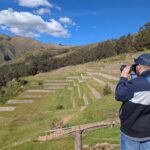
And this isn’t just “stand here and smile.” The guide’s job is to take you to the most photogenic corners and teach you how to work the scene: the best perspective, how to position people and camera relative to the terraces, and how to catch the ruins with the sky and mountain cues that make Machu Picchu feel like Machu Picchu.
If you’ve ever walked around ruins and thought I don’t know why my photos look flat, this part helps you fix that fast. You’re getting direction for how to see the site, not only where to stand.
Then, once you’ve captured what you came for, you don’t stop at the first big view. You keep going and turn the experience from photos-only into an actual guided visit.
Photo coaching that makes your images look intentional
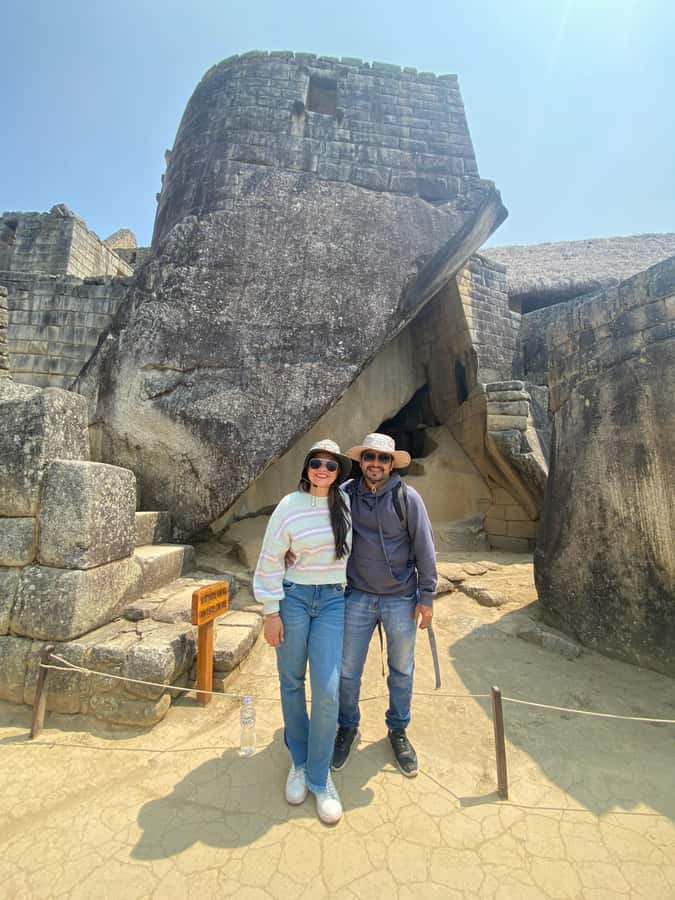
This tour is built for people who care about photography. The guide has taken photography courses and brings that training into the walk in a practical way.
What that feels like in real life:
- You get photo spots chosen for the view lines and composition.
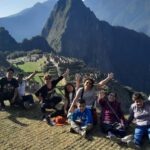
- You get help with positioning for portraits and group shots.
- You’ll often receive photos taken for you at key moments, so you can be in the image without handing your camera to strangers.
- You can take multiple shots without the tour feeling like a strict factory line.
I also like the approach because it fits different comfort levels. If you’re an avid photographer, you’ll appreciate the angles and how the guide thinks about framing. If you’re a casual shooter, you’ll appreciate that you don’t have to know anything technical—just follow the plan and get results.
Past groups repeatedly highlighted two things: the guide is patient when altitude and stairs slow you down, and the photos turn out strong because the guide understands timing and composition. That combo is rare. It’s not just enthusiasm; it’s skill applied at the right moments.
Archaeology and astroarchaeology talk as you walk the terraces
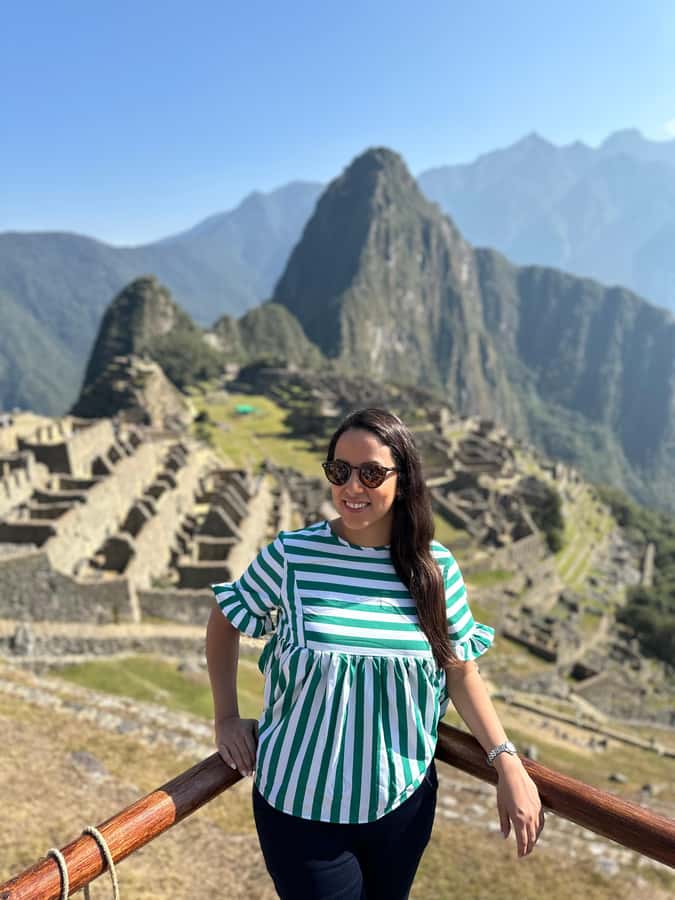
Here’s the other reason this tour gets high marks: the guiding isn’t generic. You’ll get historical, archaeological, and scientific information tied to what you’re standing on.
This guide’s background includes archaeology study, plus astroarchaeology interest. In plain terms, that means you’re not only learning who built what—you’re also learning why the site matters and how people may have understood the environment around it.
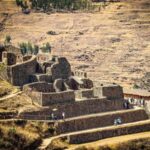
You’ll cover details and context as you move through Machu Picchu’s spaces: the layout, the way structures relate to each other, and the bigger story of Inca culture and the meaning of what you’re seeing. And the tone stays conversational, so you can ask questions when something clicks or when something doesn’t.
A practical note: with only 3 hours, the guide has to choose what to emphasize. The upside is you don’t get stuck on long lectures. The downside is you won’t cover every possible angle of Machu Picchu in one visit. Think of this tour as a strong “first understanding” that pairs with a second return visit if you want deeper specialization.
Exploring every corner, plus a smart lunch plan
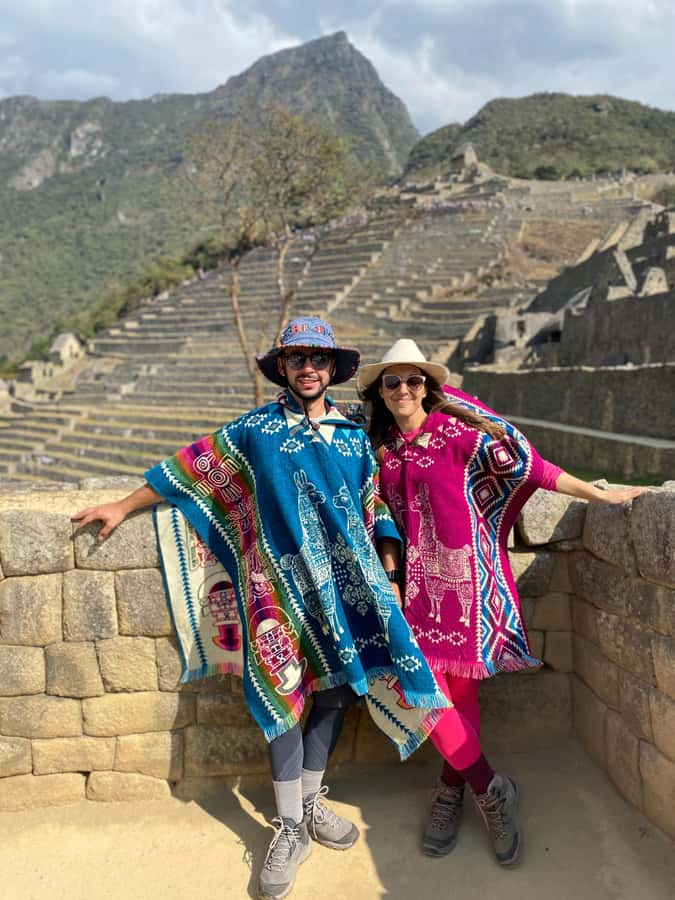
After the big viewpoints, the tour shifts into exploration. You’ll walk through corners of Machu Picchu while the guide points out what matters and shares new insights and investigation-style context. The goal is to help you connect the dots so the site stops feeling like a list of buildings and starts feeling like a designed place.
You’ll also get practical pacing: enough time for photos, enough time to understand what you’re looking at, and enough mobility to keep going. And because it’s a private group, you can move at a pace that works for your group—important when some people are quicker on stairs than others.
At the end, the guide suggests good places for lunch before you head back toward Cusco. That recommendation is genuinely useful because the “where should we eat” question can hijack your energy after walking all morning.
What to bring, what to skip, and how to show up ready
This tour is straightforward, but a few details can save you stress.
Bring:
- Passport (needed at entry)
Not included (plan ahead):
- Machu Picchu tickets
- Bus tickets
- Food, water, snacks
Rules to remember:
- No bikes
- No alcohol and drugs
One more practical thing: since water and snacks aren’t included, I recommend arriving with a simple plan for energy. Even if you don’t eat immediately, having something small ready helps during the climb and photo stops.
Should you book this Machu Picchu photo-and-history tour?
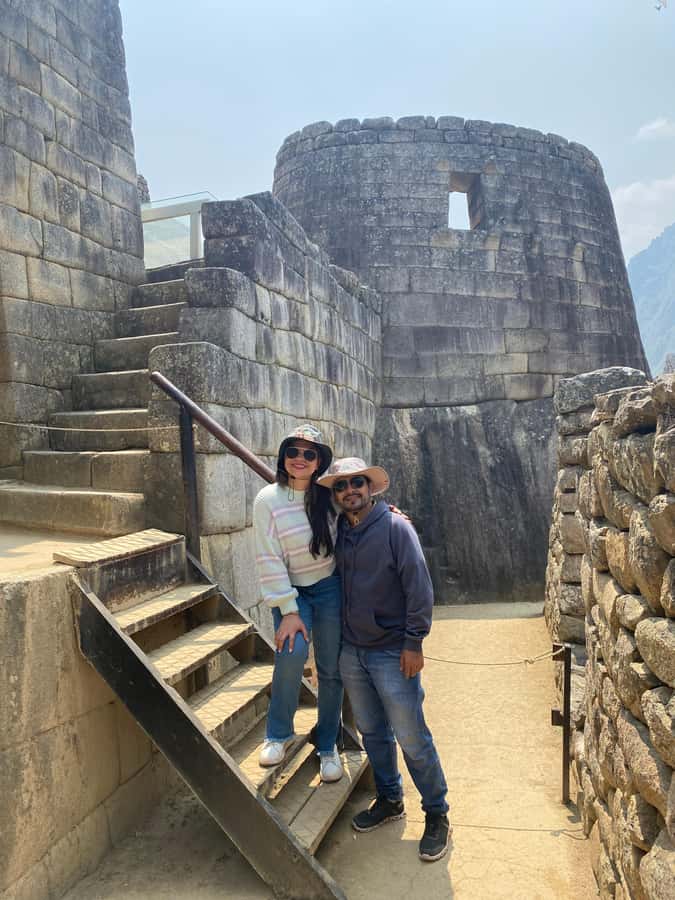
If your top goal is strong photos plus real context in a short visit, I think this tour is a great match. The price works especially well for groups, and the guide’s combo of photography training and archaeology/science explanations makes the time feel productive.
Skip it if you want a slow, self-paced wandering day where you can stop for long rests every few minutes, or if you’re trying to keep costs ultra-low by relying only on included logistics. With 3 hours, you’ll be moving.
If you want a guide who helps you see Machu Picchu clearly and frame it well, this is a solid way to spend your limited time at the site.
FAQ
What’s included in the tour price?
You get the transfer from your pickup point to Machu Picchu, a 3-hour guided tour, photo help during the visit, and scientific information about Machu Picchu.
What’s not included?
You’ll need to pay separately for Machu Picchu tickets, bus tickets, food, and water and snacks.
Where do you get picked up?
You can be picked up from the hotel or from the train station area, with common pickup options including Aguas Calientes and the Machu Picchu station.
Do I need a passport?
Yes. You’ll need your passport to show at the Machu Picchu entry process.
How long is the tour?
The guided experience lasts 3 hours.
What languages are offered?
The live guide is available in English and Portuguese.
Is it private?
Yes. It’s a private group experience, with a group size of up to 10.
Is the tour accessible?
It is listed as wheelchair accessible.