REVIEW · URUBAMBA
From Cusco: Sacred Valley & Moray, Salt Mines with Lunch
Book on GetYourGuide →Operated by Apu Ausangate Trek EIRL · Bookable on GetYourGuide
One day in the Sacred Valley, packed. You get textiles, terraces, and salt in a single loop, plus big Inca-era sights at Ollantaytambo and Pisac. It’s a fast way to see what makes this region special without spending multiple days figuring out logistics.
I especially like how this tour turns each stop into something you can understand, not just photograph. The bilingual guide lays out the why behind the places, from textile traditions to Andean farming methods. I also like the tight pacing for a day trip: small group size (up to 15) and plenty of guided time.
The main drawback to plan for is how full the day feels. You’ll be on the move most of the time, and Ollantaytambo includes a climb of over 200 steps, so bring shoes you trust and expect limited free time.
In This Review
- Key things I’d plan for
- How This 12-Hour Sacred Valley Loop Works From Cusco
- Chinchero: Textiles You Can Actually Explain
- Moray: Circular Terraces and the Logic of Andean Farming
- Maras Salt Mines: 5,000+ Ponds and a Food-Preservation Story
- Urubamba Buffet Lunch: Fuel for a Long Day
- Ollantaytambo: Fortress Views and the Over-200-Step Climb
- Pisaq: Market Browsing and a Workshop Stop
- Price and Tickets: Getting Value Out of the $32 Fare
- Who This Tour Fits Best (and Who Might Want Something Else)
- Should You Book This One-Day Sacred Valley Tour?
- FAQ
- What is the duration of the tour?
- How big is the group?
- What languages are the guides?
- Does the price include hotel pickup and drop-off?
- Is lunch included?
- Do I need to buy tickets for the sites?
- Are drinks included with lunch?
- How long do I spend at each main stop?
- Is there any walking or stairs?
- What should I bring and what is not allowed?
Key things I’d plan for
- A full Sacred Valley highlights circuit in ~12 hours starting from Cusco
- Chinchero textile demonstrations rooted in Incan weaving techniques
- Moray circular terraces showing how people farmed tricky mountain ground
- Maras salt mines with 5,000+ salt ponds right by the terraces area
- Urubamba buffet lunch built into the day so you don’t scramble for food
- Ollantaytambo’s fortress viewpoint climb (over 200 steps) plus Pisaq market time
How This 12-Hour Sacred Valley Loop Works From Cusco
This is a one-day tour that pulls you out of Cusco and strings together several iconic Sacred Valley locations: Chinchero, Moray, Maras Salt Mines, Urubamba, Ollantaytambo, and Pisaq. The day runs about 12 hours, and the experience is designed around guided stops mixed with short photo breaks and shopping windows.
The setup is simple. Your guide picks you up from your hotel (they’ll meet you at the reception area). Then you ride in a van between sites—enough time to reset your expectations, not enough to settle in like a slow travel day. The tour ends back in the Cusco area at Calle Plateros / Plaza Regocijos, which is convenient if you’re staying around the historic center.
Because everything happens in one day, you’ll want to travel light. You’ll be moving through towns and viewpoints, and your best friend is anything you can quickly access: sunscreen, water, and your camera.
You can also read our reviews of more tours and experiences in Urubamba
Chinchero: Textiles You Can Actually Explain
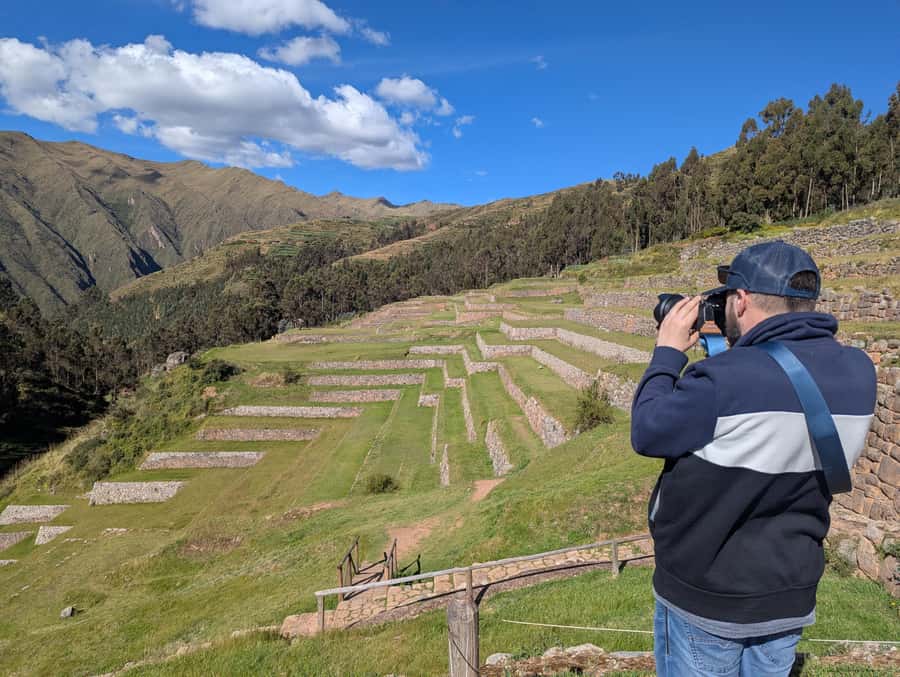
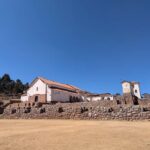
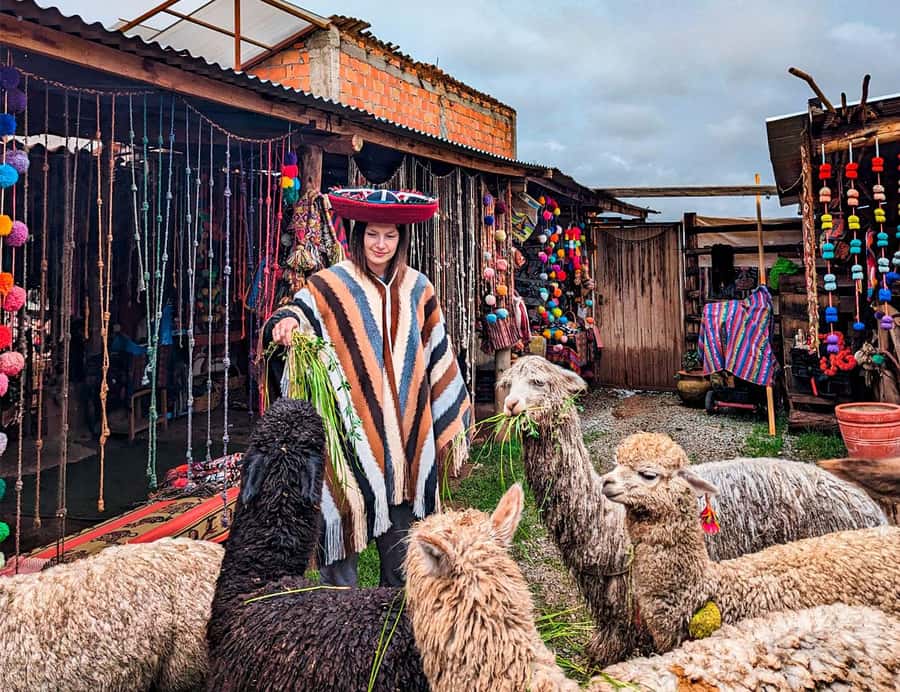
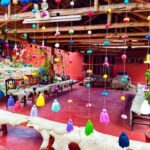
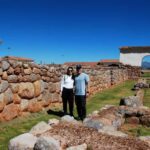
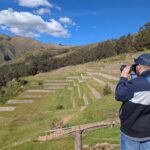
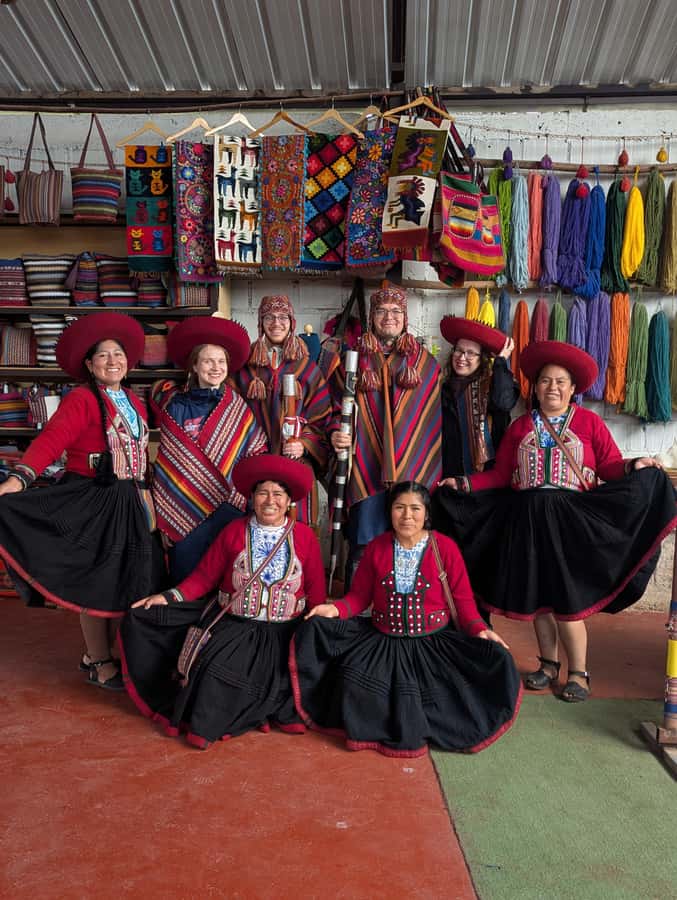
Chinchero is the first real cultural stop, and it’s a smart choice to start here. The town is known for a long tradition of weaving, and the visit is built around seeing textiles made using traditional Incan techniques (not just displays behind glass). You get a guided walk, plus time for photos and shopping.
What I like about starting with Chinchero is that it gives you a frame for the rest of the day. When you later see Inca-style engineering at Moray and the salt preservation at Maras, you start to notice the pattern: Andean life depended on practical knowledge—whether it was farming, food storage, or cloth.
Shopping is part of the deal. You’ll have around 35 minutes here, including a mix of photo stop, guided tour, and shopping time. That’s enough to browse and ask questions, but not enough to treat it like an all-afternoon market session—so if you’re hunting a specific item, keep your focus and your budget in mind.
Practical tip: bring cash. While the tour includes transportation, lunch, and guiding, the textiles and souvenirs at these stops are on you.
Moray: Circular Terraces and the Logic of Andean Farming
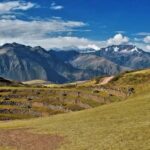
Moray is where the tour shifts from culture to land-based engineering. You’ll arrive for a photo stop, then a short guided visit focused on the agricultural terraces built along hillside slopes. These terraces were built by the Incas to grow crops in mountain terrain that wasn’t ideal for farming.
The terraces are built in a way that feels almost planned for experiments. Even without getting lost in technical detail, you can see why this matters: it’s a system for working with conditions rather than pretending they don’t exist. That’s the kind of “why” that makes a guided stop worth your time, especially on a packed itinerary.
Time-wise, you’re there briefly—about 30 minutes for Moray. That’s enough for understanding the big idea and taking a few photos, but it’s not enough to linger if you want to study every section closely. If you love agricultural history or how humans adapt to tough environments, this is one of the highlights.
Maras Salt Mines: 5,000+ Ponds and a Food-Preservation Story
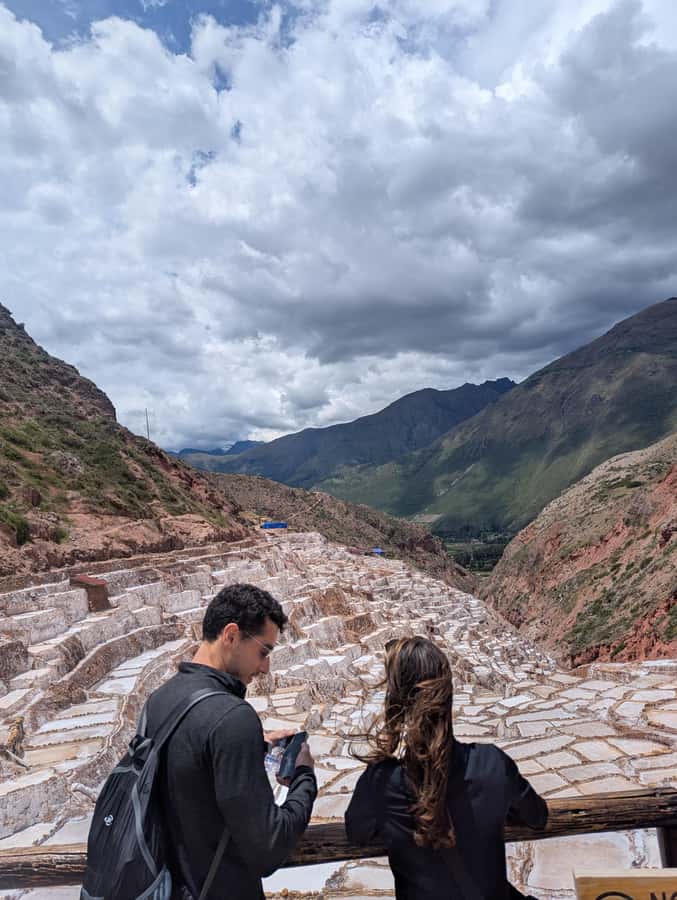
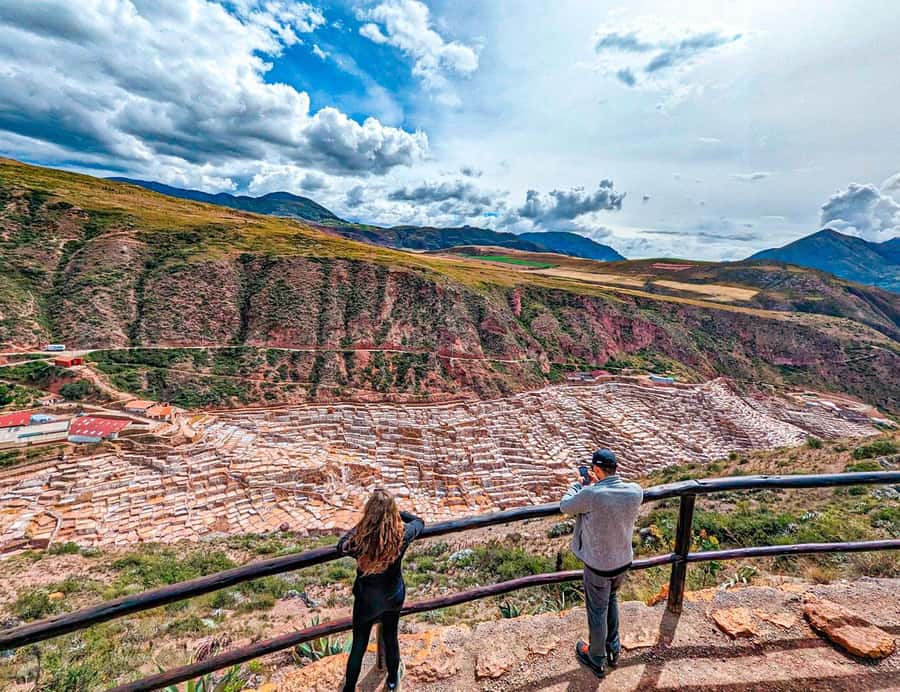
Right after Moray, you move to the Maras Salt Mines area (often grouped together with the same general region). Here you’ll get photo time and a guided look at the salt ponds. The tour highlights that there are over 5,000 salt ponds, and that ancestors used the salt for long-term food preservation.
This stop is visually striking because it’s both simple and mesmerizing. You’re looking at a field of ponds that looks like it shouldn’t work at all—yet it has been part of local food survival for a long time. The guided piece is important here because it connects what you see to why people built and maintained it.
There’s also a key practical point: the salt mine entrance ticket isn’t included. You can purchase the entrance ticket on site for 20 Nuevos Soles. The partial tourist ticket for other sites is also extra (70 Nuevos Soles, purchased at the first site). Plan for this with cash so you don’t slow the group down.
After the guided segment, you’ll have shopping time in Maras for about 30 minutes. Think of it as a quick stop to pick up small souvenirs, salt-related items, or local crafts—without committing your whole afternoon.
Urubamba Buffet Lunch: Fuel for a Long Day
Urubamba is built into the day as the lunch break, about 45 minutes. The tour includes a buffet lunch, which is one of those “small” inclusions that makes a big difference when your schedule is tight. You don’t have to hunt for a restaurant between drives, and you get a predictable window to eat and reset.
Is it gourmet? The tour data doesn’t promise Michelin-level food, but it does promise a buffet lunch included in the price. In a long day like this, that predictability matters. It keeps your energy up for Ollantaytambo and Pisaq, where you’ll need to stay sharp.
If you care about drinks, keep in mind drinks aren’t included. Grab water when you can, especially since the tour asks you to bring your own water and you’ll be in the sun.
Ollantaytambo: Fortress Views and the Over-200-Step Climb
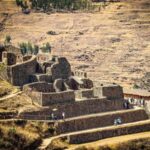
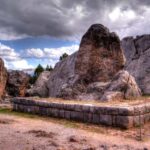
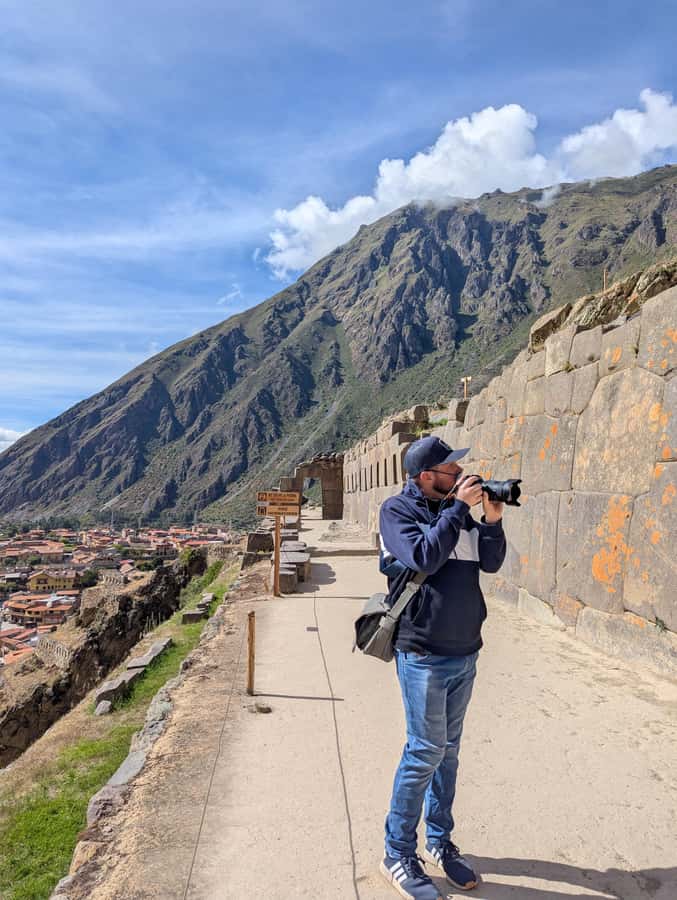
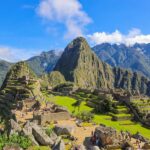
After lunch, the day gets historical and physical. First up: Ollantaytambo, one of the important Inca cities with megalithic buildings. You’ll get a guided tour, and you’ll also climb over 200 steps to reach the top of an ancient terraced fortress overlooking the town.
This is the part of the day where your comfort matters. Over-200 steps means you should wear shoes with grip and be ready to pause if you need a breather. The guided portion helps you connect what you’re looking at to how the site functioned—this location was important during Incan times as a defensive stronghold.
What I like here is the payoff. From the top, the fortress viewpoint gives you context for why the area was strategically useful. You get the sense that the builders were thinking in terms of both durability and control of the surrounding area.
Time is short—about 30 minutes for the guided tour at Ollantaytambo—so expect it to be more about the big story and the best views than a slow walk through every corner.
Pisaq: Market Browsing and a Workshop Stop
Next comes Pisaq, split into two parts: a workshop time and a guided tour time, plus a market experience. The tour includes a workshop (30 minutes) and then guided exploration (30 minutes). You also have time to discover the local market, where you’ll find souvenirs and local crafts.
This is your chance to balance the day. Earlier stops focus on engineered systems and agricultural traditions. Pisaq adds everyday life—what people make, sell, and keep alive through craft and commerce.
Because Pisaq is a market environment, you’ll want to move with intention. You’ll have limited time, so it helps to know what you’re looking for: textiles, small crafts, or keepsakes that feel local rather than mass-produced.
Tip: if you want to buy something meaningful, ask questions during the guided portion or while browsing. You’ll get more value from what you buy if you understand what you’re looking at.
Price and Tickets: Getting Value Out of the $32 Fare
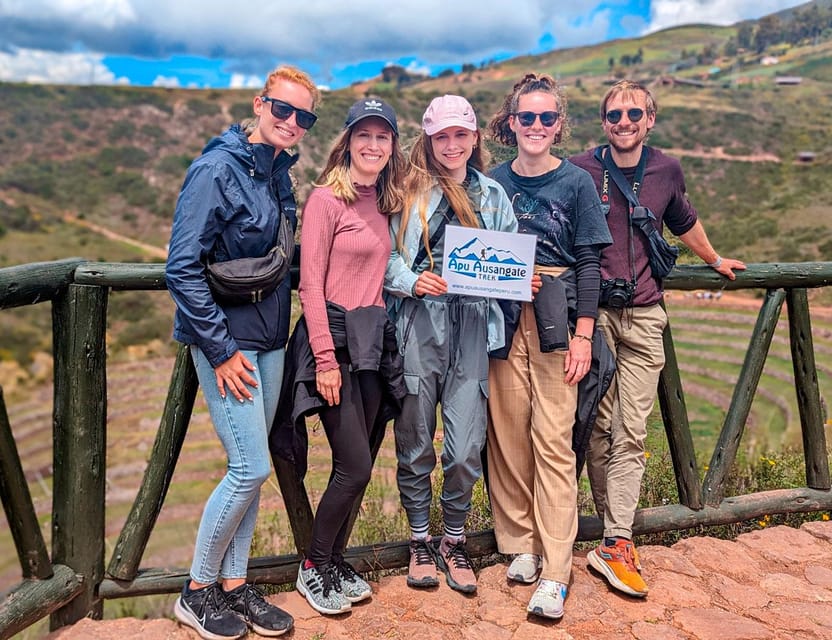
The headline price is $32 per person, and that’s honestly the kind of price that looks attractive—until you compare it to what’s actually included. Here’s what you get at that base price:
- Hotel pickup and drop-off in the Cusco area
- Bilingual guide (English and Spanish)
- Transportation between all the stops
- Buffet lunch in Urubamba
- Small group size (limited to 15 participants)
What’s not included is where you should plan ahead:
- Partial tourist ticket: 70 Nuevos Soles (purchased at the first site)
- Salt mine entrance ticket: 20 Nuevos Soles (purchased on site)
- Drinks
So your real “day cost” is the $32 plus those site tickets. If you’re already planning to visit these major Sacred Valley stops in a day anyway, the included transportation and guided context can make it feel like good value. If you already have the needed tickets and you’re the type who prefers independent pacing, it might feel a bit structured. But for most people—especially first-timers—this tour’s combination of sites in one day is exactly what you pay for.
Also, the small group size matters. With a cap of 15 people, you tend to get clearer explanations and less waiting around than with huge bus tours.
Who This Tour Fits Best (and Who Might Want Something Else)
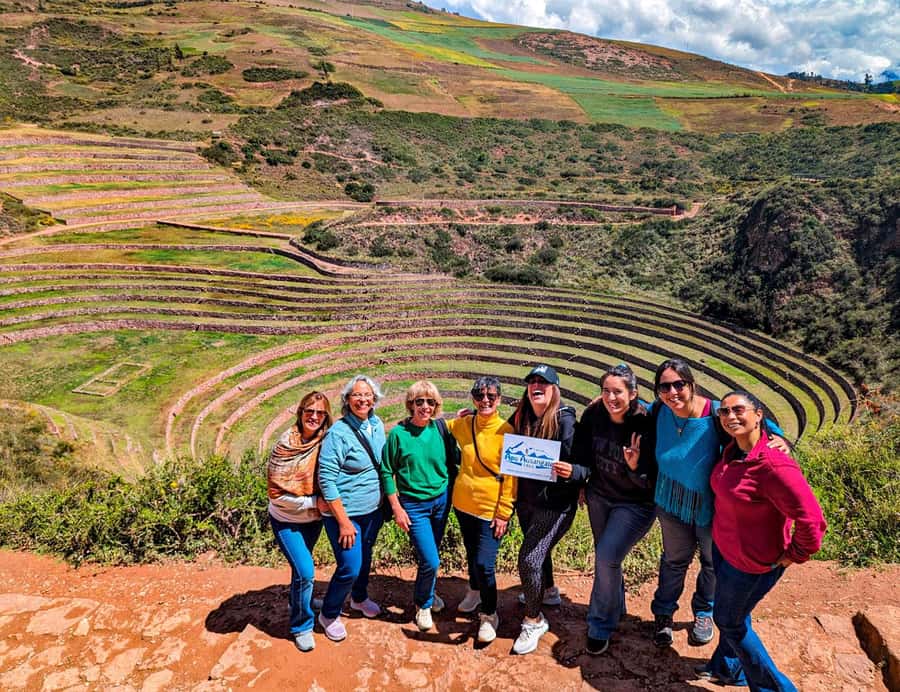
This tour is a strong fit if you want a one-day highlights plan from Cusco and you enjoy learning what you’re seeing. The guided pieces matter here: textiles, Inca agricultural terraces, and salt preservation all come with explanations, not just a quick glance.
It also suits you if:
- You like multiple stops in one day and you can handle a packed schedule
- You want transportation solved for you
- You appreciate a small group setting
- You want lunch handled without decision fatigue
You might want to think twice if:
- You don’t do well with stairs (Ollantaytambo involves over 200 steps)
- You hate rushing or want long, unstructured time at markets
- You’re trying to avoid extra ticket costs on top of the base price
In general, this is a practical choice for a first visit to the Sacred Valley—one that gives you a strong overview and helps you decide what to return to later.
Should You Book This One-Day Sacred Valley Tour?
If your goal is to see a lot—Chinchero textiles, Moray terraces, Maras salt ponds, Urubamba lunch, Ollantaytambo fortress views, and Pisaq markets—this tour is worth seriously considering. The included guide and transportation reduce the biggest headaches of arranging multiple sites in a single day, and the buffet lunch keeps the schedule workable.
I’d book it if you’re comfortable with a long day, can manage a big stair climb at Ollantaytambo, and you’re okay paying on-site tickets (70 Nuevos Soles for the partial tourist ticket and 20 Nuevos Soles for the salt mine entrance). If that sounds like your travel style, you’ll get a well-rounded Sacred Valley day with enough context to make the photos mean something.
FAQ
What is the duration of the tour?
The tour lasts about 12 hours.
How big is the group?
The group is limited to 15 participants.
What languages are the guides?
The tour guide is available in English and Spanish.
Does the price include hotel pickup and drop-off?
Yes. Pickup is from your hotel, and the tour includes a drop-off back in the Cusco area.
Is lunch included?
Yes. You get a buffet lunch in Urubamba.
Do I need to buy tickets for the sites?
Yes. A partial tourist ticket can be purchased at the first site for 70 Nuevos Soles. The salt mine entrance ticket can be purchased on site for 20 Nuevos Soles.
Are drinks included with lunch?
No. Drinks are not included.
How long do I spend at each main stop?
Time varies by stop, but it’s generally short guided visits plus some photo stop and shopping time. For example, lunch is about 45 minutes, and Pisaq and Ollantaytambo each have guided segments within their time blocks.
Is there any walking or stairs?
Yes. At Ollantaytambo, you climb over 200 steps to reach the top of the fortress viewpoint.
What should I bring and what is not allowed?
Bring sunglasses, sun hat, camera, sunscreen, water, and cash. Drones and alcohol and drugs are not allowed.