REVIEW · TRUJILLO
From Trujillo: Complete full day tour with museums
Book on GetYourGuide →Operated by Chullos Travel Peru · Bookable on GetYourGuide
Mochica culture hits hard in one day. You’ll start in the Moche countryside, seeing how the Mocheros’ work shows up in ceramics, leather work, wood and stone carvings, basketry, and even gastronomy. Then you’ll move to the Huacas of the Sun and Moon, where the guide ties the monuments to the Mochica world—one reason this trip scores so well is the storytelling level, with guides like Alejandro known for making the sites click. The one thing to keep in mind is that it’s a full schedule with lots of big stops, so it’s not a slow, stroll-and-chat kind of day.
I like that the day balances making and meaning: you’re not only looking at ruins, you’re also learning what people built, cooked, and used in daily life. I also like the Huanchaco ending, because seeing reed boats called caballitos connects the past to what still happens on the water. The possible drawback: it’s not suited to everyone, especially if you have recent surgeries, are pregnant, or you’re over 70—your comfort matters here.
In This Review
- Key highlights you’ll actually remember
- Trujillo in one long day: what this tour really delivers
- Price and logistics: how $45 holds up for a full itinerary
- From the Moche countryside to living craftsmanship
- Huacas del Sol y de la Luna: Mochica sanctuary, not just a photo stop
- Chan Chan’s nine citadels: power built with restrictions
- Huanchaco and the caballitos: ancient fishing practice in daily use
- Guide quality: Alejandro’s storytelling and the translator support that makes questions easier
- What’s included, what to bring, and what’s off-limits
- Who should book this tour (and who might prefer a lighter day)
- Should you book it? My practical call
- FAQ
- How much does the tour cost?
- How long is the tour?
- What time does the tour start and end?
- Where and when do I meet the guide?
- What’s included in the ticket price?
- What language is the guide?
- What should I bring, and what’s not allowed?
- Who is the tour not suitable for?
- Is free cancellation available?
Key highlights you’ll actually remember
- Mochica crafts in context: ceramics, leather work, wood and stone carvings, and basketry tied to daily life
- Huacas of the Sun and Moon as a Mochica sanctuary: a monument group linked to Mochica power from the 1st century B.C. to the 9th century
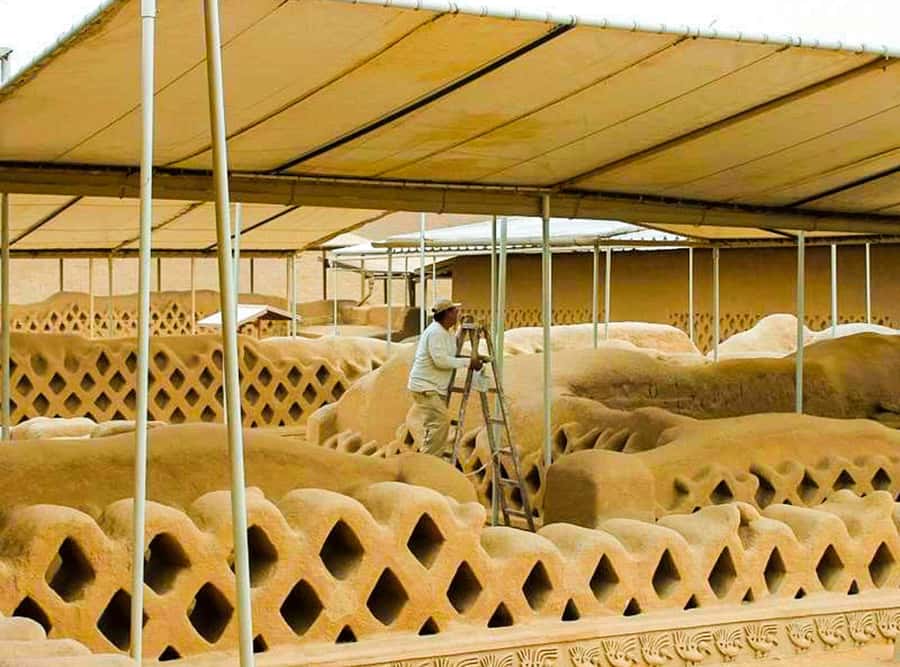
- Chan Chan’s nine citadels or palaces: monumental scale and architectural complexity with very restricted access
- Huanchaco fishing tradition that’s still alive: reed caballitos used by today’s huanchaquero fishermen
- Strong guide storytelling: Alejandro’s narration style and clear explanations can make a big difference
Trujillo in one long day: what this tour really delivers
This is a classic full-day Trujillo outing, built around one theme: how the Mochica world shaped art, architecture, and everyday work. You’re covering multiple major sites, but the trip doesn’t feel random. It moves from making (crafts and food), to sacred monuments (the Huacas), to imperial-scale construction (Chan Chan), and then to living tradition (Huanchaco fishing).
The value starts with what’s included. For the price, you get tour transport, tickets, and a bilingual guide. That matters in Peru, where independently hopping between archaeology zones and coastal neighborhoods can mean extra transit time, ticket confusion, and no one to translate the “what am I looking at” part.
The biggest practical win is the sequencing. You don’t just show up at ruins cold. You learn what the Mocheros produced—ceramics, carvings, basketry—then you see how Mochica people organized their sacred space at the Huacas. By the time you reach Chan Chan, you have a better sense of what power looks like in stone.
You can also read our reviews of more tours and experiences in Trujillo.


Price and logistics: how $45 holds up for a full itinerary
At $45 per person, this tour is aiming for a sweet spot: you’re paying for a full day with transport, entry tickets, and guided interpretation. For many visitors, that’s the main reason it feels like good value—you save time, and you get context instead of staring at explanations in a brochure.
Logistically, the day is structured around two fixed anchors: a late-morning departure and an early-evening finish. You leave at 9:30, and you’re back by 6:00 pm. That gives you enough time to hit four major experiences without turning the day into a series of missed connections.
Pickup is also handled for you: you wait at your hotel lobby about 10 minutes before the scheduled pickup time. You’ll want to be ready early—this is one of those tours where arriving a few minutes late can quietly steal time you’ll wish you had later (especially near the Huacas and Chan Chan, where you need steady attention).
From the Moche countryside to living craftsmanship
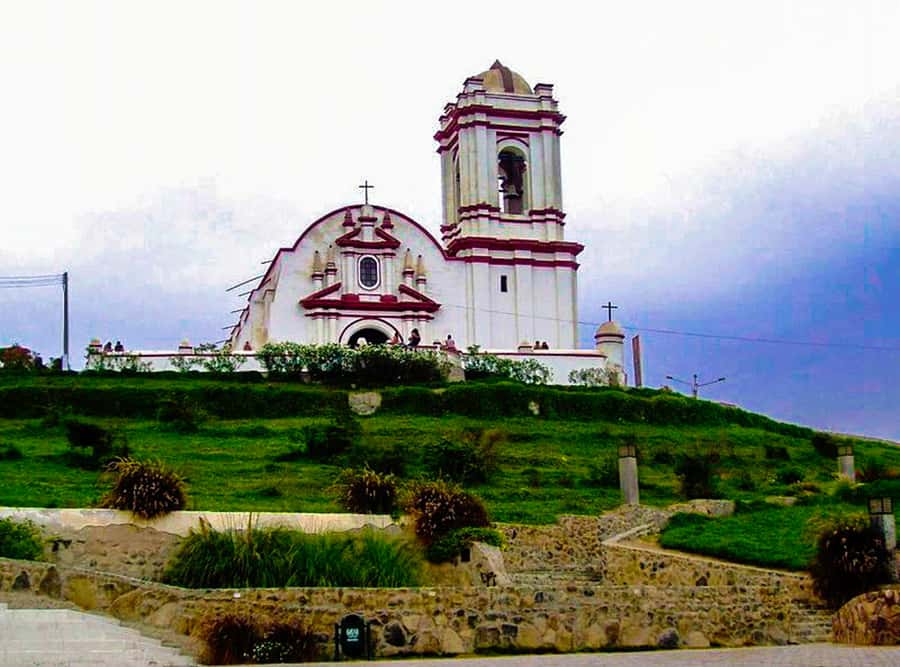
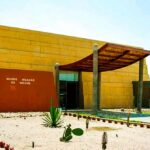
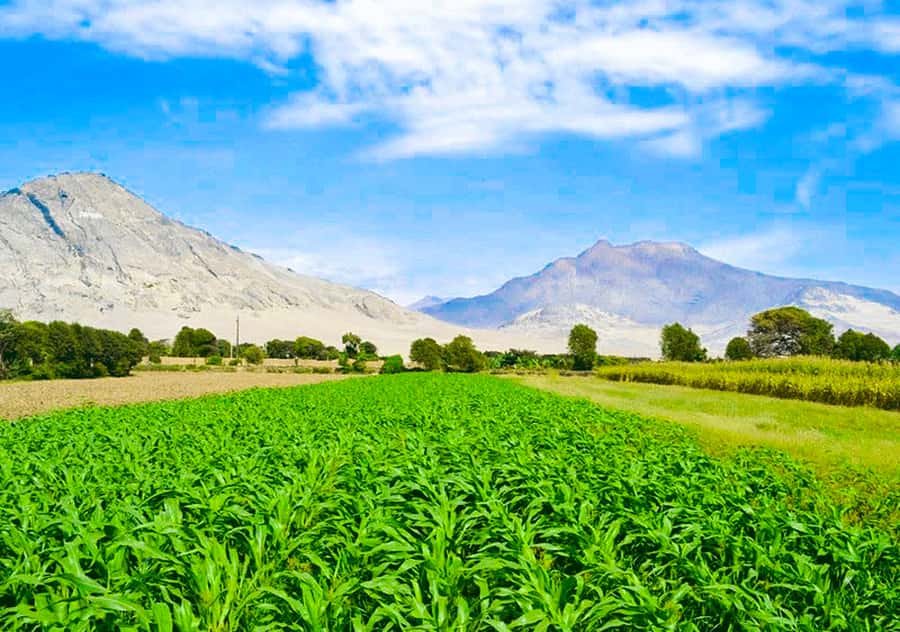
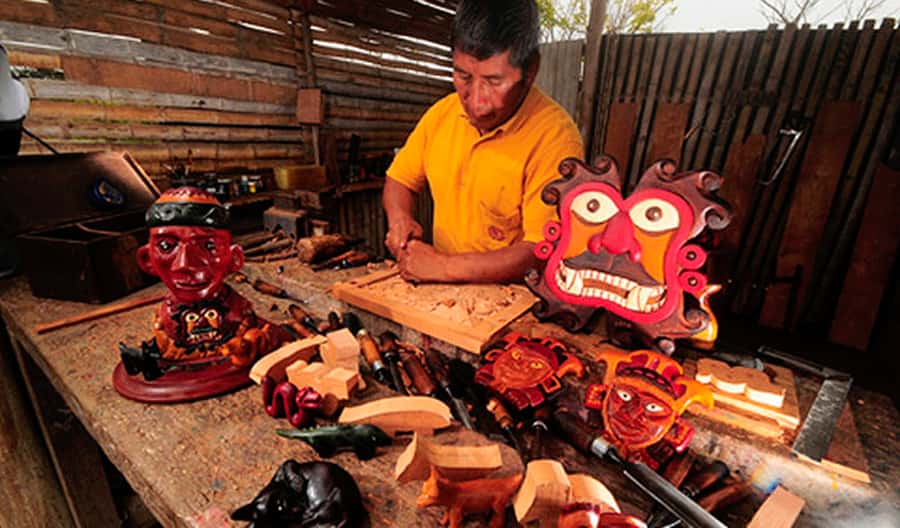
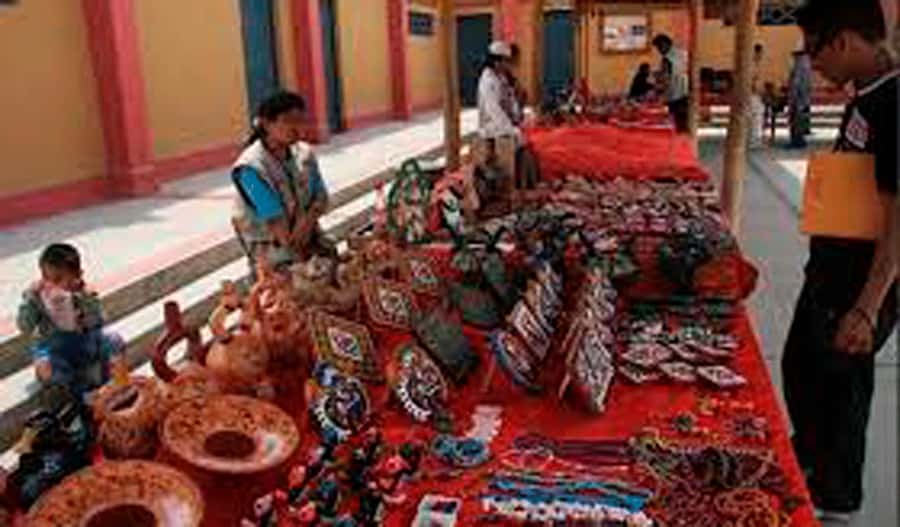
The day begins outside the city with a look at the Moche countryside and the way of life of the Mocheros. This part isn’t just a lecture. You’re shown how Mochica artistry appears across multiple materials: ceramics, leather work, wood and stone carvings, and basketry. Even the local angle of gastronomy gets tied into the story.
Why I think this matters for you: it changes how you look at what comes next. Instead of treating ancient artifacts like museum objects, you start seeing them as skills built into daily living. When you later stand near major Mochica monuments, you’re more likely to understand why craftsmanship and sacred architecture belonged to the same worldview.
A small caution: this start can feel like a warm-up, and that can trick you into thinking it’s less important than the big ruins. Don’t fall for that. The craft angle is one of the highest-impact parts of the day because it turns archaeology into something you can picture.
Huacas del Sol y de la Luna: Mochica sanctuary, not just a photo stop
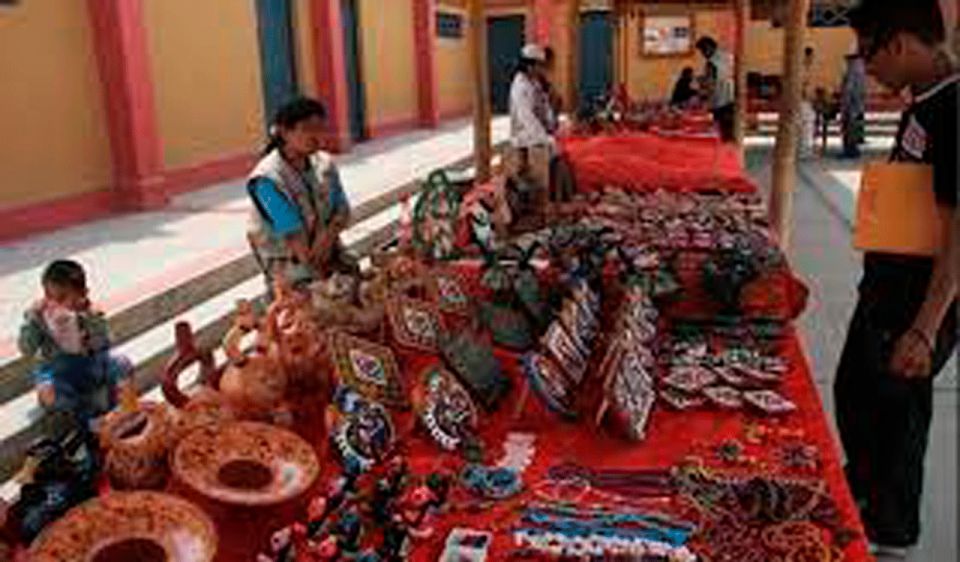
After lunch time, the itinerary moves to the Huacas of the Sun and the Moon—a Mochica sanctuary made up of a group of monuments representing Mochica capital life from the 1st century B.C. to the 9th century.
This is where a good guide matters. The difference between a basic visit and a memorable one is interpretation: where you focus your attention, and what symbols and purpose the guide helps you connect to what you’re seeing. The high ratings make sense here, because narrative-style guides like Alejandro have a reputation for fluent explanations that help you understand the “why” behind the structure—not just the “what.”
What to expect on the ground: monumental shapes, a strong sense of scale, and a setting that feels tied to ritual. You’ll want to slow down for a few minutes and look at the geometry and massing rather than hunting for one perfect shot.
Potential drawback: this stop can feel intense. You’re learning about ancient power while standing in a huge, open archaeological zone. If you’re sensitive to long walks or strong sun, it’s smart to pace yourself and plan hydration.
Chan Chan’s nine citadels: power built with restrictions
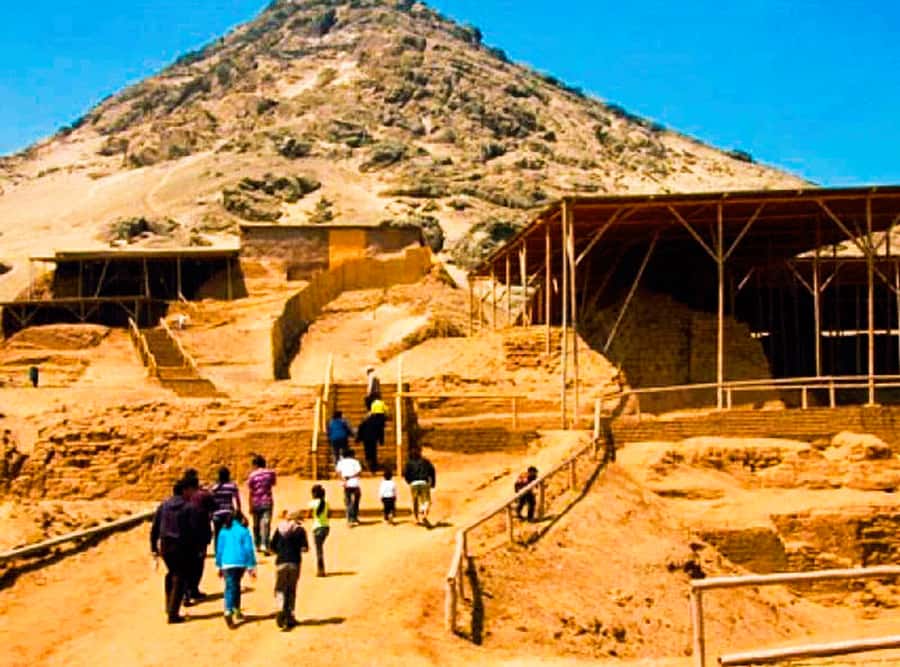
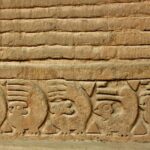
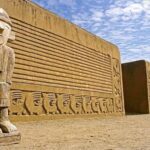
Next is Chan Chan, formed by nine citadels or palaces. The standout details are the monumental scale and the very restricted access to these spaces. The guide also points out how complex and elaborated the architectural forms are.
Here’s the practical value for you: Chan Chan can be confusing if you’re trying to map it yourself. With guidance, you get a framework for how the site functions and why those restricted areas matter. You start to understand it as a planned system, not random ruins piled together.
Also, this is one of those sites where it helps to be mentally ready. You’re stacking understanding: Mochica craftsmanship earlier, sacred Huacas in the middle, and now a major engineered statement of authority at the coast. If you show up tired, you’ll still enjoy it, but you might miss the connections that make the day feel cohesive.
If you prefer lighter interpretation, this may feel like a lot. But if you like structure—if you enjoy hearing how a site is organized—Chan Chan delivers.
You can also read our reviews of more tours and experiences in Trujillo

Huanchaco and the caballitos: ancient fishing practice in daily use
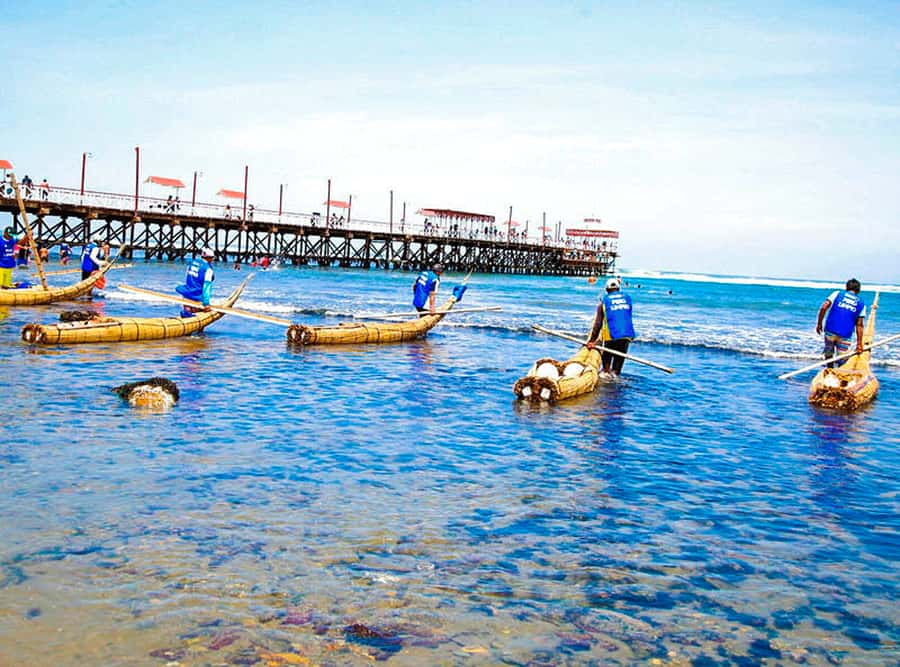
The final stop is Huanchaco, a traditional fishing cove where many customs still connect back to Mochica ancestors. The highlight is the reed boats called caballitos, which are still used by current fishermen as their main working tool.
This ending is smart because it gives you a modern “so what” moment. You’re not only studying the past—you’re seeing how some practices survive and adapt. The switch from carved stone and ceremonial space to active fishing creates a satisfying contrast, and it’s the part of the day that tends to feel most real when the monuments fade behind you.
What to do here: watch how people handle the boats and how the shoreline works. Even if you don’t interact, the visual connection between craft and work clicks. If you’re the type who loves photography, this is where you can get natural scenes without forcing it.
Guide quality: Alejandro’s storytelling and the translator support that makes questions easier
Two bits of guide feedback show up clearly in the experience quality. One is Alejandro’s narration style—people highlighted his storytelling and language skills as a major factor in the overall enjoyment. The other is translation support, such as having Mariza as a translator alongside the Spanish driver. That setup made it easier to ask questions and get detailed answers.
For you, the takeaway is simple: when the guide can explain clearly and adapt to your questions, you learn faster and you feel less lost. This is especially important on Mochica topics, where basic names and dates alone don’t tell the full story.
If you’re traveling with Spanish as your weaker point, this is still worth considering because the tour is designed with bilingual support in mind. You’ll get Spanish as the main live guide, but the structure suggests you can expect help bridging the gap.
What’s included, what to bring, and what’s off-limits
You’re covered for the essentials. The tour includes tourist transport, a bilingual guide, and tickets for the stops on the route.
Bring an ID card or passport. The tour doesn’t ask for anything fancy, but it does ask for identity documents.
Restrictions are straightforward:
- No alcohol and drugs
- No pets
And if you’re considering your own comfort: the tour is not suitable for people with recent surgeries, people over 70, and pregnant women. If any of those apply, it’s better to choose a gentler pace.
Who should book this tour (and who might prefer a lighter day)
This tour makes the most sense if you want:
- a structured day with major Mochica highlights
- a guided explanation that connects crafts to sacred monuments
- an ending with living tradition in Huanchaco
It’s also a good pick if you’re new to pre-Inka cultures and you’d rather get a clear overview than piece it together alone.
It may not be the best fit if you hate tight schedules. You’ll start at 9:30, move through major stops, and end at 6:00 pm, which means the day is packed. If you’re recovering from an injury, dealing with pregnancy, or you’re concerned about mobility, respect the tour limits.
Should you book it? My practical call
Yes, I’d book it if you want a well-connected introduction to Mochica culture in and around Trujillo. The price is reasonable for a full day with transport and tickets, and the storyline—from crafts in the Moche countryside to Huacas to Chan Chan to Huanchaco’s caballitos—gives the day shape.
I’d hesitate only if you don’t handle long, active days well, or if the tour restrictions apply to you. Also, if you already know you want one site only and a slower pace, this itinerary won’t match that mood.
If you want one day that gives you both context and big visual payoff, this is a strong choice.
FAQ
How much does the tour cost?
The full day tour costs $45 per person.
How long is the tour?
The duration is 1 day.
What time does the tour start and end?
It starts at 9:30 and ends at 6:00 pm.
Where and when do I meet the guide?
Pickup is included. You should wait in your hotel lobby about 10 minutes before the scheduled pickup time.
What’s included in the ticket price?
The tour includes tourist transport, a bilingual guide, and tickets.
What language is the guide?
The live tour guide is Spanish.
What should I bring, and what’s not allowed?
Bring a passport or ID card. Alcohol and drugs are not allowed, and pets are not allowed.
Who is the tour not suitable for?
It’s not suitable for people with recent surgeries, people over 70, and pregnant women.
Is free cancellation available?
Yes. You can cancel up to 24 hours in advance for a full refund.