REVIEW · TRUJILLO
Pyramids of the Sun and the Moon, Huanchaco and Chan Chan
Book on GetYourGuide →Operated by Experience Travel · Bookable on GetYourGuide
One day, three cultures, and a lot of adobe. This excursion strings together Moche huacas and Chan Chan, with stops that turn archaeology into stories you can actually picture. I like how the route explains what society was like in the Trujillo Valley during the Moche period, then switches gears into Chimu beliefs at Huaca del Arco Iris (Huaca del Dragon). The big payoff is Chan Chan, described as the largest adobe citadel in the Americas, where you walk past ceremonial spaces, granaries, and old cemeteries.
The main thing to keep in mind: the price usually covers transport and a guide, but entrance fees are not included, and your schedule can include extra stops that may eat into time at the archaeological sites.
I also like the small-group feel (limited to 10). That matters when you want a guide who can answer questions as you move between places, and not just read off a script. Still, this day is packed: you’ll be on the move for about 8 hours, and it may not be comfortable if you have mobility issues or medical concerns.
In This Review
- Key Highlights Worth Your Attention
- A Full-Day Route Through Moche and Chimu Worlds
- Pyramids of the Sun and Moon: What to Look For
- Practical note
- Huaca del Arco Iris (Huaca del Dragon): Chimu Symbols in Adobe
- A small reality check
- Huanchaco Fishing Village: Caballitos de Totora and Lunch on Your Terms
- How to use the lunch break well
- Chan Chan: Nik An, Ceremonial Squares, Granaries, and Cemeteries
- What to do with your time
- Price and Logistics: Does $65 Feel Like Value?
- Guide Style, Pace, and Your Best Strategy
- My strategy for getting more from an 8-hour day
- What to Bring (and Why It Matters Here)
- Who Should Book This Tour (and Who Might Prefer Something Else)
- Should You Book This Pyramids, Huanchaco, and Chan Chan Tour?
- FAQ
- Where does the tour meet?
- How long is the tour?
- How much does it cost?
- What’s included in the price?
- Are entrance fees included?
- Is the tour offered in English?
- Is the tour suitable for wheelchair users?
Key Highlights Worth Your Attention
- Moche context at the Pyramids: you’re not just looking at stone—your guide connects the pyramids to how the Trujillo Valley worked in the pre-Columbian Moche period.
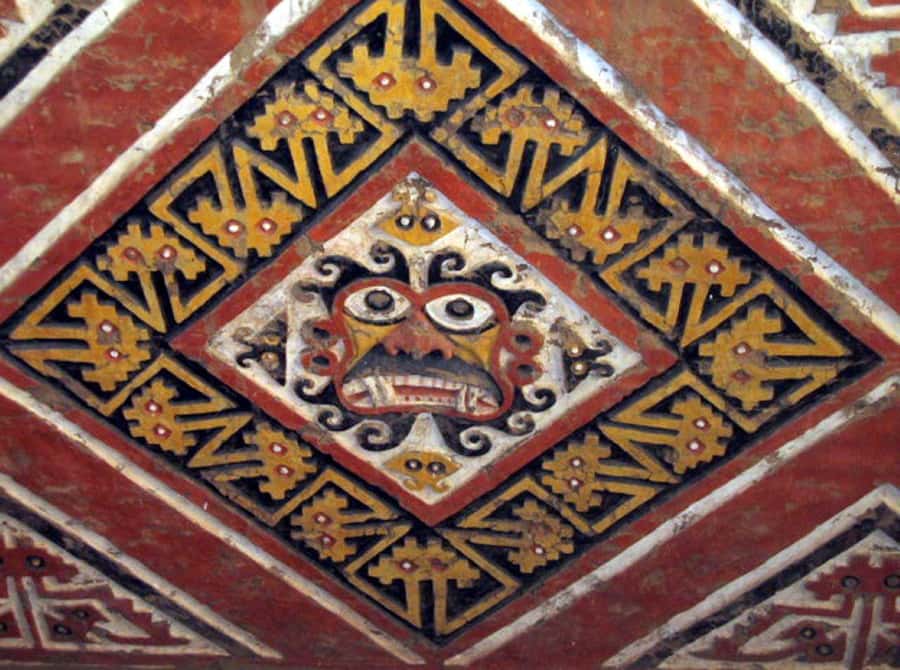
- Huaca del Arco Iris (Huaca del Dragon): the stop focuses on Chimu traditions and the symbolism you can spot in murals and stelae.
- Huanchaco fishing village break: you get free time for lunch and a chance to see traditional Caballitos de Totora boats.
- Chan Chan is huge and very specific: you visit areas like Nik An, ceremonial squares, granaries, and ancient cemeteries, not just one quick viewpoint.
- Small group, guided movement: pickup and transport by minibus or bus help you avoid the hassle of coordinating rides across sites.
A Full-Day Route Through Moche and Chimu Worlds
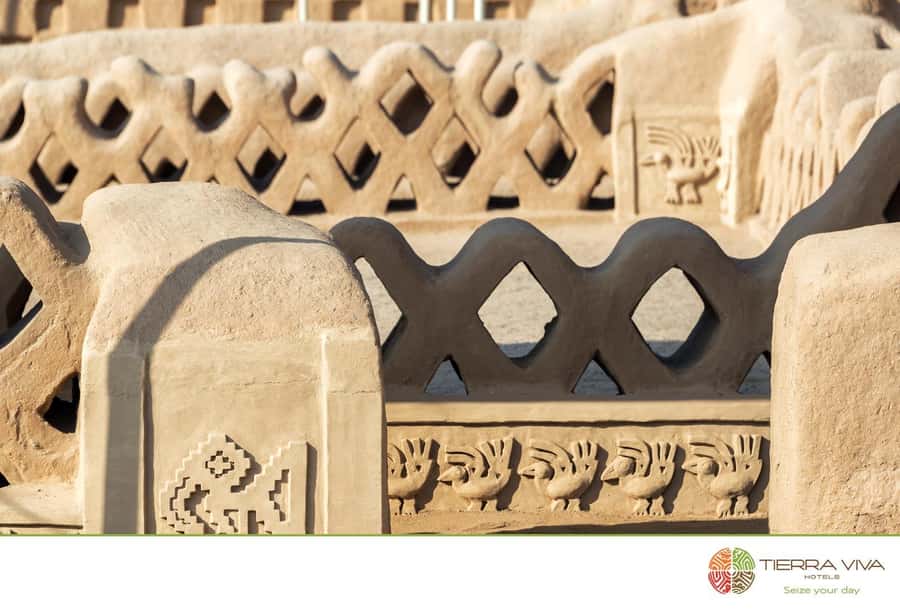
This tour is built for travelers who like their history with names, places, and visible clues. You’re basically doing a guided storyline: first the Moche period around the Pyramids of the Sun and the Moon, then a switch to Chimu culture at Huaca del Arco Iris (Huaca del Dragon), and finally the big Chimu statement at Chan Chan.
That structure is what makes the day satisfying. Instead of seeing three random ruins, you’re learning how different pre-Columbian peoples expressed power and belief through sacred architecture, murals, and urban planning. And because it’s a guided day with pickup from your hotel, you can spend your energy on paying attention rather than figuring out logistics between stops.
The pace is still intense. You’ll move from Trujillo’s main square to archaeological sites, then down to Huanchaco for lunch time, and back to Trujillo by around 6:00 pm. If you like a slower tempo—coffee breaks, long wandering, zero time pressure—you might feel the schedule.
You can also read our reviews of more tours and experiences in Trujillo.

Pyramids of the Sun and Moon: What to Look For
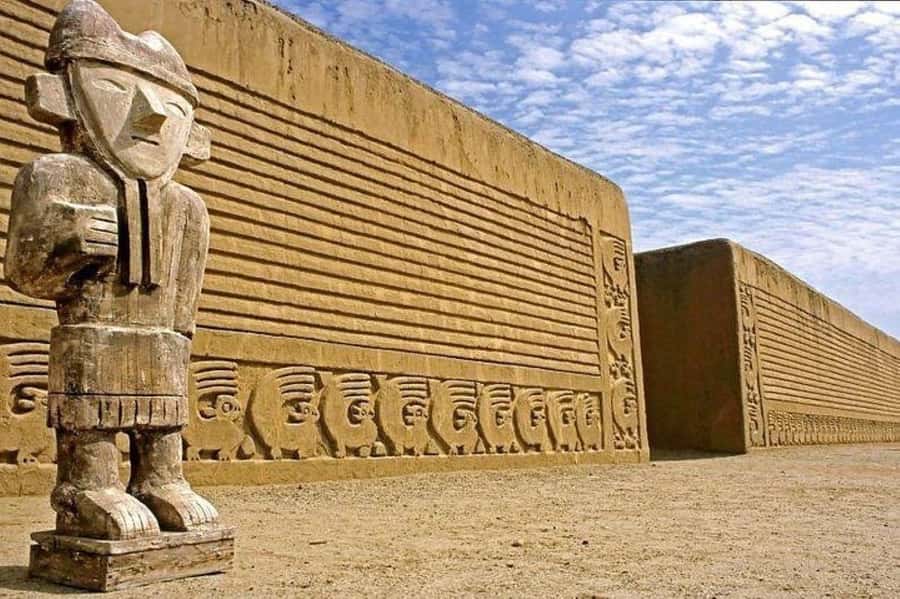
Your day starts at the Pyramids of the Sun and the Moon area. From Trujillo’s main square, you’re transported straight to the archaeological site, where your guide explains the significance of the huacas—pre-Columbian sanctuaries tied to belief, ceremony, and the social order.
Here’s the key thing I’d focus on while you’re there: don’t treat the pyramids as just impressive shapes. The tour frames them as part of a larger system of sacred spaces in the Trujillo Valley during the pre-Columbian Moche period. That framing changes how you walk through the site. You start asking practical questions like:
- What kind of society builds something like this?
- How would sacred architecture reinforce authority?
- Why do huacas matter beyond religion?
Even if you only catch the highlights, this is the kind of guided stop that makes the rest of the day easier to understand. You’ll also be in the right mindset for the next shift, because the tour isn’t done with one culture—it keeps moving.
Practical note
Entrance fees aren’t included in the tour price, so be ready for that extra cost when you arrive. Bring cash just in case, since the tour advises you to carry it.
Huaca del Arco Iris (Huaca del Dragon): Chimu Symbols in Adobe
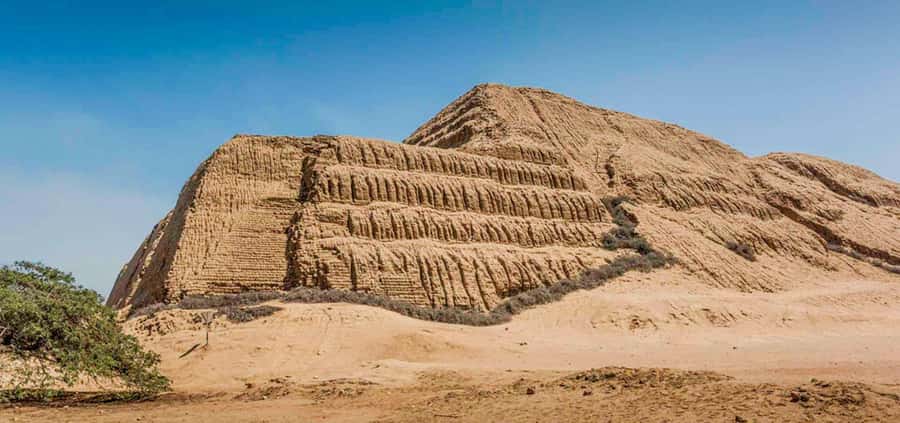
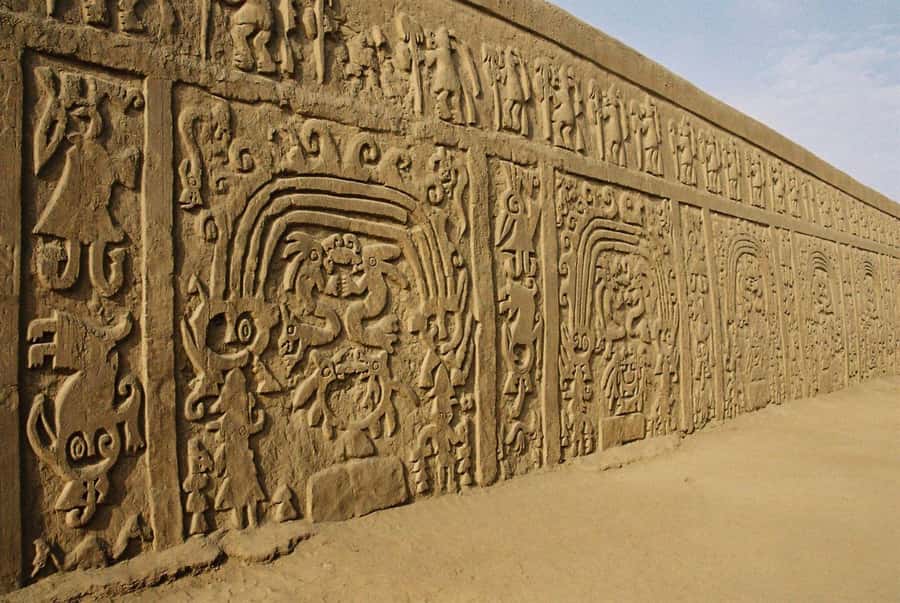
After the Pyramids, you go to Huaca del Arco Iris, also known as Huaca del Dragon. This stop is where the day turns more interpretive. Your guide talks about Chimu beliefs and traditions and points you toward the details that make this site feel alive rather than dusty.
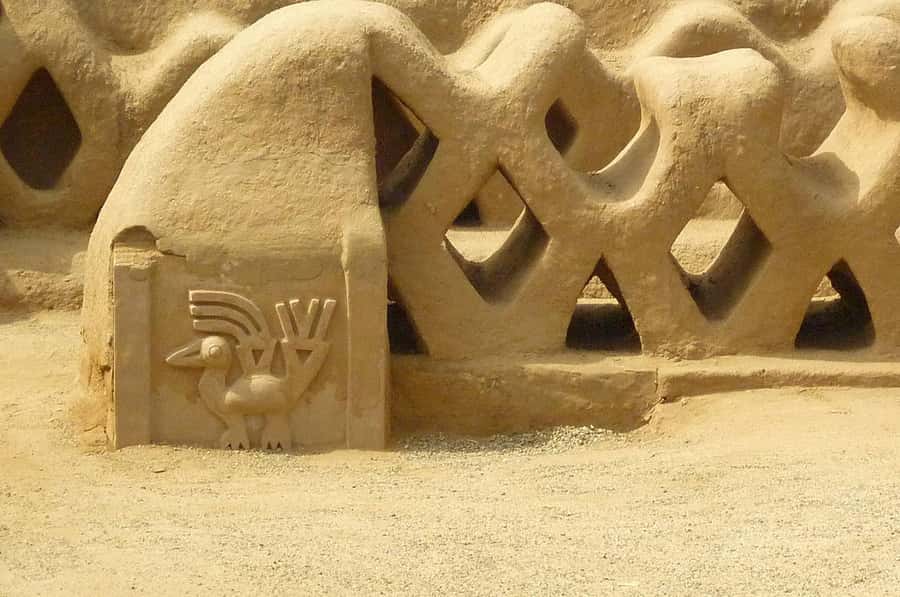
Pay attention to how the tour describes what’s here: stelae and murals, with sacred forms carved in adobe. The guide helps you try to decipher dragons and other sacred shapes. That’s not just fun trivia. It’s a way of understanding how art functioned in Chimu culture—symbols weren’t random decoration; they were meaning.
If you enjoy photo time, this is also the area where you’ll likely want your camera ready, because murals and carved forms are the kind of things that look flat in a quick glance. Spend a little time letting your guide point out specific elements, then you’ll have a better chance of spotting them again once you’re moving on.
A small reality check
Because this is a full-day itinerary, you may not get unlimited time at each place. I recommend you treat Huaca del Arco Iris like your chance to ask questions—if you’re curious about symbols, ask while the guide is standing right there with you.


Huanchaco Fishing Village: Caballitos de Totora and Lunch on Your Terms
Then comes Huanchaco, a picturesque fishing village where the tour gives you time to see traditional fishing boats called Caballitos de Totora. These are the kind of visuals you remember later, because they link the modern town to older maritime traditions.
The schedule gives you free time for lunch here. That’s a good thing. Ruins are the brain-tax part of the day. Huanchaco’s role is to reset you—different scenery, local rhythm, and time to recharge without a guided script.
How to use the lunch break well
One practical drawback from past experiences: lunch can be slower than you want, and orders can go wrong. I can’t predict how it will be on your day, but the safest approach is to plan your expectations. Eat something that won’t make you feel stressed if timing slips. If you’re hungry-hangry afterward, you’ll end up rushing Chan Chan and missing details.
Also, if you’re carrying a jacket (recommended), Huanchaco can be cooler near the coast, especially later in the day.
Chan Chan: Nik An, Ceremonial Squares, Granaries, and Cemeteries
Chan Chan is the final big act. It’s a World Heritage Site and, according to the tour description, the largest adobe city in the Americas. This matters because you don’t experience Chan Chan like a single monument. You experience it like an urban complex—architecture spread across zones tied to ceremony, storage, and burial.
Your guided visit includes Nik An, ceremonial squares, granaries, and ancient cemeteries. That combination is why the tour feels worth it. You’re not just walking along walls; you’re getting a picture of how a city could function for a culture with strong ties to ritual and governance.
Here’s how to get the most out of the visit:
- Think in functions: ceremonial squares for public/religious space; granaries for storage and order; cemeteries for the final layer of community.
- Look for geometry and boundaries: adobe cities aren’t just random piles of mud. The layout gives clues about planning.
- Let your guide link what you see to Chimu culture: the tour frames Chan Chan as the Chimu built complex, so the guide will likely connect architecture to belief and power.
Chan Chan can feel slightly overwhelming because it’s large. Small-group size helps here, since you can keep up and ask questions without getting swallowed by a crowd.
What to do with your time
Go slow enough to notice the tour’s promised highlights, then use whatever extra minutes you have to return your attention to the areas that match your interests. If murals and symbols grabbed you earlier, you’ll likely enjoy the ceremonial spaces most here.
Price and Logistics: Does $65 Feel Like Value?
At $65 per person for an 8-hour guided day, the value depends on what you want out of the trip. This price is positioned as “transport + guide + pickup,” not a fully bundled museum day.
Included:
- Transportation by minibus or bus
- Spanish speaking guide (and the tour is offered with English as well)
- Pickup from your hotel
Not included:
- Entrance fees to all places visited
- Meals not mentioned
That structure can still be a good deal. You’re covering multiple major sites in one go: Pyramids of the Sun and Moon, Huaca del Arco Iris (Huaca del Dragon), Huanchaco break, and Chan Chan. Coordinating those independently around Trujillo would likely cost you time, energy, and some cash anyway—especially if you don’t already know the routes.
But here’s the honest caution: your day’s value can drop if the schedule includes extra stops that aren’t your priority. I’ve seen feedback where time felt uneven, and where travelers wished they had spent more time at the archaeological areas. Another detail that came up in past experiences: an English speaker was asked to pay an extra fee for a bilingual guide. That might not happen on every outing, but it’s worth keeping in mind if you’re booking specifically for English.
If your goal is maximum time at ruins and maximum clarity in your language, email or confirm language setup ahead of time. It’s the easiest way to protect your day.
Guide Style, Pace, and Your Best Strategy
This tour is guided throughout, and that’s the point. Good guidance turns ruins into meaning: Moche sacred spaces become understandable; Chimu symbolism stops being vague; Chan Chan becomes a city with functions you can name.
One past experience described a very enthusiastic guide who was knowledgeable and happy to explain more when the traveler showed interest in history. That matters. If you ask questions—what you’re seeing, why it mattered, what the symbolism might mean—you’ll likely get more out of the day.
The small group size (limited to 10) helps you stay engaged. You’re less likely to get lost, and more likely to hear the guide clearly as you move.
My strategy for getting more from an 8-hour day
- Bring a short list of questions for each stop.
For example: What makes a huaca different from other structures? How do dragons show up as sacred symbols? Why does Chan Chan’s layout matter?
- Use the Huanchaco break to reset, not to speed-eat and stress.
- When you arrive at Chan Chan, decide ahead of time which highlights you care about most (Nik An, ceremonial squares, granaries, cemeteries). Then commit your attention there.
What to Bring (and Why It Matters Here)
The tour gives a simple packing list, and it’s there for a reason. Here’s what you should actually think about:
- Passport or ID card: you’ll want it for identification if requested.
- Camera: lots of architectural details and coastal village scenes.
- Jacket: the coast and late afternoon can feel cooler.
- Cash: the tour specifically mentions cash, which is useful for entrance fees and small purchases.
- Personal medication: if you need it, don’t rely on finding it that day.
- Pen: sometimes helpful for forms.
If you’re prone to back discomfort, note that the tour isn’t suitable for people with back problems. Also, it isn’t suitable for wheelchair users, and it isn’t appropriate for pregnant women or people with heart problems. This is a full day with walking and uneven ground.
Who Should Book This Tour (and Who Might Prefer Something Else)
This excursion fits best if you:
- Want a guided introduction to pre-Columbian culture around Trujillo—Moche and Chimu in one day.
- Like a structured route with time for both archaeology and a coastal village break.
- Appreciate architecture and symbolism, not just quick photos.
- Prefer a smaller group experience rather than a large bus crowd.
You might reconsider if you:
- Have medical or mobility limits that make 8 hours of walking and transitions hard.
- Want a slow, flexible day focused on just one site.
- Are extremely sensitive to schedule changes, especially at lunch time.
Should You Book This Pyramids, Huanchaco, and Chan Chan Tour?
If your priority is seeing major Chimu and Moche sites in one efficient day, this tour is a strong option. The combination of Pyramids of the Sun and Moon, Huaca del Arco Iris (Huaca del Dragon), and Chan Chan’s labeled zones (Nik An, ceremonial squares, granaries, cemeteries) gives you more than a basic sightseeing circuit.
I’d book if you can handle a full-day pace and you’re prepared for entrance fees and the realities of a fixed schedule. I’d be cautious if you rely on perfect English-only interpretation, since one past experience mentioned an extra payment for a bilingual guide. Quick confirmation ahead of time is smart.
Overall: for travelers who want guided context and a coherent storyline between cultures, it’s a good value way to spend a day in the Trujillo area.
FAQ
Where does the tour meet?
You meet at the indicated time in the main square of Trujillo.
How long is the tour?
The duration is 8 hours, with starting times depending on availability.
How much does it cost?
It costs $65 per person.
What’s included in the price?
Transportation by minibus or bus, a Spanish speaking guide, and pickup from your hotel are included.
Are entrance fees included?
No. Entrance fees to all places visited are not included.
Is the tour offered in English?
Yes, it’s offered with a live tour guide in Spanish and English.
Is the tour suitable for wheelchair users?
No. It’s not suitable for wheelchair users, and it also isn’t suitable for pregnant women, people with back problems, or people with heart problems.