REVIEW · TRUJILLO
Trujillo Shore Excursion from Salaverry Port
Book on GetYourGuide →Operated by TOURS EN TRUJILLO -NORTE EXPEDITION · Bookable on GetYourGuide
Ancient pyramids and fishing boats in one hit. I really like how this tour links Huacas Sol y Luna with Chan Chan, and then adds a quick photo stop in Trujillo’s colonial center. You also get strong English guidance, with history explained in a way that makes the sites feel real. One thing to keep in mind: the day is tight, so Huanchaco lunch can turn into more photos and views if time runs short.
This is a classic “big hits in one day” route. You’ll see the Moche religious complex from about 100 to 900 AD, then head to the Chimu world of Chan Chan, followed by Huanchaco’s traditional fishing scene with caballitos de totora. The only drawback I’d flag is that you’ll be on your feet at archaeological areas, so plan for comfortable shoes and steady walking for the full 6 hours.
In This Review
- Key points to know before you go
- From Salaverry Port to Trujillo: the smooth start that matters
- Huacas Sol y Luna: reading the Moche temples without needing a degree
- Trujillo’s colonial center and Plaza de Armas photo time
- Chan Chan: the largest adobe city in America (and why that’s a big deal)
- Huanchaco fishing village: caballitos de totora and your best lunch options
- Price and value: is $95 a fair deal for 6 hours?
- How guides shape your experience: the difference between facts and meaning
- What to bring for a 6-hour shore day that includes ruins and a beach
- Should you book this Trujillo shore excursion from Salaverry?
- FAQ
- How long is the Trujillo shore excursion?
- How much does the tour cost?
- What sites are included in the itinerary?
- Is lunch included?
- What’s included in the price besides the guide?
- Is there a ticket line to wait in?
- Where do we meet inside Salaverry Port?
- How do I make sure I get the right bus?
- What should I bring for the day?
- Is the tour suitable for very elderly travelers?
- Can I cancel and get a refund?
Key points to know before you go
- Huacas Sol y Luna shows two flat-topped pyramids (huacas) tied to Moche religious life (100–900 AD)
- Plaza de Armas in Trujillo includes a built-in window for photos and a quick look at colonial mansions
- Chan Chan is the largest adobe city in America, built by the Chimu over about 20 square kilometres
- Huanchaco gives you the fishing-village feel, plus views of caballitos de totora still used today
- Pickup inside Salaverry Port keeps the day efficient and reduces the chance of confusion
- Entrance tickets and skip-the-ticket-line are included, so you spend less time waiting
From Salaverry Port to Trujillo: the smooth start that matters
Shore days can feel rushed before you even leave the ship. This one starts with an advantage: pickup is inside Salaverry Port, from the bus parking area. You don’t wander around looking for the right van. You also follow a clear rule set—inform the captain that you’re with a registered, authorized company, and don’t take other buses from the port or ship area.
A helpful detail: the staff is identified with the NORTE EXPEDITION logo, and you only need to walk from the ship to the buses area about 20 meters. You’ll also be added to a WhatsApp group about 24 hours before departure for pick-up coordination. That kind of prep reduces stress when you’re dealing with cruise timing and port logistics.
Once you’re in the vehicles, the pace makes sense for a 6-hour window. The route is designed like a chain of three major culture stops, plus a coastal fishing ending. You’re not going deep on any single site, but you do get the major “you’re really here” moments: temple pyramids, an adobe empire city, and the still-working fishing scene.
You can also read our reviews of more tours and experiences in Trujillo
Huacas Sol y Luna: reading the Moche temples without needing a degree
The Moche temples of Sol y Luna and Huacas are the spiritual core of the day. This complex connects to a religious center developed between roughly 100 and 900 AD, and you’ll quickly see why people built with such dramatic scale.
Here’s what makes the stop click: the archaeological complex shows two large pyramids with flat tops, called huacas. Even without technical background, you can look at the geometry and imagine ceremonial movement and gathering. It’s one of those places where the structure explains the culture. The flat tops and pyramid shapes aren’t just decorative—they’re part of how power and belief were staged in physical form.
You’ll get English narration from the guide (and there’s also a Spanish guide component), which matters a lot at temple sites. Ruins can look like piles of old stone and mud if you’re staring with no context. When the story is explained clearly, you start spotting patterns—where you are in relation to the pyramids, how the complex is laid out, and what the site likely meant to the Moche.
Practical note: temple complexes usually mean uneven ground and lots of walking. Bring a hat, wear shoes that grip, and expect you’ll want your camera ready—because you’ll pass angles where the pyramids look bigger than they do from the road.
Trujillo’s colonial center and Plaza de Armas photo time
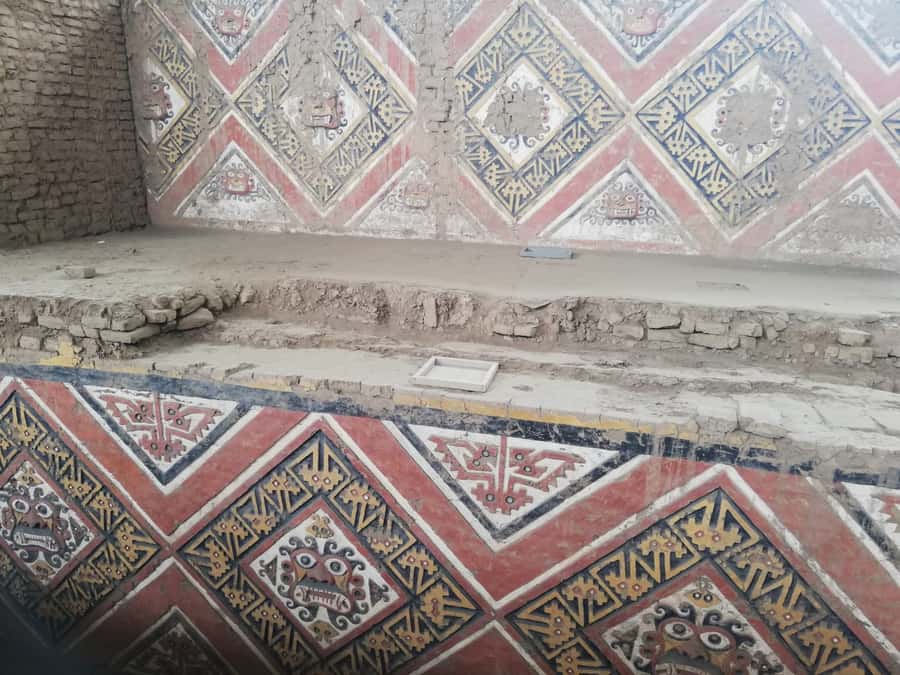
After the archaeological stop, the tour shifts gears to the human scale of Trujillo. This is where you get the colonial city experience, including a look at some of the best-preserved mansions in the area. If you like streets that feel lived-in rather than museum-only, this is your breathing space.
The centerpiece is Plaza de Armas, where you get about 20 minutes of free time for photos. That’s not long, but it’s long enough to do three smart things: get the classic square shot, take a few side-street pictures, and then return before the group needs to move on. If you’re traveling with a camera-lens brain, plan your shots fast here. The light and angles change quickly, and your next stop is a full-on archaeological complex.
This quick Trujillo pause also helps the day feel balanced. You’re not only seeing ancient sites; you’re also getting a sense of the present-day city texture around them. Mansions around the square give you contrast—colonial architecture sitting on top of a long, older Peruvian timeline.
My practical advice: treat this 20 minutes as a mini sprint. Decide in advance if you want wide plaza photos, close-up facade details, or street portraits. Do one main plan, then grab a few backups.
Chan Chan: the largest adobe city in America (and why that’s a big deal)
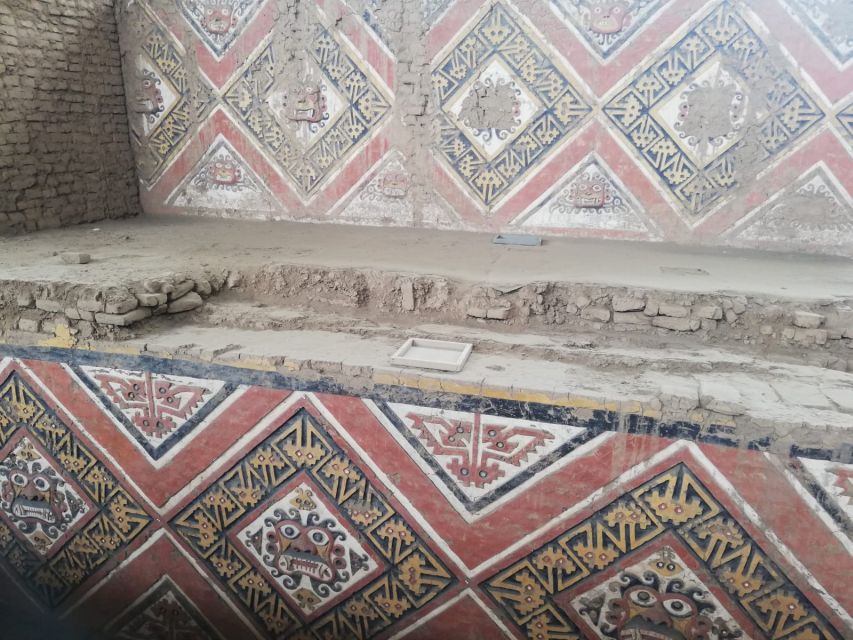
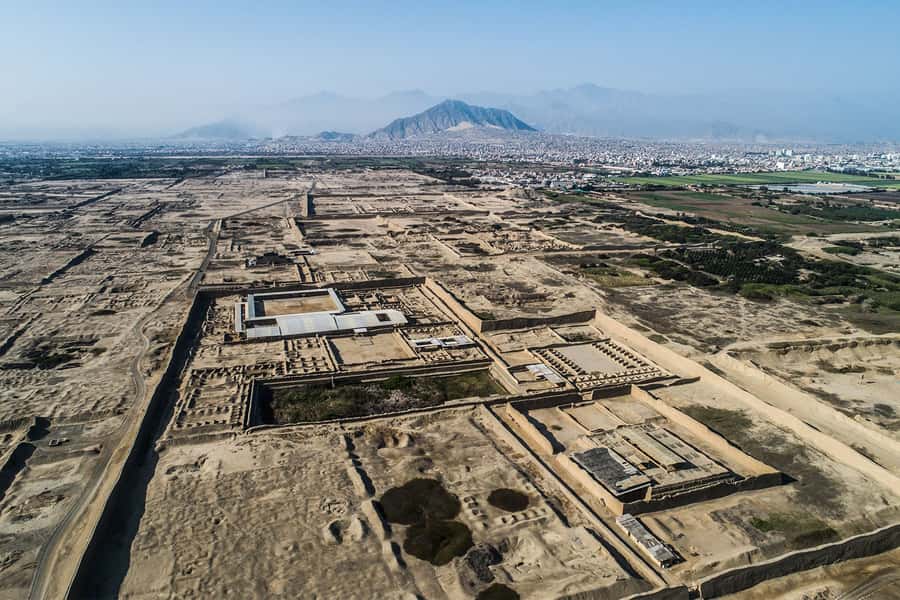
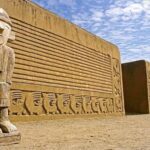
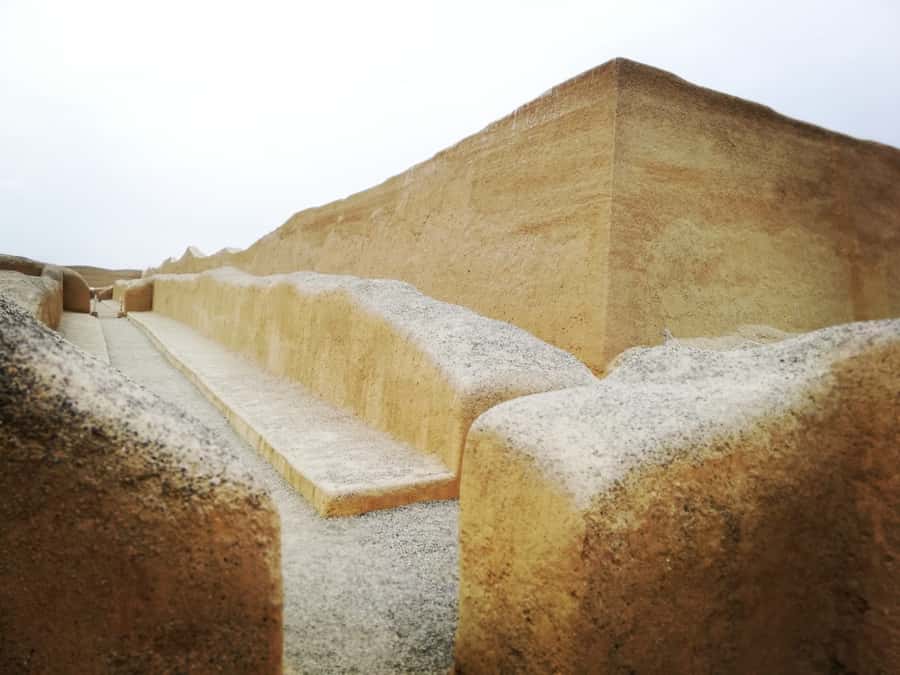
Chan Chan is the star-level stop on this route. It’s described as the largest adobe city in America, built by the Chimu and covering about 20 square kilometres. That size alone helps you understand why this stop feels different from smaller ruins. This wasn’t a single temple. It was a whole city-scale system.
Chan Chan can also look confusing if you arrive with zero context—adobe ruins don’t always scream city planning the way stone buildings do. That’s where the guide earns their keep. When the story is explained, you start mapping the space in your head: the way adobe structures create forms, how the city’s scale shapes movement, and why it’s such an important piece of pre-Inca-era life.
The value for you is the combination of size and meaning. You’re not just seeing one building. You’re seeing the footprint of an entire civilization shaped in mud and craft. Even if you only cover a portion during a shore-day visit, the scale makes it memorable.
Timing matters here. This is a major stop, so you won’t have endless roaming time. Think of it as a focused overview where you leave with the big picture—then you can decide later if you want a longer repeat visit in Peru that spends more time in the details.
A small tip for photos: adobe structures can have very soft tones and shadows. If the sun is strong, you’ll get the clearest texture in the areas with shade edges. Keep your camera ready when the group pauses—those short moments often produce the best shots.
Huanchaco fishing village: caballitos de totora and your best lunch options
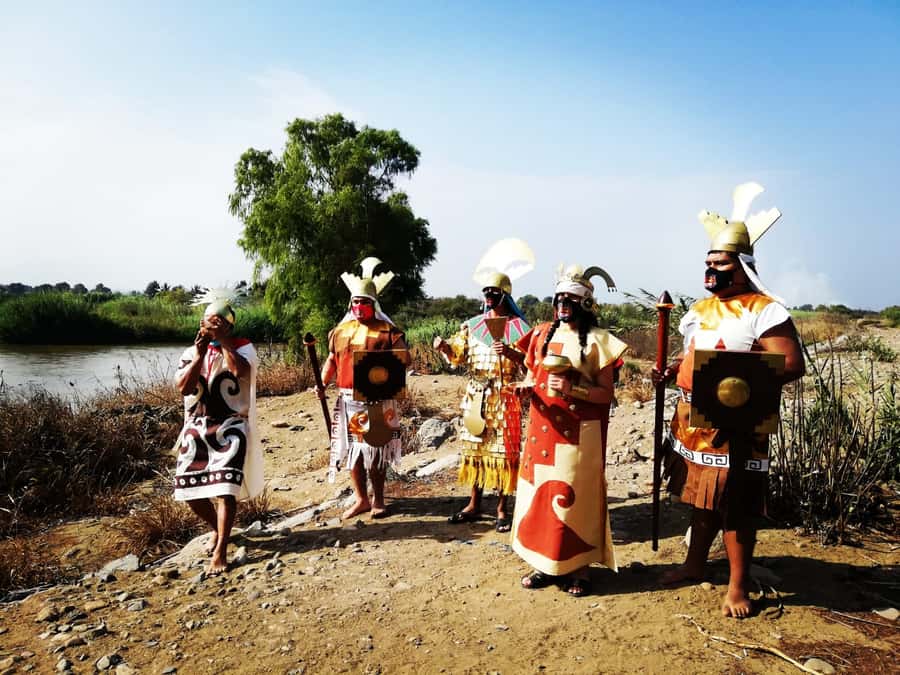
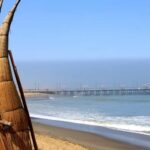
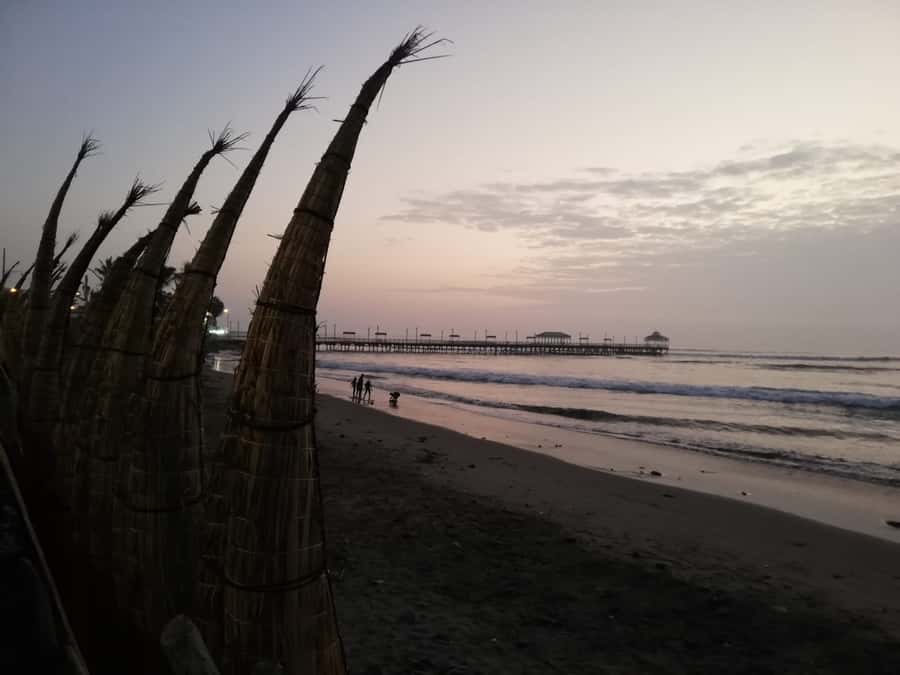
To close the day, you’ll head to Huanchaco, an ancient fishing village known for its beaches and for the traditional fishing boats called caballitos de totora. These are still used today, which makes the scene feel less like a staged souvenir photo and more like living tradition.
Huanchaco is also where you might grab lunch. The tour info says lunch is based on seafood or, depending on time, you may shift more toward photos. Either way, you’ll have a coastal backdrop to match the earlier archaeological stops. It’s a nice rhythm change: from sunbaked temples to sandy breezes and working boats.
If you care about food: meals aren’t included on this tour, so you’ll want cash on hand. Seafood lunch is the plan, but because time can affect what’s available, you should be prepared to adjust. If the lunch window gets shorter, focus on getting something simple and filling so you can enjoy the final return to the port without feeling drained.
If you care about photos: caballitos de totora are your main target. Look for the boats and the people working around them, then add wide beach context shots. The best pictures usually combine action (boats in use) with a bit of shoreline environment.

Price and value: is $95 a fair deal for 6 hours?
At $95 per person for a 6-hour shore excursion, this tour is priced like an organized cultural circuit. The value comes from what’s included: pickup and drop-off from Salaverry Port Gate (inside the port), an English tour guide with Spanish support, and entrance tickets. You also get a skip-the-ticket-line benefit, which is a quiet but real time-saver on busy days.
What’s not included is meals and drinks. That’s normal for this kind of half-day shore program, but it changes how you should think about the total cost. The real question is whether you’ll buy lunch in Huanchaco. If you do, you’re adding to the day’s expense—but you’re also getting a local meal as part of the fishing-village setting.
Another value point: the day mixes “big three” cultural stops—Moche temples, Chimu-era Chan Chan, and the Trujillo colonial center—plus a coastal finale. If your cruise only gives you one 6-hour shot in this region, this route makes efficient use of limited time.
How guides shape your experience: the difference between facts and meaning
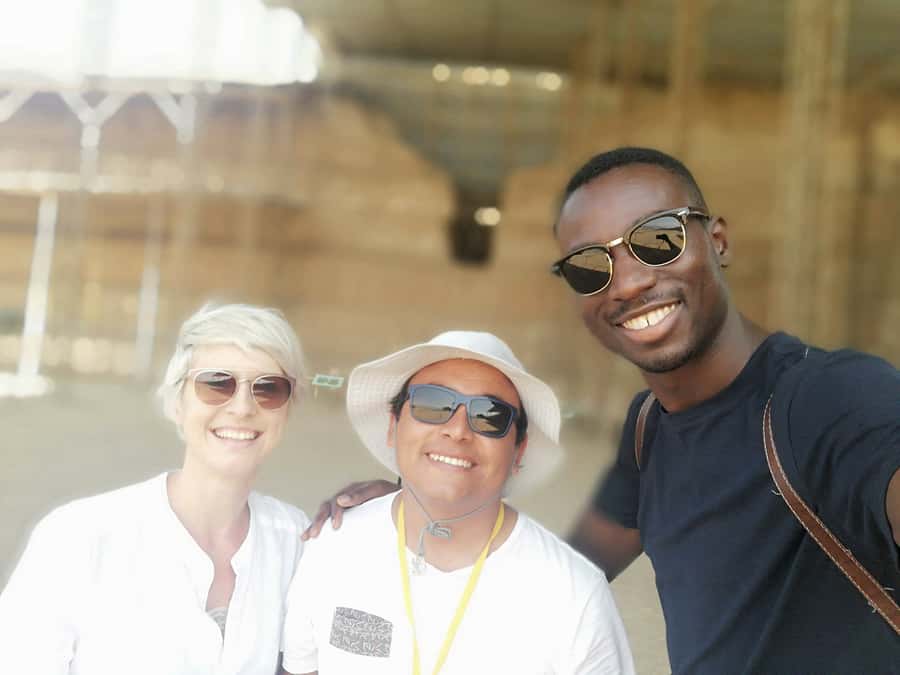
One theme from the experience is that the guide delivery matters. On this tour, English narration can make the sites feel connected rather than disconnected. Some participants specifically praised guides like Wilmer for being informative and bringing history to life, including using visual aids (like pictures) to explain what you’re seeing. Others highlighted Edwin as friendly and knowledgeable in how he explained what’s in front of you.
That doesn’t mean every explanation pace will match your preference. One person noted that the guide spoke quickly at times and could slow down more. That’s something you can manage: if you want slower pacing, ask simple follow-up questions during stops, especially when you’re near pyramids, adobe structures, or plaza architecture.
When the explanation is good, you’ll leave with more than photos. You’ll understand why a pyramid is shaped a certain way, what an adobe city represents, and how the fishing village tradition fits into Peru’s coastal culture.
What to bring for a 6-hour shore day that includes ruins and a beach
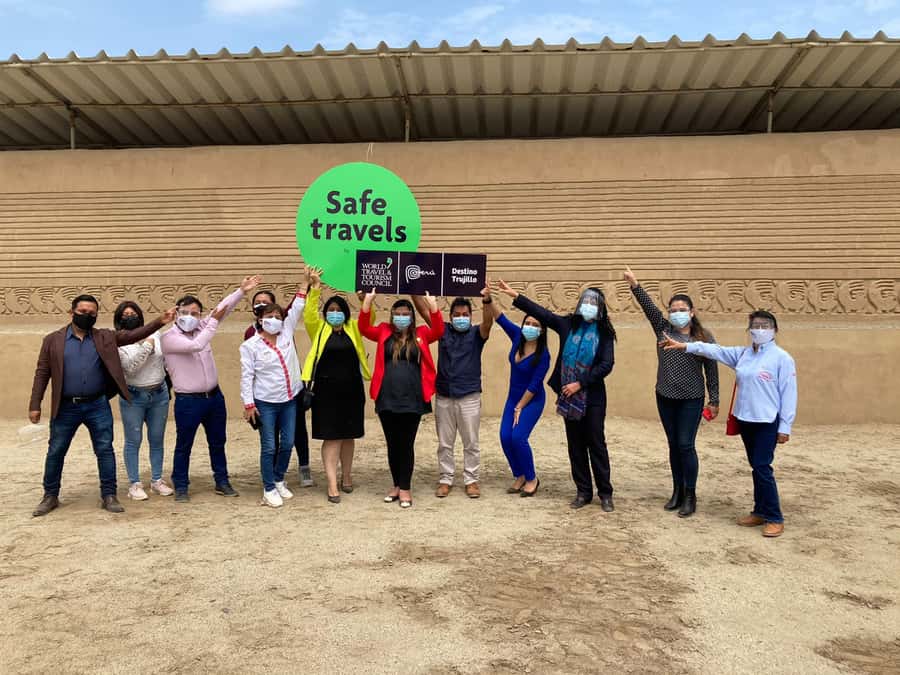
Pack for mixed terrain: archaeological areas plus street-level time in town and then Huanchaco’s coastal zone. I’d bring:
- Comfortable shoes with good grip
- Hat for sun (temples and plazas don’t offer much shade)
- Camera and fully charged phone (you’ll want both: Plaza shots and boats)
- Comfortable clothes that can handle heat and walking
- Cash, since meals and drinks aren’t included
Also consider your energy. This isn’t a sit-and-ride-only route. You’ll be walking and standing enough that “good shoes” becomes a real part of the enjoyment, not just a checklist item.
Age note: the tour is not suitable for people over 95 years. That tells you the day expects a certain stamina level.
Should you book this Trujillo shore excursion from Salaverry?
Book it if you want the best “one-day overview” package: Moche temples, Chan Chan, Trujillo’s colonial heart, and a Huanchaco finale where caballitos de totora are still part of real fishing life. The included entrances, skip-the-ticket-line setup, and organized pickup inside Salaverry Port help a lot when you’re dealing with cruise schedules.
Skip it (or look for a longer option) if you hate tight itineraries or you’re hoping for lots of unstructured time. This is a 6-hour circuit, so you get focused highlights rather than slow exploration.
If you’re the type who likes understanding what you’re looking at—temples, cities, and why they mattered—this route is a strong use of limited shore time.
FAQ
How long is the Trujillo shore excursion?
It lasts 6 hours.
How much does the tour cost?
The price is $95 per person.
What sites are included in the itinerary?
You visit Huacas Sol y Luna, Trujillo’s colonial city and Plaza de Armas (with free time), Chan Chan, and Huanchaco.
Is lunch included?
Meals and drinks are not included. Lunch in Huanchaco is based on seafood if time allows.
What’s included in the price besides the guide?
Pickup and drop-off from Salaverry Port Gate, an English tour guide with Spanish guide support, and entrance tickets are included.
Is there a ticket line to wait in?
No. The tour includes skip-the-ticket line.
Where do we meet inside Salaverry Port?
Pickup is inside Salaverry, from the bus parking area. You only need to walk from the ship to that parking area (about 20 meters).
How do I make sure I get the right bus?
Inform the captain that you’re with a registered and authorized company. Don’t take other buses from Salaverry. The staff is identified with the NORTE EXPEDITION logo.
What should I bring for the day?
Bring comfortable shoes, a hat, a camera, comfortable clothes, and cash.
Is the tour suitable for very elderly travelers?
It is not suitable for people over 95 years.
Can I cancel and get a refund?
Yes. Free cancellation is available up to 24 hours in advance for a full refund.