REVIEW · OLLANTAYTAMBO
From Cusco: Sacred Valley Group Tour with Buffet Lunch
Book on GetYourGuide →Operated by MPTC GETS · Bookable on GetYourGuide
One early start, then the Sacred Valley flies by. I like how this full-day group tour strings together the area’s core Incan sites in a logical loop, so you’re not spending your whole time figuring out transport between stops. The day kicks off in Chinchero, where the setting and Andenería terraces give you a real sense of how people worked the land.
I especially enjoyed the buffet lunch in Urubamba. It’s not a sad, filler meal either; it’s set up as an Andean spread of Peruvian favorites, and it breaks the long day in the right way. The guide also keeps the story clear, tying together salt mining and farming instead of treating each place like a separate postcard.
The main drawback is the pace. This is a 12-hour highlights route with plenty of stops, so if you like to linger, you may feel the schedule moving along faster than you’d choose on your own. Also, entry fees are extra—bring cash for the Sacred Valley access and the Salineras site.
In This Review
- Key highlights worth planning around
- From Cusco at Dawn: What the 12-Hour Day Really Feels Like
- Chinchero and the Church of Our Lady of Monserrat: The Rainbow-Town Start
- Moray’s Agricultural Experiments: Microclimates You Can Actually See
- Maras Salt Mines and the Evaporation Ponds: Incan Salt in the Real World
- Urubamba Buffet Lunch: A Real Break, Not a Speed Bump
- Ollantaytambo Fortress After Lunch and Pisaq Before Cusco
- Price and Added Entrance Fees: What You’ll Actually Spend
- Pace, Comfort, and Who This Tour Fits Best
- Final Call: Should You Book This Sacred Valley Day Trip?
- FAQ
- How long is the tour?
- What time is pickup from my hotel in Cusco?
- Is lunch included, and what kind is it?
- Are entrance fees to the sites included in the price?
- What languages does the guide speak?
- Is the tour suitable for everyone?
Key highlights worth planning around
- Chinchero first thing: Catch the rainbow-town vibe and Andenería terraces early, before the day gets hectic.
- Moray explains agriculture: Learn how the Inca experimented with conditions to grow crops.
- Maras salt mines in action: See evaporation ponds used since Incan times, not just ruins.
- Urubamba buffet lunch: A properly satisfying meal included in the price.
- Ollantaytambo plus Pisaq: Fortress focus after lunch, then one more stop before returning to Cusco.
From Cusco at Dawn: What the 12-Hour Day Really Feels Like
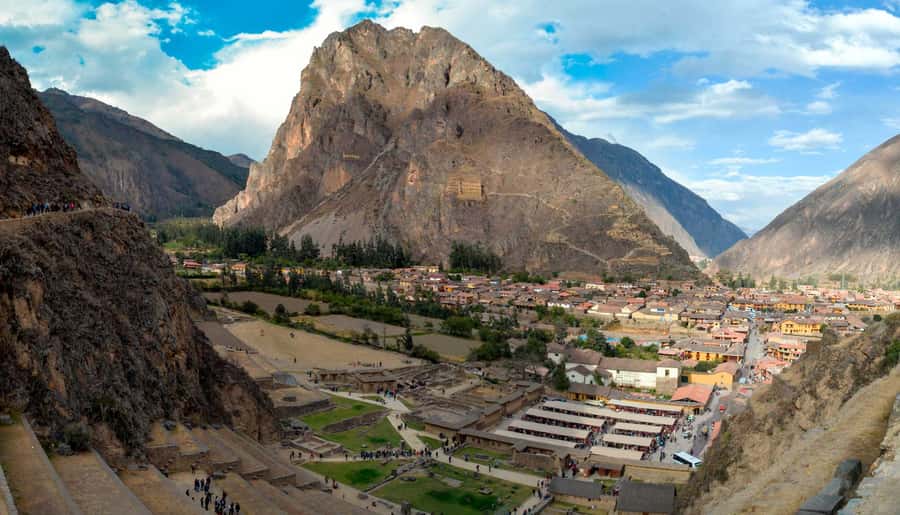
This tour is built for one goal: see the Sacred Valley’s biggest hits in one day without you doing logistics math. You’ll be picked up from your hotel in Cusco between about 6:35 and 6:50 am (some tours use a slightly wider 6:30–7:00 am pickup window depending on where your hotel sits). After that, it’s a steady flow from site to site, with time built in for stops, photos, and the big meal in the middle.
Plan for a full day outdoors. Even with comfortable transport between places, you’ll be on your feet at multiple stops. If you’re sensitive to altitude, start the day calm and drink water early. The schedule is long, but it’s structured, so you’re not scrambling for timing at every turn.
The vibe is “efficient and informative.” You’re going to learn the connections—how Incan salt mining and agricultural experimentation shaped life in the valley—rather than just ticking boxes of monuments. That structure is part of the value, especially if this is your first or only full day in Cusco.
You can also read our reviews of more tours and experiences in Ollantaytambo
Chinchero and the Church of Our Lady of Monserrat: The Rainbow-Town Start
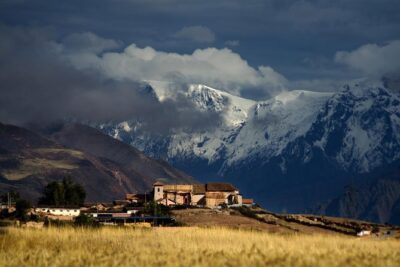
Chinchero is your first real immersion point. The town is known as the city of the rainbow, and the name fits the feel: bright energy, strong local identity, and a setting that makes you want to slow down for a minute.
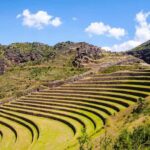
What you’ll do here is practical and meaningful. You’ll visit the Church of Our Lady of Monserrat and see the Andenería agricultural terraces. The terraces aren’t just scenery. They help explain how people shaped the land to grow food on challenging slopes—an idea that pops up again later when you visit Moray.
This stop also works as a warm-up. It gets you into the Sacred Valley “way of looking” early: you start noticing how the landscape is part of the system. That makes the rest of the day easier to understand, because you already have a mental framework for why terraces and experiments matter.
One consideration: mornings can feel cold in Cusco and along the route, even if the sun comes out later. Bring a light layer you can keep using as the temperatures shift through the day.
Moray’s Agricultural Experiments: Microclimates You Can Actually See
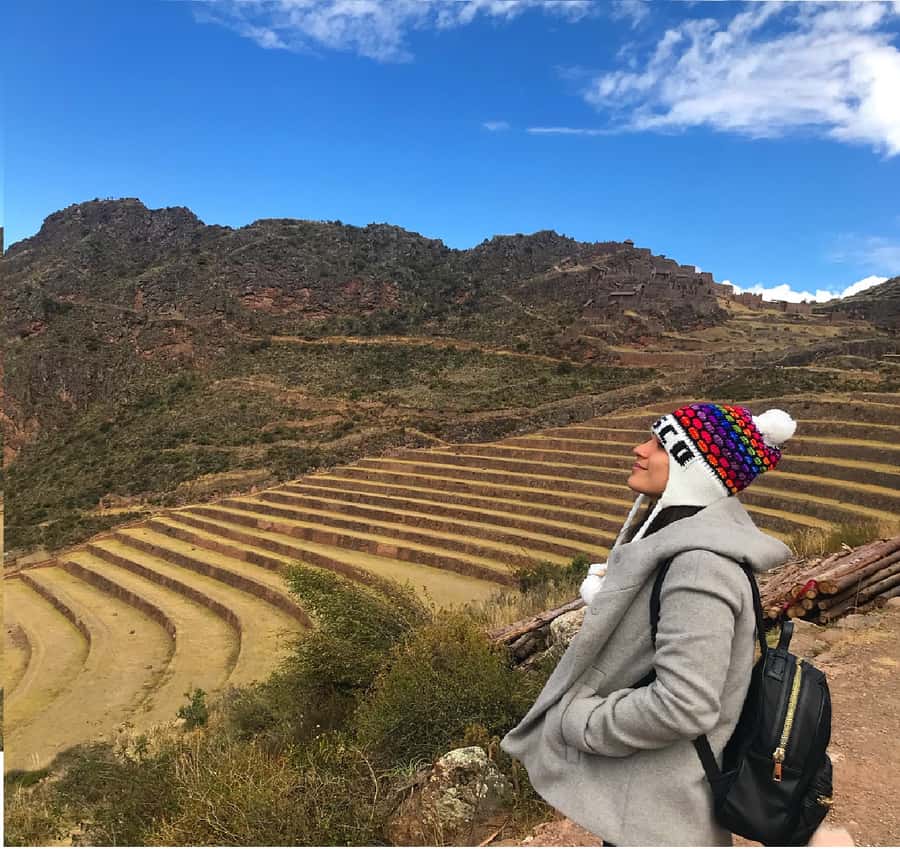
After Chinchero, the tour moves toward the agricultural side of the story, especially Moray. You’ll visit the agricultural experimentation platforms of Moray, which are thought to be part of how the Incas created micro-climates—small changes in temperature and conditions that helped crops grow more reliably.
Moray is fascinating because it turns “agriculture” from a vague concept into something physical. Instead of hearing about theory, you’re looking at built platforms and thinking through how they could affect growing conditions. Even if you’re not a plant science person, the visual logic helps. It also gives you a bigger picture for what you saw at Andenería: terracing and site choice weren’t accidents; they were tools.
If you care about authentic Incan engineering (not just beautiful views), this stop is a strong reason to take the tour. It’s not only about a site’s age. It’s about the method—testing, adapting, improving.
Because this is a group day, you won’t have infinite time. Still, Moray is the kind of place where even a short visit can feel rewarding if you pay attention to how the platforms are arranged.
Maras Salt Mines and the Evaporation Ponds: Incan Salt in the Real World
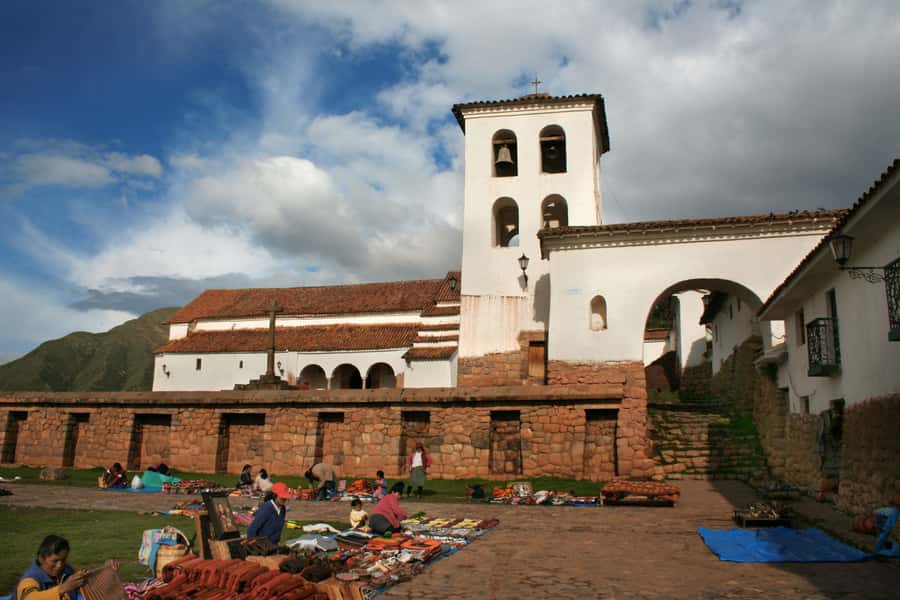
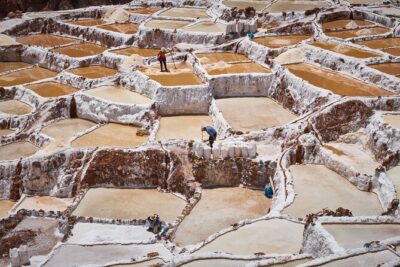
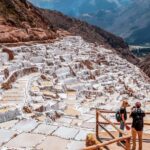
Next comes the salt story at Salineras (Maras salt mines). You’ll see the salt evaporation ponds, which have been in use since Incan times. This is one of the reasons this tour stands out: it doesn’t only point at ancient ruins. It shows a working landscape where the basic principle of evaporation still makes the system function.
Here’s how to enjoy it more: don’t just photograph the ponds. Look at how the layout follows the terrain and how water and sun do the heavy lifting. The whole process is simple, but it’s the kind of simple that takes skill and patience. That makes the salt mines feel more human and less like a museum stop.
Photo tip: the ponds can create strong contrast, and the light can change quickly. If you wear bright-colored clothing, you’ll often stand out in a fun way against the salt tones.
This is also where the “extra cost” detail matters. Entrance to Salineras is not included in the base price, so plan for that fee on top of the tour cost.
Urubamba Buffet Lunch: A Real Break, Not a Speed Bump
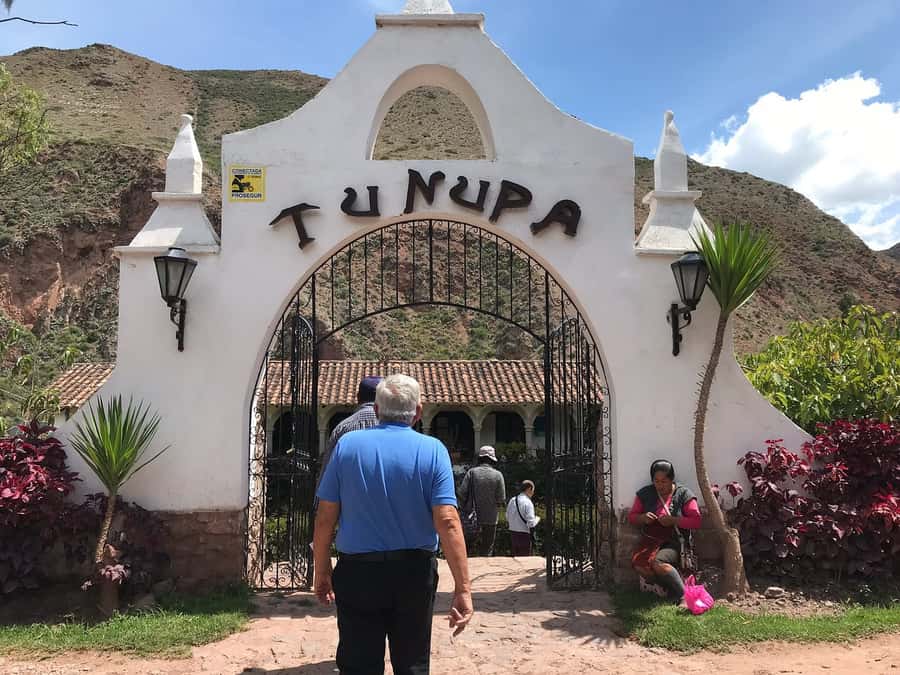
Then you hit the best kind of pause: lunch in Urubamba. After a busy stretch of terraces and agricultural stops, you’ll get a buffet lunch of authentic Peruvian cuisine. This is included as Andean buffet lunch, and it’s one of the most praised parts of the experience.
I like that lunch is not treated as an afterthought. It’s scheduled in the middle of the day, so you’re getting your energy back before the afternoon sites. The buffet format also helps if you eat differently than your travel partner. You can make it a lighter meal or go for more variety, depending on how your stomach feels at altitude.
Quick practical advice: if you’re prone to nausea when you travel high, keep the meal balanced and drink water. Also, watch portion sizes early in the day and save your most adventurous flavors for when you feel steady.
Even if you’re not a foodie, this lunch stop is value. It prevents the classic Sacred Valley problem—spending half your budget on snacks you don’t even like, because you’re too tired to hunt down something decent.


Ollantaytambo Fortress After Lunch and Pisaq Before Cusco
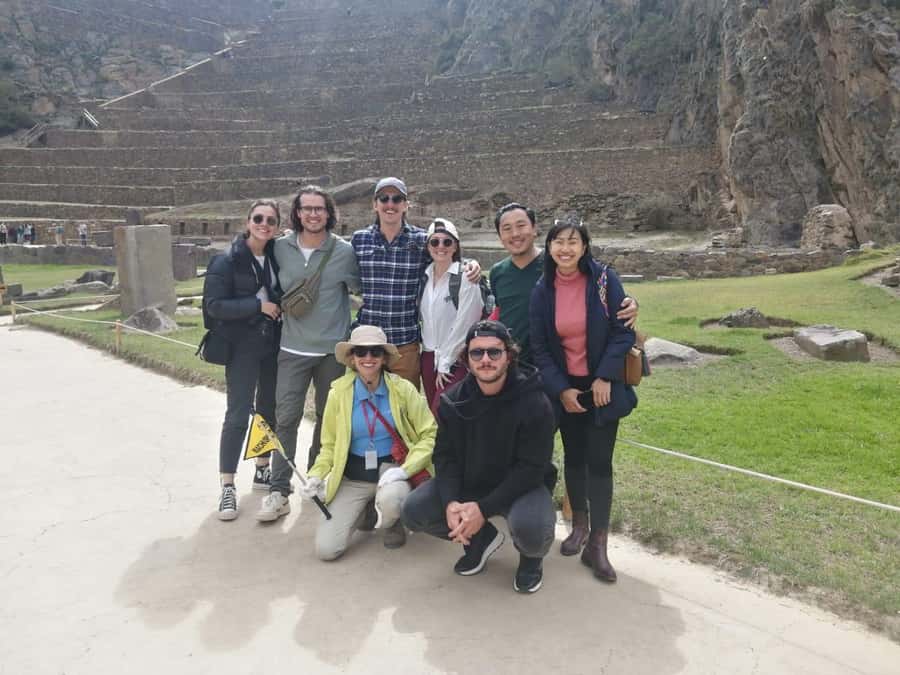
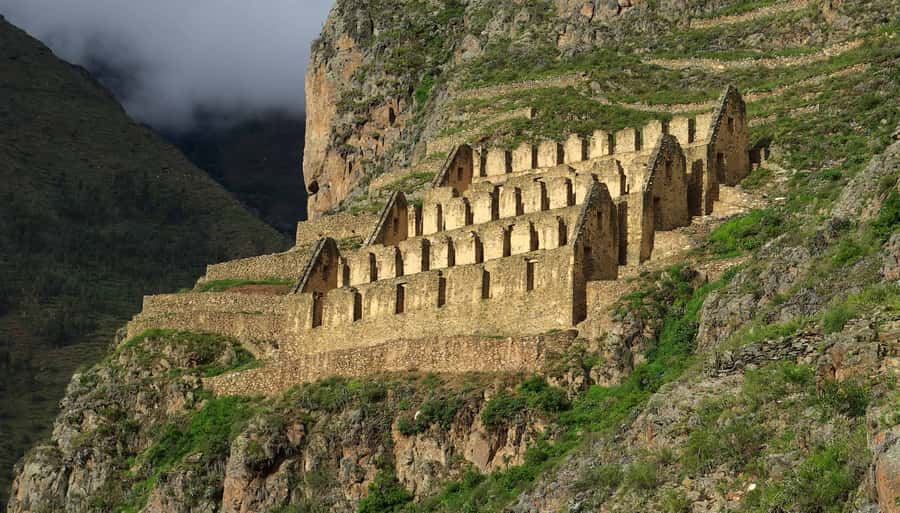
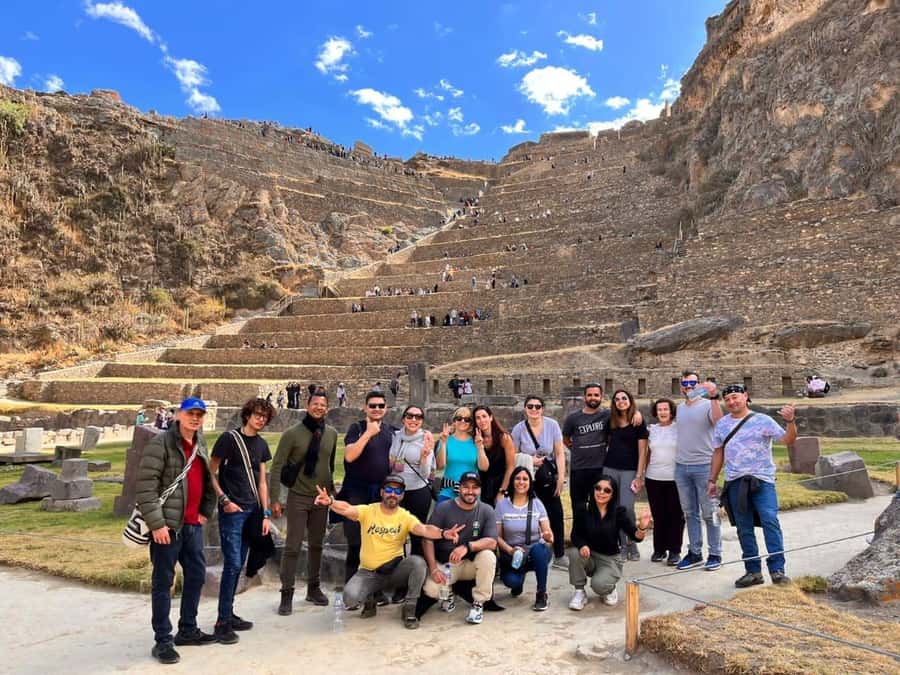
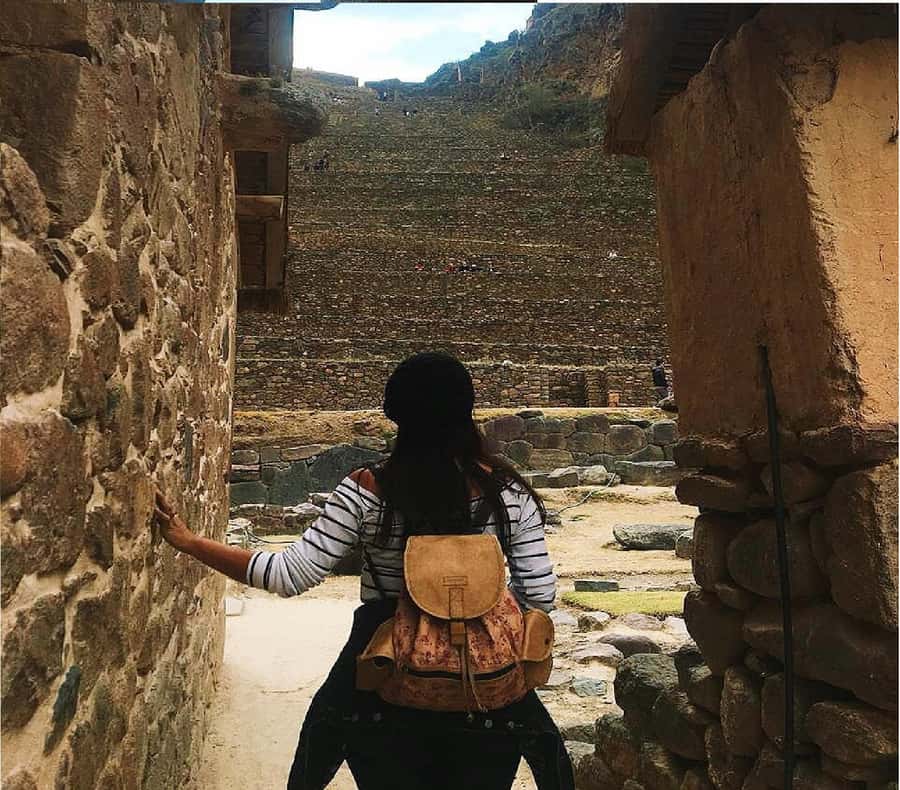
After lunch, the itinerary shifts into the military and religious side with Ollantaytambo fortress. The fortress served as a strategic military, agricultural, and religious center, so you’re not just seeing walls—you’re seeing how one place could control and support multiple parts of valley life.
This stop rewards curiosity. When you look at the fortress, try to connect it to what you learned earlier. The same valley that needed careful farming also needed defense and organization. The story gets more complete as the day goes on, because you’ve seen both systems: food and salt production, then governance and protection.
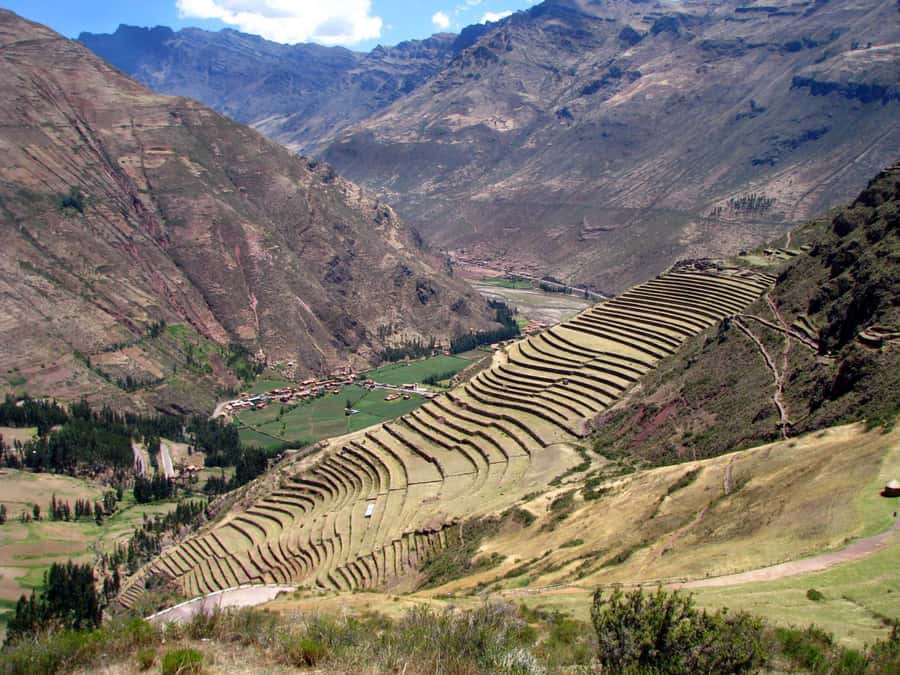
Time-wise, you’ll also fit in Pisaq before heading back to Cusco. It’s a final Sacred Valley taste that helps keep the day from feeling like it ends with only one major site. You’ll return to Cusco around 7:00 pm, so keep your energy for the last stretch and avoid treating this as a “quick photo and leave” stop if you can help it.
If your legs are tired, this is where a good attitude matters. Pace yourself, take in what you can, and remember you’ve already seen the core concepts that make the sites make sense together.
Price and Added Entrance Fees: What You’ll Actually Spend
The tour costs $69 per person, and it includes the big essentials: hotel pickup, tourist transport, a professional guide, and the buffet lunch. That’s a solid value package if you’d otherwise pay for your own transport and a guided explanation for multiple sites in a single day.
Two entrance fees are not included:
- Entrance to the Sacred Valley (70 soles)
- Entrance to Salineras (10 soles)
So your real total depends on how you handle these site-access costs. I’d plan on paying them even if you don’t love surprises. Bring cash, since that’s often how these fees work on the ground.
What makes the price feel fair is the “connect-the-dots” element. You’re not just visiting places; you’re learning how salt mining and agricultural processes fit into the bigger Incan system. If you enjoy guided context, that’s where the money translates into understanding.
Pace, Comfort, and Who This Tour Fits Best
This is best for people who want a structured full-day overview and don’t want to manage transit between scattered locations. It’s also a good choice if you’re short on time in Cusco and still want more than one or two sites.
I’d choose it if:
- You like getting a lot done in one day
- You appreciate explanations that connect salt and agriculture
- You want the convenience of pickup and transport
You might want a different option if:
- You prefer long, slow visits and frequent pauses
- You’re sensitive to early mornings and long days
- You’d struggle with active walking in multiple stops
And a clear note: the tour is not suitable for pregnant women and not for people over 95 years. If any mobility or health factors affect you, double-check with your own doctor and then choose a tour that matches your needs.
Don’t forget the practical item the operator lists: bring your passport. It can be part of what you need for smooth entry and check-in.
Final Call: Should You Book This Sacred Valley Day Trip?
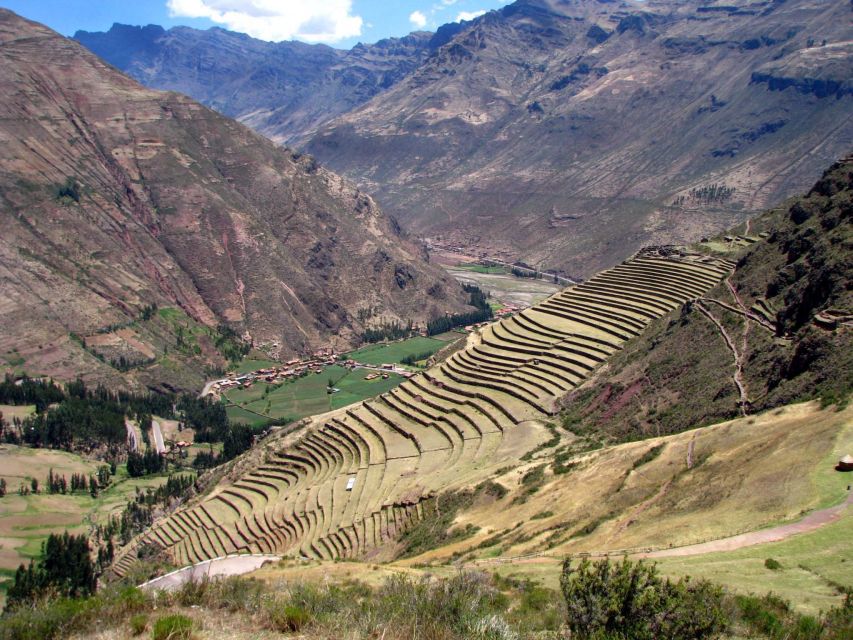
If you want one dependable way to see the Sacred Valley’s main highlights—Chinchero, Moray, Maras salt mines, Urubamba lunch, Ollantaytambo, and Pisaq—this tour is easy to recommend. The big selling points are the included buffet lunch and the guide approach, which focuses on making the stops connect instead of treating them like isolated attractions.
Book it if you can handle an early start and a packed day. Skip it if your travel style is slow and self-paced, or if you need more flexibility time-wise.
If you do book, do two things that make the day smoother: eat breakfast before pickup (not a huge meal, just something), and plan to pay the two entrance fees on top of the tour price. With that handled, you’ll end the day with a much clearer picture of how the Incas managed land and resources in the Sacred Valley.
FAQ
How long is the tour?
The tour duration is 12 hours.
What time is pickup from my hotel in Cusco?
Pickup is included from your hotel, typically between 6:35 and 6:50 am (with pickups generally in the 6:30 am to 7:00 am range). If your hotel is far or difficult to access, you should be informed one day before departure.
Is lunch included, and what kind is it?
Yes. The tour includes an Andean buffet lunch with authentic Peruvian cuisine in Urubamba.
Are entrance fees to the sites included in the price?
No. Entrance to the Sacred Valley (70 soles) and to Salineras (10 soles) are not included.
What languages does the guide speak?
The live tour guide speaks English and Spanish.
Is the tour suitable for everyone?
No. It is not suitable for pregnant women and not suitable for people over 95 years.