REVIEW · OLLANTAYTAMBO
From Cusco: Sacred Valley & Maras Salt Mines Tour with Lunch
Book on GetYourGuide →Operated by Inka Altitude · Bookable on GetYourGuide
Morning starts early for a reason. This is a packed one-day route that stitches together Inca agriculture, salt extraction, and fortress ruins—plus a textile stop where you can actually see the craft process before the sites. You’re up and rolling before most day tours even get their coffee.
What I like most is how the day balances hands-on culture with major monuments. You get time with the Chinchero weavers, then real “how did they feed an empire?” context at Moray and Maras—and lunch is included in a proper buffet in Urubamba. Another big win: guides keep the story moving in both Spanish and English, so you’re not stuck waiting for one language to catch up.
The main drawback is simple: it’s a long day with limited time at each stop, and Ollantaytambo includes a climb of 200+ steps with no elevator. If you’re sensitive to altitude effort, or you prefer slow travel, this route can feel like a sprint.
In This Review
- Key highlights worth planning around
- Why this Sacred Valley route works: Chinchero to Pisac without dead time
- Cusco pickup at 6:00–6:30 AM: the crowd-beating advantage
- Chinchero weavers and the first archaeological stop: culture before stone
- Moray’s terraces: the science of farming on difficult land
- Maras salt mines: thousands of salt ponds and why it mattered
- Urubamba buffet lunch: included, filling, and well-timed
- Ollantaytambo fortress: 200+ steps and optional drop-off
- Pisac workshop and ruins: a final cultural and archaeological payoff
- Price and what you still pay on the day
- Comfort, timing, and the physical reality check
- Should you book this Sacred Valley and Maras day trip?
- FAQ
- What time does pickup happen in Cusco?
- Where is the meeting point?
- Is lunch included?
- Are the entrance tickets included?
- Can I pay entrance fees by card?
- Is there an option to get dropped off in Ollantaytambo?
- How many steps are involved at Ollantaytambo?
- What time will I return to Cusco?
- What should I bring or avoid bringing?
Key highlights worth planning around
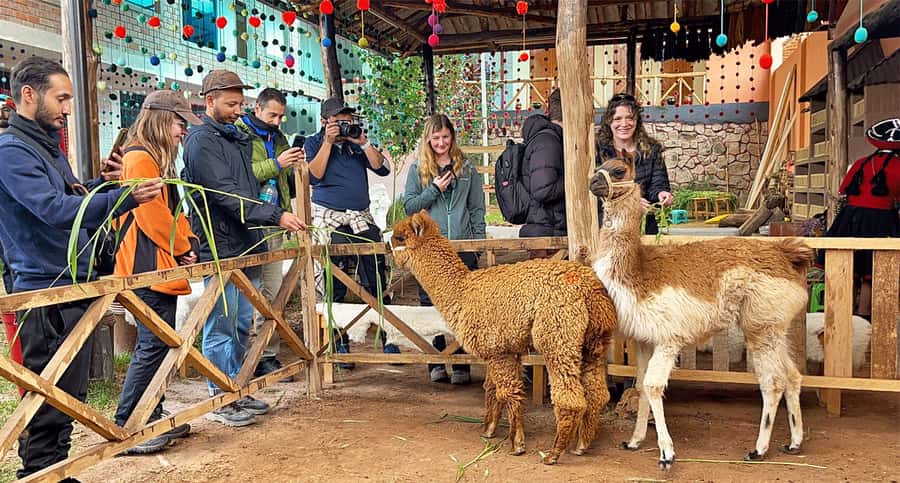
- Chinchero weaving workshop: traditional textile techniques you can see up close before heading to the ruins
- Moray’s terraced agriculture: a practical look at how the Incas experimented with crops on mountain terrain
- Maras salt mines: thousands of working salt ponds and an explanation of salt as ancient food storage
- Urubamba buffet lunch included: refuel with a large spread before the afternoon ruins
- Ollantaytambo fortress steps: plan your legs and pacing for 200+ steps and big viewpoints
- Bilingual guide flow: English and Spanish explanations are handled in a way that keeps everyone in sync
Why this Sacred Valley route works: Chinchero to Pisac without dead time
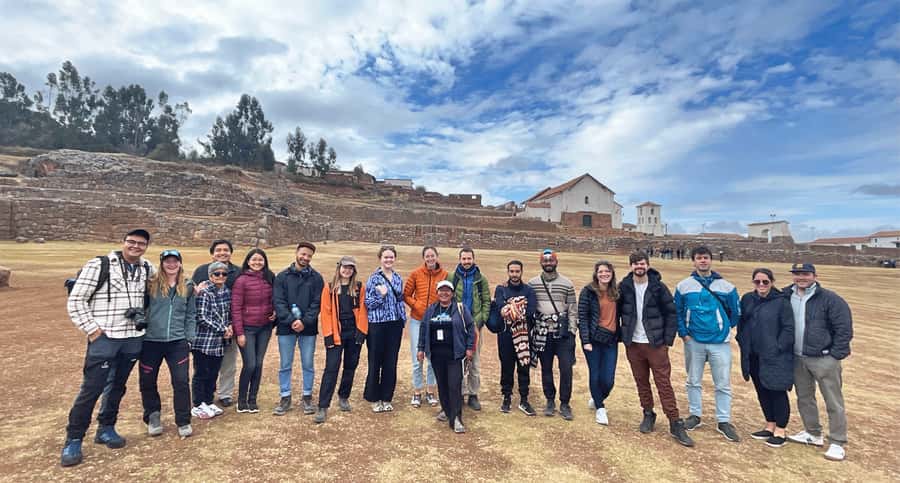
This tour is designed for people who want the “greatest hits” of the Sacred Valley in a single day. The route makes sense geographically: you start with Chinchero, move into the Moray/Maras area, then swing toward the two big ruins towns—Ollantaytambo and Pisac—before heading back to Cusco.
That sequence matters. Chinchero gives you context for how everyday crafts (textiles) connected to Inca culture. Moray and Maras then focus your attention on land use—terraces for crop growth and salt for food preservation. By the time you reach Ollantaytambo and Pisac, you’re already thinking like the Incas: territory, storage, and community built into the terrain.
One heads-up: a good part of the day is spent on the bus because the sites are far apart. If you hate transit, this may not be your style. If you can handle long drives (and take a nap), it’s a very efficient way to see a lot.
You can also read our reviews of more tours and experiences in Ollantaytambo
Cusco pickup at 6:00–6:30 AM: the crowd-beating advantage
You’ll be picked up from the historic center of Cusco (or a nearby meeting point, depending on your option) between 6:00 AM and 6:30 AM. The meeting point is in front of the Inka Altitude office on the street—your guide will call your name to find your group.
This early start is more than a schedule detail. It’s a real quality-of-experience factor. You have a better shot at arriving earlier than the main waves of buses, which usually means more time to look, less shoulder-to-shoulder crowd pressure, and fewer slowdowns.
Also plan for the group-collection time. If your pickup includes gathering multiple guests, it can take 30 to 45 minutes total to get everyone settled on the van. If you’re among the first picked up, you may wait a bit. Bring water if you want it, but remember drinks aren’t included with lunch.
Chinchero weavers and the first archaeological stop: culture before stone
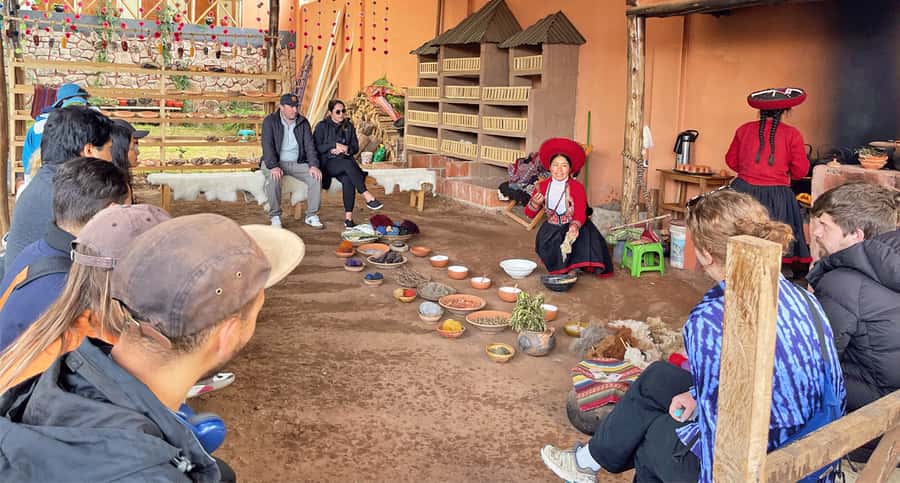
Chinchero is a small district town known for a long tradition of textile weaving. You’ll have a workshop-style visit here for about 35 minutes, where you’ll see textiles woven using traditional Incan techniques. This is the kind of stop that pays off later when you start noticing patterns and symbolism in Inca art.
From there, you visit the first archaeological site in the area and also see an old church. The point of this sequencing is smart: the textiles help you understand the cultural “language,” then the ruins show how that culture played out in places and power.
What to do here: watch the process rather than just trying to collect facts. Even if you don’t buy anything, you’ll come away with a clearer sense of craft as a living tradition—something the Incas valued and later communities kept alive.
Moray’s terraces: the science of farming on difficult land
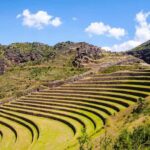
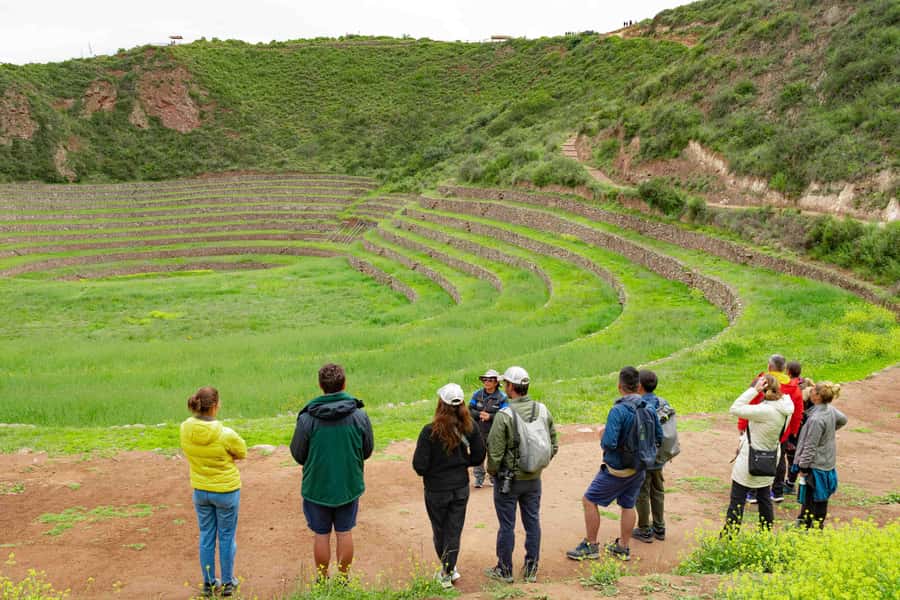
Next up is Moray, with a guided visit of about 30 minutes. Moray is famous for its terraced depressions—agricultural steps built into the landscape. The takeaway is simple and fascinating: the Incas created a way to grow crops in less-than-ideal mountain terrain by manipulating conditions across terraces.
Even within a short guided stop, the explanations matter. This isn’t just “look at stairs in a bowl.” You’re learning how Inca engineering used environmental differences to experiment with agriculture and increase food reliability.
Practical note: the tour schedule is tight, so you won’t have long wandering time here. Bring your curiosity, but also accept that this is a highlight stop, not a slow museum-style visit.
Maras salt mines: thousands of salt ponds and why it mattered
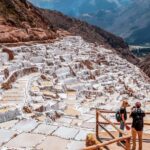
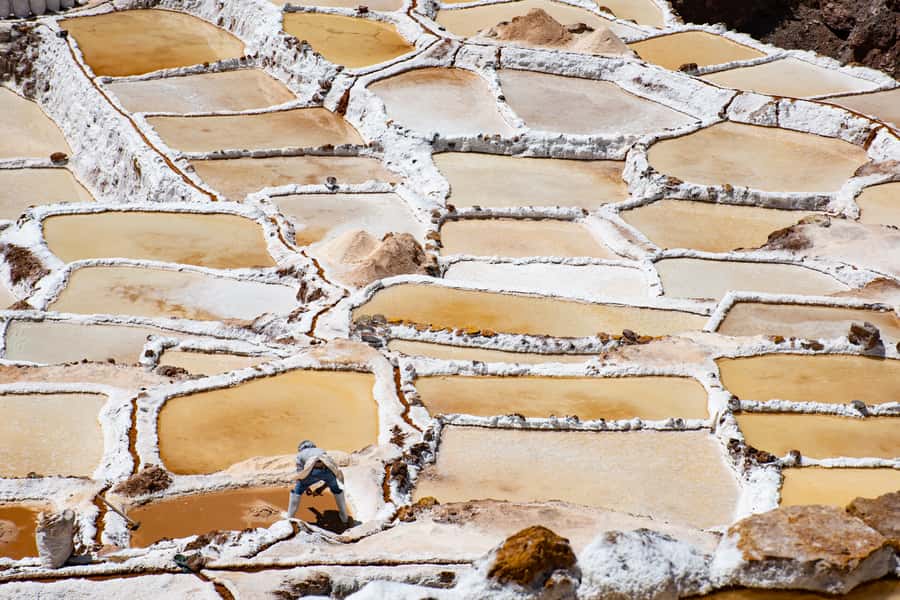
Then you move to Maras Salt Mines, where you’ll spend about 30 minutes on a guided tour. Maras is known for over 5,000 salt ponds. The guide explains how the system was used by the Incas for salt extraction—and why salt was so important for preserving food for long periods.
This is the stop that often turns “cool ruins” into “wait, that’s brilliant.” Salt was a practical tool for survival and planning, especially in a region where moving fresh food around could be difficult. Once you hear that story, the ponds stop being just a scenic view.
Important budget detail: entrance to the salt mines is not included. You’ll need to pay an additional 20 Nuevos Soles in cash (local currency). There’s also a shopping window of about 30 minutes, where you can look for salt and related products. If you want to buy salt, keep small cash ready.


Urubamba buffet lunch: included, filling, and well-timed
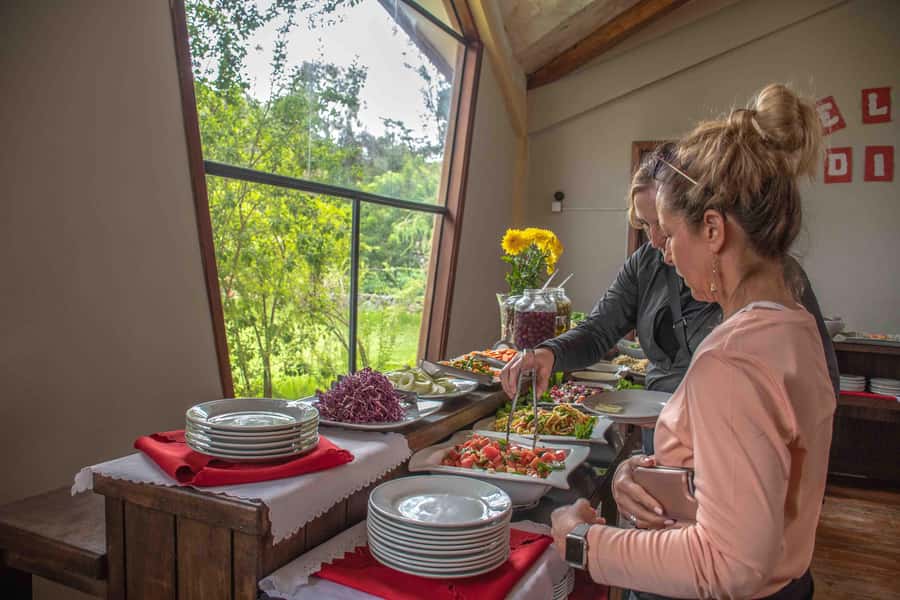
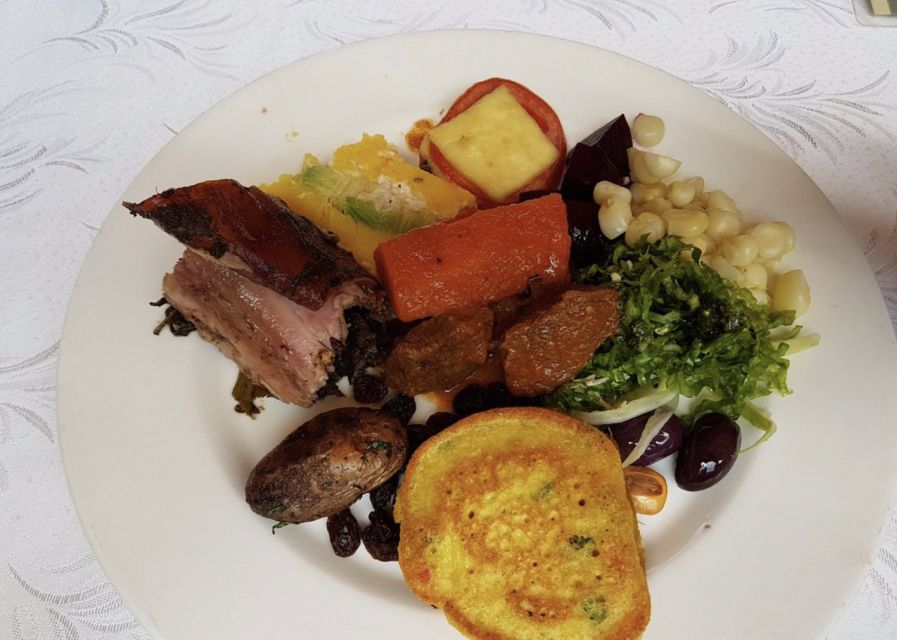
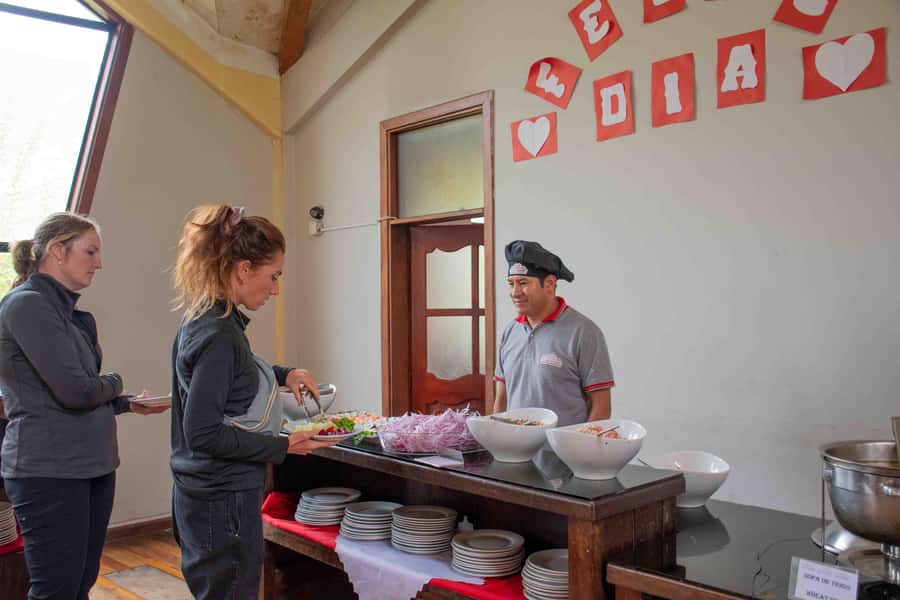
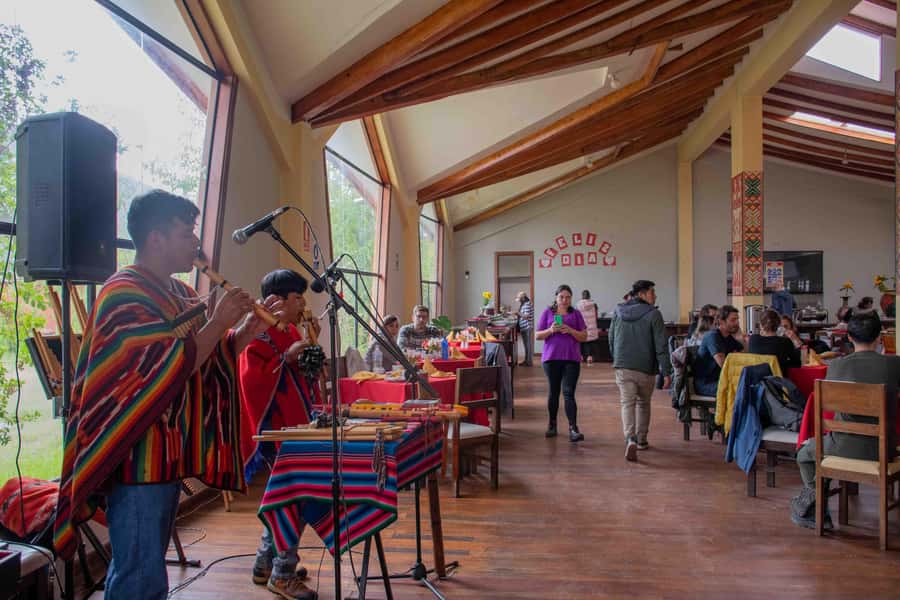
Lunch happens in Urubamba at a restaurant, and it’s a buffet included with the tour. The lunch stop is about 45 minutes—long enough to eat without feeling like you’re rushing through a meal, but not long enough to turn the day into a long sit-down.
This is a key value point. With tours that skip lunch or offer a small set menu, you often end up spending extra later. Here, you get a real buffet spread so you can recharge before the afternoon ruins.
Drinks are not included, so if you like something other than water, plan to pay separately. If you have any dietary needs, the buffet format can be helpful, but you’ll still want to double-check what’s available when you sit down.
Ollantaytambo fortress: 200+ steps and optional drop-off
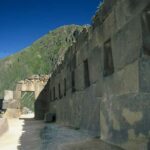
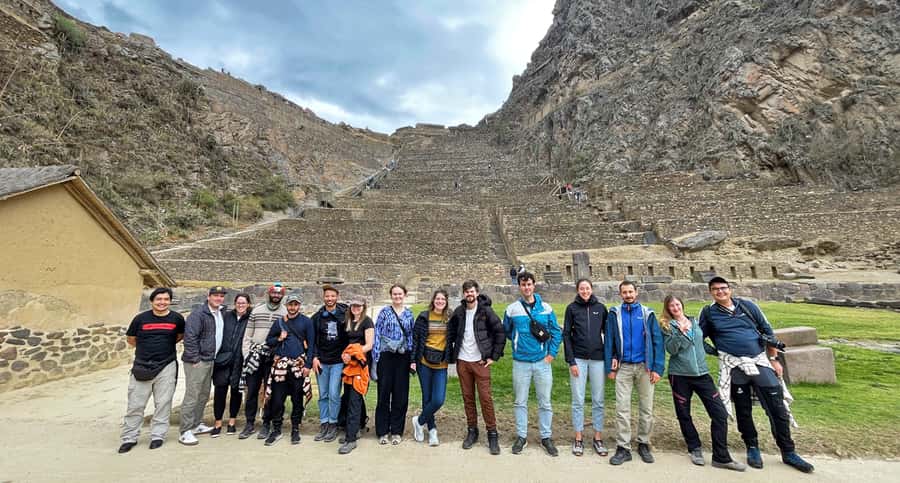
Ollantaytambo is a highlight for good reason. You’ll have a guided visit of about 45 minutes, and reaching the top requires climbing over 200 steps—there’s no elevator.
That climb is part of the experience. You get rewarded with a fortress overlook that gives you a better sense of why this place mattered. But be honest with yourself: if stairs are hard for you, or if you’re managing breathing issues, this is not a small detail. It changes how much you enjoy the stop.
There’s also an optional drop-off available in Ollantaytambo for anyone who wants to stay in town or has other plans. If you’re catching a train, the tour recommends taking one later than 16:00.
One more logistics detail: the tour includes a drop-off in Cusco at Plaza Regocijos (but that’s later in the day). The Ollantaytambo option is about giving you flexibility before the final return.
Pisac workshop and ruins: a final cultural and archaeological payoff
Your last major stop is Pisac. The schedule includes a workshop visit (about 30 minutes), then a guided archaeological visit, with time to explore the ruins.
Pisac is often where the day starts to feel like it’s moving fast—because it is. But the combination of craft-oriented time plus archaeological context works well as a final capstone. After Ollantaytambo’s fortress viewpoint, Pisac brings you back to the broader idea of Inca settlement and the way people lived around the landscape.
Try to pace your energy for the guided time, not just the photo moments. This is one of those stops where listening adds value quickly, even when the visit is shorter.
Price and what you still pay on the day
At $28 per person for a full day, the headline price is strong—especially because this includes pickup from Cusco’s historic center, a bilingual guide, Sacred Valley transportation, and an included Urubamba buffet lunch, plus a first aid kit.
But you should budget for a couple extras:
- Partial tourist ticket: 70 Nuevos Soles
- Salt mine entrance: 20 Nuevos Soles (cash)
- Drinks: not included
If you’re buying tickets, note that the full tourist ticket is valid for 10 days and covers entry to the majority of Inca sites around Cusco and the Sacred Valley. Entrances tickets are only available if you pay in cash in local currency, so come prepared.
My practical takeaway: the base price is a good deal. The tour only becomes “expensive” if you show up without cash for the site fees or if you planned to add drinks during lunch.
Comfort, timing, and the physical reality check
This is a long itinerary with plenty of driving. The tour description also flags that the sites are far apart, so expect long van stretches between stops. Many people find the early start and steady movement easier than a stop-and-start day, and it can help to bring snacks for the ride—especially since drinks aren’t included.
The group is bilingual Spanish and English, and the schedule keeps both languages running so you don’t miss key explanations.
On the physical side, the tour is not a good match if you need mobility support. The tour isn’t suitable for people with mobility impairments or wheelchair users, and it’s also listed as not suitable for people with respiratory issues or those who are hearing-impaired.
Even if you’re generally healthy, still take the steps seriously. Ollantaytambo’s climb of 200+ steps is the biggest “effort moment” on the itinerary, and there’s no elevator.
What to bring:
- Passport or ID card
- Comfortable shoes and clothes
- Cash
What not to bring:
- Luggage or large bags
- Drones
Should you book this Sacred Valley and Maras day trip?
Book it if you have limited time in Cusco and you want a high-value overview of the Sacred Valley’s major themes: textiles (Chinchero), agriculture engineering (Moray), salt and preservation (Maras), and the fortress-and-ruins pair (Ollantaytambo and Pisac). The included Urubamba buffet lunch is a real help, and the early start is a smart way to experience the sites with less congestion.
Skip it or think twice if you want long, slow visits at each stop, or if stairs are a deal-breaker for you—Ollantaytambo is non-negotiable. If you’re the kind of person who hates bus time, this might feel like too much motion in one day.
If your goal is to see the highlights and learn what connects them, this is a strong “one day done right” option from Cusco.
FAQ
What time does pickup happen in Cusco?
Pickup is typically between 6:00 AM and 6:30 AM from your accommodation in the historic center, or from a nearby meeting point depending on your option.
Where is the meeting point?
You should be in front of the Inka Altitude office. Your guide will call your name when they arrive.
Is lunch included?
Yes. The tour includes a buffet lunch at a restaurant in Urubamba.
Are the entrance tickets included?
No. A partial tourist ticket (70 Nuevos Soles) is not included, and there is also an additional entrance fee for the salt mine (20 Nuevos Soles).
Can I pay entrance fees by card?
No. Entrance tickets are only available if you pay in cash in local currency.
Is there an option to get dropped off in Ollantaytambo?
Yes. An optional drop-off in Ollantaytambo is available for those who want to stay there or have other plans.
How many steps are involved at Ollantaytambo?
You must climb over 200 steps to reach the top. There is no elevator.
What time will I return to Cusco?
The tour returns to the Cusco historic city center area between approximately 6:00 and 7:00 PM.
What should I bring or avoid bringing?
Bring a passport or ID card, comfortable shoes and clothes, and cash. Don’t bring luggage or large bags, and drones are not allowed.