REVIEW · OLLANTAYTAMBO
From Cusco: Sacred Valley ending in Ollantaytambo and Lunch
Book on GetYourGuide →Operated by Exploor Trip E.R.L · Bookable on GetYourGuide
Two Inca sites in one practical day. This Cusco-based trip stitches together Pisac and Ollantaytambo with a scenic ride along the Urubamba River, plus time in the green mountain country that made the Incas so obsessed with agriculture and stone. You’ll get a guide to walk you through what you’re seeing, from terrace patterns at Pisac to Ollantaytambo’s strategic Inca layout.
What I like most is how the tour keeps your eyes busy: ruins, viewpoints, and that unmistakable feel of Inca planning. The other big win is that it ends in Ollantaytambo, close to the train station, so you’re not scrambling to reposition afterward. The main drawback to consider is logistics: a smooth day depends on clear contact and a correct meeting point, and you may also feel a bit rushed with limited free time in each town.
In This Review
- Key highlights worth your attention
- Cusco Pickup and the Urubamba Ride: Where the Day Starts
- Pisac Ruins on the Mountain: Terraces, Towns, and Photo Moments
- Urubamba Lunch: A Real-Time Break in the Valley
- Ollantaytambo: The Living Inca Town and Its Strategic Design
- Time, Tickets, and Logistics: The Stuff That Can Make or Break the Day
- Price and Value: Is $22 a Good Deal for Pisac + Ollantaytambo?
- Who This Tour Suits Best (and Who Should Skip It)
- Should You Book This Sacred Valley Day Trip?
- FAQ
- What is the starting point for the tour?
- What sites are included in the Sacred Valley route?
- Is lunch included?
- Are entrance fees included?
- How long is the tour?
- What languages does the guide speak?
- Where does the tour end?
- What information do I need to provide when reserving?
Key highlights worth your attention
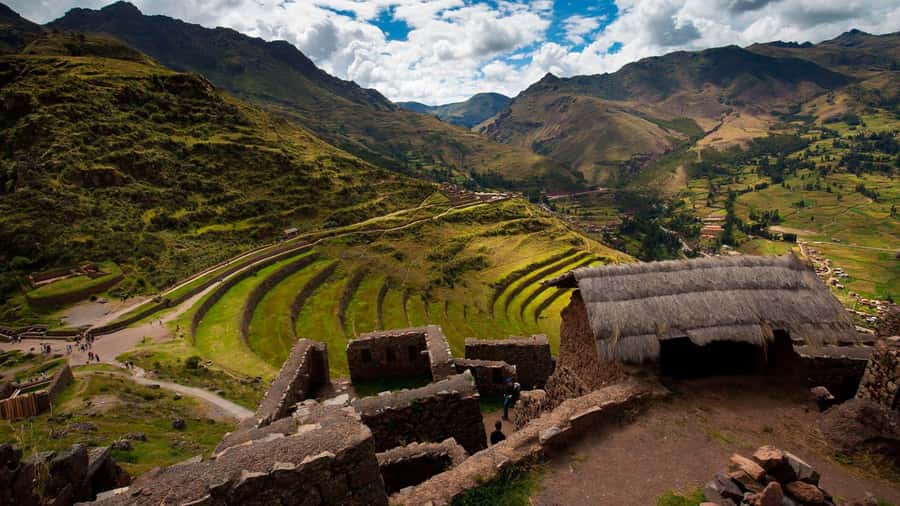
- Pisac ruins with mountain views: see terrace systems carved into the slopes and spot Inca design from multiple angles
- Ollantaytambo as a finished Inca statement: a town shaped around fortress, religion, and administration
- Urubamba lunch stop: included meal in the valley so you’re not eating on the move
- Early Cusco pickup: you start early from the historic center and lose less of the day to traffic
- English or Spanish guide: live interpretation throughout, including at the archaeological stops
Cusco Pickup and the Urubamba Ride: Where the Day Starts
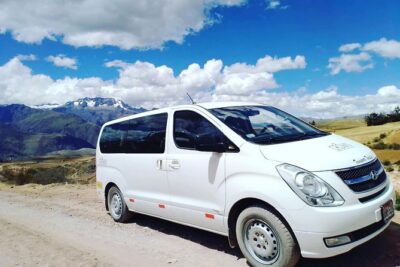
This is built as a one-day Sacred Valley hit, starting with an early pickup from your hotel in the historic center of Cusco. That early start matters. You’ll get ahead of the heavier crowds and you’ll have a better shot at calmer photo stops once you reach Pisac and Ollantaytambo.
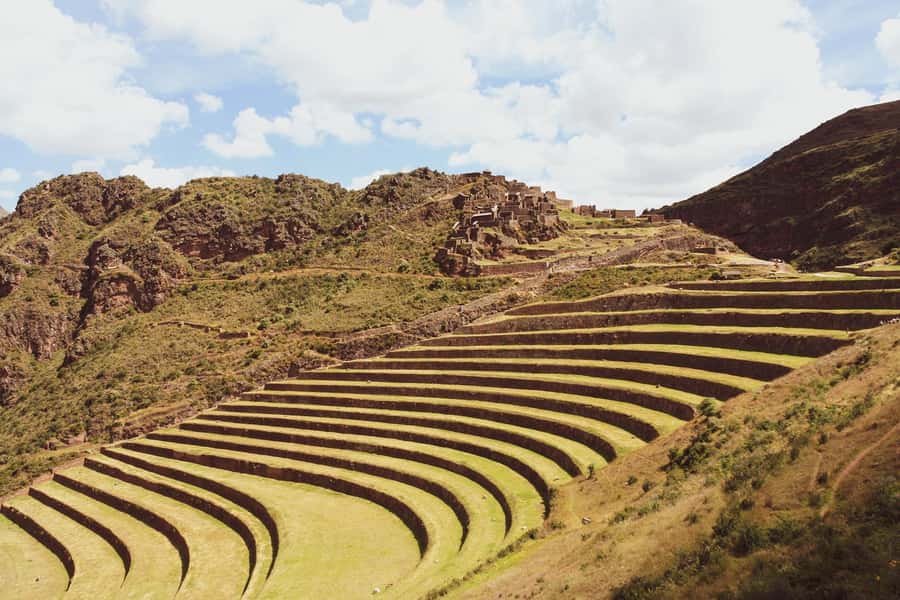
From Cusco, you’ll travel through the valley along the Urubamba River. The drive isn’t just transit. The road runs beside towns and mostly crop fields, and the scenery keeps changing as elevations shift. It’s a good moment to watch how the valley works: where farms sit, where villages cluster, and how the river acts like a spine for daily life.
One small practical note: the operator asks that you provide a WhatsApp number when reserving. That’s not busywork. For a trip like this, quick communication reduces the chance of missing the meeting point or dealing with last-minute confusion.
You can also read our reviews of more tours and experiences in Ollantaytambo
Pisac Ruins on the Mountain: Terraces, Towns, and Photo Moments
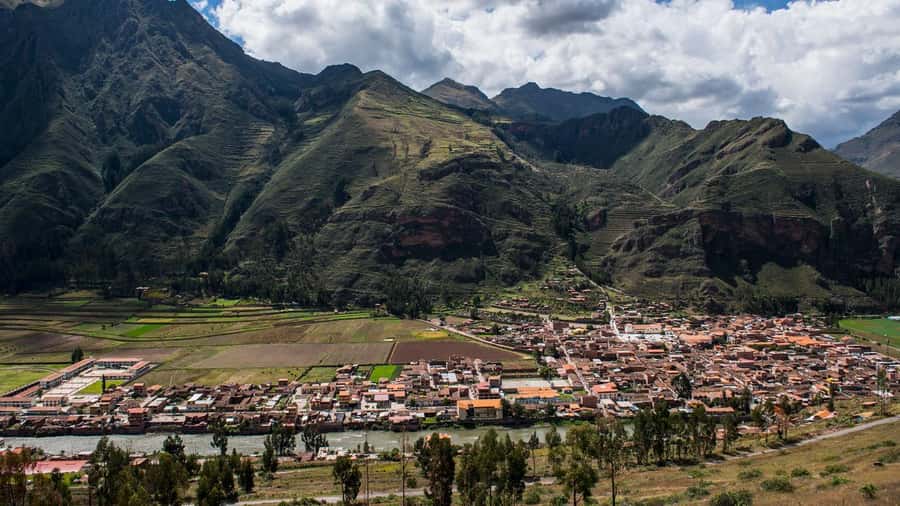
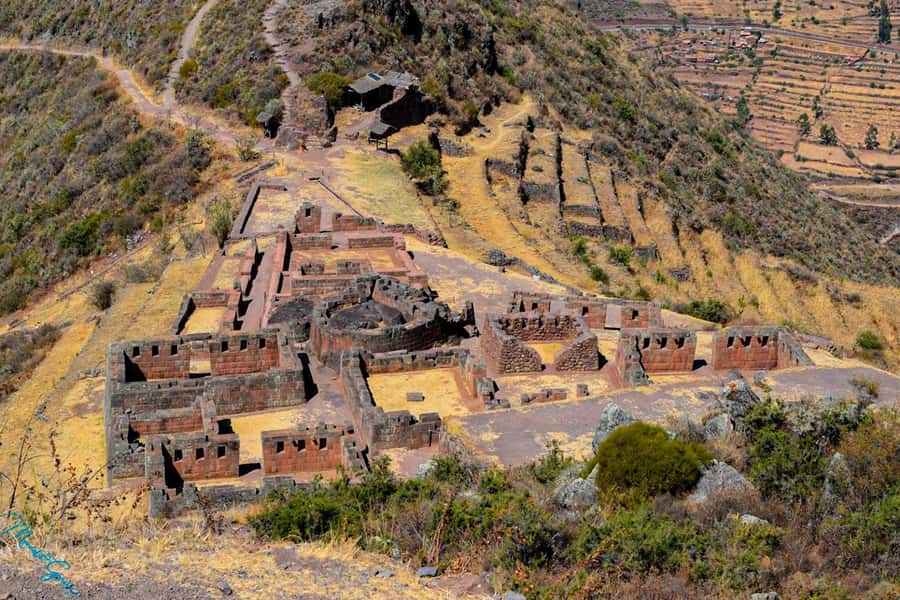
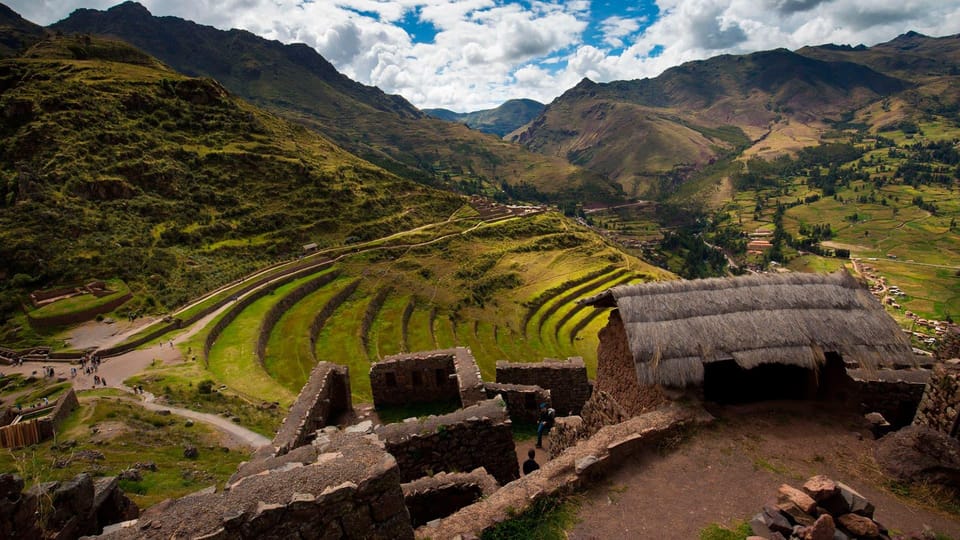
Pisac is the first big archaeological stop. You approach with ruins visible on the mountain, which is a great setup because you don’t arrive and instantly wonder what you’re supposed to look at. You can start mapping the site in your head from a distance: terraces, walls, and the way the Incas used slope as structure.
Here’s what makes Pisac special for a one-day tour: it shows Inca thinking in layers. You’re not only seeing stone—you’re seeing how stone supported farming and movement. Terrace systems weren’t just pretty geometry; they helped manage water and growing conditions. With a guide explaining the context, you’ll notice patterns more easily than if you were wandering alone.
You’ll also be chasing that combination that works every time in the Andes: archaeology plus big green mountain views. Even if you’ve visited other Inca sites before, Pisac tends to feel different because the setting is so aggressively agricultural. The stone looks like it was built to work, not just to impress.
Practical advice for Pisac: buy your entrance tickets ahead of time if you can. One common pain point is losing minutes at the site if tickets are handled in a cash-only way on the day. If you do end up purchasing on-site, bring cash as a backup, even if you mostly plan to use cards.
Urubamba Lunch: A Real-Time Break in the Valley
After Pisac, you head toward Urubamba for lunch at a typical restaurant in the area. This stop is included, which is a real value in a one-day schedule. Without lunch included, you’d be stuck choosing between convenience and quality, or eating something fast that doesn’t agree with you at altitude.
Urubamba is a useful break point. It gives you time to recharge before the second archaeological block—Ollantaytambo—which tends to feel more intense because you’re walking through a living town built around Inca engineering.
Since exact menu details aren’t guaranteed, think of this lunch as fuel, not a culinary destination. If you’re sensitive about food at altitude, stick to what you know and keep water handy. And if you’re the type who likes a snack between stops, remember that the day is packed, so plan small extras rather than counting on downtime.
Ollantaytambo: The Living Inca Town and Its Strategic Design
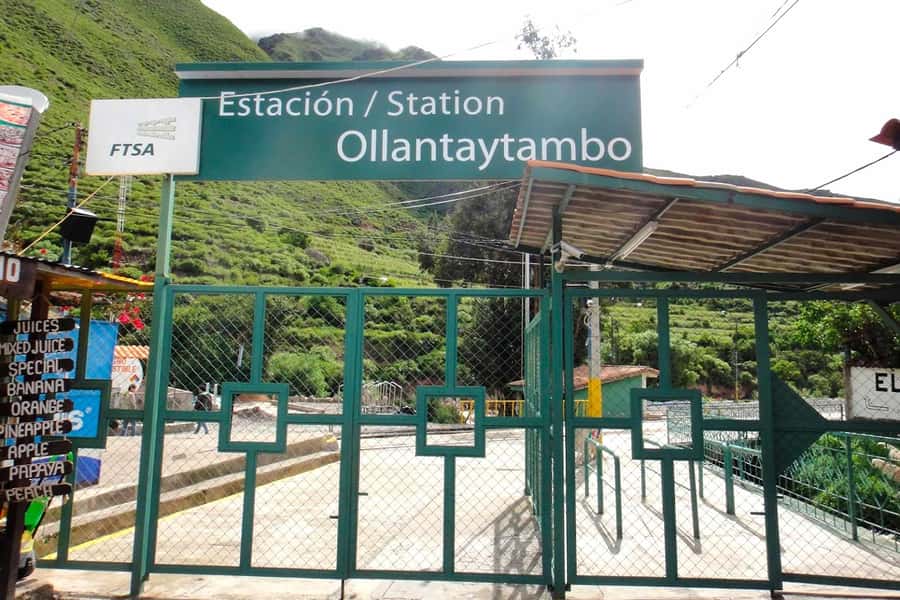
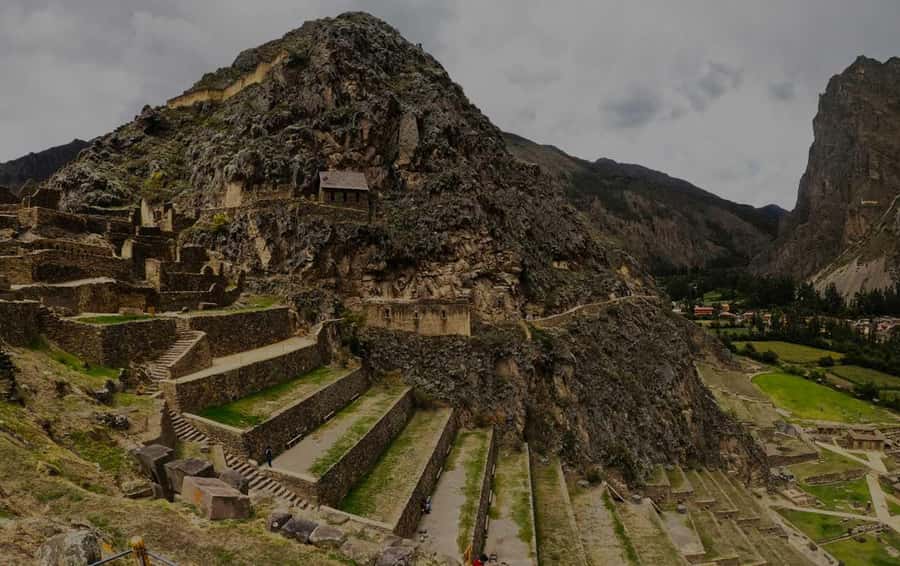
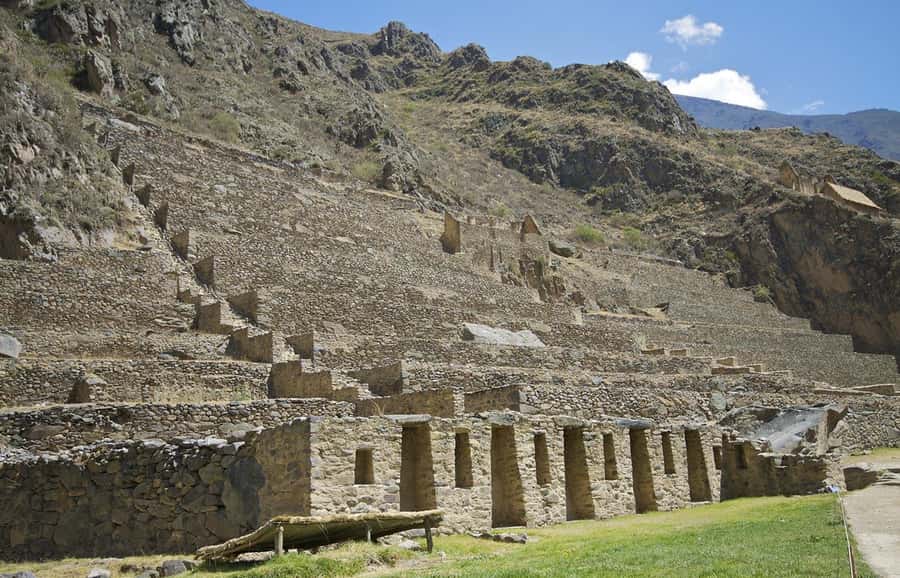
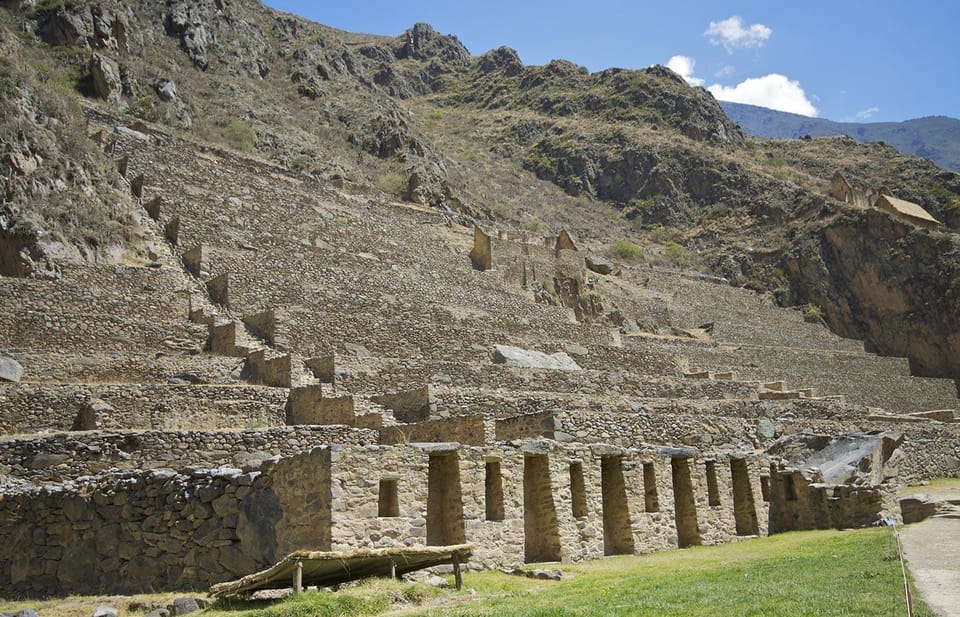
Ollantaytambo is where the trip’s story clicks into place. You’ll visit the charming Inca town and focus on the splendor and the strategic military, religious, and administrative fortress in the Sacred Valley. In plain terms, this isn’t just a ruined site—it’s a place where Inca planning shaped how the town functions.
This stop also tends to deliver the best “wow, that’s genius” moments for most people. The layout feels deliberate in multiple directions. Walls, platforms, and movement corridors all hint at why Ollantaytambo mattered. Even if you only get a limited amount of time on-site, the key is to slow down at the main viewpoints and let the guide’s explanations connect the stonework to the fortress purpose.
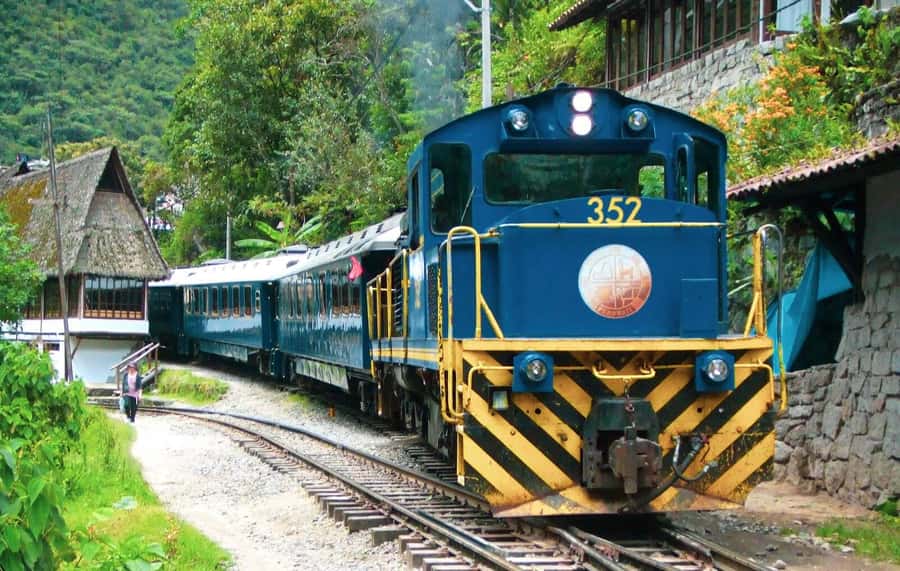
Ollantaytambo is also practical at the end of the day. The tour finishes by leaving you near the train station in Ollantaytambo. That’s huge if you’re continuing onward the next morning, or if your schedule ties to Machu Picchu train departures. You’re not paying extra for a separate transfer just to get to the right part of town.
One tip that can save stress: if you’re traveling with bags and your final destination is Ollantaytambo, you may be advised where you can leave luggage during the tour. There’s a reported catch: the place where you retrieve your items may require you to consume something to get your bags back. If you want to avoid awkward last-minute decisions, plan on having a small purchase ready or ask your guide what the process is before you leave your belongings.
Time, Tickets, and Logistics: The Stuff That Can Make or Break the Day
This is a fast-moving itinerary by design. You’ll do early pickup, travel to Pisac, lunch in Urubamba, then Ollantaytambo, and finish near the train station. For the right traveler, that structure is perfect. For others, it can feel like a lot of driving with not much unstructured time.
Two timing realities to expect:
- You won’t have endless wandering time in each town. The schedule is built around seeing the key archaeological areas.
- You’ll likely spend most of your daylight hours in transit between major points.
Tickets are another area where the difference between a smooth day and a frustrating one can be small but painful. Entrance fees to the Sacred Valley are not included, so you’ll need to plan for it. The best move is to secure tickets ahead of time when possible, because buying on-site may cause delays and may involve cash-only payment depending on the point of sale.
Finally, pay attention to meeting point clarity. There have been reports of poor communication by phone/WhatsApp on the day of travel and even confusion about who exactly is guiding the group. I can’t control that operator-side issue, but you can protect yourself: double-check the pickup location the day before, keep your WhatsApp available, and be ready to confirm your guide details early.
If you get a guide named Janet, there’s good reason to get excited—she’s been singled out as incredible for her explanation style and enthusiasm. That kind of guide can turn a rushed schedule into a genuinely satisfying day.


Price and Value: Is $22 a Good Deal for Pisac + Ollantaytambo?
At $22 per person for a one-day Sacred Valley tour, the base price is strong value—especially because it includes pickup from the Cusco historic center, transportation, a professional guide, and lunch in Urubamba. You’re paying for a bundle: logistics handled, interpretation provided, and you get a built-in break for food.
But here’s the catch that matters: entrance fees are not included. So the true total is your $22 plus the cost of entry to Pisac and Ollantaytambo. If you show up without tickets, you can lose time and possibly run into payment friction. That can make the day feel more expensive than it is on paper.
So I’d judge this deal like this:
- Worth it if you want a guided, efficient sampler of the Sacred Valley in one day.
- Less worth it if you’re the type who wants lots of free time to stroll, shop, or hang out without a strict plan.
- Worth budgeting a bit extra for tickets (and a little cash backup).
Also remember: ending near the train station is part of the value. Even if you don’t plan to take the train immediately, it’s a smart location to be dropped off at the end.
Who This Tour Suits Best (and Who Should Skip It)
This trip fits best if you want:
- A guided first visit to the Sacred Valley with two major archaeological stops
- A day that stays organized without requiring you to plan routing and timing from scratch
- A finished endpoint in Ollantaytambo that makes next steps easier
It’s not the best match if you want long pauses in each town. If you prefer slow travel, wandering without pressure, or you dislike the idea of spending most of the day on the move, you might find the pacing less satisfying.
Language-wise, you can choose English or Spanish. That matters if you want the guide to explain the fortress logic at Ollantaytambo and the terrace purpose at Pisac rather than just reading stone with guesswork.
Should You Book This Sacred Valley Day Trip?
Book it if your goal is clear: see Pisac and Ollantaytambo with a guide, add an included Urubamba lunch, and finish near the train station in a single day. For the price, that’s a practical way to get the highlights without overplanning.
I’d take extra care before booking if you’re easily thrown off by last-minute confusion. Make sure you share your WhatsApp number, confirm your pickup details, and plan your entrance tickets in advance so you don’t lose momentum. And if you know you’ll need luggage help, ask about the exact drop-off and retrieval conditions ahead of time.
FAQ
What is the starting point for the tour?
The tour includes pickup from your hotel in the city center of Cusco, specifically the historic center area.
What sites are included in the Sacred Valley route?
You’ll visit the archaeological center of Pisac and the town and fortress area of Ollantaytambo. The day also includes a lunch stop in Urubamba.
Is lunch included?
Yes. Lunch in Urubamba is included in the tour.
Are entrance fees included?
No. Entrance fees to the Sacred Valley sites are not included.
How long is the tour?
The duration is one day.
What languages does the guide speak?
The live tour guide is available in English and Spanish.
Where does the tour end?
The tour ends with drop-off near the train station in Ollantaytambo.
What information do I need to provide when reserving?
You’re asked to leave a WhatsApp number so the team can contact you.