REVIEW · LIMA
Cook an Authentic Ceviche And Peruvian Pisco Sour!
Book on Viator →Operated by HAKU TOURS · Bookable on Viator
Ceviche and pisco, made by you. This Lima class is interesting because it’s hands-on from the first minutes, and you learn both the national cocktail and the dish that puts Peru on the food map. You can choose an afternoon or evening session, with an evening start time listed as 7:00 pm in Miraflores.
I like the way the format skips tedious, sit-and-watch demonstrations. You’ll be in the kitchen and actively working, guided by a professional chef and supported by a guide, with ingredients and an equipped setup provided.
The one drawback to think about: there’s no hotel pickup. You’ll meet at Av. José Larco 724 in Miraflores and plan to get there on your own.
In This Review
- Key things that make this Lima ceviche and pisco class worth it
- Miraflores meeting point: fast start, easy logistics
- What you’re really paying for: chef guidance, ingredients, and skills
- The first act: making your Peruvian Pisco Sour (and why the balance matters)
- Ceviche time: “cooking” fish in leche de tigre
- The flavor finish: spice, acidity, and getting it to taste right
- Small group dinner: sit down, compare notes, and eat what you made
- Vegetarian option: what to do if you’re plant-based or vegetarian
- Price and value: is $42 a smart buy in Lima?
- Who this class is best for (and who should skip it)
- Should you book? My honest take
- FAQ
- How much does the Lima ceviche and Pisco Sour class cost?
- How long is the experience?
- What time does the evening class start?
- Where is the meeting point?
- Is this a small group?
- What’s included, and what’s not included?
- Is there a vegetarian option?
- What are the age rules for the Pisco Sour?
- What’s the cancellation policy?
Key things that make this Lima ceviche and pisco class worth it
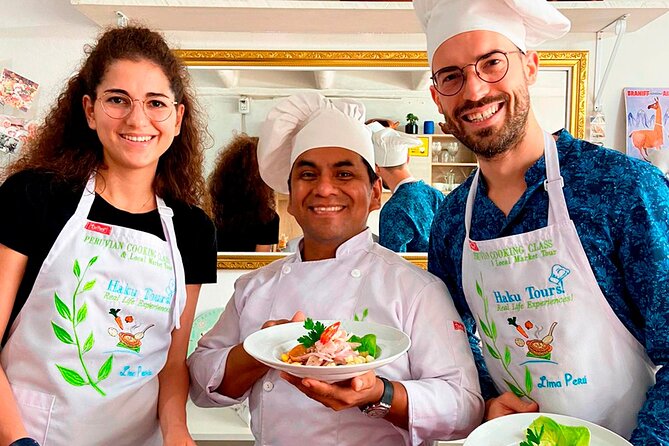
- Knife work + curing work: you learn ceviche technique that’s more than just chopping fish
- Pisco Sour foam practice: you focus on balance for that signature frothy top
- Leche de tigre method: you get the timing and flavor balance for acidity plus spice
- Small group energy: capped at 14 travelers, so it stays interactive
- Good chef-host vibes: guide and chef teams like Gabriela and Karina, Fernando and Caesar, Joseph and others are repeatedly praised for clear, supportive instruction
Miraflores meeting point: fast start, easy logistics
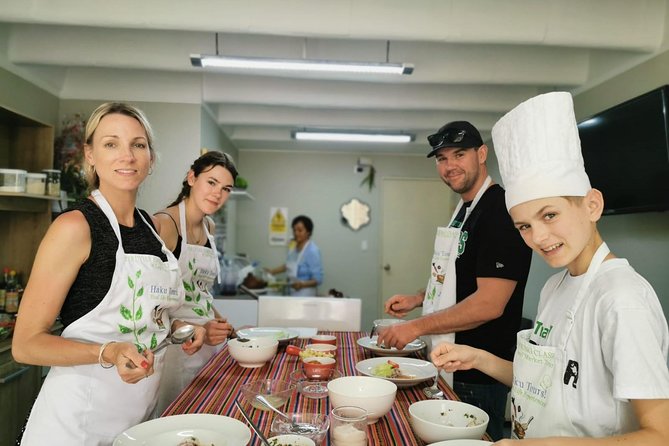
This class runs about 2 hours and it’s based in Miraflores, Lima. Your meeting point is Av. José Larco 724, Miraflores (15074). The activity ends back at the same meeting point, so you’re not stuck planning a separate return.
If you’re staying in Miraflores, this is a big plus. A rooftop setting comes up in the experience vibe too, which makes the whole thing feel relaxed, not like a rushed factory kitchen. And since it’s near public transportation, you’re not dependent on a car or a taxi from door to door.
Plan to show up ready to work. They recommend comfortable clothes and shoes, and you’ll be standing, moving, and handling ingredients. Nothing fancy, but you’ll want shoes you can trust on stairs or uneven outdoor surfaces if the space is rooftop-adjacent.
You can also read our reviews of more tours and experiences in Lima.


What you’re really paying for: chef guidance, ingredients, and skills
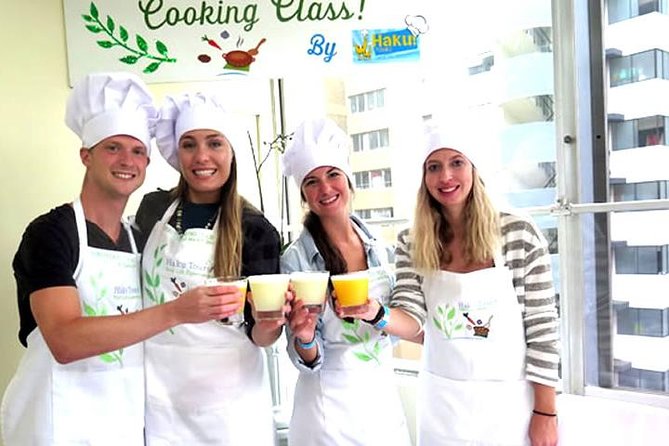
At $42 per person, this class isn’t just a fun meal. You’re paying for instruction, the ingredients, and an equipped kitchen so you can practice the real techniques that make Peruvian flavors work.
Here’s the value logic I like:
- You get both dishes in one session: Pisco Sour + ceviche
- The teaching is active, not passive. That matters because ceviche is technique-driven.
- You leave knowing how the flavors are built, not just what the finished plate looks like.
Even better, the group is small (max 14). That usually means you’re not waiting in line for attention. You’ll have time to ask questions and actually try things.
The first act: making your Peruvian Pisco Sour (and why the balance matters)
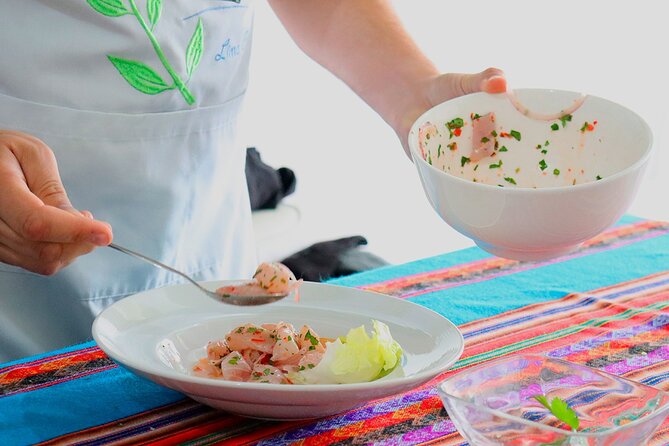
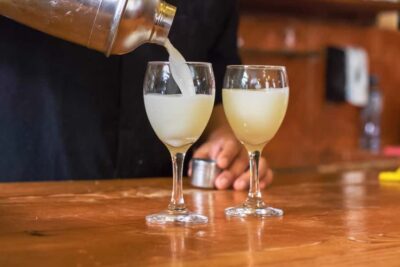
The session kicks off with the art of the Pisco Sour. You’ll learn the story behind the historic drink, then shift into the practical part: making it yourself from fresh ingredients.
In a class like this, the key isn’t only mixing in the right order. It’s the balance. The goal is getting that classic flavor and the foam on top—built from pisco, lime, and bitters, with attention to ratios and the method for that frothy finish.
What you should expect hands-on:
- Working with fresh ingredients instead of pre-mixed shortcuts
- Learning how the acidity from lime interacts with the pisco
- Using bitters in a way that supports the flavor, not just adds darkness
This is where a good guide makes a difference. Many people highlight instructors such as Joseph or guides like Caesar for being clear and patient, and for sharing the behind-the-scenes logic that helps you recreate it later.
Ceviche time: “cooking” fish in leche de tigre
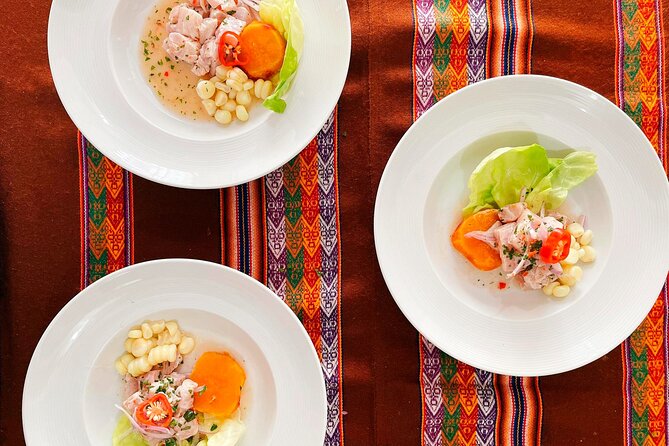
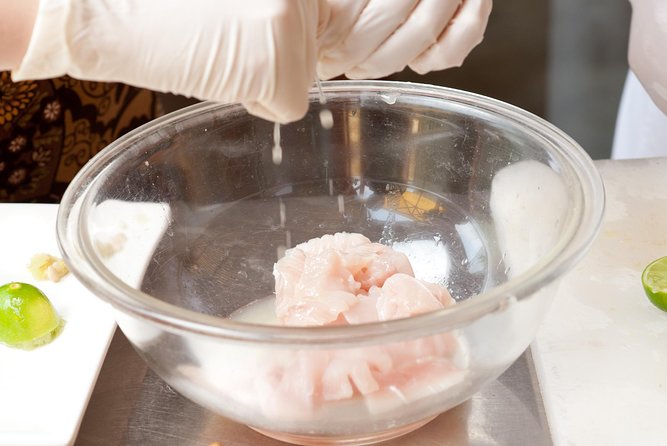
Then you move into the kitchen for ceviche. The class frames ceviche as a technique you control: fresh fish is “cooked” using the acidity of leche de tigre, not heat like a traditional pan recipe.
That’s the part you’ll want to pay attention to, because it’s where home cooks often go wrong. If the curing time or acidity balance is off, the texture won’t hit right. The class focuses on the essential technique and the harmony of spice and acidity.
In practical terms, you can expect to learn:
- How to prepare fresh fish for ceviche (you’ll be cutting and working, not only watching)
- How the leche de tigre works as the curing liquid
- How to balance flavor so it stays bright, not harsh
Also, many instructors in this program have a reputation for explaining ingredients in detail so you can translate the recipe later. One recurring theme is that the chef teaches in a structured way and stays patient when people ask questions—especially if it’s your first time making ceviche.
The flavor finish: spice, acidity, and getting it to taste right
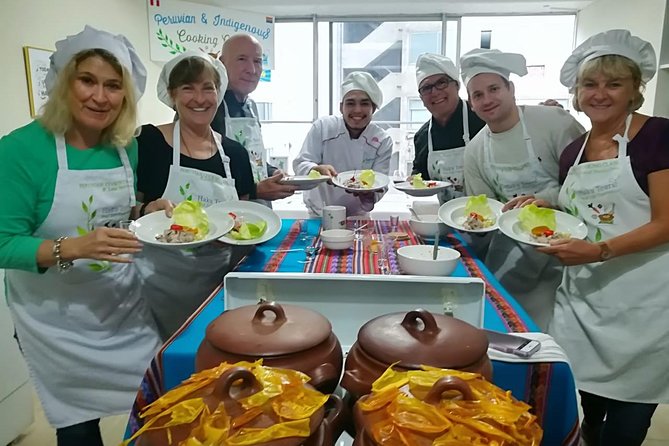
Ceviche is quick, but it’s not casual. The difference between good and great is often in finishing choices: seasoning timing, acidity level, and how evenly flavors get distributed.
The class is designed to help you get that “just right” harmony. You’re not aiming for one strong element. You’re aiming for contrast: bright tang from acidity, heat from spice, and a clean seafood taste underneath.
This is also where you’ll feel the benefit of not doing a long lecture. Since you’re cooking and tasting, you get immediate feedback. That short feedback loop is what turns ceviche from intimidating into doable.
And if you’re the type who loves small details—one review mentions interest in interesting fruits offered during the session. That kind of thoughtful add-on is the sort of thing that makes the class feel less like a checklist and more like a real Peruvian food lesson.



Small group dinner: sit down, compare notes, and eat what you made
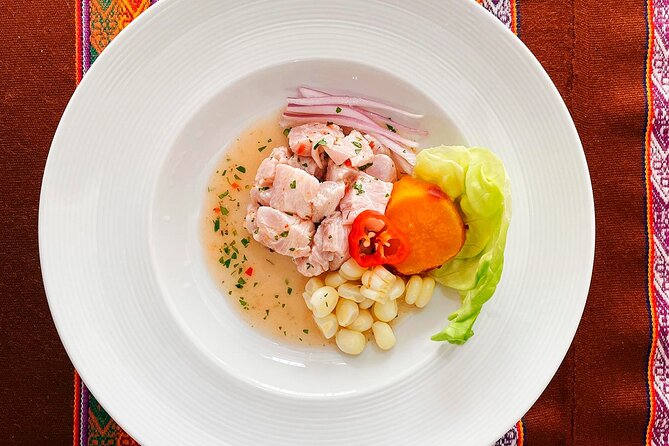
After the cooking, you sit down and enjoy the meal you created: pisco and ceviche. This part matters more than it sounds. It’s how you learn whether your technique worked.
Because this runs as a small group (again, up to 14 people), the vibe tends to be social without feeling crowded. People have talked about chatting with other classmates—sometimes solo travelers, sometimes couples or friends—while sharing the plate and drink.
If you’re hoping for an evening activity that also gives you cultural context, this class does that in a light way. The Pisco Sour story adds flavor to the cocktail, and the ceviche technique connects to why Lima takes this dish seriously.
There’s also mention of a clean, well-run kitchen setup. If you care about hygiene (most of us do), that’s worth noting. A professional chef-led class with an equipped kitchen usually means the workspace is organized enough for you to work safely and comfortably.
Vegetarian option: what to do if you’re plant-based or vegetarian
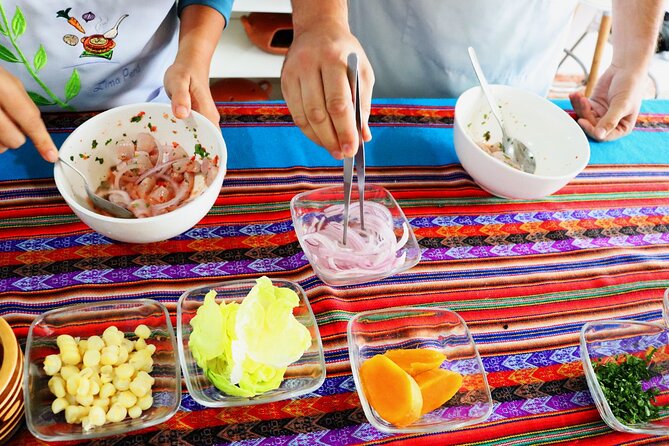
A vegetarian option is available. You’ll need to request it during booking, so tell them up front if that’s you.
Since ceviche is seafood-based by default, the vegetarian version likely swaps the core element while keeping the spirit of the dish—acid balance and spice structure. You may still get hands-on participation, because the class is built around cooking rather than passive observation.
If you’re bringing a vegetarian friend or partner, this is a big reason the class stays appealing. It’s not a “sorry, you can just watch” situation.
Price and value: is $42 a smart buy in Lima?
Let’s be honest. In Lima, you can eat ceviche for far less than $42 if you’re just chasing flavor on a budget. But this experience is not priced like a restaurant dinner. It’s priced like a skill-building food class with chef instruction, ingredients, and an equipped kitchen.
Here’s when it feels like a smart purchase:
- You want to take home technique, not just a full stomach
- You enjoy hands-on cooking and learning processes
- You want both iconic items in one session: Pisco Sour + ceviche
Also, multiple reviews mention that the staff provides everything you need and stays supportive, including being patient while you work. That kind of service reduces frustration and makes it easier to get good results.
One extra value point from past participants: people have mentioned leaving with a recipe booklet (one described it as a 14-page guide). Even if ingredient availability differs in your home country, the ratios, method, and flavor logic help you recreate the idea correctly.
Who this class is best for (and who should skip it)
This Lima cooking class is a strong fit if you:
- Want a fun, interactive evening plan in Miraflores
- Have never made ceviche before and want technique made simple
- Like learning the story behind food while you cook
- Prefer small group settings with real participation
You might skip it if:
- You want a low-energy, purely observational experience (this is hands-on)
- You can’t get yourself to Av. José Larco 724 without pickup help
- You’re uncomfortable working with citrusy marinades or raw-prep food prep steps
One more detail: the minimum drinking age is 18. If you’re under 18, this class wouldn’t fit as described.
Should you book? My honest take
Book it if you want the quickest path to making two of Peru’s most famous flavors with your own hands. For $42, you’re getting chef-led instruction, ingredients, and a guided process that focuses on the parts people usually mess up—especially leche de tigre balance and the Pisco Sour foam.
Skip it only if you need hotel pickup or you’re looking for a long sightseeing tour. This is a kitchen-first experience. It’s designed for people who want to work, taste, and learn fast.
If you’re in Lima for a short trip and want something memorable that’s more than just dinner, this is the kind of class that sticks with you because you’ll be able to recreate it at home.
FAQ
How much does the Lima ceviche and Pisco Sour class cost?
It’s $42.00 per person.
How long is the experience?
The class runs about 2 hours (approximately).
What time does the evening class start?
The listed start time is 7:00 pm, with afternoon classes also offered.
Where is the meeting point?
You meet at Av. José Larco 724, Miraflores 15074, Peru. The activity ends back at the same meeting point.
Is this a small group?
Yes. It has a maximum of 14 travelers.
What’s included, and what’s not included?
Included are the professional chef, small group setup, professional guide, all ingredients, and an implemented and equipped kitchen. Alcoholic beverages are for sale, and soda/pop is also listed as for sale.
Is there a vegetarian option?
Yes, a vegetarian option is available. You need to advise at the time of booking.
What are the age rules for the Pisco Sour?
The minimum drinking age is 18 years.
What’s the cancellation policy?
You can cancel for a full refund up to 24 hours in advance. If you cancel less than 24 hours before the start time, the amount paid is not refunded.