REVIEW · ICA
Winery and Pisco Distillery tour
Book on Viator →Operated by Sam Travel Experiences · Bookable on Viator
That pisco is a lot more than a sip.
This tour in Ica strings together three artisanal stops and one big historical name, with hotel transport and tastings that explain how Peru’s favorite spirit is made. I especially like the small group size up to 12, which means your guide can actually talk with you (and not just read off a script), and the focus on the route itself—not just random photo stops. The one thing to plan around: Tacama’s entrance ticket is extra (PEN 25.00 per person), and the overall pacing can feel busy if you prefer slower, fewer stops.
If you time it right, this is one of the smartest ways to understand Ica’s wine country.
You’ll visit Hacienda Tacama (and when it’s closed on Mondays, you’ll swap to Hacienda Vista Alegre), then continue through El Arrabal and the older Spanish-style cava at La Vieja Bodega Lovera, and end at Bodega Nietto, tied to a winery family since 1857. A possible drawback for some people: there’s a lot happening in 5–6 hours, and you’ll be tasting at multiple places rather than lingering deep at just one.
Why this tour works in real life
- Small group (max 12): more back-and-forth with your guide and quicker help if timing gets tight.
- Pickup from Ica or Huacachina hotels: you don’t waste your day figuring out transport.
- Tacama swap on Mondays: you still get the same “category” visit even when Tacama rests.
- Built-in tastings: you’re not just looking—you’re tasting pisco and wines as you go.
- Lunch time free during the day: a breather so you’re not touring hungry.
- Historical cellar stop: La Vieja Bodega Lovera’s Spanish cava brings the past into the tasting.
In This Review
- First Stop at Tacama: Oldest Winery Energy and What You’re Actually Paying For
- Monday Swap Plan: Hacienda Vista Alegre Keeps the Day on Track
- The El Arrabal and La Vieja Bodega Lovera Stretch: Artisanal Pisco With a Real Lunch Break
- Bodega Nietto: A Family Winery Legacy (Founded 1857)
- Transportation, Timing, and Group Size: The Stuff That Makes or Breaks the Afternoon
- What You’ll Taste (and Why It’s More Than a Souvenir)
- Price Value: Is It Worth $30.77?
- Who This Tour Suits Best (and Who Might Want a Different Style)
- My Booking Advice: Should You Sign Up?
- FAQ
- FAQ
- How long is the Winery and Pisco Distillery tour in Ica?
- What does the tour include?
- Is Tacama entrance ticket included?
- What happens on Mondays when Hacienda Tacama is closed?
- Where are pickup locations?
- How large is the group?
- Are meals included?
- Does the tour require good weather?
- What’s the cancellation policy?
First Stop at Tacama: Oldest Winery Energy and What You’re Actually Paying For
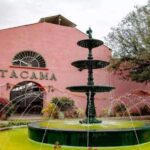
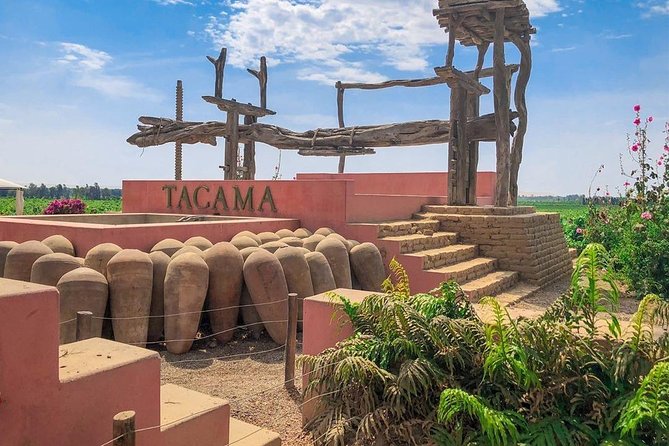
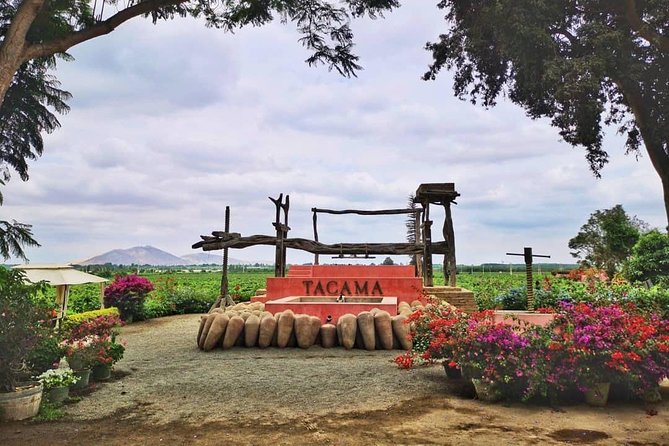
Hacienda Tacama is the kind of place that sets the tone fast. It’s described as the oldest winery in South America, and the day starts there for a reason: you get historical context right away, and you can taste the results of that long winemaking tradition without waiting until the end of the tour.
At Tacama, the focus is on their production of wines, pisco, and sparkling wines. You’ll be invited to the tasting of different products, which is a big deal because pisco isn’t one flavor. It’s a family of styles shaped by how grapes are handled and distilled. This stop also has a practical catch: the Tacama entrance ticket is not included, and you’ll need to pay PEN 25.00 per person (cash or card).
One more detail that matters for your schedule: Mondays. Hacienda Tacama has a rest day, so your visit is replaced with Hacienda Vista Alegre, noted as the same category. It’s a smart substitution that keeps the tour from collapsing into “only smaller stops.”
If you like big landmarks with a clear sense of place, this first stop is worth it. And if you’re the type who likes to understand how something works before you taste it, this timing helps.
Monday Swap Plan: Hacienda Vista Alegre Keeps the Day on Track
You don’t want a tour to fall apart just because a winery shuts its doors for a rest day. Here, that’s handled. When Tacama is closed on Mondays, the day swaps to Hacienda Vista Alegre, described as the same category.
What I like about this kind of planning is that it signals the tour operator is thinking about the reality on the ground, not just the ideal itinerary. It also helps you avoid the frustrating scramble of trying to find a replacement activity on the fly—especially important in a place like Ica, where you often have one afternoon to do everything.
So if you’re traveling on a Monday, you can still expect that same “major winery” feeling early in the day, followed by the artisanal route stops.
You can also read our reviews of more wine tours in Ica

The El Arrabal and La Vieja Bodega Lovera Stretch: Artisanal Pisco With a Real Lunch Break
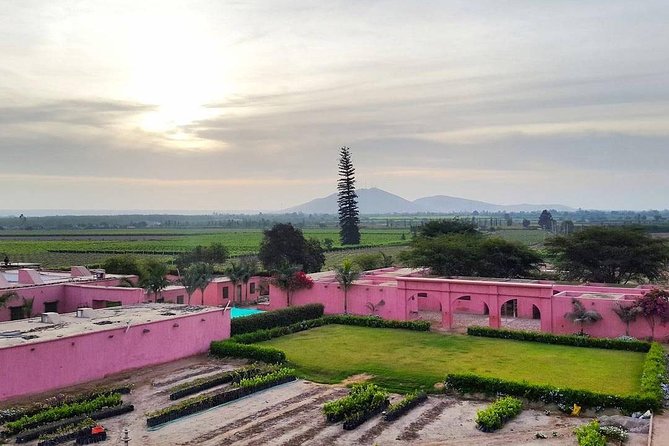
After Tacama, the tour shifts into a more grounded rhythm with the El Arrabal stop (listed as Fundo – Hotel El Arrabal). This is an artisanal winery where tradition in wine and pisco production has been preserved over time.
This part of the day is where you start to see the contrast between a major historic producer and the smaller craft side of pisco culture. If you care about what makes pisco taste different from one producer to the next, the artisanal stops are where you’ll notice those differences most.
There’s also free time for lunch during this segment. That sounds basic, but it changes the whole experience. Without that break, a tasting-heavy route can start to feel like a sprint. Here, you get a chance to eat at the vineyard restaurant and reset before the next cellar and tasting session.
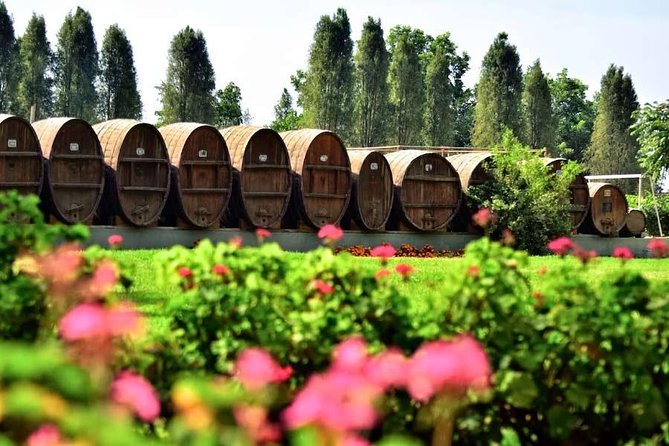
Then the day continues to La Vieja Bodega Lovera, described as a renowned artisanal winery with piscos, vinos, and cachinas as the main attraction. But the detail I’d pay attention to is the setting: the winery has an authentic Spanish cellar with 16th and 17th century character. You’re not just drinking—you’re tasting in a space built for the slow work of aging and preserving.
This stop is especially good if you want the day to feel more like a guided walk through Ica’s pisco world rather than a checklist of locations.
Bodega Nietto: A Family Winery Legacy (Founded 1857)
The tour finishes with Pisco Nietto, which is described as visiting the renowned artisanal winery called Bodega Nietto, including the mother winery connection.
Here’s the legacy detail that gives this stop extra weight: it was founded by the Gonzalez Misa family in 1857, and the operation is now in the 4th generation of that family. That kind of timeline matters because pisco and wine culture doesn’t stay still. Practices pass down. Preferences get refined. Even the way people talk about the product changes as generations add their own decisions.
As with the earlier stops, the highlights are the piscos, wines, and cachinas. And then you’ll transfer back to your hotel in Ica.
This finale works well because it gives the day a clean ending: you’ve seen both historic scale (Tacama/Vista Alegre) and artisanal craftsmanship (El Arrabal and Lovera), and then you close with a family story that ties it all together.
Transportation, Timing, and Group Size: The Stuff That Makes or Breaks the Afternoon
This tour runs about 5 to 6 hours, and it’s designed with practical comfort in mind. The big win is round-trip transport: you’ll get pickup from Ica or Huacachina hotels, and you’re brought back afterward.
The small group is where the experience feels different. The tour has a maximum of 12 travelers, which usually means your guide can respond faster and you can ask questions without shouting over a bus full of people. One review-style detail that stuck with me: guides like William have been described as knowledgeable and easy to talk with, taking the vibe closer to touring with a local friend than managing a rigid group script. Another guide, Raúl, has been noted for being prompt and coordinating smoothly when the schedule overlaps with another tour.
That coordination matters in real life. If you’re tight on time later that day, a guide who communicates with the next provider can save you from awkward delays.
Also, the tour includes “several tour times,” which is useful when you’re trying to fit your Ica schedule around dunes, a bus arrival, or a restaurant reservation.
What You’ll Taste (and Why It’s More Than a Souvenir)
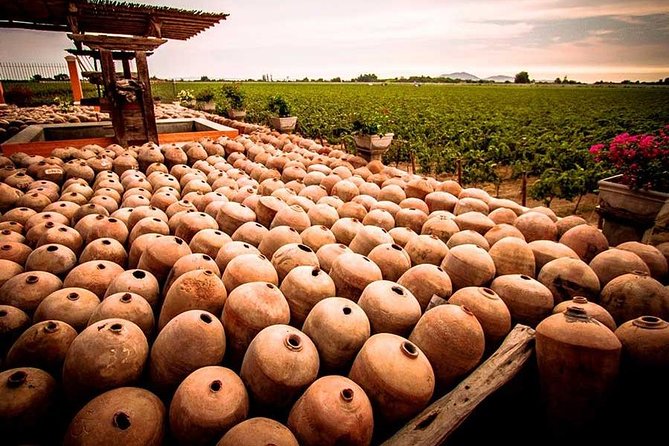
Tastings are included as you move between wineries, and the tour is very explicitly built around sampling piscos and wines. That’s not just about drinking. It’s about learning the differences you’ll actually notice.
A good day tasting comes down to two things:
First, you get guided context while you’re still fresh. Second, you taste enough variety to compare producers.
That’s why the route structure works. You start with a historic heavyweight, then move into artisanal craft and a cellar setting, and end with a family legacy. Even if you don’t become a pisco expert by the end of the afternoon, you’ll walk away with a better sense of why pisco culture in Ica is taken so seriously.
One practical note: you’ll want to keep expectations realistic. Multiple tastings in a 5–6 hour window means you’re sampling, not doing a full wine education seminar. Drink water, pace yourself, and save your biggest questions for moments when the guide is with you and not rushing to the next stop.






Price Value: Is It Worth $30.77?
At $30.77 per person, this is positioned as a value-driven way to see the Ica pisco scene without needing to drive yourself. The cost looks even better when you remember what’s bundled:
- hotel pickup and transportation
- entrance and tasting structure at multiple stops
- visits to El Arrabal, Bodega Nietto, and Tacama (with tastings included)
- a free lunch time window
The main “extra” is that Tacama’s entrance fee is not included (PEN 25.00). For value-minded travelers, that’s still a small add-on compared to the overall inclusions. You’re basically paying to remove the stress: transport, timing, and guided tastings across several producers.
So I’d frame it like this: you’re paying for the route plus coordination, not just for sitting in tasting rooms.
And yes, if you end up wishing you had lingered longer at only one producer, you’ll feel that. One thing to watch for is that some people want fewer stops. If that sounds like you, you might prefer a private or more focused winery experience later. But for a first Ica pisco day, this route hits a lot of the right notes.
Who This Tour Suits Best (and Who Might Want a Different Style)
This tour is a great fit if you:
- want a first-time introduction to Ica pisco and wine
- like tastings but don’t want to plan transport yourself
- enjoy meeting a guide who can explain what you’re tasting
- want one organized afternoon that covers several key places
You might want to consider a different option if:
- you dislike a tasting schedule with multiple wineries in one day
- you’re the kind of traveler who prefers long stays in one location over sampling several
- you’re very sensitive to pacing (because it’s a 5–6 hour loop)
That said, the free lunch time and the small group size help keep it from feeling like a full-day marathon.
My Booking Advice: Should You Sign Up?
If you’re basing your Ica plan around one “must do” afternoon, I think this is a strong choice. The reasons are simple: transport included, tastings built into the day, and a route that mixes historic scale with artisanal craft. Add in the max 12 travelers approach, and it’s the kind of group size where you can actually enjoy the experience rather than tolerate it.
One last check before you book: confirm whether you’re okay paying the Tacama entrance fee (PEN 25.00). If yes, you’re set for a well-paced introduction to Peru’s pisco culture.
FAQ
FAQ
How long is the Winery and Pisco Distillery tour in Ica?
It runs about 5 to 6 hours.
What does the tour include?
It includes hotel or bus-station reception, visits to El Arrabal, La Vieja Bodega Lovera, Tacama, and Bodega Nietto, tastings of piscos and wines, admission to the specified tourist places, and free time for lunch during the tour.
Is Tacama entrance ticket included?
No. The Tacama ticket entrance is not included, and it costs PEN 25.00 per person.
What happens on Mondays when Hacienda Tacama is closed?
On Mondays, the tour replaces the Tacama visit with Hacienda Vista Alegre, which is listed as the same category.
Where are pickup locations?
Normally, pickup is from Ica or Huacachina hotels. On holidays, pickup is at Plaza de Armas and Huacachina, and drop-off is at the tour’s Ica office or Plaza de Armas in Ica.
How large is the group?
The tour has a maximum of 12 travelers.
Are meals included?
Meals are not included, but there is free time for lunch during the tour.
Does the tour require good weather?
Yes. It requires good weather, and if it’s canceled due to poor weather, you’ll be offered a different date or a full refund.
What’s the cancellation policy?
You can cancel for a full refund if you cancel up to 24 hours in advance of the experience start time. If you cancel less than 24 hours before, you won’t receive a refund.