REVIEW · ICA
ICA: Pisco and Wine Route with tasting in 03 Wineries
Book on GetYourGuide →Operated by Aventura Extrema Ica · Bookable on GetYourGuide
Pisco gets personal in Ica. This 3.5-hour route pairs hands-on learning about pisco with guided wine tastings in working wineries, plus a vineyard walk where the scenery and grape basics click. It is a great fit if you want more than just sipping—you want to understand what you are tasting and why.
What I like most is the focus on process and senses: you learn about pisco distillation and then get help from a specialist sommelier on aromas and flavors. Second, the day is structured for people who prefer not to rush: it is a small group (max 10) with scheduled time to explore the facilities and enjoy the views. One consideration: the tour schedule includes winery entrance time at TACAMA, but the TACAMA entrance fee (about S/.25) is listed as not included, so check that budget before you go.
In This Review
- Key Highlights You Should Know
- Pisco and Wine Route in Ica: The Big Idea
- Getting to the Wineries: Pickup, Small Group, and Timing
- Stop at TACAMA Hacienda: History Meets Pisco Distillation
- Guided Tasting #1: Learning How to Spot Aromas and Flavor
- The Vineyards Walk: Grape Varieties and Why They Matter
- Stop #2 Winery and Second Tasting: Pairings and Premium Wines
- Lunch in Ica: Time to Refuel (and Plan for What’s Included)
- Price and Value: Is $29 Worth It?
- Who This Tour Is Best For
- What to Pack and How to Get the Most from Tastings
- Should You Book This Pisco and Wine Route?
- FAQ
- FAQ
- How long is the pisco and wine route?
- Where does pickup happen for this tour?
- Is transportation included?
- How many tastings are included?
- What languages is the tour offered in?
- What is the minimum age to join?
- Is the TACAMA entrance fee included?
Key Highlights You Should Know
- TACAMA hacienda visit with history and production context around Peruvian pisco
- Sommelier-guided tastings focused on how to identify aromas and flavors
- Two planned tasting sessions plus winery cellars and working-vineyard access
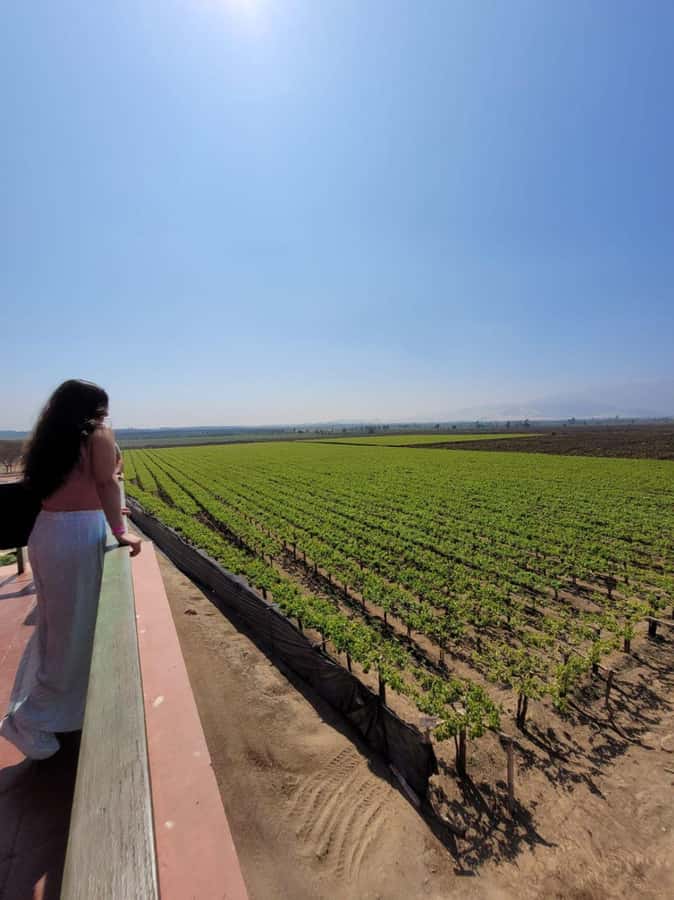
- Vineyard walk for grape-variety explanations and photo-friendly landscapes
- Small group (up to 10) with a guide in Spanish or English
- Pickup in Ica or Huacachina with door-to-door style convenience
Pisco and Wine Route in Ica: The Big Idea
If you have only heard the word pisco and never connected it to grapes, aging choices, and distillation decisions, this route helps you link the dots fast. The day is built around the full chain: you start with the culture and production story, you move into the senses with guided tastings, and you end with time to slow down and enjoy a regional meal.
In plain terms: you come away with a better nose and a better vocabulary. You will know what the guide is talking about when you hear words like aroma families and flavor profiles, and you’ll also get a sense of how the Ica region’s grapes feed both pisco and wine styles.
You can also read our reviews of more food & drink experiences in Ica
Getting to the Wineries: Pickup, Small Group, and Timing
You get transportation included, and the setup is meant to keep the day smooth. Your pickup can be from Ica or Huacachina, either at your hotel (near Ica) or from the bus terminal in those areas. The vehicle is identified as a white van or a black car, and it leaves punctually at your reserved time.
Here is the practical part I appreciate: the group is limited to 10 participants, so questions are not an afterthought. You also get free time to enjoy the scenery and explore the facilities, which matters because winery visits can turn into a sprint if the day is poorly planned.
The total time on the clock is about 210 minutes (around 3.5 hours). The pacing is tight enough to feel efficient, but not so rushed that the tastings become background noise. You’ll do guided time, short transfers, two tasting blocks, and then a meal window.
One more logistics note: wear comfortable clothes and walking shoes. The tour includes walking through vineyards and winery facilities, so plan for uneven ground and warm conditions typical of the Ica area.
Stop at TACAMA Hacienda: History Meets Pisco Distillation
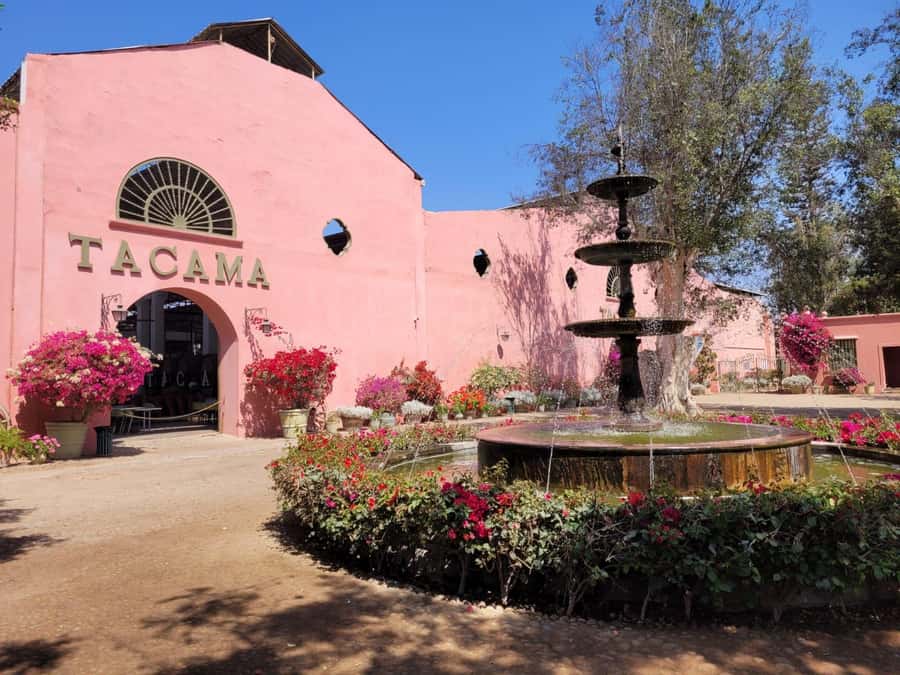
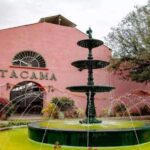
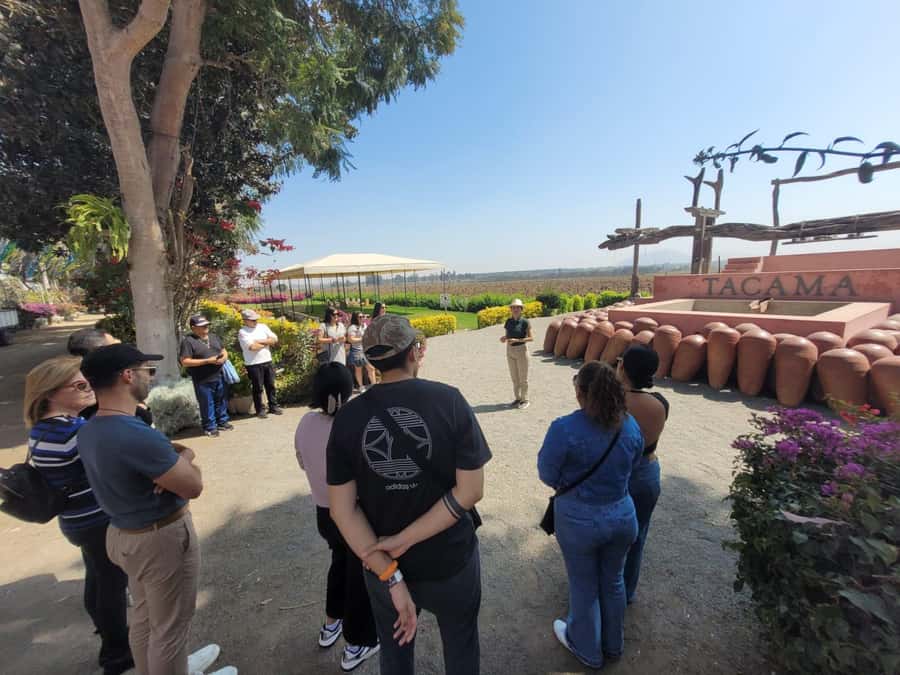
The tour starts at a traditional Hacienda TACAMA winery, where you get the cultural and production context behind Peru’s iconic drinks. This is not just a quick photo stop. You are guided through the background and how the hacienda fits into the broader story of pisco and wine in the Ica region.
Then comes the key learning moment: the pisco distillation process, from grape harvesting to transformation into liquor. Even if you already like pisco, this part gives you a framework for taste. Distillation choices influence the final profile, and that is what turns your tasting from random sipping into something more intentional.
What is also helpful here is that the guide’s job is to make the process understandable, not technical for technical’s sake. By the time you sit down for tasting, you are not just guessing—you know what stages you are looking at when someone describes aromas and flavors.
Note on cost: the entrance fee to TACAMA (about S/.25 soles) is listed as not included. So if you are budgeting tight, factor that in.
Guided Tasting #1: Learning How to Spot Aromas and Flavor
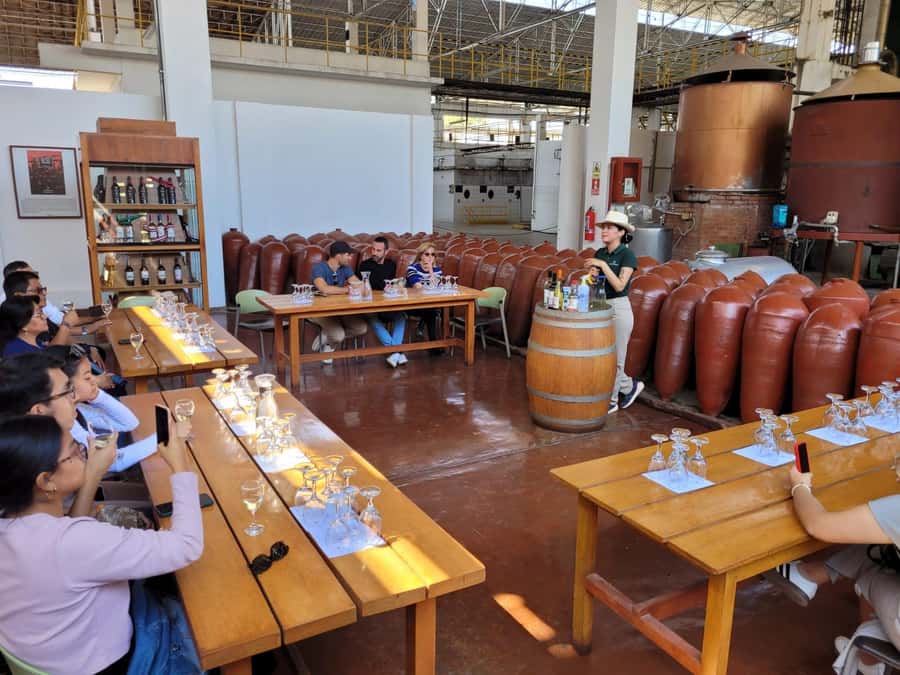
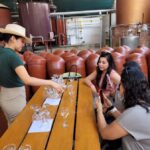
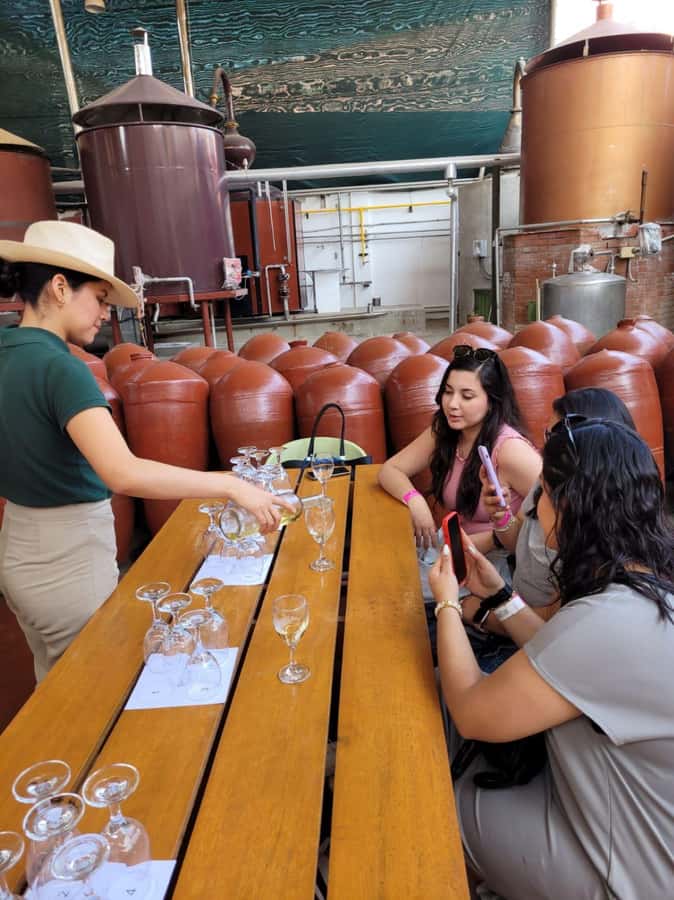
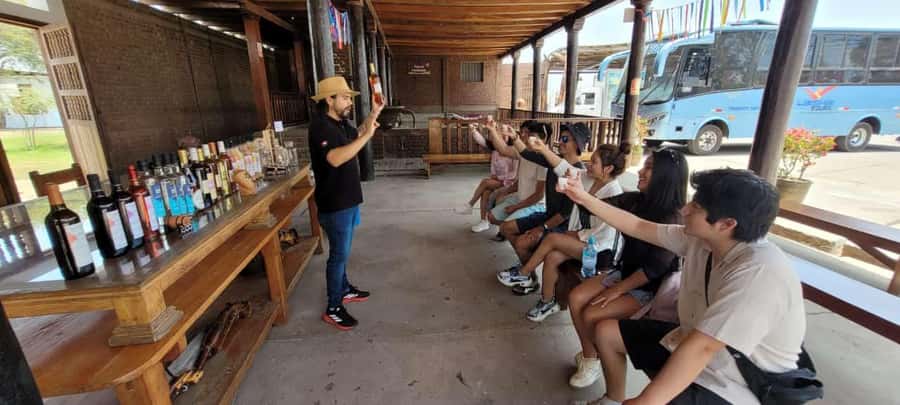
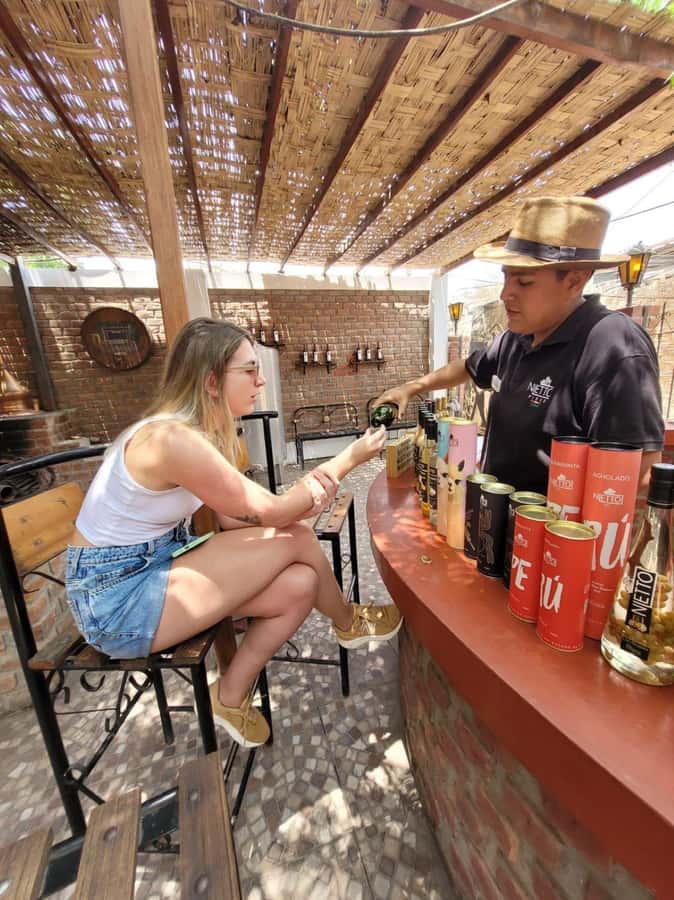
After the TACAMA visit and guiding time, you move into your first tasting block (about 30 minutes) with a specialized sommelier. This is where the tour earns its “value per hour” reputation.
You do not just get a pour. You get a method—how to identify flavors and aromas across different types of pisco and local wines. That might sound abstract, but it is practical: once you learn what to look for, you can reuse the same thinking later in Peru, in duty-free bottles, or even when you read a menu back home.
If you are the kind of person who usually feels lost at tastings, this structure helps. The guide steers you through the sensory side, which makes it easier to enjoy even if you do not consider yourself a wine expert.
The Vineyards Walk: Grape Varieties and Why They Matter
Between tastings, you step into the vineyards. This is not a separate sightseeing detour—it supports the whole theme of the day.
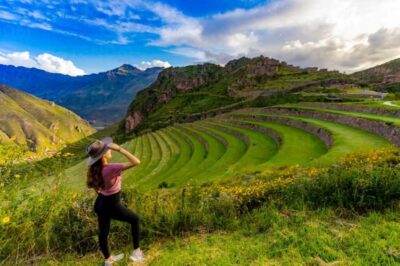
The guide explains grape varieties and how those grapes help create the pisco and wine you tasted. You also get time for the scenery and facility exploration, which is the payoff for many people who come to Ica for its landscape as much as its drinks.
A vineyard walk works best when you connect it to what you just learned. Here, that connection is built in. If you pay attention during the grape-variety explanations, your second tasting is more rewarding because you have a clearer map from grape to glass.
You can also read our reviews of more wine tours in Ica

Stop #2 Winery and Second Tasting: Pairings and Premium Wines
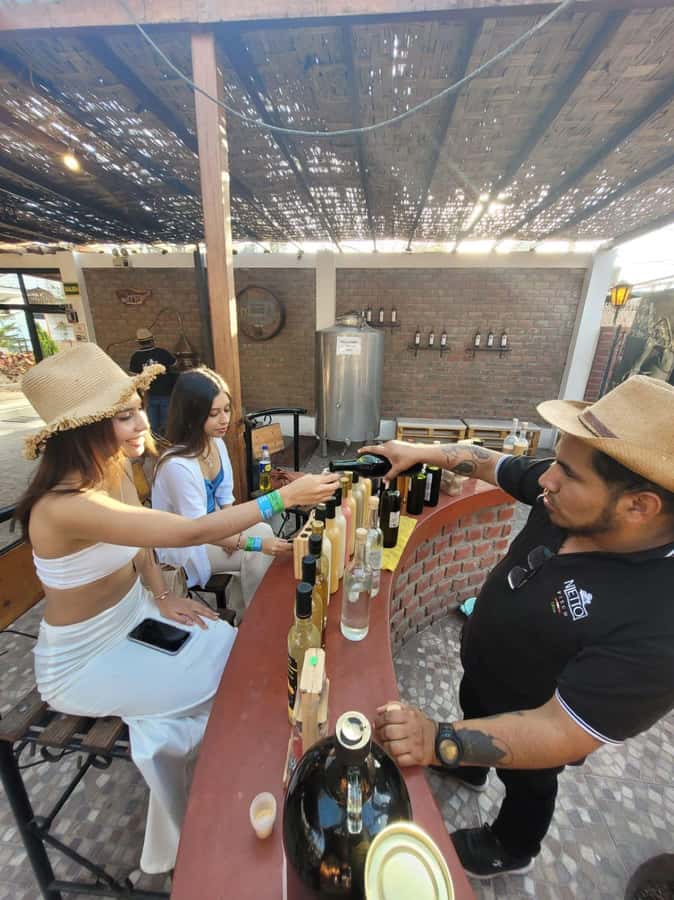
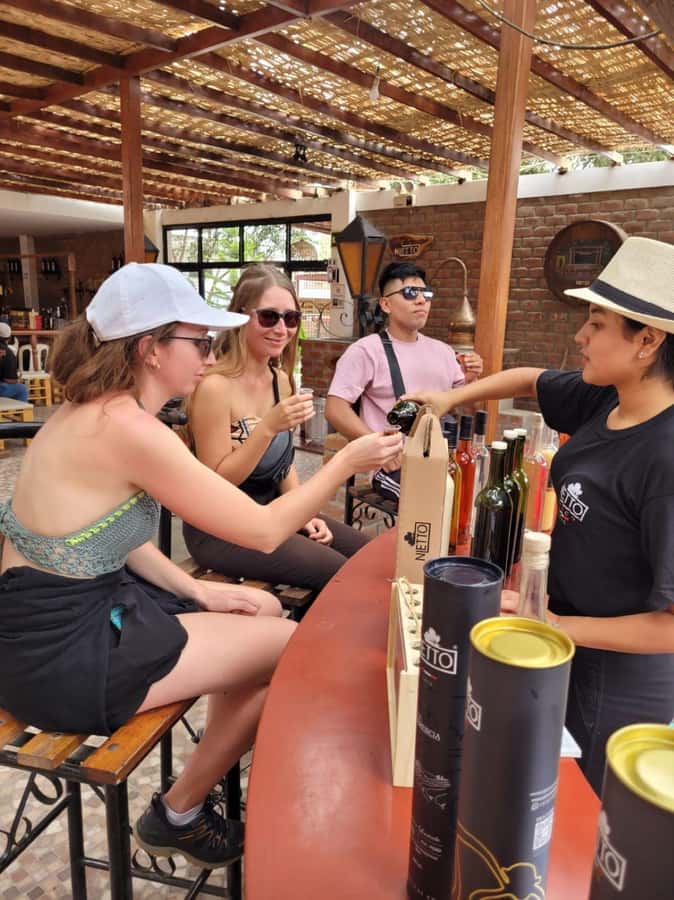
Next comes the second winery experience and the second tasting session (again about 30 minutes). The tour keeps the structure consistent: a guided stop, then time for tasting focused on premium wines and pairings.
This is where you start to notice differences between styles more clearly. You have already learned the basics of aroma and flavor identification, so the sommelier guidance feels less like a lecture and more like coaching. Pairings also help, because they show how food and drink influence each other in your mouth.
You may be surprised how quickly your palate adapts when someone gives you a framework. If your travel style is more hands-on than museum-style, this tasting segment is a strong reason to choose this tour.
Lunch in Ica: Time to Refuel (and Plan for What’s Included)
The schedule includes lunch time (about 50 minutes) after the second tasting. The tour description frames it as a typical regional meal with locally produced beverages.
But there is a detail worth being careful about: the list of what is not included says the typical regional lunch in ICA is not included. At the same time, the tour information also says lunch includes traditional regional options. Since those two statements conflict, the safest move is to assume lunch may require an extra payment and/or depends on what you choose.
How to handle it:
- If you have dietary needs, tell the operator in advance (the tour states they can accommodate dietary restrictions if you inform them).
- Bring a little extra cash just in case lunch is not fully covered.
Either way, the lunch window gives you breathing room after tastings, so you can enjoy the meal without feeling like the day is only about alcohol.
Price and Value: Is $29 Worth It?
At $29 per person, this route can be a solid deal in Ica—especially because so much is bundled into the time you spend. You are not paying only for tastings. You are paying for:
- Transportation from Ica or Huacachina
- A guided visit focused on pisco history and production
- Sommelier-led tastings with guidance on aroma and flavor
- Access to exclusive wineries and working vineyards
- Some written informative material on pisco, wines, and the region
The main “watch-outs” on value are the add-ons not included:
- TACAMA entrance fee (about S/.25)
- Lunch may require extra money depending on what is included in your specific booking
If you want a structured introduction to both pisco and wine, and you like learning in a group setting, this feels priced to be approachable. If you already know exactly what you want and prefer self-guided visits, you might spend less by DIY—but you would lose the guided tasting coaching, which is where a lot of the value lives.
Who This Tour Is Best For
This tour fits best if you:
- Want a short, well-paced day in Ica
- Like learning by doing, with sommelier guidance
- Prefer a small group experience rather than a big bus tour
- Are curious about how pisco connects to grape varieties and distillation
It is also a good option if you are staying around Huacachina and want an organized way to reach winery areas without figuring out transport.
It is not a great fit if:
- You have lactose intolerance (the tour is listed as not suitable)
- You are traveling with kids under 18 (minimum age is 18)
Wheelchair access is listed as available, which is helpful, though you will still want comfortable shoes because vineyard and winery walking is part of the plan.
What to Pack and How to Get the Most from Tastings
This is not a formal dress day. Aim for practical:
- Walking shoes you trust on uneven ground
- Light layers (it can get warm, especially in the open vineyards)
- Sun protection (Ica sun can be intense)
- A small note-taking habit in your phone if you like remembering flavors
During tastings, do not try to “win” at tasting. Instead, use the guide’s approach: pick out one or two aroma cues and one flavor direction. That keeps you focused and makes the tasting feel productive.
And when you get to the second winery, think back to the vineyard explanations. The tour is designed so each step helps the next one make more sense.
Should You Book This Pisco and Wine Route?
If your goal is to understand pisco and Peruvian wines quickly, in a structured way, with two guided tasting sessions, I think this is a good pick. The small group size and the sommelier coaching are the standout reasons to choose it. You also get the Ica-vineyard context, so it does not feel like drinking in a vacuum.
I would pause before booking only if you:
- Are sensitive to alcohol tastings (this is built around tasting)
- Want full transparency on lunch inclusion (because the materials conflict, it may cost extra)
- Do not want to pay the TACAMA entrance fee
If you can handle that, you’ll likely come away with more than souvenirs. You’ll leave with a better sense of how the drinks are made and how to talk about what you taste.
FAQ
FAQ
How long is the pisco and wine route?
The tour lasts about 210 minutes, or roughly 3.5 hours.
Where does pickup happen for this tour?
Pickup is available in Ica and Huacachina, either from your hotel near Ica or from the bus terminal in those areas.
Is transportation included?
Yes. Comfortable and safe transportation is included from the meeting point to the wineries and vineyards.
How many tastings are included?
There are two guided tasting sessions, each scheduled for about 30 minutes.
What languages is the tour offered in?
The live tour guide is available in Spanish and English.
What is the minimum age to join?
You must be 18 years old or older due to the nature of the pisco and wine tastings.
Is the TACAMA entrance fee included?
No. The entrance fee to the TACAMA hacienda is listed as about S/.25 soles and is not included.