REVIEW · CUSCO
Machu Picchu: Inca Trail 2-Day Overnight Guided Tour
Book on GetYourGuide →Operated by Alpaca Expeditions · Bookable on GetYourGuide
Machu Picchu is unforgettable, and this route is the setup. I love the Sun Gate sunrise approach and the way the day 1 hike rolls through Inca ruins toward Machu Picchu, not just a quick photo stop. I also like the logistics: train to Ollantaytambo, a real cooked lunch on the trail, and a comfortable overnight in Aguas Calientes so you’re not running on fumes. The main drawback is simple: the hike can be tough at altitude and in humidity, so you’ll want to pace smart and be honest about your fitness.
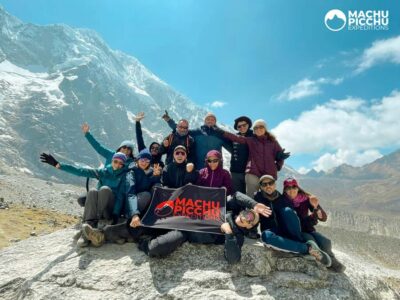
You’ll move with a small group (limited to 16) and an English-speaking in-person guide, with transportation handled end to end. There’s even practical backup in case you need it: a first aid kit and oxygen tank are included, plus a duffle bag service up to 5 kg. Just note that this exact plan isn’t for everyone with mobility, heart, or other medical issues, and Huayna Picchu costs extra and sells out.
In This Review
- Key highlights that matter (not just nice-to-haves)
- Why This 2-Day Plan Starts With the Sun Gate
- Cusco to Ollantaytambo by Train: The Scenic Warm-Up You Actually Need
- From KM 104 to Wiñay Wayna: Terraces, Water Features, and a Real Hike
- Lunch on the Trail: The Meal That Makes the Difficulty Feel Worth It
- Aguas Calientes Overnight: Recovery Time Before the Big Show
- Sunrise at Machu Picchu: When the View Finally Pays Off
- The Guided Portion Plus Free Time: Your Machu Picchu in Two Speeds
- Train Home and the Final Curve: Ollantaytambo to Cusco
- Price and Value: What $585 Actually Buys You
- Who This Tour Fits Best (and Who Should Rethink It)
- Practical packing and altitude reality (so you don’t suffer for no reason)
- Should You Book This Machu Picchu Inca Trail 2-Day Tour?
- FAQ
- What meals are included on the 2-day Machu Picchu Inca Trail tour?
- Is a hotel included in Aguas Calientes?
- How long is the Machu Picchu guided portion?
- Can I climb Huayna Picchu, and what does it cost?
- What is included in the $585 per person price?
- What time is the briefing before the tour?
Key highlights that matter (not just nice-to-haves)
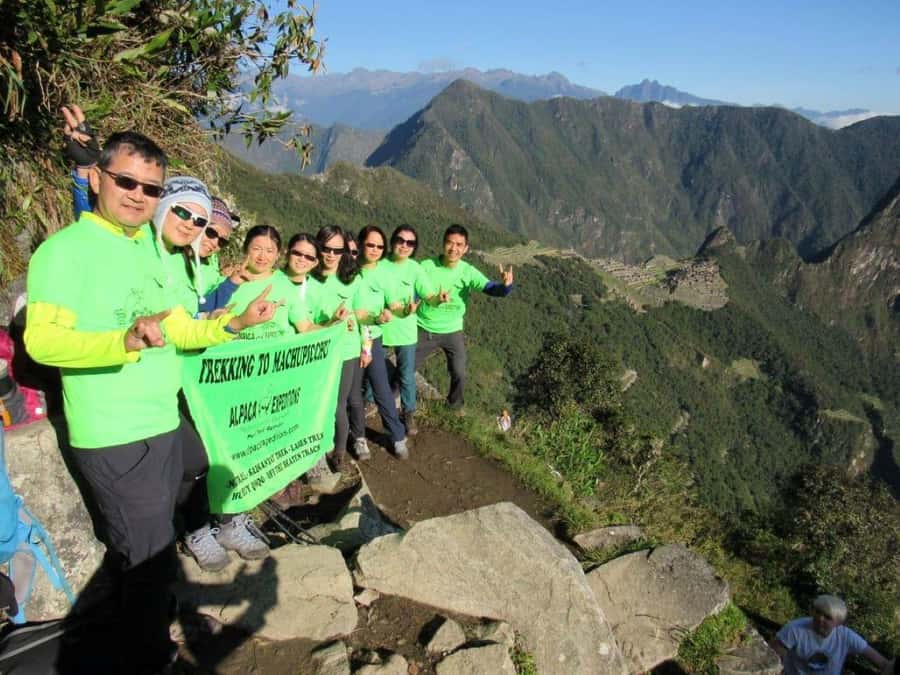
- Sun Gate arrival for early views: the payoff is built in, not improvised
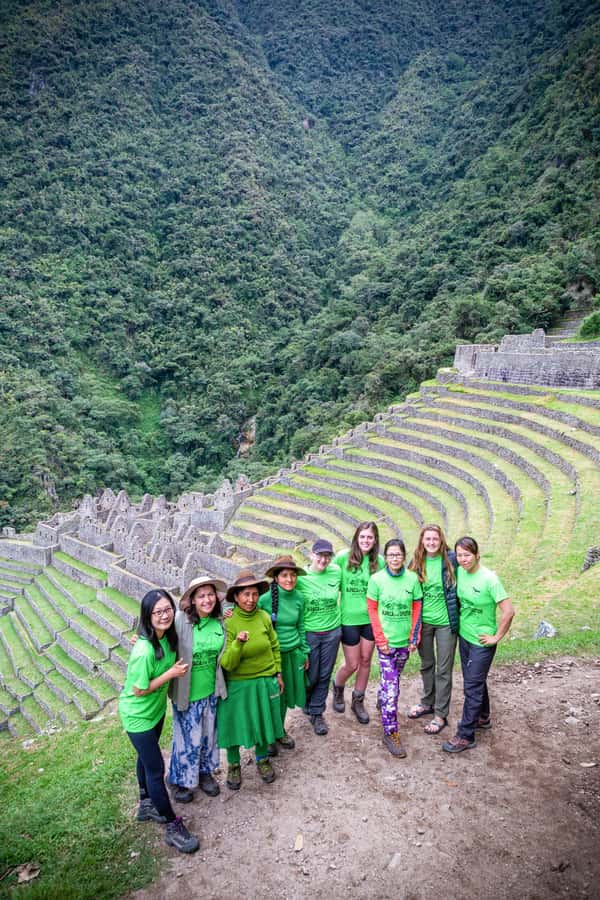
- Wiñay Wayna ruins at ~2,600 m: terraces, water features, and classic Inca staging
- Cooked lunch during the hike: hot food beats the dry-snack trap
- Machu Picchu Citadel ticket for circuit 3: a guided route that gets you to the right places
- Small group size (16 max): more breathing room and easier pacing
- English guide + in-person briefing (6:00 PM): you’re oriented before you’re tired
Why This 2-Day Plan Starts With the Sun Gate
This is the kind of Machu Picchu trip where the schedule protects the magic. You’re not arriving when tour groups have already taken over the view. Instead, you’re set up to catch the sunrise from the area near the Sun Gate, which is a big reason this itinerary feels special.
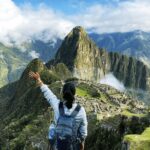
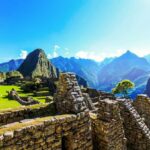
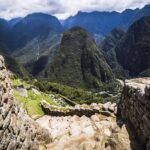
What I like about this approach is how it changes your pacing. Day 1 isn’t just about hiking; it’s about building anticipation. As you get closer, the ruins and farming terraces start to feel less like postcards and more like how the Inca actually used this landscape. By the time you see Machu Picchu from up high, you already understand what you’re looking at.
The other big plus is that you get Machu Picchu time twice in a way that feels intentional: day 1 gets you the dramatic entrance angle, and day 2 gives you additional time to roam the lower areas on your ticket after the guided portion.
You can also read our reviews of more guided tours in Cusco
Cusco to Ollantaytambo by Train: The Scenic Warm-Up You Actually Need

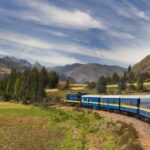
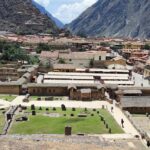
You’ll get picked up in Cusco and taken to the train station, then ride toward Ollantaytambo along the Urubamba River through farmlands and past snow-capped mountains. It’s a useful buffer day, not wasted time.
Why it matters: altitude hits people differently. That train ride gives your body time to adjust while your brain drinks in the Andes. And because you’re not driving in a tight bus for hours right away, you arrive with less stress.
If you’re booking for departures from March 2026, the plan includes the Vistadome Train Experience, which is mainly about the views. Even if you’re not a train person, you’ll probably be glad for the extra comfort and big windows when the scenery turns good.
From KM 104 to Wiñay Wayna: Terraces, Water Features, and a Real Hike
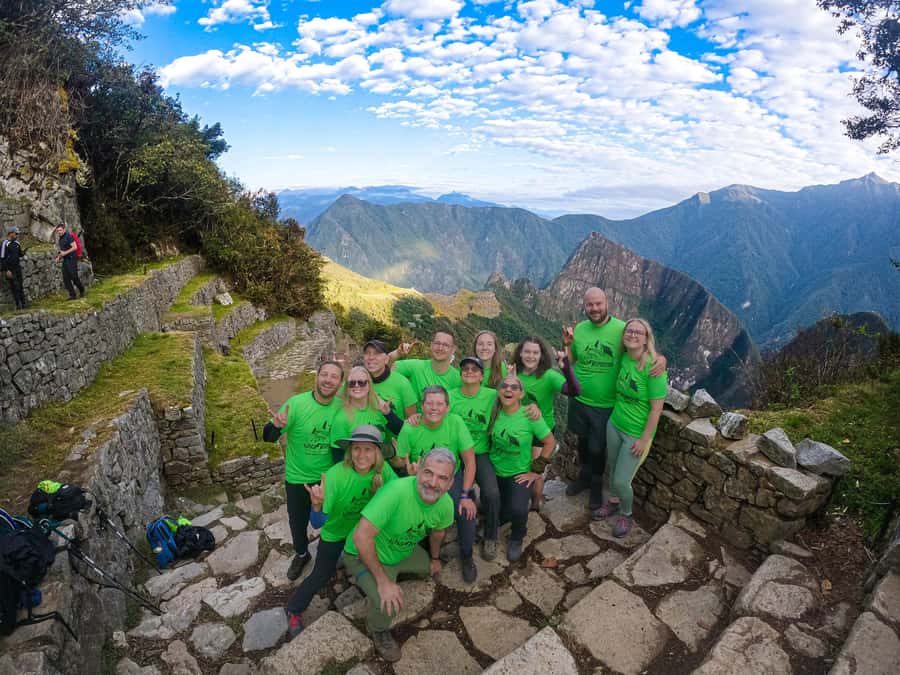
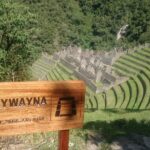
The day 1 hiking starts after you disembark at KM 104. Expect about a 3-hour hike to reach Wiñay Wayna (Forever Young), located around 2,600 m / 8,500 ft.
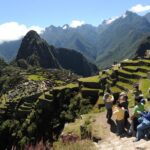
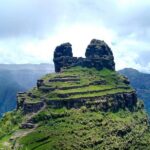
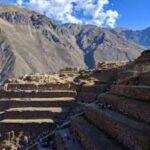
This is where the Inca part becomes concrete. Wiñay Wayna isn’t just a pile of stones. It’s a living-looking Inca landscape: terraces built to farm mountain slopes, and ruins that include water fountains and temple structures. The “water” detail is a big deal here. It helps you see the Inca as engineers who designed daily life, not just builders of monuments.
Also, this hike is not a casual stroll. You’re going to work. The terrain can feel hard, and several guides in past groups were praised for setting a pace that keeps you moving while taking breaks when needed. One traveler even advised using trekking sticks, especially if your knees start sending warning signals.
If you want a simple mindset: think slow and steady. This is one of those hikes where being relaxed is part of doing it well.
Lunch on the Trail: The Meal That Makes the Difficulty Feel Worth It
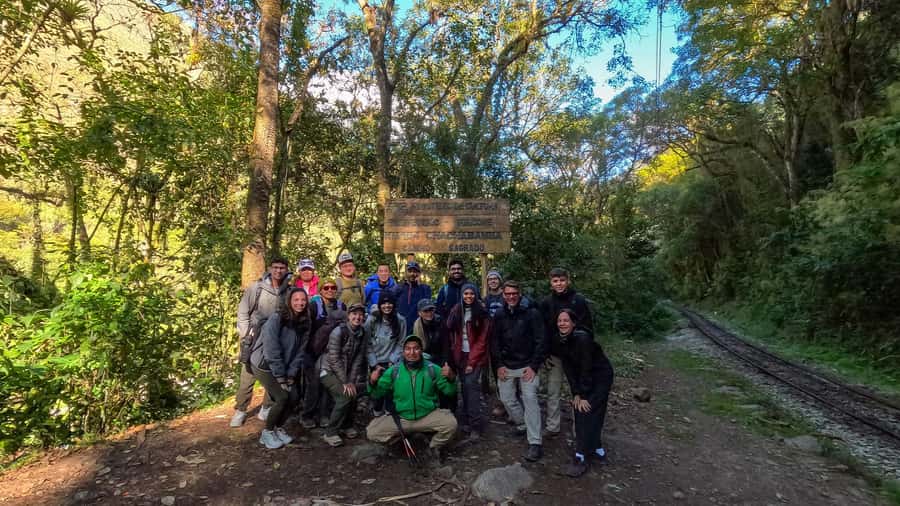
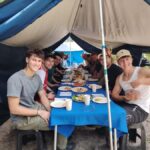
After reaching Wiñay Wayna, you get a break for lunch. The tour includes a freshly cooked lunch prepared by chefs, and it’s served during the hiking day.
This detail sounds small until you’ve hiked in the Andes. A hot meal means more energy for the final push toward the Sun Gate, and it keeps morale up when the path starts to feel long. Multiple people specifically mentioned that the lunch was a feast, not a token sandwich.
From a practical angle, this lunch stop also helps you manage your pace. You’re not forced to rush through ruins and keep walking with a growling stomach. You get a real reset before you continue.
And yes, you may want insect repellent. One review called out insects in some parts of the route, so bring repellent even if you think you’re “not an insect person.”
Aguas Calientes Overnight: Recovery Time Before the Big Show
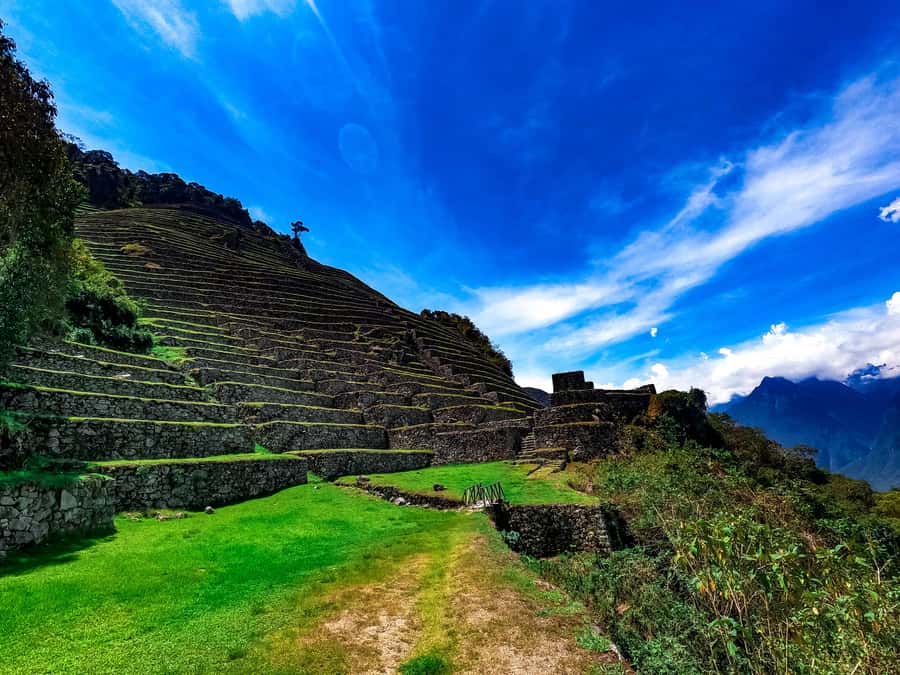
Once the day 1 hiking wraps up, you’ll take a bus down to Aguas Calientes (Machu Picchu town). Then it’s hotel check-in and dinner at a local restaurant, followed by an early night.
This is the part of the itinerary that I think most people underestimate. You’re doing a demanding day 1, and then you’re waking up very early for Machu Picchu. A good night of sleep matters, and the plan is built around that.
The tour includes an overnight stay at a 3-star hotel in Aguas Calientes. Most guests praised the hotel as really nice, and dinner as a high point too. But one traveler flagged issues like no hot water and a disappointing feel versus the expected 3-star level. So, treat this as “usually good” rather than guaranteed luxury.
What you can control: keep your evening simple. Eat, shower, and get to bed. If you’re tempted to wander the town late, remember you have a sunrise mission.
You can also read our reviews of more tours and experiences in Cusco

Sunrise at Machu Picchu: When the View Finally Pays Off
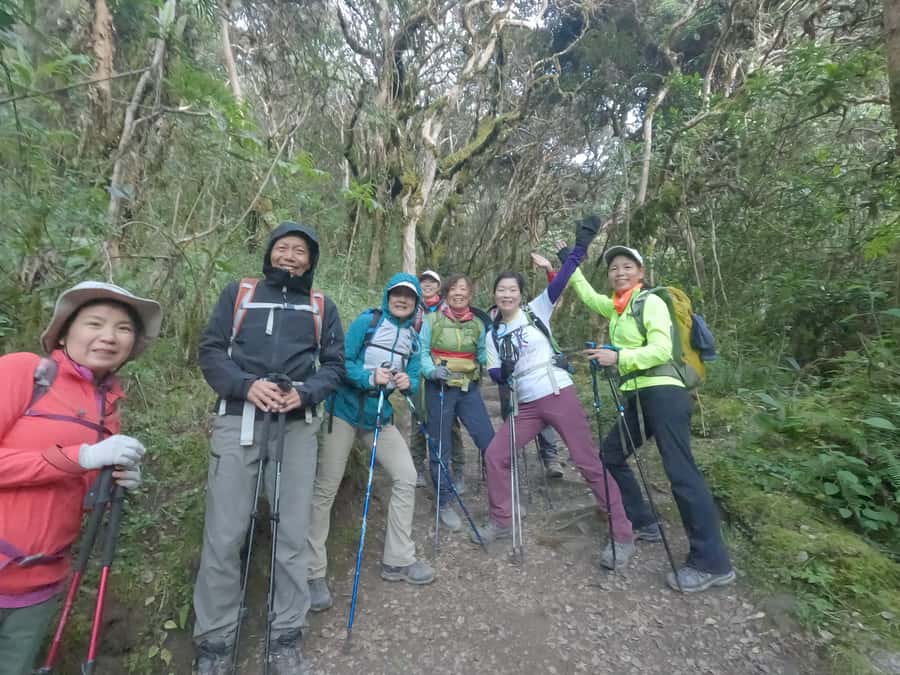
You’ll rise early to catch one of the first buses to Machu Picchu, then arrive for sunrise. This is the moment the itinerary is designed around, and it’s why this tour is worth considering if you’re serious about seeing Machu Picchu at its best.
After you’re in, you’ll start with a guided walk. The tour includes Machu Picchu Citadel entry for circuit 3 and a 2-hour guided tour on site with an English-speaking guide.
Guides on this kind of route often help the difference between seeing ruins and understanding them. Past groups praised specific guides for vivid storytelling and for explaining symbolism, philosophy, and history in a way that makes you look longer than you would alone. You’re also at the site when crowds are lower, so you can pause without constantly fighting for space near the best viewpoints.
If weather is clear, sunrise can be dramatic. If clouds sit low, the experience can still be magical; the light just changes the mood. Either way, you’re seeing a world-famous place in the first act, not the last.
The Guided Portion Plus Free Time: Your Machu Picchu in Two Speeds
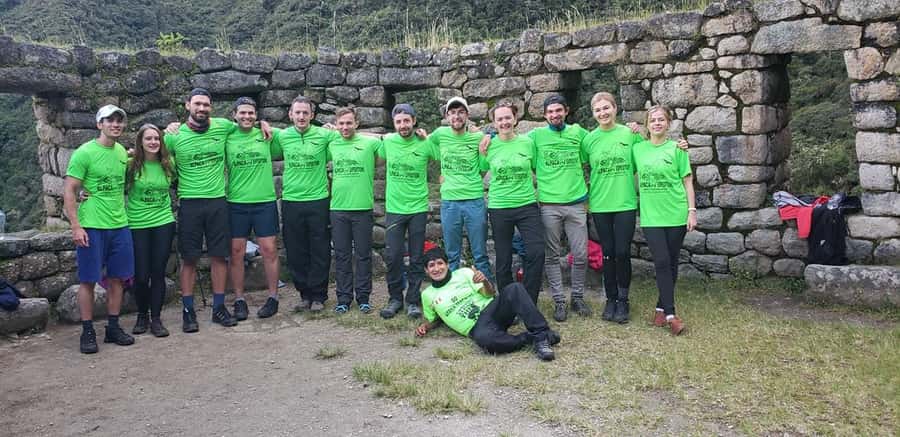
Day 2 is about getting more out of the same complex without rushing. After the guided tour portion, you’ll have free time to explore.
This free time is valuable because Machu Picchu is one of those places where you’ll want to revisit angles and linger if something grabs you. Some visitors also take that chance to climb Huayna Picchu, if you reserved the ticket in advance.
Huayna Picchu is listed as an optional add-on at $75 per person (subject to availability). The climb takes about 1.5 hours total, so it’s not an all-day detour, but it is physical. If you’re already tired from day 1, this becomes a personal call. If you climb, treat it like a second mini-hike: slow steps, steady breathing, and don’t chase speed.
After exploring, you’ll head back to Aguas Calientes either by bus or on foot, then enjoy the afternoon at your leisure.
Then later in the day, you return to Cusco via train through Ollantaytambo, with pickup/meet and transfer back to your hotel in Cusco at the end.
Train Home and the Final Curve: Ollantaytambo to Cusco
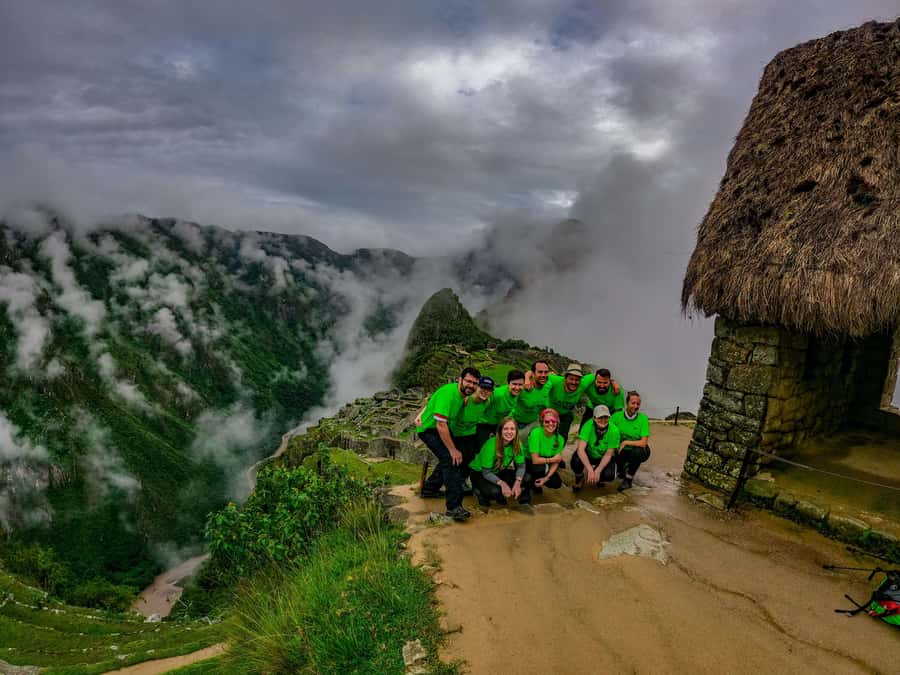
The return is set up to be straightforward. You board the train back to Ollantaytambo and your driver meets you there to take you to Cusco and drop you at your hotel.
I like this because it prevents the end-of-trip scramble. When you’re tired from Machu Picchu and a long day outside, the last thing you want is to figure out timing. Here, the plan handles the handoff.
Also, by the time you’re heading back, the Andes landscape feels less like scenery and more like a memory you’re already living inside. The train ride turns into a decompression moment, not just transit.
Price and Value: What $585 Actually Buys You
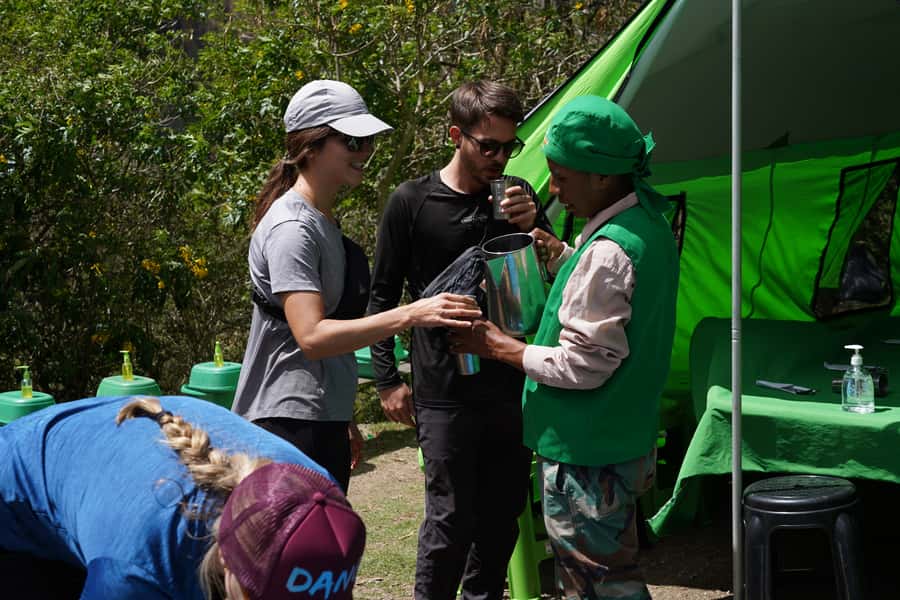
This tour is $585 per person, and for Machu Picchu, that’s not cheap. The key question is whether you’re paying for convenience and quality—or just paying for a ticket.
In this case, your money covers a lot of the expensive friction points:
- Hotel pickup/drop-off in Cusco
- Lunch and dinner (day 1), plus breakfast (day 2)
- Water in the morning and at lunchtime
- A live English tour guide
- Inca Trail permits
- Machu Picchu ticket for circuit 3
- Transportation during the hike
- Overnight in Aguas Calientes
- Vistadome Train Experience for bookings from March 2026
- First aid kit and oxygen tank
- Personal duffle bag service (up to 5 kg per person)
- In-person briefing at 6:00 PM the day prior
So you’re not paying to “rough it,” and you’re not paying to manage permits and connections yourself. You’re paying for a guided, organized route that gets you to the right Machu Picchu entry moment and then feeds you and gets you back.
Extra costs to plan for:
- Huayna Picchu: $75 per person (limited availability)
- Walking stick rental: $10 per person (if you don’t bring your own)
One review noted the trip can feel expensive compared to other options, partly because of hotel differences. If you’re watching costs, compare what’s included in your alternatives: entrance tickets, guide time, and overnight quality vary a lot.
Who This Tour Fits Best (and Who Should Rethink It)
This plan is best if you want a guided Inca Trail experience with minimal logistics stress and a sunrise arrival that most day-trip plans can’t match.
It’s also ideal if you want structure. A bunch of reviews praised guides for controlling timing, taking breaks, and making sure the group stays on schedule. Small group size helps here too, because it reduces the long string of people you can’t escape.
But I would be careful if you:
- Have significant back problems, heart problems, mobility impairments, or pre-existing medical conditions
- Are pregnant
- Prefer very easy walking
This is a hike with real effort. One traveler described it as hard path and advised training. Another mentioned high temperature, altitude, and humidity as the combo to respect. Even if you’re athletic, the environment can slow you down.
Practical packing and altitude reality (so you don’t suffer for no reason)
The tour lists basic essentials, and I’d treat them as the minimum:
- Passport
- Comfortable clothes
- Trekking gear
Here’s what I’d add based on what tends to go wrong in real life on this route:
- Trekking poles or a plan for walking sticks. One review mentioned the guide lending sticks when knees hurt.
- Repellent for insects in some trail sections.
- Comfortable layers for early morning and changing conditions.
- A duffle bag plan: the tour provides personal duffle service up to 5 kg, so pack what you truly need for each day.
Also, sunrise at Machu Picchu means early wake-ups. That can feel rough even if you sleep well. If you’re sensitive to early mornings, plan for it now.
Finally, the tour includes a first aid kit and oxygen tank. That doesn’t mean you should ignore altitude. It means you’ll have support if you feel unwell.
Should You Book This Machu Picchu Inca Trail 2-Day Tour?
If your goal is the classic Machu Picchu experience—sunrise, guided context, and a meaningful hike—this is a strong match. I’d especially recommend it if you value:
- Seeing Machu Picchu from the Sun Gate viewpoint with an early arrival
- A cooked meal on the trail that keeps your energy up
- A small group plan that doesn’t feel like cattle herding
- A day 2 that gives you real time to absorb the site, not just hurry through it
I’d pass (or at least rethink) if you know you can’t handle strenuous walking, or if you have health conditions listed as not suitable. And if hotel quality is a deal-breaker for you, understand that the Aguas Calientes overnight is generally praised but can vary.
Bottom line: this tour is priced like a guided, organized Inca Trail-plus-Machu-Picchu package. If you want the sunrise payoff without playing logistics roulette, it’s one of the more dependable ways to do it.
FAQ
What meals are included on the 2-day Machu Picchu Inca Trail tour?
Lunch and dinner are included on day 1, and breakfast is included on day 2. Water is provided in the morning and at lunchtime.
Is a hotel included in Aguas Calientes?
Yes. You’ll stay overnight in a 3-star hotel in Aguas Calientes (Machu Picchu town).
How long is the Machu Picchu guided portion?
The guided walking tour inside Machu Picchu is about 2 hours.
Can I climb Huayna Picchu, and what does it cost?
Yes, it’s an optional add-on. Huayna Picchu entry is $75 per person (subject to availability), and the climb takes about 1.5 hours total. You need to pre-reserve the tickets.
What is included in the $585 per person price?
The tour includes Cusco hotel pickup/drop-off, permits for the Inca Trail, Machu Picchu entry ticket for circuit 3, an English live guide, transportation during the hike, the Aguas Calientes overnight hotel, meals (lunch and dinner day 1, breakfast day 2), water at set times, a first aid kit and oxygen tank, and personal duffle bag service up to 5 kg.
What time is the briefing before the tour?
You’ll get an in-person briefing at the tour office the day prior to the tour at 6:00 PM.