REVIEW · CUSCO
Cusco: Machu Picchu 2-Day Inca Trail with Panoramic Train
Book on GetYourGuide →Operated by TreXperience · Bookable on GetYourGuide
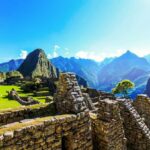
Machu Picchu waits for you. I love this Sun Gate entry because you reach the ruins with light left, when the views feel calmer. The Inca Trail hike also turns the journey itself into part of the story.
I also like how meals and logistics reduce stress. Day 1 includes chef-made picnic meals, then you sleep one night in Aguas Calientes with breakfast before the guided sunrise tour.
The trade-off is time and effort. The Cusco pickup hits around 4:00 a.m., and day 1 can be tough in steep, rocky sections, so bring good boots and expect to move slower if altitude or rain gets in the way.
In This Review
- Key things that make this trip work
- Day 1 starts early: Cusco pickup, Ollantaytambo, and the Km 104 train to Chachabamba
- Chachabamba and the Inca Trail stretch: what you’ll actually hike and why it matters
- Chef-made picnic meals: the practical fuel that keeps you moving
- Sunset at Machu Picchu through the Sun Gate: your first reveal
- Dinner, Aguas Calientes night, and the hotel reset before sunrise
- Day 2 sunrise bus and the guided Machu Picchu tour: what you’ll learn in the early light
- Optional Huayna Picchu or Machu Picchu Mountain: plan ahead or skip with zero guilt
- Vistadome panoramic train back: relaxing scenery instead of another grind
- Safety, emergency gear, and tour support that feels real
- What this trip costs ($582) and why it can be good value
- What to pack and how to avoid common problems
- Who should book this Machu Picchu 2-day Inca Trail with train ride
- Should you book this tour?
- FAQ
- How long is the Machu Picchu 2-day Inca Trail experience?
- What train is used on the return trip?
- Is lunch included on the second day?
- Do I need tickets in advance for Huayna Picchu or Machu Picchu Mountain?
- What hotel is included in Aguas Calientes?
- What time are the pickups in Cusco and the Sacred Valley?
Key things that make this trip work
- Sun Gate late-afternoon timing for a softer first look and a proper sunset moment
- Small group cap (max 16) so pacing and photo stops stay manageable
- Chef-prepared picnic meals on the trail, not cafeteria-style filler
- In-depth Machu Picchu guide in the morning plus optional mountain hikes (limited tickets)
- Vistadome panoramic return for a scenic ride back after your Machu Picchu day
Day 1 starts early: Cusco pickup, Ollantaytambo, and the Km 104 train to Chachabamba
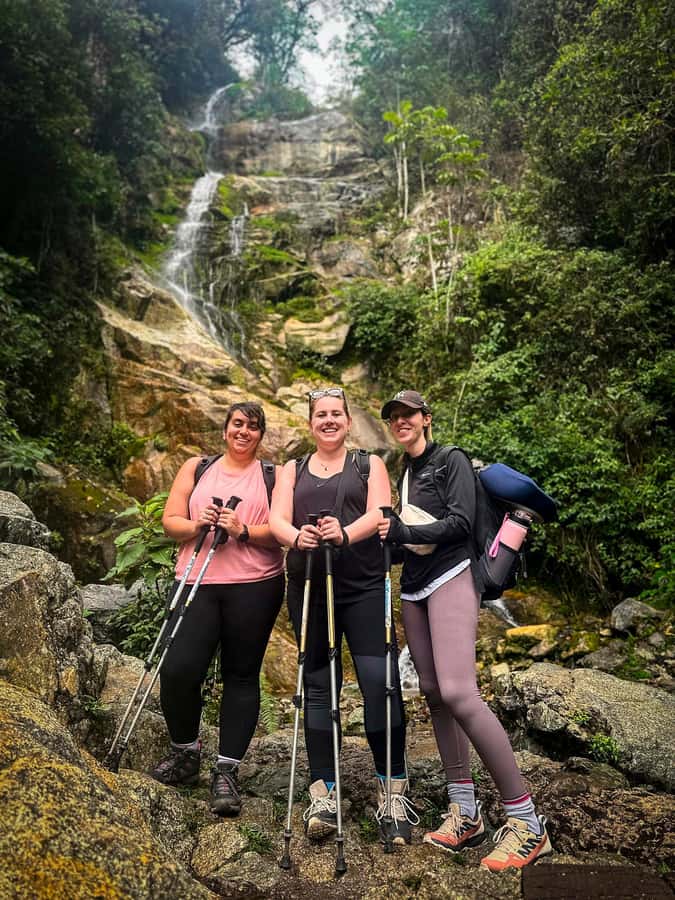
This is one of those Peru trips where good planning beats brute willpower. Your early pickup from Cusco’s Historic Center is around 4:00 a.m. (Sacred Valley pickups are about 5:30 a.m.), because you need the train position and entry timing to make the whole Machu Picchu schedule fit. If you tend to hate mornings, you’ll want to prep the night before: charge devices, set out warm layers, and don’t rely on being wide awake at the first hotel door knock.
You’ll ride from Cusco to Ollantaytambo, where you catch the train to Km 104. The ride itself is about more than “getting there.” You’re traveling through the Urubamba River corridor, and that long, gradual shift in altitude helps your body transition from city altitude-life to mountain trail-life.
On this route, the outward train can be Expedition or Voyager. Either way, you’re settling in before the trek. You’ll also get a safety briefing one day before and free luggage storage, which matters because your focus should be your daypack, not hauling extra stuff through checkpoints.
You can also read our reviews of more tours and experiences in Cusco
Chachabamba and the Inca Trail stretch: what you’ll actually hike and why it matters
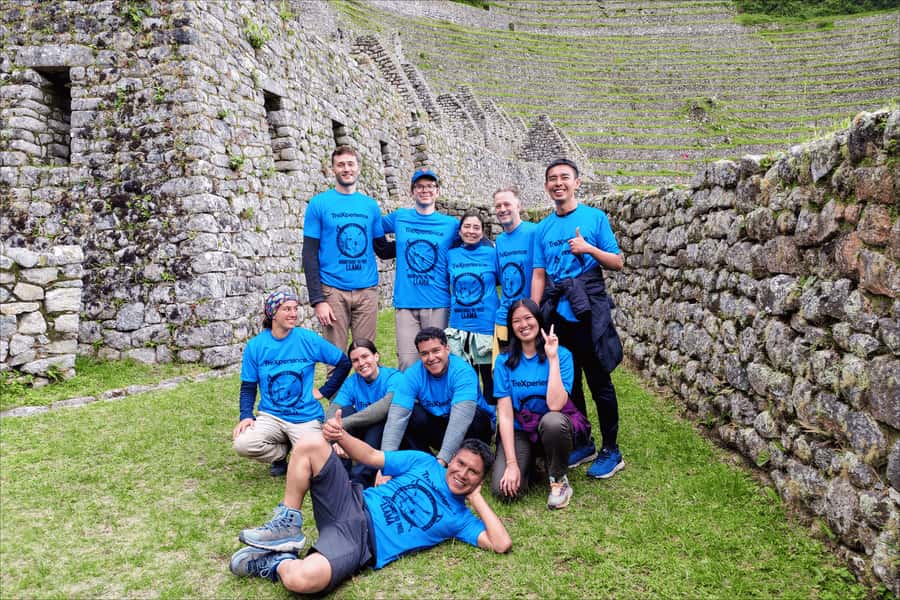
From the Chachabamba checkpoint, you begin the Inca Trail trek toward Machu Picchu. The big idea here is that you’re not just hiking for exercise—you’re following a route meant to connect Inca sites. Even with a shorter, 2-day format, you’re still moving through sections tied to the trail’s historic purpose.
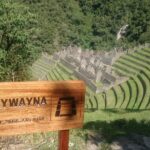
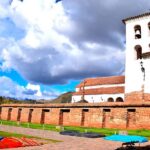
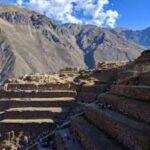
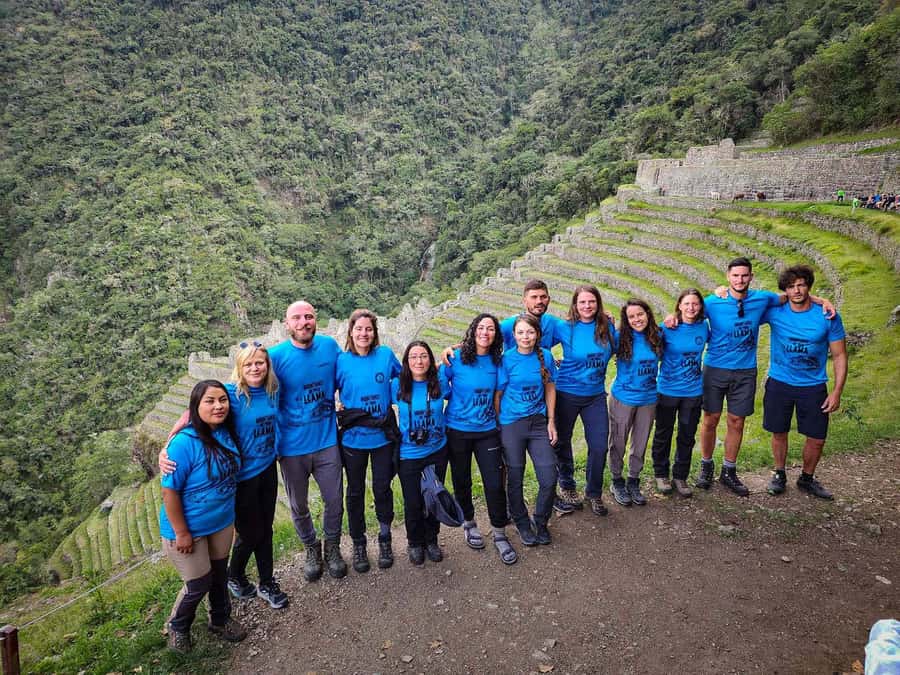
Along the way, you’ll visit Chachabamba ruins and Wiñaywayna. This is where the “ruins” part stops being a postcard word. You get a real sense of how Inca builders staged movement through the mountains, not by roads alone but by religious and community spaces. Expect the trail to include uneven ground, real climbs, and moments where you’ll be glad you didn’t skip the basics like hiking shoes and rain gear.
One useful thing from real-world feedback: the trek isn’t a casual stroll. Several people describe it as challenging in parts, and some call out roughly 16 km as the kind of effort the day can feel like. That lines up with the way the itinerary is structured: you’re hiking a full day, then hitting Machu Picchu the same evening.
If you’re sensitive to altitude, don’t pretend you’re fine. One booking notes a group member dealing with altitude sickness and a guide staying back to make sure they finished safely. The takeaway for you: tell your guide early if you feel off, and slow down before you’re forced to.
Chef-made picnic meals: the practical fuel that keeps you moving
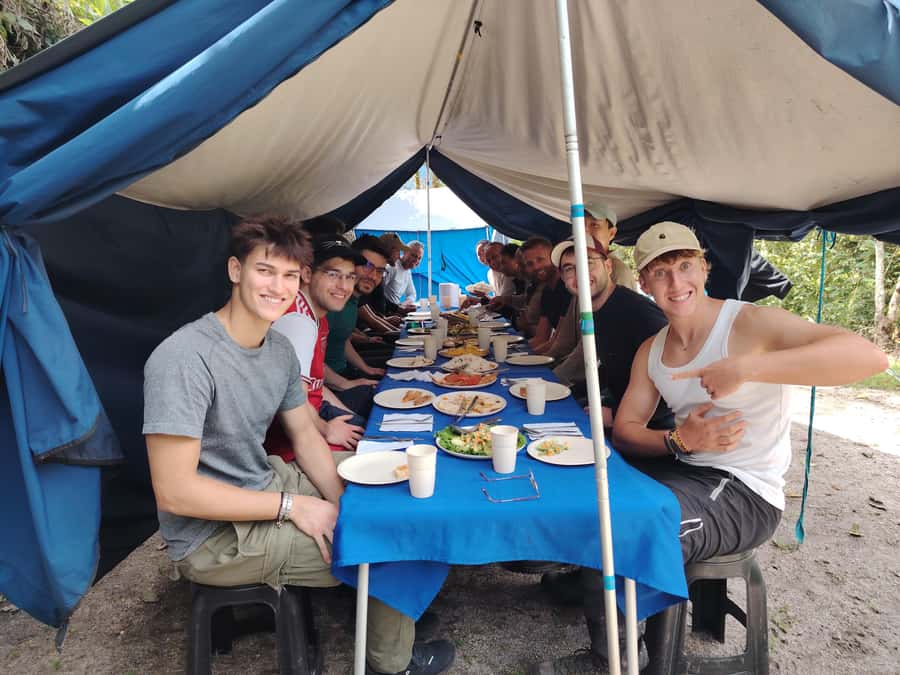
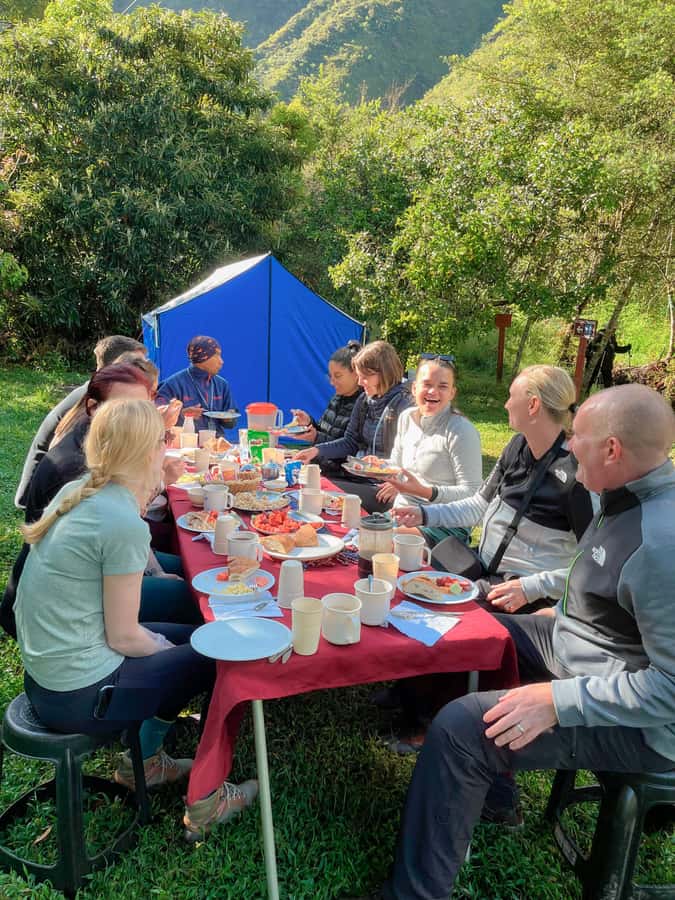
A lot of Machu Picchu tours treat food as an afterthought. This one doesn’t. You get picnic breakfast and picnic lunch on day 1, prepared by trekking chefs using local ingredients. That means you’re eating in the rhythm of the trail rather than sprinting to find a restaurant that matches your schedule.
This matters because the Inca Trail’s hardest moments come when you’re already tired—uphill sections where waiting until you’re starving makes the climb feel twice as long. With planned meals, you get consistent energy and fewer last-minute decisions.
You’ll also have dinner at a local restaurant on day 1. It’s a smart add-on: after a long hike and a bus day, you want a simple, organized meal that doesn’t turn into another hunt for food.
Dietary options are available upon request, so if you have needs, flag them when booking. Also bring a simple cash backup in case you decide to buy something small along the way—cash is specifically suggested as something to bring.
Sunset at Machu Picchu through the Sun Gate: your first reveal
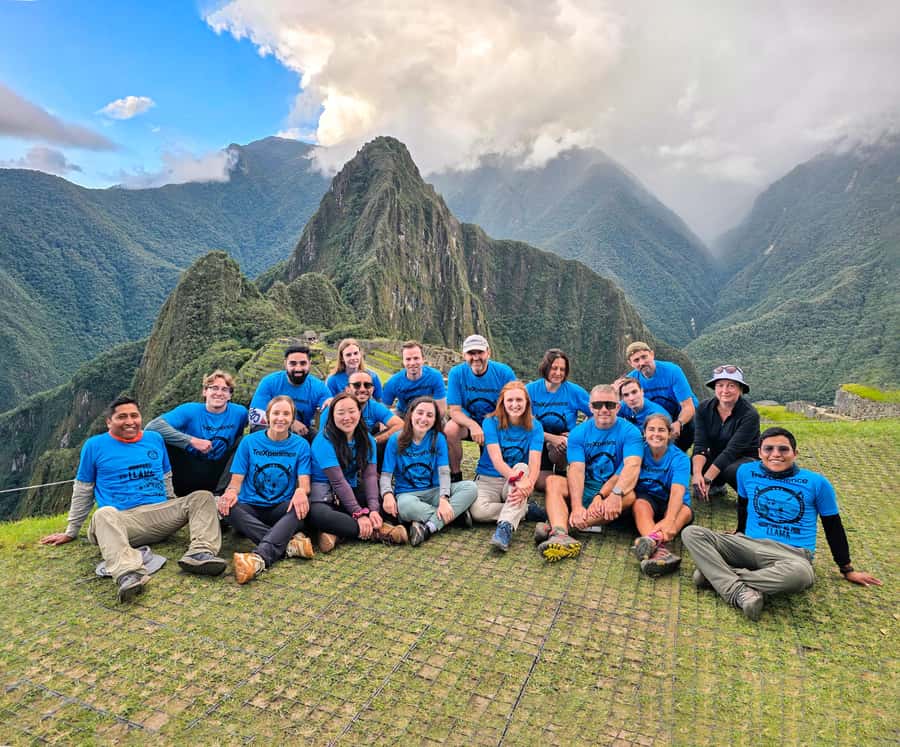
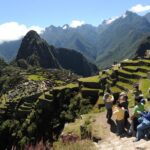
This is the moment most people picture when they book, and the timing is the whole point. You’ll enter Machu Picchu through the Sun Gate, then explore in the late afternoon. In practice, that means you’re walking into the place with softer light instead of fighting peak daytime crowd energy.
The itinerary focuses on arriving first, before the site fully fills up. Guides often help you understand what you’re looking at while you still have time to wander. And when the sun starts dropping, the whole experience shifts from sightseeing to something more emotional and surreal.
Practical note: weather can change the feel of Machu Picchu fast. Some groups have reported heavy rain on day 1 and fog on Machu Picchu day. That doesn’t ruin the trip, but it changes what you can see—so pack for both sun and wet, and don’t base your entire memory on one perfect view.
Dinner, Aguas Calientes night, and the hotel reset before sunrise
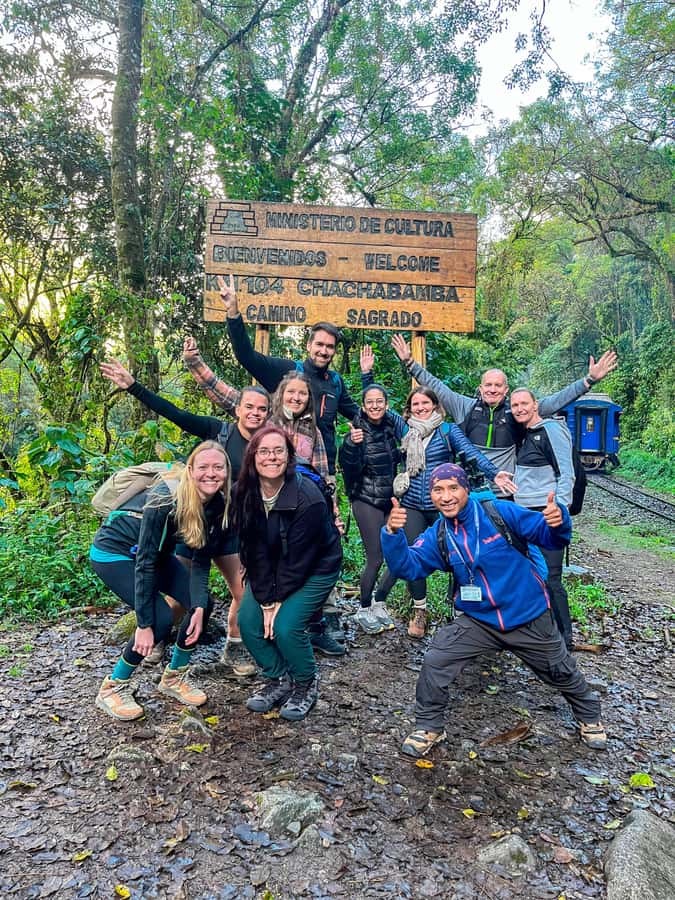
After the Machu Picchu afternoon, you’ll take the bus to Aguas Calientes and check into a 3-star hotel for one night, with breakfast included. This is the part that makes a “2-day” trip actually enjoyable. Instead of doing a long exhausting day and immediately turning around, you get to sleep near the site and reset your legs.
You’ll have dinner in Aguas Calientes on day 1, then an early hotel breakfast on day 2. That rhythm is why sunset-and-sunrise formats feel different: you’re not just rushing through Machu Picchu once.
As with any hotel setup, quality can vary. One booking praised the hotel as comfortable, while another described a less-than-great room experience and slow service. If room comfort is a top priority for you, you’ll want to set expectations and ask what “standard 3-star” means for the property category you’re assigned.


Day 2 sunrise bus and the guided Machu Picchu tour: what you’ll learn in the early light
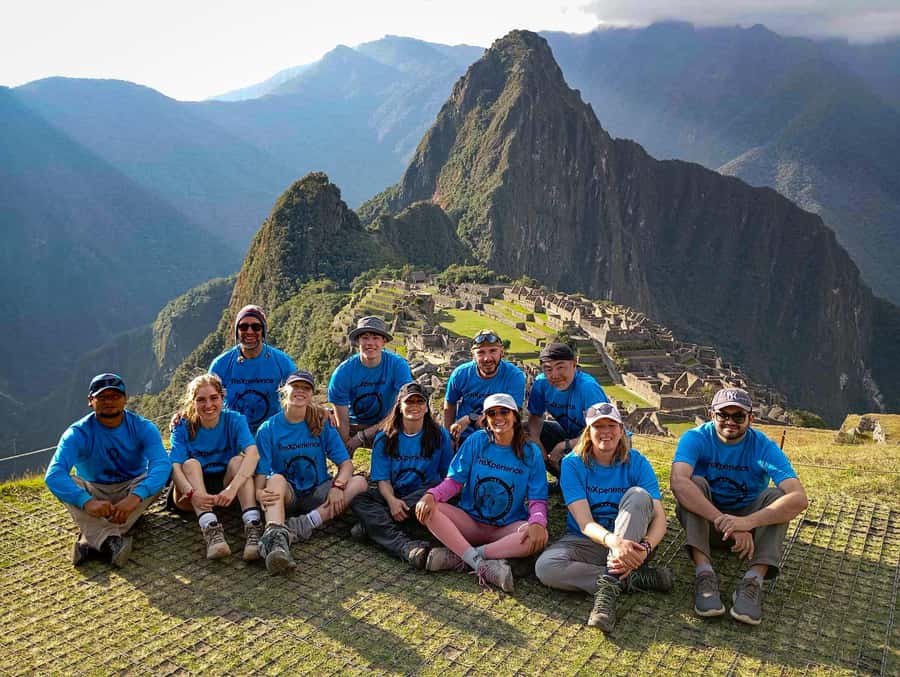
In the morning, you’ll take the bus to Machu Picchu just as the sun rises. The reason this matters is simple: early entry gives you a calmer start and better light for seeing stonework details and mountain shadows.
Then comes the part many people really value: a guided, in-depth tour of Machu Picchu. You’ll learn the story behind key areas, how the site functioned, and why certain lines of sight matter. In feedback tied to this trip, guides like Gilbert, Gary, Alejandro, and Christian are repeatedly praised for combining history with patience—especially when people needed extra time on the trail or wanted clearer explanations.
This is also where photo help becomes useful. Some guides and assistants are known for making picture-taking easier at the best viewpoints, rather than leaving you to figure out angles while you’re tired.
Once your guided tour ends, the itinerary gives you a choice that depends on your tickets and energy.
Optional Huayna Picchu or Machu Picchu Mountain: plan ahead or skip with zero guilt
After the guided tour, you can hike Huayna Picchu or Machu Picchu Mountain if you have tickets. Here’s the critical rule: tickets must be booked in advance, and availability is extremely limited.
What to know for your decision:
- If you want more height and wider views, this is your chance.
- If you’re already worn out from the day 1 trek, you might be better off staying at Machu Picchu and using your energy for slow wandering and photos.
Because tickets are limited, your best plan is to decide early during booking so you’re not stuck making a last-minute call at the gate.
Vistadome panoramic train back: relaxing scenery instead of another grind
After Machu Picchu (and any optional mountain hike), you’ll take the bus back down to Aguas Calientes. Then you board the panoramic Vistadome train back toward Ollantaytambo.
This return ride is included, and it’s designed to feel like part of the experience rather than pure transportation. Multiple people describe the Vistadome journey as entertaining, with onboard performance-style moments like music and dancers. Even without a show, you’ll still get big panoramic windows and an easy pace—exactly what you want after a high-stakes day.
You’ll then transfer back to Cusco by bus, arriving around 7:30 p.m. and getting dropped at your accommodation.
Safety, emergency gear, and tour support that feels real
This trip includes more than just a guide and a schedule. You’ll have access to a satellite phone, first-aid kit, and an oxygen tank, plus a safety briefing one day before. Those are the kinds of details that don’t make a highlight reel, but they matter when weather or altitude doesn’t cooperate.
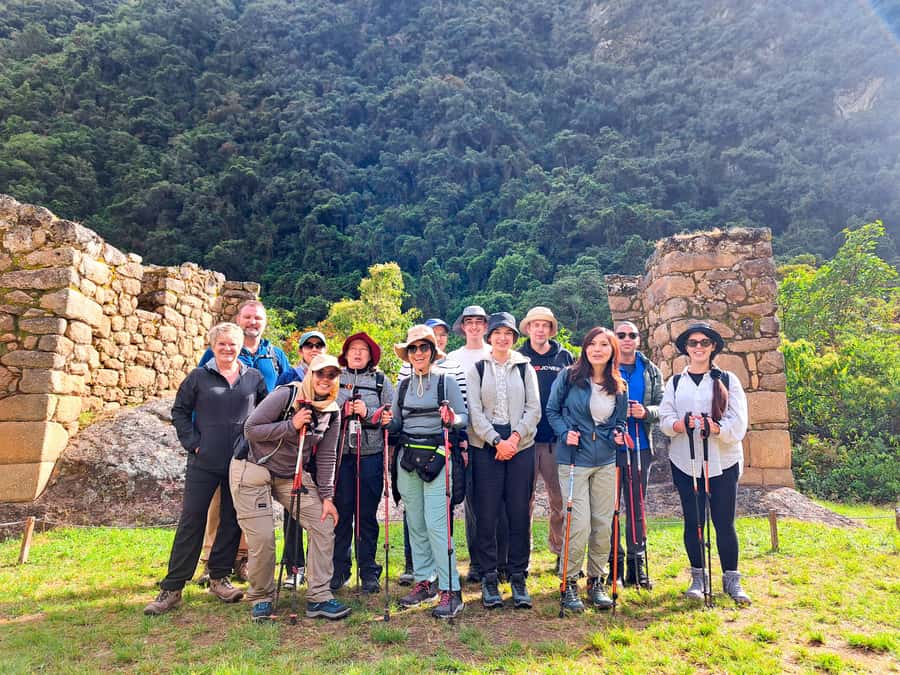
Group size is limited to 16 participants, which makes support practical. Guides can keep tabs on the group and adjust pacing. In the feedback, people often highlight that guides like Abelardo, Lourdes, Frank, Fernando, and Daniel helped everyone feel safe and looked after, especially during tougher stretches.
You’ll also get help with logistics around luggage—this route includes free luggage storage, and some groups report the ability to travel with less in their daypack thanks to small-bag transport support. Translation: you can focus on walking without feeling weighted down.
What this trip costs ($582) and why it can be good value
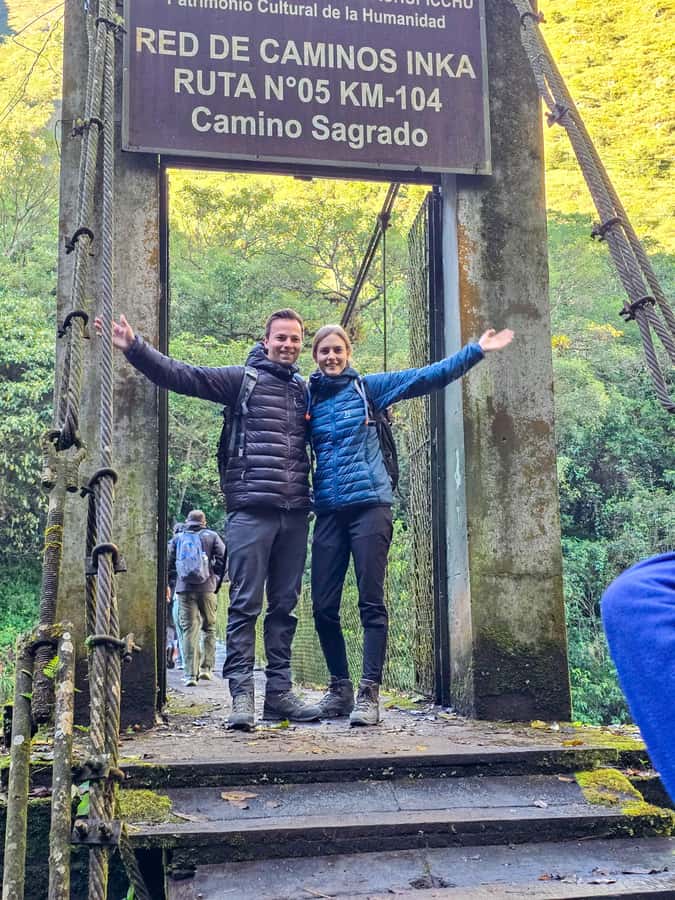
At $582 per person for 2 days, you’re paying for a lot of “invisible work.” Your price includes:
- Inca Trail and Machu Picchu entrance tickets
- A professional guide for the trek and a full guided Machu Picchu tour
- The outward train to Km 104 and the return Vistadome panoramic train
- Bus rides between Machu Picchu and Aguas Calientes (day 1) and on day 2
- One night in a 3-star hotel in Aguas Calientes with breakfast
- Picnic breakfast and lunch prepared by the trekking chefs, plus dinner day 1
- Pickup and drop-off from Cusco (Historic Center) and Sacred Valley towns
Not included: lunch on day 2, trekking poles (rentable), and optional mountain tickets (Huayna Picchu or Machu Picchu Mountain) which you must book in advance. Travel insurance is also not included.
Here’s how I’d think about value: if you try to stitch together trains, tickets, guides, and timed Machu Picchu entry on your own, you’ll spend plenty of time managing details—and you still need the right order of operations. This package converts that stress into a structured plan, with meals and a guided tour built in.
What to pack and how to avoid common problems
You’ll be hiking and also dealing with early bus timing. The tour suggests bringing your passport, warm clothing, sun hat, sunglasses, sunscreen, insect repellent, rain gear, and cash, plus a daypack and hiking shoes.
If you want a short checklist that actually matters:
- Bring rain gear even if the forecast looks fine
- Wear broken-in hiking shoes
- Pack a warm layer for early mornings
- Bring a quality daypack for water and small essentials
- Keep your weather system ready for Machu Picchu morning visibility
Also note the rules: no weapons/sharp objects, no smoking, and no alcohol or drugs. Littering isn’t allowed, and feeding animals is prohibited.
Who should book this Machu Picchu 2-day Inca Trail with train ride
This one fits best if you want the Inca Trail experience without committing to the longer multi-day trek. It also works well if you’re okay with an early start and a day 1 hike that can feel demanding in steep sections.
It’s not suitable for people who are pregnant or who have back problems, mobility impairments, heart problems, or who use wheelchairs. If any of those apply, you’ll need a different format.
If you’re the kind of traveler who likes structure—set pickup time, organized meals, a guide at the ruins—this route is a good match. And if you care about seeing Machu Picchu from multiple angles, the sunset timing plus sunrise tour is a strong combo.
Should you book this tour?
Yes, if you want Machu Picchu twice in short order, you value chef-made trail meals, and you prefer a small group with guided history. The early-morning rhythm and the hike difficulty are the two realities to respect, but the payoff is a trip that feels timed and intentional rather than rushed.
Skip it or switch plans if you’re chasing an easy stroll, hate getting up before sunrise, or you already know optional mountain hikes won’t be possible for you because you don’t want to handle limited-ticket planning in advance.
If you do book, prioritize sturdy footwear and rain gear, and decide early whether you’ll try Huayna Picchu or Machu Picchu Mountain.
FAQ
How long is the Machu Picchu 2-day Inca Trail experience?
It runs for 2 days.
What train is used on the return trip?
On the return trip, you ride the panoramic Vistadome train.
Is lunch included on the second day?
No. Lunch on day 2 is not included.
Do I need tickets in advance for Huayna Picchu or Machu Picchu Mountain?
Yes. Tickets for Huayna Picchu or Machu Picchu Mountain must be booked in advance, and availability is extremely limited.
What hotel is included in Aguas Calientes?
You get one night in a 3-star hotel in Aguas Calientes Town, with breakfast.
What time are the pickups in Cusco and the Sacred Valley?
Pickups in Cusco are around 4:00 a.m. and in the Sacred Valley around 5:30 a.m.