REVIEW · CUSCO
Sacred Valley Vip Cusco
Book on GetYourGuide →Operated by Uyuni Experience EIRL · Bookable on GetYourGuide
Five Sacred Valley stops in one long day. This small-group tour packs Inca stonework, unusual farming tech, and salt-mining scenery into a smooth 7:00 am to about 7:00 pm loop.
I love the structure of the day: limited to 10 people and led by a live guide in English or Spanish. I also like that you hit the main “Sacred Valley greatest hits” without switching tours halfway, so you can focus on the sites instead of logistics.
One possible drawback: you’ll want to double-check pickup timing and salt-mine costs. One past booking noted pickup coordination could be better, and the Maras salt mines charged 20 Soles rather than 10 shown in an app.
Key things I’d plan around
- Chinchero combines Inca masonry with a colonial church and includes a textile stop
- Moray’s circular terraces show how Inca agriculture worked in a practical, scientific way
- Maras salt mines have 3,000+ salt wells, still working in the same area you’ll stand in
- Ollantaytambo is a major Inca stronghold and living town, not just ruins to look at
- Pisac mixes a market for handicrafts with an Inca stone archaeological park
- Urubamba gives you a buffet lunch break before the afternoon ruins and market time
In This Review
- A One-Day Sacred Valley Circuit That Feels Full, Not Flimsy
- Chinchero: Inca Wall Constructions, a Colonial Church, and a Textile Center
- Moray’s Circular Terraces: Why Inca Farming Was Smarter Than It Looks
- Maras Salt Mines: 3,000+ Salt Wells You Can Still Walk Around
- Urubamba Buffet Lunch: A Break That Keeps the Afternoon Enjoyable
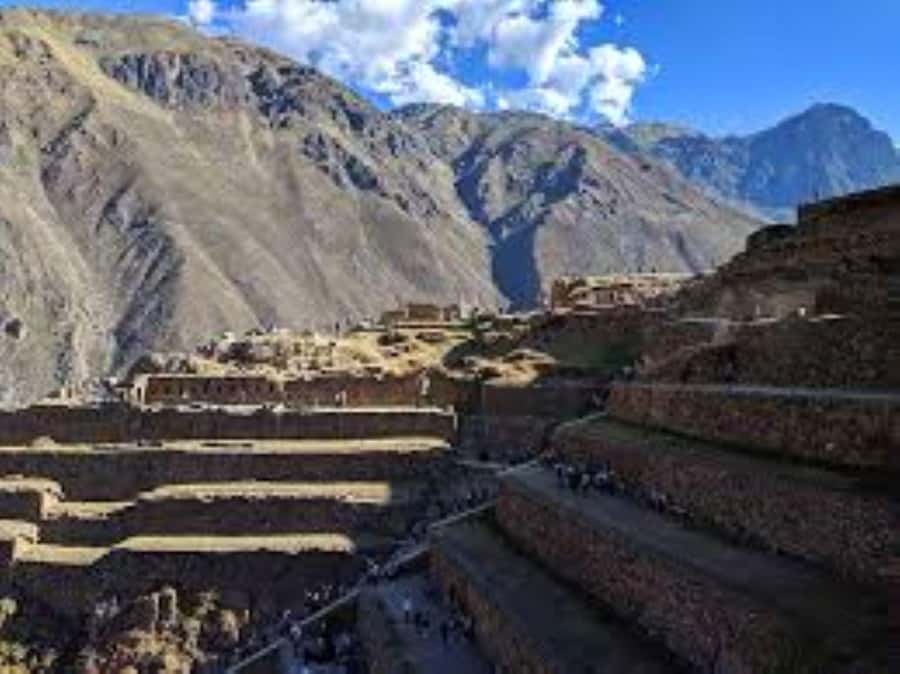
- Ollantaytambo: The Last Living Inca City Feeling
- Pisac: Indigenous Market for Handicrafts Plus an Inca Stone Archaeological Park
- Timing, Pace, and the Reality of a 12-Hour Day
- Value and Price Reality: When a Long Day Is Worth It
- Who This Tour Suits Best
- Tips to Make It Easier on Yourself
- Should You Book Sacred Valley Vip Cusco?
- FAQ
- How long is the Sacred Valley tour?
- What places are included in the full-day route?
- What time does the tour start and when do you return to Cusco?
- What languages does the guide speak?
- How big is the group?
- Is there free cancellation or reserve & pay later?
A One-Day Sacred Valley Circuit That Feels Full, Not Flimsy
This is a classic Sacred Valley route, run as a single-day tour that starts at 7:00 am and returns to Cusco around 7:00 pm. The payoff is simple: you get five major stops—Chinchero, Moray, Maras, Ollantaytambo, and Pisac—without having to plan separate tickets and separate schedules.
What makes it work for most travelers is the pacing. You’re not spending hours at just one place. Instead, each stop gives you a different “angle” on the region: textiles and colonial layers in Chinchero, climate-smart farming at Moray, salt production at Maras, Inca town life at Ollantaytambo, then market shopping plus Inca stonework at Pisac.
Chinchero: Inca Wall Constructions, a Colonial Church, and a Textile Center
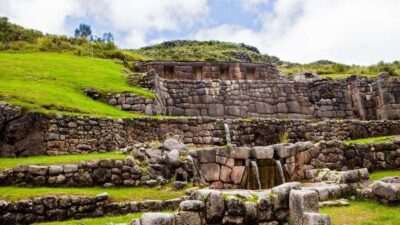
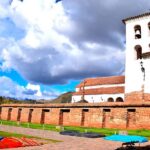
Chinchero is often where people begin to understand the Sacred Valley as a layered place, not one single era. Here, you’ll see Inca wall constructions, then also a historic colonial church—the kind of contrast that helps you read Peru’s past in the real world.
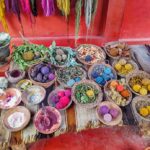
There’s also a textile center stop. Even if you’ve seen souvenirs before, a textile center visit can help you understand what you’re buying: alpaca and wool products aren’t just random crafts; they’re tied to local skills and long-standing weaving traditions. If you like handicrafts, this is a good place to start early so you can compare styles later.
Practical note: Chinchero is a “look-and-walk” stop. Wear shoes you’re comfortable in for uneven surfaces, and plan for short, steep bits. If you’re sensitive to crowds, go in with a patient mindset—this is a popular gateway to the rest of the Valley.
You can also read our reviews of more tours and experiences in Cusco


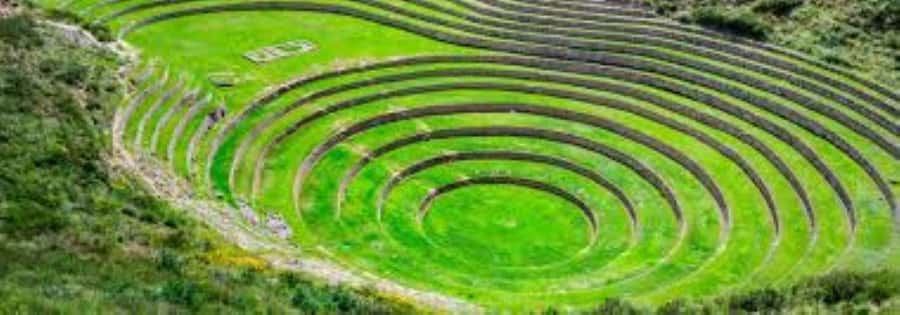
Moray’s Circular Terraces: Why Inca Farming Was Smarter Than It Looks
Moray is the “wait, what is this?” stop. The main draw is the circular terraces, an important Inca agricultural site designed around how plants respond to changing conditions. You’re not just seeing ruins; you’re seeing a layout that makes sense when you think about temperature and growing zones.
The terraces are memorable because they’re structured in a way that feels intentional, not accidental. From the viewpoints, you can usually trace how the terraces step down in circles, like a natural amphitheater built for farming experiments.
The key thing for your enjoyment is attitude. Moray works best when you treat it like an outdoor classroom: ask your guide what the circles were used for, how the Inca adapted agriculture, and why this site matters. Then it stops being “just pretty rocks” and becomes an explanation you’ll carry with you.
Maras Salt Mines: 3,000+ Salt Wells You Can Still Walk Around
Then you head down to Maras Salt Mines, a scenic area with over 3,000 salt wells. Even if you’ve seen photos, it hits differently in person because it’s so structured: hundreds of little channels and pools spread across the slope.
The story you’ll hear matters. The salt mines are historically linked to Inca use, and that continuity is part of the charm. You’re standing in a working tradition that predates the modern world, even as visitors come through on a packed day.
One important heads-up for value: plan for a realistic entry cost. A past booking specifically noted 20 Soles at the salt mines, not 10 shown in an app. Don’t count on the lower number. Bring some cash and small bills if you can.
Also, this stop can be a bit of a foot-and-photo marathon. If you get tired easily, pace yourself. Look for the most interesting viewpoints first, then move through at a comfortable speed so you don’t end up rushing your own experience.
Urubamba Buffet Lunch: A Break That Keeps the Afternoon Enjoyable
After Moray and Maras, there’s a buffet lunch in Urubamba. This is more than just a meal stop—it’s a time buffer. Sacred Valley days run long, and having a scheduled lunch helps prevent the “hangry scramble” problem that ruins get-to-the-next-place days.
A buffet also fits the reality of group tours: not everyone wants the same plate or the same pace. You can usually sample, adjust, and keep moving without turning lunch into an hour-long decision.
My practical advice: eat enough to get you through the next stretch, but don’t overdo it. You’ll still have viewpoints and walking after lunch, especially in Ollantaytambo and Pisac.
Ollantaytambo: The Last Living Inca City Feeling
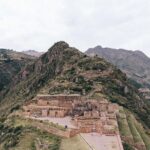
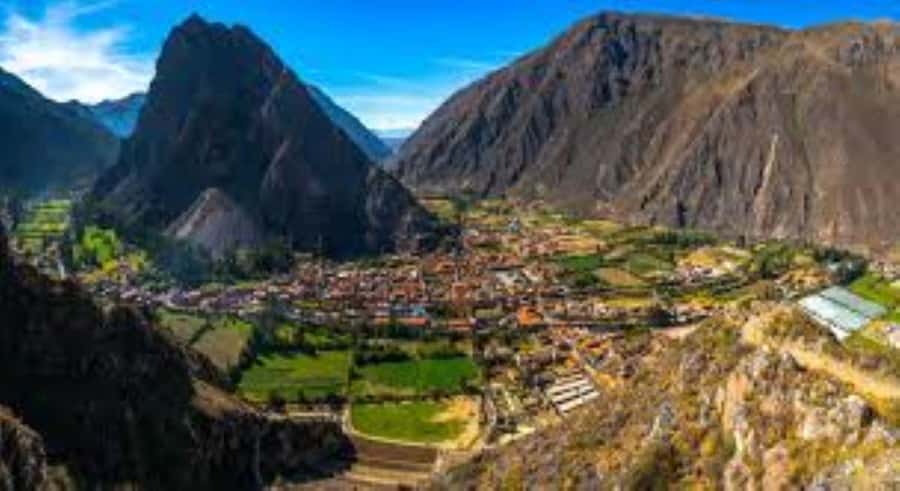
Ollantaytambo is famous for a reason, and this stop is one of the emotional anchors of the whole route. You’ll visit this area known as The Last Living Inca City, and that phrase matters because you’re not only looking at stone.
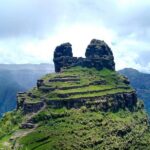
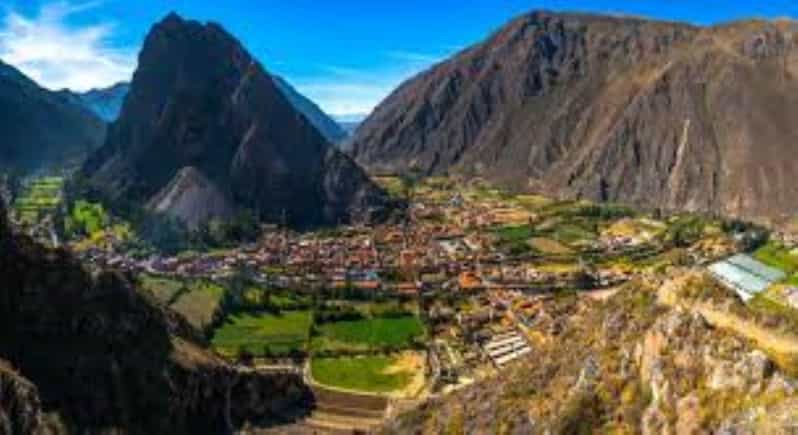
You’ll feel the difference between a museum-like ruin and a place people actually pass through. Ollantaytambo’s Inca foundations and town layout create a sense of continuity that’s hard to fake. Even if you’re not deeply technical about Inca engineering, it gives you a strong sense of how the past shaped real streets and real life.
This is also a great spot for your guide’s explanations. Ask how the town developed, why the architecture is so distinctive, and how the setting influenced movement and defense. If you enjoy history but hate lectures, Ollantaytambo is one of the better places in the Sacred Valley because the stones do part of the talking.
Wear layers if you run cold after lunch. The light can change, and you might be in exposed areas while you look and take photos.



Pisac: Indigenous Market for Handicrafts Plus an Inca Stone Archaeological Park
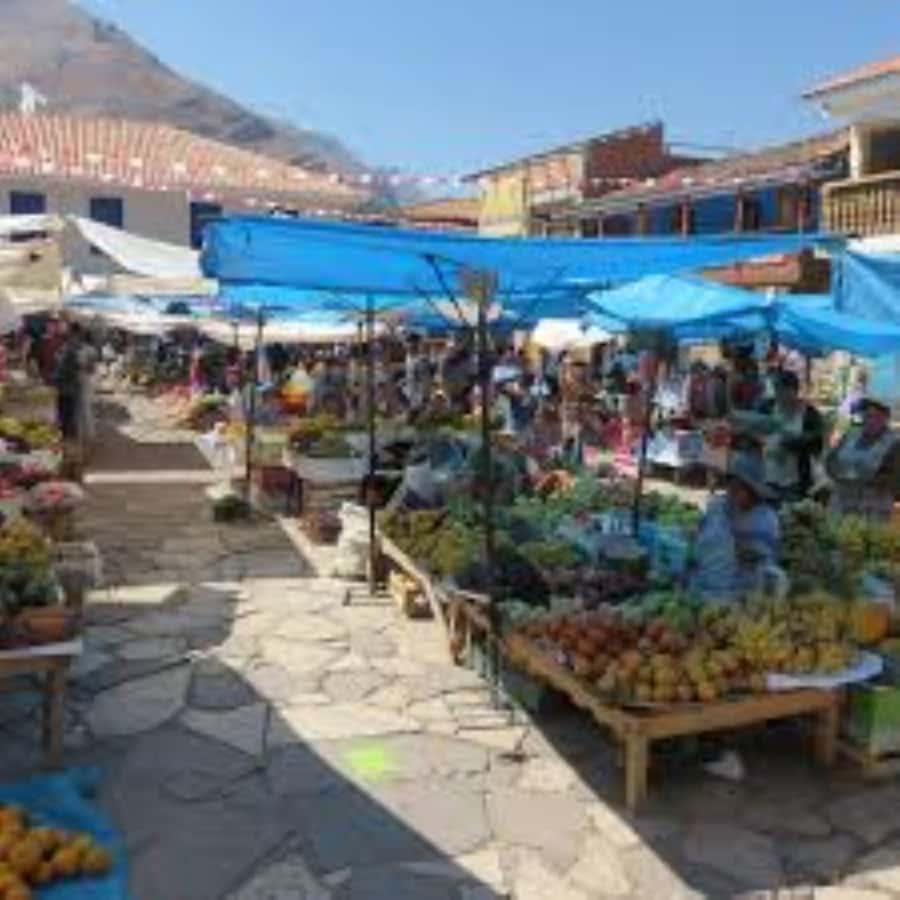
Pisac is two experiences stitched together: a town and an archaeological park. First comes the charming town area, located on the slopes of Intihuatana hill. Then you’ll get the indigenous market, which is a practical highlight if you actually want to buy something.
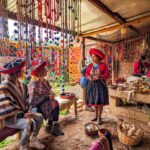
This is where shopping can become more meaningful. You’re not only buying objects; you’re seeing what locals bring to the market and how crafts are presented. If textiles or small woven items are your thing, start with Pisac. You’ll often find the best chance to compare styles and prices right next to each other.
After the market, you’ll visit the Archaeological Park of Pisac, known for finely crafted Inca stone buildings. This is where the day shifts again: from people and commerce back to stonework and layout. The stone details tend to reward slow walking and watching how structures relate to the hillside.
A good strategy is to do the market first with a plan. Decide what you’re shopping for (a textile gift, a hat, small woven items) before you get distracted by everything you see. Then save your energy for the archaeological park, where you’ll want attention and comfortable shoes.
Timing, Pace, and the Reality of a 12-Hour Day
This tour is 12 hours, and it’s a full schedule. Starting at 7:00 am means an early start from Cusco, and returning around 7:00 pm means your evening is basically planned for you. If you’re the type who needs downtime between activities, this might feel like a lot.
But if you like efficient days with clear targets, it can be a great fit. You’ll spend the day moving through five different “themes” of the Sacred Valley, which is why it feels more satisfying than a random scatter of stops.
In a small group capped at 10 people, the pace usually stays manageable. Your guide can often keep the group together without a long line of people slowing everything down. Still, expect time on and off vehicles and short walking segments at each site.
If you’re sensitive to heat or cold, dress in layers. If you’re prone to sore feet, break in your most comfortable walking shoes before you come to Peru. A long day in the Sacred Valley adds up fast.
Value and Price Reality: When a Long Day Is Worth It
I can’t tell you whether it’s the best deal without seeing the exact price you’re paying. But I can tell you how to judge the value in a case like this.
You’re paying for three things that many cheaper tours skip:
- A live guide (English and Spanish available)
- A tight route hitting five major sites
- Lunch in Urubamba with a buffet
When you put it together, the cost can be justified if you want one-day convenience and don’t want to coordinate separate tickets for Chinchero, Moray, Maras, Ollantaytambo, and Pisac.
That said, the Maras salt mines entry can affect “what you thought you’d pay.” Since one booking noted 20 Soles rather than 10, build in a small buffer. If you see a number on an app, verify it before you go so you’re not bargaining while you’re tired.
Who This Tour Suits Best
This tour is a strong choice for:
- First-time visitors who want a well-known Sacred Valley route in one day
- People who like variety: textiles, terraces, salt production, town atmosphere, market shopping, then Inca stonework
- Travelers who prefer a small group rather than being packed into a big bus with strangers
It might feel less ideal if you:
- Want a slow, unhurried day with extra time at only one site
- Get frustrated by long schedules and frequent transitions
- Don’t want to do market shopping at all (Pisac market time is a designed part of the day)
Tips to Make It Easier on Yourself
A few practical moves can keep this tour enjoyable instead of exhausting.
- Keep a small cash stash for paid entries, especially at Maras salt mines where the cost may differ from what you see online.
- Wear shoes you trust for uneven ground. Several stops are outdoors and involve walking.
- If you have a hotel pickup, confirm pickup details the day before. One past guest’s comment suggests pickup coordination can need extra attention.
- Plan your shopping style for Pisac. Pick a rough budget and stick to it so you don’t lose track of time in the market.
And remember: this is a day where you’ll be looking at stone, terraces, and working landscapes. If you’re the type who likes explanations, you’ll get more out of the day by asking your guide to connect the stops—textiles to local life, terraces to Inca agriculture, salt to how resources shaped the Valley.
Should You Book Sacred Valley Vip Cusco?
If you want one day that covers the heart of the Sacred Valley, I think this tour is a solid booking. The format is sensible—five key stops, small group (10 max), live guide in English or Spanish, and an Urubamba buffet lunch that keeps the day from falling apart.
I’d book it if you’re comfortable with a long 7:00 am to 7:00 pm schedule and you don’t mind shopping time at Pisac. I’d hesitate only if you hate tight timing, or if you need very flexible pickup coordination without any follow-up.
Bottom line: if you’re after a well-packed Sacred Valley day and you plan for the salt mine entry cost, this is the kind of tour that gives you a lot to talk about on the drive back to Cusco.
FAQ
How long is the Sacred Valley tour?
It runs for 12 hours.
What places are included in the full-day route?
The tour includes Chinchero, Moray, Maras Salt Mines, Ollantaytambo, and Pisac.
What time does the tour start and when do you return to Cusco?
It starts at 7:00 am and you return to Cusco around 7:00 pm.
What languages does the guide speak?
The live guide speaks Spanish and English.
How big is the group?
It’s a small group limited to 10 participants.
Is there free cancellation or reserve & pay later?
Yes. There’s free cancellation up to 24 hours in advance for a full refund, and you can reserve now & pay later.