REVIEW · CUSCO
Tour of the most important points in the city of Cusco.
Book on GetYourGuide →Operated by Journey Peru SAC · Bookable on GetYourGuide
Cusco hits you fast, this slows it down. This acclimatization-focused half-day tour is built for getting your body ready for bigger days ahead, like Rainbow Mountain, while you still see the city’s biggest Inca-era highlights. I like that the pace stays human, because you’re not just checking boxes, you’re learning what you’re looking at as you go.
Two things I especially like: first, the route is a smart mix of major sites plus rituals and engineering, so Cusco feels connected instead of random. Second, you get a bilingual tour guide and small groups for comfort, not a crowded scramble. One possible drawback to plan for: Qoricancha’s entrance fee (S/ 20.00) and most other site costs are not included, and water/snacks aren’t provided.
In This Review
- 6 Things You’ll Notice Right Away
- A Half-Day Route That Helps You Get Your Bearings in Cusco
- Morning and Afternoon Shifts: Pick the One That Fits Your Day
- Getting Picked Up Near Plaza de Armas (and How You’ll Know Your Time)
- Qoricancha Temple of the Sun: Your Best First Stop
- Sacsayhuamán: Inca Military Architecture, Explained in Plain Language
- Qenqo: A Ritual Center on Limestone That Feels Intentional
- PukaPukara: The Red Fort That Looks Like It’s Still on Duty
- Tambomachay and the Inca Baths: Water as a Quiet Finale
- Price and Value: What $25 Covers, and What You’ll Still Pay
- The Best Way to Enjoy It: Gear, Pace, and Small Planning Moves
- What the Guide Does Well (Based on Real Customer Notes)
- Who Should Book This Tour (and Who Might Skip It)
- Should You Book This Cusco Acclimatization Tour?
- FAQ
- How long is the tour?
- Is there a morning and an afternoon shift?
- Where does pickup happen?
- What languages are the guides?
- What does the tour include?
- Is water, snacks, or meals included?
- Is Qoricancha entrance included in the price?
- Where do you get tickets for attractions?
- Can I cancel for a full refund?
6 Things You’ll Notice Right Away
- A route that supports your acclimatization before you move on to harder trips
- Guided time at Qoricancha to set the context for everything else
- Sacsayhuamán’s military-style Inca architecture made easy to understand
- Qenqo’s limestone ritual setting, not just another stone ruin
- PukaPukara’s reddish fort look and what that tells you about the build
- Tambomachay and the Inca Baths water feature as a calm ending
A Half-Day Route That Helps You Get Your Bearings in Cusco
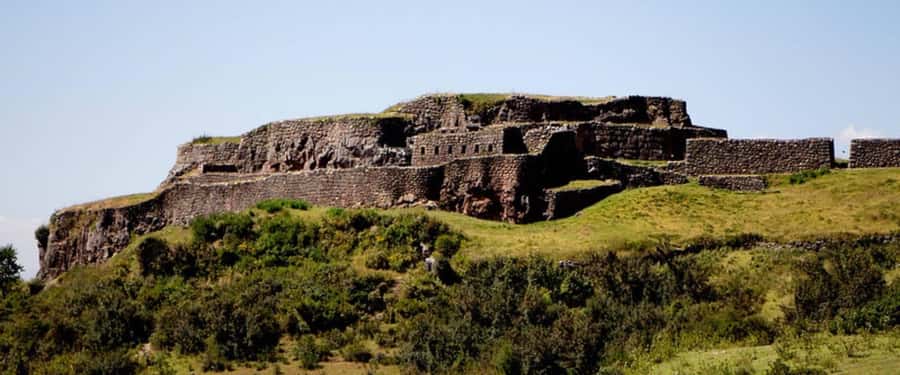
Cusco is high, old, and intense. This tour helps you handle that first-day feeling without jumping straight into an all-day marathon. It’s designed as a stepping stone for more demanding excursions, especially Rainbow Mountain, so you arrive with a little experience and a little confidence.
The biggest win is how the sites build on each other. You start with Qoricancha, then move into fortress and ritual spaces, ending with water at Tambomachay. By the time you’re done, you’ll understand why these places mattered, not just where they are.
The small-group format also matters. In a place like Cusco, you need room to breathe—on uneven ground, at photo stops, and when the guide is explaining how to see what you’re standing in front of.
You can also read our reviews of more city tours in Cusco
Morning and Afternoon Shifts: Pick the One That Fits Your Day
This tour runs in two shifts, both around 5 hours / 270 minutes.
- Morning shift: pickup is about 8:30 am from your hotel near Plaza de Armas (approximate pickup time).
- Afternoon shift: the meeting point is Qoricancha at 13:00 pm.
Either shift works, but choose based on how you’re feeling. If mornings are harder for you at altitude, the afternoon option can be a gentler start. If you like to get things done early and keep the rest of the day open for wandering, the morning pickup is convenient.
Getting Picked Up Near Plaza de Armas (and How You’ll Know Your Time)
If your hotel is in the historic center, you get hotel pickup near Plaza de Armas. If you’re outside that area, there’s a meeting point set up for you.
Plan to confirm timing the day before (or up to two days before). The provider contacts you via WhatsApp to share your pickup time. That’s useful in Cusco, where traffic and walking shortcuts can change the actual pickup moment.
Transportation is round-trip, and you end back in Cusco city after the last stop, with transport taking you back where you need to be.
Qoricancha Temple of the Sun: Your Best First Stop
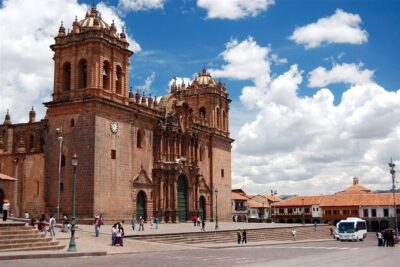
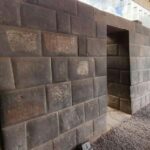
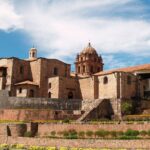
Your day begins at Qoricancha (Temple of the Sun). This is a strong opener because it gives you the framework for what comes next: sacred space, Inca worldview, and how rulers wanted people to experience power.
You’ll get a guided visit here for about one hour. That’s the right amount of time. Long enough to slow down, short enough to keep your energy for the rest of the route.
Practical tip: after the first stop, you’ll be moving between different styles of Inca construction—fortress, ritual center, water system. Qoricancha is the mental warm-up that makes those differences click.
Also note the cost: Qoricancha entrance is not included. It’s listed separately at S/ 20.00, so bring cash just for this moment.
Sacsayhuamán: Inca Military Architecture, Explained in Plain Language
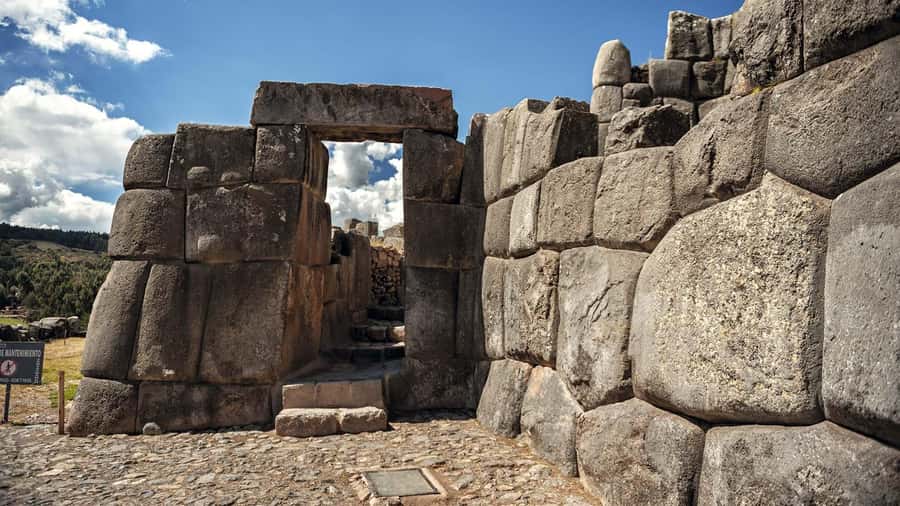
Next comes Sacsayhuamán, one of the most dramatic examples of Inca military architecture. If you’ve seen photos, you already know it looks imposing. What you might not get from photos is why the site feels built to resist—through massing, angles, and the sheer confidence of the stonework.
On this tour, the guide helps you read the shapes and layout instead of treating it like random ruins on a hill. It’s one of those stops where walking a bit and listening makes a huge difference.
Also, Sacsayhuamán is exposed in parts. If weather is moody, you’ll appreciate having rain gear ready. Comfortable shoes help too, because you’ll be stepping on old stone surfaces and uneven ground.

Qenqo: A Ritual Center on Limestone That Feels Intentional
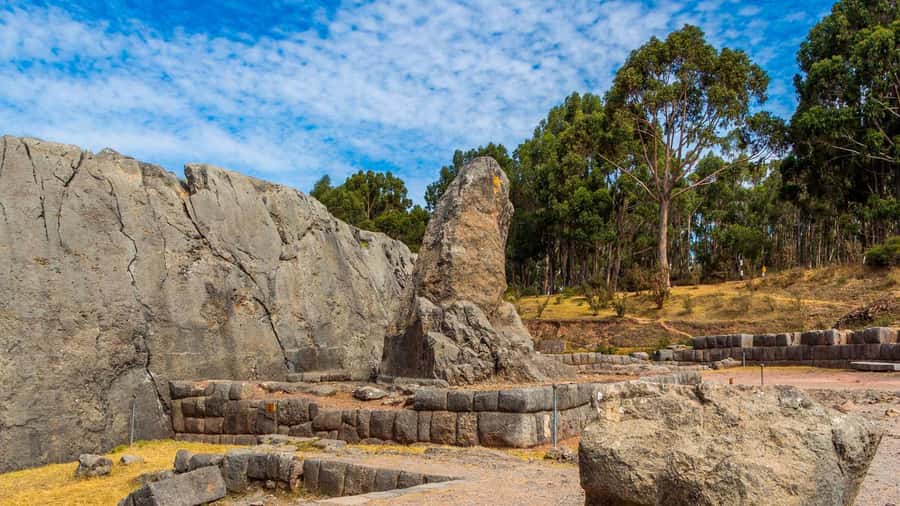
From fortification energy, you move into Qenqo, a ritual center built on a unique limestone outcrop. The key here is that this isn’t presented as a single grand structure you just stare at. It’s a place that seems designed for ceremonies—set into the rock and shaped to matter.
Qenqo is where the tour turns from stone spectacle into meaning. You’ll get ideas about how people used the setting, and how the natural outcrop played a role in the experience. It’s a reminder that Inca architecture often worked with the environment, not against it.
If you’re prone to getting tired early, this stop is a good one to slow down at. Look around before you focus on one point. The guide’s explanations make it easier to notice details you might otherwise miss.
PukaPukara: The Red Fort That Looks Like It’s Still on Duty
Then you’ll visit PukaPukara, often described as the red fortress. The name points to the reddish color, and you can see why once you’re there. The military-construction feel carries through—this is a strong, defensive type of place in character.
This stop is a nice contrast to Qenqo. Instead of ritual space built into stone, PukaPukara reads more like a constructed viewpoint with defensive intent. The guide helps connect the mood of the place to what it likely represented in the broader Cusco area.
Tip: if you’re photographing, bring your camera habits down a notch. You’ll want a few calm shots from slightly different angles, and you don’t want to rush the explanation while your battery is dying from constant shooting.
Tambomachay and the Inca Baths: Water as a Quiet Finale
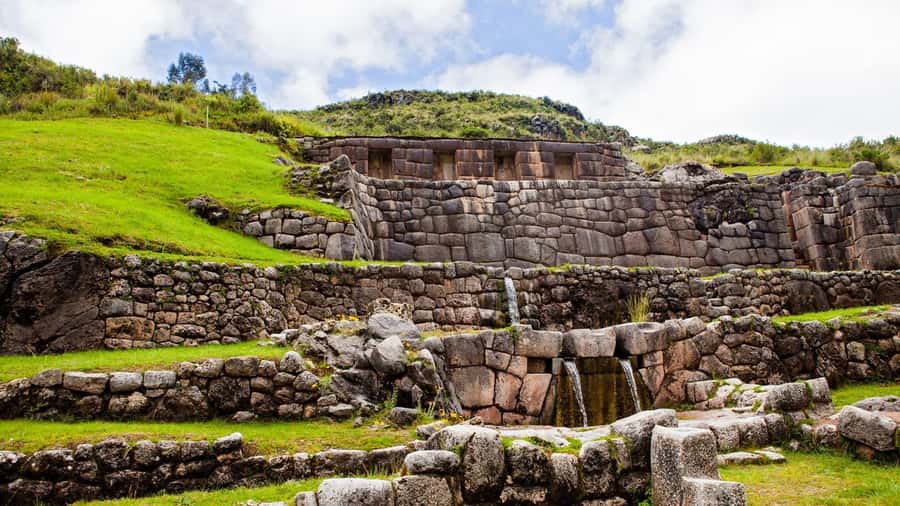
The last major archaeological stop is Tambomachay, characterized by a main waterfall known as the Baths of the Inca. After forts and ritual areas, the water theme feels like a shift in pace.
This is a good ending for a first Cusco day. You can hear the water, you can rest your legs a bit, and the setting gives your brain a break from reading walls and platforms. It also gives you a sense that Inca engineering wasn’t only about defenses. Water was part of daily life, ritual, and management.
Even if you’re not a water-feature person, this is worth staying present for. It’s one of those places where the guide’s framing makes the site feel useful, not just old.
Price and Value: What $25 Covers, and What You’ll Still Pay
At $25 per person, this tour can be a strong value—mainly because you’re getting several things that would otherwise cost you time or money separately:
- Pickup at your hotel near the historic center (when you’re in the pickup zone)
- Round-trip transportation
- A bilingual tour guide
- A focused half-day route that includes major Cusco highlights
What’s not included is the stuff that can add up if you don’t plan: water and snacks, meals, and entrance to Qoricancha (S/ 20.00). Also, Cusco attractions use tickets managed through Cosituc, the entity that issues the entrance tickets for attractions and museums.
So here’s the real budgeting advice: keep some extra cash for entrances and for any additional tickets you find required on-site. Bring your own water if you know you get thirsty quickly. The tour includes transport, but it doesn’t include your day-to-day hydration.
The Best Way to Enjoy It: Gear, Pace, and Small Planning Moves
This tour is not described as a heavy hike, but it still includes walking on archaeological grounds, likely with uneven surfaces. That’s why your comfort gear matters.
Bring:
- Passport or ID card
- Hiking shoes (worth it in Cusco)
- Camera
- Biodegradable sunscreen
- Rain gear
- Cash (for entrance fees like Qoricancha)
Not allowed:
- Alcohol and drugs
- Baby carriages
A smart move: wear sunscreen early, even if clouds hang around. You’re at elevation and you’ll get strong sun when it breaks through. Rain gear also beats trying to improvise once you’re on the route.
And because this is an acclimatization-friendly day, treat it like that. Walk steady, don’t sprint ahead for photos, and take a moment between stops when you need it.
What the Guide Does Well (Based on Real Customer Notes)
The strongest repeated theme here is the guide’s ability to explain what you’re seeing. In one verified booking, Joseph from the United States highlighted the guide’s knowledge and how informative it was. Another verified booking from Portugal noted the tour’s history focus.
Here’s what that means for you on the ground: you’ll get help turning stone and layout into a story. Instead of reading everything yourself, you get guided context while you’re still in the right spot to understand it.
That’s the kind of value you can feel quickly in Cusco. Sites can blur together fast. A good guide keeps them separated in your mind.
Who Should Book This Tour (and Who Might Skip It)
This tour is a great fit if:
- You’re in Cusco for the first time and want a high-impact intro
- You’re planning harder days after this, like Rainbow Mountain, and you want to prepare
- You prefer small groups and a guide-led experience over DIY wandering
- You want to cover multiple key sites without committing to a full day
You might consider skipping or adjusting your expectations if:
- You hate paying extra for entrances (Qoricancha costs S/ 20.00 and other site costs may apply)
- You want a longer, slower day with free time at each location
- You’re expecting snacks or meals included (they aren’t)
Should You Book This Cusco Acclimatization Tour?
I think this is a smart booking if you want the best of Cusco without burning your energy. For $25, you get transportation, hotel pickup near Plaza de Armas (for many stays), and a bilingual guide, plus a route that’s designed to help you get ready for bigger excursions.
Book it if you’ll appreciate guided context and you’re okay bringing your own water/snacks and budgeting for entrance costs. If you want to learn while you walk, this tour hits the sweet spot.
If you’re on the fence, choose the shift that matches how you feel that day. Cusco rewards pacing, and this tour is built for that exact reality.
FAQ
How long is the tour?
The tour duration is approximately 270 minutes, or about 5 hours.
Is there a morning and an afternoon shift?
Yes. There is a morning shift with pickup around 8:30 am, and an afternoon shift with meeting at Qoricancha at 13:00 pm.
Where does pickup happen?
Pickup is provided at your hotel near the historic center of Cusco if it’s in the area covered. If not, a meeting point is arranged.
What languages are the guides?
The live tour guide offers English and Spanish.
What does the tour include?
It includes pickup at your hotel near the historic center, round-trip transportation, and a bilingual tour guide.
Is water, snacks, or meals included?
No. Water and snacks are not included, and meals are also not included.
Is Qoricancha entrance included in the price?
No. Entrance to Qoricancha is not included and costs S/ 20.00.
Where do you get tickets for attractions?
The Cusco Tourist Ticket is issued by Cosituc, which handles the different entrance tickets for attractions and museums.
Can I cancel for a full refund?
Yes. You can cancel up to 24 hours in advance for a full refund.