REVIEW · CUSCO
Cusco: Sacsayhuaman, Qenqo, Puca Pucara & Tambomachay Tour
Book on GetYourGuide →Operated by DonPeruTours · Bookable on GetYourGuide
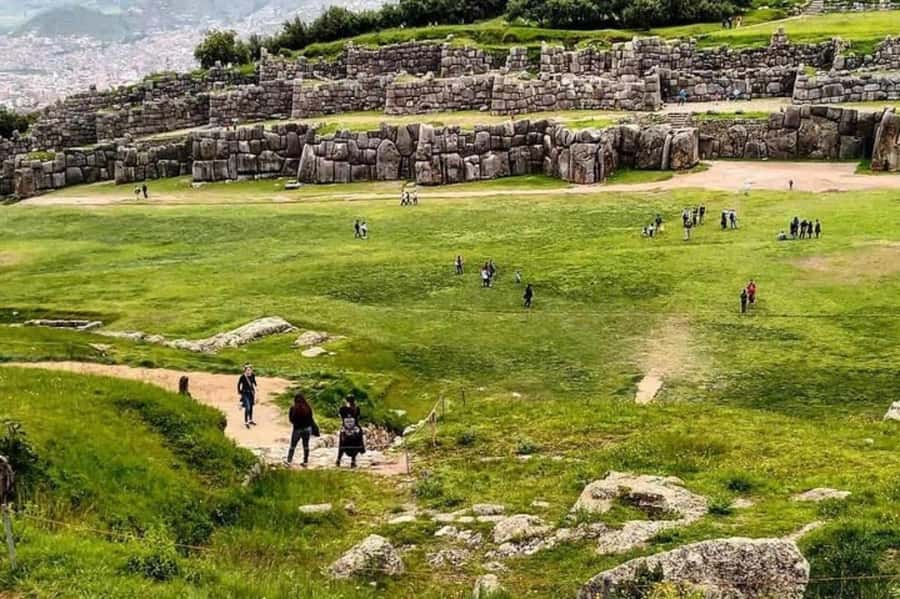
Stone walls tell the Cusco story. I like the pure jaw-drop factor at Sacsayhuaman, with its massive stone walls, and I also enjoy how Tambomachay focuses on water—complete with aqueducts and fountains tied to worship. The only real catch is that entry/admission fees for the sites are not included in the $21 price.
This tour is built as a tight historic route around Cusco. You’ll move from Sacsayhuaman to Qenqo’s labyrinth-like spaces, then to Puca Pucara’s military purpose, and finish at Tambomachay. If you book the 9:00 AM or 1:00 PM schedule, you also get the Temple of the Sun Qoricancha, and the tour ends with a convenient drop-off in the center of Cusco.
In This Review
- Key things I’d mark on your map first
- Is This Cusco Tour a Good Value at $21?
- How the Logistics Work: Pickup, Transport, and a Half-Day Pace
- Sacsayhuaman: Massive Stone Walls and Inca Power
- Qenqo: Labyrinthine Passages and Ceremonial Altars
- Puca Pucara: Understanding the Military Site Around Cusco
- Tambomachay: Water Worship, Aqueducts, and Fountains
- Qoricancha at 9:00 AM or 1:00 PM: Temple of the Sun
- What the Guide Does Well (and Why It Shows Up in Reviews)
- Who This Tour Fits Best (and Who Might Want a Different Option)
- Should You Book This Cusco Sacsayhuaman, Qenqo, Puca Pucara & Tambomachay Tour?
- FAQ
- How long is the Cusco Sacsayhuaman, Qenqo, Puca Pucara & Tambomachay tour?
- How much does the tour cost?
- What sites are included on the main tour?
- Is Qoricancha included?
- Does the tour price include entry fees?
- What’s included in the tour package?
- What language is the guide?
- Where does the tour end?
- Is free cancellation available?
Key things I’d mark on your map first
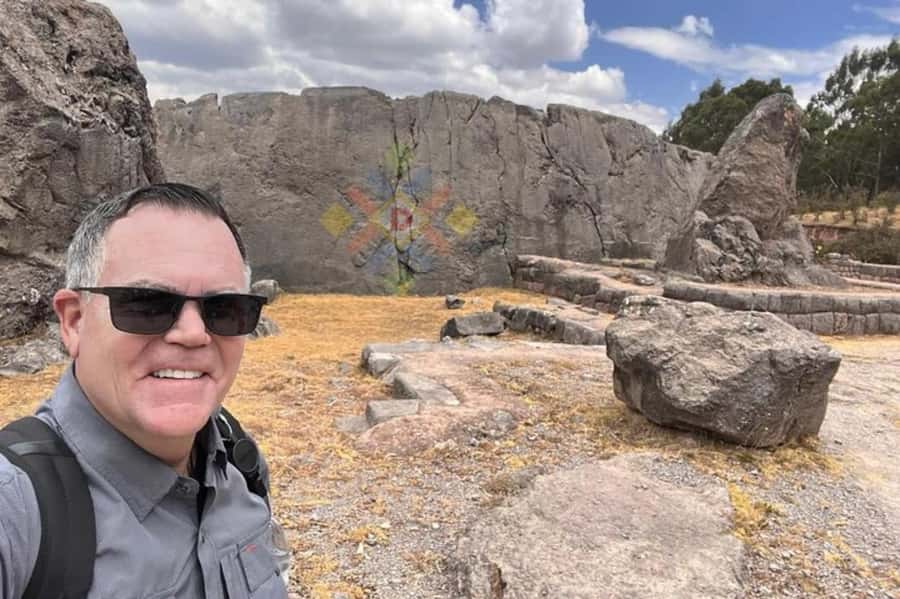
- Sacsayhuaman’s massive stone walls and Inca defensive vibe
- Qenqo’s labyrinthine passages and ceremonial altars
- Puca Pucara’s military role in protecting Cusco
- Tambomachay’s water worship with aqueducts and fountains
- Optional Qoricancha (9:00 AM or 1:00 PM) for the Temple of the Sun visit
Is This Cusco Tour a Good Value at $21?
At $21 per person for about 270 minutes, this is a budget-friendly way to hit multiple major Inca sites without building your own route. What you’re really paying for is time-saving logistics: pick up, round-trip transport, and a live guide doing the connecting for you.
A key detail: the tour price does not include entry/admission for Sacsayhuaman, Qenqo, Tambomachay, Puca Pucara, or Qoricancha. So the final cost will be higher once you add tickets. Still, the structure makes sense for anyone who wants a lot of seeing in one go, especially when you’re working within a half-day.
I also like that the tour ends with a drop-off in central Cusco. You’re not stuck out at the edge of town when you’re done. One reason this tour scores well is that it’s organized and efficient, with transportation arranged for the full experience rather than a patchwork plan.
You can also read our reviews of more tours and experiences in Cusco.
How the Logistics Work: Pickup, Transport, and a Half-Day Pace

The tour is scheduled for 270 minutes, so you should expect a steady flow between stops. It’s not a “linger forever” style outing. Instead, it’s the kind of route where the guide helps you understand what you’re looking at before you move on.
Included in the package:
- Pick up
- Round trip transportation
- A bilingual guide
That transportation piece matters more than it sounds. Cusco sites can be spread out, and having a plan already handled cuts the stress. In a couple of real bookings, people specifically praised how well organized the trip was, including the back-and-forth transportation they needed.
One more practical note from the tour info: the live guide is listed as Spanish. Since the package also says bilingual guide, I’d treat this as a “confirm languages when booking” situation. If you’re not comfortable in Spanish, message the provider ahead of time so you know what to expect.
Sacsayhuaman: Massive Stone Walls and Inca Power
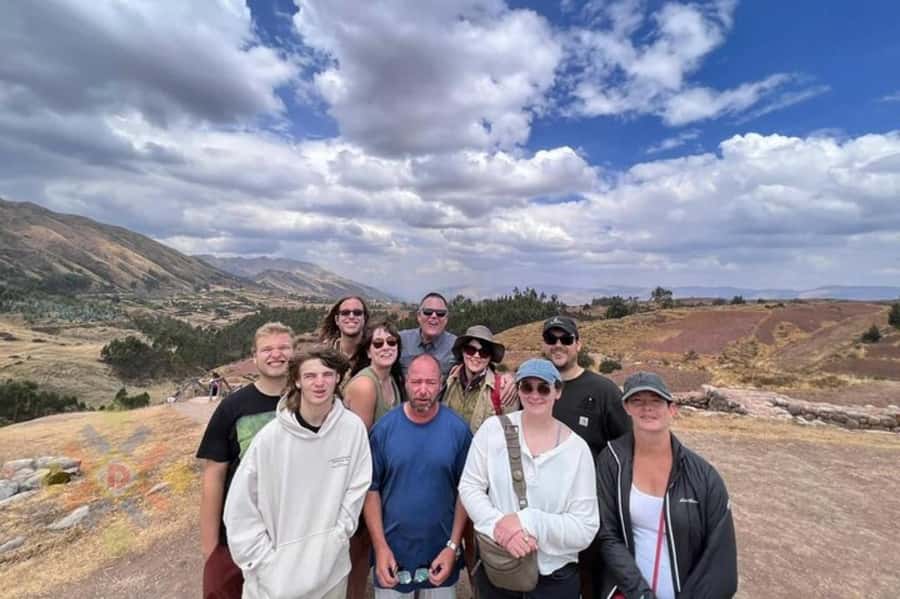
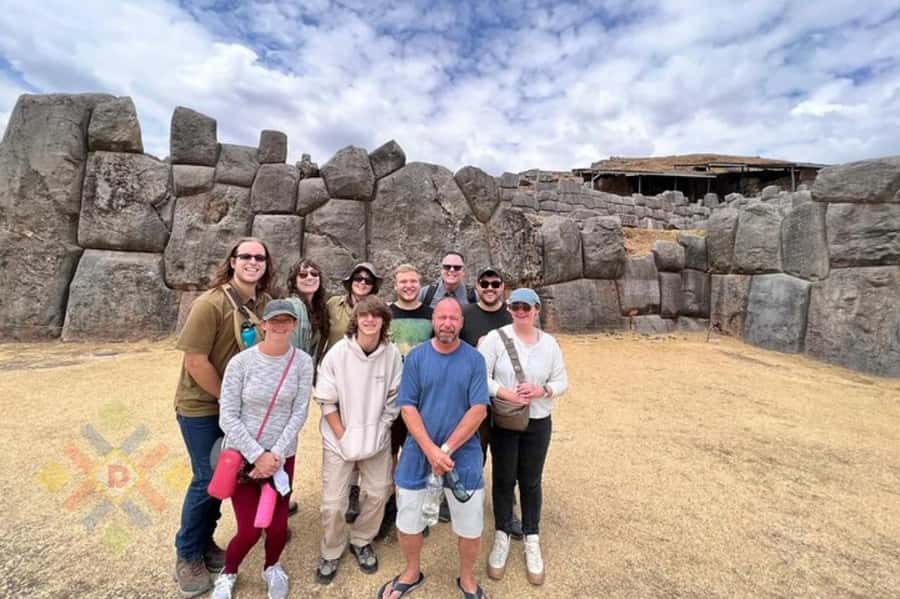
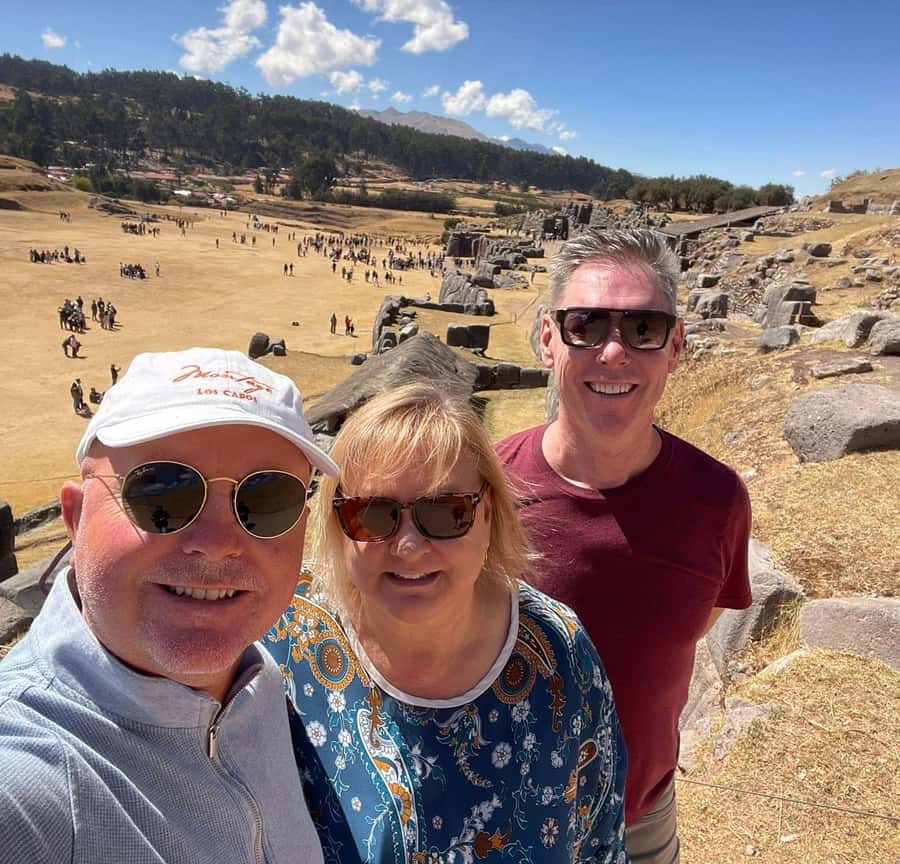
Sacsayhuaman is your first big wow moment. This stop is all about scale and construction. You’ll be looking at the fortress-like layout and especially the massive stone walls, which instantly make the site feel like a serious stronghold rather than just a pretty ruin.
The guide’s job here is important. Inca architecture is often less about decoration and more about purpose: control, defense, and authority. Sacsayhuaman fits that theme. As you move through the area, you’ll connect the visuals you see with why the Incas valued this kind of fortified presence around Cusco.
What I like most about starting here is that it sets the tone for the rest of the tour. After Sacsayhuaman, Puca Pucara makes more sense (it’s also tied to defense). And Qenqo and Tambomachay feel less random too. This first stop gives you a framework for reading the sites as a connected system, not isolated locations.
Possible consideration: since entry/admission for Sacsayhuaman is not included, you’ll want to budget extra for tickets if you’re counting every dollar before your day out.
Qenqo: Labyrinthine Passages and Ceremonial Altars
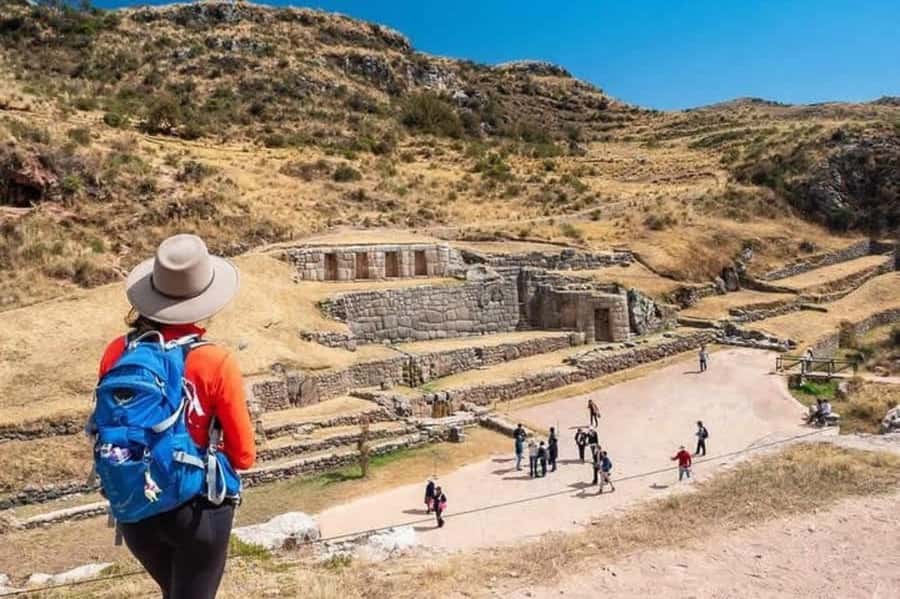
Next comes Qenqo, and it has a totally different feel from the fortress at Sacsayhuaman. Here, you’re stepping into labyrinthine passages and ceremonial spaces. The design nudges you to move slowly through the complex, because the layout encourages you to pay attention to how pathways and niches relate to worship.
This is one of the stops where the guide really helps. The site is intriguing on its own, but explanation turns it from “cool stone shapes” into a place with meaning. Qenqo is known for ceremonial altars, so you’ll be able to connect the physical features to how the Incas may have used the space for ritual.
I also like Qenqo because it breaks up the tour’s tone. You’ve already seen military structure. Now you get ceremonial architecture. That contrast helps the day feel varied instead of repeating the same idea four times.
Practical note: Qenqo admission is also not included, so remember that tickets are part of the real cost of visiting.
Puca Pucara: Understanding the Military Site Around Cusco
Puca Pucara is the tour stop with a clear “strategic” label. It’s described as a military construction, and the point is to show you how the Incas planned for protection. Instead of focusing on ceremonial altars or water engineering, the emphasis here is defensive purpose.
As you learn the site’s role, you start seeing the logic behind why different locations mattered. It’s not just that Cusco had strong buildings. It’s that there were multiple layers of defense and control around the city. Puca Pucara fits into that bigger picture.
This stop is also a nice bridge. If Sacsayhuaman gave you fortress walls, Puca Pucara explains the surrounding defense system. And then Tambomachay flips the day again, returning you to a theme of water and worship.
Drawback to keep in mind: again, admission for Puca Pucara is not included in the tour price, so plan for separate entry fees.


Tambomachay: Water Worship, Aqueducts, and Fountains
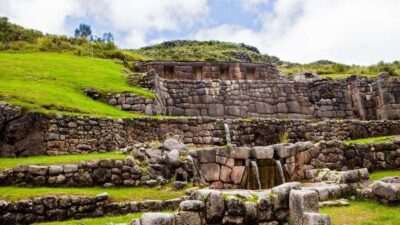
Tambomachay is the stop that feels most different from the others, and that’s a good thing. This is the archaeological center dedicated to the worship of water, and you’ll get to see aqueducts and fountains tied to that focus.
What makes Tambomachay a highlight is the combination of function and meaning. Water isn’t just a natural feature here; it’s part of how people honored and organized their world. The tour description emphasizes the Incas’ advanced engineering skills, and you’ll see that idea in the structures built to direct water and maintain the flow.
I like ending on Tambomachay because it changes the mood of the day. You go from defense and ceremonial spaces to something with a practical, human rhythm: water management plus spirituality. It’s a reminder that Inca “engineering” wasn’t only about building walls. They engineered everyday life and its sacred connections too.
As with other sites, admission for Tambomachay is not included, so factor that into your budget.
Qoricancha at 9:00 AM or 1:00 PM: Temple of the Sun
If you choose the 9:00 AM or 1:00 PM schedule, you add Qoricancha. This visit is described as the Temple of the Sun, and the tour frames it as a sacred place that once glittered with gold.
That gold detail matters, even if you’re only seeing the stone and layout today. It signals the importance of the site in Inca religious life, and it explains why Spanish-era changes later became so dramatic in places tied to major ceremonies. The guide can help you connect the setting to its former status.
This optional stop is also the reason some people like this tour so much: it can turn a half-day into a five-site sweep. One of the strongest praises from bookings is that the tour does a lot in one outing without feeling chaotic, with transportation arranged so you don’t lose time figuring things out.
If you’re trying to choose between schedules, this is the deciding factor. The 9:00 AM or 1:00 PM timing gives you the extra big-name religious stop.
What the Guide Does Well (and Why It Shows Up in Reviews)
The tour includes a live bilingual guide, and the route is clearly designed around interpretation, not just “standing near rocks.” The site explanations are where the day becomes more than sightseeing.
Two praised parts show up in real bookings:
- The excursion is well organized.
- The guide is prepared and helps tie the sites together.
You’ll feel this in how quickly you understand why each place exists. Sacsayhuaman feels purposeful because you’re given context. Qenqo feels less random because someone connects the passages and altars to ritual use. Puca Pucara lands better because it’s framed as defense, not just ruins. Tambomachay makes sense because water worship and engineering get explained as one idea.
And since the tour includes pickup and round-trip transport, the guide isn’t juggling logistics. That makes the tour smoother for you.
Who This Tour Fits Best (and Who Might Want a Different Option)
This tour is described as not suitable for children under 5 and people over 75. That’s likely tied to the pace and walking on archaeological terrain, even though the tour description doesn’t spell out step-by-step accessibility details.
If you’re someone who wants a compact Cusco overview with four key archaeological sites and sometimes Qoricancha, this is a good match. It also works well if you’re short on time and would rather pay for the guide and transport than plan your own route.
If you don’t speak Spanish, pay attention to the language details. The tour info lists Spanish for the live guide, while the package lists a bilingual guide. I’d confirm what languages are actually offered when you book, so you’re not guessing on the day.
If you’re the type who loves lingering for long stretches at each stop, you might find the 270-minute format a bit tight. But if you like your archaeology guided and time-efficient, that structure is a strength.
Should You Book This Cusco Sacsayhuaman, Qenqo, Puca Pucara & Tambomachay Tour?
I’d book it if you want one clear plan that hits multiple major Inca sites with a guide who helps you understand what you’re seeing. The value is strong at $21 because transportation and a live guide are included, and the tour route is designed to keep the story moving from fortress to ritual to defense to water worship.
I would not book it blindly if you’re sensitive to extra costs, because admission tickets for every stop (including the optional Qoricancha) are not included. Also, if Spanish is a real barrier for you, confirm language support in advance.
One final deciding tip: if you’re aiming for the extra Temple of the Sun visit, choose a 9:00 AM or 1:00 PM schedule so Qoricancha is part of your day. That single scheduling choice can turn the tour into a five-site Cusco highlight run.
FAQ
How long is the Cusco Sacsayhuaman, Qenqo, Puca Pucara & Tambomachay tour?
The duration is 270 minutes.
How much does the tour cost?
The price is $21 per person.
What sites are included on the main tour?
The tour includes Sacsayhuaman, Qenqo, Puca Pucara, and Tambomachay.
Is Qoricancha included?
Qoricancha is included as an additional visit for the 9:00 AM or 1:00 PM schedules.
Does the tour price include entry fees?
No. Entry/Admission is not included for Sacsayhuaman, Qenqo, Tambomachay, Puca Pucara, or Qoricancha.
What’s included in the tour package?
Pick up, round trip transportation, and a bilingual guide are included.
What language is the guide?
The tour lists Spanish for the live tour guide, and it also lists a bilingual guide in the inclusions. It’s smart to confirm what languages are available when you book.
Where does the tour end?
The tour concludes with a convenient drop-off in the center of Cusco.
Is free cancellation available?
Yes. You can cancel up to 3 days in advance for a full refund.