REVIEW · CUSCO
Cusco: Sacred Valley, Pisac, Ollantaytambo, Salt Mines Moray
Book on GetYourGuide →Operated by Tour Valle Sagrado Vip · Bookable on GetYourGuide
One day, five Sacred Valley hits. I love the bilingual guiding (English and Spanish) and the chance to see Chinchero textiles alongside Moray and Maras salt ponds. The drawback: it is a long, tightly timed day, so you will not have hours to roam each ruin.
This runs about 12 hours, with an early start from Cusco and a return around 6:30 p.m. You’ll see the main players of the Sacred Valley in one shot, which is ideal when you have limited time.
In This Review
- Key Highlights You’ll Actually Feel
- One Day, Many Sacred Valley Stops: The Real Value
- Chinchero Textiles: More Than a Photo Stop
- Moray’s Terraces: Inca Farming Experiments in a Strange Landscape
- Maras Salt Mines: A Live Industrial Site From the Inca Era
- Urubamba Lunch and Market Time: Fuel With a View
- Ollantaytambo: A Living Inca Town You Walk Through
- Pisac: Ruins on the Hillside, Market in the Town
- Price and Logistics: Is About $28 Worth It?
- Who This Tour Fits Best (And Who Should Skip It)
- Practical Tips So Your Day Feels Easier
- Should You Book This Cusco Sacred Valley Day Trip?
- FAQ
- What places does this Sacred Valley tour include?
- How long is the tour and what time does it start?
- What is included in the price, and what costs extra?
- Can the tour end in Ollantaytambo for Machu Picchu?
- Do I need passport and cash?
- Can I cancel and get a refund?
Key Highlights You’ll Actually Feel
- Bilingual guide support: English and Spanish explanations at every main stop
- Textiles at Chinchero: natural fibers, dyes, and the tradition behind the weaving
- Moray’s microclimates: circular terraces that let the Incas test crops
- Maras salt ponds: thousands of active salt pools fed by a spring
- Market time in Urubamba and Pisac: local food and crafts mixed into the history stops
- Flexible ending for Machu Picchu: special option can end in Ollantaytambo at 3:00 p.m.
One Day, Many Sacred Valley Stops: The Real Value
If you only have a day (or almost a day) in the Cusco region, this tour makes practical sense. You are not trying to plot five separate bus rides or negotiate multiple tickets. You get a guided day that covers the classic Sacred Valley arc: Chinchero → Moray → Maras → Urubamba → Ollantaytambo → Pisac.
The best part is the balance. You get archaeological stops (Inca sites like Moray and Ollantaytambo), plus places where daily culture still matters (textiles in Chinchero, and markets in Urubamba and Pisac). That blend helps you connect the dots between how the Incas built their systems and how the region still lives with them today.
The trade-off is time. The itinerary is tightly managed, and most stops include guided time plus some free time. If you are the type who wants to scout every corner and sit with one view for a while, you may find it fast. But if your priority is seeing the top sights without losing days, this is the smarter move.
Also, plan for the early start. Pickup is coordinated for a departure window between about 6:00 a.m. and 6:30 a.m., and the meeting point listed is Plaza de Armas in Cusco at 7:20 a.m. Even if your exact timing depends on the option you select, you’ll want to be ready early and fueled.
You can also read our reviews of more tours and experiences in Cusco.

Chinchero Textiles: More Than a Photo Stop
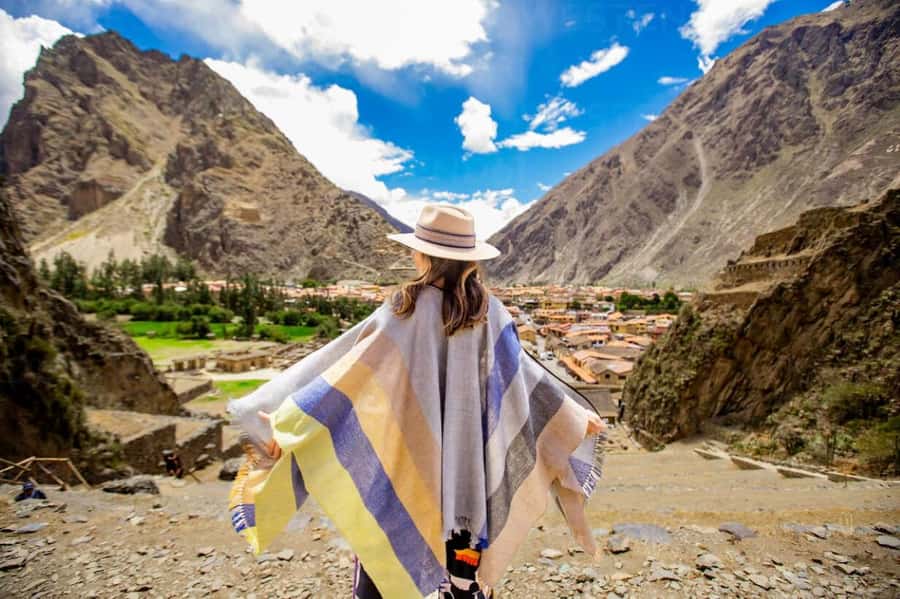
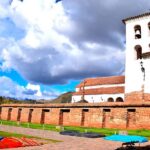
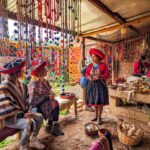
Chinchero is where the day turns from ruins into hands-on tradition. This stop centers on the textile center, where you can learn about Andean weaving and the use of local natural fibers and dyes pulled from plants and minerals.
You’ll typically get:
- a photo stop
- a guided visit
- a small window for shopping
What I like about Chinchero on this route is that it gives context. The Sacred Valley is not just stone and temples. It is also agriculture, craft, and materials—what people wore, grew, and traded. Seeing the process behind textiles makes later history stops feel less random and more connected.
One practical tip: if you plan to buy something, bring cash. Also keep your expectations realistic—this is not a slow museum experience. It’s a guided, time-boxed visit designed to keep the whole day running.
Moray’s Terraces: Inca Farming Experiments in a Strange Landscape
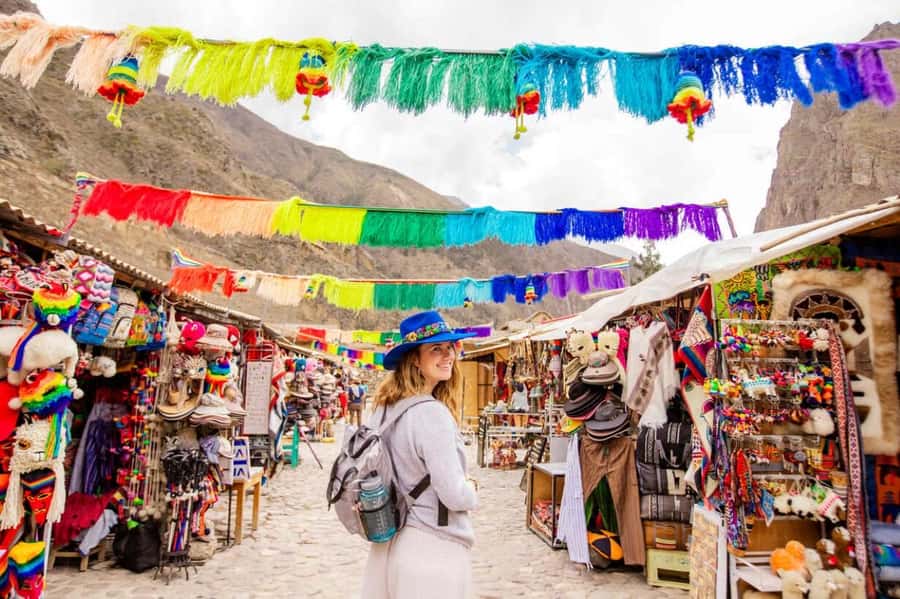
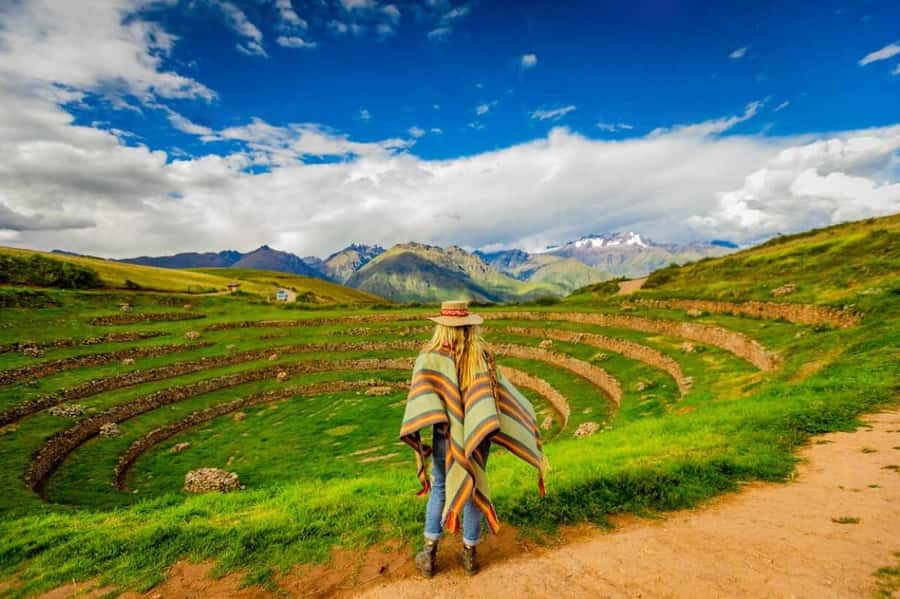
Moray is one of the most interesting stops because it looks unusual even before someone explains it. You’ll see circular terraces that worked like an agricultural laboratory. The idea is that the terraces created different microclimates, letting the Incas experiment with crops in controlled conditions.
This is the kind of place where a good guide earns their spot. Even with limited time, the explanation helps you read the site:
- why the terraces are shaped the way they are
- how elevation and exposure can change what grows
- how experimentation fits into Inca knowledge systems
Expect a short photo stop and guided tour, with sightseeing time around 20 minutes in the itinerary. That’s enough to understand the concept and appreciate the design, but not enough to wander like you’re on a day hike.
If the wind is up, Moray can feel chilly. I’d pack sunscreen anyway. Altitude sun does not care about your schedule.
Maras Salt Mines: A Live Industrial Site From the Inca Era
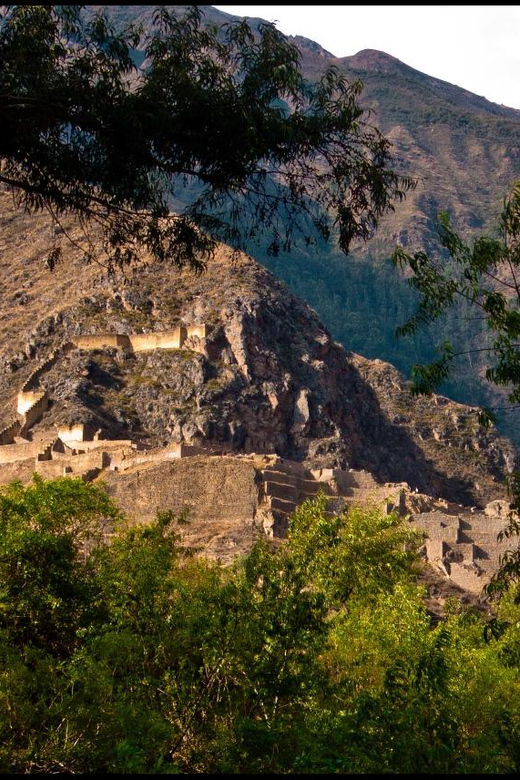
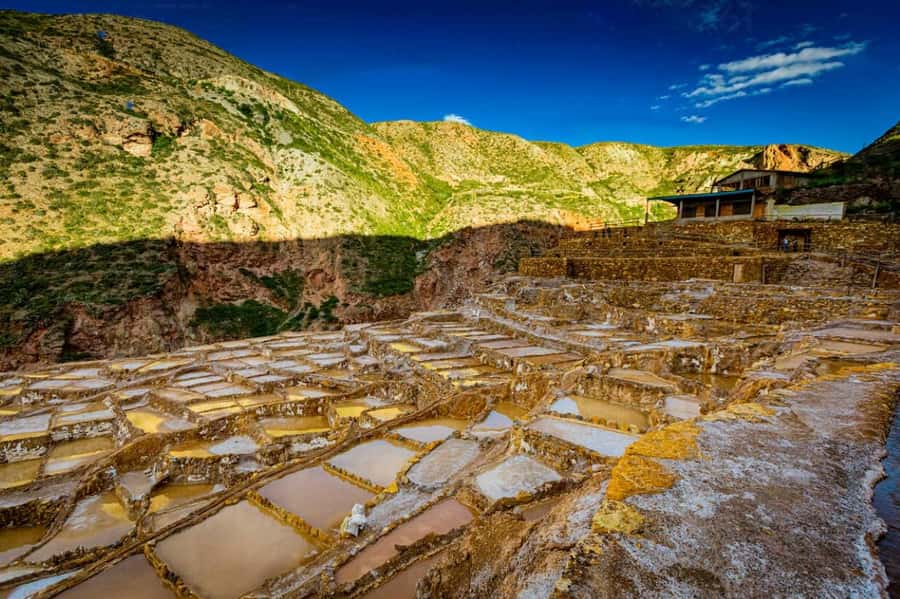
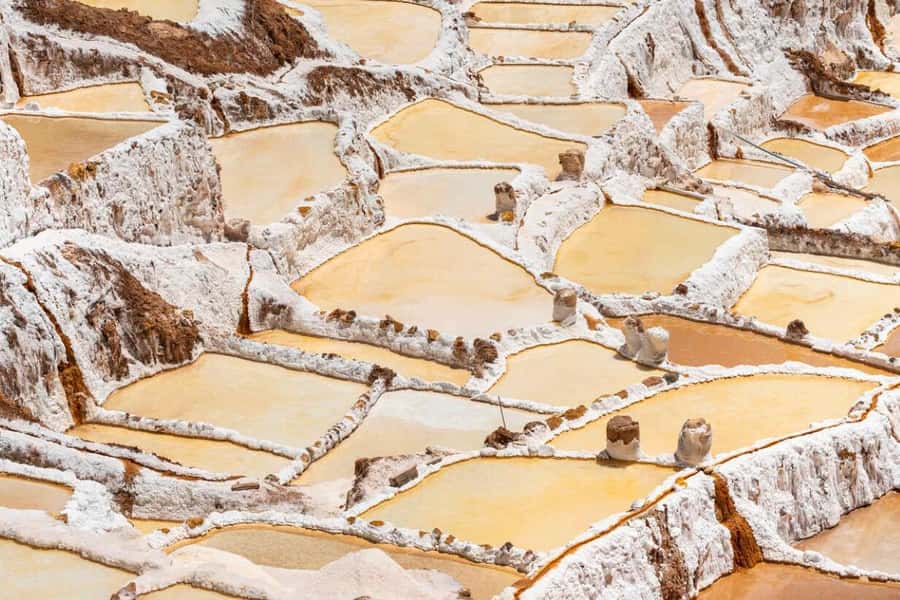
Maras salt mines are famous for a reason. Thousands of small salt ponds cover the hillside, all fed by an underground spring. They are still in use today, which means you’re not just looking at ancient ruins—you’re seeing an active resource system.
In the plan, you’ll get:
- a photo stop
- a guided visit
- time to shop and sightsee (about 30 minutes)
Here’s the thing to keep your eyes open for: this is not a single viewpoint. The best photos tend to happen as you move and angle yourself toward the patterns of the pools. If you want your photos without stress, follow your guide’s timing and don’t wait until the last minute to reposition.
Shopping is part of this stop. One useful, practical review-style tip you should take seriously: do not assume the best price is at the first display you see. In Maras, some sellers may charge more for salt and chocolate. You can often find comparable items for less at markets back in Cusco (like San Pedro or San Blas), so it can pay to price-check before you buy.
Entrance tickets are not included for the salt mines. Bring cash for the site fee (listed as 20 soles).
Urubamba Lunch and Market Time: Fuel With a View
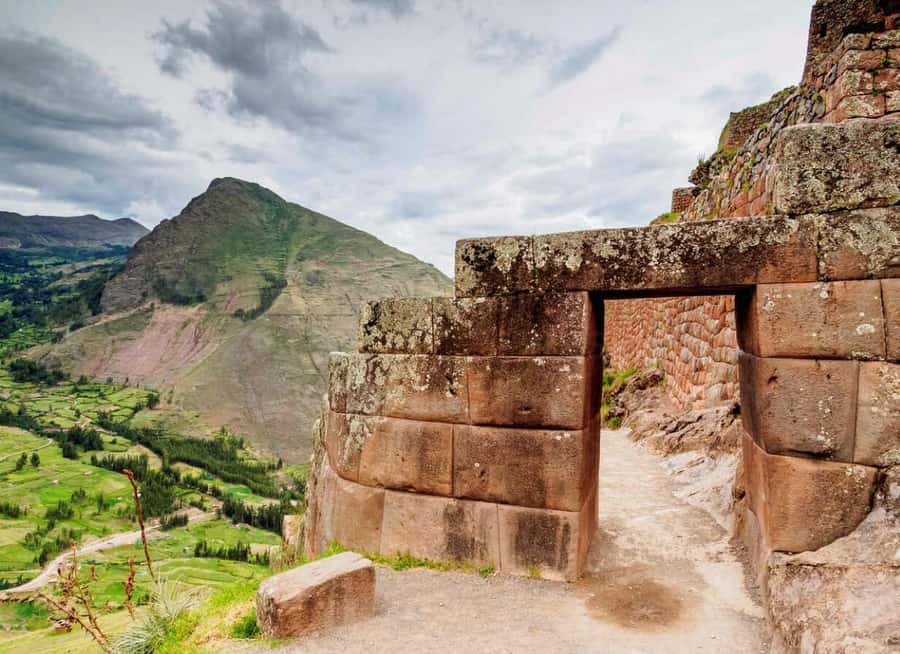
Urubamba is where you get your planned break, and it is a smart midpoint. Lunch is included as a buffet and there is time to rest before the afternoon push toward Ollantaytambo and Pisac.
In the schedule, lunch is about 50 minutes. That sounds short until you remember you will likely want food, a bathroom stop, and a few minutes to reset.
A few practical notes:
- Drinks are not included, so expect to pay for beverages separately.
- The buffet stop is often reported as scenic, which is a nice change from eating in a parking-lot cafeteria vibe.
Urubamba also gives you market energy. You’ll have time to check out local products and handicrafts. This is a good moment to buy small souvenirs without feeling like you are shopping while you’re still hiking through ruins.
If you get hungry faster at altitude (I do), plan to eat like it matters. This day will keep moving.


Ollantaytambo: A Living Inca Town You Walk Through
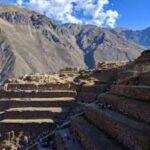
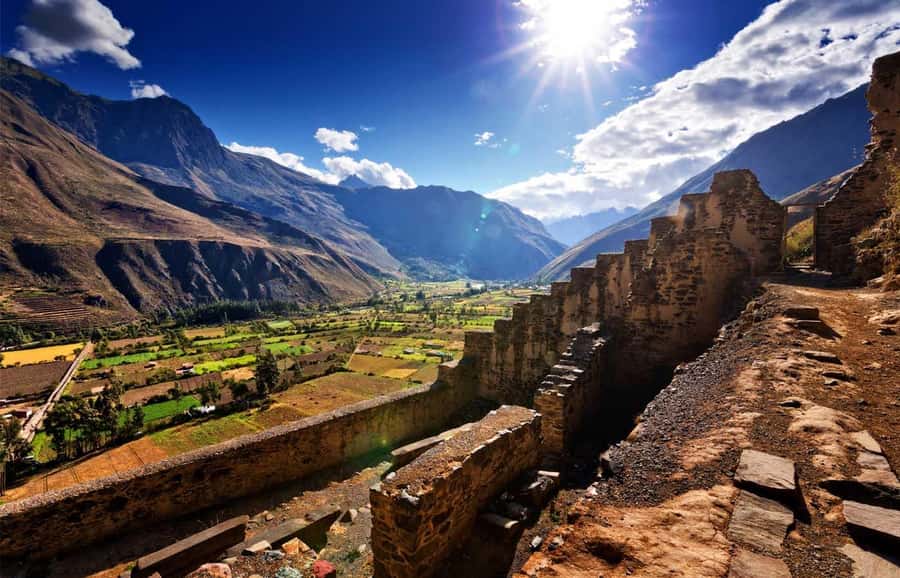
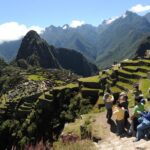
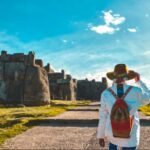
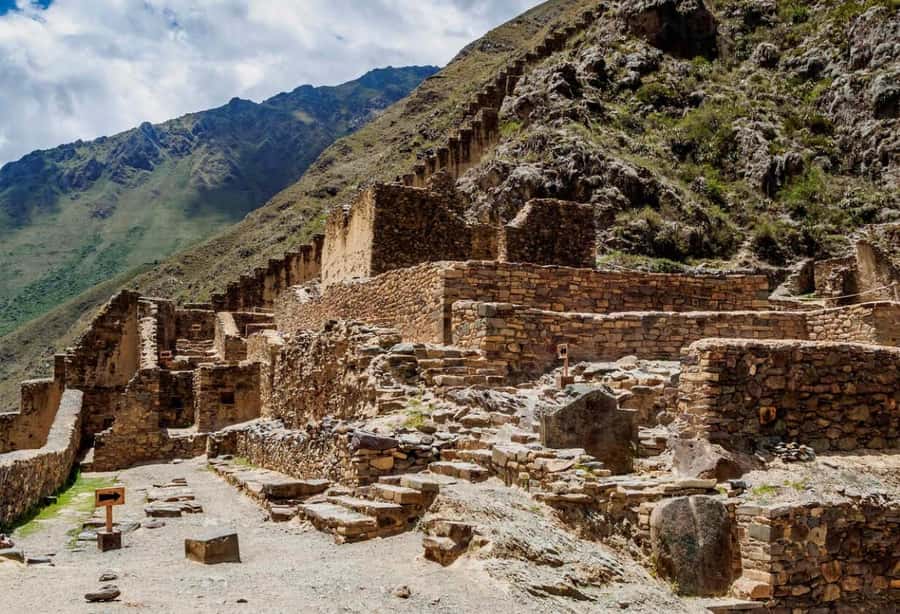
Ollantaytambo is a major highlight of the Sacred Valley, and it comes with the kind of layout that makes you slow down—at least a little. The fortress and stone temples sit inside a town that still preserves much of its original urban plan. That means you’re not just visiting a “site.” You’re moving through a place where daily life meets history.
On the itinerary, this stop includes:
- a photo stop
- a guided visit
- about 1 hour of total time (including free time)
One thing to know: Ollantaytambo has steep steps. If you have asthma, knee issues, or you get winded easily, take it slow and choose your pace. There is enough time in the plan for a relaxed visit if you do not sprint from one viewpoint to the next.
If you are continuing to Machu Picchu, this tour has an option that matters. The tour can end at Ollantaytambo at 3:00 p.m., giving you time to board the train to Aguas Calientes. That can save you a lot of hassle compared to trying to squeeze Machu Picchu logistics after a late return to Cusco.
Pisac: Ruins on the Hillside, Market in the Town
Pisac wraps up the day with a two-part feeling. You have Inca ruins up on the hillside, and then a colonial-town layout below where the market life happens.
This stop ends the classic route. In the itinerary, Pisac includes:
- a guided tour of about 1 hour
- then return transfers to Cusco
Pisac’s best use of your time is simple: do the guided portion first, then use your free moments to connect what you learned to what you see in the market. You might look for woven goods, small crafts, and regional products while it all feels like the same story rather than separate stops.
One practical note: since the tour is timed, you may not browse every stall for long. If shopping is a priority, set a small target—like one or two items you really want—so you do not lose your day to decision fatigue.
Price and Logistics: Is About $28 Worth It?
The listed price is $28 per person for this full-day circuit, with pickup and a guide included. For many people, that is the standout reason to book.
But here is the honest breakdown of value:
- What you get for the price: hotel pickup (or meeting point depending on option), shared transportation, professional guide (English/Spanish), buffet lunch, and a textile center visit at Chinchero.
- What costs extra: entrance tickets (listed as 70 soles for the tourist entrance ticket and 20 soles for the salt mines), plus drinks and cash expenses for shopping.
So the real “all-in” cost depends on tickets you must pay on site and how much you buy. Even so, you’re paying for convenience: transport between multiple Sacred Valley highlights plus coordinated timing and bilingual interpretation.
Also consider this: buying entrance tickets across several stops can add up if you do not plan. If you’re also doing other Cusco attractions, you might find it smarter to purchase the broader tourist ticket rather than paying separate site fees. (For example, one review notes that the full general tourist ticket is S/130 and expires 10 days after purchase.) If you are trying to stretch your budget across a couple days, ask what ticket option makes sense for your exact schedule.
Who This Tour Fits Best (And Who Should Skip It)
This tour fits best if:
- you have limited time in Cusco and want the Sacred Valley “greatest hits”
- you prefer guided structure rather than figuring out transport and timing alone
- you want a mix of history stops and market culture in one day
It may not fit if:
- you need long, slow visits with lots of downtime
- you have mobility limits that make stairs and tight walking routes difficult (Ollantaytambo is the big one)
- you want deep, unhurried exploration at each ruin
If you do have mobility concerns, tell yourself: bring water, move carefully on steps, and let the guide know your pace needs early.
Practical Tips So Your Day Feels Easier
Here’s how to make this day feel manageable instead of exhausting.
Bring what you actually need
- Passport
- Sunscreen
- Cash
- Biodegradable insect repellent
Wear for steps and sun
- comfortable shoes for uneven stone and staircases
- layers you can handle since mornings can feel cooler and afternoons warm up
Expect strict day timing
The itinerary is controlled by time at each site. That means restrooms and shopping will be “during the visit,” not after you finish exploring. If you need restroom breaks, ask your guide when the next stop allows it.
Double-check the bus pickup realities
Depending on where you are staying and road access, you might be asked to walk to a nearby pick-up point if streets are narrow. Build in a few minutes for that.
Should You Book This Cusco Sacred Valley Day Trip?
If you want the Sacred Valley essentials in one long, well-organized day, I’d say yes. This route has the right mix: textile tradition in Chinchero, the agricultural experiment at Moray, active salt production at Maras, a real lunch break in Urubamba, a living Inca town at Ollantaytambo, and market-and-ruins energy in Pisac.
Book it when your goal is efficient sightseeing with a bilingual guide and solid value for money. Skip it if you want slow travel at one site and you hate the idea of time-boxed stops.
If you do book, buy your entrance tickets strategy carefully, bring cash, and accept that you’re trading leisurely wandering for seeing a lot of Sacred Valley in a single day.
FAQ
What places does this Sacred Valley tour include?
It covers Chinchero (textile center), Moray, Maras Salt Mines, Urubamba (including lunch and market time), Ollantaytambo, and Pisac. The day is designed as a full loop ending back in Cusco.
How long is the tour and what time does it start?
The duration is listed as 12 hours. Pickup timing is scheduled for the early morning, with meeting point information showing Plaza de Armas in Cusco at 7:20 a.m.
What is included in the price, and what costs extra?
Included: hotel pickup in Cusco, shared transportation, professional guide in English/Spanish, buffet lunch in Urubamba, and a visit to the Chinchero textile center. Not included: entrance tickets (70 soles for the tourist entrance ticket and 20 soles for the salt mines) and drinks.
Can the tour end in Ollantaytambo for Machu Picchu?
Yes. There is a special option where the tour can end in Ollantaytambo at 3:00 p.m., so you can board the train to Aguas Calientes.
Do I need passport and cash?
Yes. The listed items to bring include a passport and cash, plus sunscreen and biodegradable insect repellent.
Can I cancel and get a refund?
There is free cancellation up to 24 hours in advance for a full refund.