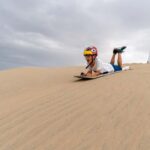
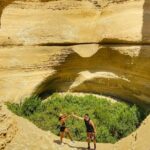
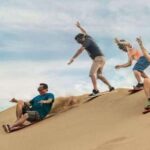
Huacachina sandboarding feels like flying. This tour is interesting because you actually learn with professional snowboard-style gear, then you’re taken by buggy up to bigger dunes where you practice real runs. I especially like that there’s a lesson built in, not just a quick ride-and-hope situation. One possible drawback: if your timing is tight, plan for waiting around if the start runs later than expected.
I also like how the experience begins at the International SandSnow School in Oasis Huacachina. Your first hour is equipment-focused: you test the board and boots, get a short intro from the staff, and then your instructor gets you comfortable before the dunes get serious. With a maximum of 8 people, instruction feels more direct than on bigger, louder groups.
You can choose a morning or afternoon departure, so you can aim for cooler conditions or a sunset-style vibe if that matters to your schedule. Just remember the tour expects moderate physical fitness, and you’ll be on your feet (walking up small slopes, adjusting your stance, and riding down).
In This Review
- Key points to know before you go
- Huacachina’s sand dunes: why this feels different from casual sandboarding
- Entering the International SandSnow School in Oasis Huacachina
- Learning on smaller dunes: how the lesson actually gets you riding
- The buggy ride to the biggest dunes (and your instructor’s run)
- How photos and videos work—and how to get the best results
- Timing, meeting point, and the small logistics that can cost you time
- Price and value: what $59.90 buys you in real terms
- Who this Huacachina sandboarding tour fits best
- Should you book Huacachina sandboarding with SandSnow?
- FAQ
- How long is the Huacachina sandboarding experience?
- Where does the tour start?
- What’s included in the $59.90 price?
- Do I need experience to join?
- What if the weather is poor?
- How big are the groups?
Key points to know before you go
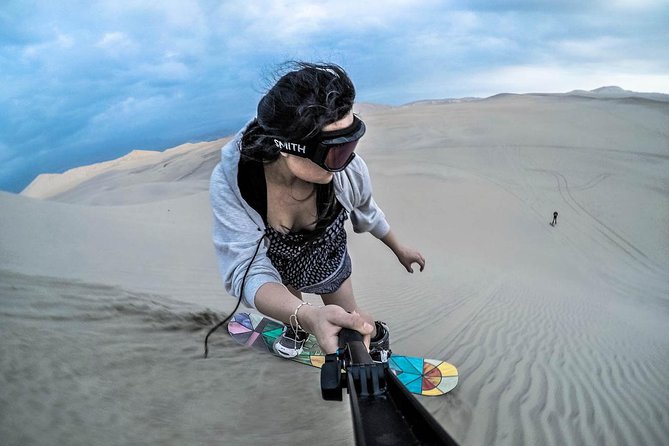
- Pro equipment, not toy boards: You get boards and boots made for proper sandboarding technique.
- Small-dune learning first: You practice before you’re taken to the bigger dune fields.
- Buggy ride to the high dunes: The dune buggy part is a major chunk of the fun, and it positions you for longer descents.
- Instructors take your photos and videos: You don’t have to film with a phone while you’re trying not to eat sand.
- The group stays small (up to 8): That size helps you get feedback and keep the pace.
- Beginner support shows up in real examples: In accounts shared by instructors like Alexandre (praised for patience with a total beginner) and Jhonny (praised for technique advice and great video/photo results), the tone is practical and encouraging.
Huacachina’s sand dunes: why this feels different from casual sandboarding
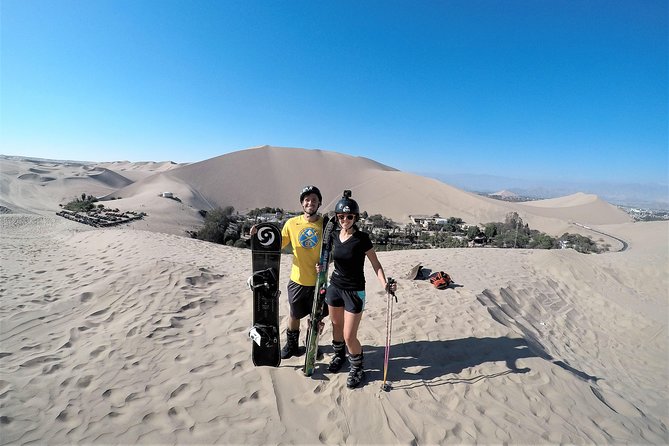
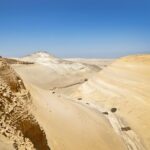
Huacachina is the kind of place where a lot of activities get sold as simple fun. This one feels more like a skill-building outing, which is why it’s worth your time even if you’re new.
You’re not just dropped on a dune and told to try. Instead, the tour is set up in stages: first you find the right board-and-boot fit, then you learn on smaller slopes, then you get transported (by buggy) to the larger dunes where technique starts to matter. That structure pays off fast—especially if you’re coming from snowboarding or skiing, or if you’re completely starting from zero.
The other big difference is that the gear is meant for real sandboarding, with boots and boards designed to work like proper snowboarding equipment. That means you can focus on balance and controlling your speed instead of fighting a setup that doesn’t hold you the way it should.
You can also read our reviews of more tours and experiences in Ica.
Entering the International SandSnow School in Oasis Huacachina
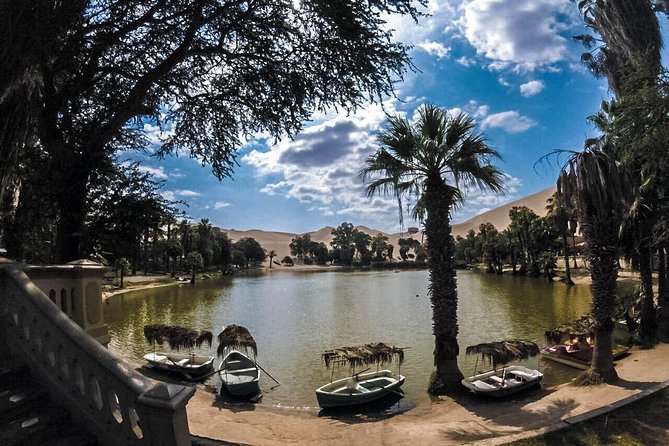
Your first hour happens at the International SandSnow School in Oasis Huacachina. If you arrive early, you may still find yourself waiting around until the group is ready to move—one practical reason to keep your plans flexible that day.
Once the group is together, the routine is straightforward:
- You test the board and boots to find what works for you.
- Staff give a short introduction so you understand how the lesson will go.
- Your instructor checks in on how you’re standing and moving before you head to the dunes.
This step sounds small, but it’s the backbone of a good sandboarding session. Sand behaves differently than snow—so having the right stance and equipment early prevents that frustrating moment where you finally get on the slope and realize your gear choice makes everything harder.
The tour also lists lessons for both amateur and advanced boarders. So if you already know how to ride on snow, you’ll likely pick up faster because the instructor can point out the sand-specific adjustments. If you’re new, that same setup lets you learn with less guesswork.
Learning on smaller dunes: how the lesson actually gets you riding
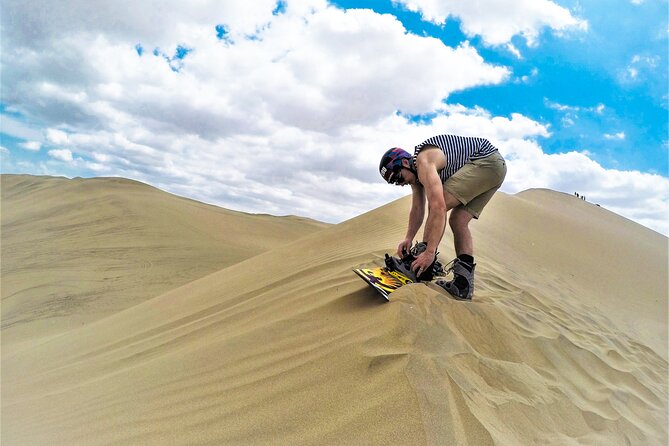
After your school time, your instructor takes you out to the smaller dunes nearby for the lesson phase. This is where you really feel the difference between sand and snow.
Here’s how that usually plays out:
- You start on manageable slopes so you can build confidence.
- Your instructor gives you technique coaching as everyone practices.
- You get a feel for how the board responds when you shift your weight, especially when the surface changes under you.
The goal is to make sure everyone is comfortable enough before the group jumps to the bigger dunes. In other words, you earn the thrill, instead of being thrown into it immediately.
If you’re experienced with snowboarding, you’ll likely recognize the body mechanics, but you still need to adjust how you edge and control speed on sand. If you’re brand new, this “small first” approach is especially helpful. One beginner example included praise for an instructor named Alexandre, noted as super patient while getting someone with zero experience onto the board and down the dunes.
The buggy ride to the biggest dunes (and your instructor’s run)
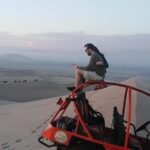
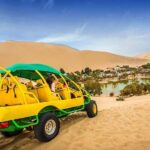
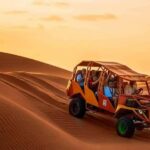
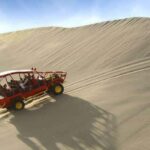
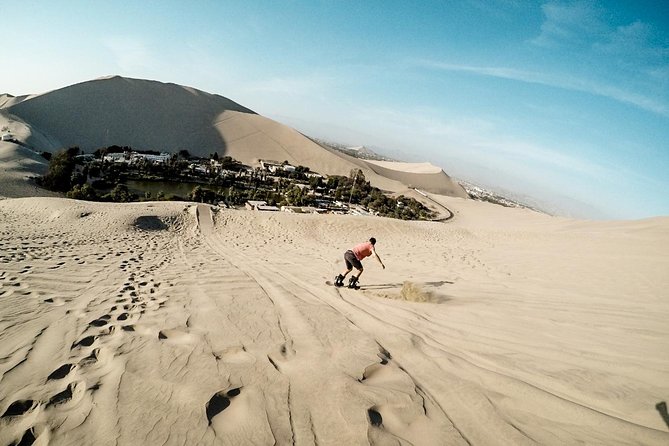
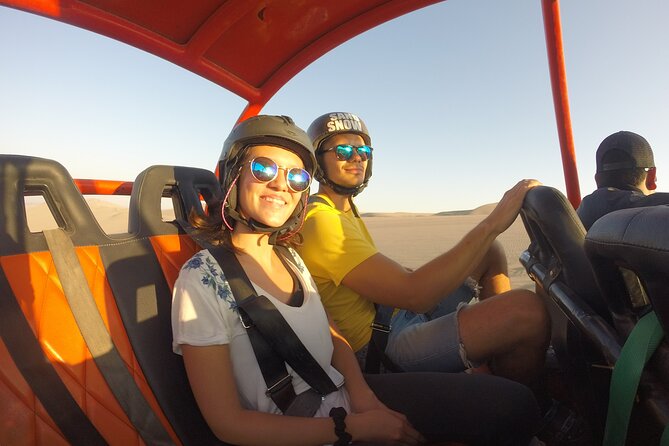
Once everyone is ready, you take a buggy up into one of the desert area’s highest dune zones. The buggy ride is part transportation, part adrenaline ride. It also changes the whole feeling of the tour because you’re suddenly dealing with bigger slopes and longer descents.
From there, the instructor lets you ride down the dunes on your board. More experienced boarders can even try catching some air, which is the moment where your technique starts to feel worth it.
A big reason to care about this section: it’s where the tour shifts from learning to doing. The earlier practice is about control. This stage is where you get the satisfaction of watching yourself improve in real time as the dunes get steeper and the runs start to flow.
And yes, expect sand. Even with careful technique, you’ll feel it—on your pants, your hands, your boards, your mood. That’s half the charm.
How photos and videos work—and how to get the best results
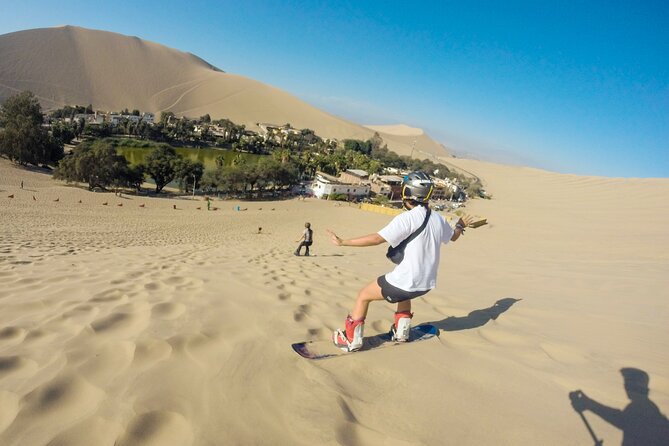
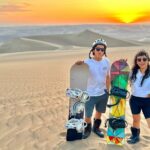
This tour includes pictures and videos taken by instructors while you practice. That matters more than it sounds, because sandboarding is one of those activities where stopping to get your own shots is a recipe for delay and sand chaos.
The instructors record as you ride, then you return to the school after your dune sessions. There, you turn in equipment and watch videos of other boarders as part of the wrap-up. It’s a nice way to see what worked for other skill levels, and it helps you remember the session even if you’re covered in sand by the end.
If you’re thinking about social media, this is one of the smarter tours to choose. You’re not standing around begging your friend to film the one run where everything finally clicks.
Timing, meeting point, and the small logistics that can cost you time
You can choose between a morning and afternoon departure time. The meeting point is Sandboarding Perú at Av. Ángela Perotti s/n, Ica 11000, Peru, and the activity ends back at the meeting point.
One practical warning: start times can be later than you expect. In one example, a group arrived early and didn’t start until much later, which cut into rest time after arriving from the U.S. and driving from Lima. The dunes part was amazing—but the waiting was annoying.
So here’s what I’d do in your shoes:
- If you’re arriving the same day, keep a buffer before the tour so you’re not forced to decide between rest and sandboarding.
- If your afternoon start is the one listed (3:30 pm), don’t schedule a tight dinner immediately afterward.
- If you’re trying to time your walk into the dunes area, confirm departure timing ahead of time so you don’t waste a chunk of your trip standing around.
This is a desert activity. Delays happen. A little planning saves your energy.
Price and value: what $59.90 buys you in real terms
The price is $59.90 per person, for about 3 hours and 15 minutes. That’s not a cheap “impulse fun” activity, so it’s fair to ask what you’re actually paying for.
Here’s the value breakdown based on what’s included:
- Boards and boots that match professional snowboarding equipment standards
- Professional sandboarding or sand-skiing lessons for amateur and advanced riders
- Pictures and videos taken by instructors
- National Park fees
What’s not included:
- Food and drinks (and no lunch is listed)
- Hotel pickup
For most people, the big value is that you’re paying for instruction + proper gear + the transport element (buggy) + documented photos/videos. If you tried to piece this together yourself—equipment rental, a guide, and safe access to the best dunes—you’d likely spend more time and money than the tour price.
So if you’re serious about having an actual sandboarding session (not just a demo), this price feels reasonable.
Who this Huacachina sandboarding tour fits best
This tour is a good fit if you want a structured introduction and a realistic chance to get better as the session goes. It’s also great if you already snowboard or ski, because the lesson format is set up to connect technique to the sand surface.
It suits total beginners too, as long as you’re okay with a bit of effort and learning by doing. The tour notes moderate physical fitness, so don’t treat it like a completely sedentary activity. You’ll be walking up small areas early on, then riding down and repeating runs.
You’ll also probably enjoy it more if you like the idea of being filmed and coached. Since instructors handle photos and videos, you can focus on riding rather than juggling gear.
If you’re worried you won’t ride a traditional sandboard right away, there’s at least one account mentioning body boarding as an alternative when someone couldn’t ski or snowboard. That doesn’t replace what’s listed as sandboarding or sand-skiing, but it hints that instructors may offer options depending on comfort level.
Should you book Huacachina sandboarding with SandSnow?
Book it if you want the real sandboarding experience: professional equipment, hands-on instruction, buggy access to higher dunes, and instructor photos/videos. The small group size (up to 8) is also a big plus if you value feedback over crowd energy.
I would not book it if your day is so tightly scheduled that any delay would ruin everything. It’s a desert activity with real-world timing variables, and the best way to protect your trip is to give yourself cushion before and after.
If you’re choosing between morning and afternoon, pick the slot that best matches your energy and travel plans. Either way, confirm timing ahead of time so you don’t lose the portion of the day you actually came for.
FAQ
How long is the Huacachina sandboarding experience?
It runs for about 3 hours 15 minutes.
Where does the tour start?
You start at Sandboarding Perú, Av. Ángela Perotti s/n, Ica 11000, Peru. The tour begins at the meeting point and ends back there.
What’s included in the $59.90 price?
You get boards and boots for sandboarding/sand-skiing, professional instruction (for amateur and advanced riders), instructor-taken pictures and videos, and National Park fees. Food, drinks, and lunch are not included.
Do I need experience to join?
No. The lesson is designed for both amateur and advanced riders, and you’ll start with equipment testing and practice on smaller dunes before riding bigger ones.
What if the weather is poor?
This experience requires good weather. If it’s canceled due to poor weather, you’ll be offered a different date or a full refund.
How big are the groups?
The group size is capped at a maximum of 8 travelers.