REVIEW · NAZCA
Fly Over the Nazca Lines with the Experts
Book on Viator →Operated by GET2PERU.COM EIRL · Bookable on Viator
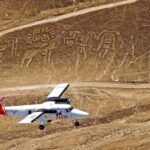
Seeing the Nazca Lines from the air is the whole point, but the experience lives or dies on how well you understand what you’re looking at. This Nazca overflight is built around expert in-flight commentary and simple tools, so you’re not just staring out a plane window hoping for the best.
Two things I really like: you get English-speaking guidance through headsets from the pilot or co-pilot, and each passenger has an individual window. One important consideration: the flight itself is short, but the total airport process is a minimum of about 2 hours, and winter weather can stretch it with reduced visibility.
In This Review
- What you’ll notice right away
- Key things worth planning for
- Why a small Nazca flight with expert headset guidance matters
- Before you fly: briefing, flight map, and a simple spotting plan
- From Nazca meeting point to the aerodrome: how the flow works
- The actual Nazca Lines flight: what the headset guidance changes
- Timing and weather: why you should plan for extra time
- Price and value: what $150 really buys you in Nazca
- Comfort details that make a difference in the air
- Who this Nazca overflight is best for
- Should you book Fly Over the Nazca Lines with the Experts?
- FAQ
- How long is the flight over the Nazca Lines?
- Why does the total time take longer than the flight?
- How many people are in the group?
- What’s included in the price?
- What extra costs should I expect?
- Will I have help identifying the figures?
- What happens if the flight can’t run due to weather?
What you’ll notice right away
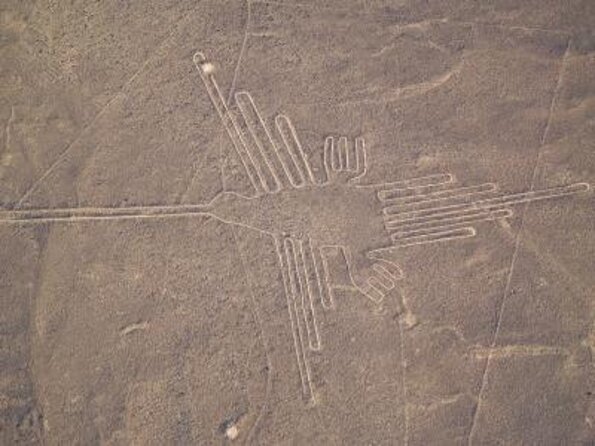
The setup feels smooth and unhurried. You start with a briefing and a flight map, then you move through transfers without wrestling buses and schedules. Plus, the group stays small (up to 16 people overall), which makes it easier to hear the instructions and keep your eyes on the figures.
Just keep your expectations realistic on timing and weather. If visibility is poor, you may wait longer on-site, or the flight may be rescheduled.
Key things worth planning for
- Headset commentary from the pilot/co-pilot helps you spot the figures instead of guessing
- One window per person makes framing and viewing much easier
- Small overall group size means less crowd pressure and less noise
- Briefing with a flight map gives you a game plan for the major figures
- Round-trip transfers to the aerodrome cut down on hassle in Nazca
- Total time is longer than the flight time because airport procedures take time
You can also read our reviews of more tours and experiences in Nazca.
Why a small Nazca flight with expert headset guidance matters
The Nazca Lines aren’t subtle from the air. They’re big, but distance changes everything. If you don’t know where to look first, it’s easy to miss the exact moment a figure comes into view.
That’s why I like the way this flight is run. The pilot or co-pilot doesn’t just fly the plane. They communicate via headsets and point out what you’re seeing in real time. For you, that turns the flight into an actual viewing lesson, not a waiting game.
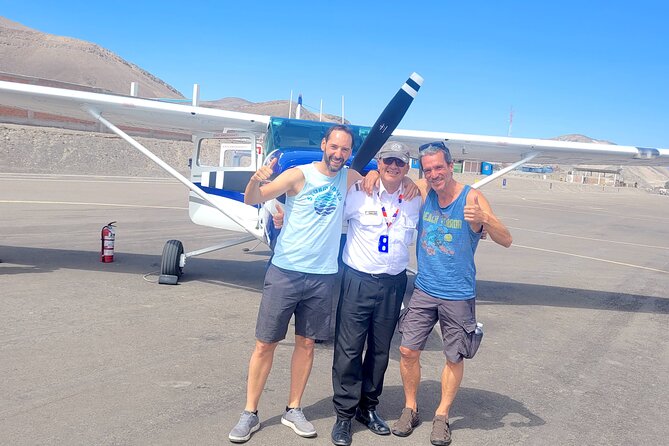
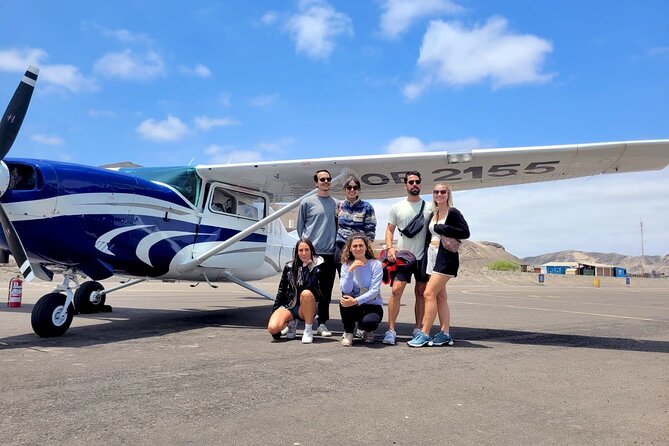
Another practical win: the aircraft is configured for intimate viewing—six passengers plus the pilot and co-pilot. Combined with a dedicated window for each passenger, you’re not sharing space or fighting for angles. This matters for photos too, because clear sight lines help you frame the lines without constantly repositioning.
Safety also feels more grounded here than in big cattle-call tours. You’re in a small cabin with fewer people, and the crew can focus on guiding rather than managing crowds.
Before you fly: briefing, flight map, and a simple spotting plan
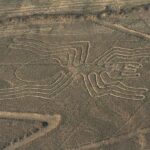
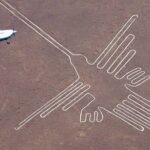
Your experience starts with a briefing before takeoff. The crew gives you a flight map and walks you through what to expect overhead, including how to identify the 18 figures visible from the air.
This is one of those details that sounds small until you’re airborne. When you know what you’re searching for—animal shapes, geometric lines, and the classic motifs—you can scan faster. You spend less time staring at straight stretches and more time catching the figures when they’re best framed from your side of the plane.
If you’re worried about motion or nausea, this is also where you can pick up helpful tips. In one example from earlier guests, Juan Carlos stood out for giving clear expectations and practical advice on how to avoid feeling sick during the flight. That kind of heads-up helps a lot because it reduces the mental scramble once the plane starts moving.
Bottom line: show up ready to listen. The better your briefing, the more satisfying the flight becomes.
From Nazca meeting point to the aerodrome: how the flow works
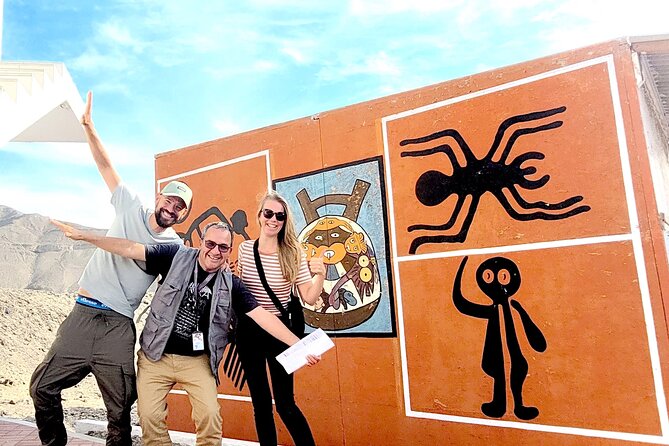
The tour is designed to feel organized, not chaotic. You meet at get2peru tours, Jr. Lima 160, Nazca 11401. The activity operates daily, 8:00 AM to 3:00 PM. Since the whole process takes at least a couple hours, I’d plan your day around that window instead of treating it like a quick add-on.
The company includes round-trip transfers to the aerodrome and back. They also provide free luggage storage, which is handy if you’re coming from a bus or have bags you don’t want to drag around.
There’s also a waiting space with real comforts that matter in Nazca. You’ll have a comfortable place to wait for your next bus, plus restrooms and free Wi-Fi. It’s positioned conveniently across from the bus station, so you’re not stranded if your schedule shifts a bit.
When you arrive at the aerodrome, you’re not thrown into confusion. The flight is run with a simple rhythm: brief, transfer, fly, return.
The actual Nazca Lines flight: what the headset guidance changes
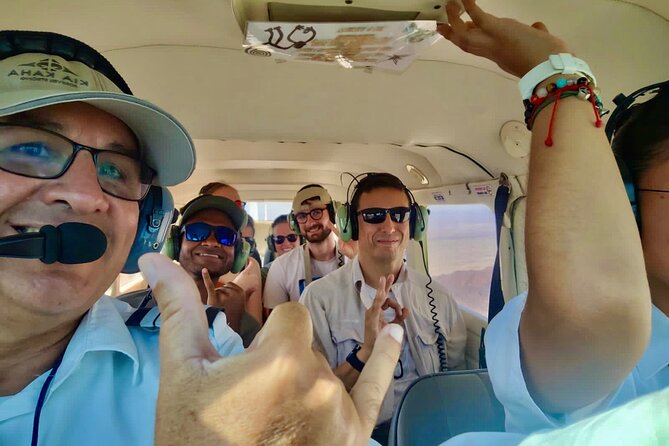
The total flight portion is about 30 minutes, and the overall activity timing is listed at roughly 35 minutes—but remember, that’s only the time in the air.
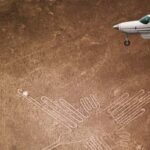
During the flight, the pilot and co-pilot communicate with you through headsets to point out the lines as you pass over them. This is a big deal, because Nazca isn’t one static view. You’re moving, the light changes, and different figures appear better from different angles.
You’ll also get a clearer sense of scale. From the ground, the lines are hard to interpret. From the air, you see the logic—long straight runs, intersections, and figures that connect like a drawing seen from the right height.
Here’s what you should expect in practice:
- You’ll get help identifying figures quickly rather than relying on guesswork.
- You’ll be able to follow along with the flight map concepts from your briefing.
- You’ll still need to keep your eyes moving, but you’ll know what to look for next.
If you care about photos, a window seat helps you work fast. You can grab a shot, check your framing, then shift attention to the next figure without sharing a view.
Timing and weather: why you should plan for extra time
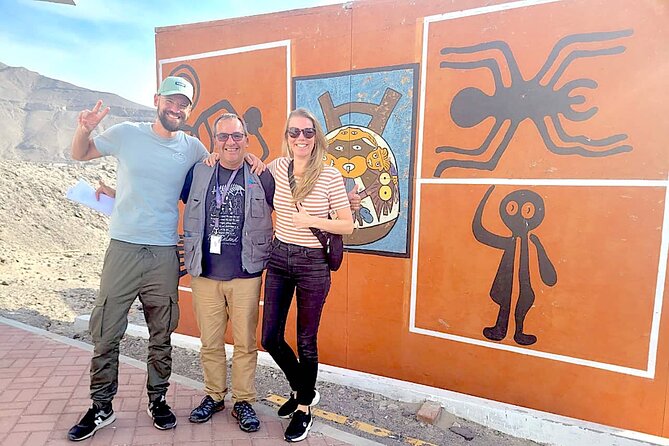
The flight itself is short. The waiting and procedures around it are what take time.
The activity notes that even though the flight lasts about 30 minutes, the airport process takes a minimum of around 2 hours. In winter season, that can be longer because weather can affect visibility. That means you may need patience, and you may need to keep your schedule flexible.
This isn’t a minor issue. If you booked a tight connection afterward—like a bus departure that assumes you’re done quickly—you’ll regret it.
My advice: treat the flight day like a half-day plan. Arrive with time to spare, keep your phone charged (Wi-Fi is available in the waiting area), and don’t schedule something stressful right after the flight.
Price and value: what $150 really buys you in Nazca
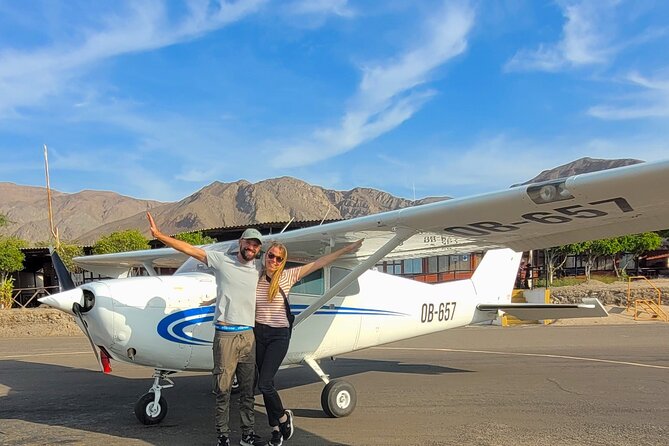
At $150 per person, this overflight isn’t the cheapest option in the region, but it’s also not priced like an ultra-premium private charter. What you’re paying for is real guidance and a smoother operation.
Here’s the value breakdown based on what’s included:
- Expert assistance with in-flight headset commentary
- Round-trip aerodrome transfers
- Free luggage storage
- A comfortable waiting area with restrooms and free Wi-Fi
- Small-group handling (up to 16 people overall)
What’s not included:
- Airport/departure tax: PEN 77.00 per person
- A possible additional fee for passengers over 110 kg (240 lbs)
So the true cost for you depends on your situation. If you’re under the weight limit, your add-ons may stay simple. If you’re over 110 kg, budget for potential extra charges. And if airport tax is payable on-site, that’s another line item you should expect.
Also note: the listing says the admission ticket isn’t included. That matters because it can affect what you pay total at the airport. If you want a clean budget, confirm what’s still due when you arrive (tax and any admission-related charges).
Booking timing is another value angle. The experience is commonly booked about 25 days in advance, so I’d aim earlier if your travel dates are fixed.
Comfort details that make a difference in the air
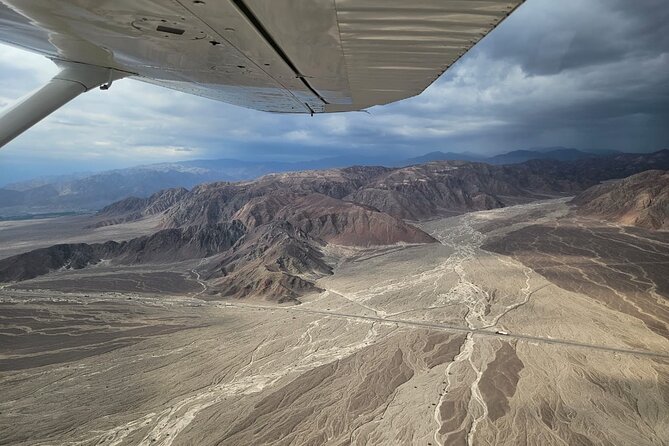
A lot of Nazca flights feel similar on paper—get in, fly, see lines, get out. The comfort details here are what keep it from feeling like a factory process.
Each passenger gets an individual window. That matters because Nazca figures can be easiest to spot when you can tilt and frame without obstruction. It also helps with sharing tips among people in your row—what you see can match what the crew is saying.
Headsets also reduce stress. Instead of yelling across a cabin or guessing what the pilot is doing, you hear guidance directly. That makes it easier to follow along as the plane shifts position.
Finally, the waiting area setup is practical. Free Wi-Fi and restrooms aren’t flashy, but in Nazca you can end up waiting longer than you expect due to conditions. Being comfortable makes the whole day feel less annoying.
Who this Nazca overflight is best for
This tour is ideal if you want the Nazca Lines experience with structure. You’ll like it most if:
- You want expert English-speaking guidance rather than a silent sightseeing flight
- You care about having a clearer way to identify the figures (map briefing before takeoff)
- You prefer a small group and fewer people in the cabin
- You’d like transfers and storage handled for you instead of managing logistics on your own
It may not be the best match if your schedule is extremely tight. Between airport procedures and potential weather-related delays, you need breathing room.
If you’re sensitive to motion, go into the briefing with questions and ask about tips to help you feel better during the flight—helpful advice has been shared by the team in the past, and it’s the type of thing that can make or break your comfort.
Should you book Fly Over the Nazca Lines with the Experts?
If you want the Nazca Lines to feel understandable—big figures, clear viewing moments, and real help from the cockpit—this is a strong choice. The small-group setup, headset guidance, and window seat for every passenger are the big reasons.
I’d book it when:
- Your dates are flexible enough to handle weather visibility issues
- You’re okay spending a couple hours tied to the aerodrome process
- You care more about seeing and learning than just getting a short flight stamp
I’d hesitate if:
- You’re trying to squeeze Nazca into a super-tight schedule
- You hate waiting around, especially in winter visibility conditions
- You’re trying to avoid any extra on-the-day payments beyond the listed price (airport tax and possible weight-related fees)
Given the strong rating (4.7) and high recommendation rate (94%), this seems like one of the more reliable ways to do the Nazca Lines flight—focused on seeing the figures clearly, not just flying overhead.
FAQ
How long is the flight over the Nazca Lines?
The flight portion is about 30 minutes, and the overall activity duration is listed as approximately 35 minutes.
Why does the total time take longer than the flight?
Even though the flight is short, the airport process takes a minimum of around 2 hours. In winter, weather can affect visibility and may add extra time.
How many people are in the group?
The experience has a maximum of 16 travelers overall, and each aircraft carries six passengers plus the pilot and co-pilot.
What’s included in the price?
Included features are assistance, transfers in and out to the aerodrome, a comfortable place to wait (with restrooms and free Wi-Fi), and free luggage storage.
What extra costs should I expect?
Airport/departure tax is PEN 77.00 per person, and the admission ticket is not included. Passengers weighing more than 110 kg (240 lbs) may be asked to pay an additional fee.
Will I have help identifying the figures?
Yes. You’ll get a briefing before takeoff with a flight map, and during the flight the pilot/co-pilot provides guidance through headsets in English.
What happens if the flight can’t run due to weather?
If it’s canceled because of poor weather, you’ll be offered a different date or a full refund.