REVIEW · CHINCHERO DISTRICT
From Cusco: Chinchero, Moray, Maras, Ollantaytambo, Pisaq
Book on GetYourGuide →Operated by Midway Peru Adventures · Bookable on GetYourGuide
Cusco turns into the Sacred Valley fast. This day trip strings together five standout Inca stops, from textiles at Chinchero to Ollantaytambo fortress walls. I like that you’re not stuck in one place staring at ruins. You move, you learn, and you get a real feel for how the Incas used the Andes.
What I especially liked is the way the tour pairs hands-on culture with the archaeology. You’ll visit a Chinchero textile center where alpaca-fiber making gets explained, then you’ll also see the Inca-era enclosure in the same area. Another highlight is Moray and the Maras salt mines—one place shows Inca-style experimental agriculture, and the other shows salt extraction in action with thousands of evaporation pits.
The only drawback: the schedule is efficient. You’ll have guided time at each site, but there are lots of short stretches and you can feel a bit rushed at the main attractions if you want to linger.
In This Review
- Key highlights that make this route work
- A focused Sacred Valley sampler from Cusco
- Morning in Chinchero: alpaca yarn, then the Inca enclosure
- Moray’s terraces: Inca experimentation you can actually see
- Maras salt mines: the process, the pits, and the living tradition
- Lunch in Urubamba: Andean buffet, vegetarian options included
- Ollantaytambo fortress: walking inside the defensive spine of the Incas
- Pisac at the end: terraces and the Inca cemetery
- Price and logistics: what your $45 really buys
- Who this tour suits best (and who should skip it)
- Should you book it?
- FAQ
- How long is the tour from Cusco?
- What stops are included during the day?
- Is lunch included, and do you offer a vegetarian option?
- What tickets or entrance fees are not included?
- Do you pick up from hotels in Cusco?
- What languages is the guide available in?
- Are drones allowed on this tour?
Key highlights that make this route work
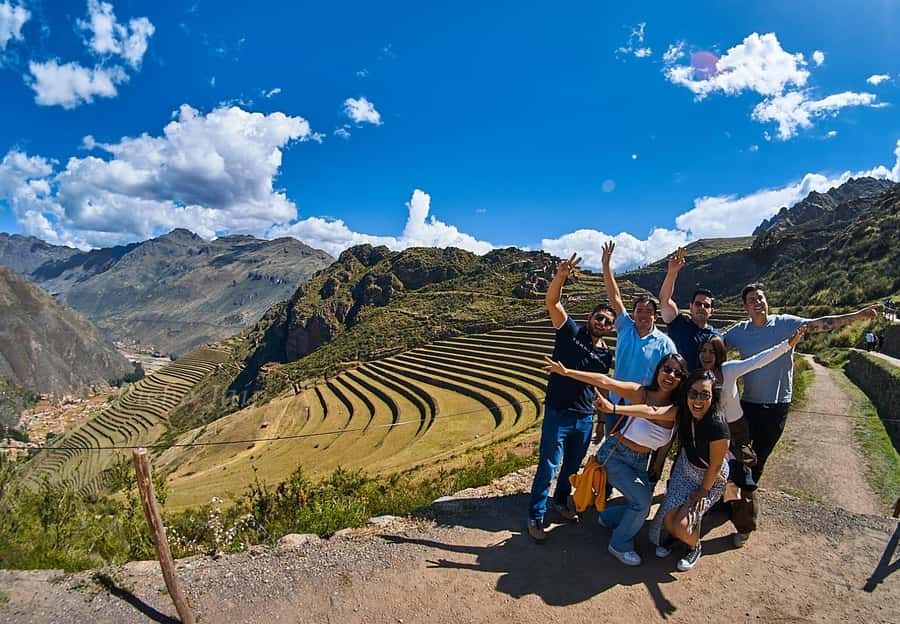
- Chinchero textiles + Inca enclosure in one go, so culture and archaeology don’t compete for your time
- Moray’s circular terraces and the explanation of how the site functioned
- Maras salt mines with 4,000+ pits and a clear look at the salt-extraction process
- Ollantaytambo fortress walk-through, including the main enclosures
- Pisac terraces and Inca cemetery for a satisfying late-day payoff
- Small group size (max 18) plus a bilingual guide and hotel pickup from central Cusco
A focused Sacred Valley sampler from Cusco
If you only have one day around Cusco, this route makes sense. It hits the major Sacred Valley sites people talk about, in a logical order that keeps travel time reasonable. The goal here isn’t to slow down like a multi-day trek. It’s to help you learn fast and decide what you want to see again—either deeper on your own or on another organized day.
You start with pickup from your hotel in Cusco’s historic center (or an Airbnb in the same central zone). Then you head out toward Chinchero, which works as a strong opening because it blends living craft traditions with Inca remains. That sets the tone for the rest of the day: agriculture, water, salt, defense, and burial spaces—each site teaching you a different part of how the Incas shaped daily life.
This tour runs about 12 hours, with a professional guide in English or Spanish. Transport is in a tourist vehicle that holds up to 18 people, which helps keep the group feeling manageable rather than chaotic.
You can also read our reviews of more tours and experiences in Chinchero District.
Morning in Chinchero: alpaca yarn, then the Inca enclosure
Chinchero is about an hour from central Cusco. The morning starts with a textile center, and that’s one of the best uses of time on this itinerary. Even if you’ve seen alpaca items in markets before, it’s different when someone explains the making process and what different fibers and steps mean.
You’ll learn how textiles can be made from alpaca fiber, and you’ll likely get a clearer picture of why these products are more than souvenirs. Textiles in the Andes are closely tied to identity, seasons, and local knowledge. You’re not just watching a demo—you’re getting context for what you’ll see later in markets, and what to ask for when you shop.
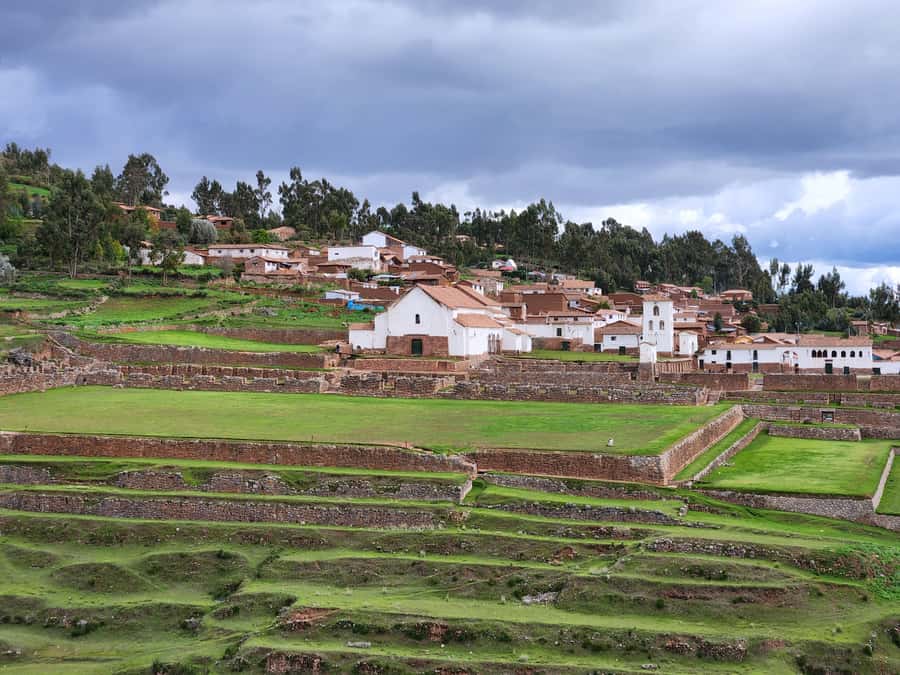
After that, you move to the archaeological center of Chinchero. The guided portion includes the enclosure of Inca Tupac Yupanqui. This is a good “anchor” stop: you can connect the morning’s craft conversation to the afternoon’s stone-and-terrace conversation. The Incas weren’t one thing. They were administrators, engineers, farmers, and builders—with culture woven through it.
Potential downside here: the textile portion can make the day feel structured early. If you want a very casual, wander-anywhere pace, you may wish you had a bit more free time. Still, the pairing of craft + site is usually the kind of smart value that makes a one-day tour feel worth it.
Moray’s terraces: Inca experimentation you can actually see
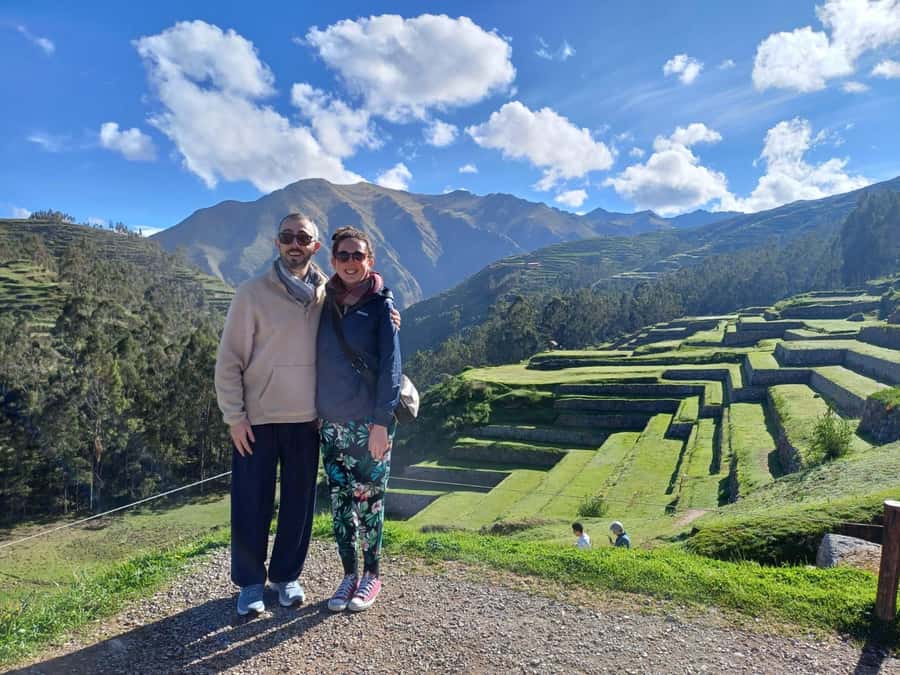
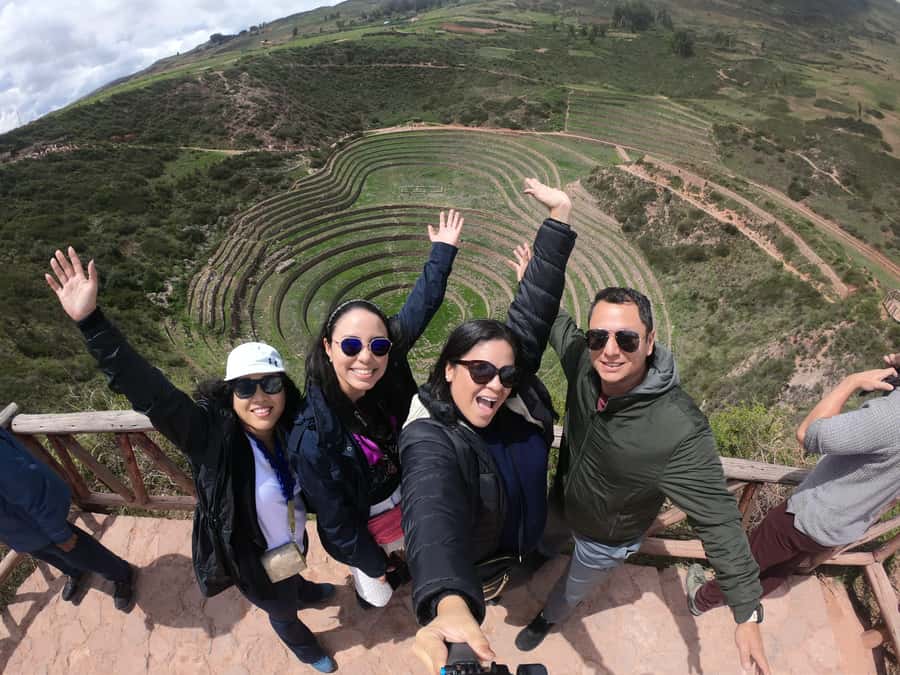
Next comes Moray, famous for its circular terraces. This is the “wait, how did they do this?” stop. Even without a background in Andean agriculture, the layout makes you want to ask questions. The terraces look like a natural amphitheater, but they’re built with intention.
Your guide explains Moray as an experimental agricultural laboratory. The basic idea you’ll walk away with is that the Inca design could create different growing conditions by using the terraces’ structure. It’s one of those sites where the architecture isn’t just decorative. It’s functional.
Moray is also a relief from rushing through a fortress or cemetery. It gives you room to absorb patterns—how the land was shaped into zones. You’ll typically have around 30 minutes with a guided visit here, which is enough for the main explanation without turning it into a long lecture.
Practical tip: bring layers. Even in a day trip, the Andes can shift quickly. Moray’s open terraces mean you’ll feel changes in wind and sun more than you might expect.
Maras salt mines: the process, the pits, and the living tradition
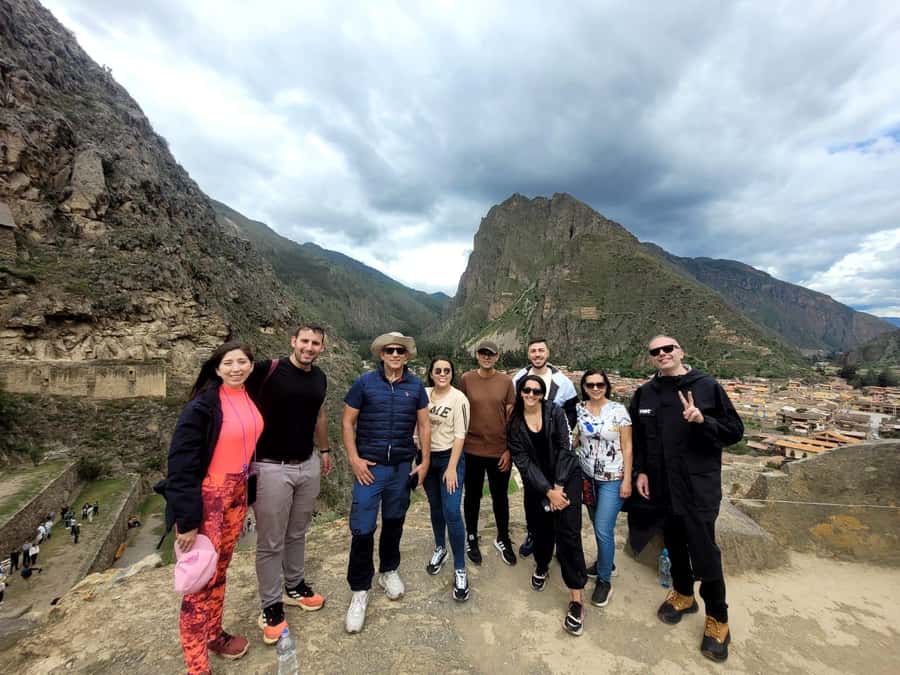
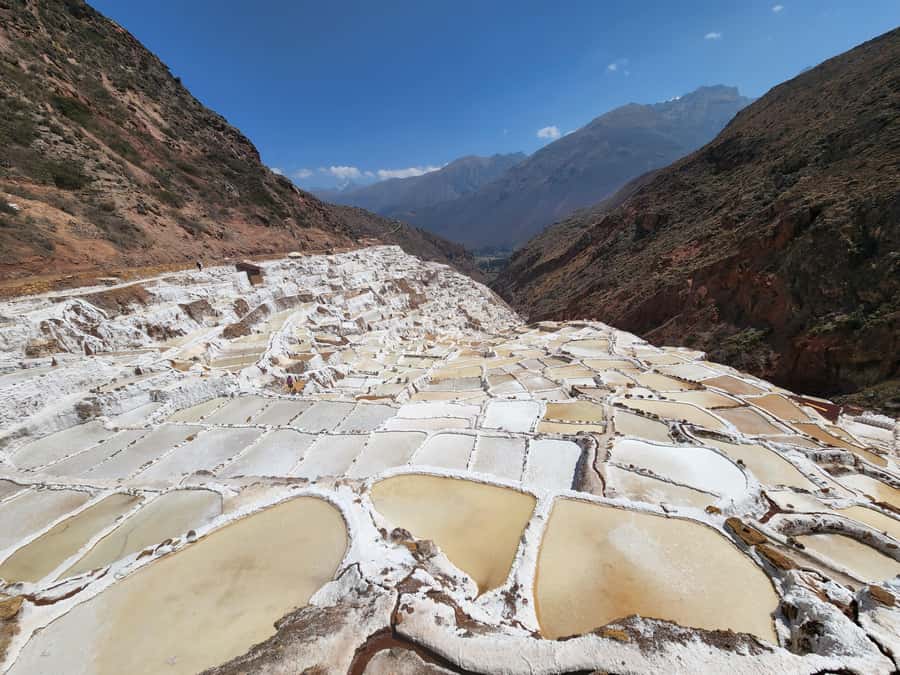
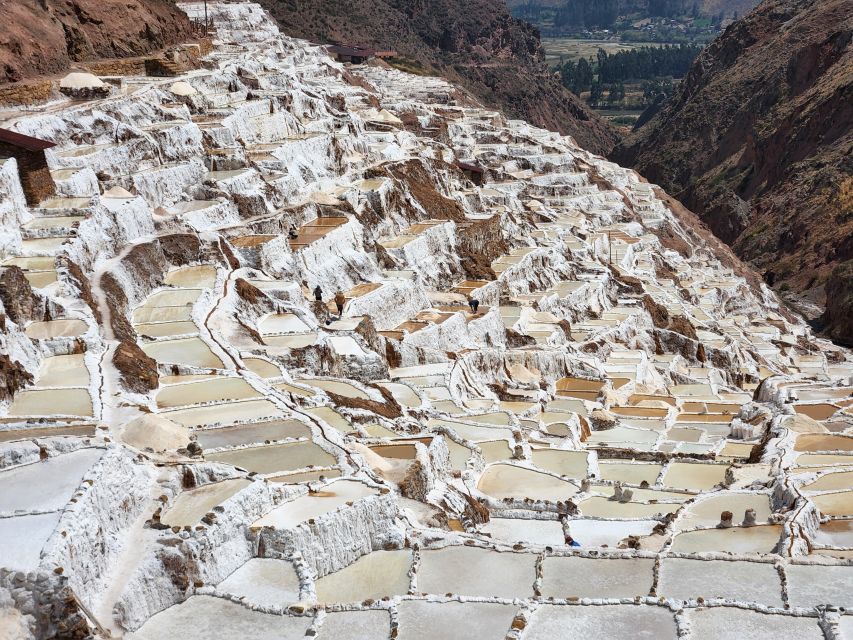
After Moray, you reach the Maras Salt Mines. This part of the day is a crowd favorite because it’s not just ruins behind a fence. You’re seeing an active extraction system: more than 4,000 pits that have been used for salt collection for a long time.
The tour’s guided time focuses on the salt extraction process. You’ll learn how water is channeled and how salt collects as it evaporates. What makes Maras especially compelling is the continuity: the Incas used the salt here, and local communities continue the same tradition today.
It’s one of those experiences that’s both visually striking and logically satisfying. The pits look almost geometric from a distance. Up close, you start understanding how the landscape has been engineered to make evaporation efficient. That’s why this stop works on multiple levels—science, history, and daily work all show up at once.
Time note: you’ll have about 40 minutes for the salt mines, plus you’ll want a little extra buffer for photos and walking down and around viewpoints.
Also, plan your budget. The tourist ticket (70 soles) and the Maras Salt Mines entrance (20 soles) are listed as not included, so you’ll want to pay those on the day (or confirm payment options with your guide/driver ahead of time).
Lunch in Urubamba: Andean buffet, vegetarian options included
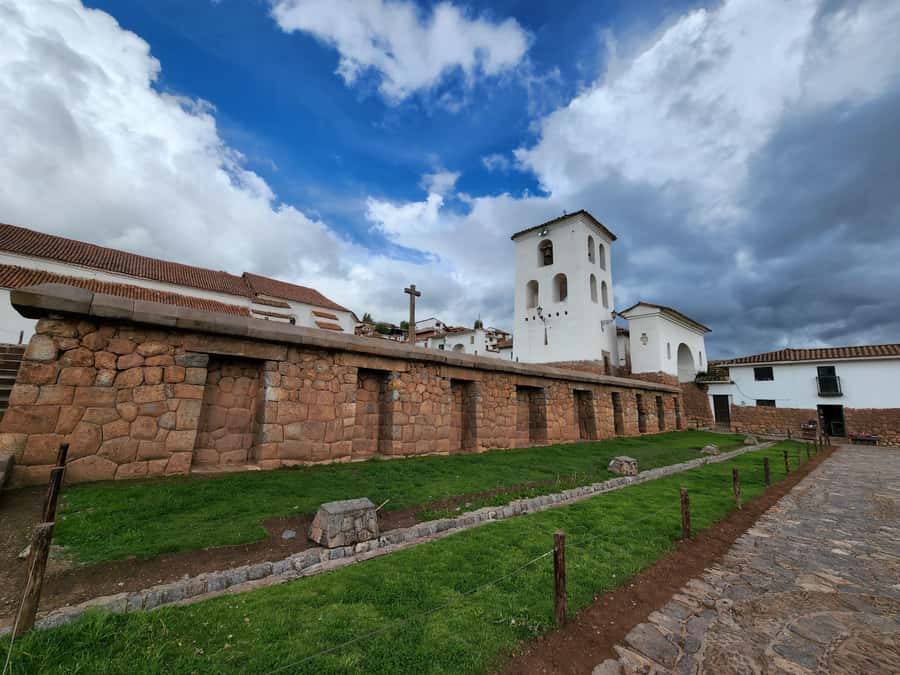
Once you arrive in Urubamba, you get a buffet lunch with an Andean focus. You also have a vegetarian option, which is a big deal on day trips where the default “maybe you’ll be okay” approach can fall flat.
This lunch break matters because it lets you reset before the more intense archaeology stops. By the time you reach Ollantaytambo and Pisac, you’ll be walking more and concentrating harder. A proper meal keeps the day from turning into constant snacking and regret.
What to expect: buffet style means you can choose what you’ll actually eat. That’s practical when you’re in altitude and you want food you can tolerate. Drinks and snacks aren’t included, so if you’re a water-with-every-stop person, bring a plan.
Ollantaytambo fortress: walking inside the defensive spine of the Incas
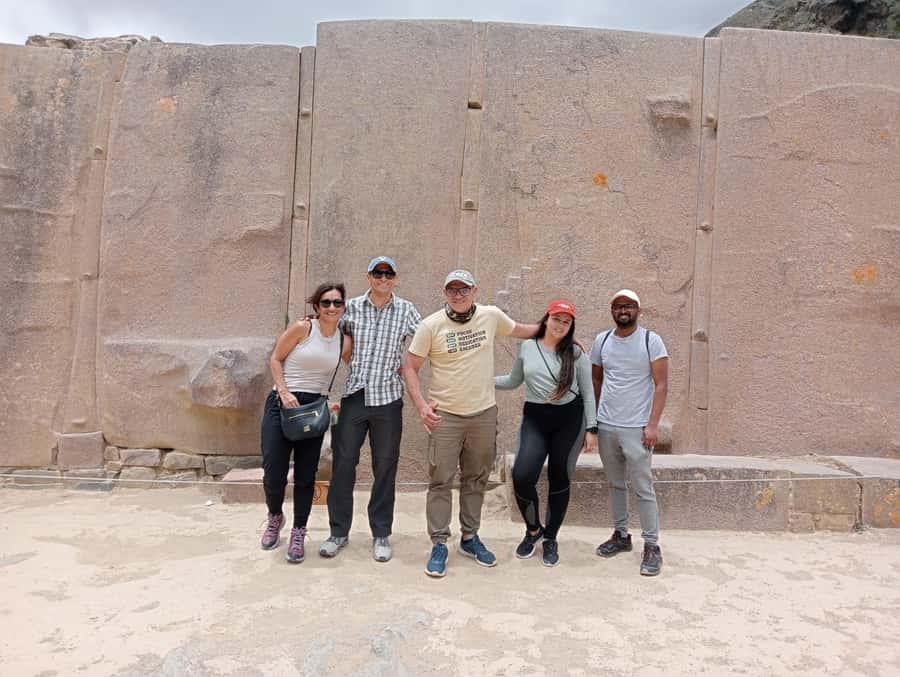
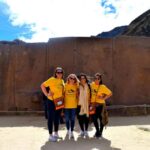
After lunch, the tour heads to Ollantaytambo, and this stop delivers on the “imposing Inca constructions” promise. Ollantaytambo isn’t just a set of walls. It’s a built defense system and a key gateway area in the story of the region.
You’ll walk inside the fortress and see the main enclosures. The guide frames Ollantaytambo as a strong defensive site built to protect the entrance toward Machu Picchu. Even if you’ve heard that connection before, seeing the scale of the stonework helps it click.
This is one of the better stops for photography and for understanding how Inca engineering adapted to real terrain. The stone paths and enclosures guide you in a way modern ruins often don’t. It can feel less like a museum and more like you’re walking through the logic of a stronghold.
Reality check: this is one of the spots where the “efficient schedule” can show. Your guided time here is roughly 40 minutes, which is good for coverage, but not ideal if you want deep, slow roaming. If you fall in love with Ollantaytambo, you’ll probably want to return.
Pisac at the end: terraces and the Inca cemetery
The final major site is Pisac. This is a strong closing stop because it mixes agricultural engineering and burial tradition.
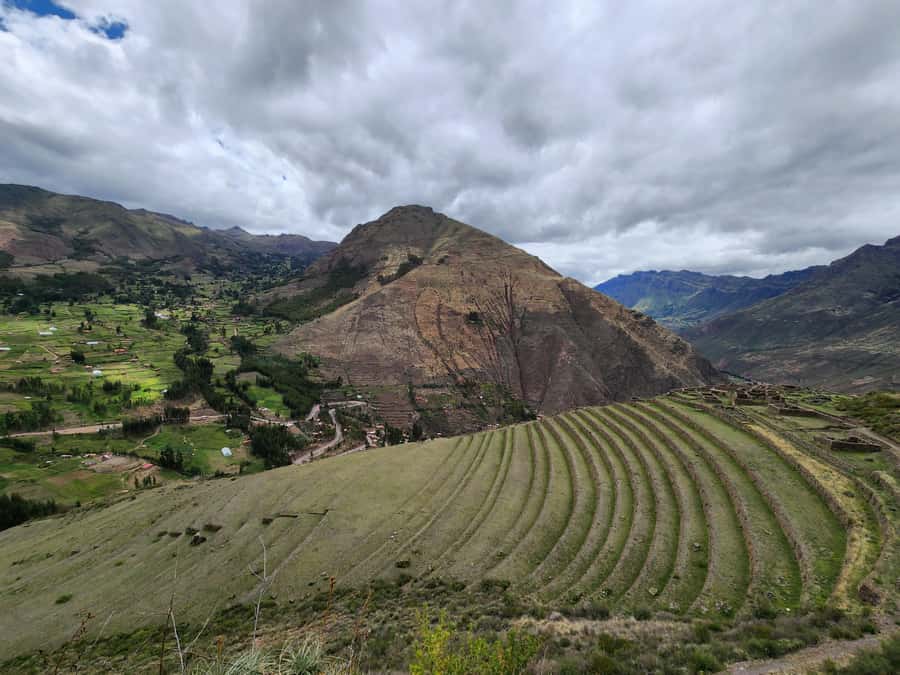
You’ll see agricultural terraces, plus an Inca cemetery and different enclosures associated with Inca royalty. The guided time is about 40 minutes, which gives you enough to grasp what the area was used for without dragging the day to the breaking point.
Pisac’s terraces are the kind of thing you can keep “reading” even after you leave. The shapes show how farming and movement were planned. And the cemetery component adds a heavier tone—so the day doesn’t end only on aesthetics. It ends on what the Incas valued beyond building: family, lineage, and ritual spaces.
After Pisac, you return to Cusco. The tour ends with transportation dropping you off around one block from Plaza Regocijo, which is a convenient finish near the center.
Price and logistics: what your $45 really buys
At about $45 per person, this tour can be good value for a one-day Sacred Valley circuit—especially because pickup and transport are included and the group is capped at 18. You’re also getting a professional bilingual guide and a buffet lunch with vegetarian option, plus a first aid kit in the mix.
But it helps to budget correctly. Two major add-ons are not included:
- Tourist ticket: 70 soles
- Maras Salt Mines entrance: 20 soles
So don’t treat the $45 as the whole cost. Treat it as the “transport + guide + lunch” portion, and plan for the site fees on top.
The tour also runs about 12 hours, so think of it as a full day with limited downtime. You’ll want comfortable walking shoes and a light daypack.
One more rule to note: drones aren’t allowed.
Who this tour suits best (and who should skip it)
This is a great fit if you want a structured way to see the headline Sacred Valley sites from Cusco. It also works well if you enjoy learning from a guide and prefer guided context over wandering alone.
It’s especially good for:
- First-timers who want the big Inca highlights in one day
- People who like crafts and want context beyond just buying things
- Anyone who values a knowledgeable, kind guide and smooth transport—reviews specifically praise the guide’s kindness and the driver’s skill on the challenging curves
It may be less ideal if you’re the type who wants to linger for half an hour in every viewpoint. The pace can feel rushed at some stops because there are many locations to cover and each has a set guided window.
Also, it’s not suitable for people over 95 years (per the activity info).
Should you book it?
I’d book this tour if you want one full day that covers Chinchero, Moray, Maras, Ollantaytambo, and Pisac without you having to coordinate transport between them. The strongest reason to choose it is the pairing of learning styles: textiles and Inca enclosure in Chinchero, experimental terraces at Moray, live salt extraction at Maras, and then the defense-and-burial story beats at Ollantaytambo and Pisac.
I’d pass or choose a slower alternative if your priority is slow travel and lots of free time at each site. This one is built for momentum. You’ll come away with a strong overview—and clear ideas for what deserves your extra attention on a second visit.
FAQ
How long is the tour from Cusco?
The tour duration is about 12 hours.
What stops are included during the day?
It includes Chinchero, Moray, the Maras Salt Mines, Ollantaytambo, and Pisac.
Is lunch included, and do you offer a vegetarian option?
Yes. You get a buffet lunch in Urubamba, and there is a vegetarian option.
What tickets or entrance fees are not included?
The tourist ticket is not included (70 soles), and there is also an entrance fee for the Maras Salt Mines (20 soles). Drinks and snacks aren’t included either.
Do you pick up from hotels in Cusco?
Yes. Pickup is included from hotels and Airbnbs located in the historic center of Cusco, with multiple pickup options listed.
What languages is the guide available in?
The guide is available in English or Spanish.
Are drones allowed on this tour?
No, drones are not allowed.
If you want, tell me your travel dates and whether you prefer early starts or a more relaxed pace, and I’ll help you decide if this one-day circuit fits your Cusco schedule.