REVIEW · CHINCHERO DISTRICT
Cusco: Sacred Valley of the Incas Tour
Book on GetYourGuide →Operated by Inkayni Peru Tours · Bookable on GetYourGuide
Stone terraces, sharp timing, big views. This Cusco-to–Sacred Valley day trip gives you a lot of Inca-era sights in one go, especially Ollantaytambo and Pisac. I like that the day is built around guided explanations at multiple stops, plus the change of scenery as you climb and descend. One drawback to plan for: the schedule is tight, and if pickup or logistics go off pace, you can end up feeling rushed.
Starting from Cusco at about 11,152 ft (3,399 m), you’ll feel the altitude right away. Then the route climbs higher and drops again, with several altitude points along the way—so I recommend taking the day slow once you arrive, even if you feel fine at first. The tour also throws in an artisan stop and a weaving demonstration, which is great if you want more than just stone ruins.
You’ll need to budget for one thing beyond the $22 price: a tourist ticket costing 70 Soles, plus lunch is on your own. Also note the tour isn’t suitable for people with mobility impairments, and it may not be a great fit if you have pre-existing medical conditions.
In This Review
- Key highlights you should care about
- Cusco altitude to Sacred Valley sights in 10 hours
- Entrance ticket reality: the 70 Soles fee you must buy on the day
- Pisac: market morning energy, artisan detail, and guided context
- Pisac Archaeological Park: terraces you can read with a guide
- Urubamba lunch break: a reset point, not a guaranteed feast
- Ollantaytambo fortress: the stone you understand when you see it in person
- Chinchero: Inca ruins, colonial church, and weaving in motion
- Price and value: $22 that comes with a couple of add-ons
- Before you go: what to pack, what to avoid, and who should skip
- Should you book the Cusco Sacred Valley tour?
- FAQ
- How long is the Cusco Sacred Valley of the Incas tour?
- What is included in the price?
- What entrance fee do I need to pay, and when?
- Is lunch included?
- Where are the pickup and drop-off locations in Cusco?
- What languages are the guides?
- What should I bring for the day?
- Are there any rules about what I can bring?
- FAQ
- Is there a cancellation option if plans change?
Key highlights you should care about
- Inca fortress at Ollantaytambo with massive terrace walls and a strategic, spiritual feel
- Pisac Archaeological Park focused on terraces and ceremonial spaces above the valley
- Chinchero weaving workshops where traditional textile craft is shown in action
- Panoramic lookout stop before you reach Pisac, great for quick orientation
- English or Spanish professional guiding, helpful when you want context fast
- Packed 10-hour pacing, so you’ll trade comfort-time for more sights
Cusco altitude to Sacred Valley sights in 10 hours
This is a classic “big day” route. You start in Cusco (around 11,152 ft / 3,399 m) and move through the Sacred Valley circuit with steady climbing and descending. Expect the air to feel thin at the start, and then you’ll hit higher points—like the Chinchero area at about 12,342 ft / 3,762 m—before you’re back down into the valley feel around Urubamba and Ollantaytambo.
I like this pacing because it turns your day into a quick lesson: you see how the Incas built on steep ground, how communities worked in fertile valley areas, and how craft traditions still matter today. You also get a scenic viewpoint stop along the way into the valley. Even if you’re not a photo person, that first “open the view” moment helps you understand where the sites sit.
The trade-off is energy. With a total duration of 10 hours, there’s not much slack. If you’re sensitive to altitude, tired from travel, or you hate feeling rushed, you might find the day moves faster than you’d like. Bring water, move slowly at each stop, and don’t plan to sprint between points.
You can also read our reviews of more tours and experiences in Chinchero District.
Entrance ticket reality: the 70 Soles fee you must buy on the day
The tour price is low, but it’s not the whole cost of access. You must buy and bring a tourist ticket, and it costs 70 Soles. The key detail: you buy it the day of the tour at the entrance of the first place you visit—Pisaq.
Here’s the practical approach I’d use: arrive ready to handle the ticket purchase quickly so you can get into Pisac without losing time. Since the tour includes guided time at the archaeological park and also a guided visit around town, you don’t want to be standing around too long while the rest of the group is waiting.
You’ll also want to plan your spending for lunch. Lunch isn’t included, and you’ll have a break in Urubamba where you can grab food on your own. If you’re traveling with any dietary restrictions, use the break as your chance to eat promptly—don’t gamble on time.
And just as important: pack smart for the day. Bring a sun hat, sunscreen, water, and rain gear. The weather can swing in the Andes, and being caught unprepared turns a “great day” into a cold, wet slog fast.
Pisac: market morning energy, artisan detail, and guided context
Your day reaches Pisac town first, around 9,751 ft (2,972 m). This stop is less about big ruins and more about how everyday people keep traditions alive—especially through textiles and silver work. You’ll get time to explore the artisan market area with a guide, including a brief guided walk (about 30 minutes for the Pisac town portion).
What makes this part worth it is the contrast. You’re coming straight from Cusco into the valley, and Pisac town gives you a human-scale view of the region. You’ll see locals selling handwoven textiles and silver jewelry, and the market vibe is a good reset after travel and altitude.
Practical tip: keep your wallet organized. If you’re interested in buying, take your time comparing pieces. But don’t lose track of the group—Pisac includes both town time and a separate guided chunk at the archaeological park, so you want to stay within the flow.
Also, remember this is a guided format, so you don’t always get full wandering freedom. If you love shopping and hate being on a timetable, you may feel the time slice is short. Still, even a quick market look here can help you understand what you’ll later see again in Chinchero with weaving demonstrations.
Pisac Archaeological Park: terraces you can read with a guide
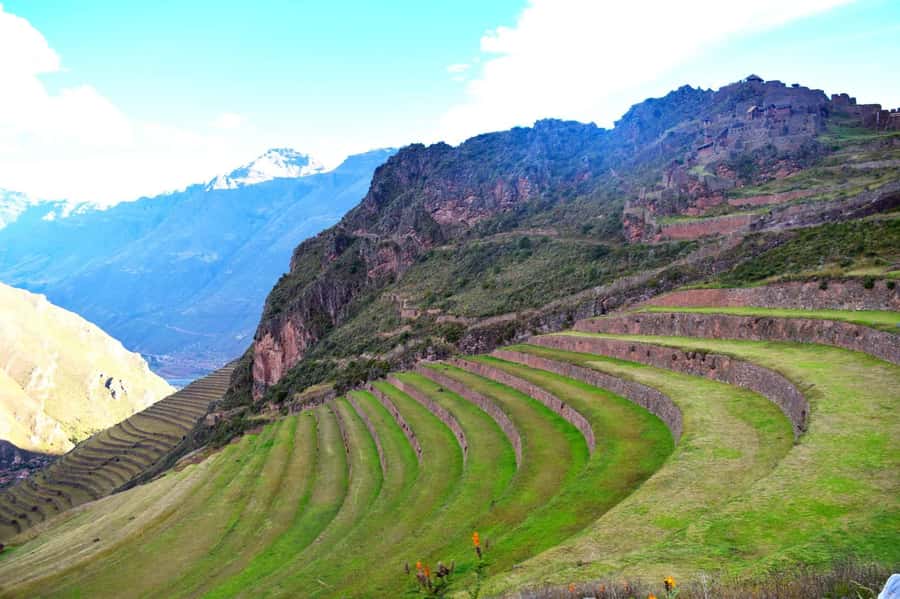
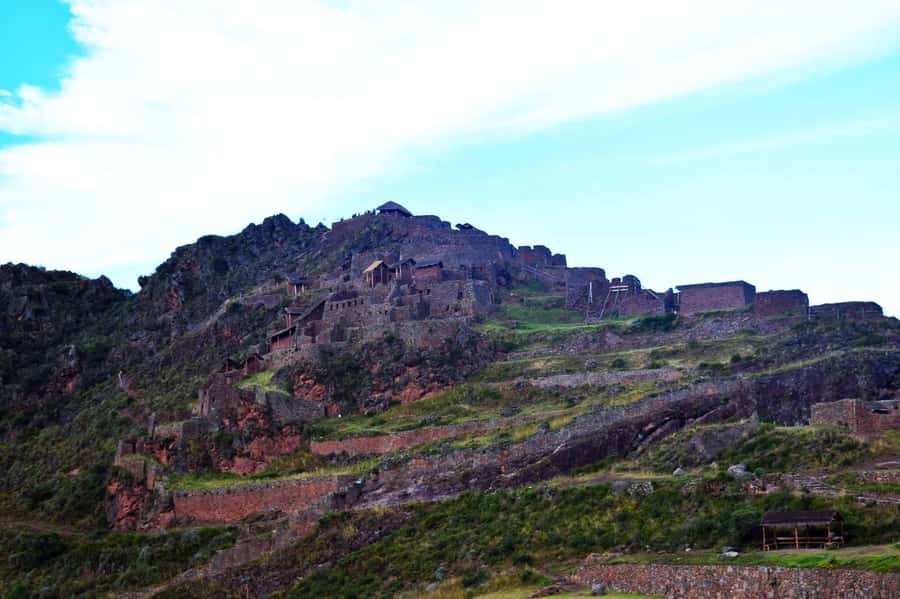
Next you’ll head up to Pisac Archaeological Park at about 10,980 ft (3,347 m). You’ll have roughly one hour with a guide, which is a real highlight of the day if you like decoding what you’re looking at.
Why the guide matters: Inca sites are often built to work with gravity and slope. Terraces aren’t just “pretty stairs”—they’re tied to agriculture, water management, and how people lived with the terrain. With about one guided hour, you can learn what to notice, even if you don’t have time for a long, slow hike.
You’ll also be above the valley, with ceremonial temples and terraces looking out over the wider Sacred Valley. Even from a distance, you can spot the planning. The views help you connect the dots: which areas were farmed, which were ceremonial, and how the site dominates its surroundings.
The drawback is simple: one hour goes quickly. If you want to linger at every terrace line, you might wish you had more time. But if you’re using the day to hit multiple top sites—Pisac plus Ollantaytambo—this structure makes sense. You get the “main ideas” without eating your whole day on one location.
Urubamba lunch break: a reset point, not a guaranteed feast
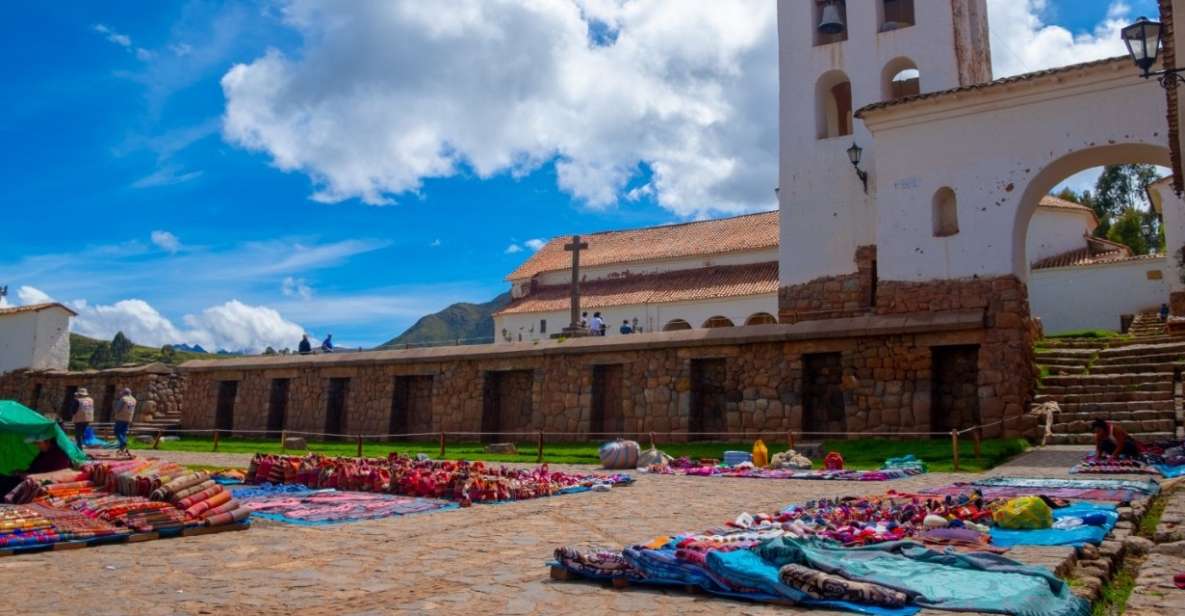
After Pisac, you’ll travel through the valley to Urubamba (around 9,420 ft / 2,870 m) for lunch. You’ll have about one hour here, and lunch is not included.
I like Urubamba as a breathing point because it’s the moment where the day stops being only viewpoints and ruins and turns into normal human timing. It’s also your chance to adjust your pace based on how you’re feeling. If altitude is hitting you, sit down early. If you feel great, this is still a good time to eat and hydrate before the steeper, more active fortress stop later.
Because lunch time is short, don’t treat this as a casual “wander and see.” Make a quick plan: buy water if you need it, eat something you can digest easily, and move back when your hour is up. Nothing ruins a Sacred Valley day like getting caught searching for food with the group already moving.
Ollantaytambo fortress: the stone you understand when you see it in person
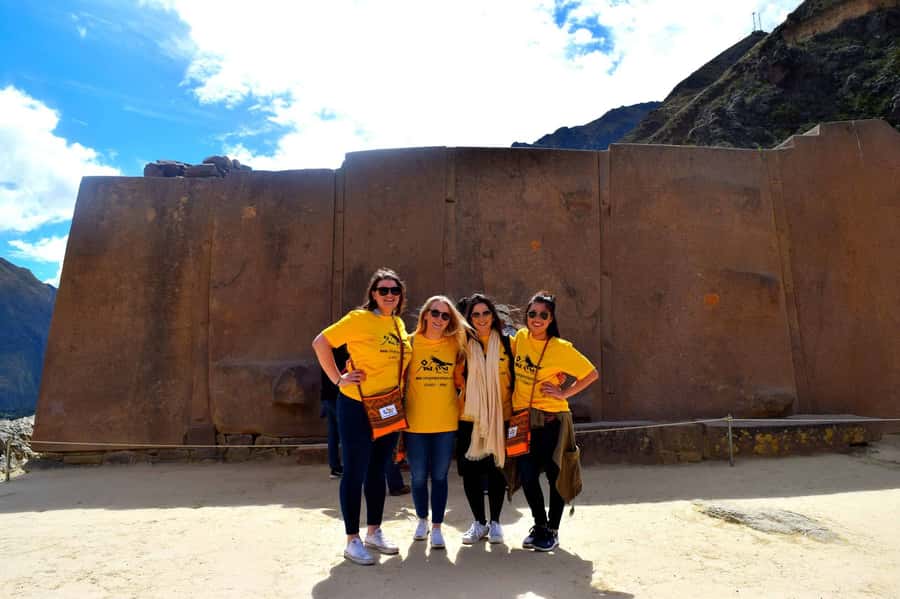
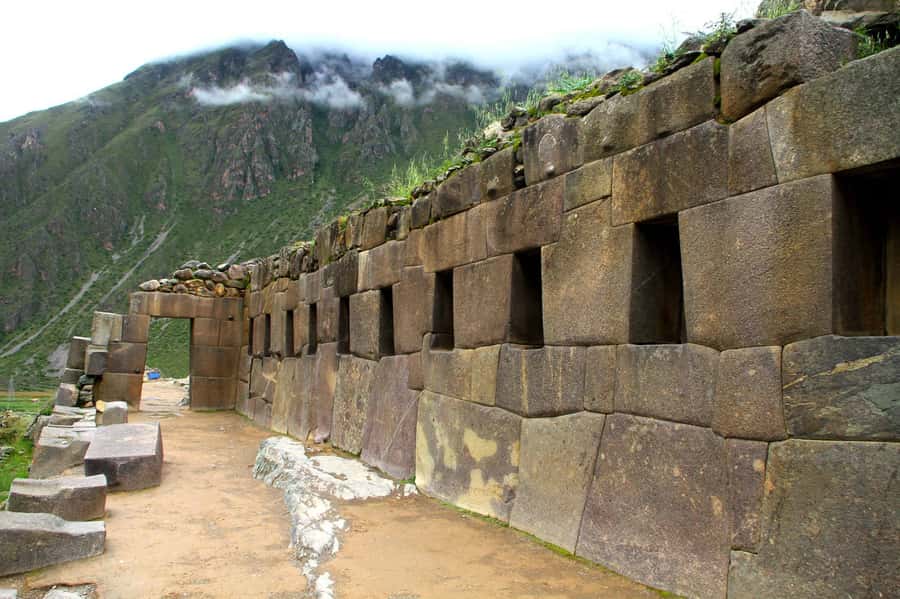
Now you arrive at Ollantaytambo (about 9,160 ft / 2,792 m). This is where the day often feels the most dramatic. You’ll visit Ollantaytambo Fortress with about one guided hour, and you’re looking at massive stone terrace walls that climb the mountainside.
What I like here is the sense of purpose. This isn’t just a monument. The fortress feels strategic and spiritual at the same time—built to control movement through the valley and to reflect how the Incas thought about sacred space. If you’ve spent the morning staring at terraces and temples in Pisac, Ollantaytambo gives you a bigger, louder version of the same idea: land used intentionally.
The guide helps you “read” the place fast: why the terraces rise where they do, how the fortress sits with the surrounding terrain, and why this location mattered. Even if you’re not a history nerd, the scale makes the story easier to grasp.
The main consideration: this is the kind of stop where you’ll want to take it slow on the stones and steps. If you rush, you miss the texture and the meaning. If you’re watching your energy because of altitude, use the hour to move carefully rather than trying to outrun the group.
Also, one real-world warning from the realities of shared touring: if pickup or timing is delayed earlier, Ollantaytambo can feel shorter than ideal. The setting is popular, and missing even part of the fortress time changes the whole day.
Chinchero: Inca ruins, colonial church, and weaving in motion
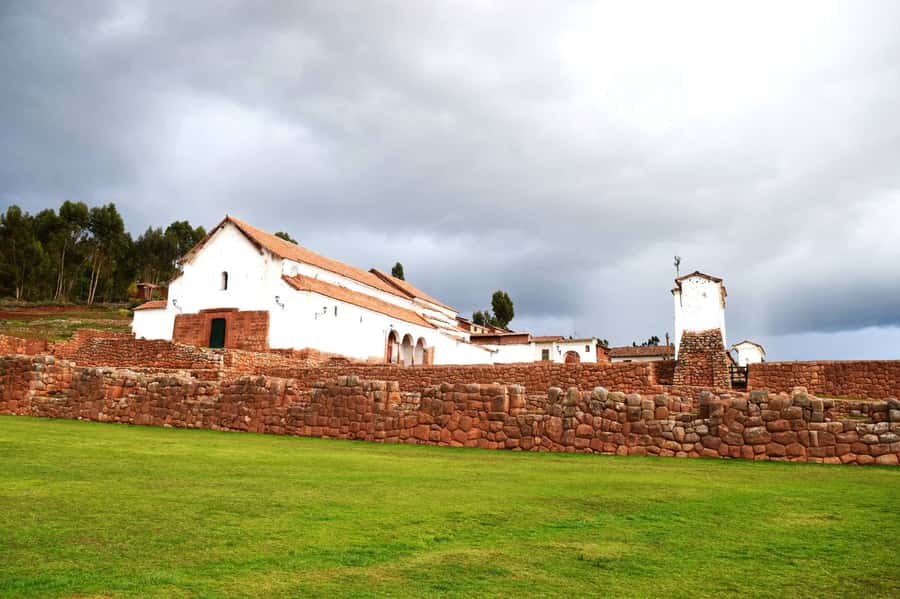
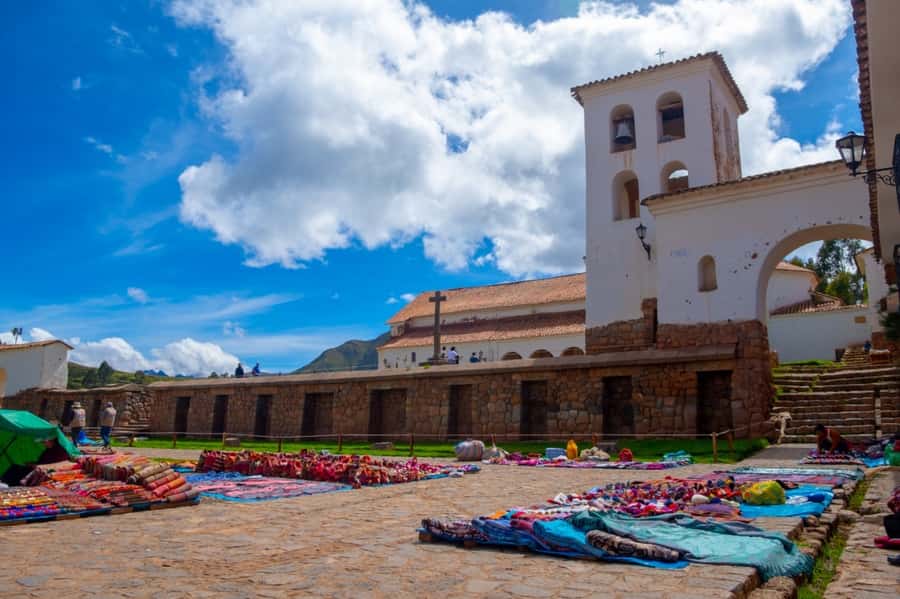
On the way back, you’ll stop in Chinchero at about 12,342 ft / 3,762 m. This part of the day is especially good if you care about craft and culture as living practice, not just museum artifacts.
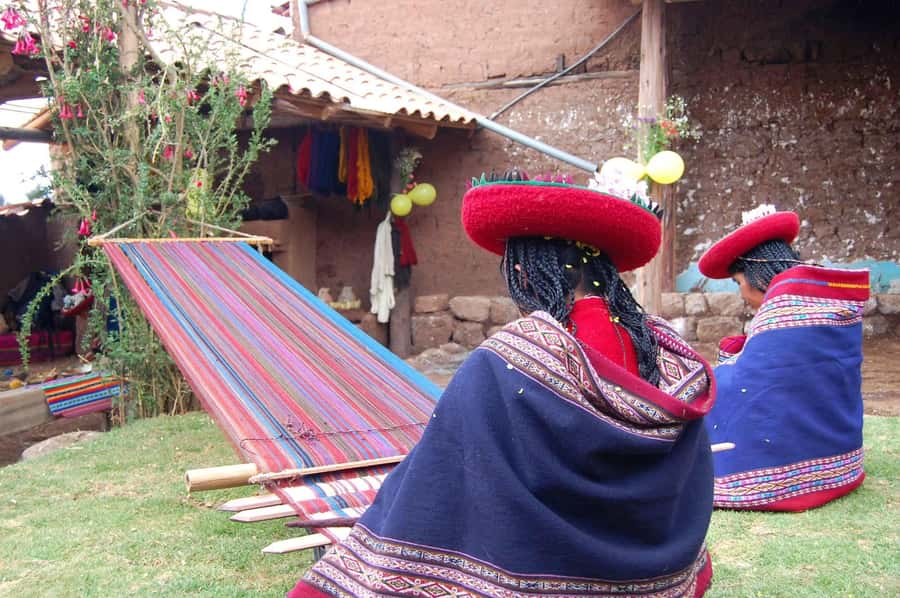
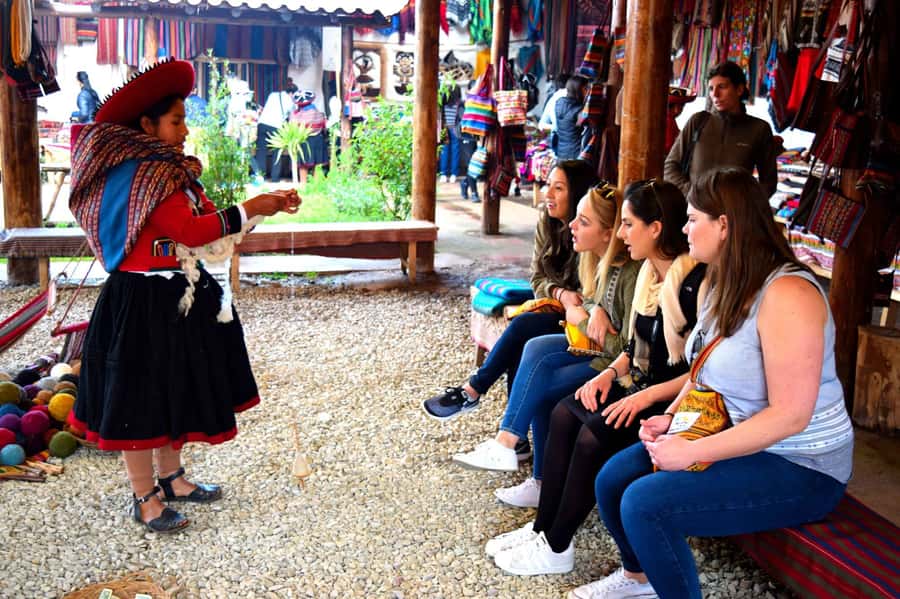
Chinchero is known for Inca ruins, a colonial church, and traditional textile workshops. You’ll have about one hour with a guide here. The big draw is the weaving demonstration—artisans showing traditional textile work using ancient methods. Seeing the process up close helps you understand why Andean textiles aren’t just decoration. They involve knowledge: materials, technique, dye choices, and pattern logic.
I also like that you’re not only looking backward at ruins. You’re seeing heritage expressed in working hands today. It makes the day feel more complete.
As with other stops, the time slice is fixed. If you want longer to watch weaving techniques from multiple angles, you might wish you had more time. But for a 10-hour tour hitting Pisac and Ollantaytambo too, you’re getting a well-chosen blend of site history and cultural practice.
Price and value: $22 that comes with a couple of add-ons
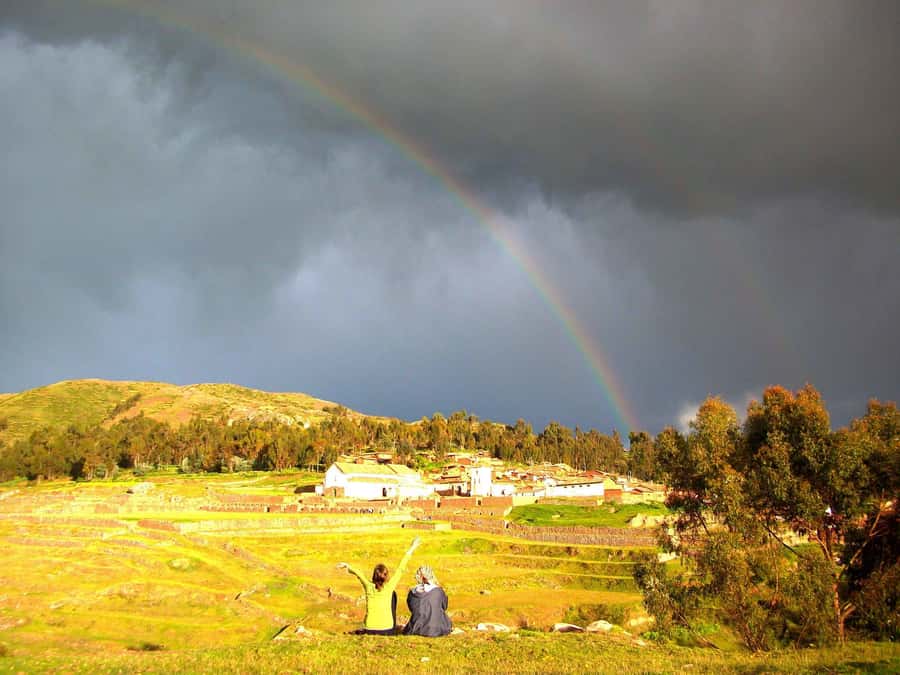
At $22 per person, this tour is priced like a “value day” rather than a premium all-day experience. You’re paying for guided time at multiple stops plus transport to and from the tour. What you don’t get is included lunch, and you still have to handle the 70 Soles tourist ticket for entry.
So the honest way to look at the value is this: the low base price works best when you’re comfortable covering minor extras yourself and when you’re happy with short guided segments. If you want long, slow time at just one site, a cheaper-per-site day might actually cost you less in frustration.
Also consider the practical rhythm. With only 10 hours, you’ll move through multiple elevations and multiple locations. If that fits how you travel—fast learning, lots of highlights—this is good value. If your travel style is “sit with one place for hours,” you’ll likely feel the pace.
One more thing: pickup experiences can vary with shared transport. One booking had a major pickup delay and required meeting the bus after it was full, which caused the family to split and cut the day short. That’s not the norm you should expect, but it is a reminder to confirm your pickup details and build a little patience into your plan.
Before you go: what to pack, what to avoid, and who should skip
This day hits multiple high points, so you want to be ready. Bring passport or ID, sun hat, sunscreen, water, and rain gear. Wear shoes that handle steps and uneven stone. The tour is not suitable for people with mobility impairments, and it may not be the best idea if you have pre-existing medical conditions.
There are also clear “don’t bring” rules: no pets, no alcohol or drugs, no weapons or sharp objects, and keep things safe and calm during the ride.
If you’re planning your Sacred Valley day alongside other Cusco activities, treat this as a primary focus. It’s not a light stroll. It’s a full itinerary that stacks top Inca stops with a craft stop, plus a scenic viewpoint. Plan for the evening to be low-key so your body can recover.
Should you book the Cusco Sacred Valley tour?
I’d book this if you want a smart first pass through the Sacred Valley with guided context at Pisac, Ollantaytambo, and a cultural craft stop in Chinchero. The blend is solid: stone ruins in two major locations, plus textiles in action. The base price is attractive, and transport plus guiding means you’re not coordinating multiple separate trips.
I wouldn’t book it if you’re looking for slow, unhurried time at just one site, or if you need accessibility support. And if you’re very altitude-sensitive or have medical limitations, you should think hard before committing to a route that reaches around 12,342 ft.
If you do book, do two things: buy your 70 Soles ticket at Pisaq the day you go, and set yourself up for a smooth morning so the later stops—especially Ollantaytambo—don’t feel cut short.
FAQ
How long is the Cusco Sacred Valley of the Incas tour?
It lasts about 10 hours.
What is included in the price?
The tour includes professional guides (English or Spanish) and transport to and from the tour.
What entrance fee do I need to pay, and when?
A tourist ticket costing 70 Soles is not included. You can buy it on the day of the activity at the entrance of the first place you visit (Pisaq).
Is lunch included?
No. Lunch in Urubamba is not included.
Where are the pickup and drop-off locations in Cusco?
The tour lists pick-up and drop-off options in Centro Histórico at the Iglesia del Triunfo area in Cusco.
What languages are the guides?
Guides are available in English and Spanish.
What should I bring for the day?
Bring your passport or ID card, sun hat, sunscreen, water, and rain gear.
Are there any rules about what I can bring?
Pets are not allowed, and the tour also prohibits intoxication, alcohol and drugs, and weapons or sharp objects.
FAQ
Is there a cancellation option if plans change?
Yes. You can cancel up to 24 hours in advance for a full refund.